 Pulse Reviews and Analysis
How do you use conversation-intelligence data to coach a team?
 Curated by Kory White · Fractional CRO, CRO Syndicate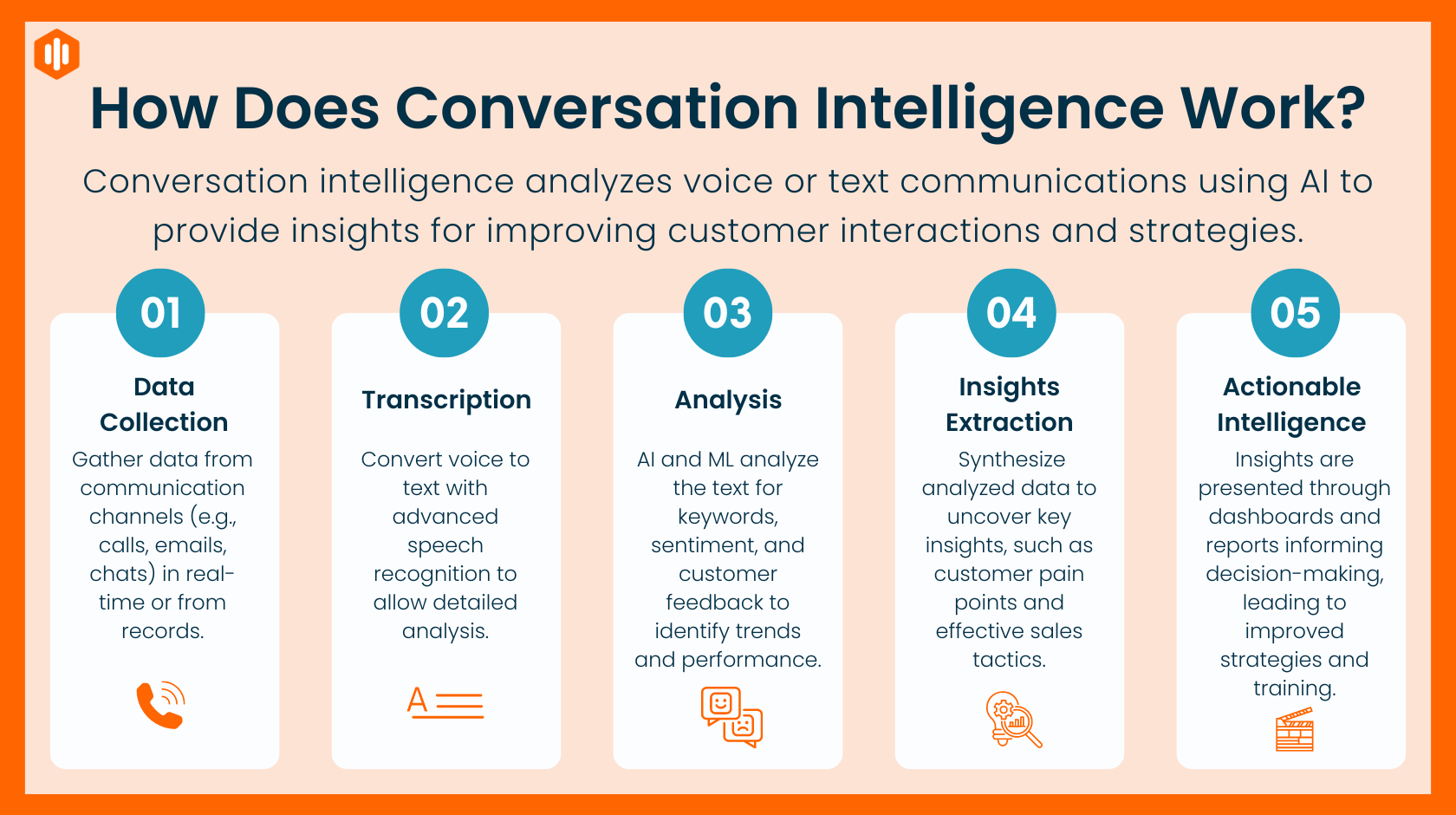
Direct Answer
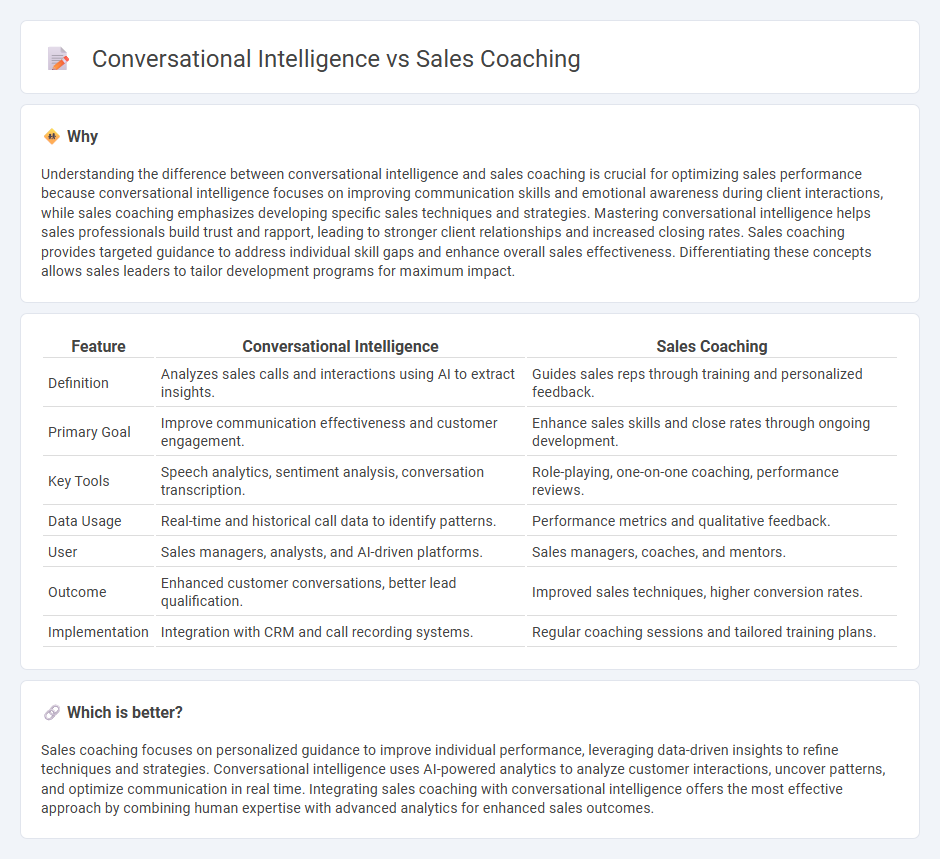
Use conversation-intelligence data to coach the team-level pattern, not the one-off call: roll up your Gong, Chorus, or Clari Copilot call data into a small set of tracked behaviors (talk-to-listen ratio, discovery question count, competitor mentions, next-step set rate, monologue length), find the two or three patterns that correlate with won deals, and build a shared scorecard the whole team is measured and coached against.
The manager's core move in 2027 is to stop spot-checking random calls and start running a weekly rhythm where you review the team's trackers, pick the single highest-leverage behavior gap, run a drill on it, and watch the tracker move. Conversation data tells you *what* to coach and *who* needs it most; you still have to do the actual coaching conversation.
This is for sales managers, frontline leaders, and enablement who already record calls but are letting the recordings sit unused.
Why This Happens — Diagnose Before You Coach
Most teams buy a conversation-intelligence platform, get excited for a month, and then it becomes a glorified call recorder. The data is sitting there, but no behavior changes because nobody turned it into a coaching system. Before you coach a team off the data, diagnose why performance varies — and whether the gap is even a coaching problem.
The four root causes behind a flat or inconsistent team are skill (reps don't know how to run discovery), will (they know how but aren't doing it), knowledge (they can't speak to the product or competitor), and system/territory (the trackers look bad because the segment or routing is broken, not the rep).
Conversation data is uniquely good at separating these, because the calls show you exactly what reps say and don't say. A rep with a 70% talk ratio and zero discovery questions has a skill or will gap. A whole team with the same gap is a system gap — your playbook or onboarding never taught it.
The discipline here is to look at the aggregate tracker first, then drill into individual calls. If 9 of 11 reps have the same gap, do not run 9 separate 1:1s — fix it once at the team level.
The Coaching Conversation
When you coach off conversation data, the worst thing you can do is play a call clip and say "see, that's bad." That triggers defensiveness and the rep stops trusting the tool. Lean on the GROW model (Goal, Reality, Options, Will) and let the data be the neutral third party in the room.
Here are verbatim scripts for the two settings that matter: the team huddle (scaling coaching from data) and the 1:1 off a tracker.
Team huddle script — open with the pattern, not the person:
"I pulled our next-step set rate from Gong for the last 30 days. As a team we're setting a concrete next step on 48% of first calls. The reps who are over 70% are doing one specific thing — they ask for the calendar before the call ends, out loud. Let's listen to two 20-second clips of that, then we're all going to script our own version."
Then make it a drill, not a lecture:
"Everybody write down the exact sentence you'll use to lock a next step. We'll go around and say them. I want yours in your own words by Friday, and I'll be watching the tracker next Monday."
1:1 script off an individual's tracker — use GROW:
- Goal: "What were you trying to get out of that discovery call?"
- Reality: "Here's what the Chorus tracker shows — you talked 68% of the time and asked 3 questions. Listen to this stretch with me. What do you hear?"
- Options: "Where could you have flipped it back to them? What's one question that would have opened that up?"
- Will: "So on your next three calls, what's the commitment? Let's set the talk ratio target at 55% and check it next week."
Notice the manager never says "you're bad at discovery." The tracker states the fact, the rep does the diagnosing, and the manager sets the commitment. That is how you keep the data from feeling like surveillance.
The Coaching Plan / Cadence
A conversation-intelligence coaching program lives or dies on rhythm. Random reviews produce random results. Run a weekly loop and layer a 30/60/90 ramp on top of it for the program rollout.
- Days 0–30: Pick 2–3 trackers only (e.g. Talk ratio, discovery questions, next-step set rate). Define what "good" looks like with real clips from your top reps. Do not boil the ocean with 15 metrics.
- Days 31–60: Make the trackers visible. Run one team huddle and one data-driven 1:1 per rep per week. Start scoring calls against a shared scorecard.
- Days 61–90: Tie the trackers to deal outcomes — show the team that calls hitting the behaviors win at a higher rate. Promote your best reps' clips into a "gold call" library.
The weekly loop is the engine. Each Monday you observe the team trackers, each cycle you coach the single biggest gap, and each Friday you check whether the tracker moved. If it never moves, your coaching is the problem, not the rep's.

👉 Quick Call with Kory White, Fractional CRO · See Kory on LinkedIn · CRO Syndicate
Drills & Role-Play
Data tells you what to drill; the drill is where the behavior actually changes.
- Clip-and-rebuild: Pull a real call clip where a rep got steamrolled by a pricing objection. Pause it at the moment of truth, and have three reps role-play the next 30 seconds live. Replay the original, then the best rebuild.
- Tracker target sprints: Set a one-week team target — "every first call ends with a scheduled next step." Use the next-step tracker as the scoreboard and announce the leader daily.
- Top-rep teardown: Once a month, play a full won-deal call from your best rep and have the team annotate it against the scorecard. This is your cheapest, highest-trust coaching.
- Self-review homework: Have each rep review one of their own calls in Gong and write down two things they'd change. Self-coaching off the data scales when you can't be in every room.
What to Measure
Coach to leading indicators, because quota is a lagging result that arrives too late to fix. Conversation data is almost all leading indicators, which is its real advantage.
- Behavior trackers: talk-to-listen ratio, discovery question count, longest customer monologue, competitor and pricing mention handling.
- Conversion trackers: first-call-to-next-step rate, demo-to-opportunity rate, and whether calls that hit the behaviors convert better than ones that don't.
- Ramp: time for a new AE to reach the team-average talk ratio and discovery count.
- Behavior change over time: the slope of each tracker per rep after you coach it — flat slope means your coaching didn't land.
The single most persuasive number you can show a skeptical team is the win-rate delta between calls that hit the behaviors and calls that don't. When reps see the data, adoption stops being a fight.
Common Mistakes Managers Make
- Coaching the call, not the pattern. Reviewing one random call wastes everyone's time. Coach the rolled-up tracker that repeats across many calls.
- Using the tool as a gotcha. The moment reps think recordings are for catching them, talk ratios get gamed and trust dies. Coach forward, never punish backward.
- Tracking 15 metrics. Pick two or three. A team can change one or two behaviors at a time, not a dozen.
- No follow-through. If you set a talk-ratio target and never check the tracker again, you taught the team that coaching is theater.
- Coaching everyone the same. The data shows different reps have different gaps — segment your coaching by what their trackers actually say.
- Confusing a system gap with a skill gap. If the whole team fails the same behavior, fix the playbook and onboarding, not eleven individuals.
FAQ
How many calls should a manager review per rep each week? Quality beats volume. Two to three targeted clips tied to a specific tracker beat skimming ten full calls. Let the conversation-intelligence platform surface the calls where the behavior you're coaching went wrong, and review those.
Will reps feel spied on if I coach off Gong or Chorus recordings? They will if you use it punitively. Set the norm out loud: recordings exist to make everyone better, you coach forward not backward, and you celebrate the clips that go right. When reps watch you promote a teammate's great call instead of airing a bad one, the fear fades.
What if the whole team is bad at the same behavior? That is a system signal, not eleven coaching problems. Fix it once — update the playbook, the onboarding, and the call scorecard — then reinforce it in a team huddle. Save 1:1 coaching for the gaps that are specific to one rep.
Can AI scoring replace manager coaching? No. In 2027 AI scorecards in Gong and Clari Copilot do the heavy lifting of finding patterns and flagging calls, which frees the manager from manual review. But the GROW conversation, the accountability, and the role-play still require a human. AI tells you what to coach; you still coach.
Which metric should I start with if I only pick one? Next-step set rate. It is easy to define, easy to coach, directly tied to pipeline velocity, and reps can change it in a week. Get one tracker moving and the team learns the loop works before you add more.
Bottom Line
Conversation intelligence is not a recording archive — it is a behavior microscope. The one move that matters is to roll the data up into two or three tracked behaviors, find the team-level gap that correlates with winning, and run a weekly observe-coach-practice-measure loop against it.
Let the tracker state the facts so coaching stays neutral, drill the behavior until the number moves, and promote the calls that get it right.
Sources
- Gong Labs — Sales conversation research
- Harvard Business Review — The Right Way to Coach Your Sales Team
- RAIN Group — Sales Coaching research and frameworks
- Chorus by ZoomInfo — Conversation intelligence for coaching
- Clari — Copilot conversation intelligence
- Sales Hacker — How to coach a sales team with call data
- Winning by Design — Coaching frameworks
*Sales coaching for conversation-intelligence data — how to coach a sales team with Gong, Chorus, and Clari Copilot call data, a sales manager coaching guide, rep coaching framework, and a conversation-intelligence coaching playbook for 2027.*