
Should I open or buy an Andy’s Frozen Custard franchise in 2027?
 Curated byKory White · Fractional CRO · Maryland
 PULSEKNOWLEDGE LIBRARY
Yes for a well-capitalized operator who wants a high-AUV frozen-custard brand with a cult following and drive-thru model — Andy's Frozen Custard delivers some of the strongest unit volumes in the frozen-dessert category. Andy's Frozen Custard, founded in 1986 in Missouri, franchises fresh frozen-custard shops (concretes, sundaes, cones) built on a drive-thru and walk-up model with a passionate fan base and premium quality. The 2026 FDD lists a franchise fee around $30,000, total Item 7 investment of roughly $1,000,000 to $2,500,000, a royalty near 5%, and a marketing fee. Mature shops gross $1,000,000-$2,500,000 — high for frozen dessert — with owners clearing $130,000-$350,000. Its edge is premium custard, strong AUVs, cult loyalty, and an efficient drive-thru model; the considerations are the capital required and some seasonality (though warm markets and year-round operation help).
The Real Numbers
An Andy's builds a drive-thru/walk-up shop (often ground-up, 1,200-2,000 sq ft footprint) focused on fresh frozen custard made throughout the day. The drive-thru efficiency and premium product drive high volumes.
| Line Item | Low | High | Notes |
|---|---|---|---|
| Franchise fee | $30,000 | $30,000 | Per 2026 FDD |
| Buildout / leasehold | $550,000 | $1,400,000 | Drive-thru/walk-up build |
| Equipment & POS | $280,000 | $600,000 | Custard machines, POS |
| Signage & decor | $35,000 | $120,000 | Brand-prescribed |
| Initial inventory | $12,000 | $30,000 | Mix + supplies |
| Initial marketing | $25,000 | $60,000 | Grand opening |
| Training & travel | $10,000 | $28,000 | Operator + staff |
| Working capital | $70,000 | $180,000 | First 3 months |
| Total Item 7 | ~$1,000,000 | ~$2,500,000 | Per 2026 FDD |
| Royalty | ~5% of gross | ||
| Marketing fee | ~2% of gross |
Revenue reality: mature shops gross $1M-$2.5M — among the highest AUVs in frozen dessert — driven by premium custard, cult loyalty, and drive-thru throughput. After product cost, labor (24%-30%), occupancy, the 5% royalty, and marketing, restaurant-level margins land 13%-20%, producing $130K-$350K owner profit. The premium product and strong volumes are the advantages; capital intensity and some seasonality are the considerations, mitigated by warm markets and year-round drive-thru operation.
Who Wins With This Business
- Capital required: $1M-$2.5M, with $300,000-$600,000 liquid.
- Time commitment: full-time, throughput-focused operation.
- Skills: dessert/QSR operations, drive-thru throughput, and local marketing.
- Geographic fit: warm-to-moderate markets supporting year-round custard demand.
- Lifestyle fit: hands-on, multi-unit-capable.
The winners are well-capitalized operators who leverage the premium product, cult loyalty, and drive-thru model.
Who Loses With This Business
- Under-capitalized buyers facing the $1M+ build.
- Operators in cold/seasonal markets without year-round demand.
- Weak drive-thru throughput.
- Those who compromise the premium custard quality.
- Poor-location shops.
2027 Market Conditions
- Demand: premium frozen custard has strong, loyal appeal and high AUVs.
- Differentiation: fresh-made premium custard and cult brand stand out.
- Drive-thru: efficient throughput drives strong volumes.
- Seasonality: warmer markets and year-round operation mitigate winter dips.
- Competition: Culver's, Freddy's (custard), and ice-cream/dessert brands (in the Pulse library).
The 90-Day Decision Tree
- Day 1-20: Read the 2026 FDD and confirm the high AUVs and capital requirements.
- Day 21-45: Interview 8+ owners; ask about AUV, seasonality, and net profit.
- Day 46-65: Validate a warm-to-moderate market and secure a drive-thru site.
- Day 66-110: Finance and build the shop.
- Day 111-160: Open with strong throughput operations.
- Drive volume leveraging the premium product and cult appeal.
- Consider additional units in strong markets.
Alternative Plays
- Culver's / Freddy's — custard-and-burger franchises (in the Pulse library).
- Bruster's / Marble Slab — ice-cream franchises (in the Pulse library).
- Twistee Treat — soft-serve frozen-treat franchise.
- Bahama Buck's — shaved-ice/smoothie frozen treats.
- Independent custard shop — full control, but no brand.
- Dairy Queen — soft-serve/QSR alternative (in the Pulse library).
Operational Realities: What It’s Actually Like to Run an Andy’s Location
Running an Andy’s Frozen Custard franchise is a hands-on, equipment-intensive operation that differs meaningfully from a standard ice cream shop. The custard is made fresh in small batches throughout the day using a continuous freezer, which requires staff trained on proper machine operation, cleaning cycles, and temperature control. Unlike scoop shops where product is pre-made and stored, Andy’s requires a dedicated team member to manage the custard machine during peak hours, adding labor complexity.
The drive-thru model is the backbone of the business. Most Andy’s locations generate 60-75% of sales through the drive-thru, with the remainder from walk-up counter service. This means your site selection must prioritize high-traffic corridors with good ingress/egress, not just foot traffic or visibility. The 2026 FDD indicates average drive-thru times of 90-120 seconds during peak periods, which is competitive but requires precise kitchen layout and staffing. The menu is deliberately streamlined—concretes, sundaes, shakes, floats, and a few seasonal items—which simplifies training but also means you have limited room to differentiate from other drive-thru dessert concepts.
Seasonality is a real factor, though less severe than in northern markets. Andy’s reports that 45-55% of annual revenue comes from May through August, with a secondary spike around the December holidays. In warmer climates like Texas, Arizona, and Florida, the drop-off is gentler—maybe 20-30% lower in winter versus peak summer—but in Midwest markets, winter sales can fall 40-50%. Operators in colder regions often reduce hours or close for 2-3 months, which impacts cash flow and makes lease negotiations critical. The royalty is 5% regardless of season, so you need strong summer margins to carry slower months.
Labor is the biggest operational headache. The custard machine requires a skilled operator who can troubleshoot issues like over-freezing or air incorporation problems, which are common with fresh custard. Turnover in quick-service is high nationally, but Andy’s requires more specialized training than a typical soft-serve shop, so losing a trained machine operator can disrupt service for days. Franchisees report spending 10-15 hours per week on hiring and training during peak season. The good news: Andy’s corporate provides a 5-day initial training program at their Springfield, Missouri headquarters, plus ongoing field support, but the day-to-day burden falls on the owner.
Financing and Capital Structure for a 2027 Entry
Opening an Andy’s in 2027 will require significant capital, and the financing landscape has shifted since the 2021-2022 low-rate era. The total investment range of $1,000,000 to $2,500,000 covers leasehold improvements, equipment, initial inventory, and working capital. The franchise fee alone is $30,000, but the real cost is in the build-out: a typical Andy’s requires 1,200-1,800 square feet with a dedicated drive-thru lane, walk-up window, and kitchen designed for the custard machine. Equipment costs—freezers, mixers, point-of-sale systems, and signage—run $250,000-$400,000 depending on whether you buy new or used.
For financing, most franchisees use a combination of SBA loans (7(a) or 504 programs), conventional bank loans, and personal capital. As of early 2025, SBA 7(a) rates for franchise loans are in the 8-11% range for well-qualified borrowers, up from 5-7% in 2021. You’ll typically need 20-30% of the total investment in liquid capital—so $200,000 to $750,000 depending on location and build-out cost. Andy’s does not offer in-house financing, but they do provide a list of preferred lenders who understand the franchise model. The 2026 FDD shows that about 60% of new franchisees use SBA loans, 25% use conventional bank debt, and 15% self-fund entirely.
One often-overlooked cost is the 3-6 month ramp-up period. New locations typically lose money for the first 3-6 months as you build brand awareness and train staff. The FDD’s Item 7 estimates $50,000-$100,000 in working capital, but experienced franchisees suggest $100,000-$150,000 is more realistic for a cushion. Royalty payments start from day one of operations, even if you’re not profitable, so cash reserves are essential. The royalty is 5% of gross sales, plus a marketing fee of 1-2%, so on $1.5 million in annual sales, you’re paying $90,000-$105,000 in ongoing fees before rent, labor, and COGS.
Market Saturation and Territory Protection in 2027
By 2027, Andy’s Frozen Custard will have over 100 locations across 15-20 states, concentrated in the Midwest, Texas, Florida, and Arizona. The brand is expanding aggressively, with 15-25 new openings per year planned through 2028. This creates both opportunity and risk: early movers in unsaturated markets can capture dominant market share, but late entrants in already-dense areas may face cannibalization and thinner margins.
Territory protection is a key consideration. Andy’s typically grants a protected territory of 2-3 miles for drive-thru locations, but this can vary by market and development agreement. In high-density urban areas, the protected radius may shrink to 1-1.5 miles. The 2026 FDD does not guarantee exclusive territories—meaning Andy’s can open company-owned or franchised locations nearby if they deem the market can support it. This is a common source of franchisee frustration, so you should negotiate territory language carefully in your franchise agreement. Some franchisees have successfully secured “radius protection” clauses that prevent Andy’s from opening another location within 2 miles for the first 5 years of operation.
The competitive landscape is intensifying. National chains like Dairy Queen, Culver’s, and Sonic offer similar drive-thru dessert models, and regional frozen-custard brands like Culver’s (which also serves custard) and Freddy’s are direct competitors. Andy’s differentiates on product quality and cult following, but you’re competing for the same $4-$8 per transaction customer. In markets with multiple drive-thru dessert options, average unit volumes can be 15-25% lower than in exclusive markets. Before signing, request a market study from Andy’s corporate showing projected sales for your specific location, and verify it against comparable existing stores in similar demographics. If the projected AUV is below $1.2 million, the economics become tight given the capital required.
FAQ
What is the typical investment range for an Andy’s Frozen Custard franchise? The total initial investment (Item 7) generally falls between $1,000,000 and $2,500,000. This includes the franchise fee of around $30,000, equipment, construction, and other startup costs. Actual amounts vary by location size, real estate market, and build-out requirements.
How much can an owner expect to earn annually? Mature Andy’s locations often report annual gross sales of $1,000,000 to $2,500,000. Owner earnings (net profit) typically range from $130,000 to $350,000 per year, depending on factors like labor costs, local demand, and operational efficiency.
Is Andy’s Frozen Custard a seasonal business? While frozen custard sales can dip in colder months, many locations operate year-round thanks to indoor seating and drive-thru service. Warm-weather markets see less seasonality, and the brand’s cult following helps maintain steady traffic even in cooler seasons.
What are the ongoing fees for franchisees? Franchisees pay a royalty of about 5% of gross sales and a marketing fee (typically 1–2%). These fees support brand development, national advertising, and operational support. Exact percentages are confirmed in the franchise disclosure document.
How long does it take to open a new Andy’s Frozen Custard location? From signing the franchise agreement to opening, the timeline is usually 12 to 18 months. This includes site selection, lease negotiation, construction, and training. Delays can occur due to permitting or supply chain issues.
What makes Andy’s different from other frozen dessert franchises? Andy’s focuses on premium, fresh frozen custard made in-store daily, with a drive-thru and walk-up model that reduces overhead. Its high average unit volumes and loyal customer base set it apart from typical ice cream or yogurt chains, though the higher initial investment reflects this premium positioning.
Bottom Line
Open an Andy's Frozen Custard if you want a premium, high-AUV frozen-dessert brand with cult loyalty and an efficient drive-thru model, you're well-capitalized ($1M-$2.5M), and you're in a warm-to-moderate market. Its premium product and strong unit volumes are genuine standouts in frozen dessert. Skip it if you're under-capitalized, in a cold/seasonal market, or can't execute drive-thru throughput. For well-capitalized operators in good markets, Andy's offers one of the strongest unit economics in the frozen-dessert category.
Related on PULSE
- [Should I open or buy a Freddy's Frozen Custard franchise in 2027?](/knowledge/q14660)
- [Should I open or buy a Cherry Berry frozen yogurt franchise in 2027?](/knowledge/q14872)
- [Should I open or buy a Menchie's Frozen Yogurt franchise in 2027?](/knowledge/q14649)
- [How Many Employees Should I Schedule Each Shift at My Frozen Yogurt Shop?](/knowledge/q15617)
- [Should I open or buy an Oxi Fresh Carpet Cleaning franchise in 2027?](/knowledge/q15521)
- [Should I open or buy an Oil Can Henry’s franchise in 2027?](/knowledge/q15520)
Sources
- Andy's Frozen Custard Franchise Disclosure Document (2026 filing) — Items 5, 6, 7, 19, 20
- Andy's Frozen Custard official franchise site — investment range and drive-thru model
- Entrepreneur Franchise listings — Andy's Frozen Custard
- Franchise Business Review — frozen-dessert franchise satisfaction data
- IBISWorld — Ice Cream & Frozen Dessert Shops in the US, 2026 industry report
- Technomic — frozen-custard and dessert-segment data 2026
- Statista — US frozen-dessert market, 2025-2026
- International Franchise Association (IFA) — 2027 Franchise Economic Outlook
- Restaurant Business / Nation's Restaurant News — frozen-custard trends 2026
- US Census — warm-climate demographic data, 2025-2026
This page will be disappearing soon. Save it to your device for $1 — or read it free while it is here.
@Kory-White- · if Venmo asks, the last 4 of my number are 2012
This page is gone.
This one is off the shelf now. $1 keeps it on your phone for good — the whole page, pictures and diagrams included.
 pulse-qShould I open or buy a Garage Experts franchise in 2027?
 pulse-qShould I open or buy a Cookies Crumbl alternative — Insomnia Cookies — franchise in 2027?
 pulse-qShould I open or buy a Body20 franchise in 2027?
 pulse-qShould I open or buy a Blo Blow Dry Bar franchise in 2027?
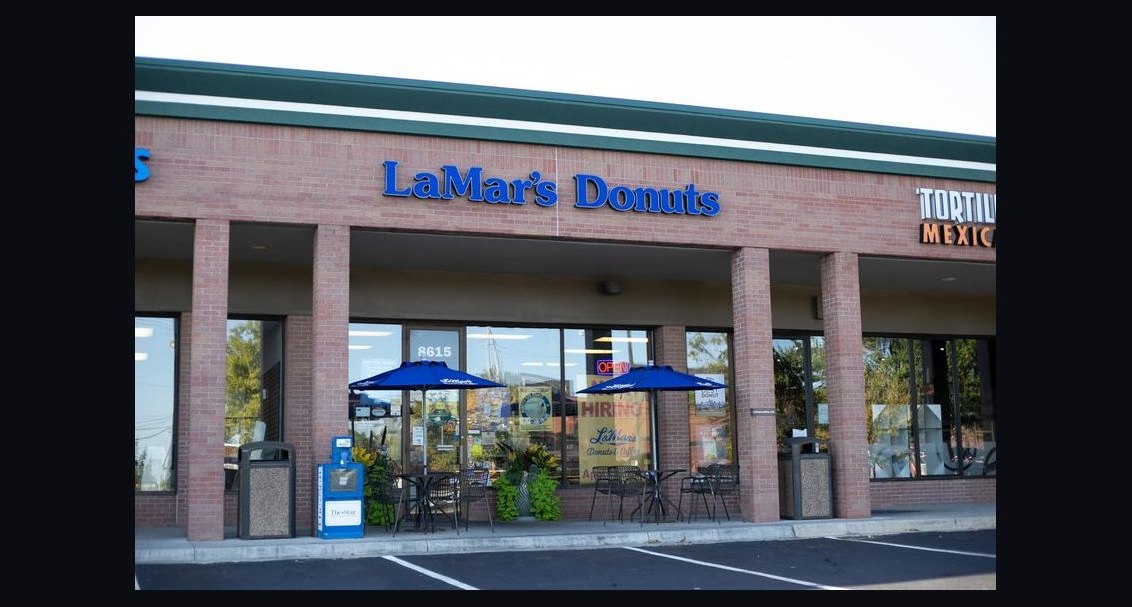 pulse-qShould I open or buy a LaMar's Donuts franchise in 2027?
 pulse-qShould I open or buy a Snap Fitness franchise in 2027?
 pulse-qHow Many Recruiters Do I Need to Hire for My Staffing Agency to Hit Its Placement Goal?
 pulse-qHow Many Salespeople Should I Schedule Each Day at My Sporting Goods Store?
 pulse-qAs-Is vs Warm Shell vs Turnkey: Which Delivery Saves Me the Most?
 pulse-qShould I open or buy a Roof Maxx franchise in 2027?