

How should RevOps in 2027 adjust quota carrying capacity when AI automates 60% of outbound tasks?
 Curated byKory White · Fractional CRO · Maryland
Quality
Certified
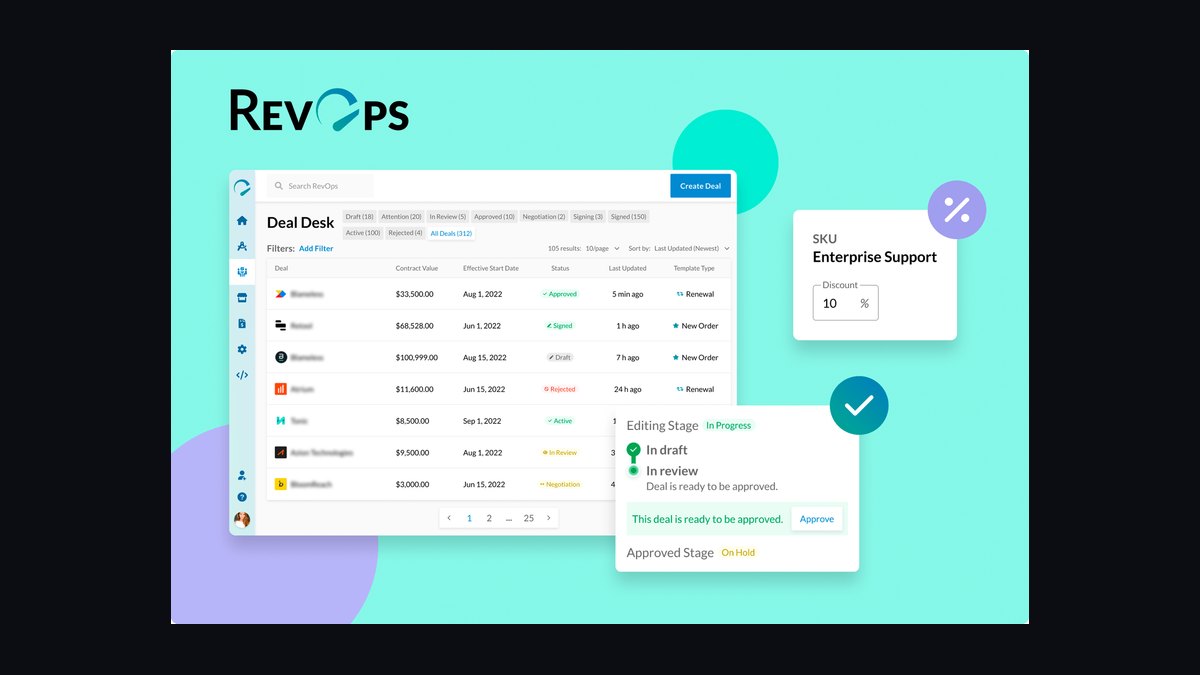
RevOps in 2027 should stop sizing quota carrying capacity on rep headcount and start sizing it on AI-qualified pipeline throughput. When AI automates 60% of outbound tasks, capacity shifts to a hybrid model: fewer quota-carrying reps, each managing several AI streams, with higher per-rep quotas offset by lower AI-sourced close rates and longer enterprise cycles.
The outcome you should expect
The most likely 2027 end state is a smaller, more senior quota-carrying team carrying larger numbers, supported by an AI layer that produces most of the top-of-funnel volume. If you model this correctly, three things change at once. First, the number of quota-carrying reps falls, typically 25–40%, because each rep now supervises multiple automated outbound streams rather than personally generating touches. Second, per-rep quota rises, commonly 40–70%, because the rep inherits pipeline volume they did not personally source. Third, and most often missed, effective capacity per rep does not rise as much as the raw quota number suggests, because AI-sourced pipeline converts at a lower rate and enterprise deals take longer to close.
A realistic planning outcome for a mid-market SaaS company: a team that carried 20 reps at $800K annual quota each in 2025 ($16M total capacity) moves to 13–15 reps at $1.2M–$1.4M each in 2027, for roughly $16M–$20M in total capacity. The headcount reduction funds AI licensing and a higher variable component, and total capacity grows modestly rather than exploding. If your model shows capacity tripling, you have almost certainly double-counted AI-sourced pipeline or ignored the close-rate discount.
The practical implication for RevOps is that quota carrying capacity becomes a pipeline-quality problem, not a headcount problem. You are no longer asking "how many reps do we need?" You are asking "how much qualified pipeline can the AI layer produce, what fraction of it is real, and how many human hours does conversion require?" Those three numbers drive everything else.
What drives that outcome
Four forces determine how much quota carrying capacity you actually get when AI automates 60% of outbound tasks.
AI-sourced pipeline quality. Automated outbound generates volume cheaply, but the leads it produces are earlier in intent and less pre-qualified than human-sourced ones. A common planning assumption is that AI-sourced opportunities close at 10–20% below the rate of rep-sourced opportunities. If your blended close rate was 22%, an AI-heavy mix might land at 16–19%. That discount is the single biggest reason raw pipeline growth does not translate one-to-one into quota capacity.
Human selling hours released. If AI absorbs 60% of outbound tasks, a rep who spent 40 hours a week on prospecting, sequencing, and follow-up may recover 15–20 hours. But not all of that becomes selling time. Some goes to supervising and correcting AI output, some to reviewing flagged accounts, some to coaching the models. A realistic conversion is that 8–12 of those recovered hours become genuine strategic selling time.

Deal complexity and committee size. Enterprise buying committees now routinely involve 11–15 stakeholders, and cycles for larger deals stretch well beyond six months. A rep can only run a handful of complex deals concurrently. This caps capacity regardless of how much pipeline AI produces, because the constraint moves from pipeline generation to human attention.
Handoff discipline. Capacity depends on where you draw the line between AI-owned and human-owned work. If reps receive raw AI output, they drown. If they receive only AI-qualified opportunities that have cleared a defined intent threshold, their time goes to conversion. The handoff threshold is a capacity lever as much as a workflow decision.

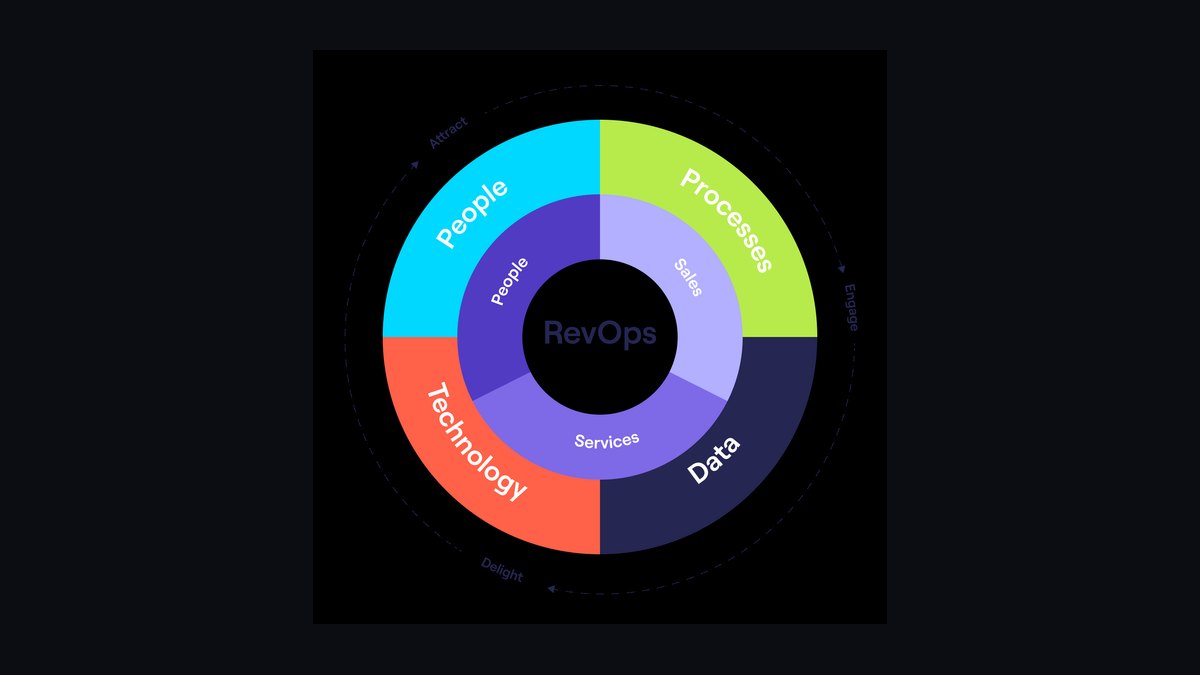
The diagram shows why two companies with identical automation levels can land on opposite capacity answers. Low-complexity, transactional deals let AI carry most of the cycle, so human capacity rises. High-complexity enterprise deals keep the human as the bottleneck, so capacity per rep falls even as pipeline grows.
Benchmarks and realistic ranges
Use these ranges as starting assumptions, then calibrate against your own historical data. None of these are universal truths; they are planning anchors that keep your model honest.
Rep-to-AI-stream ratio. For standard mid-market outbound, one quota-carrying rep supervising two to four automated streams is a reasonable planning range. For enterprise deals with long cycles and large committees, keep the ratio closer to one-to-one or one-to-two, because human judgment is the constraint. Ratios above one-to-four tend to produce supervision debt, where the rep cannot meaningfully review what the AI is doing.

Quota uplift per rep. Expect 40–70% higher per-rep quota in the AI-heavy model. If you are seeing less than 30%, your AI layer is probably not producing usable pipeline. If you are seeing more than 100%, you are likely counting raw leads rather than qualified opportunities.
Headcount reduction. A 25–40% reduction in quota-carrying headcount is the common planning range. Go slower than you think. Cutting reps before the AI layer is proven creates a capacity hole you cannot fill mid-year.
Close-rate discount on AI-sourced pipeline. Plan for 10–20% below your human-sourced close rate. Track this monthly. If the gap widens past 20%, reduce the AI share of quota rather than pushing reps to work harder on weak pipeline.

Opportunity load per rep. Cap AI-qualified opportunities at 15–20 per rep per month. Above that, reps triage instead of sell, and your effective capacity falls even though pipeline looks healthy.
Cycle length adjustment. For deals with cycles beyond eight months, reduce per-rep capacity by roughly 30–40% versus a short-cycle equivalent, because concurrent deal load is limited by human attention, not pipeline availability.
Cost per unit of capacity. AI licensing is now part of the capacity equation. If each automated stream costs several hundred dollars per month per rep, that cost belongs in your cost-per-quota-dollar calculation. A 30% headcount reduction that shifts most of the savings into tooling has not improved your cost of capacity at all.

Risks, edge cases, and failure modes
The hybrid capacity model fails in predictable ways. Knowing them in advance is most of the defense.
Quota inflation from counting raw pipeline. The most common failure is setting quota on AI-generated lead volume rather than AI-qualified opportunity volume. Reps then carry numbers they cannot hit, and the shortfall gets blamed on effort rather than on a modeling error. Guard against this by defining qualification criteria before you set quota, not after.
Supervision debt. If a rep manages too many AI streams, they stop reviewing output and start rubber-stamping it. Quality degrades quietly for a quarter or two, then shows up as a close-rate collapse. Cap the number of streams per rep and audit AI output quality on a fixed cadence.

Handoff ambiguity. When nobody owns the boundary between AI-generated and human-owned work, leads sit unworked or get worked twice. Define explicit handoff triggers, such as an intent score threshold or a specific engagement milestone, and make that threshold visible in your CRM.
Compensation misalignment. If reps are paid only on closed revenue from AI-sourced pipeline, they will ignore AI quality and chase volume. If they are paid only on AI oversight, they will stop selling. A split variable structure, with most of the variable tied to closed revenue and a meaningful minority tied to pipeline quality and handoff accuracy, keeps both behaviors alive.
Enterprise under-modeling. Teams often apply mid-market capacity math to enterprise reps and then wonder why the enterprise number is missed by half. Longer cycles, larger committees, and procurement review all reduce concurrent deal capacity. Model enterprise separately.

AI performance drift. Model quality degrades as messaging, market conditions, and buyer behavior change. Without a quarterly recalibration loop, your capacity assumptions silently go stale. Build the review into the operating calendar.
Over-cutting headcount too early. If you reduce quota-carrying reps before the AI layer reliably produces qualified pipeline, you create a gap that takes two quarters to close. Phase the reduction against measured AI performance, not against a forecast.

A practical rollout plan
Sequence matters more than speed. A four-phase rollout keeps capacity assumptions tied to evidence.
Phase 1: Baseline and instrument. Before changing anything, measure your current human-sourced close rate, average cycle length, average deal size, and rep selling hours by activity type. You cannot detect an AI close-rate discount without a clean human baseline. This phase typically takes one quarter.
Phase 2: Pilot the handoff. Run the AI layer for a subset of reps and define explicit handoff triggers. Measure AI-qualified opportunity volume, close rate on AI-sourced versus human-sourced pipeline, and how many recovered hours actually convert to selling time. Do not change quota yet.

Phase 3: Recalculate capacity. Using pilot data, rebuild the capacity model: qualified pipeline volume, blended close rate, effective human selling hours, and concurrent deal load. Set per-rep quota and headcount targets from that model. Introduce the split variable compensation structure at the same time so incentives match the new work.
Phase 4: Recalibrate quarterly. Review AI close rate against human close rate every quarter. If the gap exceeds your planning threshold, reduce the AI share of quota and retrain the model. If AI performance improves, you can raise the AI share and revisit headcount.
The loop is the point. Quota carrying capacity in an AI-heavy outbound model is not a once-a-year setting. It is a quarterly recalibration against measured AI performance, and the teams that treat it that way avoid both over-hiring and over-cutting.
Related questions
How do you calculate quota capacity when AI handles most outbound?
Estimate AI-qualified opportunities per rep per month, apply a blended close rate that discounts AI-sourced pipeline by 10–20%, and divide by the number of concurrent deals a rep can run. That yields deals per rep, which you convert to revenue using average deal size.
Should quota-carrying headcount shrink when AI automates outbound?
Usually yes, by roughly 25–40%, but only after the AI layer is proven to produce qualified pipeline. Cutting reps before that creates a capacity gap that takes multiple quarters to recover, and the shortfall lands on the reps who remain.
Does AI automation raise or lower quota per rep?
It raises per-rep quota, typically 40–70%, because reps inherit pipeline they did not personally source. The increase is smaller than raw pipeline growth because AI-sourced opportunities convert at a lower rate and enterprise cycles remain long.
How does committee size affect capacity planning?
Larger buying committees, often 11–15 stakeholders, mean each deal consumes more human attention. That reduces the number of concurrent deals a rep can run, which caps capacity regardless of how much pipeline the AI layer generates.
What is the biggest risk in AI-driven capacity models?
Counting raw AI-generated leads as if they were qualified opportunities. That inflates quota, misallocates headcount, and hides the real constraint, which is human conversion capacity on genuinely qualified pipeline.
FAQ
How should RevOps adjust quota carrying capacity when AI automates 60% of outbound tasks? Rebuild capacity around AI-qualified pipeline throughput rather than rep headcount. Measure qualified opportunities produced per rep, apply a blended close rate that discounts AI-sourced pipeline, and cap concurrent deal load. Then set per-rep quota and headcount from that model, and recalibrate quarterly as AI performance changes.
What rep-to-AI ratio should we plan for? For mid-market outbound, one quota-carrying rep supervising two to four automated streams is a reasonable range. For enterprise deals with long cycles and large committees, stay closer to one-to-one or one-to-two, because human judgment, not pipeline volume, is the binding constraint.
How much should per-rep quota rise? Plan for 40–70% higher per-rep quota. Below 30% suggests the AI layer is not producing usable pipeline. Above 100% usually means you are counting raw leads rather than qualified opportunities, which will produce missed numbers and attrition.
How do we handle AI-sourced pipeline that converts poorly? Track the close-rate gap between AI-sourced and human-sourced pipeline monthly. If the gap exceeds your planning threshold, reduce the AI share of quota, retrain the model on the patterns behind low-converting leads, and shift more sourcing back to reps until performance recovers.
Does AI licensing cost belong in capacity planning? Yes. Cost per unit of quota capacity should include AI tooling, not just compensation. A headcount reduction that shifts most of the savings into licensing has not improved your cost of capacity, so model both sides before committing to a headcount target.
How often should capacity assumptions be revisited? Quarterly at minimum. AI model quality drifts as messaging, markets, and buyer behavior change, so a capacity model built once and left alone will silently go stale. Tie the review to measured AI close rate versus human close rate.
Sources
- Gartner Sales Trends and AI Research
- Forrester B2B Buying Research
- Gong Labs Revenue Research
- Salesforce State of Sales Report
- HubSpot Sales Research and Reports
- McKinsey B2B Sales Growth Research
- Harvard Business Review on Sales and AI
- Clari Revenue Operations Resources
Related on PULSE
- What RevOps metrics matter most when AI automates 60% of the funnel in 2027?
- How should RevOps adjust quota setting when AI in the funnel accelerates lead velocity?
- Which GTM metrics have become obsolete in 2027 due to AI handling early-funnel tasks?
- Which RevOps tasks should you automate with AI in 2027?
- What data gaps emerge when AI automates handoffs between marketing and sales?
- How do you coach a sales team when you're also carrying a quota?
This page will be disappearing soon. Save it to your device for $1 — or read it free while it is here.
@Kory-White- · if Venmo asks, the last 4 of my number are 2012
This page is gone.
This one is off the shelf now. $1 keeps it on your phone for good — the whole page, pictures and diagrams included.
 revopsHow do you transition from sales-led to PLG (product-led growth) in 2027?
 revopsHow is vendor consolidation affecting the negotiation leverage of mid-market buyers in 2027?
 revopsWhat RevOps metrics are obsolete due to AI in the 2027 funnel?
 revopsWhy are sales cycles extending for companies without AI adoption playbooks in 2027?
 revopsWhat percentage of B2B deals now require a dedicated AI risk officer on the buying committee in 2027?
 revopsWhat does the WNBA's 2026 CBA mean for player pay and revenue sharing in 2027?
 revopsAre 2027 enterprise buyers demanding AI-driven total cost of ownership models?
 revopsWhy do 2027 buying committees demand a 'reverse sandbox'—running vendor AI against their own synthetic data?
 revopsHow does EA Sports College Football 26 pay players through NIL in 2027?
 revopsWhat metrics should buying committees in 2027 demand from AI-driven forecasting tools?