
How do you start a holiday lighting installation business in 2027?
 Curated byKory White · Fractional CRO · Maryland
 PULSEKNOWLEDGE LIBRARY
Quality
Certified

Start a holiday lighting installation business in 2027 by choosing the company-owned leasing model, forming an insured LLC, buying commercial-grade LED inventory as contracts sign, and selling all summer so your 10-to-14-week fall window opens booked. Lean launch runs roughly $8,000–$30,000; the renewal book, not the season, is the asset.
The outcome you should expect
The honest outcome of a first year in holiday lighting is a modest profit and a valuable list. On a company-owned recurring model, a disciplined solo founder who sells hard through summer and installs through November typically lands somewhere in the range of $30,000 to $150,000 in first-season revenue, against roughly $12,000 to $55,000 in owner profit. That spread is wide because it tracks exactly one variable: how many contracts you signed before the window opened. The profit looks thin relative to the effort, and it should — in year one you are buying lights for every customer you sign, so the material cost hits the same season the revenue does.
What you are actually producing in year one is not the profit. It is a book of 40 to 90 residential customers on annual contracts whose custom-cut light packages sit labeled in your storage over the off-season. That book renews at roughly 80% to 92% a year in a well-serviced operation, because the customer's alternative is a bare house in December or a cold Saturday on a ladder, and because their fitted display physically lives in your warehouse. Switching to a competitor means starting the design and measurement over from zero.
Run that forward and the shape becomes clear. Year two the book renews and new sales stack on top: revenue in the $80,000 to $280,000 range, owner profit $30,000 to $110,000, and — critically — the margin improves because the renewing customers' lights are already paid for. Year three brings multiple crews and often the first commercial accounts, landing around $180,000 to $500,000 with $55,000 to $180,000 in owner profit. By year five a well-run operation reaches $400,000 to $900,000 in revenue with $120,000 to $320,000 in owner profit, and the founder is running the business rather than climbing the ladder.

That trajectory assumes one structural choice. In the customer-owned model — where the homeowner buys the lights and you charge labor to hang them — none of the curve above happens. You earn a one-time product markup plus labor, the customer has no reason to call you again because they own the strings and any handyman can hang them, and you wake up every September with an empty calendar that must be refilled entirely with strangers. It is a job that resets to zero annually. The company-owned model is a subscription business wearing a seasonal costume, and the difference between them is the entire investment thesis.
The lifestyle outcome deserves equal honesty. From late September through December you are consumed — selling, designing, scheduling, usually installing on the crew yourself in year one, fielding maintenance calls in the cold, racing weather and a closing window. January and February bring takedown. Then seven or eight months of something else entirely. That rhythm suits a specific person and punishes anyone who needs an even, year-round cadence.
What drives that outcome
Five variables determine where you land in those ranges, and they are not equally weighted.
The ownership model is the dominant term. Everything downstream compounds or resets based on this one decision, and it must be made before the first dollar is spent because it dictates your capital needs, your storage requirements, your contract language, and your sales pitch. Choose company-owned and accept the inventory capital.

Sales timing is second. The install window is roughly ten to fourteen weeks — late September through the third week of December, after which essentially nobody wants a new install. Every job you sell in November is a job squeezed into a container that is already half full. Operators who book their calendar over the summer install a clean, profitable season; operators who start selling in October install a chaotic, rushed, half-empty one and collect the reviews to match.
Season capacity is third. In a compressed window, a job you cannot physically install is a job you cannot take. Crew count, ladder count, and truck count set a hard ceiling on revenue, and you cannot add capacity in November — the labor has to be recruited and trained in September.
Pricing discipline is fourth. Ten weeks must fund twelve months. An operator who prices like a year-round trade — thin margins, make it up on volume — discovers there is no volume to make it up on, because the calendar, not demand, is the constraint.
Retention quality is fifth and it feeds back into the first. Crisp, even, well-fitted install lines instead of sagging amateur runs; fast response when a section goes dark in mid-December, which is precisely when the customer is deciding about next year; a clean takedown that does not damage product or gutters. These are what convert a signed contract into an annuity.
The feedback loop worth noticing: install quality drives retention, retention grows the book, a bigger book means more of next September is pre-sold, which frees summer sales effort for pure growth rather than replacement. Miss on quality and you spend every summer refilling a leaking bucket.
Benchmarks and realistic ranges
Startup capital. Initial light inventory in the company-owned model runs $3,000 to $12,000 to start, and it stays modest because you buy product as customers sign — a year-one annual fee substantially funds that customer's own lights. Ladders and safety equipment are $1,500 to $5,000 and are not the place to economize, because the equipment is the safety system. Tools — clip guns, cutters, voltage testers, timers, and a large stock of extension cords — run $1,000 to $3,000. A vehicle is $0 if you already own a truck or van, up to $20,000 for a modest used one. Insurance sized to height work, including general liability, workers' compensation, and commercial auto, runs $2,000 to $8,000 and costs more than a low-risk trade because underwriters know the fall statistics. Formation, licensing, and contract templates: $300 to $1,500. Storage deposit and shelving: $500 to $3,000. Website and first-season marketing: $1,000 to $5,000. Working capital for the pre-season ramp before install revenue arrives: $3,000 to $10,000. A lean launch on an existing vehicle totals roughly $8,000 to $25,000; a fuller launch with a purchased truck and deeper inventory runs $30,000 to $60,000 and up.

Job-level pricing. Residential annual contracts commonly price by linear footage of roofline plus per-element charges for trees, wreaths, garland, and pathway lighting. A representative mid-market residential leased contract lands near $1,400 a year for roofline plus a tree or two. Commercial tickets start in the low thousands and run into the tens of thousands for retail centers, hotels, dealerships, and multi-property management portfolios.
Margins. A new company-owned residential customer produces roughly 30% to 45% gross margin in year one, depressed by the light purchase. That same customer on renewal produces 60% to 75%, because the lights are bought and the only marginal costs are install labor, takedown labor, a small bulb-and-refresh reserve, and storage. That spread is not an accident — it is the designed shape of the business. The first year of each customer is modest; every year after is excellent.
Cost stack on a single job. Materials in year one: $300 to $800 for commercial-grade LED, clips, timers, and cords on a typical roofline-plus-tree house, amortized over many seasons of the product's life. Install labor: a crew of two to three for one to several hours depending on size and design complexity, loaded with payroll taxes — the largest recurring variable cost. Takedown labor: faster than install, still real crew hours in January. Maintenance reserve for outages, blown bulbs, and storm damage. Per-customer storage. Allocated truck, fuel, and equipment. Design, site measurement, and quoting. Fixed overhead — insurance, software, admin — spread across the book.
Retention. Well-serviced leased books renew at 80% to 92%. At 85%, a book of 100 loses fifteen and must replace fifteen to stay flat, so every sale above fifteen is genuine growth. Five years in, a disciplined operator is not selling 300 jobs; they are renewing 250 and selling 60 new.
Product spend. Buy commercial-grade product from established holiday-lighting wholesalers, not retail consumer strings. C9 and C7 LED styles dominate rooflines. Commercial product survives repeated install-store-reinstall cycles; consumer product does not, and in a leased model every failure is a maintenance call and a retention risk. Standardize on a small number of proven SKUs so your maintenance float stays simple.
Risks, edge cases, and failure modes
Falls are the defining risk and they are not hypothetical. This is a height-and-electricity business. Working repeatedly on ladders and rooflines, in cold weather, on steep or icy pitches, all season, is genuinely dangerous, and it injures professionals, not just amateurs. Mitigation is a system, not an intention: properly rated ladders with stabilizers and standoffs, fall protection where appropriate, standardized safe-install procedures, experienced crew leads who set the tone, and hard weather discipline about when a roof is a no-go. If you are personally uncomfortable at height and cannot lead a crew safely through it, do not start this business. One serious incident ends both a season and a company.
Electrical and fire exposure comes from outdoor wiring, damaged cords, and improper circuit loads. Commercial-grade product, disciplined load management, quality connections, and trained installers are the mitigation. Property damage — a torn gutter, a damaged shingle, crushed landscaping — is mitigated by trained crews, careful methods, and liability coverage sized to the work rather than to the premium.

Weather risk is structural and cannot be insured away. A lost day in November is not one of 250 working days; it is one of perhaps 60. An early storm during peak install week is a permanent revenue reduction. The only real mitigation is front-loading: book ahead, work ahead of the window, and plan capacity with buffer built in rather than assuming clear skies.
The customer-owned trap is the most common strategic failure, and it is seductive precisely because it needs less upfront capital. The pattern is consistent — a decent first season selling and installing, then an empty September, then a rebuild from zero, then burnout on the perpetual cold start, then exit by year two. The capital you "saved" bought you a job instead of an asset.
Underpricing the compression kills operators who reason like year-round tradespeople. There is no volume to make it up on. Related and equally fatal: racing the long tail of landscapers and handymen who hang lights as a December bolt-on. They have no overhead, no insurance, no storage, and no book. You cannot out-cheap them and you do not need to — you win by running the recurring model they never adopt, installing to a quality they cannot match, and answering the phone when a display goes dark.
Selling too late compounds every other problem. Skimping on safety gear or carrying thin insurance turns a manageable risk into an existential one. Buying cheap consumer product to preserve year-one cash creates a maintenance and replacement burden that destroys the retention the whole model depends on. Ignoring in-season maintenance lets displays go dark in the exact weeks customers form their renewal opinion. Neglecting storage discipline — unlabeled bins, uncoiled runs, no per-customer inventory — turns next September's reinstall into a re-measure-and-rebuild and dissolves the switching-cost moat you paid for.
Labor supply is a recurring edge case. The pool of people willing to do physical, weather-exposed, height-based work in November has not grown. Operators solve it with a small reliable core, deliberate late-summer recruiting, and — the real edge — returning seasonal crew from prior years who already know the install method. Treat them well and pay competitively; scrambling for warm bodies every October is a permanent tax.
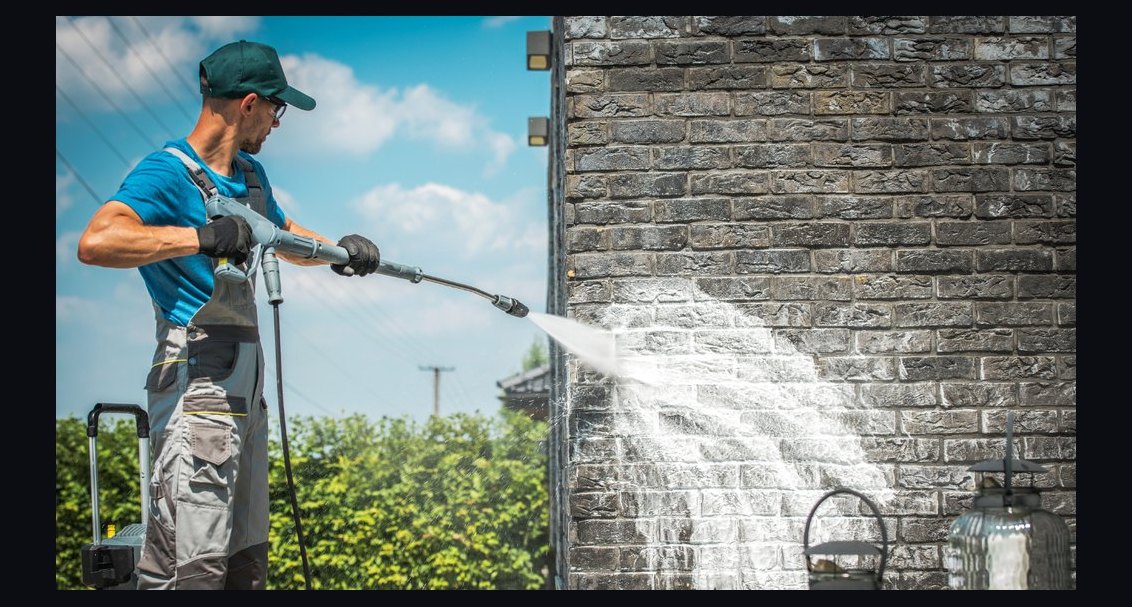
Having no off-season answer is the failure mode people discover in March. Holiday lighting is a four-to-five-month business. Decide before launch which solution you are running: a complementary seasonal pairing (pressure washing, exterior and window cleaning, gutter cleaning, landscaping, painting — shared crews, shared trucks, cross-sellable customers), a lean-and-intense model where the season is priced to fund the whole year and the off-season is genuinely off, or an extension into permanent architectural and event lighting. This choice shapes hiring, pricing, and your own income rhythm, so it is a design decision, not a contingency.

Cash-flow timing deserves a specific flag: expenses lead revenue. You buy inventory, insurance, and equipment before installs are invoiced, and income concentrates hard in Q4 and Q1. Plan estimated tax payments and working capital around that concentration rather than being surprised by it.
A practical rollout plan
Run the first eighteen months against a calendar, because the compression punishes improvisation.
Winter before launch — decide and form. Commit to the company-owned leasing model in writing. Form an LLC or S-corp; given the height-work risk, the liability shield matters more here than in a low-risk trade. Open separate business banking on day one. Bind general liability sized to height work, workers' compensation, and commercial auto. Confirm how your jurisdiction treats sales tax on the service versus the product — get this right at the start, not in an audit. Line up an accountant who understands seasonal, equipment-owning service businesses, because depreciation on lights, ladders, and vehicles genuinely shapes taxable income in growth years.

Spring — build the systems. Draft the annual recurring contract: design, install, in-season maintenance, takedown, and storage bundled into one yearly price that renews by default. Build tiered packages — a basic roofline, a fuller package with trees and wreaths, and premium custom work that cannot be price-shopped the way a plain roofline can. Set a job minimum so tiny jobs do not cost more in drive time than they earn. Choose your wholesaler and standardize your SKUs. Secure storage space with a labeling scheme keyed to customer. Build the website with a gallery, an online quote request, and local search presence — customers research and book online and expect a clean digital quote.
Late spring through August — sell. This is the phase beginners skip and it is the one that decides the year. Concentrate marketing in affluent and family neighborhoods where route density pays off; ten houses on one street is a great day. Door hangers, yard signs, and direct mail clustered near each other. Start commercial conversations now — property managers, retail centers, HOAs, restaurants, dealerships — because those bids move slowly and those installs want to be up by early-to-mid November for the shopping season. Cross-refer with landscapers and pressure washers who serve the same homes. Every signed contract triggers a site measurement and a product order, so inventory scales with the book rather than sitting idle.
September — staff, train, open. Recruit and train crew before the window, not during it. Front-load safety training and standardize the install method with checklists so a new hire pairs with an experienced installer and produces the same result. Cut and prepare custom roofline runs per property. Begin early commercial and eager residential installs.
October and November — install at capacity. Peak weeks. Every crew running, routing tight by neighborhood, the goal being most residential up before Thanksgiving and commercial up for the shopping season. Protect every working day.

December — maintain, do not chase installs. After roughly mid-month, new installs stop. Shift entirely to maintenance response, because this is the retention month.
January and February — take down and renew. Careful removal that does not damage product, coil and contain per customer, return to labeled storage. Then open renewal outreach immediately while the season is fresh, and offer early-renewal incentives to lock the book.
The loop is the point: takedown feeds storage, storage feeds renewals, renewals pre-fill next summer's calendar so your selling effort goes toward growth instead of replacement. Anyone running RevOps-style thinking on a home-service business will recognize the shape — this is net revenue retention with ladders, and the same instinct that says measure churn before chasing new logos applies exactly here.
Related questions
Should I buy a holiday lighting franchise instead?
A franchise buys a proven playbook, install and safety training, supplier relationships, and brand recognition, in exchange for a fee, royalties, and territory constraints. The trade is not operationally complex enough to require one — a disciplined founder can build independently and keep the royalty — but it compresses a steep year-one learning curve.
How much storage space do I actually need?
Enough to hold every customer's coiled, labeled package through eight or nine off-season months, and it grows with the book. Start with a modest unit and graduate to warehouse space as you scale. Treat it as moat infrastructure, not overhead to squeeze.
Can I run this alongside another home-service business?
Yes, and it is the most common solution to the off-season problem. Pressure washing, window and exterior cleaning, gutter cleaning, or landscaping run spring through fall and share crews, trucks, and customers with a fall-winter lighting operation.
Should I start residential or commercial?
Residential first, usually. The sales cycle is short, the recurring book builds cleanly, and neighborhood density creates route efficiency. Add commercial once your crew and references can be trusted with a property's public image.
What happens if a customer wants to keep their lights?
That is the customer-owned model, and you should price it separately and higher, or decline. Selling the product ends the annuity and hands your switching-cost advantage to the next installer.
FAQ
How long is the actual working season?
Installs run roughly late September through the third week of December — ten to fourteen weeks — with a January-to-February takedown tail. Essentially all installation revenue is earned inside that window, which is why front-loaded selling and adequate crew capacity matter far more than they would in a year-round trade.
What insurance do I genuinely need?
General liability sized to height work, workers' compensation for any crew, and commercial auto. Expect it to cost more than a low-risk trade because falls are the dominant claim category. Budget it as a real line item; thin coverage on a fall-risk business is an existential exposure, not a savings.
How do I price a job I have never quoted before?
Build from the parts: amortized materials, install labor, takedown labor, a maintenance reserve, per-customer storage, design and measurement time, allocated overhead, and a margin richer than a year-round trade would target — because ten weeks must fund twelve months. Linear footage of roofline plus per-element charges is the common structure.
Do I need employees or can I subcontract?
Most operators run employed seasonal crews of two to three per team, because install quality directly drives retention and consistency is hard to enforce across subs. Whatever the arrangement, carry the correct coverage and classify workers properly — the height risk makes misclassification expensive.
What is the single biggest mistake first-year owners make?
Choosing the customer-owned model to avoid buying inventory. It converts a compounding recurring-revenue business into a series of one-time transactions and guarantees an empty calendar every September. The second biggest is starting to sell in October instead of June.
Is the market already saturated?
Most markets have a thin layer of established professional operators and a large, chaotic long tail of side-hustlers hanging lights as a December add-on. The entry barrier is low, so professionalism — the recurring model, safe installs, fast maintenance, reliable scheduling — is the moat rather than the lights themselves.
Sources
- https://www.osha.gov/laddersafety
- https://www.sba.gov/business-guide/launch-your-business/choose-business-structure
- https://www.irs.gov/businesses/small-businesses-self-employed/depreciation
- https://www.energy.gov/energysaver/led-lighting
- https://www.nfpa.org/education-and-research/home-fire-safety/winter-holidays
- https://www.cpsc.gov/Safety-Education/Safety-Education-Centers/Holiday-Safety
- https://www.bls.gov/iif/
- https://www.nfpa.org/codes-and-standards/nfpa-70-standard-development/70
- https://www.ftc.gov/business-guidance/resources/franchise-rule-compliance-guide
- https://www.sba.gov/business-guide/manage-your-business/get-business-insurance
Related on PULSE
- How do you start a pressure washing business?
- How do you start a gutter cleaning business?
- How do you price recurring home-service contracts?
- How do you build a seasonal service business that survives the off-season?
- How do you hire and retain seasonal crews?
- How do you increase retention in a subscription service business?
This page will be disappearing soon. Save it to your device for $1 — or read it free while it is here.
@Kory-White- · if Venmo asks, the last 4 of my number are 2012
This page is gone.
This one is off the shelf now. $1 keeps it on your phone for good — the whole page, pictures and diagrams included.
 lawn-careHow do you start a lawn care business in 2027?
 chimney-sweepHow do you start a chimney sweep business in 2027?
 gutter-cleaningHow do you start a gutter cleaning business in 2027?
 deck-stainingHow do you start a deck staining business in 2027?
 painting-businessHow do you start a painting business in 2027?
 window-cleaningHow do you start a residential window cleaning business in 2027?
 pool-serviceHow do you start a pool service business in 2027?
 businessHow do you start a residential house cleaning business in 2027?
 window-cleaningHow do you start a window cleaning business in 2027?
 pressure-washingHow do you start a pressure washing business in 2027?