

How do you start a solar panel cleaning business in 2027?
 Curated byKory White · Fractional CRO · Maryland
Quality
Certified
Start a solar panel cleaning business by validating local soiling rates, forming an LLC with general liability and commercial auto insurance, then buying a water-fed pole with deionized filtration and a reliable used vehicle for roughly $4,000–$18,000. Sell recovered kilowatt-hours, not clean glass, and build recurring commercial contracts from month one.
What a solar cleaning business actually sells
The mental model that separates operators who build a business from operators who build a struggling side hustle is simple: you do not sell clean glass, you sell recovered kilowatt-hours. A soiled photovoltaic array loses a meaningful share of its output — soiling-loss research from NREL and Sandia National Laboratories documents losses that vary widely by geography, tilt, orientation, and time since the last meaningful rain. That lost generation is not abstract to the customer. It is money they can see on a monitoring app. Enphase, SolarEdge, and Tesla all graph daily production, and a soiled array shows up as a visibly depressed curve against the same week last year.
This framing changes how the entire business is sold, priced, and defended. When you sell clean glass, you compete on price against every other person who bought a water-fed pole after watching the same video. When you sell measurable output recovery, you are selling a quantified financial outcome, and outcomes command a different price than labor. It is the same shift a RevOps team makes when it stops reporting activity counts and starts reporting pipeline influenced — the work did not change, but the unit of value did, and so did the leverage in the pricing conversation.
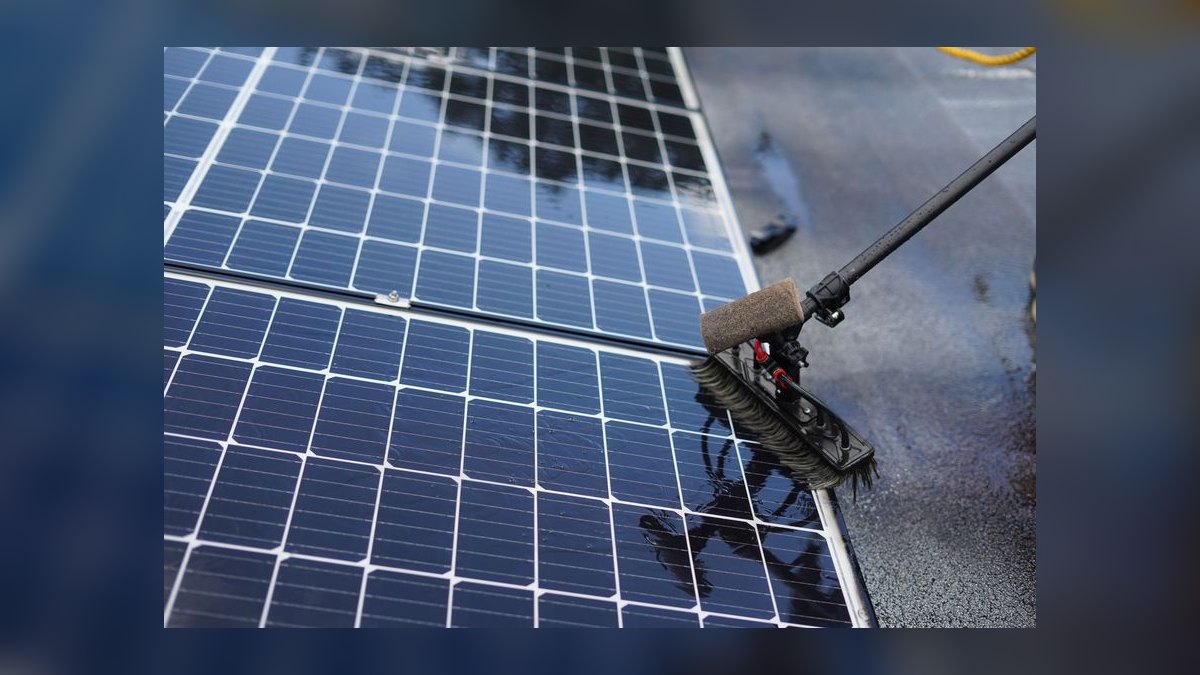
The service itself is delivered with water-fed poles carrying deionized (DI) or reverse-osmosis (RO) filtered water and soft-bristle brushes for the overwhelming majority of jobs. Robotic systems handle utility-scale work where panel counts run into the tens or hundreds of thousands. The reason for pure water is chemistry, not preference. Tap water carries dissolved minerals — total dissolved solids, or TDS — and when ordinary water dries on glass, those minerals stay behind as visible spots. DI and RO filtration strip the minerals out, so pure water dries spot-free with no squeegee, no detergent, and no rinse step. The window cleaning industry perfected this over two decades and it transferred to solar with essentially no modification. A water-fed pole lets a technician reach a two-story rooftop array from the ground, which is the single most important operational fact in the entire business: it removes roof access on most jobs, and roof access is what generates fall claims.
Understanding soiling at a technical level is not academic — it is the foundation of every sales conversation. Fine wind-borne dust accumulates continuously and slowly. Pollen arrives in a rapid four-to-eight-week seasonal wave. Agricultural overspray is episodic and region-specific. Salt residue builds continuously in coastal zones. Wildfire soot arrives suddenly and severely. And bird droppings are the point-source case that matters most for sales: because panels are wired into series strings with bypass diodes, a single dropping that fully shades one cell can knock out the output of a much larger section than the dropping itself covers. That disproportionate, easily-photographed loss is a powerful and completely honest reason for a homeowner to book.
Revenue arrives through four channels, and a durable business runs at least two at once. Residential homeowners with 20–30 panel rooftop arrays are the easiest entry — lowest equipment cost, same-day decision cycle. Commercial properties, warehouses, and HOAs are where the money compounds, because the routes are geographically dense and the revenue is contracted in advance. Solar installer referrals are the lowest-cost acquisition channel in the business. Utility-scale subcontracting is a genuinely different business with robotic equipment and per-megawatt bidding, best entered only after the first two are stable. Most operators start residential and then discover that a property manager with eight buildings is worth more than two hundred one-off homeowners.
The step-by-step process from validation to first recurring contract
Sequence matters more than speed here. The operators who fail rarely fail because they skipped a step — they fail because they did the steps in the wrong order, usually buying equipment before validating that panels in their region actually get measurably dirty.
Step one is validation, and it is free. Talk to two or three local solar installers and ask what their customers report about production drift. Check whether regional soiling data exists for your area. Look at the local climate honestly: arid, dusty, agricultural, and coastal regions produce panels that get sellably dirty. Consistently wet, low-dust climates do not. This single decision matters more than equipment choice, pricing strategy, or marketing skill combined, because no amount of operational excellence rescues a business selling a benefit customers cannot perceive.
Step two is the legal and insurance foundation, before the first paid job. Form the LLC to separate personal assets from a fall claim or property-damage lawsuit. Bind general liability and commercial auto — personal auto policies exclude business use, so driving to a job on a personal policy means you are effectively uninsured the moment something happens. Check local licensing; most jurisdictions treat solar cleaning as a general exterior maintenance service requiring only a business license, but some states regulate any work touching an electrical generation system more tightly. County building and electrical departments are the authority.
Step three is equipment, and the discipline is to underbuy. A 22–30 foot water-fed pole reaches the vast majority of residential arrays from the ground. Portable DI or RO/DI filtration handles water quality. A reliable used truck or cargo van carries it. Ladders and a fall-arrest harness cover the exception jobs. That is the whole kit. The ultra-long carbon-fiber poles are heavy, expensive, harder to control, and used on a small minority of jobs — rent or subcontract those. The truck-mounted RO/DI system is a phase-two upgrade earned by route density, not a day-one purchase.
Step four is pricing, and the rule that protects you is the job minimum. Price per panel with a hard floor per visit. Without that floor, a twelve-panel array at a per-panel rate returns less than the fuel to reach it. The minimum trains customers to value your time and protects you from the small-array trap that quietly eats a new operator's calendar.
Step five is the first ten jobs, and they exist to generate proof. Solar-dense neighborhoods are not a guess — utility interconnection maps and county building-permit records show exactly where rooftop installs cluster, and most of that data is public. You are prospecting a mapped customer base, not knocking blind. On every job, screenshot the customer's production monitoring app before you start and again a day or two after. That before/after comparison is the single highest-converting tool in the business, because it converts an invisible service into a visible, quantified result, and quantified results are what people pay for twice.
Step six is the moat, and it is unglamorous sales. Pitch two or three local solar installers on a referral or white-label arrangement. They already hold the customer list, their customers ask about maintenance, and they have no desire to clean panels themselves. Then cold-call commercial property managers and HOA boards with a contract framed as routine yield protection rather than a one-time clean. This phase is what converts a job into a business.
Costs, timelines, and realistic ranges
The honest solo entry range is roughly $4,000 to $18,000, and the spread depends almost entirely on the vehicle and the filtration choice. At the budget end you are buying a used pickup, an entry-level pole, and portable DI filtration. At the upper end you are buying a better vehicle, a carbon-fiber pole, RO/DI filtration, and a full year of insurance paid upfront. The line items that new operators cut to save cash — insurance and a reliable vehicle — are exactly the two that should never be cut. A breakdown on a routed day costs the entire day's revenue. One uninsured claim ends the business outright.
DI is cheaper upfront than RO/DI but burns through resin faster in hard-water regions, so the operating-cost trade-off depends on local water quality. Test your tap water TDS before choosing. In soft-water areas pure DI is often the better economics for years. In hard-water areas the RO stage pays for itself by sparing the resin, and the payback math is straightforward: resin cost per month at your water hardness, multiplied by twelve, against the incremental system cost.
A funded two-technician launch runs materially higher — a second van and wrap, a second complete equipment kit, a truck-mounted water system, drone inspection capability, payroll runway, and an insurance uplift for the second vehicle and workers' compensation. That path makes sense only when recurring commercial contracts or an installer-referral pipeline can already feed the second technician a full route. Hiring before route density exists adds fixed cost faster than revenue, and that is the most common way a profitable solo operator becomes an unprofitable small company.
Operating costs recur every day you work, and a founder who models only startup capital is blindsided by month two. Fuel is the largest and most controllable — it is governed entirely by route density. An operator who clusters six jobs in a tight radius spends a fraction of what a scattered operator spends, and that gap is pure margin. DI resin scales with water hardness and volume. Brushes, hoses, and consumables are modest but constant; replace brushes before the bristles splay or harden, because a degraded brush is how you scratch an anti-reflective coating. Vehicle maintenance, amortized insurance, scheduling software, and marketing round out the monthly nut.
On the revenue side, per-panel rates slide downward as scale rises. Residential rooftop commands the highest per-panel rate with the lowest route density. Ground-mount residential is faster and carries far less height risk, so it prices slightly lower. Commercial flat-roof and HOA work prices lower per panel but delivers hundreds or thousands of panels per stop on a contracted semi-annual cadence. Utility-scale subcontracting prices lowest per panel and is bid per megawatt against volume.
The realistic trajectory for a disciplined operator in a viable geography: year one is a building year with modest revenue while the recurring book and referral pipeline form. Year two is where the moat takes shape, as contracts convert a series of cold-acquired one-off jobs into predictable compounding revenue. Year three presents the genuine fork — run a highly profitable mature solo operation, or take the harder, lower-margin-per-dollar but higher-ceiling path of hiring and building a crew. Both are legitimate outcomes and neither is forced.
The gap between a mediocre and an excellent solo year is not luck and it is not pricing. It is route density. The conservative operator drives forty minutes between jobs and bills three tickets. The mature operator clusters six jobs inside a tight radius and bills two extra hours of actual cleaning instead of windshield time. This is the universal law of route-based service businesses: demand is rarely the binding constraint, and the binding constraint is how many billable units you can physically service per daylight hour. Any RevOps practitioner who has modeled sales capacity will recognize the shape immediately — it is the same territory-density math that determines whether a field rep runs six meetings a day or two.
Time per job is predictable enough to plan against. A residential 20–30 panel array runs roughly half an hour to an hour on site, plus fifteen to twenty minutes of setup and teardown that new operators routinely forget to price. Commercial arrays in the several-hundred-panel range run a few hours. HOA and community arrays can consume most of a day. Quote against total job time — drive there, setup, clean, teardown, drive to the next stop, invoice and follow up — never against brushing time alone.
Where new operators get it wrong

The first mistake is treating insurance as a cost to optimize. It is the cheapest catastrophic-risk transfer available to a small operator, and the savings from underbuying it are trivial against the exposure. Bind full general liability and commercial auto before job one, add inland marine coverage for the equipment in the vehicle, and add workers' compensation the moment you hire.
The second is chasing one-off residential jobs on price. Consider the contribution math: a residential job sold at a healthy ticket with a low acquisition cost is already profitable on the first visit. But that same customer enrolled in a semi-annual maintenance plan delivers that contribution twice a year for as long as they own the array, against the same one-time acquisition cost. One-off unit economics are fine. Recurring unit economics are excellent. The business only compounds when recurring contracts and installer partnerships replace cold acquisition as the primary growth engine — which is the identical insight behind why RevOps teams obsess over net revenue retention instead of new-logo count.
The third is over-buying equipment on debt. A truck-mounted RO/DI rig is brilliant when you are cleaning fifteen hundred panels a day across a tight route and dead weight when you are running three residential jobs across a forty-mile spread. The low capital requirement of this business is a gift: it means you can launch without debt that turns a slow first quarter into an existential crisis. Do not squander that gift by borrowing to over-equip. The honest funding hierarchy runs cash savings first, a small amount of seller-financed or fast-paid-off equipment credit second, an SBA microloan or line of credit for a genuinely funded two-tech launch third, and high-interest debt for prestige equipment never.
The fourth is ignoring route density, which has already been named but deserves repeating because it is the difference between a thirty-five percent net margin and a sixty percent net margin for two operators in the same city with identical equipment. Cluster deliberately. Offer a discount for neighbors who book the same day. Build the recurring calendar so that semi-annual visits for a whole neighborhood land in the same week.
The fifth is method carelessness, and it splits into two failure modes. The catastrophic one is falls from height. Fall-from-height is the number-one financial killer of solar cleaning businesses — not pricing, not competition, not seasonality. A single fall produces a workers' compensation claim, potential OSHA exposure under fall-protection standards, an insurance rate spike that compounds for years, lost working days, and possibly a permanent injury. The defense is layered: build the business around the ground-based water-fed pole method so roof access is the exception rather than the routine, wear a fall-arrest harness with a rated anchor any time a technician is on a roof, get documented ladder and roof-safety training, use a property-damage release form, and get written roof-access permission on every job that needs it.
The more probable failure mode is property damage. Cracked roof tiles from walking on brittle tile to reach an array. Scratched anti-reflective coating from an abrasive brush or grit dragged across glass. Cracked panel glass from hot water hitting cold panels — thermal shock is real and it is why ambient-temperature water is non-negotiable. Water intrusion from forcing pressure into junction boxes or seals. Landscaping damage from equipment, hoses, and ladder feet. Every one of these is preventable with method discipline, and every one of them is why the property-damage release and a written scope of work belong in the customer agreement. The release does not license carelessness; it documents the agreed method and protects you when a pre-existing problem is discovered after your visit.
Panel manufacturers void warranties for cleaning done with abrasive pads, high-pressure washing, harsh chemicals, or hot water on cold glass. Document your compliant method in the service agreement. If a panel fails months later for an unrelated manufacturing reason, that written record is your defense against being blamed for it.
The sixth mistake is quoting without recovering the invisible costs. Round-trip drive time looks free because nobody bills for it. Setup and teardown are underestimated. Consumable cost per job is small individually and real in aggregate. Fixed-cost allocation belongs in every job, not just in the month-end spreadsheet. A panel count multiplied by a rate is the starting point of a quote, never the answer. Always apply the minimum. Always quote the recurring-plan price beside the one-off price so the customer sees the value of committing. A busy calendar of unprofitable jobs is worse than an emptier calendar of profitable ones.
Decision framework: geography, channel, and when to scale
Three decisions determine whether this business works, and they get made in a specific order. Geography first, because it is a gate rather than an optimization. Channel mix second, because it determines whether revenue compounds. Scaling third, because hiring before contracted density is the classic self-inflicted wound.
Geography is the disqualifier that sinks the most would-be operators. In regions with frequent heavy rainfall and low ambient dust, panels stay clean enough that homeowners see little measurable benefit from a paid cleaning. A service with no perceptible benefit cannot be sold a second time, and a service that cannot be sold twice has no recurring revenue. The desert Southwest, agricultural valleys with airborne dust and overspray, salt-air coastal zones, and wildfire-prone regions with soot events are the strong markets. Humid regions with heavy pollen but frequent rain are a seasonal play at best. Consistently wet, low-dust climates are a genuine no. Recognizing that early is a money-saving conclusion, not a failure — and there is a whole family of adjacent low-capital service businesses (pest control, garage door repair, mobile RV repair, window tinting) with similar economics and different risk profiles.
Channel mix determines whether the business compounds. Solar installer partnerships carry the lowest acquisition cost in the industry, because the installer already owns the relationship and wants a credible maintenance answer for their customers. Build that relationship on their interests: lead with their problem, make the handoff effortless, protect their brand ruthlessly if you clean under their name, structure the economics so they benefit, and report back when their referred customers are happy. Commercial property managers carry the highest lifetime value because one manager often controls many rooftops, the revenue is contracted, and once you are the incumbent, displacing you costs them hassle they will not bother with. Google Local Services Ads and a strong Business Profile capture the high-intent homeowner who watched their production app drop and searched for an answer. Before/after monitoring screenshots are free marketing generated as a byproduct of doing the job well.
Structure the recurring contract deliberately rather than as a loose verbal "we'll be back in six months." Specify service cadence, scope by panel count and array location, per-visit price with annual escalation terms, auto-renewing term with a notice window, fair cancellation terms, and the warranty-compliant method. Auto-renewal is the right default for commercial and HOA work — it converts the relationship from something the customer must actively re-decide twice a year into something they must actively cancel, and inertia works in your favor. Semi-annual is the most common cadence because it matches the soiling cycle in most viable geographies: one cleaning before peak production season, one after the heaviest soiling period.
Scaling is a fixed-cost commitment and should be made against contracted revenue, not optimism. The solo operator caps out at the ceiling of billable daylight hours. Getting past it means hiring and routing, which is a materially harder business. Before hiring, model the fully loaded cost — wage, payroll taxes, workers' compensation at a rate priced on real height-injury risk, the second vehicle, the second equipment kit, and the insurance uplift — and confirm recurring contracted density covers all of it. This is one more argument for the ground-based pole method: a documented, roof-access-minimizing operation is a measurably lower-risk operation, and lower-risk operations earn better workers' comp rates over time.
Adjacent revenue layers smooth the seasonality problem. Demand concentrates around pollen season, post-wildfire smoke events, dust storms, and the pre-summer months when production peaks. Winter and rainy seasons can be lean. Two defenses: a cash reserve sized for the lean stretch, and adjacent services that fill the calendar. Drone thermal inspection attaches to the same visit and doubles as a sales tool — a thermal image showing a hot-spot fault is vivid and hard to argue with. Gutter cleaning uses the same ladder and height skill set. Exterior window cleaning uses the identical water-fed pole and pure-water system. These layers raise the average ticket without raising acquisition cost, which is the cleanest margin improvement available to a route business.
Finally, weather and daylight shape the working day. Avoid the hottest part of the day on dark glass, where water dries too fast to work cleanly and thermal stress becomes a risk. Do not work in high wind — a long water-fed pole becomes genuinely dangerous to control, and roof work becomes unacceptable. Do not clean immediately before conditions that will simply re-soil the array, because a job with no lasting benefit undermines the recurring-plan story. Plan the route so the densest cluster gets worked when light is best. A disciplined operator who reads the weather and builds the day around it loses fewer hours, takes fewer risks, and delivers more consistent results than one who drives to whatever job is next on an unsorted list.
Related questions
How much can a solo solar panel cleaning operator realistically earn?
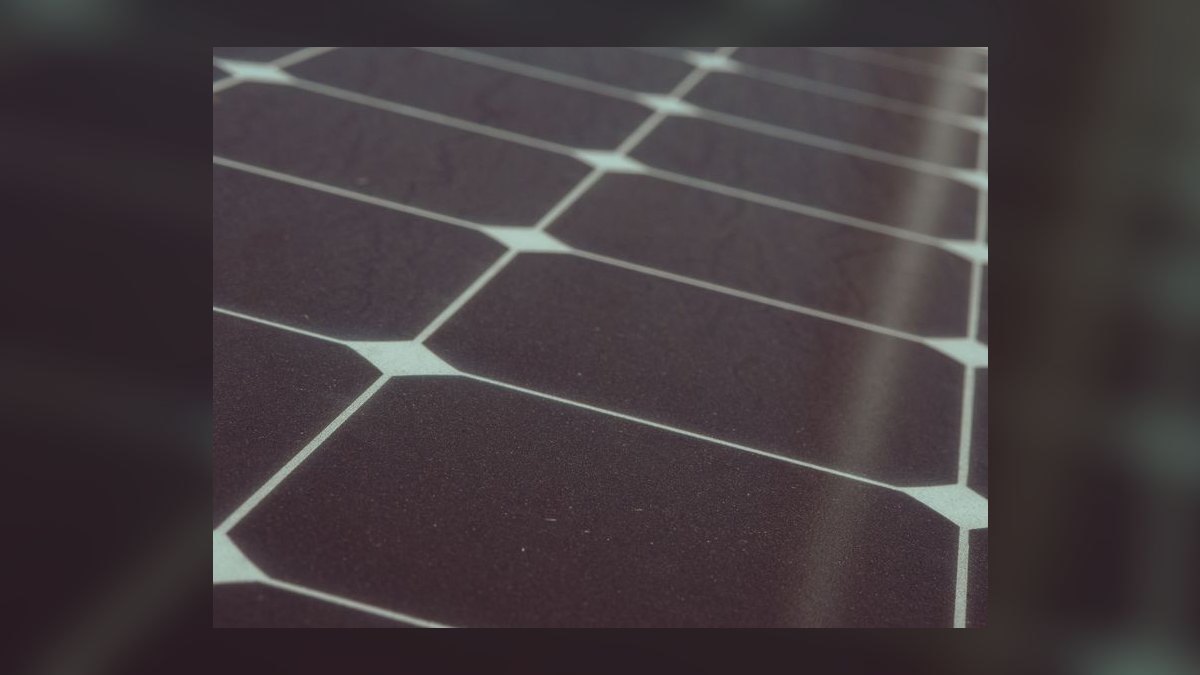
A mature solo operator in a viable geography can net a strong five-figure to low-six-figure income at roughly 50–65% net margin, but the range is wide. The variable is route density and the share of revenue under recurring contract — not pricing or raw demand.
Do you need a special license to clean solar panels?
Most jurisdictions treat it as general exterior maintenance requiring a standard business license. Some states regulate work touching electrical generation systems more tightly. Check with county building and electrical departments before the first job, since an uninsurable licensing gap is expensive to discover late.
Is a truck-mounted water system worth it early on?
No. Buy it when route density justifies it — high panel volume across a tight geography. Early on, portable DI or RO/DI filtration handles residential work fine, and the capital is better spent on insurance and a reliable vehicle.
Can you clean panels with tap water and a squeegee?
Not well. Tap water leaves mineral spots as it dries, which means callbacks and reputation damage. Deionized or reverse-osmosis water dries spot-free with no squeegee step, which is exactly why the method transferred from window cleaning.
What is the fastest path to recurring revenue?
Solar installer partnerships and commercial property managers. Installers hold a pre-qualified customer list and want a maintenance answer. Property managers control multiple rooftops on contracted schedules. Both replace cold residential acquisition with compounding, route-dense revenue.
FAQ
How dirty do panels actually get before cleaning is worth it?
It depends entirely on geography. Soiling research from national laboratories documents output losses that vary substantially by dust load, pollen, salt air, and rainfall pattern. The practical test is the customer's own monitoring app: if the production curve is visibly depressed against the same period last year and rain has not restored it, cleaning is worth it. If panels in your region self-clean with rainfall, that is a signal the local market is weak.
Does rain clean solar panels adequately?
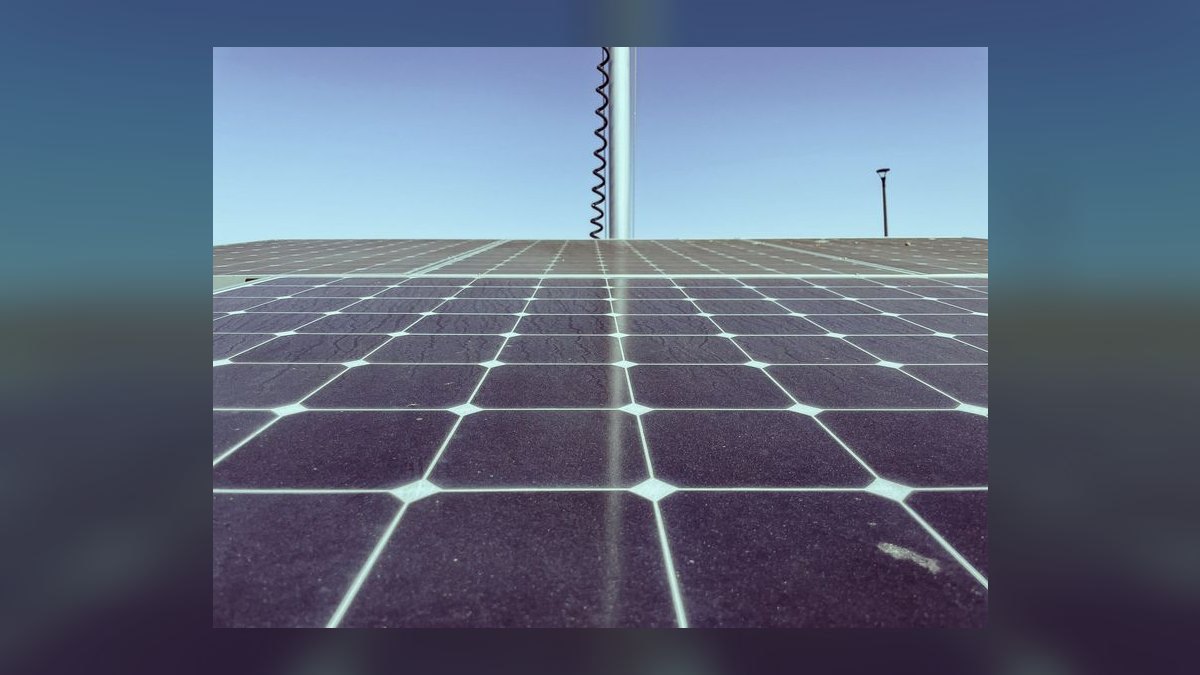
Not reliably. Light rain frequently streaks panels and leaves mineral residue behind, which can leave the array worse off than before. Heavy rain does more, but it does not remove bonded material like bird droppings, agricultural overspray, or lichen. Once a homeowner watches their production app fail to recover after a rainstorm, the "rain cleans it" assumption dies on its own — you do not have to argue them out of it.
What is the single biggest risk in this business?
Falls from height, by a wide margin. Not pricing, not competition, not seasonality. A single fall generates a workers' compensation claim, potential OSHA exposure, a compounding insurance rate increase, lost working days, and possibly a career-ending injury. This is precisely why the ground-based water-fed pole method is not merely convenient — it is the structural decision that makes the operation insurable and scalable.
Can you damage panels while cleaning them?
Yes, and the damage modes are well known. Abrasive pads or grit scratch the anti-reflective coating. Hot water on cold glass causes thermal shock that can crack the panel outright. High pressure forces water into junction boxes and seals. Walking on panels cracks cells. Manufacturers void warranties for all of these. Soft bristles, ambient-temperature pure water, low pressure, and never stepping on the modules — that discipline eliminates essentially the entire category.
Should you start residential or go straight for commercial?
Start residential and pursue commercial in parallel. Residential has the lowest equipment barrier and a same-day decision cycle, so it generates cash and reviews immediately. But commercial and HOA contracts are the moat, and the sales cycle is long enough that you should be prospecting them from month one rather than waiting until residential feels saturated.
How does this business compare to other low-capital service businesses?
It sits in a family with pest control, garage door repair, mobile RV repair, and window tinting — similar capital requirements, similar route-density economics, different risk profiles. Solar cleaning trades a technical skill barrier for a height-risk and geography-dependency barrier. In an arid, high-solar region for an operator willing to build real height discipline, it is an excellent choice. Almost everywhere else, one of the adjacent trades is the better fit.
Sources
- https://www.nrel.gov/ — National Renewable Energy Laboratory, photovoltaic soiling and performance research
- https://www.energy.gov/eere/solar/solar-energy-technologies-office — U.S. DOE Solar Energy Technologies Office
- https://www.osha.gov/fall-protection — OSHA fall protection standards and guidance
- https://www.cdc.gov/niosh/ — NIOSH, occupational injury and fall-from-elevation research
- https://www.sba.gov/business-guide — U.S. Small Business Administration business formation and licensing guide
- https://www.irs.gov/businesses/small-businesses-self-employed — IRS small business and self-employed tax guidance
- https://www.seia.org/ — Solar Energy Industries Association, U.S. installed capacity data
- https://www.bls.gov/iif/ — Bureau of Labor Statistics, occupational injury and illness statistics
- https://www.energy.gov/energysaver/solar-energy — DOE Energy Saver, homeowner solar guidance
- https://www.sandia.gov/ — Sandia National Laboratories, photovoltaic reliability research
Related on PULSE
- How do you start a pest control business in 2027?
- How do you start a garage door repair business in 2027?
- How do you start a septic tank pumping business in 2027?
- How do you start a window tinting business in 2027?
- How do you start a mobile RV repair business in 2027?
- How do you start a stump grinding business in 2027?
This page will be disappearing soon. Save it to your device for $1 — or read it free while it is here.
@Kory-White- · if Venmo asks, the last 4 of my number are 2012
This page is gone.
This one is off the shelf now. $1 keeps it on your phone for good — the whole page, pictures and diagrams included.
 soft-washHow do you start a soft wash roof cleaning business in 2027?
 window-cleaningHow do you start a window cleaning business in 2027?
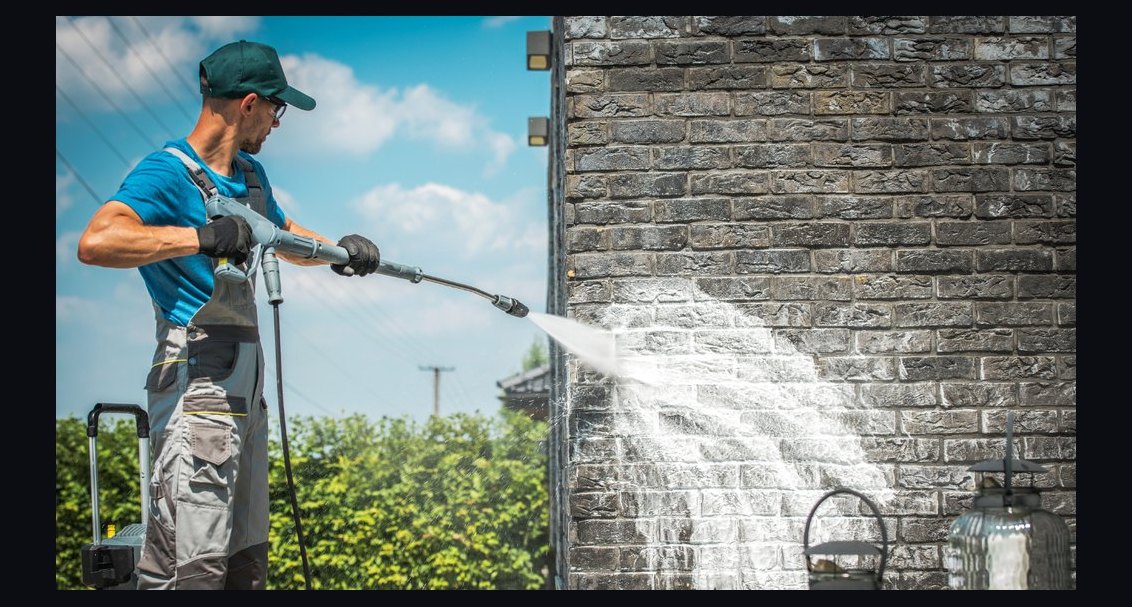 pressure-washingHow do you start a pressure washing business in 2027?
 window-cleaningHow do you start a residential window cleaning business in 2027?
 stump-grindingHow do you start a stump grinding business in 2027?
 window-tintingHow do you start a window tinting business in 2027?
 knife-sharpeningHow do you start a knife sharpening business in 2027?
 app-development-agencyHow do you start an app development agency business in 2027?
 septic-tank-pumpingHow do you start a septic tank pumping business in 2027?
 bookkeepingHow do you start a bookkeeping business in 2027?