

How do you start a septic tank pumping business in 2027?
 Curated byKory White · Fractional CRO · Maryland
Quality
Certified
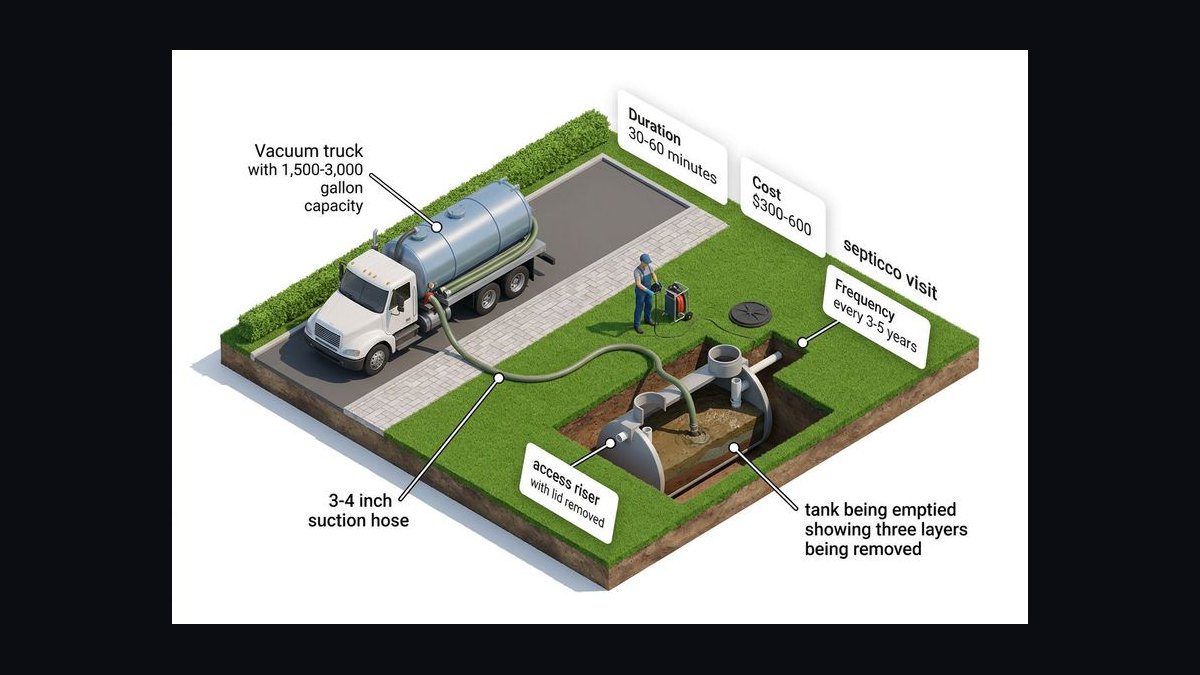
Starting a septic tank pumping business in 2027 takes roughly $95,000–$255,000 — most of it the vacuum truck — plus a state septage-hauler permit and contracted disposal access secured before you buy anything. Book 5–8 residential pump-outs daily at a $350–$525 ticket, hold 55–68% gross margin, and year-one owner earnings land near $55,000–$110,000.
What the business actually is, and why the demand floor is so high
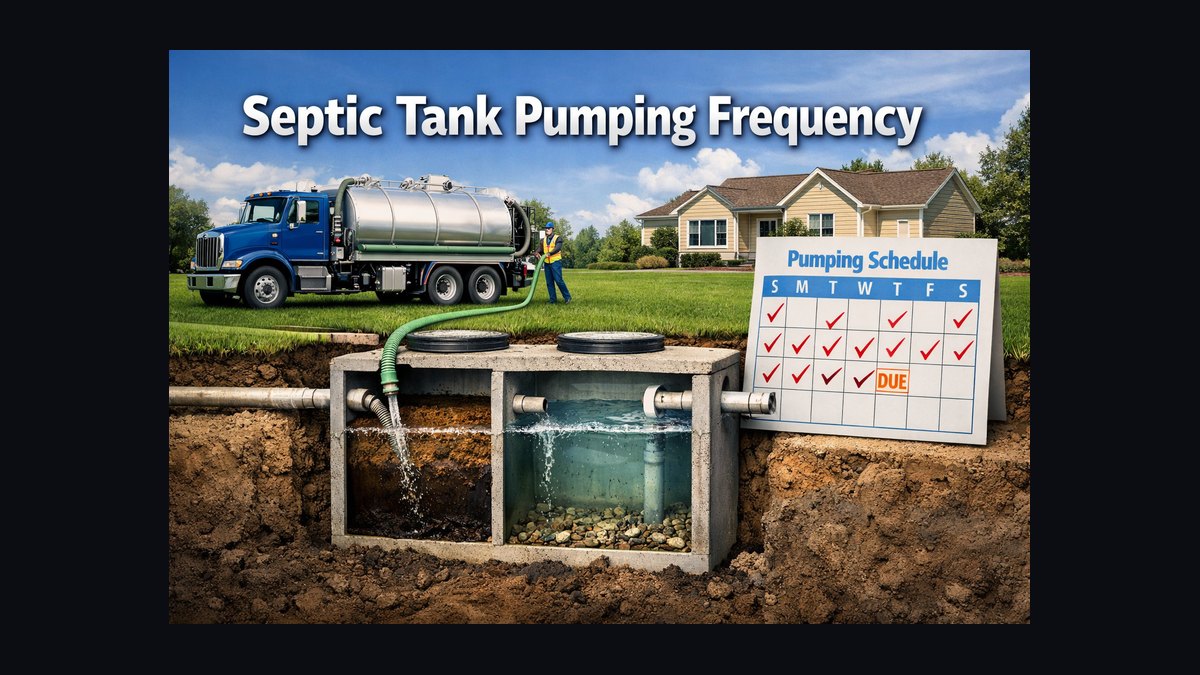
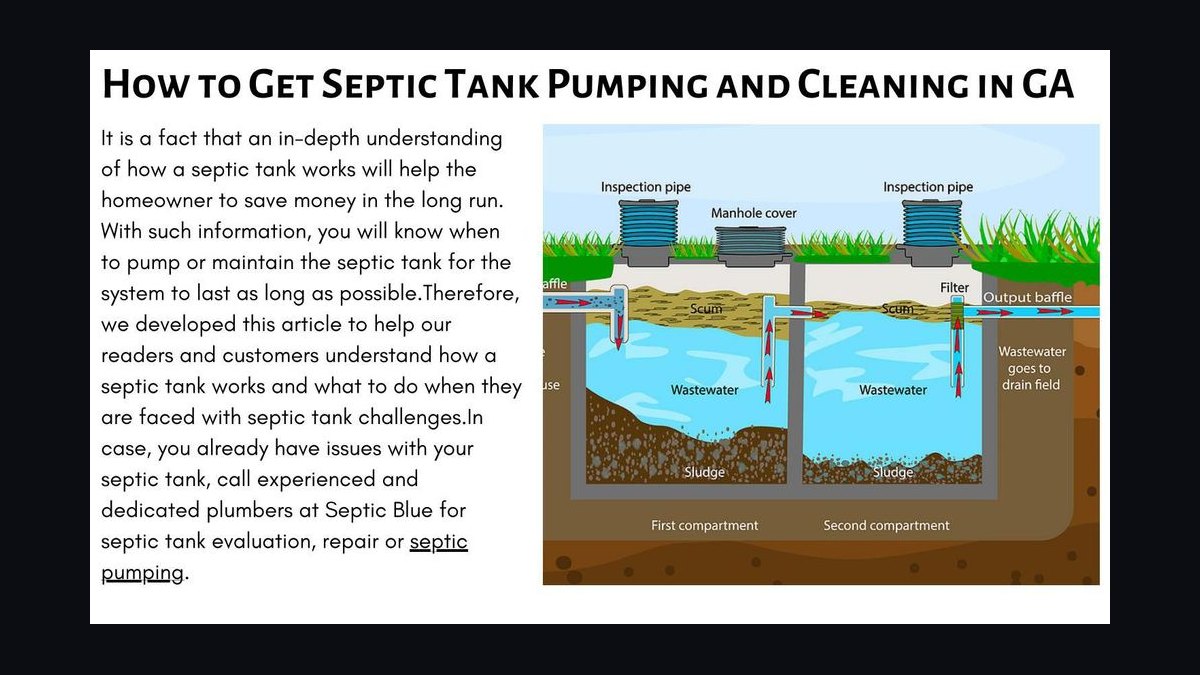
Strip away the branding and a septic pumping company is three things: a truck that creates suction, a permit that makes hauling human waste legal, and a list of addresses whose tanks fill on a biological clock. That third asset is the one people undervalue. Roughly one in five U.S. households — about 21 million homes by EPA estimates — sits on an on-site septic system rather than a municipal sewer line, and every one of those tanks needs pumping on a three-to-five-year cycle. Run the arithmetic: 21 million households divided by a four-year average interval produces something on the order of five million pump-out jobs generated every year, nationally, by nothing but biology and gravity. No marketing created that demand. No recession erases it.
What makes the demand *floor* unusually firm is the consequence structure of skipping the service. A homeowner can defer a kitchen remodel indefinitely, cancel a landscaper, put off replacing a fence. A neglected septic tank does not wait politely — it backs sewage into a finished basement, surfaces it in the yard, or clogs and destroys a drainfield whose replacement runs $15,000–$40,000. The homeowner's real choice is not "pump now or spend the money elsewhere." It is "pay $450 now or risk a five-figure excavation and a house nobody can legally sell." That asymmetry is why this trade is recession-resistant rather than merely recession-tolerant. Under financial stress, customers stretch a three-year interval to five. They do not stop.
Layer a regulatory tailwind on top. Counties across the country have progressively tightened mandatory inspection and pumping ordinances, particularly at point of sale and in environmentally sensitive watersheds. Where a county adopts a point-of-sale septic inspection requirement, every single home transaction in that jurisdiction becomes a guaranteed inspection job — a high-margin, cert-gated service that a licensed pumper can attach without buying another truck. Meanwhile exurban and rural construction keeps adding new on-site systems wherever extending municipal sewer is uneconomic, and the average system age in established septic counties keeps climbing. Older systems need pumping more often, throw off more repair work, and eventually need replacement components: risers, baffles, effluent filters, distribution boxes. Every one of those is a billable visit.
Then there is the competitive field, which is the most underappreciated part of the setup. Residential septic pumping has no dominant national brand. Compare that with pest control, where Rollins operates Orkin and a stack of regional brands, or HVAC and plumbing, where private-equity roll-ups have been consolidating for years. The wastewater trades remain genuinely fragmented — owner-operators and two-to-five-truck family businesses, many run by people in their late fifties and sixties, with a phone that goes to voicemail after four o'clock, no online booking, eleven Google reviews, and a price sheet last revised before the pandemic. An entrant who answers the phone live, arrives inside the promised window, texts a digital invoice, and asks for a review every single time will take share from a thirty-year incumbent within eighteen months. Not because the newcomer is a better technician — the incumbent is almost certainly better with a hose — but because the homeowner placing today's order found their pumper through a map pack and a star rating, not through a neighbor's recommendation from 2003.
Be honest about what this is not, though. It is not a clean business, not a passive one, and not a technology business wearing a truck costume. It is literal waste hauling. You will be on call. The work is physically demanding, the conditions are unpleasant, and your single largest asset is a machine that can strand you at any moment. The upside is real and the cash converts fast, but nobody should walk in expecting otherwise.
The step-by-step process from zero to a booked schedule
The sequence matters more than the individual steps, and almost every first-time operator gets the ordering wrong in the same way: they fall in love with a truck listing and buy the equipment before confirming they have a legal place to empty it. Do it backward and you own a $70,000 asset you cannot lawfully operate.
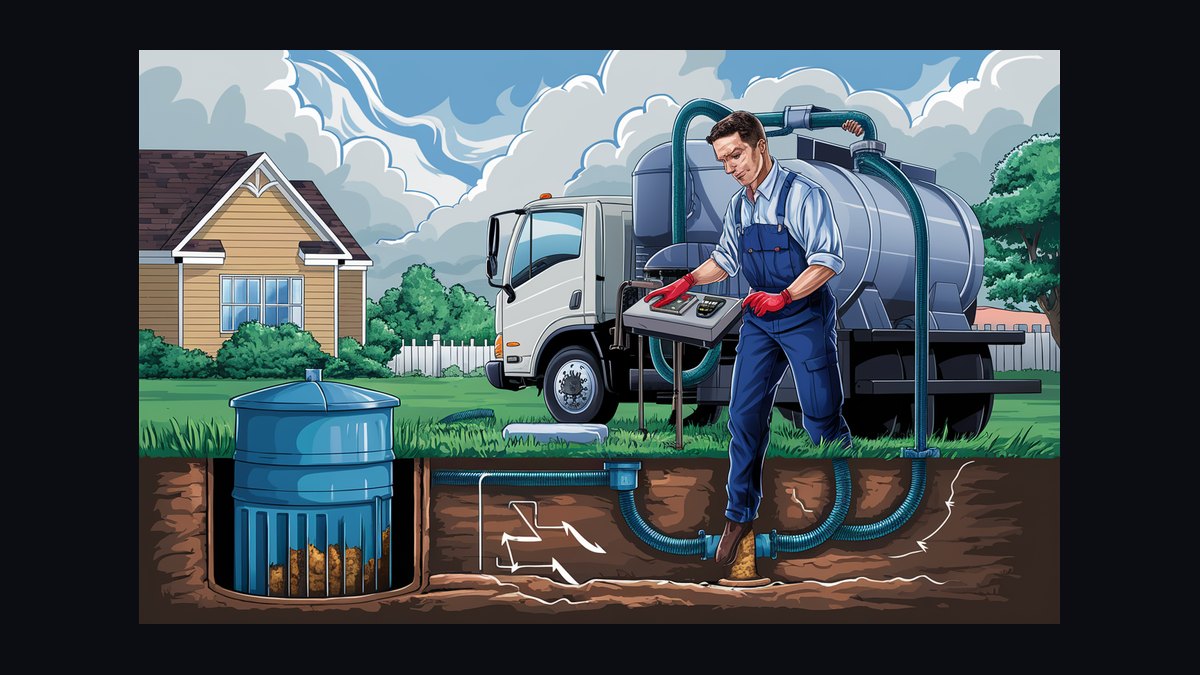
Confirm disposal access first. Before a dollar moves, call every municipal wastewater treatment plant and permitted land-application site within roughly a 45-minute radius. You want written confirmation of three things: that they accept hauled septage, the hours during which they accept it, and the per-gallon tipping fee. Tipping typically runs somewhere in the $0.05–$0.18 per gallon range depending on the region and the plant's own cost structure, which translates to roughly $40–$110 of disposal cost on a standard 1,000–1,500 gallon residential job. Identify a primary site and a backup. If nobody within reasonable driving distance will take your load, the business does not exist in that geography — and finding that out on a phone call costs you an afternoon instead of your savings.
Map the regulatory stack second. Requirements are state- and often county-specific, but the shape is consistent: a business entity and EIN, a state septage-hauler or pumper permit issued by the environmental or health department (application fee, proof of disposal arrangements, often a written exam on waste handling and spill response), a per-truck vacuum permit with decals and annual vehicle inspection, a USDOT number with the maintenance file and hours-of-service compliance that comes with it, and manifest recordkeeping logging gallons collected, source, disposal site, and date on every trip. Buried in that stack is the question that constrains your truck purchase: whether a loaded unit crosses the 26,001-pound GVWR threshold and therefore requires a Commercial Driver's License. Many loaded 2,500-gallon vacuum trucks do. Answer that *before* you shop, because it determines not just who can drive but who you can ever hire, and it drags a drug-and-alcohol testing program in behind it.
Then buy the truck. Inspect at least three candidates with a heavy-truck mechanic who has specifically seen vacuum equipment before — a general diesel tech will check the chassis competently and miss the tank entirely. The inspection targets the vacuum pump's vanes and oil system, the tank interior for pitting and weld integrity, the valves and primary shutoff, the hydraulic lift for offloading, and the usual frame and brake work. A truck that gleams from the cab can hide a $10,000 problem six inches inside the tank wall, and a pump rebuild alone runs $4,000–$12,000.
Bind insurance, stock the kit, stand up the systems. Insurance means commercial auto at high limits, general liability, and pollution/environmental liability — that last one matters because standard general liability commonly excludes exactly the spill scenario this trade lives with daily. Use an agent who actively writes waste-hauling accounts; a generalist will either misprice you or place you with a carrier that non-renews after the first claim. The kit is a tank locator and probe rods, an inspection camera, hoses and spare pump parts, PPE and a wash-down setup, and a starting stock of risers and lids on the truck. The software is small but decisive: field-service dispatch, a CRM that flags pump-cycle due dates, accounting, and on-site card/ACH payment.
Launch demand last. Google Business Profile completed with real job photos and an accurate service area, Local Services Ads live for immediate pay-per-lead flow and the Google Guaranteed badge, in-person introductions to local plumbers, excavators, and rural-property real-estate agents, and a review request by one-tap SMS on every completed job from the very first one.
Once the route is live, the daily operating loop is its own short sequence worth internalizing: arrive and locate the tank, uncover the lids, pump, inspect the baffles and effluent filter while the tank is open, decide whether the load requires a disposal run before the next stop, invoice and collect on site, request the review, and log the customer's next due date. The inspection step in the middle of that loop is where the money hides — a technician who pumps and leaves has sold one service, while a technician who pumps, looks, photographs a cracked baffle on the inspection camera, and quotes the repair has often doubled the ticket without adding a mile of driving.
Costs, timelines, and the numbers that actually determine the outcome
The vacuum truck is 60–75% of your startup capital and everything else rounds to noise beside it. The used market is the rational entry point for essentially every first-time operator, particularly with new commercial chassis pricing having stepped up materially over the past several years.
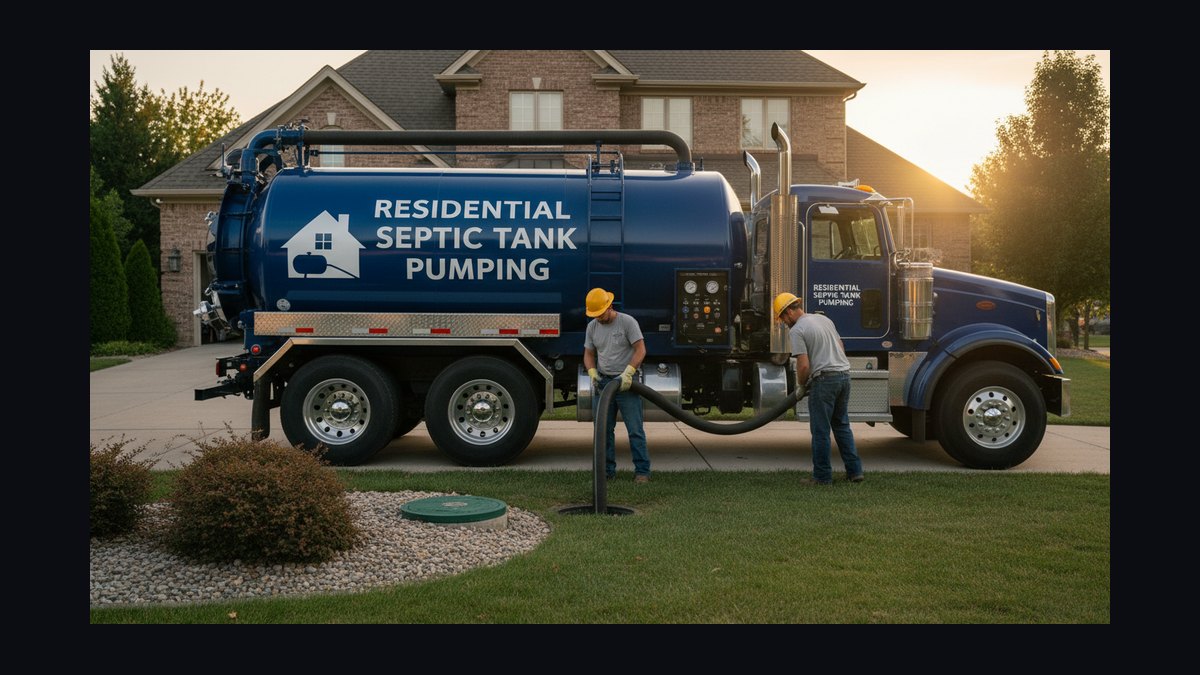
A sound used unit — 1,500 to 2,500 gallons, eight to fifteen years old, serviceable pump, no significant tank corrosion — runs roughly $45,000–$95,000. A late-model used truck at four to eight years and 2,500–3,000 gallons runs $95,000–$135,000. New builds at 2,500–3,600 gallons start around $130,000 and climb past $190,000 spec'd out, which is only justified once route volume is proven. Below $45,000 you are in project-truck territory: an older chassis, a pump near rebuild, possible tank corrosion — viable only if you personally wrench. Tank size, incidentally, is a route-design decision rather than a bigger-is-better one. A larger tank means fewer disposal breaks per day but a heavier truck that struggles on soft rural driveways, plus more fuel burned and more capital tied up.
The full stack around the truck: inspection, repairs and lettering ($3,000–$8,000), hoses and spare pump parts ($2,500–$6,000), licensing and septage-hauler registration ($1,200–$5,500), insurance deposits ($4,000–$9,000), entity formation and accounting setup ($800–$2,500), locator and camera equipment ($1,500–$7,000), branding and web presence ($2,000–$6,500), software setup ($400–$1,500), initial marketing including a vehicle wrap ($3,000–$9,000), and a working capital reserve of $25,000–$40,000. Totaled, that is roughly $95,000 at the disciplined used-truck end and $255,000 at the newer-truck end. Most first-time operators who do this well land near $110,000–$150,000.
Do not cut the reserve. That line exists to absorb three entirely predictable shocks: a major truck repair that takes the revenue engine offline for days while the loan payment still posts, a slow winter month, and the ordinary lag between completing a job and collecting on it. An operator who buys at the ceiling of their truck budget and opens with $3,000 in the bank is running a countdown timer, not a business.
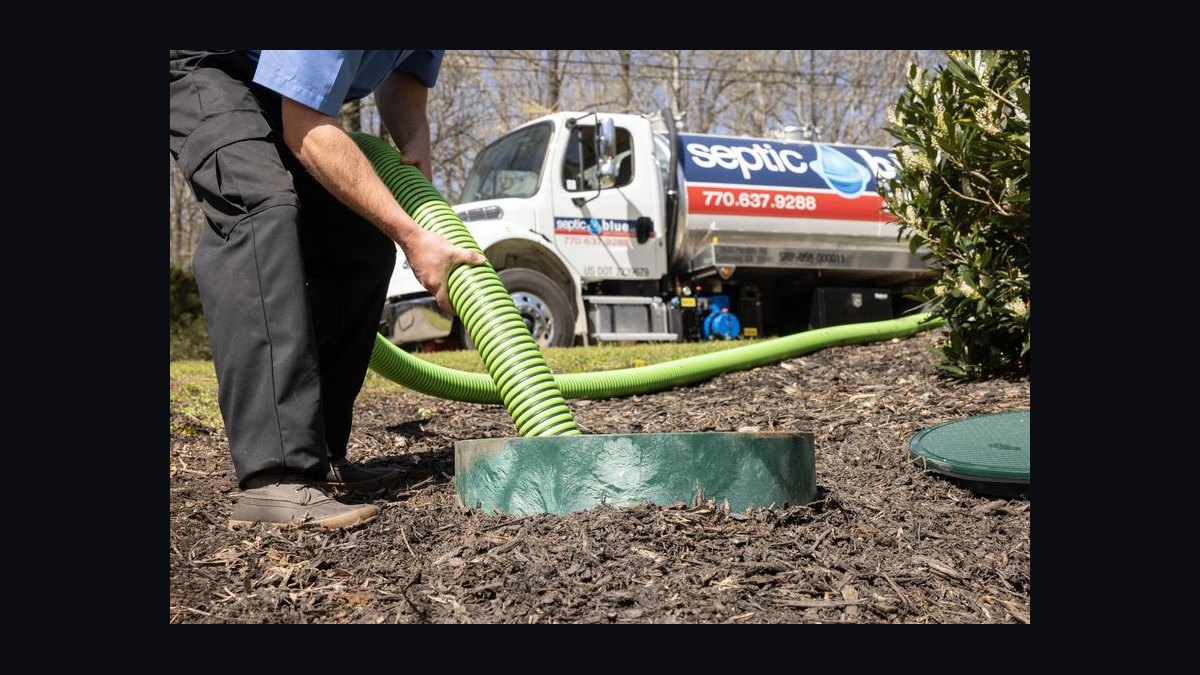
Financing generally comes from one of five places. Bank or credit-union equipment loans run five to seven years at roughly 8–11% with 10–20% down for a credit score above 680. SBA 7(a) suits buyers acquiring an existing book, at ten years, prime plus a spread, and around 10% down. Equipment-finance specialists take thinner credit at three to six years and higher rates. Cash, if you have it, eliminates the largest fixed cost outright. And then there is the best deal in the trade: a retiring operator who will seller-finance the truck *and* hand over the customer list. That single transaction collapses your capital problem and your demand problem simultaneously — you inherit a proven route, an established phone number, an existing review base, and a lender whose repayment depends on your success. In a trade this thick with owners past sixty and short on succession plans, those deals genuinely exist for anyone willing to ask around.
On the revenue side, the standard residential pump-out is your volume product: locate the tank, uncover the lids, pump 1,000–1,500 gallons, inspect, invoice. Forty-five to ninety minutes on site, a $300–$600 ticket that commonly settles at $350–$525, $40–$110 in disposal, $25–$55 in fuel and truck cost, and 55–68% gross margin. On a $430 job, after disposal, fuel, allocated maintenance reserve, allocated insurance, allocated marketing, software and admin, and loan service, roughly $200–$260 remains to cover owner labor and profit.
Legitimate levers on that ticket: tank size, access difficulty (buried lids under eighteen inches of soil, long hose pulls where the truck cannot reach), distance from your cluster, and condition — a tank untouched for a decade has compacted solids and is a genuinely harder job. Price those honestly. The per-job average conceals a wide spread: a clean, riser-equipped, route-adjacent tank contributes far above $260, while a buried-lid, decade-neglected property forty minutes off-route can drop below $150 in contribution once the extra hour and the equipment wear are counted.
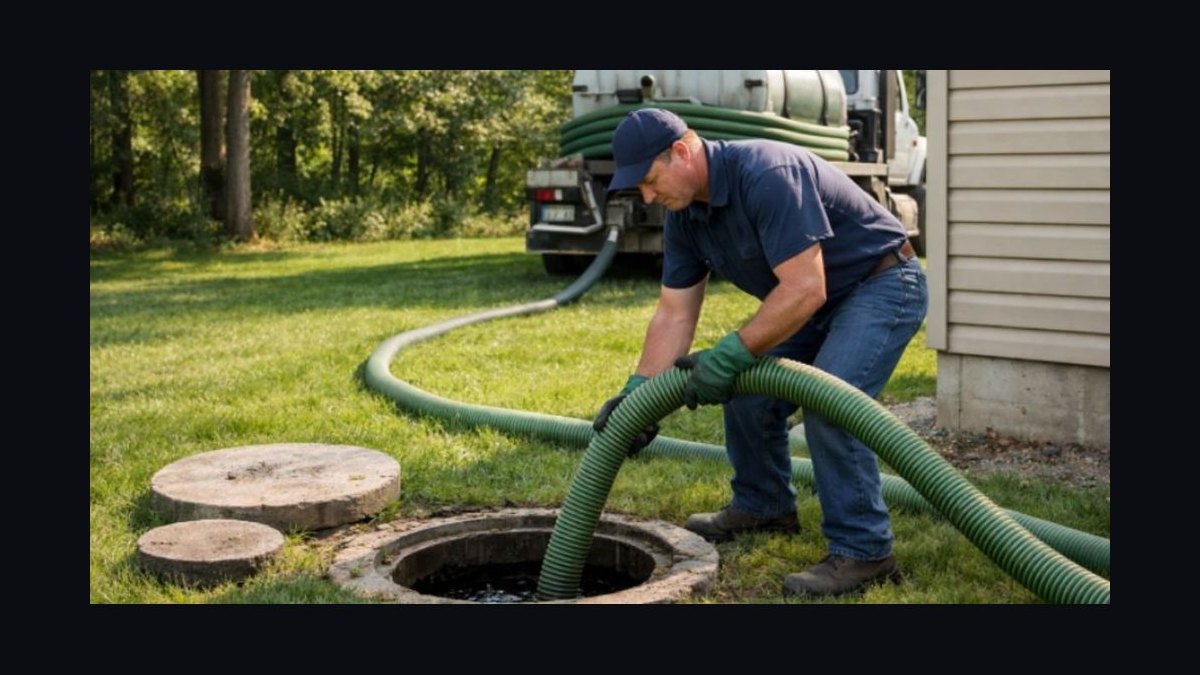
Year one, conservatively, looks like 850 jobs at a $385 blended ticket — about $327,000 revenue and roughly $46,000 in pre-tax owner earnings. Realistically: 1,300 jobs at $430, around $559,000 revenue, and roughly $93,000 pre-tax with you driving the truck most of the year. Strong: 1,750 jobs at $475, about $831,000 revenue, but with a technician on payroll at roughly $58,000, which drops visible owner earnings to the high seventies while buying you time off the truck and the beginnings of a second-truck business.
Seasonality shapes all of it. Frozen ground suppresses voluntary pumping through deep winter, the holidays slow booking, and spring through fall is peak — often spiking after heavy rain overwhelms marginal systems. Bank the peak surplus against the trough, and use slow months for maintenance, marketing prep, and selling next year's commercial contracts.
Where new operators get it wrong
Undercapitalization is the most common fatal mistake, and it is entirely avoidable. It looks like this: buy at the top of the truck budget, finance aggressively, keep no meaningful reserve, then face a $9,000 pump rebuild in month four with the loan payment still due and revenue at zero because the truck is the revenue. The business was never bad; the balance sheet was. If you cannot fund a real $25,000–$40,000 cushion on top of the truck, save longer, buy cheaper, or acquire a seller-financed route — but do not start a capital-intensive business with no capital.
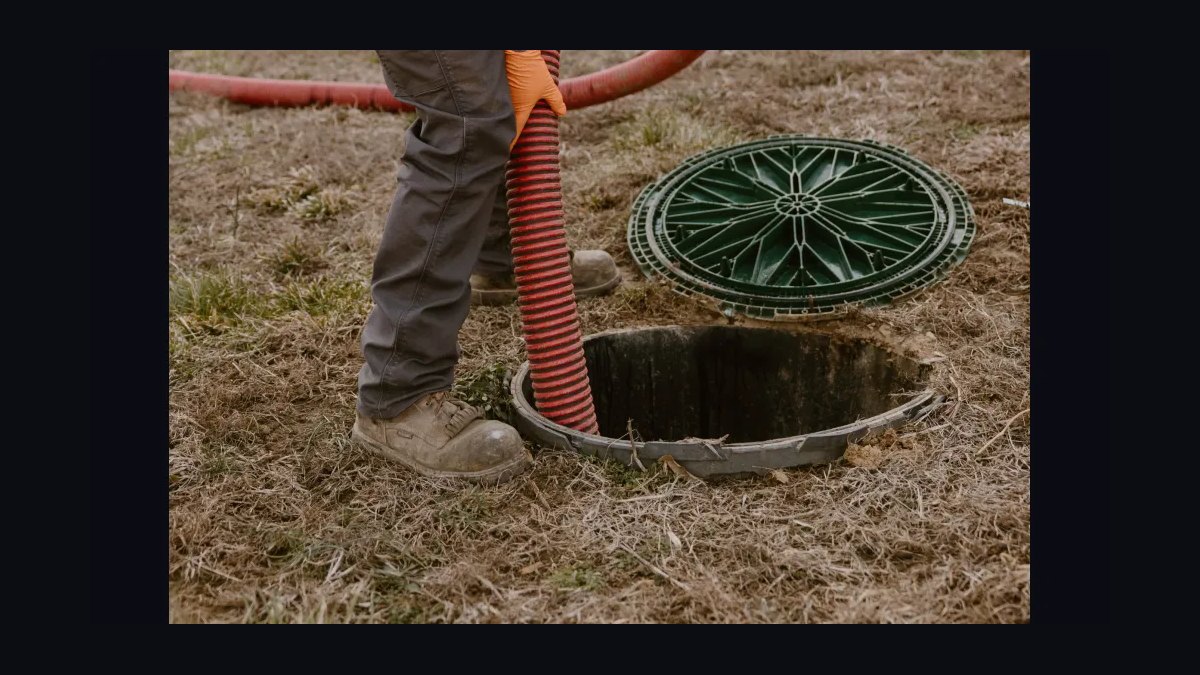
Single-source disposal is an existential dependency dressed up as an administrative detail. Plants stop accepting hauled waste for capacity reasons or process upsets. They raise tipping fees sharply. They cut accepting hours. Any of those, on a Tuesday, with a full tank and no alternative, is a crisis entirely outside your control. Secure redundant access from day one and cultivate genuine relationships with plant operators — a pumper who shows up clean, on schedule, and never causes a problem gets the benefit of the doubt when capacity tightens. This exposure has no analog in cleaner trades; it is structural to waste hauling and deserves respect.
Underpricing the dirtiest jobs is a silent margin killer. In a fragmented market full of incumbents who have not raised prices in years, undercutting feels like the obvious wedge. It is a trap on two levels. It attracts the least loyal customers, and it erodes precisely the margin that funds truck replacement. The worst variant is quoting the decade-neglected, no-riser, forty-minutes-out tank at your standard rate — those jobs consume the most time and the most equipment wear, and pumpers who chase price end up with a schedule full of them at the thinnest possible margin.
Confusing lead volume with route density. A lead five minutes from your last stop is worth dramatically more than one forty minutes away, because the pump-out itself only takes 45–90 minutes — what determines whether you complete four jobs or seven is windshield time and disposal-run frequency. At a $430 blended ticket, that gap is roughly $1,290 in additional daily revenue, and it is high-margin revenue: the truck, the insurance, the loan payment, and your time were already committed. Two operators with identical trucks and identical pricing can earn wildly different incomes on this variable alone. So concentrate marketing in tight clusters — specific septic-heavy neighborhoods, specific rural subdivisions, direct mail into known septic zip codes at $0.40–$0.80 a piece — rather than spraying across a county. Buy clustered leads, not just leads.

Living on pump-outs alone. The operators who clear six figures quickly are not the cheapest; they are the ones attaching riser installs ($300–$700, sold at the visit), inspections ($250–$650, cert-gated and tied to home sales), baffle and filter repairs ($200–$900, found during inspection), and — critically — contracted commercial work. Grease-trap pumping for restaurants at $175–$450 on a recurring monthly or quarterly schedule, and lift-station or commercial vault service at $400–$1,500 and up, are the closest this trade comes to subscription revenue. They also happen to be counter-seasonal: a restaurant's grease trap fills on cooking volume, not on whether the ground is frozen. A mature single-truck operation aiming for resilience targets roughly two-thirds residential and one-third contracted commercial, which turns February from dangerous into merely uncomfortable.
Neglecting the pump-cycle reminder. Every customer you serve today is a scheduled job three to five years out — but only if your CRM remembers them and you reach out first. A pumper with 1,500 customers under disciplined reminders has a self-refilling order book that costs nothing in advertising. This is the same compounding-customer-base dynamic that makes pest control and gutter maintenance attractive, and over five years that book becomes the single most valuable thing the business owns.
Treating the first hire as a staffing problem rather than a brand problem. The first technician is the hardest hire in the business, because trust, reliability, and customer manner matter more than raw speed. Someone who rips up a lawn or argues about a price on a driveway costs you reviews you cannot recover. Pay fairly, train on the customer interaction as deliberately as on the equipment, and accept that you may hire wrong once before hiring right.
Decision framework: which path fits which operator
Three decisions determine the shape of the business, and each has a clean test.

Build or acquire. Building from scratch with a used truck and a new brand carries moderate capital exposure but real demand risk — you have zero customers on day one and it takes months to fill a schedule. Acquiring an existing route plus truck costs more upfront but eliminates the hardest and slowest part of the build and delivers cash flow from week one. For a first-time owner, acquiring a small existing route is frequently the smarter path when one exists. The due diligence is specific: verify the customer list is real and recurring rather than a list of one-time calls, confirm the disposal access actually transfers, inspect the truck as rigorously as you would a stranger's, and understand precisely why the seller is leaving.
Which truck tier. If you can do your own wrenching and tolerate downtime, a project truck under $45,000 stretches your capital. If you cannot — and most first-timers cannot — the $45,000–$95,000 sound-used band is the correct answer nearly every time. Late-model used at $95,000–$135,000 makes sense only if you are well-capitalized enough that the reserve is untouched. New only after route volume is proven.
Cash now or asset later. Staying solo maximizes visible take-home; you drive, you keep the labor line. Hiring a technician cuts current earnings but gets you off the truck and into sales, estimates, and inspections — the activities that build the recurring book. The exit math settles the argument for most people. What a buyer pays for is not your truck. It is your recurring book and your systems: customer relationships living in a CRM rather than in your head, contractually secure disposal access, documented pricing and procedures, and a manager running day-to-day. Home-services consolidation has reached the wastewater trades, with private-equity-backed regional platforms, strategic acquirers wanting a wastewater leg, and the broader environmental-services world — the Waste Management, Republic Services, and Clean Harbors orbit — all creating downstream appetite for route-dense, recurring-revenue tuck-ins. A documented business commands a real multiple of earnings. A business that *is* its founder sells for not much more than the liquidation value of the trucks.

That last point generalizes past this trade, and it is worth stating plainly because it is the least intuitive thing here: the highest-return work in years two and three is usually not selling one more job. It is writing down how the business runs. Document the pump-out procedure, the disposal protocol, the pricing rules, the upsell script. Get every customer and every due date into the system. Formalize the disposal contracts. Train someone to run the day. None of that shows up in this month's revenue and all of it shows up in the sale price — the same revenue-operations discipline that makes any recurring-service book valuable, which is exactly what RevOps practitioners mean when they distinguish a repeatable system from a talented individual. Route density, contracted recurring revenue, and documented process are the three levers, and they compound.
Watch five running indicators rather than total revenue: jobs per truck per day trending from four toward seven, review count and rating climbing, repeat-and-referral share rising, blended ticket holding or increasing, and weeks of cash reserve staying above a comfortable floor.
Before committing capital, run the cheapest and most valuable diligence available: spend a full day riding along with a working pumper, and make sure you see the worst job on the schedule. If the sensory reality is a dealbreaker, that is genuinely useful information rather than a failure — adjacent trades like appliance repair, locksmithing, and garage door service share the fragmented-market, aging-owner, route-density pattern without the conditions. But for an operator who is capitalized, disciplined, physically prepared, and clear-eyed, septic pumping remains one of the more durable cash-generative trades available, partly *because* so many would-be competitors read a section like this one and correctly walk away.
Related questions
Do I need a CDL to drive a septic pump truck?
It depends on the truck's Gross Vehicle Weight Rating, not on the trade. Many loaded 2,500-gallon vacuum trucks cross the 26,001-pound threshold and require a Commercial Driver's License. Confirm the GVWR before purchase — it determines who can legally drive and who you can hire.
How much does a used septic vacuum truck cost?
A sound used unit at 1,500–2,500 gallons and eight to fifteen years old typically runs $45,000–$95,000. Late-model used at four to eight years runs $95,000–$135,000. New builds start near $130,000. Budget $4,000–$12,000 separately for a possible pump rebuild.
What is the average septic pumping ticket?
Residential pump-outs commonly run $300–$600, most often $350–$525, for 45–90 minutes on site. Disposal costs $40–$110 and fuel $25–$55, leaving 55–68% gross margin. Tank size, buried lids, distance off-route, and years of neglect all justify higher pricing.
Can I add septic inspections to a pumping business?
Yes, and it is the highest-leverage add-on available. Many states allow licensed pumpers to earn an inspector certification for roughly $200–$900 plus coursework. Inspections run $250–$650, are driven by real-estate closings, and attach to visits you are already making.
Is septic pumping profitable in the winter?
Less so in cold regions — frozen ground suppresses voluntary pumping and the holidays slow bookings. The structural fix is contracted commercial work: restaurant grease traps and lift stations fill on usage schedules rather than weather, providing a year-round revenue floor beneath the seasonal residential book.
FAQ
How long does it take to get licensed and start operating?
Realistically 60 to 90 days from decision to first job, and the permits are the pacing item rather than the truck. Septage-hauler applications are not same-week approvals; some states require a written exam on waste handling, spill response, and recordkeeping, and per-truck vacuum permits often involve a vehicle inspection. Start the permit paperwork in parallel with truck shopping rather than sequentially, but never sign for a truck before you have confirmed disposal access and answered the CDL question.
What is the single biggest reason these businesses fail?
Undercapitalization, by a wide margin. The truck is simultaneously the only revenue engine and the largest liability — when it goes down, income stops and the loan payment does not. A genuine $25,000–$40,000 reserve converts a $9,000 pump rebuild from a business-ending event into a bad week. Second place goes to single-source disposal dependency, which is equally fatal but far less common because it usually surfaces before launch.
Should I buy an existing route or start from scratch?
For a first-time owner, acquiring is frequently better when a route is available. You pay for the customer list but skip the slowest and riskiest part of the build — generating demand from zero — and you have cash flow in week one. Verify the list represents recurring customers with documented pump dates, confirm the disposal arrangement transfers, inspect the truck with a vacuum-experienced mechanic, and understand the seller's actual reason for exiting.
How many jobs a day can one truck realistically do?
Four to eight, and the spread is almost entirely route density plus disposal-run frequency. The pump-out itself is 45–90 minutes; drive time and trips to the treatment plant fill the rest of the day. Tight geographic clustering, a truck sized to your typical route, and dispatch software that sequences by proximity to the disposal site are what move an operator from the low end of that range to the high end.
Which add-on service should I add first?
Riser and access-port installs, because they require no certification and sell themselves at the visit. When you tell a homeowner their lids sit under eighteen inches of soil and every future service will cost more because of it, a $300–$700 riser is an easy yes. Inspection certification is the higher-value second move, since it opens the real-estate-transaction pipeline, which is largely insulated from price competition.
Is this business a candidate for acquisition later?
Yes, if you build it deliberately. Home-services consolidation has extended into the wastewater trades, and buyers want route density, recurring revenue, secured disposal access, documented systems, and a management layer that means the business runs without the founder in the cab. Those attributes are built in years two and three through unglamorous systematizing work, not through winning one more job this month.
Sources
- https://www.epa.gov/septic — EPA SepticSmart, on-site wastewater system basics and household prevalence
- https://www.epa.gov/septic/how-care-your-septic-system — EPA guidance on pumping intervals and system maintenance
- https://www.sba.gov/business-guide/launch-your-business/choose-business-structure — SBA guidance on entity formation
- https://www.sba.gov/funding-programs/loans/7a-loans — SBA 7(a) loan program terms and eligibility
- https://www.fmcsa.dot.gov/registration/commercial-drivers-license — FMCSA Commercial Driver's License requirements and weight thresholds
- https://www.fmcsa.dot.gov/registration/get-mc-number-authority-operate — FMCSA USDOT number and operating authority registration
- https://www.nowra.org — National Onsite Wastewater Recycling Association, industry standards and state resources
- https://www.bls.gov/ooh/construction-and-extraction/plumbers-pipefitters-and-steamfitters.htm — BLS occupational data for adjacent skilled trades
- https://www.irs.gov/businesses/small-businesses-self-employed/apply-for-an-employer-identification-number-ein-online — IRS EIN application
Related on PULSE
- How do you start a pest control business? — the same fragmented-market, aging-owner, recurring-revenue pattern in an adjacent trade
- How do you start a garage door repair business? — comparable unit economics and route density without the waste-hauling regulatory chain
- How do you start an appliance repair business? — lower capital intensity, similar local-search acquisition model
- How do you start a junk removal business? — truck-based route business with overlapping disposal-site dynamics
- How do you start a dumpster rental business? — heavier capital, contracted commercial revenue, pairs naturally with a septic route
- How do you start a gutter installation business? — recurring-maintenance customer book and referral-network acquisition
This page will be disappearing soon. Save it to your device for $1 — or read it free while it is here.
@Kory-White- · if Venmo asks, the last 4 of my number are 2012
This page is gone.
This one is off the shelf now. $1 keeps it on your phone for good — the whole page, pictures and diagrams included.
 pest-controlHow do you start a pest control business in 2027?
 pool-serviceHow do you start a residential pool service business in 2027?
 dog-poop-scoopingHow do you start a dog poop scooping business in 2027?
 locksmithHow do you start a locksmith business in 2027?
 pool-serviceHow do you start a pool service business in 2027?
 dryer-vent-cleaningHow do you start a dryer vent cleaning business in 2027?
 garage-door-repairHow do you start a garage door repair business in 2027?
 atm-routeHow do you start an ATM route business in 2027?
 mobile-massage-businessHow do you start a mobile massage business in 2027?
 upholstery-cleaningHow do you start an upholstery cleaning business in 2027?