
How do you start a mobile bike repair business in 2027?
 Curated byKory White · Fractional CRO · Maryland
 PULSEKNOWLEDGE LIBRARY
Quality
Certified
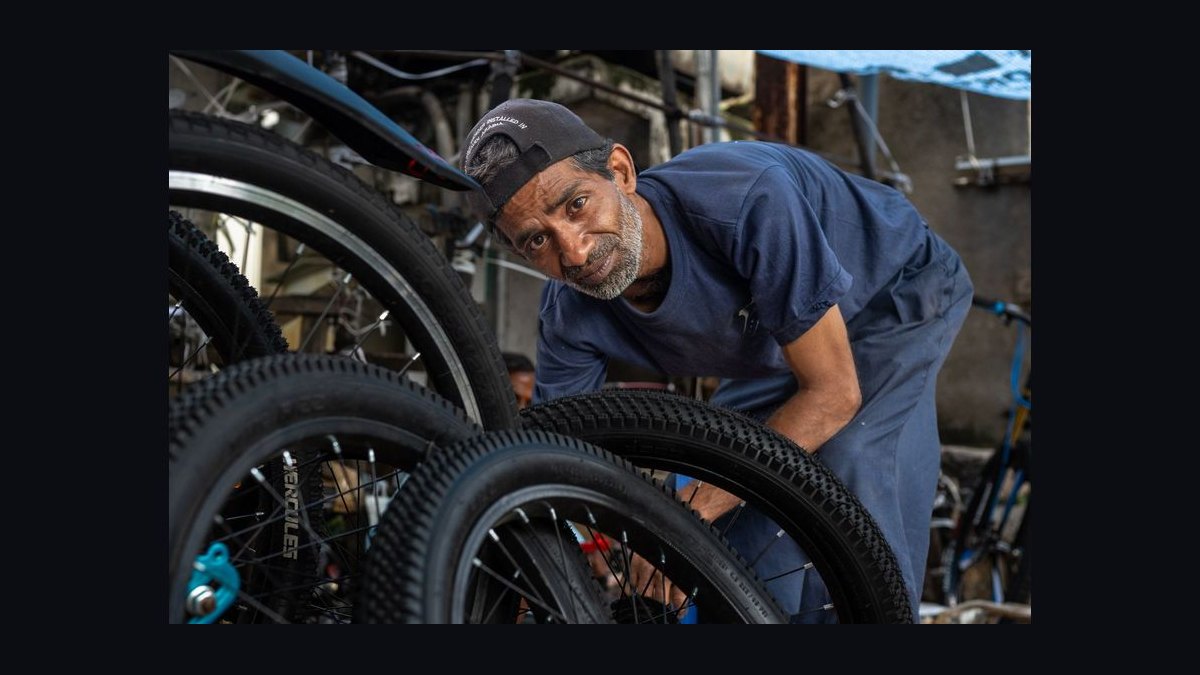
Start a mobile bike repair business in 2027 by buying a used cargo van, equipping it with a portable workstand and roughly $2,500–$5,500 in tools, licensing and insuring it commercially, then selling convenience — a $35–$75 trip fee plus tiered tune-up packages — to e-bike households inside a tight 12–18 mile radius.
The outcome you should expect
A realistic first year, run by someone who can already wrench at a professional level, produces $55,000–$95,000 in revenue working 30–40 billable hours a week across six to ten stops a day during the busy season. Owner take-home after vehicle costs, parts, insurance, and software lands somewhere in the $40,000–$70,000 range. That is not a windfall, and it is not passive. What it is, is a real business with a structural tailwind behind it rather than a gig that evaporates when the novelty wears off.
The reason the outcome is achievable in 2027 specifically comes down to three converging forces. First, the e-bike installed base. US e-bike unit sales ran roughly 880,000 to 1.1 million per year through the mid-2020s, and the cumulative base of e-bikes sitting in American garages is now somewhere in the range of six to nine million units. Those machines weigh 45 to 75 pounds, cost $1,800 to $6,000, and were overwhelmingly bought online from direct-to-consumer brands or at big-box stores with no service department behind them. That is a very large pool of expensive equipment with no natural service home.
Second, the traditional shop count kept shrinking. The US independent bike dealer count fell from north of 6,000 in the early 2010s to an estimated 2,800–3,400 by 2026, accelerated by the post-pandemic demand crash of 2022–2023 that consolidated or closed hundreds of storefronts. Entire suburban counties became service deserts. Third, consumer expectations hardened around come-to-me service. The same household that has groceries, packages, and dinner delivered now expects a mechanic in the driveway and will pay a premium for it.

Set your expectation for the trajectory, not just year one. Year two, with a first part-time helper or a mid-year mechanic hire, lands at $95,000–$170,000. Year three, running two vans, reaches $180,000–$320,000. Year four with three vans and a dispatcher hits $300,000–$500,000. Year five as a three-to-four van regional operator tops out around $450,000–$750,000, with seller's discretionary earnings in the $120,000–$280,000 band depending on how lean it is run.
The honest caveat attached to every one of those numbers: they describe operators who price correctly and route well. A founder who underprices the trip fee, chases scattered low-value jobs across a 25-mile radius, and never lands a recurring contract can work fifty-five hour weeks and net $34,000. The spread between a good and a bad operator in this business is enormous, and it is almost entirely a function of pricing discipline and route density rather than mechanical skill or effort.
What drives that outcome
The single biggest driver is that convenience is the product, not a discount. New mobile mechanics almost universally fall into the same trap: "bike shops charge a lot and make you wait two weeks, so I will be mobile, charge a bit less because I have no rent, and undercut them." It sounds logical and it is wrong in three separate ways.
You do have overhead — it is simply mobile overhead. A van costs $400–$900 a month in payments, $150–$350 in fuel, $80–$200 in maintenance and tires, plus commercial auto insurance at $1,800–$4,500 a year. You traded fixed rent for variable vehicle cost, and vehicle cost scales with the miles you drive, which a storefront never pays. You also can only do one job at a time. A shop has three mechanics on three stands and a service writer taking in five more bikes at the counter. You are one person, one stand, and you cannot start the next job until you finish this one and drive to it. Your throughput ceiling is structurally lower, which means your hourly rate has to be *higher* than the shop's, not lower.
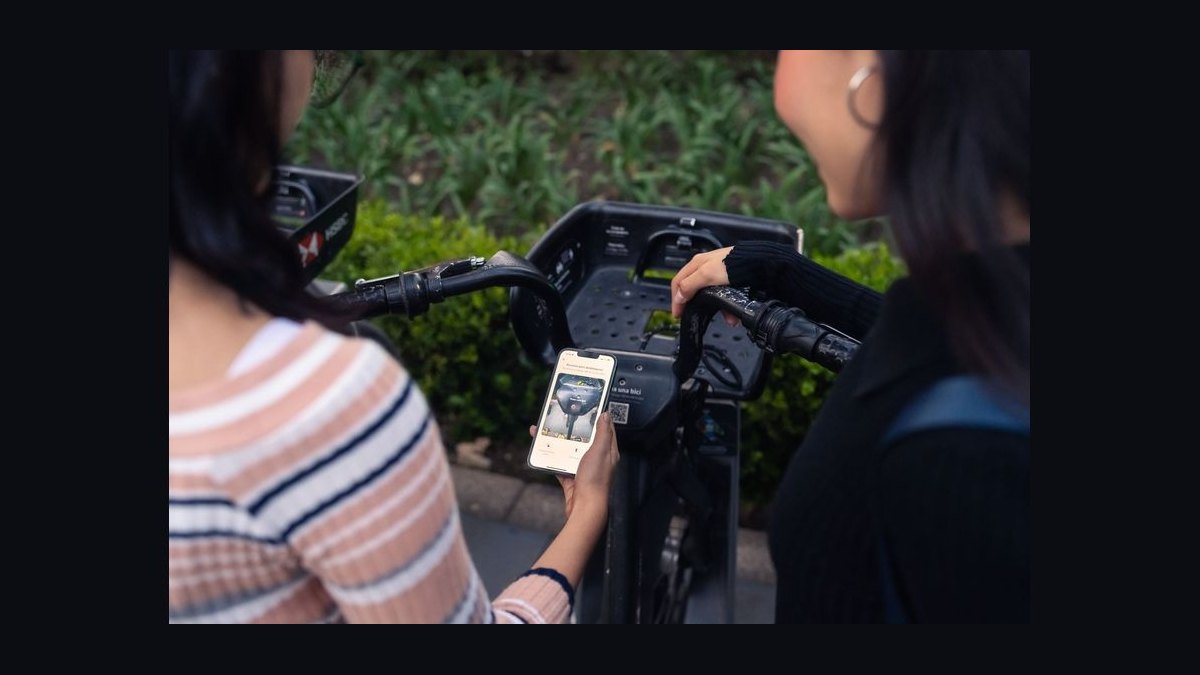
And the customer is not paying you to be a cheap shop. They are paying you to not load a 60-pound e-bike into an SUV, drive across town, drop it off, arrange a ride home, wait ten days, and arrange a ride back. That chain of hassle is worth $50–$120 to the right customer. Price below the shop and you leave the actual value on the table while training customers to see you as the budget option.
The second driver is who you sell to. The trip fee is a filter, and the segments sort cleanly by willingness to pay it. E-bike commuters and recreational e-bike households — owners of $1,800–$6,000 bikes, age 35–65, household income $90,000–$250,000, in dense suburban or urban-adjacent ZIPs — are the primary wedge and should be 50–65% of revenue. They cannot easily haul the bike, the nearest shop may refuse the brand, and they treat the bike as a serious asset. Affluent enthusiast cyclists on $3,000–$12,000 road, gravel, and mountain bikes are 15–25% of revenue at $180–$450 per ticket for suspension service, drivetrain overhauls, and pre-event tunes. Family and casual households are 10–20%, won with multi-bike pricing that turns one stop into four bikes. B2B recurring fleets — delivery e-bike operators, bike-share, hotels, universities, corporate campuses, apartment amenity fleets, parks departments — are 10–25% in year one and should be pushed toward 30–40% by year three. One-time online-purchase assembly at $75–$150 flat is a funnel, not a business line.
The third driver is route density, which is where most of the invisible margin lives or dies. A single van can realistically service a 12–18 mile operating radius before drive time eats the day. Inside that radius in a metro of 400,000 to a million people, there are roughly 35,000–90,000 bike-owning households, of which perhaps 8,000–20,000 own an e-bike or a bike worth more than $800. Capturing 2–4% of that — 300 to 700 active accounts — is a full solo route. The business is not the national market; the business is a circle.
Benchmarks and realistic ranges
Startup cost: $18,000 lean to $45,000 comfortable. Most operators land in the $20,000–$28,000 band. The van is the biggest line at $8,000–$28,000: a used high-roof cargo van such as a Ford Transit, Ram ProMaster, or Mercedes Sprinter with 80,000–150,000 miles runs $14,000–$28,000, while a used compact cargo van like a Transit Connect or ProMaster City runs $8,000–$16,000 and works fine for a solo operator with a disciplined tool kit. Buy used for van number one. A new upfitted van at $45,000–$70,000 is a year-three decision. Budget another $1,500–$5,000 for the upfit — shelving, a secured workstand mount, LED lighting, a power station or dual-battery setup — plus $1,800–$3,500 for a proper vehicle wrap.
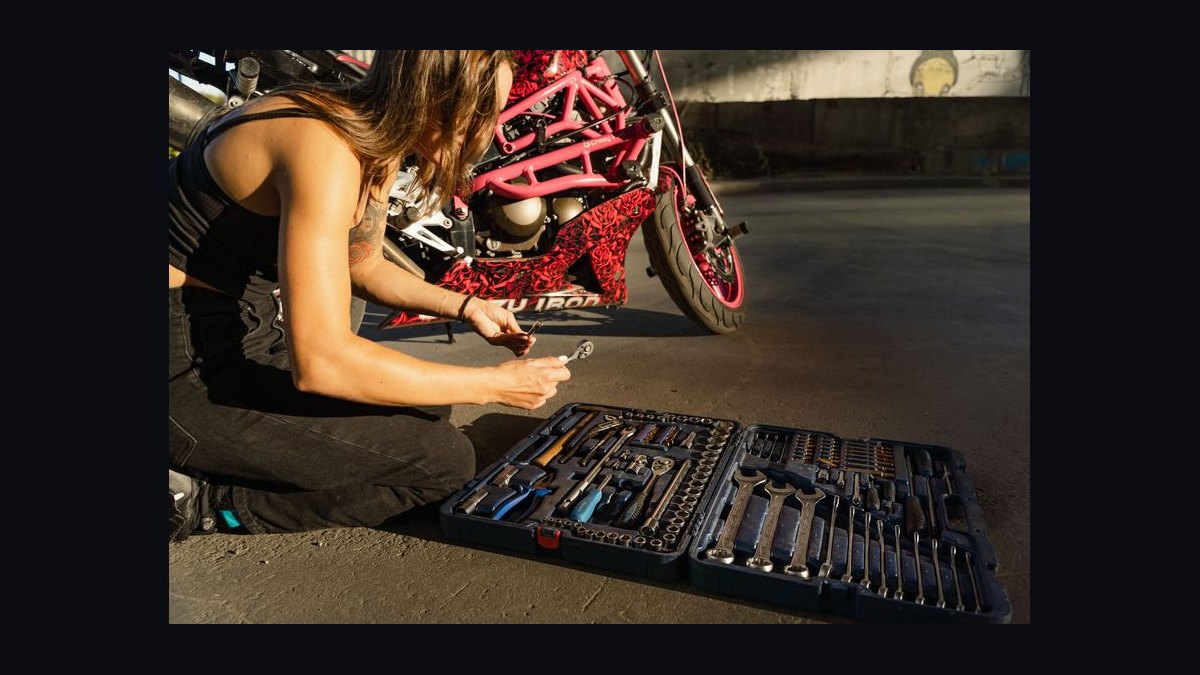
Tools and workstand: $2,500–$5,500. A pro-grade portable repair stand, a full mechanic's kit including torque wrenches, bottom bracket and cassette tools, bleed kits for the major hydraulic brake brands, a truing stand and dishing tool, a compressor or high-volume pump, and e-bike diagnostic cables. Do not economize on torque wrenches and bleed kits — warranty-quality work depends on them.
Starter inventory: $2,000–$4,500. Carry the 150–300 fastest movers: tubes in common sizes, tires, organic and metallic brake pads in common shapes, chains, cassettes, cables and housing, bar tape, grips, bearings, sealant, lube, cleaning supplies. Resist stocking like a shop. A storefront carries thousands of SKUs; you carry consumables and order the rest, which conveniently generates a second trip fee on the return visit.
Insurance, licensing, and legal: $1,500–$3,500 to start. Software and systems run $600–$1,800 a year. Working capital and initial marketing, $2,000–$5,000.

Pricing has four components and you need all four. The trip fee is $35–$45 in dense affordable metros and $55–$75 in affluent or low-density premium markets, charged on every visit regardless of work performed. Make it waivable above a $200 ticket or shareable across up to four bikes at one address to drive density. Tune tiers: Basic at $85–$110 for 35–45 minutes of brake and shift adjustment, tire pressure, drivetrain wipe-down, and safety check; Standard at $150–$190 for 60–80 minutes adding wheel truing, full drivetrain clean, cable tension, and bearing check; Premium overhaul at $265–$340 for 100–140 minutes adding hub, bottom bracket, and headset service plus hydraulic bleed. The e-bike diagnostic surcharge is $45–$95 on top of the tier, with motor, battery, and controller labor billed separately at $110–$150 an hour. Parts carry 45–55% markup on consumables and 35–45% on larger components.
The metric that actually matters is effective hourly rate — trip fee plus labor plus parts margin, divided by clock hours including drive time. Healthy is $95–$145 an hour solo in year one. Under $80 means your routing or your pricing is broken, and no amount of additional hours will fix it.
Unit economics per job. A Standard Tune at $170 with $25 of parts: subtract roughly $8 in allocated fuel and vehicle cost, $25 in parts cost, and $6 in software and processing, leaving roughly $130 of gross contribution on 75 minutes of work plus 25 minutes of driving. Six to ten of those a day, five to six days a week in season, is the entire year-one business.
Recurring revenue benchmarks. An annual membership at $120–$240 bundling two tune-ups, priority scheduling, and a discounted trip fee smooths seasonality. B2B per-bike service agreements run $8–$25 per bike per month depending on usage intensity — a 40-bike hotel fleet at $15 is $600 a month of contracted revenue from one account and one stop.
Labor benchmarks when you hire. Mechanics in this space run $22–$38 an hour depending on market and skill. The right window for a first hire is typically month 10 through month 20, once you are consistently turning away work and booked two to three weeks out.
Risks, edge cases, and failure modes
Route inefficiency is the number one killer and it is silent — the P&L looks fine on paper while half the day disappears into the windshield. Defuse it with a hard operating radius, route-aware scheduling, booking by neighborhood-day, HOA and B2B anchors, and a real trip fee. Track drive-time-to-billable-time weekly; if driving exceeds 25–30% of the workday, tighten the circle.
Underpricing is the second. It compounds because it also sets customer expectations you then have to renegotiate. Price on convenience from day one, hold the effective rate at $95–$145, never advertise as cheaper than the shop, and raise rates annually.
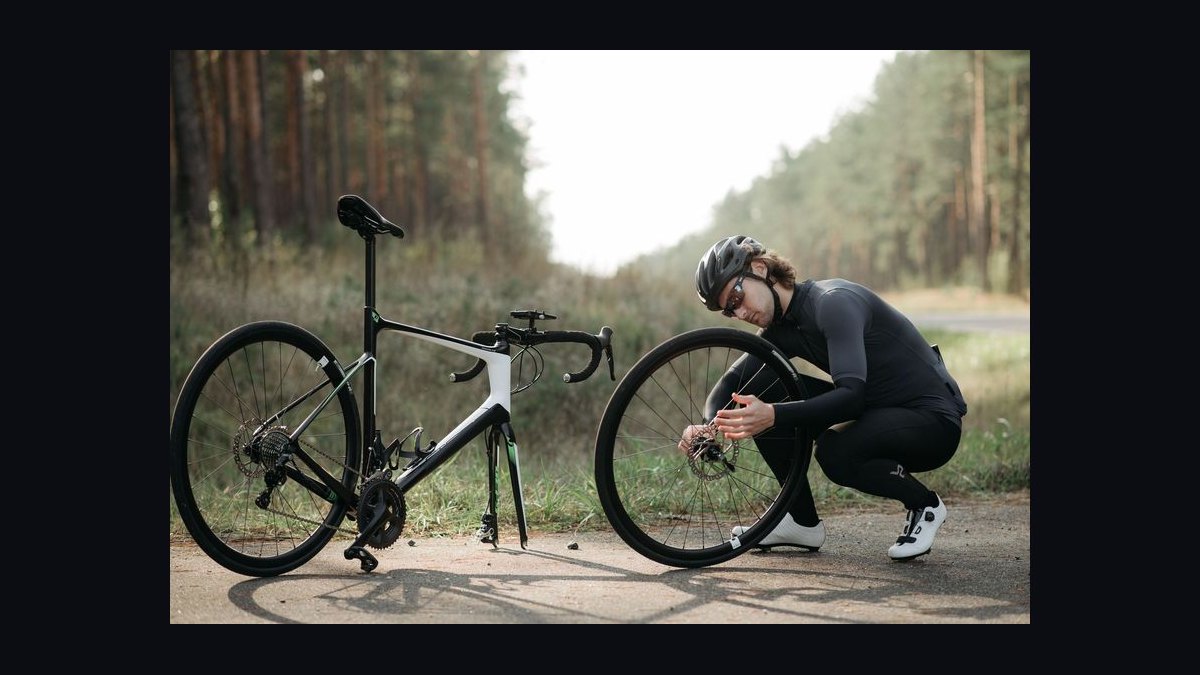
Seasonality is real and structural. In most US markets, March through October carries 50–60% of annual revenue in roughly five months, and November through February is slow. Manage it with year-round B2B contracts, a winter overhaul push framed as "get it serviced now, skip the spring rush," indoor-trainer and fit work in cold months, memberships bundling a fall and spring tune, and simple discipline about saving in season. Sun Belt operators have a flatter curve; real-winter markets must plan deliberately.
The van is a single point of failure. Three days in the shop is three days of zero revenue for a solo operator. Mitigate with a well-maintained used vehicle, a maintenance reserve, roadside assistance, and eventually the redundancy that a second van provides.
E-bike battery risk is the edge case that carries genuine liability. Lithium batteries have real fire risk. Follow safe charging and storage practice, never stack or store damaged packs, know local lithium disposal rules, decline damaged-battery work you are not equipped for, and carry the coverage described below.
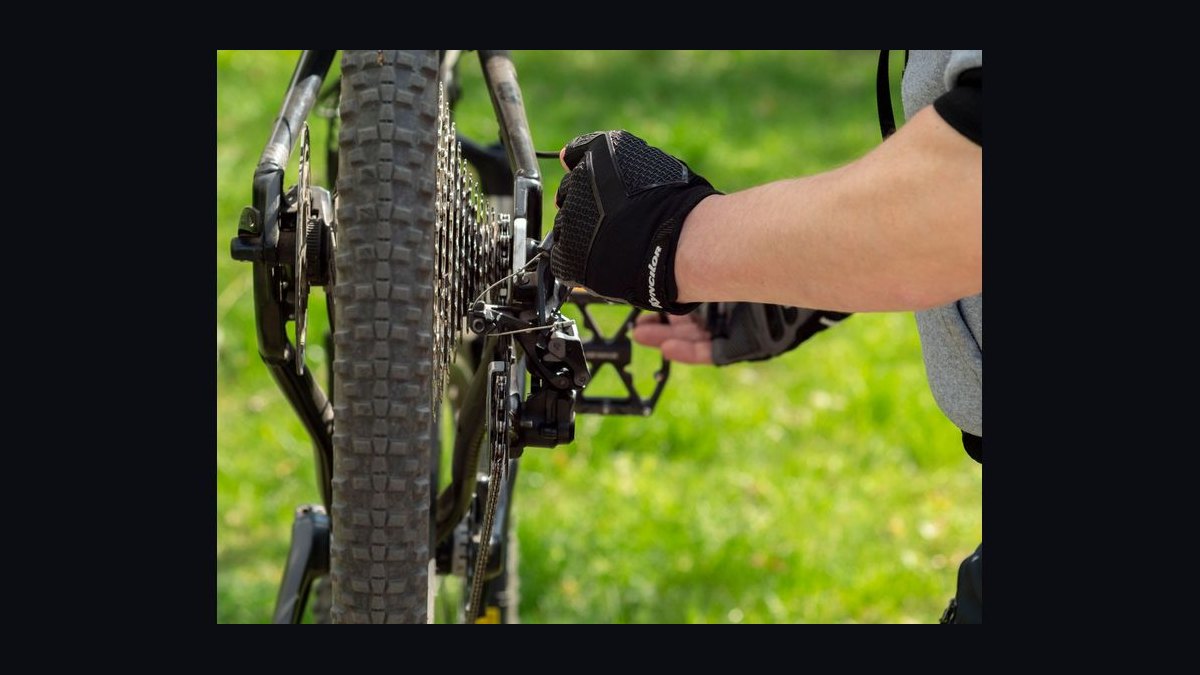
Insurance gaps are the most commonly skipped and most regretted item. Commercial auto is non-negotiable — a personal auto policy excludes business use and will deny a claim filed while working, at $1,800–$4,500 a year. General liability at $400–$900 a year covers the customer who trips over your toolbox. Garage keepers or tools-and-equipment coverage at $300–$800 a year covers your tools and customers' bikes in your custody, which matters enormously when you routinely have $3,000–$6,000 e-bikes in your possession. Workers' compensation becomes mandatory in nearly every state the moment you have an employee. Some operators add professional liability, which is worth considering because bad brake work has real consequences.
Legal and licensing edge cases. Form an LLC, get an EIN, secure a city or county business license, and obtain a sales-tax permit — you sell parts, so you collect and remit in most states, and whether pure labor is taxable varies by state, so confirm locally. Some municipalities require a mobile vendor permit for operating curbside or in public spaces, which matters if you set up at parks or events. Verify your state's rules on commercial plates and weight thresholds.
Worker misclassification is a real liability once you scale. A route mechanic working set hours in your van under your brand is an employee, not a contractor, in essentially every jurisdiction.
Quality drift after hiring damages the one thing you are actually selling, which is a trustworthy mechanic in a driveway. Mitigate with documented procedures, a ride-along training period, callback tracking per mechanic, and compensation that does not reward overselling. Pure commission structures corrode trust faster than they add revenue.
Owner injury is the underrated one. This is physical work performed kneeling on asphalt. A back injury stops a solo operation cold. Work at proper height using the stand, carry disability insurance, and treat building toward a model where you are not the only set of hands as a risk control, not just a growth move.
Customer concentration bites when a single B2B contract becomes 30% of revenue. Diversify contracts and keep a healthy residential base underneath them.
Competitive saturation in mature metros — Portland, Denver, Austin, Seattle, the Bay Area, where mobile is already 12–18% of bike service versus under 8% nationally — compresses pricing for generic tune-ups. The answer is depth rather than breadth: e-bike specialization and B2B contracts are considerably harder to replicate than a van and a repair stand.
A practical rollout plan
Days 1–30: validate the circle and set up the entity. Map your operating radius before you spend anything. Count the households, identify the affluent and e-bike-dense ZIPs, locate the apartment complexes, hotels, universities, corporate campuses, and delivery-fleet operators inside it. If your circle is low-density and low-income, the model struggles no matter how hard you work — find a different circle or a different business. In parallel, form the LLC, get the EIN, apply for the business license and sales-tax permit, and open a separate business bank account.
Days 15–45: buy and outfit the van. Get a pre-purchase inspection. Diesel Sprinters last but cost more to repair; gas Transits and ProMasters are cheaper to maintain. Upfit in priority order: a securely mounted fast-deploy workstand, labeled parts storage that does not become a landslide on every turn, LED strip lighting, a power station or dual-battery system, a pop-up canopy, and a roof vent fan. Keep the upfit modular so you can replicate it on vans two and three. Order the wrap — it is the best-value marketing you will ever buy, advertising in every driveway and at every stoplight, and a magnetic sign on a plain van reads as amateur where a real wrap reads as a real business.
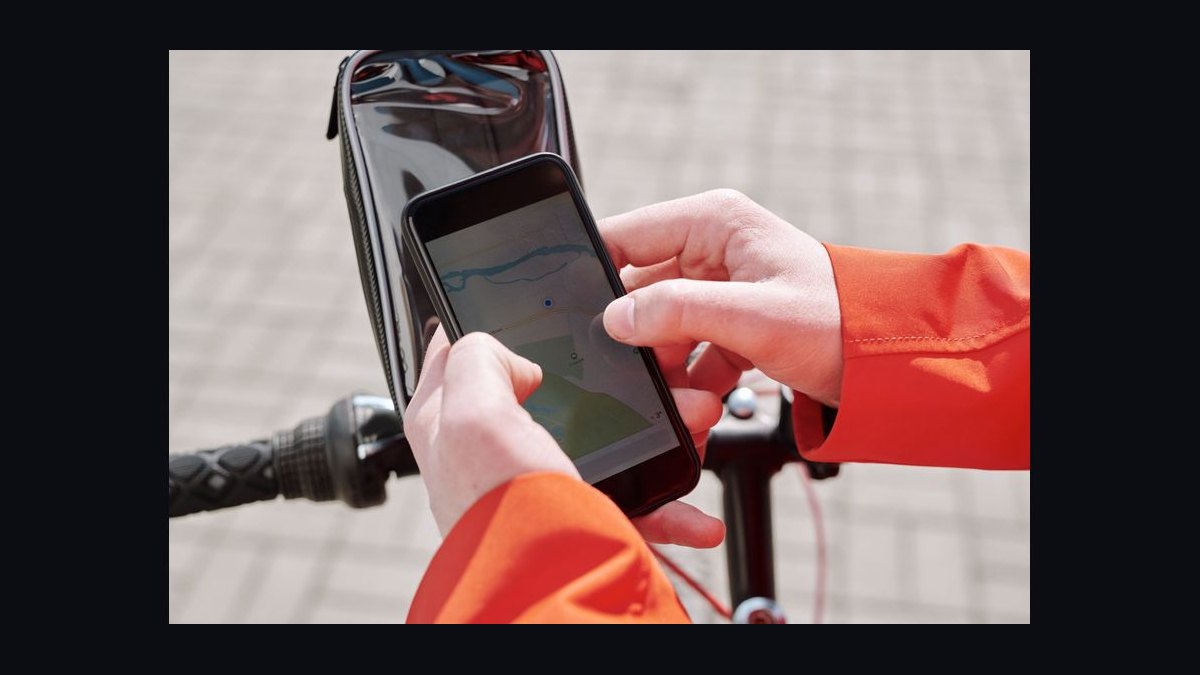
Days 30–60: bind insurance, build the systems stack, buy inventory. Commercial auto, general liability, and garage keepers must all be in force before the first paid job. Stand up scheduling and dispatch software with online self-booking, geographic route-aware clustering, automated reminders, and a per-bike service history keyed to serial numbers, at $40–$200 a month. Add mobile card processing at roughly 2.6–3.0%, QuickBooks or Xero, and a mileage tracker — mileage is a substantial deduction and untracked miles are money thrown away. Build a fast mobile-first website with a book-now button, a service-area map, and transparent tier pricing, and complete the Google Business Profile, which matters more than the website for local discovery.
Days 45–90: pitch B2B and HOA before you need the revenue. This is the step almost everyone defers and almost everyone regrets deferring. Pitch property managers and HOA boards on a quarterly on-site service day where residents book slots — one location, a dozen jobs, zero drive time between them, the single best route-density tool available to a residential operator. Cold-pitch fleet managers at delivery operators, hotels, universities, and parks departments on per-bike agreements. Get on referral lists with local e-bike sellers who do not service and with DTC brands that maintain mobile-mechanic networks.
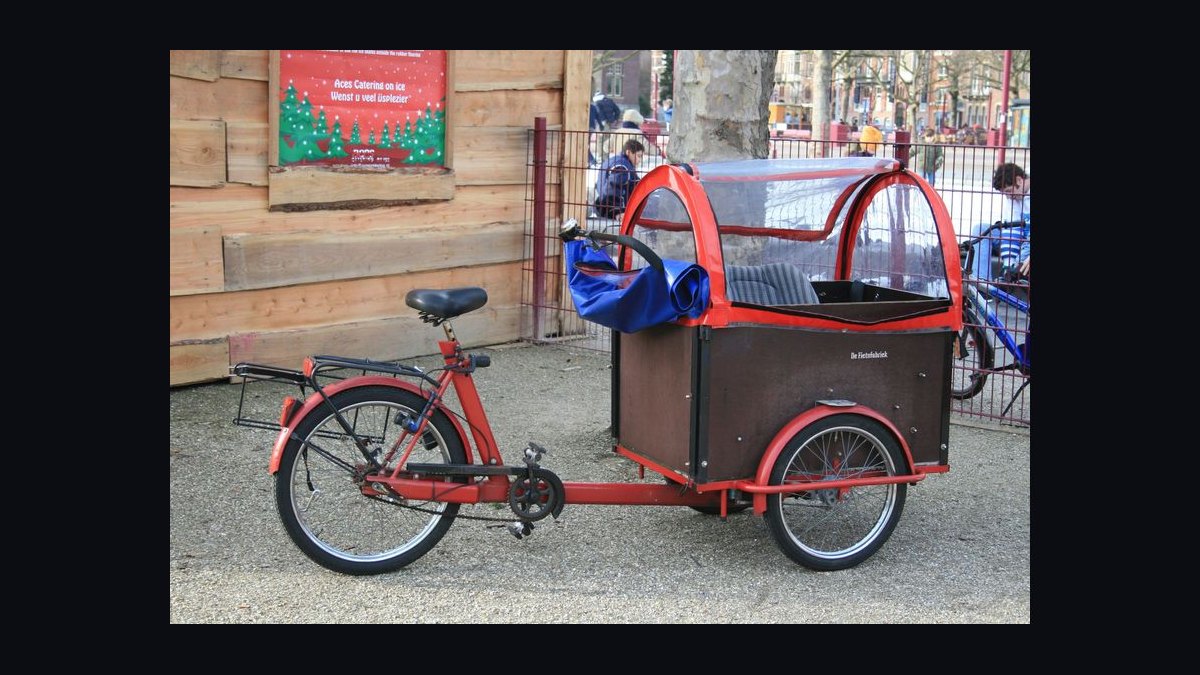
Months 3–8: run the route and let reviews compound. The daily rhythm: 20–40 minutes the night before to confirm stops, order the route geographically, and stage parts; six to nine working hours across six to ten stops clustered in a 6–12 mile band so inter-stop driving is 8–20 minutes rather than 35; 20–30 minutes at end of day to reconcile payments, note reorders, and confirm tomorrow. Reserve one weekly block for parts ordering, B2B invoicing, outreach, and books. Protect one day off. Do not overbook — running late all day destroys reviews faster than any competitor can.
Months 9–20: first hire. Two paths. Hire an experienced mechanic from a closing or downsizing shop and put them in van two on their own route, which is faster revenue but immediately delegates brand quality. Or hire a part-time apprentice who rides along, handles simple work and logistics, and frees you for high-value jobs — lower risk, slower scaling. Most operators take the second path first, then the first.
Year 3 onward: build for transferability. By three or four vans you need a dispatcher handling scheduling, customer service, B2B accounts, and parts, which typically pays for itself by lifting every van's billable utilization. Document the operating procedures, keep the customer database clean, and keep the books tidy. A small service business like this sells at roughly 2.0–3.2x SDE, and the multiple is driven by recurring contract revenue, transferable systems, multiple vans not dependent on the founder, and a reviewed local brand. Building for transferability costs almost nothing starting in year two and is the difference between a real exit and selling a used van and a toolbox.
Related questions
Do I need a storefront eventually?
No — the entire economic advantage is escaping retail rent, which runs $4,000–$12,000 a month for a shop. A small leased space for overflow work, inventory, and van parking can make sense at the three-van stage, but a customer-facing storefront reintroduces the exact cost structure you left.
How much e-bike training do I actually need?
Enough to diagnose motor, battery, controller, and display faults on the major systems in your market, plus torque-sensor calibration and firmware awareness. Brand-specific competence on Bosch, Shimano STEPS, Yamaha, and Bafang commands a premium precisely because most local shops will not touch them.
Can this work in a small town?
Yes, with adjusted economics. Trip fees drop toward $25–$50, the radius widens, and year-one revenue typically runs $40,000–$70,000. Overhead is lower too. The binding constraint is whether enough e-bike and premium-bike households exist inside a drivable band.
What is the fastest path to stable revenue?
B2B contracts. A university fleet, two apartment complexes, or a hotel guest-bike fleet signed before you buy inventory can cover the van payment from month two. Residential work then fills the rest of the route rather than carrying the whole business.
Does AI threaten this business?
Not the wrench work — it is physical and local. AI improves route optimization, symptom-and-error-code diagnostics, and customer communication, all of which lower admin burden and raise billable utilization. Operators who adopt AI scheduling early out-route those who do not.
FAQ
What kind of van do I actually need?
A used compact cargo van such as a Ford Transit Connect or Ram ProMaster City works fine to start and runs $8,000–$16,000. You only need a full-size high-roof Transit, ProMaster, or Sprinter if your market has real winters and you need to work inside the van, if you carry multiple e-bikes or cargo bikes, or if you are planning a fleet and want a consistent vehicle platform from the beginning. What matters more than size is a clean, organized interior with secured shelving and a fast-deploy workstand.
How do I find my first customers without a marketing budget?
Visit local bike shops and offer to take their overflow and the e-bike work they refuse — many will refer rather than turn customers away. Pitch HOA boards and apartment property managers on an on-site service day, which gets you a dozen clustered jobs at one address. Post genuinely helpful answers in neighborhood Facebook groups and Nextdoor rather than advertisements. Sponsor a local cycling club and show up at group-ride start points. All of that is free or nearly free and all of it is geographically targeted, which is what actually matters.
Do I need special insurance for working on e-bikes?
You need general liability, commercial auto, and garage keepers coverage at minimum. Lithium-ion battery work can add a modest premium because of fire risk, and not every policy contemplates it — read the exclusions and confirm in writing that battery and motor work is covered rather than assuming. Garage keepers matters most here, because you regularly have $3,000–$6,000 machines in your custody, and a personal auto policy will deny any claim arising while you are working.
How do I handle parts without a storefront?
Carry only the fast movers — tubes in common sizes, tires, brake pads in the common shapes, chains, cassettes, cables and housing, sealant, and lube — and order everything else from distributors like QBP or J&B Importers, shipped to your home or a pickup point, typically arriving in one to three days. Mark parts up 35–55% and be transparent that you do; customers expect a parts margin. The return visit to install an ordered part is a legitimate second trip fee, not a favor you owe.
What if a repair takes longer than expected?
Build a 15–20 minute buffer into every appointment slot and communicate the moment you know you are behind — running late silently is what generates bad reviews, not running late itself. For genuinely open-ended work like motor diagnostics or a suspension overhaul, offer a drop-and-return arrangement where the bike goes into the van for a few hours and comes back the same day. Most customers value the transparency more than the original estimate.
Is there any overlap with RevOps thinking here?
More than you would expect. The discipline that separates a $34,000 year from an $85,000 year is pure revenue operations: segmenting customers by willingness to pay, productizing services into tiers so you stop quoting from scratch, instrumenting effective hourly rate rather than gross revenue, running a service-due reminder loop as a retention motion, and treating route density as a capacity-utilization problem. The van is the delivery mechanism; the operating model is what makes money.
Sources
- PeopleForBikes — US bicycle market, ridership, and e-bike adoption data: https://www.peopleforbikes.org
- National Bicycle Dealers Association — independent dealer counts and shop economics: https://nbda.com
- Light Electric Vehicle Association — e-bike industry data and technician certification: https://levassociation.com
- US Small Business Administration — business structure, licensing, and startup planning: https://www.sba.gov
- IRS — EIN application and small business tax guidance: https://www.irs.gov/businesses/small-businesses-self-employed
- US Consumer Product Safety Commission — lithium-ion battery safety guidance for micromobility: https://www.cpsc.gov
- US Department of Labor — employee versus independent contractor classification: https://www.dol.gov/agencies/whd/flsa/misclassification
- Quality Bicycle Products — wholesale distribution for independent service providers: https://www.qbp.com
- Park Tool — professional repair procedures and tool specifications: https://www.parktool.com
- Bureau of Labor Statistics — occupational data for bicycle repairers: https://www.bls.gov/ooh/installation-maintenance-and-repair/
Related on PULSE
- How Many Employees Should I Schedule Each Shift at My Bike Shop?
- How do you start a mobile screen repair business in 2027?
- How do you start a mobile forklift repair business in 2027?
- How do you start a mobile RV repair business in 2027?
- How do you start a mobile tire repair business in 2027?
- How do you start a commercial refrigeration repair business in 2027?
This page will be disappearing soon. Save it to your device for $1 — or read it free while it is here.
@Kory-White- · if Venmo asks, the last 4 of my number are 2012
This page is gone.
This one is off the shelf now. $1 keeps it on your phone for good — the whole page, pictures and diagrams included.
 mobile-pet-groomingHow do you start a mobile pet grooming business in 2027?
 lawn-careHow do you start a lawn care business in 2027?
 pressure-washingHow do you start a pressure washing business in 2027?
 carpet-cleaningHow do you start a carpet cleaning business in 2027?
 home-cleaningHow do you start a home cleaning service business in 2027?
 window-cleaningHow do you start a window cleaning business in 2027?
 dog-walking-businessHow do you start a dog walking business in 2027?
 window-cleaningHow do you start a residential window cleaning business in 2027?
 gutter-cleaningHow do you start a gutter cleaning business in 2027?
 hvacHow do you start an HVAC business in 2027?