

How do you start a wine bar business in 2027?
 Curated byKory White · Fractional CRO · Maryland
Quality
Certified
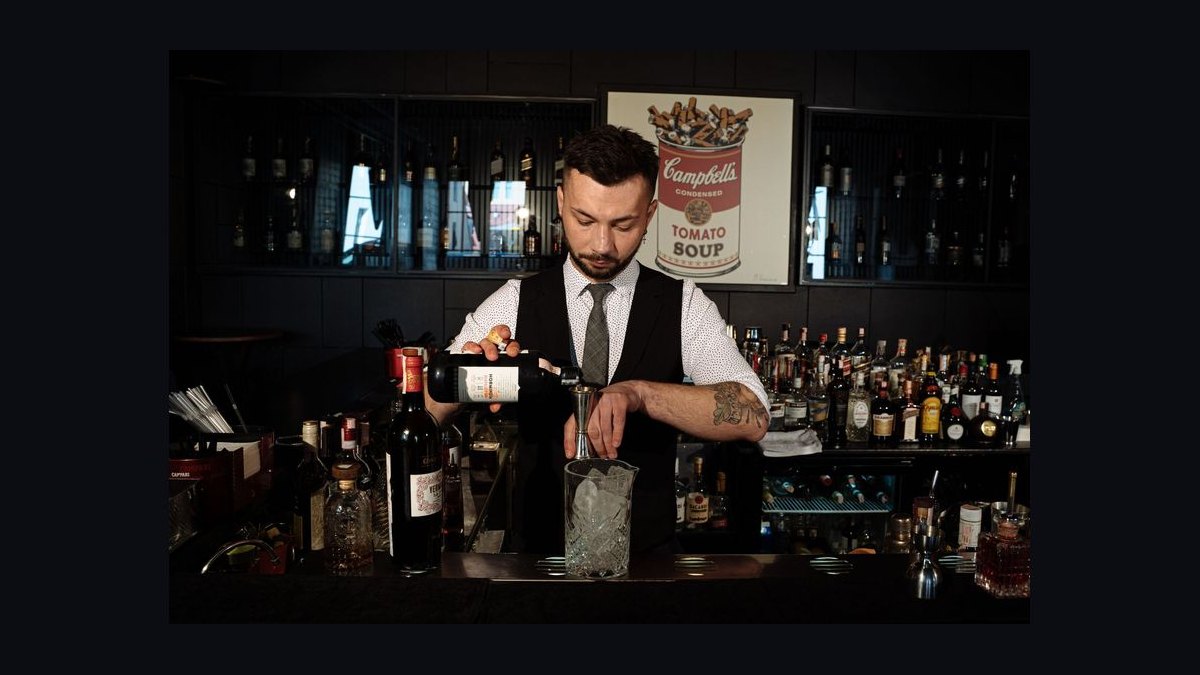
Start a wine bar in 2027 by locking a walkable 12-minute trade area, budgeting $185K–$420K all-in, and mapping your liquor license cost and timeline before signing a lease. Open with a tight by-the-glass list, a small assembly-based food menu, and a membership club. Target 68–72% beverage margin and prime cost under 65%.
The outcome you should expect if you run it like an operator
A competently run neighborhood wine bar is one of the few hospitality formats where the arithmetic actually works in a first-time owner's favor, and it helps to state the expected outcome plainly before getting into how you get there. In a decent trade area with a lean concept, Year 1 revenue realistically lands somewhere between $420K and $650K, Year 2 between $650K and $1.0M, and a stabilized Year 3 between $800K and $1.1M. Net margin at maturity should sit in the 12–18% band. For comparison, the average independent full-service restaurant clears 3–6%, which is why so many of them die on a bad month. The wine bar's structural edge comes from three places and it is worth naming each one, because every operating decision downstream either protects that edge or erodes it.
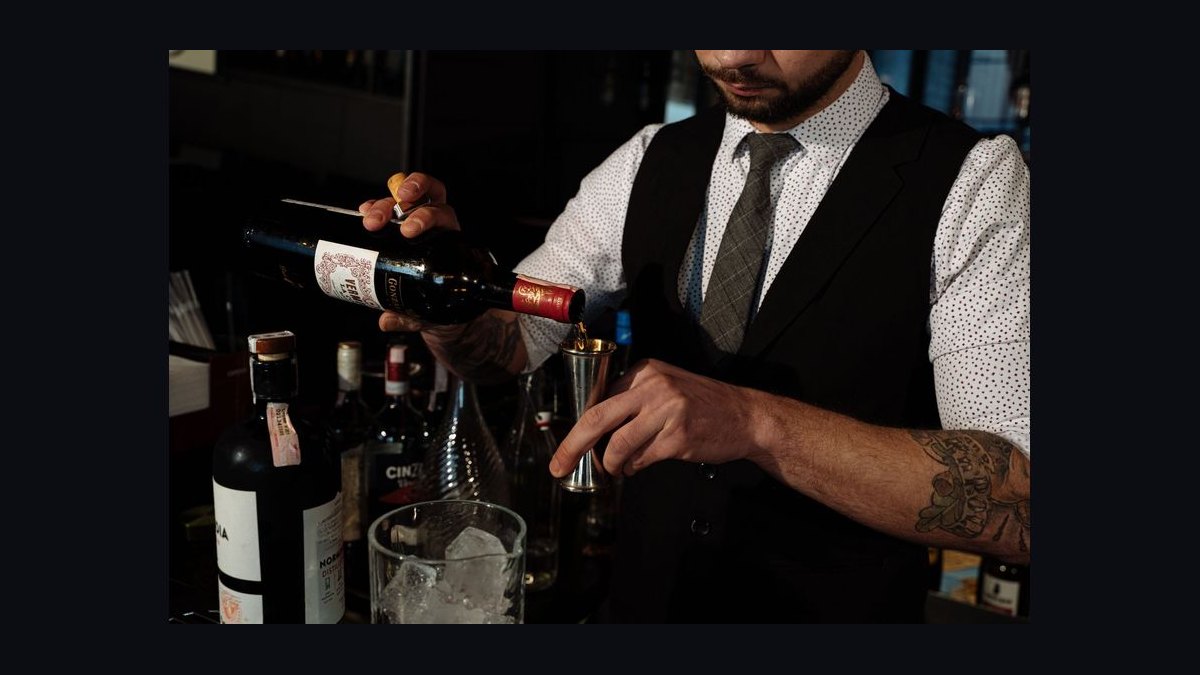
The first is beverage gross margin. A bottle you buy wholesale at $14 yields five 5-ounce pours. If each pour sells at $13–$16, the first glass out of that bottle covers the whole cost and the next four are gross profit. That is a 68–74% gross margin on your primary product, versus 65–72% on food at a restaurant that also has to pay a line cook to produce it. The second edge is inventory durability. A walk-in full of proteins is a depreciating asset measured in days. A case of wine bought in March is still perfectly sellable in September, and that single fact removes most of the cash-flow whiplash that kills new restaurants in their first eighteen months. The third edge is the labor model — a bartender-server hybrid can run a 40-seat room on a Tuesday, where the equivalent restaurant needs a host, servers, bussers, a runner, and a kitchen brigade.
What you should not expect is income in Year 1. This is the single most under-communicated fact in the category. Realistic owner take-home in the first twelve months is $0 to $45,000, and that is not a sign of failure — it is the business paying for its own ramp while you form a regular base and write the systems. You will work 60–75 hours a week, nights and weekends by definition, because you are open exactly when other people socialize. By Year 3, with a trained lead bartender and an assistant manager, owner earnings (salary plus profit) land in the $80K–$150K range on a more humane schedule, and you own equity in something genuinely sellable. Wine bars trade at roughly 2.0–3.2x seller's discretionary earnings, or 0.45–0.75x revenue, which is more than can be said for a chef-driven restaurant whose value walks out the door with the chef.
There is a useful adjacent comparison here. The unit economics of a wine bar sit much closer to a coffee shop or a bottle shop than to a restaurant — high-margin liquid product, low-complexity food, repeat-frequency revenue, a habit rather than an occasion. If you have ever modeled a café, the shape will feel familiar: you are not selling a transaction, you are selling a slot in someone's week. The difference is the alcohol license and the evening daypart, both of which raise the barrier to entry and therefore protect you from the next person who wants to do the same thing on your block.
What actually drives that outcome
The outcome above is not luck. It is the product of a handful of decisions that compound, and understanding the causal chain lets you see which decisions are reversible and which are not. The lease is not reversible. The archetype is barely reversible. Everything else — the list, the pricing, the labor model, the food menu — you can adjust every quarter.
Start with the radius. A neighborhood wine bar draws 75–85% of its repeat revenue from within a 12-minute travel radius. That means your real market is not "the US wine bar industry" but a specific set of households. Work the math concretely: a walkable urban neighborhood with 14,000 households in that radius, roughly 22% falling in your demographic core of ages 35–58 with household income above $85K, gives about 3,080 target households. Capture 8% of those as semi-regulars — 246 households — visiting 2.5 times a month at a $44 average check across 1.7 people per visit, and you have roughly $46K a month, or $550K a year, from regulars alone. Layer on occasion pairs, private events, walk-ins, and retail, and a strong location reaches $700K–$1.1M. Pick the radius before you pick anything else. Every other decision is downstream of it.
Then understand who actually fills the seats. New owners say their customer is "people who love wine." That is a fatal misread and the source of most failures in the category. The revenue base breaks into five distinct profiles. The third-place regular — 35 to 58, lives or works within twelve minutes, visits 2–5 times a month, almost always orders by the glass, spends $32–$55, and wants to be *recognized*, not quizzed — is 45–55% of revenue and is your entire moat. The occasion pair or small group is another 20–28%: date nights and catch-ups, spending $70–$140, more likely to order a bottle and food. The genuine wine enthusiast is only 8–14% of revenue, important for word-of-mouth and staff culture but a financial mistake to build around. Private events run 12–25% and are the highest-margin, most predictable revenue you can book. Tourists and drop-ins are 5–12% — nice incremental money, never a foundation. Design the room, the list, the service speed, and the marketing for the first two segments. A wine bar built for the enthusiast dies; a wine bar built for the regular and the occasion pair, with events bolted on, thrives.
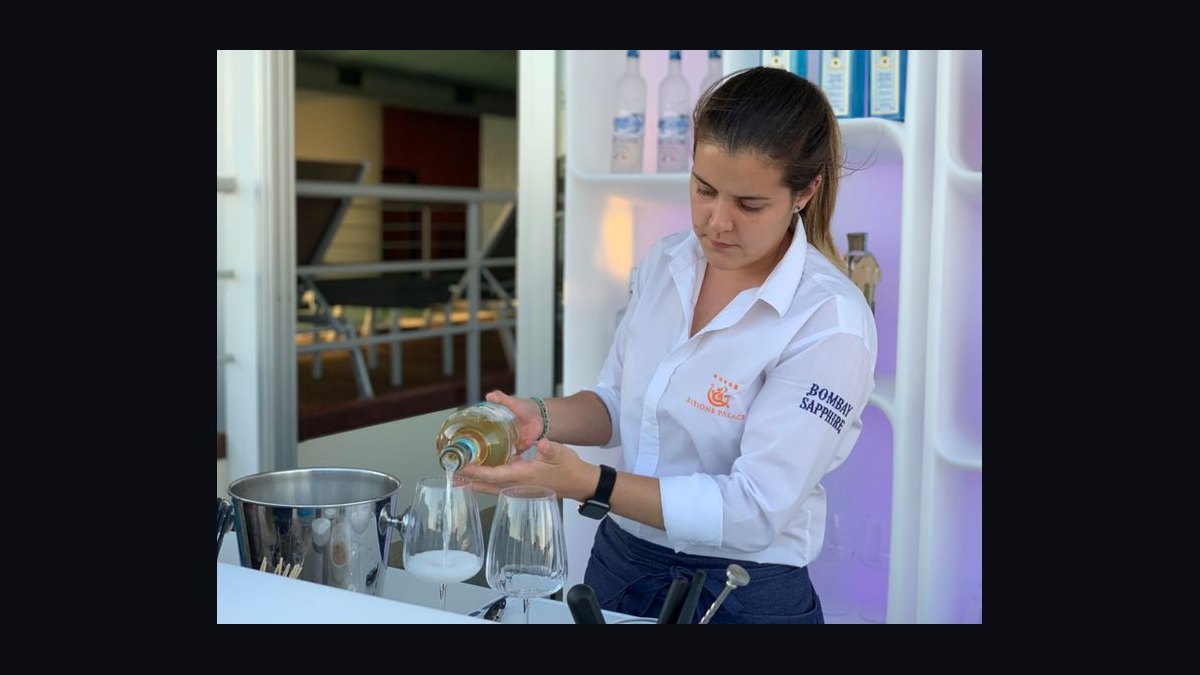
Pricing is the highest-leverage lever and the one most often botched. New owners anchor on what feels "fair to the wine" instead of what the P&L requires. The by-the-glass discipline: your glass price should roughly equal your wholesale bottle cost, or sit slightly above it. That produces a 22–28% pour cost, exactly where you want to be. On bottles, run 2.2–2.8x wholesale for everyday selections and compress to 1.8–2.2x on expensive bottles, because guests resist a flat multiple at the top of the list — you take a lower percentage but a larger absolute dollar. If you run a retail component, price take-home bottles at 1.4–1.6x wholesale and set corkage on retail bottles consumed in-house at $10–$20, high enough that drinking in is slightly less attractive than ordering off your list but low enough to stay welcoming. Food runs the standard 3–3.5x cost. Build the glass list as a clean price ladder — $12, $14, $16, $19, $24 — so every guest finds a comfortable rung in fifteen seconds.
The food program has exactly one job: extend the visit and raise the check without re-importing a restaurant's cost structure. Keep it assembly-driven, not cook-driven. Cheese and charcuterie boards, tinned fish and conservas, olives and marinated vegetables, bread and dips, a few composed small plates a bartender can plate, and at most one or two warm items. A $26 board can carry an 80%-plus margin and requires no chef. Target food at 20–35% of total revenue: below 20% and you are leaving dwell time and check size on the table, above 35% and you have accidentally become a restaurant with all of a restaurant's costs and none of its revenue ceiling.
Non-alcoholic is not a courtesy in 2027, it is throughput insurance. A substantial and growing share of the 25–45 demographic is drinking less, alternating rounds, or abstaining on a given night without leaving the social occasion. If a group of four includes one person not drinking and you have nothing credible for them, that group may just stay home. Build a real program: de-alcoholized wines and sparkling (the category has improved dramatically), a few zero-proof aperitifs and spritzes made with the same care as anything else on the menu, artisan sodas and shrubs. Price them at $9–$14, close to a glass of wine, so they contribute margin instead of acting as a loss leader. Margins on non-alc can exceed wine.
Benchmarks and realistic ranges
Numbers without context are useless, so here are the ranges a practitioner actually manages against, grouped by what they govern.
Buildout. All-in cost to open a leased 1,200–1,800 square foot wine bar realistically runs $185,000 to $420,000. The single biggest swing factor is the condition of the space. Taking over a second-generation hospitality space with a functioning hood, grease trap, bar plumbing, walk-in, and restrooms can cut $80K–$160K off the budget versus building from a vanilla shell or, worse, raw space. A mid-range $265K build breaks down roughly as: leasehold improvements and construction $70K–$140K; wine storage and refrigeration $12K–$35K; bar equipment and smallwares $8K–$22K (stemware is a real recurring number — budget to replace 15–30% annually to breakage); food prep equipment $6K–$30K depending on archetype; furniture and FF&E $18K–$45K, where you should not cheap out because ambiance is literally revenue; POS and reservation technology $4K–$9K; opening inventory $15K–$28K in wine plus $3K–$6K in food, beer, spirits, and non-alc; licenses, permits, legal, and architectural $9K–$28K; pre-opening labor, training, and marketing $10K–$22K; security deposit and first months' rent $12K–$30K. Then add a 12–18% contingency that new owners almost always omit and almost always need.
The operating ratios. These are the numbers to manage weekly, not quarterly. Beverage cost of goods: 26–32% of beverage revenue. Food cost: 28–34% of food revenue. Labor: 24–32% of revenue for a glass-bar model, higher if you run a real kitchen. Blended prime cost — total COGS plus total labor — is the master number: under 62–65% and you have a business; above 70% and you are losing money on every shift. Occupancy cost including CAM, taxes, and insurance should be 6–9% of revenue and never above 10%. Utilities 3–5%, marketing 2–4%, card processing 2.5–3.2%. Everything else collectively under 16–20%.
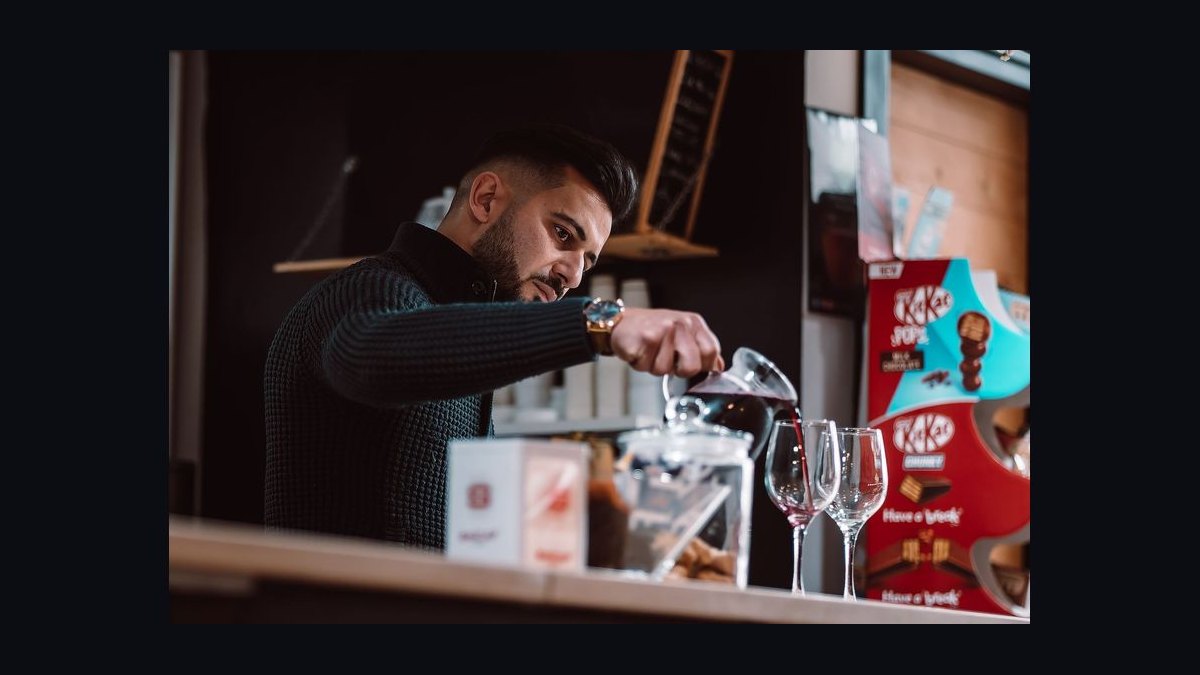
Worked example on $850K of revenue: beverage COGS around $170K, food COGS around $70K, labor around $240K, occupancy around $68K, all other operating costs around $150K, leaving roughly $152K — an 18% net margin and a genuinely good year. The same $850K with a sloppy 34% pour cost, 36% labor, and a 13% occupancy ratio nets approximately zero. The ambiance and the curation do not save you from the arithmetic. The arithmetic is the business.
Inventory. Open with 24–40 wines by the glass and 30–60 bottles, not 200. Keep total opening inventory under $25K. Identify the 18–24 SKUs that will drive 80% of your revenue and never run out of them; let the rest of the list be the rotating, surprising personality layer. Refresh 20–30% of the list quarterly — enough to keep regulars curious, not so much that you destabilize the core. Use preservation systems (Coravin, argon, or an Enomatic-style unit) deliberately, because they let you sell expensive wine by the glass without eating spoilage, which opens a high-margin upsell tier you otherwise cannot access.
Membership and events. A wine club is the most underbuilt revenue line in the category. Common structures: a monthly bottle club at $45–$120 per month, a perks membership at $20–$50 per month bundling a monthly glass or flight plus discounts and priority reservations, or a tasting-event subscription. Blend them into a tier ladder where the entry tier is an easy yes. A few hundred members at an average of $55 a month is $130K–$200K of high-margin, prepaid recurring revenue plus a captive audience for every event you run. Private events — partial buyouts, full buyouts, guided tastings, winemaker dinners — can reach 15–30% of total revenue at margins above normal service, and they monetize dead dayparts. A Tuesday afternoon corporate tasting is found money.
Licensing. This is the least predictable line item and the one most likely to blow your timeline. In some states a wine-and-beer license costs a few hundred to a few thousand dollars and issues in weeks. In others, a full license is quota-limited and must be bought on a secondary market for $25,000 to well over $250,000, with a months-long approval process. Call the state alcohol board and a local hospitality attorney and map the exact license type, cost, and timeline *before* you fall in love with a space. License reality should shape your market and archetype choice, not the other way around. Beyond the liquor license you need an LLC or S-corp, a federal EIN, state and local business licenses, a health permit and inspection, resale and sales tax permits, sign permits, certificate of occupancy plus building and fire inspections, music licensing through ASCAP/BMI/SESAC, dram shop liability insurance on top of general liability and workers' comp, and alcohol-server training for all staff.
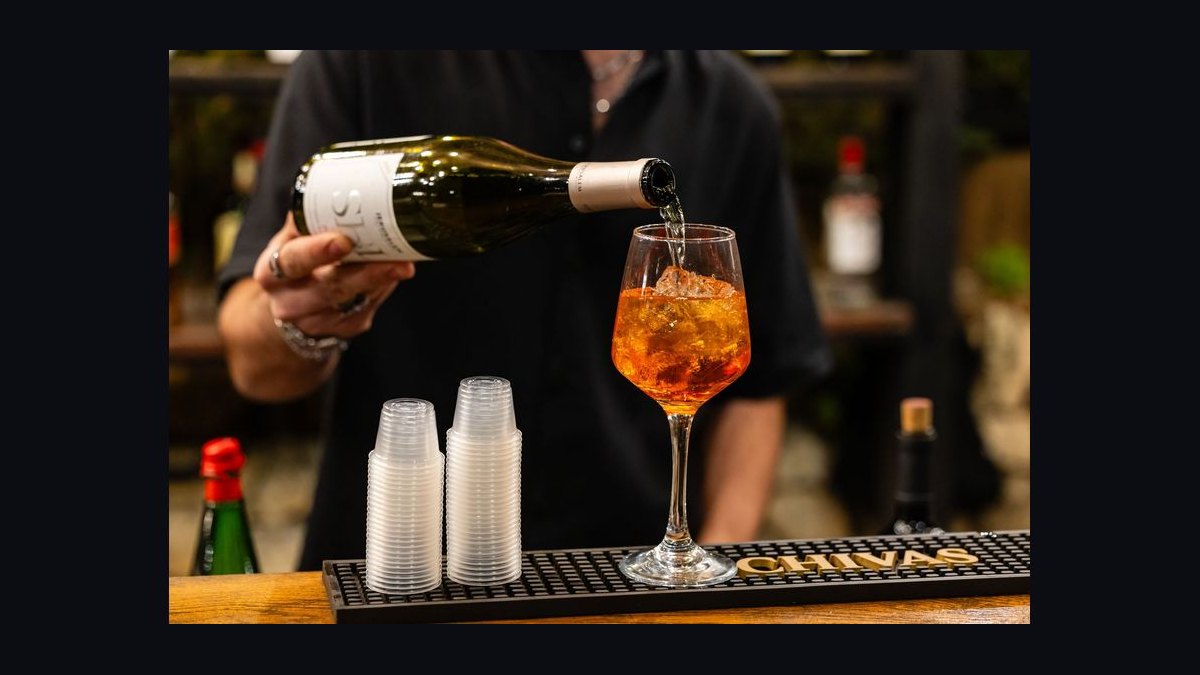
Archetype benchmarks. The neighborhood glass bar — tight list, small food menu, 35–55 seats — is the lowest-buildout, highest-forgiveness, best first-time concept, and typically opens at $185K–$240K in a second-generation space. The wine-bar-plus-bottle-shop hybrid adds a second revenue stream and turns slow afternoons into retail traffic, but needs 15–25% more square footage and the right license structure. A wine bar with a serious kitchen has a higher revenue ceiling but has re-acquired the restaurant cost structure — only attempt it with restaurant experience. A natural or producer-focused bar earns strong margins and tribal loyalty but has a narrower addressable market and depends heavily on the owner's personal curation credibility. An enoteca or aperitivo-style bar performs well in dense urban cores with a high-velocity small-plates model.
Risks, edge cases, and failure modes
Wine bars fail in remarkably predictable ways, which is good news: predictable failure is preventable failure. Treat this as a pre-opening checklist rather than a list of things that happen to other people.
The collector's trap is the dominant failure mode and the most seductive. The founder loves wine, so they build the business around a deep, intellectually impressive bottle list. They sink $40K–$90K into opening inventory heavy on allocated, obscure, or age-worthy bottles. They hire a sommelier. They print a twelve-page menu organized by region. Then they discover that the median guest orders by the glass, spends $34–$52, and cannot distinguish Chinon from Bourgueil — and does not want to. The deep list ties up $50K-plus of working capital in slow-moving SKUs. The sommelier is a fixed labor cost the room cannot carry on a slow Tuesday. The intimidating menu actively suppresses throughput because guests freeze, ask questions, and staff burn six minutes per table educating instead of turning. Meanwhile the things that actually generate revenue — fast friendly service, a warm room, a food menu that pairs, frictionless walk-in flow — went underfunded. The escape is a discipline, not a taste change: cap opening inventory, start the list narrow, track revenue concentration in your 80/20 core, and treat wine education as a soft upsell layered on top of throughput rather than a gate in front of it. The list can still be smart and personal. It just has to be subordinate to the operating model.
The lease that becomes an anchor. If occupancy cost runs above 12% of realistic revenue, you may never outgrow it, and no amount of operational excellence fixes a structurally wrong rent. Model rent against conservative revenue and walk away from spaces that fail the test. Beyond base rent, the terms that matter: an initial term of 5–7 years with two 5-year options so you control your destiny and can build sellable value; a tenant improvement allowance, which can run $15–$60 per square foot and materially reduce your cash outlay; a rent abatement period of 3–6 months during construction; a personal guaranty that burns off over time rather than running forever; an exclusivity clause so the landlord cannot lease to a competing wine bar in the same center; and clean assignment rights so you can sell the business later. Hire a hospitality-experienced commercial broker and a restaurant attorney before signing anything. Their fee is the cheapest insurance in the venture.
The licensing delay. Paying rent on a finished space while your liquor license sits in review is one of the most common ways new owners burn their contingency before opening a door. Build a generous buffer into the timeline and never assume the optimistic case.
Undercapitalization. Two separate reserves are required and owners routinely conflate them: a 12–18% construction contingency, and 4–6 months of operating reserve *beyond* the buildout to survive the Year-1 ramp. Running out of cash in month seven, with a half-formed regular base, is a solvable problem only if you already put the money aside.
Silent margin leaks. Pour overage, opened-bottle spoilage, comps, breakage, and theft compound invisibly. A casual owner never sees them; they just notice that the P&L is worse than the sales report suggests. The mitigation is unglamorous and non-negotiable: a weekly full inventory count with variance check, POS-level pour tracking, and first-in-first-out discipline on open bottles. Three to six margin points hide here, which on $850K of revenue is the difference between a good year and a break-even one.
Owner burnout. Sixty-to-seventy-five-hour weeks with no off-ramp is a failure mode, not a badge. The mitigation is structural: train a lead bartender or beverage manager early — that is your first promotion off your own shoulders — and an assistant manager after that, so you can step back before you break.
Concept staleness and single-leg dependence. A room and list that never evolve lose regulars to boredom; quarterly list refreshes and a living events calendar prevent it. Separately, a business that depends on one daypart or one revenue line is fragile. The club, the events program, the non-alc offering, and (in a hybrid) the retail line are each a leg. Build several.
Edge cases worth pre-thinking. A market where the license is quota-limited and expensive may force you into a beer-and-wine-only concept — workable, but it changes your check average and your cocktail-curious segment. A landlord who will not grant exclusivity in a mixed-use development means you may be competing with a neighbor within eighteen months. A trade area with strong daytime population but weak residential density can support a hybrid retail model far better than a pure evening bar. And a market where the "stay home" competitor is strongest — high streaming penetration, low walkability, cold winters — demands more programming and community texture to pull people out, which raises your marketing and events workload well above the 2–4% budget norm.
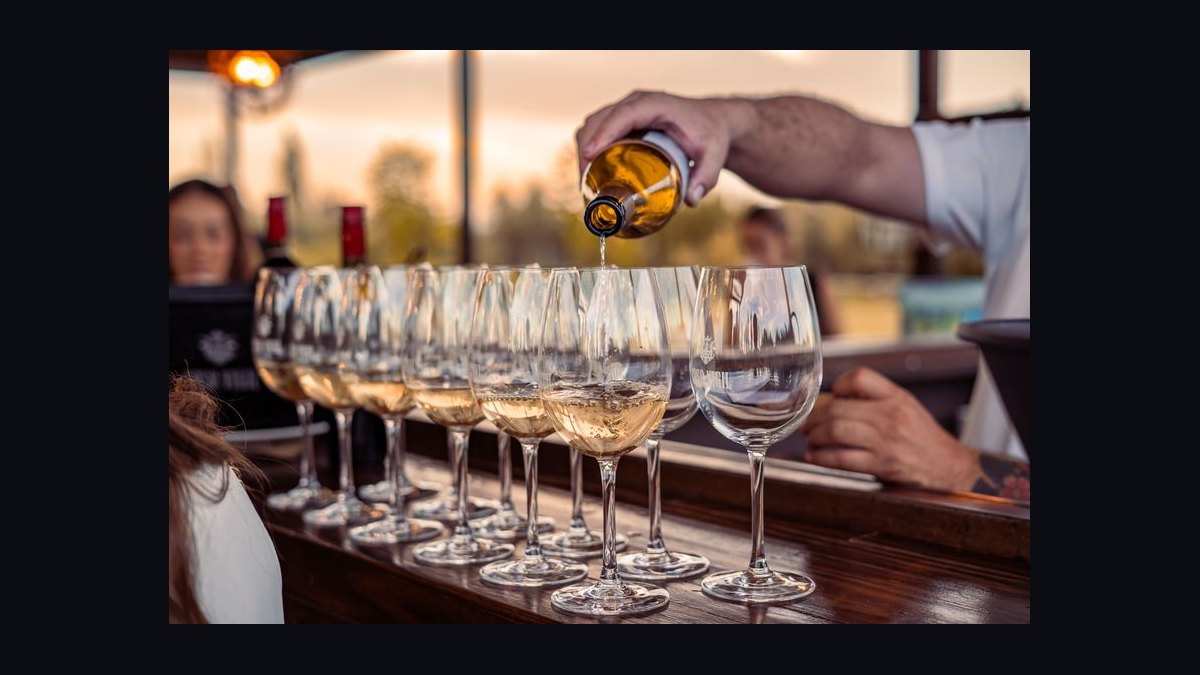
One broader note on competition, because framing it wrong leads to the wrong decisions. Your competitive set is not "other wine bars." It includes the neighborhood restaurant with a good by-the-glass program, the cocktail bar competing for the same evening-out dollar, the bottle shop competing for the take-home dollar, the coffee shop competing for the daytime third-place occasion, and — most powerfully — the guest's own couch with a decent bottle and a streaming subscription. You are not competing on having wine. Everyone has wine. You are competing on being the easiest, warmest, most habit-forming version of one specific social occasion inside one specific radius.
A practical rollout plan
Sequence matters enormously here, because several of these steps are gates rather than tasks — getting them out of order is how people end up with a signed lease and an unobtainable license.
Months 1–2: research and license reality. Before anything else, call your state alcohol board and retain a local hospitality attorney to map license type, cost, and timeline in your target market. In parallel, walk your candidate 12-minute radii at different hours and on different days. Pull household density and income data. Talk to operators in adjacent neighborhoods. Decide your archetype — for a first-time owner this should almost always be the lean neighborhood glass bar, or the retail hybrid if your market and license structure support it. Build the pro forma with conservative revenue and honest cost ratios, and confirm you can fund the buildout plus contingency plus operating reserve without leveraging yourself to the point where a slow Year 1 ends you.
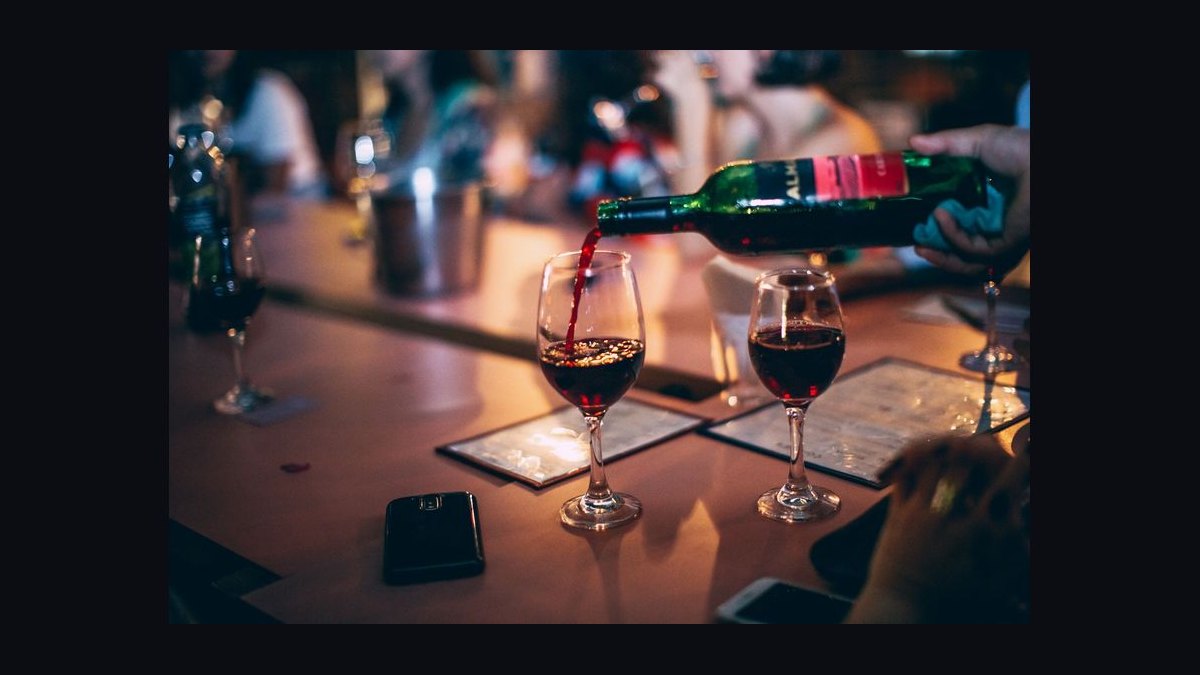
Months 2–4: entity, capital, and space. Form the LLC or S-corp with a lawyer and engage a hospitality accountant — you want clean books from the first dollar, because a future buyer pays for verified earnings, not stories. Secure financing. Engage a commercial broker with hospitality experience and tour spaces against your radius criteria, prioritizing second-generation hospitality space. Negotiate the lease on all the terms above, not just rent. Do not sign until your license path is confirmed.
Months 4–8: build, license, hire, and stock. Run construction and the license application in parallel, with the license as the critical path. Order long-lead equipment early — refrigeration and preservation systems in particular. Build the opening list narrow and to your 80/20 principle, and open distributor relationships now so you have both service and terms. Select and configure the POS, reservation system, and inventory tooling; make sure pour tracking and variance reporting are live from day one, not bolted on later. Hire and train the core team six to eight weeks out, with heavy emphasis on the core list, the service standard, and responsible-service practices. Build the wine club and the private-events packages *before* opening — pricing, tiers, inquiry form, and a defined menu of packages — so both revenue lines exist from day one rather than a year in.
Months 8–9: soft open and calibration. Run friends-and-family and soft-open services to calibrate throughput, pour consistency, and kitchen assembly timing before you take a full public load. Watch pour cost obsessively in these first weeks; that is when the habits form.
Months 9–18: build the regular base. This is the grind, and the only real goal is to survive to a stable base of regulars without burning your reserve. Run the weekly rhythm without exception: full inventory count and variance check, wine orders against par levels and the 80/20 core, labor schedule against the sales forecast, a prime-cost pulse check, social content, and a staff touch-base. Run the monthly rhythm: a real P&L review against budget, a list-refresh decision, club fulfillment, and an events booking push. Marketing money goes almost entirely into events, the club, content, and the physical experience — paid digital advertising rarely pencils for a hyper-local repeat-visit business, and the room plus word-of-mouth drives 40–60% of your growth.
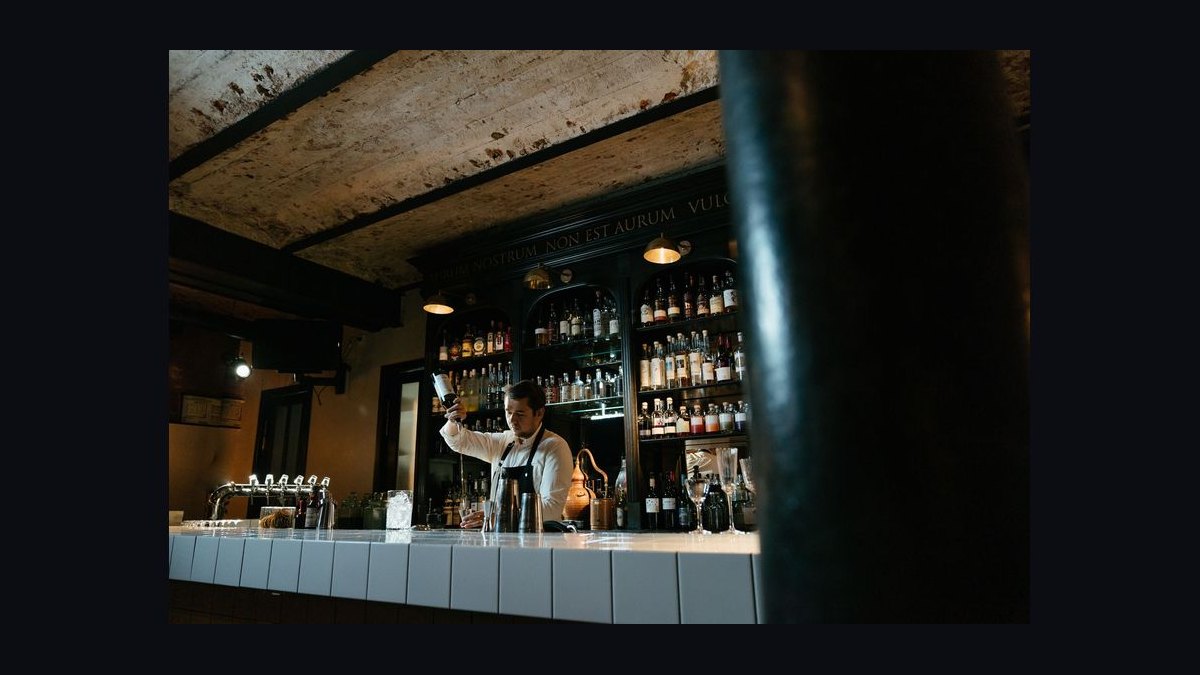
Months 18–36: optimize and delegate. Tune the list, the labor model, and the events program against actual data. Promote a lead bartender or beverage manager to own the list, training, and ordering. Add an assistant manager so you get nights off. Push the club toward a few hundred members and the events line toward 15–30% of revenue. Document every system in writing so the business runs consistently regardless of who is on shift — this is simultaneously an operations upgrade and the single largest driver of your eventual sale multiple.
Years 4–5: the strategic fork. A stabilized, well-documented wine bar gives you three real options: hold it as a cash-flowing asset with hired operations, expand to a second location (only with strong systems and a proven manager), or sell at 2.0–3.2x SDE. Build for all three from day one — the discipline that makes a business sellable is exactly the discipline that makes it well-run while you own it.
If you have ever built a RevOps function inside a company, this rhythm will feel eerily familiar: define the addressable market before you build the pipeline, instrument the funnel before you scale spend, manage a small number of ratios weekly rather than reading a quarterly report after the damage is done, and document the system so it survives a personnel change. A wine bar is a small business with a very short feedback loop, which makes it an unusually honest teacher of those disciplines.
Related questions
How much money do I need to open a wine bar?
Budget $185K–$420K all-in for a leased 1,200–1,800 sq ft space, plus a 12–18% contingency and 4–6 months of operating reserve. A second-generation space with existing bar and kitchen infrastructure sits at the low end; a cold shell or a hybrid retail concept sits at the top.
Is a wine bar more profitable than a restaurant?
Generally yes. Wine bars clear 12–18% net margin at maturity versus 3–6% for the average independent full-service restaurant, driven by 68–74% beverage gross margins, non-perishable inventory, and a leaner labor model that avoids a full kitchen brigade.
How many wines should I open with?
Open with 24–40 wines by the glass and 30–60 bottles. Keep opening inventory under $25K and identify the 18–24 SKUs that will drive 80% of revenue. A narrow list turns inventory faster, trains staff more easily, and speeds guest decisions.
Do I need a chef to run a wine bar?
No, and hiring one usually hurts. Build an assembly-based menu — boards, conservas, marinated vegetables, a few composed plates a bartender can execute. Target food at 20–35% of revenue. A real kitchen re-imports restaurant labor costs without the restaurant's revenue ceiling.
How long does it take to get a liquor license?
Anywhere from a few weeks to many months depending on jurisdiction. Quota-limited states require buying a license on a secondary market for $25,000 to $250,000-plus. Confirm your license path before signing a lease — paying rent while a license sits in review destroys contingency budgets.
FAQ
What is the most common mistake new wine bar owners make?
The collector's trap: over-investing in a deep, sommelier-driven bottle list that few guests actually order, while under-investing in throughput, ambiance, and a repeatable food program. Capital gets tied up in slow-moving SKUs, the labor model gets top-heavy, and the intimidating menu suppresses table turns. Start narrow, cap opening inventory, and let curation be a layer on top of a disciplined core list.
How should I price wine by the glass?
Set the glass price roughly equal to your wholesale bottle cost, or slightly above. A bottle costing $14 wholesale yields five 5-ounce pours; at $13–$16 per glass, the first pour pays for the bottle and the remaining four are gross profit, producing a 22–28% pour cost. Build the list as a clean price ladder so every guest finds a comfortable rung quickly.
Do I really need a non-alcoholic program?
Yes. A meaningful and growing share of the 25–45 demographic is moderating or abstaining on any given night. Without a credible option, a mixed group may skip you entirely. Offer de-alcoholized wine and sparkling, a few zero-proof aperitifs and spritzes, and artisan sodas, priced at $9–$14 so they contribute margin rather than acting as a loss leader.
What is a realistic Year-1 income for the owner?
Often $0 to $45,000, on a 60–75 hour week. Year 1 is a ramp: the regular base is still forming and the business is reinvesting in itself. By Year 3, owner earnings typically reach $80K–$150K on a more sustainable schedule, plus equity in a business that sells at roughly 2.0–3.2x seller's discretionary earnings.
How important is the lease compared to everything else?
It is the one decision you cannot undo. Keep occupancy cost — rent plus CAM, taxes, and insurance — at 6–9% of realistic revenue and never above 10%. Push for a 5–7 year initial term with two 5-year options, a tenant improvement allowance, 3–6 months of construction rent abatement, a burn-off personal guaranty, exclusivity, and clean assignment rights.
Should I add a retail bottle shop component?
If your market has daytime traffic and your license structure permits it, yes. Retail smooths cash flow, monetizes slow afternoon hours, and gives regulars a second reason to visit. It requires roughly 15–25% more square footage and thinner margins on take-home bottles at 1.4–1.6x wholesale, offset by volume and by corkage of $10–$20 on bottles consumed in-house.
Sources
- https://www.sba.gov/business-guide/plan-your-business/write-your-business-plan
- https://www.ttb.gov/alcohol/beverage-alcohol
- https://www.bls.gov/iag/tgs/iag722.htm
- https://www.census.gov/programs-surveys/economic-census.html
- https://restaurant.org/research-and-media/research/
- https://www.irs.gov/businesses/small-businesses-self-employed/employer-id-numbers
- https://www.fda.gov/food/retail-food-industry-regulatory-assistance-training/fda-food-code
- https://www.score.org/resource/business-planning-financial-statements-template-gallery
- https://www.ascap.com/help/ascap-licensing
- https://www.nass.usda.gov/Statistics_by_Subject/
Related on PULSE
- How Many Employees Should I Schedule Each Shift at My Wine Bar?
- How Do I Get My Wine Shop Staff to Sell Club Memberships?
- How Many Employees Should I Schedule Each Day at My Wine Shop?
- How do you start a juice bar business in 2027?
- Should I open or buy a Nekter Juice Bar franchise in 2027?
- Should I open or buy an I Love Juice Bar franchise in 2027?
This page will be disappearing soon. Save it to your device for $1 — or read it free while it is here.
@Kory-White- · if Venmo asks, the last 4 of my number are 2012
This page is gone.
This one is off the shelf now. $1 keeps it on your phone for good — the whole page, pictures and diagrams included.
 nano-breweryHow do you start a nano brewery business in 2027?
 restaurantHow do you start a pop-up restaurant business in 2027?
 coffee-shopHow do you start a coffee shop business in 2027?
 food-truckHow do you start a food truck business in 2027?
 kombucha-businessHow do you start a kombucha business in 2027?
 bakery-businessHow do you start a bakery business in 2027?
 vacation-rentalHow do you start a vacation rental business in 2027?
 board-game-cafeHow do you start a board game cafe business in 2027?
 craft-distilleryHow do you start a craft distillery business in 2027?
 padelHow do you start a padel club business in 2027?