
How do you start a commercial cleaning business in 2027?
 Curated byKory White · Fractional CRO · Maryland
 PULSEKNOWLEDGE LIBRARY
Quality
Certified
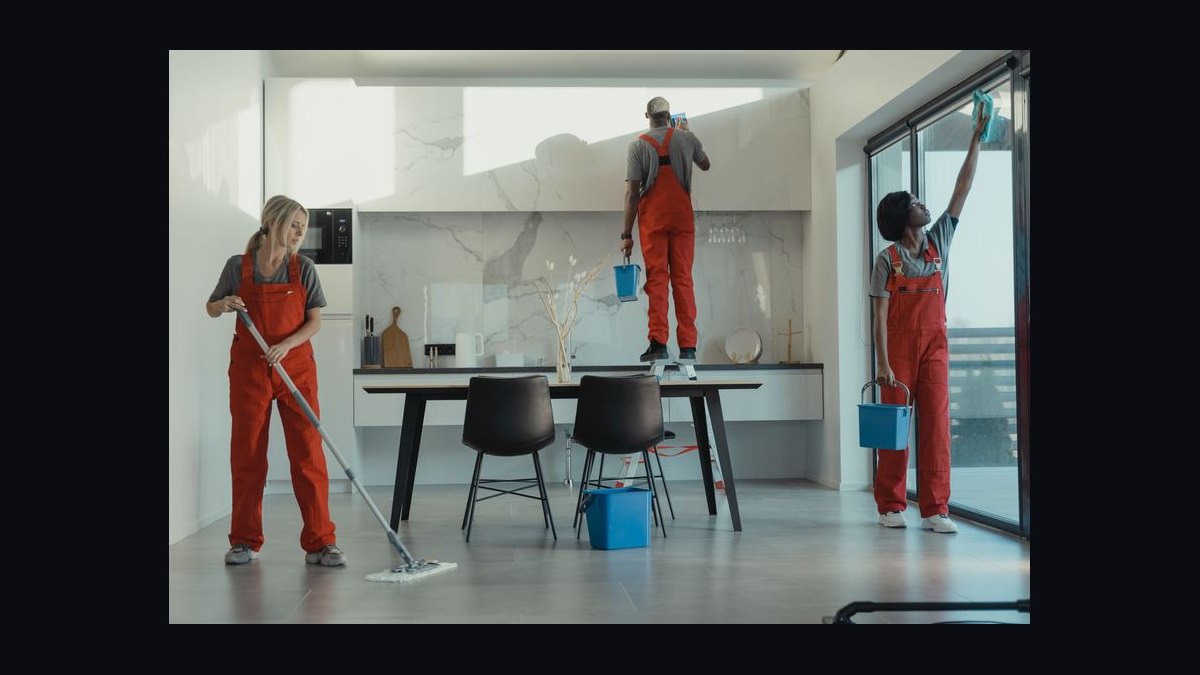
Start a commercial cleaning business in 2027 by choosing one vertical and one tight geography, registering an LLC, carrying $1M–$2M general liability plus a janitorial bond and workers' compensation, and spending $4,000–$18,000 on equipment and a used van. Bid from labor minutes, not competitor pricing, and win recurring contracts.
Generalist janitorial versus vertical specialist: the two paths that actually exist
Every founder entering commercial cleaning picks one of two paths, whether they realize it or not. The first is the generalist janitorial company: take any account that calls, clean offices and warehouses and restaurants and gyms, compete on price, and grow by volume. The second is the vertical specialist: pick medical/dental, fitness, daycare, auto dealerships, or Class-B office, become visibly excellent at that one thing, and grow by reputation and referral inside a narrow lane.
The generalist path is what almost everyone defaults to, and it is why an estimated 1.0–1.2 million janitorial businesses in the United States are mostly solo operators grinding at sub-$250K revenue. The math is unforgiving. When you bid every job regardless of type or geography, three things break at once. Geographic sprawl means a cleaner cannot service two accounts in one shift, so the drive-time tax lands entirely on your payroll and never on an invoice. Vertical sprawl means four chemical systems, four protocols, four equipment sets, and zero reputation depth anywhere — so every sale is a cold, price-driven fight. Price anchoring means you won the first accounts by undercutting the incumbent, so you now believe the market only pays low prices and never test what a specialized, properly insured, uniformed operator can actually command.
The specialist path is slower to start and structurally better. A medical-office specialist prices at $0.12–$0.30 per square foot per month because far fewer competitors can credibly handle OSHA bloodborne pathogen protocols, EPA-registered hospital disinfectants with documented dwell times, and background-checked staff. A generalist office cleaner prices at $0.07–$0.14 per square foot into the most price-shopped pool in the industry. Same square footage, same labor hours, roughly double the revenue — and materially lower churn, because a dental practice that trusts you with its operatories does not switch vendors to save $200 a month.
The trade-off is real, not free. Specialization means saying no. It means turning down a 6,000 square-foot warehouse account 30 minutes outside your corridor even when you need the revenue. It means your addressable market in Year 1 is measurably smaller, and it means a vertical-specific shock — a wave of dental practice consolidations, a gym chain going bankrupt — hits you harder than it hits a diversified generalist. The counterweight is that founders who specialize routinely reach $500K with roughly 40% fewer accounts and dramatically better margins than sprawl founders who plateau under $200K.
There is a third option worth naming because it changes the calculus: the franchise or management-model on-ramp. Systems like Jan-Pro, Anago, Stratus Building Solutions, Coverall, and the management-model City Wide Facility Solutions sell you a playbook, a brand, and in some cases a sales engine that hands you accounts. You pay for it in royalties and management fees — often 5–10% or more of revenue — which permanently compresses already-thin margins. It is a legitimate path for a founder with no industry background, no sales confidence, and no network. It is a poor trade for a founder who has any of those three.
How to decide which path fits you
The decision is not about which model is better in the abstract. It is about which one matches your actual starting assets, and there are four inputs that settle it.
Input one: do you have a vertical advantage? A vertical advantage is anything that makes a specific buyer trust you faster than they trust a stranger — six years working as a dental assistant, fluency in the language your target buyers speak, an existing relationship with a commercial property manager, a facilities background, or an IICRC or CIMS certification you already hold. If you have one, specialize into it immediately; you are starting the vertical path with a head start most competitors will never build.
Input two: can you sell? Commercial cleaning is sold through direct outreach, in-person walk-throughs, and referral relationships — not advertising. If you will not comfortably door-knock a commercial corridor at 4:30pm, call an office manager cold, or ask a satisfied client for an introduction, the independent paths will starve regardless of how good your cleaning is. That is the specific gap a franchise or management-model system fills.
Input three: capital and runway. A solo launch needs $4,000–$18,000 of startup capital plus 6–12 months of personal living expenses, because Year 1 revenue is thin and you will be reinvesting it. A franchise adds an initial fee on top. If you need income in week one and cannot fund sweat equity, none of these paths work well and you should reconsider the timing rather than the model.
Input four: tolerance for labor management. This is the input founders underweight and it decides more outcomes than any other. Industry turnover routinely runs 200–360% annually, meaning you may hire two to four people per position per year. If recruiting, scheduling, covering call-outs, and managing hourly staff sounds like the worst part of the job rather than the actual job, you will stall at the founder-as-bottleneck ceiling around $200K–$300K no matter which model you chose.
The go/no-go test compresses all four inputs into five questions. Can you name the specific vertical and the specific 20-to-30-minute geography you intend to dominate? Can you build a bid from labor minutes and loaded wage rather than from the competitor's price? Will you classify cleaners as W-2 and price your contracts to afford it? Do you have a recruiting plan sized for 200%-plus turnover? Can you fund 6–12 months of personal expenses while the book builds? Five yeses means proceed independently. Two or fewer means either fix the gaps or pick a different business — the low entry cost is not a reason to enter unprepared, it is the reason the field is crowded.
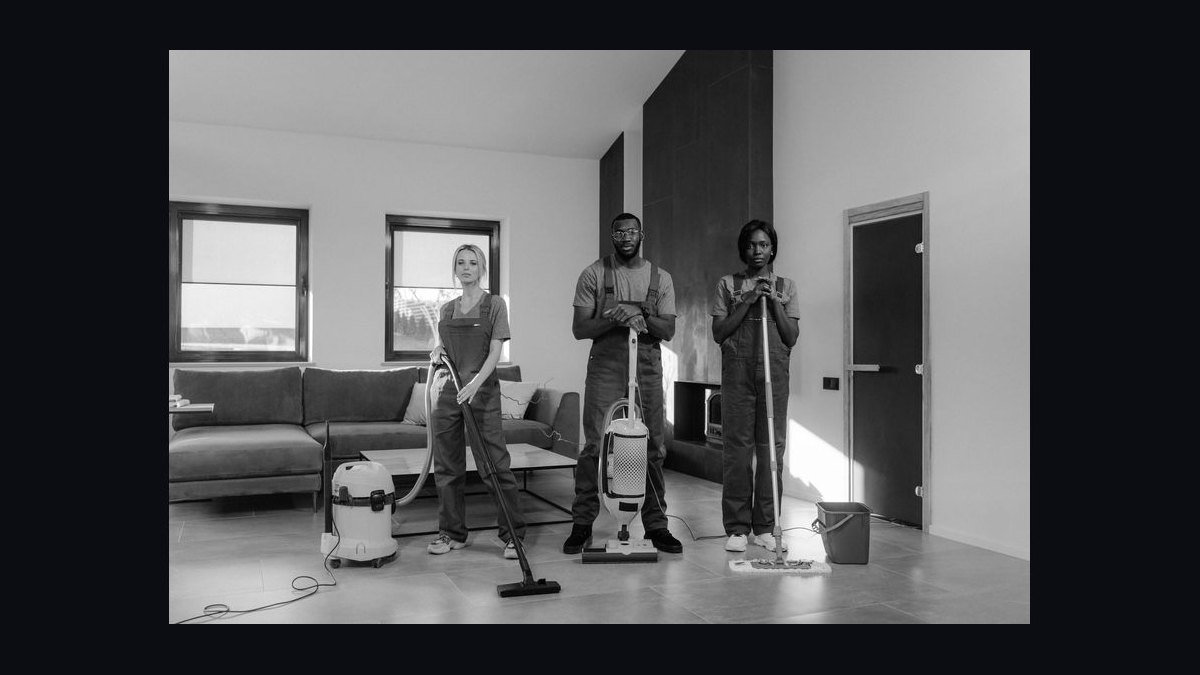
The concrete numbers behind each option
Startup cost is where the paths diverge least and unit economics is where they diverge most.
Launch cost, independent solo (total $4,000–$18,000). Equipment runs $1,500–$6,000: a commercial backpack vacuum from ProTeam or Sanitaire at $300–$700, a low-speed floor machine or used auto-scrubber at $800–$3,500 if you take hard-floor work, microfiber flat-mop systems, color-coded cloths, a two- or three-bucket mopping system, a janitor cart per route, and a starter chemical inventory. Vehicle runs $2,000–$8,000 for a used cargo van — you do not need a wrapped Sprinter in Year 1. Insurance and bonding runs $1,500–$4,000 annually: $1M–$2M general liability at roughly $600–$1,400, a janitorial and employee-dishonesty bond at $150–$400, commercial auto, and workers' compensation once you have W-2 staff at 2–8% of payroll depending on state. Legal and admin runs $500–$2,000 for LLC formation, an attorney-reviewed service agreement template, a business bank account, and accounting software. Supplies float runs $500–$1,500. Marketing runs $500–$3,000 for a credible website, uniforms, and possibly Google Local Services Ads.
Launch cost, franchise. Add the franchise fee and ongoing royalties. The equipment and insurance line items do not disappear; the royalty is a permanent overlay on revenue, so a 7% royalty on a business running a 12% net margin is consuming well over a third of the profit.
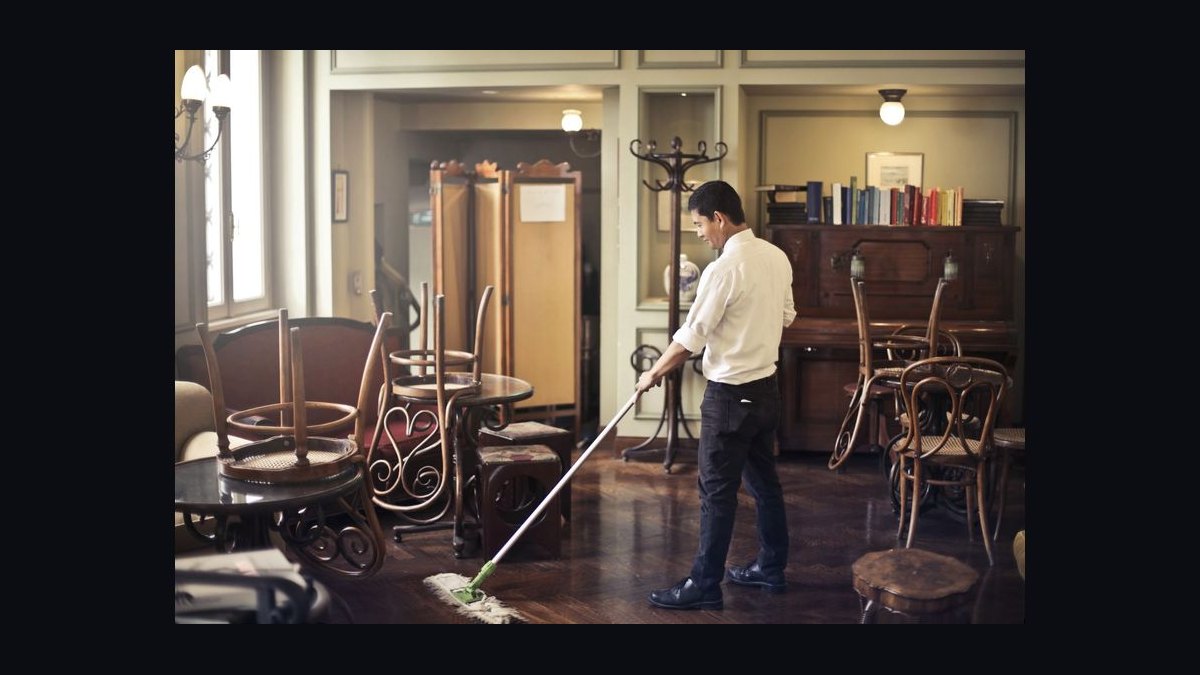
Pricing by vertical, per square foot per month. Standard Class B/C office: $0.07–$0.14, largest pool, heaviest competition. Medical and dental: $0.12–$0.30, driven by biohazard protocols and infection-control expectations. Fitness and gyms: often quoted per visit but pencils to $0.10–$0.22 equivalent, with per-location contracts commonly $1,500–$6,000 monthly. Industrial and warehouse: $0.04–$0.09 on very large square footage. Range within each category is driven by frequency (five nights versus two), traffic, restroom and fixture count, floor type (carpet versus VCT versus polished concrete), and whether consumables — paper, soap, liners — are included.
Unit economics on one mature account. Take a $2,800 monthly office contract. Direct labor at 60 hours per month, loaded at $26 per hour, is $1,560 — 56% of revenue. Supplies and consumables at 6% is $168. Gross margin lands near $1,072, or 38%. Overhead — your draw, insurance, vehicle, software, supervision, marketing — comes out of that, and net margin on a well-run book lands at 10–18%. On a sprawled book with turnover and rework, it lands at 3–8% or negative. The one number that decides which you get is labor as a percentage of revenue: hold it at 45–55% and the business is healthy; let it drift to 62–70% and you are working for free.
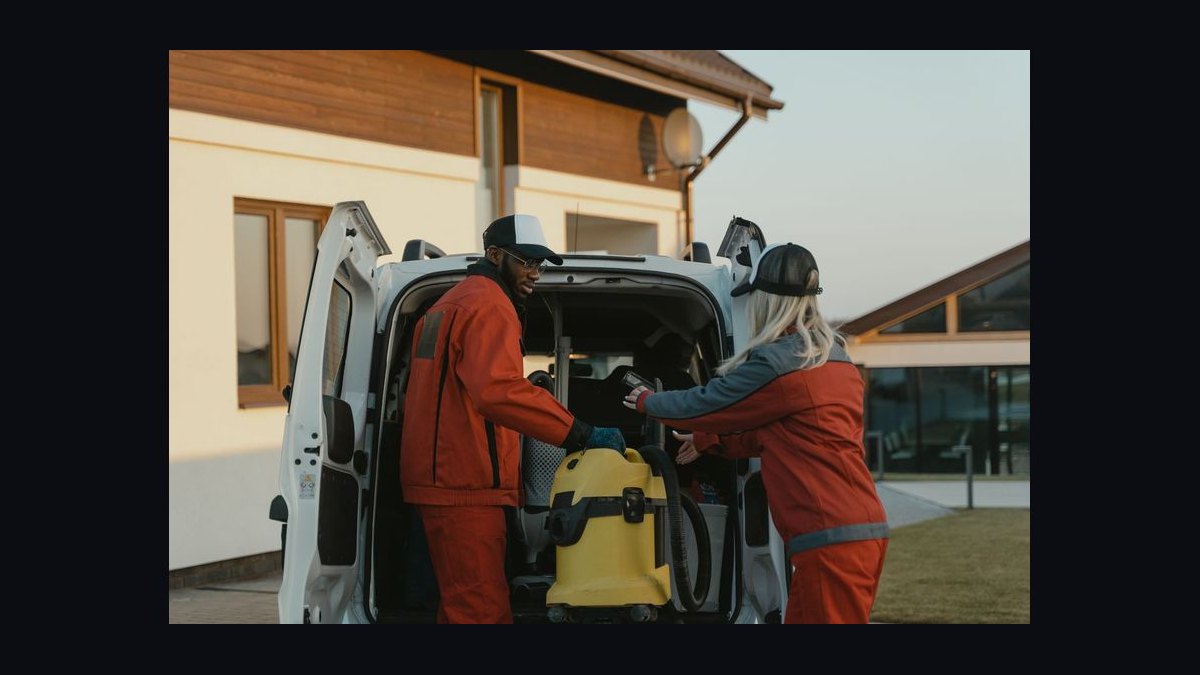
Route density is the biggest lever on that number. A cleaner is paid for the whole shift, including drive time no client funds. One account 35 minutes from the next means you pay for 35 minutes of windshield time per hop. Four accounts inside a six-mile cluster means the same shift produces four times the billable output with almost no drive-time tax. That is the difference between a 48% labor ratio and a 65% one — roughly a 16% net margin versus a 2% one. Sophisticated operators bid identical square footage at different prices depending on where it sits relative to existing routes, which feels strange to newcomers and is obvious to anyone who has run the math.
The revenue trajectory. Year 1: $70K–$160K, 6–14 recurring accounts, founder selling by day and cleaning by night, apparent 40–60% margin that is really unpaid sweat equity. Year 2: $180K–$380K, 15–30 accounts, 2–5 W-2 cleaners and a working supervisor, and net margin compressing to 8–15% as real payroll lands — this is the wash-out year where most founders quit. Year 3: $420K–$780K, 30–55 accounts, 6–12 cleaners, founder fully off the route, margin stabilizing at 10–18%. Year 4: $750K–$1.5M with an operations layer and possibly a second cluster. Year 5: $1.4M–$3.2M with 25–70 staff. The ceiling is gated by labor systems and founder bottleneck, not demand — demand is effectively unlimited.
Exit values. Under roughly $500K revenue and owner-dependent, expect 2.0x–3.0x SDE, often barely more than equipment plus a transition. At $500K–$2M with a management layer and documented systems, 3.0x–4.5x SDE. Above $2M with diversified accounts and real financials, 4.0x–6.0x SDE or an EBITDA multiple. Multiples rise with account diversification (no client above 10–15% of revenue), long auto-renewing contracts, documented inspection history, route density, and clean W-2 books. They collapse on owner dependence, account concentration, 1099 misclassification — a diligence deal-killer — and handshake agreements. Typical structure is 50–75% cash at close, a seller note over 12–36 months, sometimes an earn-out tied to retention, and a 2–4 year non-compete.
Implementation and sequencing: the first ninety days and beyond
Sequence matters because doing these in the wrong order wastes money. The pattern below assumes the independent specialist path.
Weeks 1–2: legal and financial foundation. Form the LLC, get an EIN, open a dedicated business bank account, and set up QuickBooks Online. Have an attorney review a service agreement template that defines scope room-by-room, sets a 12-month term with a 30-day cancellation clause, allocates liability, addresses key and access control, includes a non-solicitation clause protecting your trained cleaners from client poaching, and specifies insurance. Bind general liability at $1M–$2M per occurrence — many property managers require $2M aggregate and will want to be named additional insured — plus the janitorial bond and commercial auto. Check your state and city: most jurisdictions require only a general business license, but a handful require specific janitorial or contractor registration.
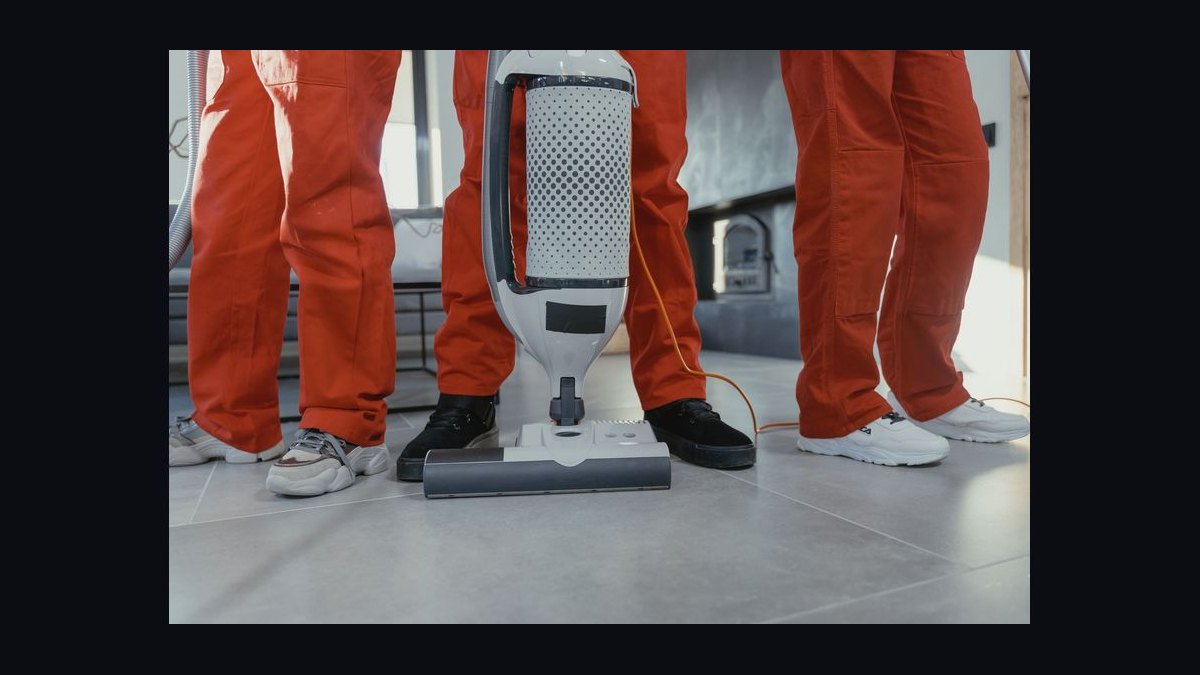
Weeks 2–4: define the lane, then buy for it. Name the vertical and draw the geography — a 20-to-30-minute radius, ideally one business corridor or office park cluster. Only now buy equipment, and buy only what the chosen vertical needs. Medical adds HEPA vacuums and EPA-registered hospital disinfectants; daycare adds child-safe low-VOC products; fitness adds equipment-safe disinfectants. Standardize on a small consistent chemical lineup — neutral floor cleaner, glass cleaner, an EPA-registered multi-surface disinfectant, a restroom acid cleaner, a degreaser — because consistency simplifies training, SDS management, and reordering. Buy concentrates with dilution-control. Organize Safety Data Sheets in a binder; OSHA hazard communication compliance is mandatory and the binder signals competence to institutional buyers. Rent or buy used before buying a new auto-scrubber at $4,000–$9,000 — that purchase should follow a signed contract, never precede one.
Weeks 3–12: prospecting, in the channels that work. Build a target list of facilities matching your size band (8,000–40,000 square feet — large enough that the manager will not clean it themselves, small enough that ABM will not send a salesperson) inside your geography. The channels that produce commercial accounts, in order: direct outreach to office managers, practice administrators, and property managers; commercial property management relationships, where one PM can control 10–50 buildings and become a multi-year pipeline; BNI and chamber networking, where one good chapter seat can produce three to eight accounts a year; Google Local Services Ads and a Google Business Profile with reviews; and strategic referral partners like commercial brokers, buildout firms, and HVAC vendors. Facebook ads, Thumbtack, Nextdoor, and cold mass email produce residential tire-kickers, not contracts.
Watch for trigger events, because they convert: a failed health or safety inspection, a new practice administrator cleaning house, a lease move, a visible quality failure before an audit or investor tour, the in-house janitor quitting, or an incumbent raising price clumsily.
The bid itself. Calculate cleaning time by area and task using production rates — roughly 3,000–4,500 square feet per hour for general office vacuuming and trash removal, far slower for detailed restroom and medical work. Apply loaded labor rate, add supplies, apply a 38–42% gross margin floor, allocate overhead, and present a flat monthly number even though you derived it per square foot. Offer two or three frequency options (5x, 3x, 2x weekly) so the buyer chooses on budget rather than walking. When a prospect says the incumbent charges $1,800, the wrong move is bidding $1,750; if your math says $2,300, present $2,300 with a clear scope and a 30-60-90 day satisfaction guarantee. You will lose some bids and keep the ones worth keeping for three to seven years.
Month 3 onward: labor as the actual product. Classify cleaners as W-2, not 1099 — people you schedule, train, supervise, and equip are employees under federal and most state tests, and misclassification ends in back taxes, penalties, and a dead exit. Source through Indeed, Facebook job groups, bilingual outreach, employee referral bonuses of $100–$300 for a hire lasting 90 days, and workforce development partnerships. Pay above the local floor — if minimum is $13, pay $15–$18; turnover savings dwarf the wage premium. Loaded labor cost in 2027 realistically runs $20–$36 per hour including wage, payroll taxes, and workers' comp. Give route stability, quick pay, and a visible path to lead and supervisor roles. Your first key hire is a working supervisor who cleans part of a route and inspects the rest, typically justified at 8–15 accounts and costing $40K–$60K equivalent. Structure runs cleaners to leads to supervisors, with one supervisor per 8–15 accounts or 6–12 cleaners.
Ongoing: the inspection system that manufactures retention. Cleaning quality decays invisibly — baseboards get dustier, restroom corners get grimier, and the client notices before you do. Build a standardized scored checklist per account, a fixed inspection cadence (weekly for new or troubled accounts, monthly for stable ones), a feedback loop tying scores to coaching and recognition, and client-facing transparency. Handing a practice administrator twelve months of 96%-plus inspection scores at a quarterly review is not just reporting quality — it is manufacturing the evidence that switching would be a downgrade. Software like CleanTelligent, Swept, Janitorial Manager, or TEAM/WorkWave makes this digital and photo-documented; budget $150–$500 monthly across janitorial management, geofenced time tracking, QuickBooks, payroll through Gusto or similar, and a simple CRM.
Ongoing: cash flow controls. This business is cash-intensive to grow because you pay labor biweekly while collecting net-30 that clients stretch to net-45. Every new account widens the gap. Invoice on a fixed cycle without exception, push for net-15 and ACH or card-on-file, review an aging report weekly with reminders at day 20 and day 35, hold at minimum one full payroll cycle in reserve, and run per-account profitability monthly — flagging any account drifting past a 60% labor ratio for re-bid or scope correction. Scope creep ("can you also do the windows?") gets a documented change order, not a favor.
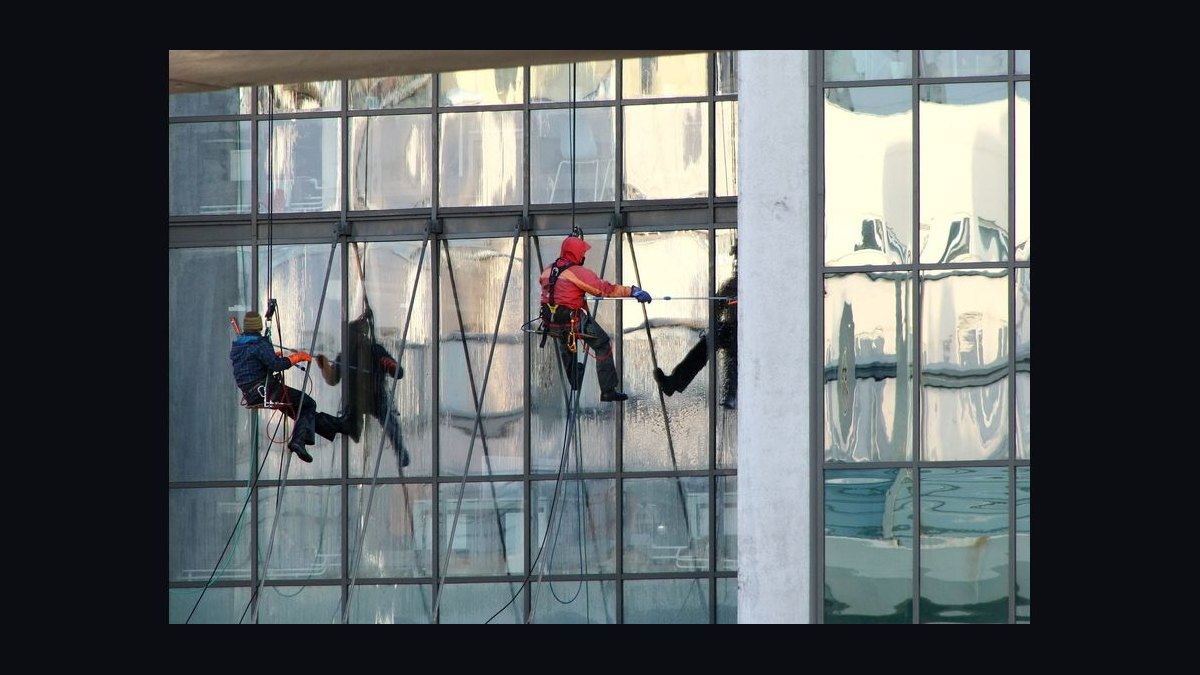
Layer periodic and project work. Floor stripping and refinishing, carpet extraction, window cleaning, high dusting, pressure washing, post-construction cleanup, and move-out deep cleans carry 45–65% gross margins versus 35–45% on recurring janitorial, priced at $0.20–$0.60 per square foot for projects or $35–$75 per hour for labor-driven jobs. Your recurring accounts are a zero-acquisition-cost market for it — you are already in the building, you already know the floor types. Never run recurring janitorial on hourly billing, though; it caps revenue and trains clients to ration your time.
What to expect from the market itself. The US janitorial services market sits around $90–$110B inside a broader facilities services market above $400B, structured as a barbell: national giants like ABM, Aramark, Sodexo, and ISS at the top handling airports, stadiums, and corporate campuses; roughly a million small operators at the bottom fighting over single locations. The middle — mid-size facilities too small for a giant's account management and too complex for a solo cleaner — is where a new entrant wins. Through 2032, expect labor to stay the central story as minimum wages rise and turnover stays structural; autonomous floor-scrubbing robots from Brain Corp-powered machines, Avidbots, and others to compress labor on large open-floor retail and warehouse but not on restrooms, operatories, or detail work; the 2021–2023 enhanced-cleaning premium to finish normalizing (bid to the 2027 baseline, not the pandemic peak); green and CIMS-GB positioning to shift from differentiator toward expectation; and PE-backed roll-ups to keep buying route density in the lower middle market — good news for anyone building a diversified, systematized, sellable firm. A founder with a RevOps instinct for pipeline discipline, per-account unit economics, and retention measurement has a genuine edge here, because most competitors run this business on feel.
Related questions
How much does it cost to start a commercial cleaning business?
A realistic independent solo launch runs $4,000–$18,000: equipment $1,500–$6,000, a used vehicle $2,000–$8,000, insurance and bonding $1,500–$4,000 annually, legal and admin $500–$2,000, supplies float $500–$1,500, and marketing $500–$3,000. Franchises add fees and ongoing royalties on top.
What should I charge for commercial cleaning?
Price per square foot per month, then present a flat monthly number. Standard office runs $0.07–$0.14, medical and dental $0.12–$0.30, fitness $0.10–$0.22 equivalent, industrial $0.04–$0.09. Build every bid from labor minutes plus loaded wage plus supplies plus a 38–42% gross margin floor.
Do commercial cleaners need to be W-2 employees?
Yes, in nearly all cases. Cleaners you schedule, train, supervise, and equip are employees under federal and most state tests. Misclassifying them as 1099 contractors creates back-tax and penalty exposure and is a deal-killer in acquisition diligence. Price contracts to afford payroll taxes and workers' comp.
Which insurance does a commercial cleaning business need?
General liability at $1M–$2M per occurrence (many property managers require $2M aggregate and additional-insured status), a janitorial or employee-dishonesty bond covering after-hours key access, commercial auto, and workers' compensation once you have any W-2 employee — typically 2–8% of payroll depending on state.
Is a cleaning franchise worth it?
It is worth it for founders with no industry background, no network, and no sales confidence, since it supplies a playbook and sometimes accounts. Royalties and management fees of 5–10%-plus permanently compress a business already running 10–18% net margins, so founders with relevant background usually do better independent.
FAQ
How long does it take to get the first commercial cleaning contract?
The sales cycle from walk-through to signed contract typically runs one to four weeks for mid-size facilities, because the pain is acute and monthly amounts of $1,000–$5,000 sit within an office manager's signing authority. Getting to that first walk-through is the slower part — expect several weeks of consistent direct outreach, corridor door-knocking at 4–6pm, and networking before the pipeline produces qualified opportunities.
Why is turnover so high in commercial cleaning, and what actually reduces it?
Turnover runs 200–360% annually because the work is nocturnal, physical, low-paid at the market floor, and often treated as invisible. What reduces it: paying above the local minimum, keeping routes stable (people quit when their route changes constantly), offering weekly or instant pay, referral bonuses, a visible path to lead and supervisor roles, and basic respect. Always be recruiting and keep a trained bench.
What size facility should a new operator target?
Roughly 8,000–40,000 square feet. Below that, the decision-maker often cleans it themselves or hires a solo cleaner at a price you cannot match profitably. Above that, national providers bid seriously and procurement processes get long. The 8,000–40,000 band is large enough to need a real vendor and small enough to be invisible to the giants.
Can this business actually be sold, and for how much?
Yes. Owner-dependent firms under about $500K revenue sell for 2.0x–3.0x SDE. Firms at $500K–$2M with documented systems and a management layer reach 3.0x–4.5x. Firms above $2M with diversified accounts, clean W-2 books, and low concentration can reach 4.0x–6.0x SDE or trade on an EBITDA multiple. Buyers include regional roll-ups, PE-backed platforms, competitors, and search funds.
Will cleaning robots make this business obsolete?
Not for the mid-size facility work described here. Autonomous floor scrubbers are genuinely spreading in large open-floor retail, warehouse, and airport environments where square footage justifies the machine. They do not clean restrooms, detail offices, service medical operatories, or empty trash — which is the bulk of labor in an 8,000–40,000 square-foot facility. Software adoption is the more urgent 2027 requirement.
What is the most common Year-1 mistake?
Bidding to win instead of bidding to deliver. Founders anchor on the incumbent's price, undercut it, and then discover the contract cannot fund a reliable W-2 cleaner — so quality drifts, the account churns, and the founder concludes the market only pays low prices. The fix is mechanical: build every bid from labor minutes and loaded wage, hold a 38–42% gross margin floor, and be willing to lose bids.
Sources
- https://www.bls.gov/ooh/building-and-grounds-cleaning/janitors-and-building-cleaners.htm
- https://www.bls.gov/oes/current/oes372011.htm
- https://www.osha.gov/hazcom
- https://www.osha.gov/bloodborne-pathogens
- https://www.epa.gov/pesticide-registration/selected-epa-registered-disinfectants
- https://www.sba.gov/business-guide/launch-your-business/choose-business-structure
- https://www.irs.gov/businesses/small-businesses-self-employed/independent-contractor-self-employed-or-employee
- https://www.issa.com/
- https://www.dol.gov/agencies/whd/flsa/misclassification
- https://www.census.gov/naics/
Related on PULSE
- How do you price a recurring service contract without underbidding?
- What does route density do to field-service margins?
- How do you build a quality inspection system that reduces churn?
- What multiple does a recurring-revenue service business sell for?
- How do you hire and retain hourly staff in a 200% turnover industry?
- How do you start a niche owner-operator business in 2027?
This page will be disappearing soon. Save it to your device for $1 — or read it free while it is here.
@Kory-White- · if Venmo asks, the last 4 of my number are 2012
This page is gone.
This one is off the shelf now. $1 keeps it on your phone for good — the whole page, pictures and diagrams included.
 commercial-cleaningHow do you start a commercial office cleaning business in 2027?
 robotic-floor-scrubbingHow do you start a robotic floor scrubbing service business in 2027?
 post-construction-cleanupHow do you start a post-construction cleanup business in 2027?
 window-cleaningHow do you start a window cleaning business in 2027?
 backyard-chickensHow do you start a backyard chicken coop installation business in 2027?
 mobile-detailingHow do you start a mobile car detailing business in 2027?
 hvacHow do you start a HVAC service business in 2027?
 pet-groomingHow do you start a pet grooming business in 2027?
 mobile-detailingHow many cars per day can a one-truck mobile detailer realistically do, and what's the per-car gross profit in 2027?
 bookkeepingHow do you start a virtual bookkeeping business in 2027?