

How do you start a rental property bookkeeping business in 2027?
 Curated byKory White · Fractional CRO · Maryland
Quality
Certified
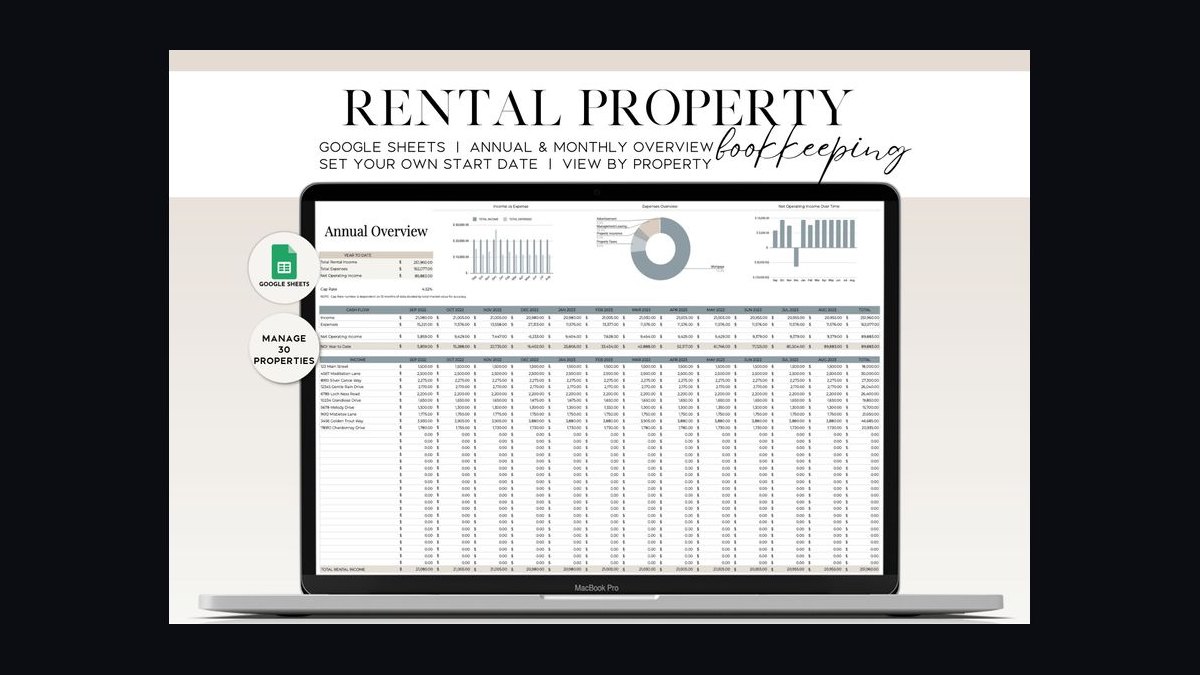
Start a rental property bookkeeping business in 2027 by picking one vertical — landlords with 5 to 50 doors — registering an LLC, mastering Schedule E and depreciation mechanics, and standardizing on QuickBooks Online Plus plus a real estate sub-ledger. Charge flat monthly fees of $300 to $3,500, not hourly, and win clients through investor communities and CPA referral partnerships.
What it is and why it matters
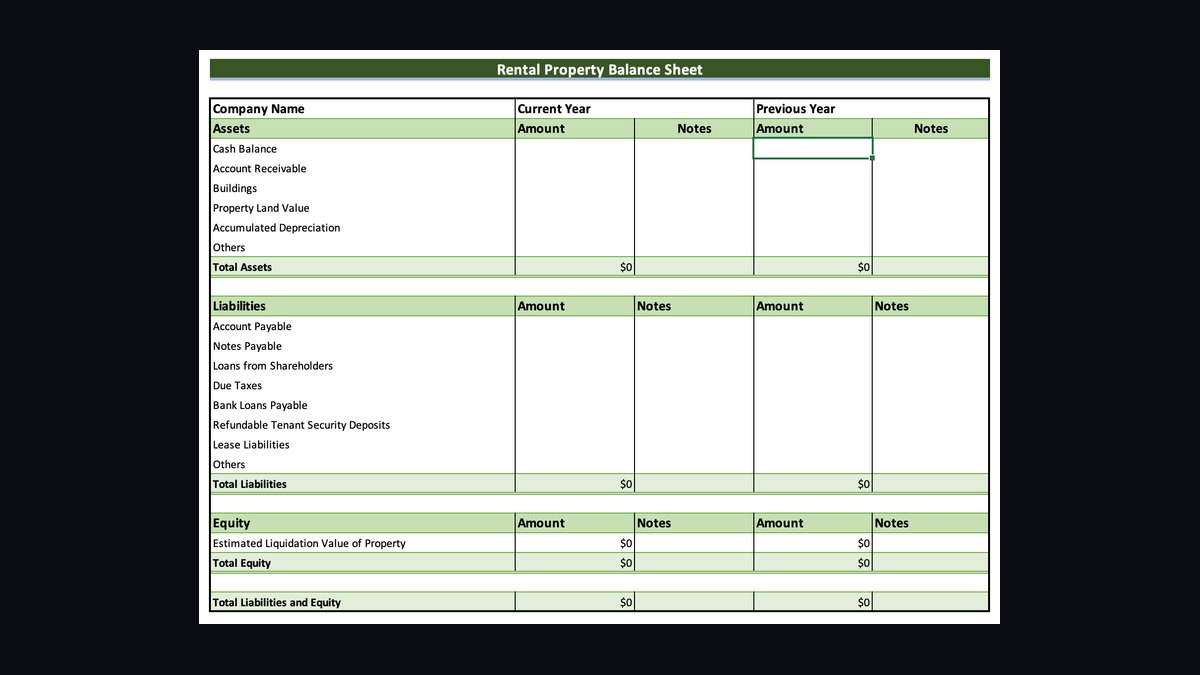
Rental property bookkeeping is not general bookkeeping applied to real estate. It is a distinct discipline with its own chart of accounts, its own reporting unit (the property, not the entity), and its own tax mechanics. A general bookkeeper reconciles a bank account and produces a profit and loss statement. A rental property bookkeeper produces a profit and loss statement *per property*, splits every mortgage payment into principal, interest, and escrow, tracks security deposits as liabilities rather than income, maintains a depreciation schedule that survives IRS scrutiny, and hands a tax preparer a package that maps line by line to Schedule E or Form 8825.
The gap between those two jobs is where the business lives. A landlord with fourteen doors across three LLCs has a genuinely hard operational problem: transactions flow through multiple bank accounts, some properties are managed by third parties who send monthly owner statements, some are self-managed with rent collected through an app, contractors get paid across entities, and the tax treatment of a $9,000 roof replacement differs enormously from the treatment of a $900 roof repair. Software does not solve this. Software surfaces the data; judgment allocates it.
Why this matters commercially in 2027: the individual landlord population in the United States is large and growing. The Census Bureau's Rental Housing Finance Survey consistently shows that individual investors own a substantial share of the nation's rental units — well over a third of all units, and the large majority of one-to-four unit properties. Most of those owners are below the threshold where property management software with built-in accounting makes economic sense, and above the threshold where a spreadsheet works. That band is the market.
The second structural reason this niche is attractive: automation pressure falls unevenly. Automated categorization has gotten genuinely good at repetitive, high-volume, single-entity bookkeeping — a coffee shop, an agency, a small e-commerce store. It has not gotten good at judgment work that depends on facts the software cannot see: whether an expenditure is a repair or a capital improvement under the tangible property regulations, whether a client qualifies for real estate professional status, whether a partial disposition election makes sense when a roof is replaced, how to reconcile a cost segregation engineer's report into an existing depreciation schedule. Those decisions require reading a document, asking the client a question, and knowing the rule. That is the defensible part of the work, and it is disproportionately concentrated in real estate.
A third reason, less discussed: retention. Real estate bookkeeping clients are unusually sticky. The switching cost is high because the depreciation schedule, the historical property allocations, and the accumulated fixed-asset detail live in the working relationship as much as in the file. A landlord who has three years of clean per-property history does not casually move it. Recurring revenue with low churn is the entire economic case for building a services firm, and this niche has it.
The honest counterpoint: this is repetitive work. Every month resembles the last month. The compliance calendar is rigid, January through April is genuinely brutal, and the intellectual variety is lower than in advisory or consulting. Founders who need novelty burn out around year three. Founders who like systems, checklists, and compounding recurring revenue do very well.
The step-by-step process
The sequence below is ordered by dependency, not by preference. Skipping ahead — particularly taking clients before you have a chart of accounts template and an engagement letter — is the most common self-inflicted wound in year one.
Step one: choose the sub-segment before anything else. "Rental property bookkeeping" is still too broad. Decide whether you serve long-term rental landlords, short-term rental operators, or syndication sponsors. These have different software, different tax exposure, and different sales motions. Short-term rentals bring lodging and transient occupancy tax complexity that varies by county and by platform; syndications bring partnership capital account tracking, investor distribution calculations, and K-1 coordination. Long-term rental landlords in the 5-to-50 door range are the widest entry point and the easiest to learn on. Pick one for year one, add a second in year two.
Step two: form the entity and handle the boring compliance. A single-member LLC is the standard structure — it separates business banking and provides a professional identity without partnership complexity. Register with your state, get an EIN from the IRS directly (free, takes minutes online, never pay a service for this), open a business checking account, and register for any state or local business license your jurisdiction requires. Some states require a professional or occupational license for bookkeeping; most do not, but check yours specifically. You are not holding out as a CPA, so you do not need a CPA license, but you must never describe yourself as one or imply you can give tax advice.
Step three: buy insurance before your first client, not after. Errors and omissions coverage, also called professional liability, is the essential policy. General liability and cyber liability round out the set. Cyber liability increasingly matters because you will hold clients' bank credentials and financial records, and referral partners frequently want proof of coverage before sending work. Get quotes from multiple carriers; the small-firm professional liability market is competitive.
Step four: get credentialed enough to be credible. The QuickBooks Online ProAdvisor certification is free, takes a weekend, and does two things: it signals baseline competence and it unlocks wholesale pricing on QBO subscriptions, which becomes a margin line later. Beyond that, the credentials that actually matter in this niche are subject-matter, not vendor-specific: you need to know Schedule E cold, understand the passive activity loss rules under Section 469, understand residential depreciation at 27.5 years straight-line versus commercial at 39, know the difference between a repair and an improvement under the tangible property regulations, and understand 1099 filing obligations for contractors and property managers. Read the actual IRS publications — Publication 527 for residential rental property and Publication 946 for depreciation are the primary sources and they are free.
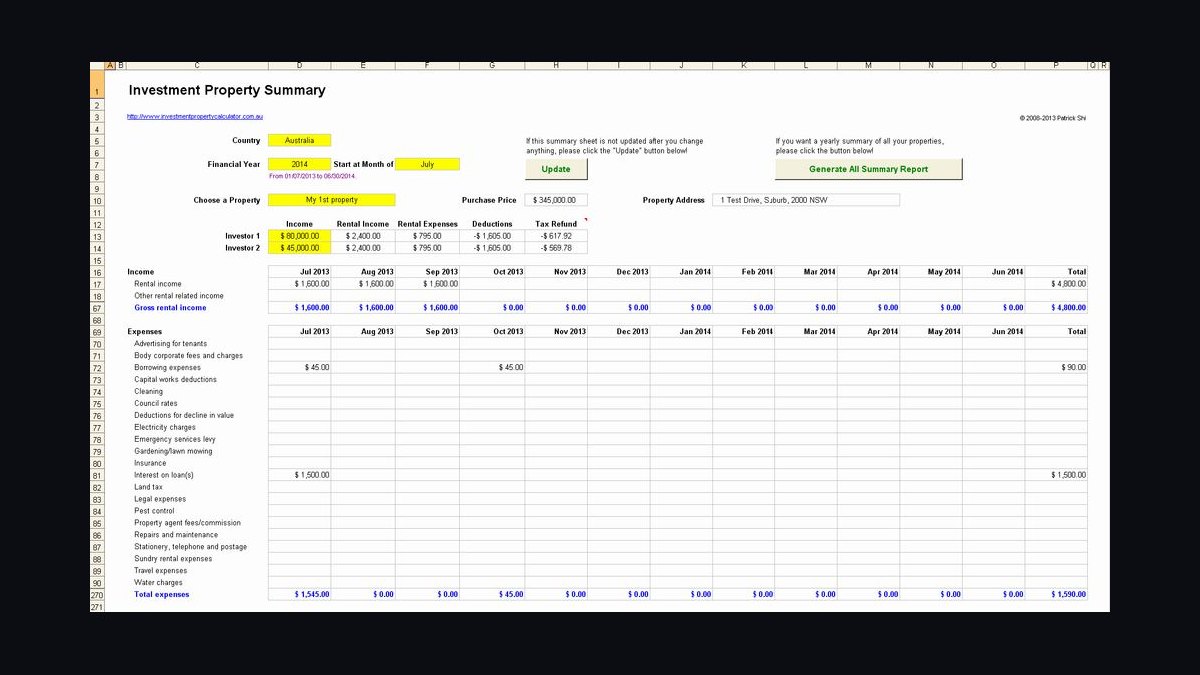
Step five: build your chart of accounts template before your first client. This is your single most valuable asset and it takes a weekend to build. The default QuickBooks chart of accounts is designed for a generic small business and it destroys real estate reporting. Yours should separate income into rent, late fees, application fees, pet rent, parking, laundry, and forfeited deposits; separate operating expenses by building system so that a future cost segregation study has something to reconcile against; split debt service explicitly into principal, interest, and escrow components; carry security deposits as a liability; and separate owner contributions and distributions from operating activity. Deploy the same template to every client. Consistency across your book of business is what lets you close ten clients in a day by year two.
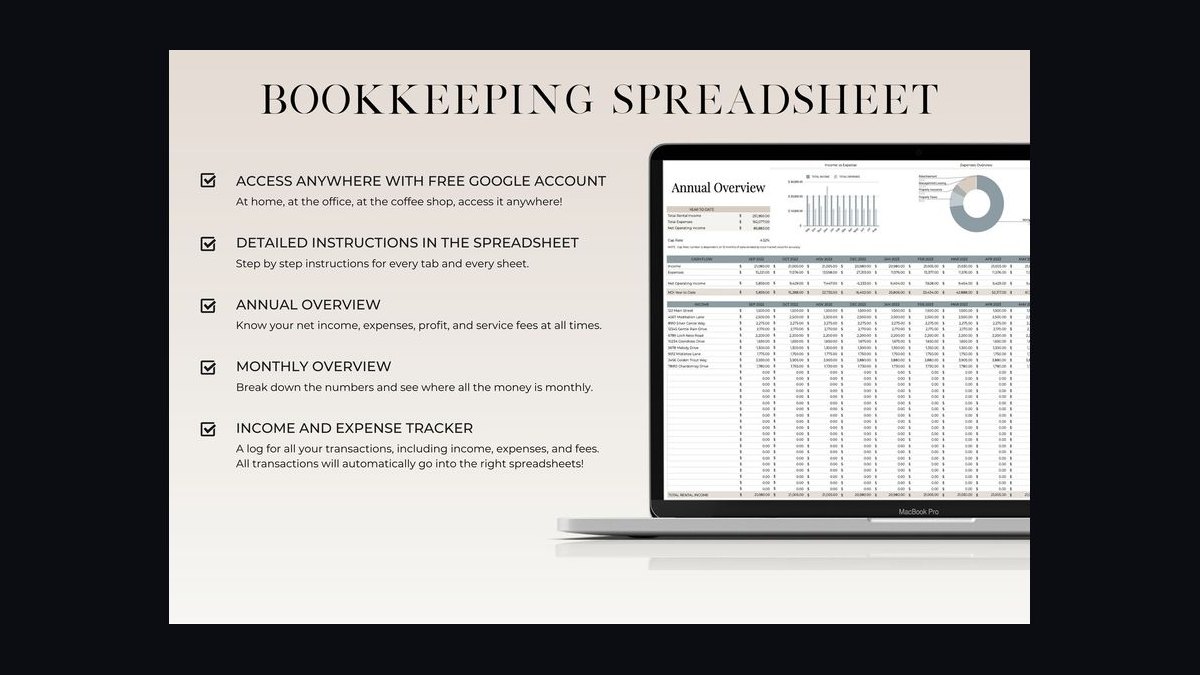
Step six: pick and learn your stack. A general ledger — QuickBooks Online Plus at minimum, because the Essentials tier lacks class tracking and you need classes or an equivalent to report by property. A real estate sub-ledger or property tracking layer that handles per-property allocation, tenant ledgers, and mortgage splits. A banking layer that supports multiple sub-accounts per entity, so each property can have its own account and reconciliation becomes trivial instead of an allocation nightmare. A document capture tool for receipts and bills. And by client fifteen, a practice management tool with month-end close checklists. Learn two general ledgers, not one — you will inherit clients on the other.
Step seven: write the engagement letter. Have an attorney review a template. It must define scope precisely, state clearly that you do not provide tax advice or prepare returns, set response-time expectations, define the fee and the billing date, cap liability, and specify termination terms on both sides. This document is what stands between you and a client who assumed you were also their tax strategist.
Step eight: get the first five clients through people who already trust you. Not ads. Your first clients come from your existing network, from a local real estate investor association meeting, or from a tax preparer who does not want monthly work. Price them properly anyway — discounting the first five because you are nervous sets a floor you will spend two years escaping.
Costs, timelines, and typical ranges
Startup cost for this business is genuinely low, which is both the appeal and the trap — low barriers mean the differentiation has to come from expertise, not capital.
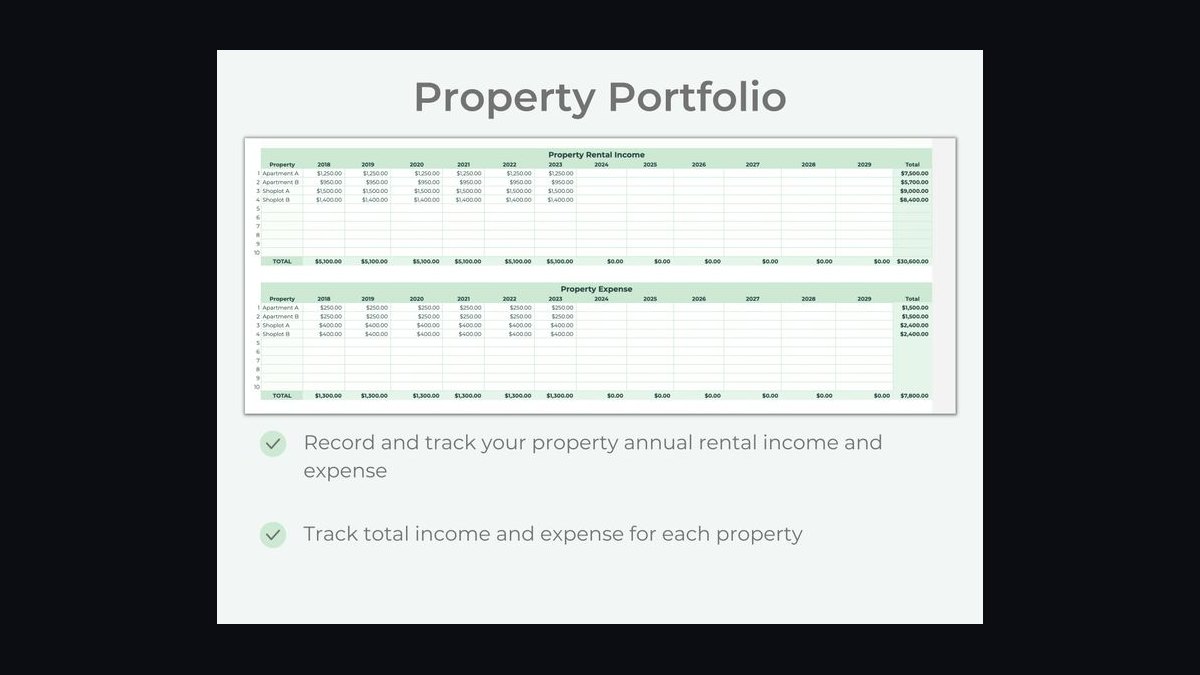
One-time startup costs. LLC formation runs from roughly fifty dollars to a few hundred depending on the state, plus any annual franchise or report fee. The EIN is free. Attorney review of an engagement letter is typically a few hundred dollars and is the best money you will spend. A basic website and domain, a professional email, and a scheduling tool add a modest recurring cost. Realistic all-in to be legitimately open for business: somewhere in the high hundreds to low thousands of dollars. There is no inventory, no build-out, no equipment beyond a computer and two monitors.
Recurring insurance. Professional liability for a solo practitioner at a modest limit is typically a few hundred to low four figures annually. Cyber liability adds to that. Premiums scale with revenue and coverage limit, so budget to re-quote annually as you grow.
Software costs — yours versus the client's. Distinguish these carefully. Your internal stack — practice management, a password manager, a secure file portal, video recording for async client updates — is a fixed cost that spreads across your whole book. Client software — the general ledger subscription, the property sub-ledger, the document capture tool — is either passed through at cost, marked up modestly, or bundled into the monthly fee. Passing through at cost with transparency builds trust; bundling simplifies the invoice. Pick one convention and apply it uniformly, because mixing conventions across clients creates billing chaos.
Pricing structure. Abandon hourly billing as fast as you can. Hourly caps your income at your available hours and trains clients to ration your attention, which is exactly backwards — you want clients sending you everything so nothing gets missed. Flat monthly subscription pricing tied to door count and entity count is the standard. A workable three-tier structure:
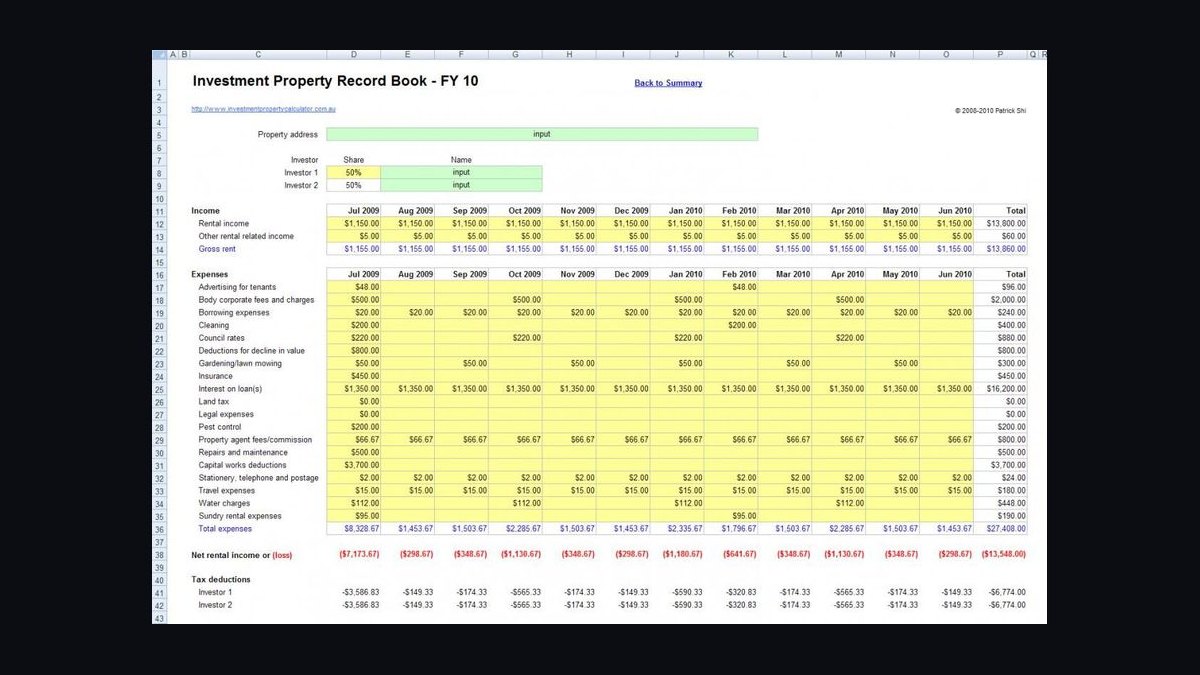
A starter tier for roughly one to ten doors and one or two entities: monthly reconciliation, per-property profit and loss statements, a quarterly check-in, and a year-end package handed to the client's tax preparer. This typically prices in the low hundreds per month.
A growth tier for roughly eleven to thirty doors across up to four entities: more frequent reconciliation, property sub-ledger integration, balance sheets by entity, a short monthly review, contractor 1099 filings included, and a year-end package with the depreciation schedule reconciled. This prices in the high hundreds to low thousands per month.
A portfolio tier for roughly thirty-one to fifty doors, or a small syndication entity: reconciliation against third-party property management owner statements, weekly cash position reporting, distribution calculations where relevant, K-1 coordination with the tax preparer, and audit support. This prices in the low thousands per month.
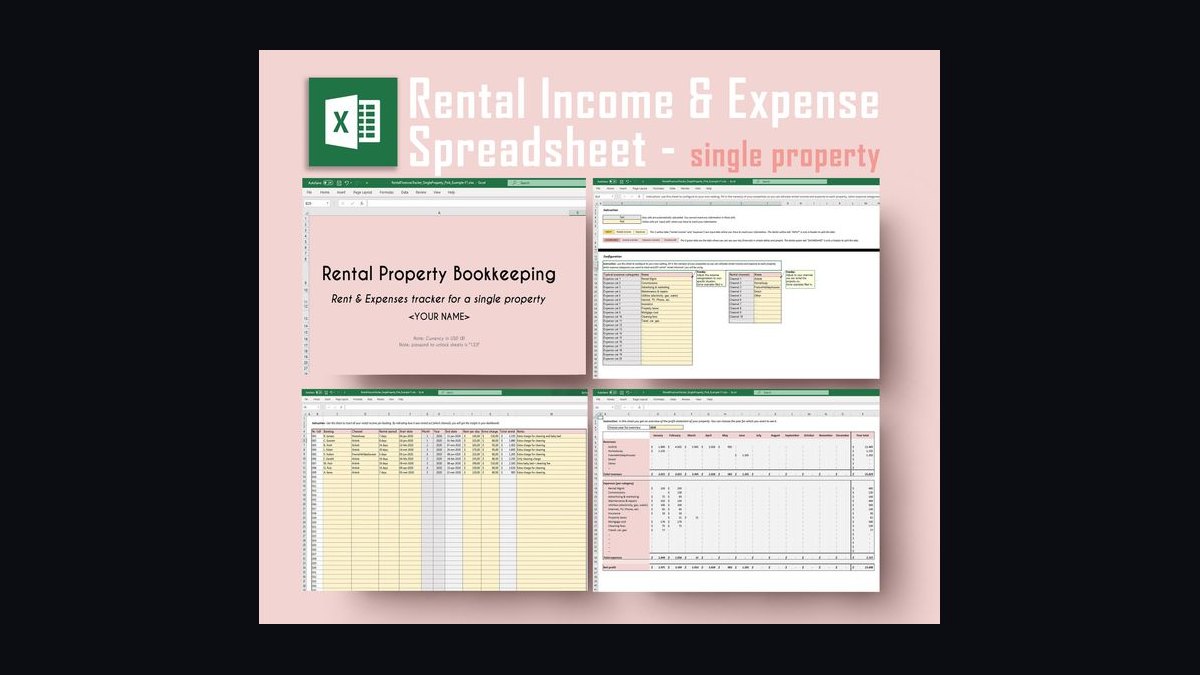
Onboarding fees are non-negotiable. Charge a one-time setup fee covering the discovery call, entity structure review, software provisioning, historical transaction import, opening balance reconciliation, chart of accounts deployment, depreciation schedule reconstruction from the prior year return, and an owner training session. This is genuinely eight to fifteen hours of work and it is your highest-margin product. Founders who waive it to close a deal train the client to expect free work forever.
Add-on services that carry real margin. Catch-up and cleanup bookkeeping for prospects whose records are a mess — always quoted flat, never hourly, and typically the foot in the door that converts to a monthly subscription. Contractor 1099 filing season packages. Financial package preparation for a refinance or acquisition loan, where lenders want very specific formats. Depreciation schedule rebuilds, which are common because prior preparers frequently never separated land from improvements properly. Cost segregation coordination, where you do not perform the engineering study but you reconcile its output into the books and post the adjusting entries.
Revenue timeline. Be realistic. Months one through three produce close to nothing while you build systems and reputation. Months four through six typically produce the first handful of clients. By month twelve, a committed full-time founder with prior bookkeeping experience can reasonably reach fifteen to twenty-two clients and a five-figure monthly run rate. Year two, with a virtual assistant handling data entry and categorization under your rules, roughly doubles that. Year three, with a senior bookkeeper owning half the book, roughly doubles again. Somewhere between year three and year five you hit a strategic fork: keep scaling headcount, raise prices and shed the bottom of the book, or move upmarket into fractional controller work for syndicators.
Time investment. Year one is fifty to sixty-five hours a week, because you are simultaneously selling, servicing, and building systems. Year three, with systems and one or two people, drops to thirty-five to forty-five hours outside tax season. Tax season never drops below fifty. The twenty-hour lifestyle business is achievable but only after significant productization, and usually only after you have shed the smallest clients.
Where new firms get it wrong
Pricing hourly, then never escaping it. The single most common error. It feels safe, it is easy to justify, and it permanently caps the business. Every firm that scales past a few hundred thousand in revenue moved to flat fees, and every one of them describes the transition as painful because existing clients resist. Start flat.
Pricing too low and grandfathering forever. New founders price at whatever feels defensible when they are nervous, then discover three years later that half their book pays a third of market and every conversation about raising it feels like a betrayal. Set a floor for each tier and hold it. Build an annual price increase clause into the engagement letter from day one so increases are contractual rather than confrontational.
Skipping the onboarding fee. The onboarding work happens whether you charge for it or not. Doing eight to fifteen hours of unpaid setup, then earning a few hundred a month, means the client is unprofitable for the first six months. If a prospect balks at onboarding, they are signaling they do not value the work, which predicts every subsequent conversation.
Staying a generalist who "also does real estate." Prospects detect this immediately. The specialist advantage is entirely credibility-based — a landlord who has been investing for a decade has been talked down to by every generalist accountant in their city, and the person who shows up already fluent in per-property reporting, depreciation mechanics, and passive loss rules wins the engagement in the first ten minutes. Taking non-real-estate clients to fill capacity dilutes the positioning that makes you defensible.

Forcing software migrations too early. A prospect arriving on a free property tracking tool is not wrong; they have outgrown it, but that is a conversation for month three, not week one. Migrating a client's entire financial history during onboarding, before trust exists, is how engagements die in the first quarter. Stabilize first, migrate later, and always with a documented cutover date and a reconciled opening balance.
Misclassifying repairs and improvements at posting time. This is the technical error with the largest downstream cost. If you post a $12,000 capital improvement as a repair expense, the tax preparer may or may not catch it in April, and if they do not, the client has an incorrect return and an understated basis. Build the decision into your categorization rules and flag anything above the de minimis threshold for review rather than letting it auto-categorize.
Treating security deposits as income. A held deposit is a liability, not revenue. Posting it as income overstates the profit and loss statement, misstates the balance sheet, and creates a mess when the deposit is returned or applied. This is the fastest way to be identified as someone who does not actually know rental accounting.
Failing to split mortgage payments. A single payment of $2,400 to a lender is not a $2,400 expense. It is principal reduction against the loan liability, deductible interest, and escrow funding for taxes and insurance. Posting the whole payment to an expense account is a beginner error that inflates expenses and understates the balance sheet, and it is depressingly common in inherited books.

Letting one client dominate revenue. Larger engagements are seductive because they are efficient per dollar. But a single client at thirty percent of revenue means their departure — or their sale of the portfolio, which happens — is an existential event rather than a bad quarter. Cap concentration and add clients even when you feel full.
Doing 1099 work in late January. Contractor W-9 collection should happen at first payment, not at filing time. Chasing thirty W-9s across fifteen clients in the last week of January is avoidable misery, and missing forms create penalty exposure for the client that will be blamed on you.
Staying in the data entry seat too long. By year two, the founder should be doing sales, review, and judgment work, not categorizing transactions. Hiring support later than you should is the most common reason a promising firm plateaus at the founder's personal capacity.
Drifting into tax advice. Clients will ask. The correct answer is always to provide the data and route the strategy question to a licensed preparer. Answering a "should I do a cost segregation study" question directly is both a licensing risk and a liability risk, and the engagement letter should say so explicitly.

Decision framework: when to choose what
Three decisions determine the shape of the business, and each has a defensible answer in both directions depending on your situation.
Which segment to serve. If you are starting with no real estate accounting background, start with long-term rental landlords in the 5-to-30 door range. The accounting is learnable, the tax mechanics are bounded, the client population is large, and mistakes are recoverable. If you already have partnership or fund accounting experience, you can start higher — syndication sponsors pay multiples more per engagement, but the work involves capital account tracking, distribution waterfalls, and investor reporting that punishes learning on the job. If you live in or know a heavy short-term rental market, the short-term rental sub-niche is viable and underserved, but you inherit lodging tax complexity that varies by jurisdiction and platform.
Whether to build a team or raise prices. Around twenty-five clients, a solo founder hits a hard operational ceiling. The two paths diverge sharply. Building a team means hiring a virtual assistant first for data entry and rules-based categorization under your review, then a senior bookkeeper who can own client relationships. Revenue grows faster, margin compresses, and you become a manager. Raising prices and shedding the bottom of the book means fewer clients, higher revenue per client, preserved margin, and no management overhead — but a lower ceiling. Founders who enjoy managing people should build; founders who do not should raise prices, and most who try to build against their temperament regret it.
Whether to specialize deeper or broaden. Once established, the temptation is to add adjacent services — payroll, tax preparation, advisory. Adding tax preparation requires licensure and fundamentally changes the business, including the liability profile and the seasonality. Adding fractional controller or outsourced CFO work for syndicators is a natural extension that uses the same domain knowledge at a higher price point and does not require new credentials. Adding general small business bookkeeping to fill capacity is the option that consistently destroys the positioning that made the firm valuable.
Related questions
Do I need a CPA license to run a rental property bookkeeping business?
No. Bookkeeping is unlicensed in most states. You cannot prepare or sign tax returns, represent clients before the IRS, or provide tax advice without appropriate credentials. State your scope explicitly in the engagement letter and route strategy questions to a licensed preparer.
How much rental accounting knowledge do I need before taking clients?
Enough to produce a per-property profit and loss statement that maps to Schedule E, split mortgage payments correctly, treat security deposits as liabilities, and maintain a depreciation schedule. IRS Publications 527 and 946 cover the core. Depth beyond that accumulates on the job.
Should I use QuickBooks or a real estate specific platform?
Both. Use a general ledger for the accounting of record and a property-focused sub-ledger for per-property allocation, tenant ledgers, and mortgage splits. Purpose-built property tools alone rarely produce a defensible general ledger; a general ledger alone makes property-level reporting painful.
Can I run this business entirely remotely?
Yes. Nearly all client relationships in this niche are virtual, with document exchange through a secure portal and monthly reviews delivered as recorded video walkthroughs. Local presence matters only for investor meetup networking, which is worth doing in your home market regardless.
What is the fastest path to the first ten clients?
Referral partnerships with tax preparers who dislike monthly bookkeeping work, plus consistent substantive participation in real estate investor communities. Paid search does not convert for this audience because handing over financial records requires accumulated trust, not a click.
FAQ
How long does it take to become profitable?
Because startup costs are minimal, the business is technically profitable with the first client. Meaningful income — enough to replace a full-time salary — typically takes nine to eighteen months for a founder working at it full time with prior bookkeeping experience, and longer for someone learning the accounting simultaneously. The constraint is client acquisition speed, not cost recovery.
Should I charge per door or per portfolio?
Per portfolio with door-count bands is cleaner for clients and easier to sell. Pure per-door pricing punishes clients as they grow, which is exactly the wrong incentive when your best growth comes from clients adding properties. Set tier boundaries by door count and entity count, review annually, and move clients up a tier when they cross a boundary.
How do I handle a client whose books are years behind?
Quote the cleanup as a flat-fee project, separate from any ongoing engagement, and scope it explicitly by entity and by year. Never quote hourly on cleanup — you will underestimate, and the client will resent the overage. Complete the cleanup, reconcile opening balances, then convert to a monthly subscription at full price.
What happens during tax season?
January is contractor 1099 filing across your entire book, which is high-volume and time-boxed. February and March are year-end package delivery to each client's tax preparer, including trial balance, per-property profit and loss statements, balance sheet, reconciled depreciation schedule, and a fixed-asset additions log. March and April are answering preparer questions. Plan staffing ahead and take time off in May.
How do I compete with automated bookkeeping services?
Do not compete on categorization — you will lose. Compete on the judgment layer: repair versus improvement classification, per-property allocation, depreciation schedule integrity, partial disposition tracking, and the quality of the year-end handoff to the tax preparer. The prospects who choose an automated service on price were never going to be good clients.
Is the niche large enough to build a real firm?
Yes. The individual landlord population in the United States numbers in the millions, the subset in the 5-to-50 door band numbers in the high hundreds of thousands, and the number of firms specializing tightly in real estate bookkeeping is small by comparison. Geographic overlap between specialist firms is minimal because the work is remote and the communities are national.
Sources
- IRS Publication 527 — Residential Rental Property
- IRS Publication 946 — How To Depreciate Property
- IRS Schedule E (Form 1040) — Supplemental Income and Loss
- IRS Tangible Property Regulations FAQs
- IRS — Apply for an Employer Identification Number Online
- U.S. Census Bureau — Rental Housing Finance Survey
- U.S. Small Business Administration — Choose a Business Structure
- Bureau of Labor Statistics — Bookkeeping, Accounting, and Auditing Clerks
- IRS — About Form 1099-NEC, Nonemployee Compensation
- IRS Publication 925 — Passive Activity and At-Risk Rules
Related on PULSE
This page will be disappearing soon. Save it to your device for $1 — or read it free while it is here.
@Kory-White- · if Venmo asks, the last 4 of my number are 2012
This page is gone.
This one is off the shelf now. $1 keeps it on your phone for good — the whole page, pictures and diagrams included.
 property-managementHow do you start a property management business in 2027?
 bookkeepingHow do you start a virtual bookkeeping business in 2027?
 bookkeepingHow do you start a bookkeeping business in 2027?
 short-term-rentalHow do you start a short-term rental management business in 2027?
 airbnb-arbitrageHow do you start an Airbnb arbitrage business in 2027?
 self-storageHow do you start a self-storage business in 2027?
 laundromatHow do you start a laundromat business in 2027?
 home-stagingHow do you start a home staging business in 2027?
 padelHow do you start a padel club business in 2027?
 vacation-rentalHow do you start a vacation rental business in 2027?