
A Toast for a Best Friend’s Wedding
 Curated byKory White · Fractional CRO · Maryland
 PULSEKNOWLEDGE LIBRARY
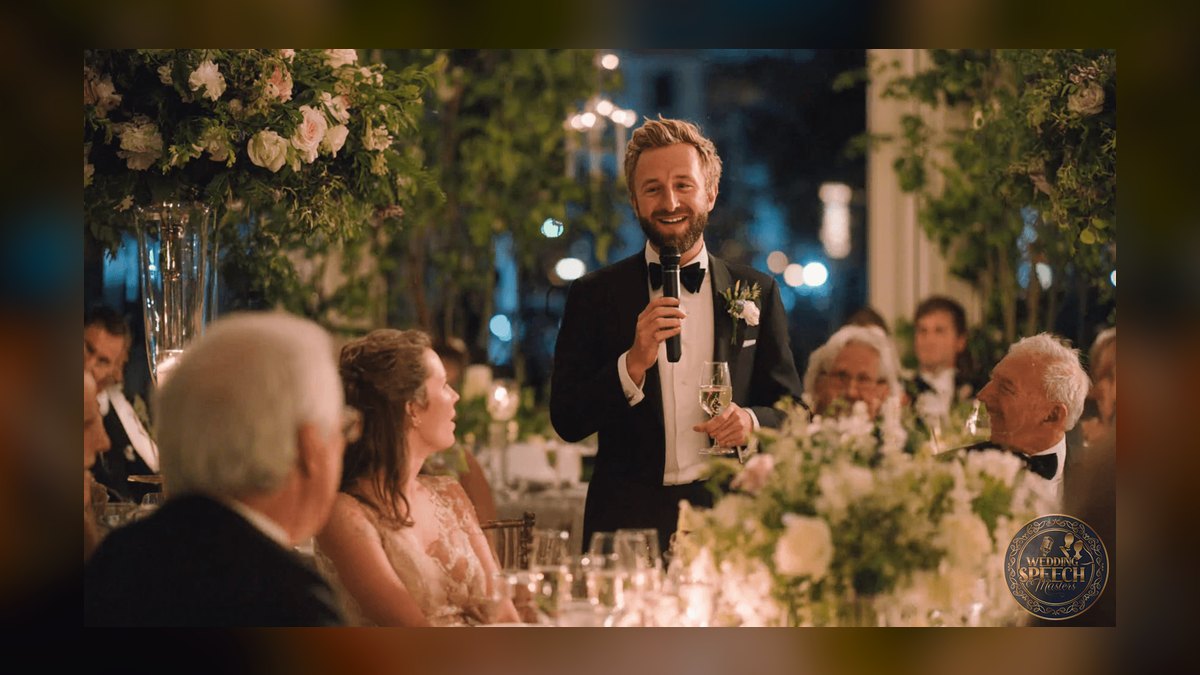
For a best friend’s wedding, a heartfelt toast should be deeply personal, warm, and concise—aim for one to two minutes (roughly 150-250 words) to keep the room engaged. Start by thanking the hosts or the couple, then share a specific, genuine memory that reveals your friend’s character and your unique bond. Close with a sincere wish for their future together, raising your glass to their happiness, while avoiding inside jokes that exclude others and maintaining a celebratory, not overly tearful, tone.
A great toast doesn’t just recite compliments; it shows the couple’s journey through a story that only you can tell. The most memorable speeches capture a single, vivid moment—like the time your friend drove three hours to pick you up from a flat tire—that illustrates their loyalty or humor. This approach transforms a generic speech into a gift the couple will treasure, as it highlights what makes their love story and your friendship irreplaceable.
What Makes a Best Friend’s Wedding Toast Unforgettable?
The difference between a forgettable toast and one that brings the house down lies in authenticity and structure. A memorable toast typically follows a three-act arc: an engaging opening that hooks the room, a middle section with a specific story or observation, and a closing that ties back to the couple’s future. The opening should immediately ground everyone—introduce yourself, state your relationship to the couple, and set a warm tone. For example, “I’m Sarah, and I’ve been Mark’s best friend since we were seven years old, stealing cookies from his mom’s kitchen.”
The story in the middle is your secret weapon. Instead of listing generic compliments like “they’re kind and funny,” choose one concrete, relatable moment that shows those traits in action. Perhaps your friend once canceled a major vacation to help their partner through a family crisis, or they spent an entire weekend building a bookshelf for your apartment without being asked. This concrete detail makes the toast feel real and earned, not like a Hallmark card. According to speechwriting experts, audiences remember stories 22 times more than facts alone, so lean into narrative.
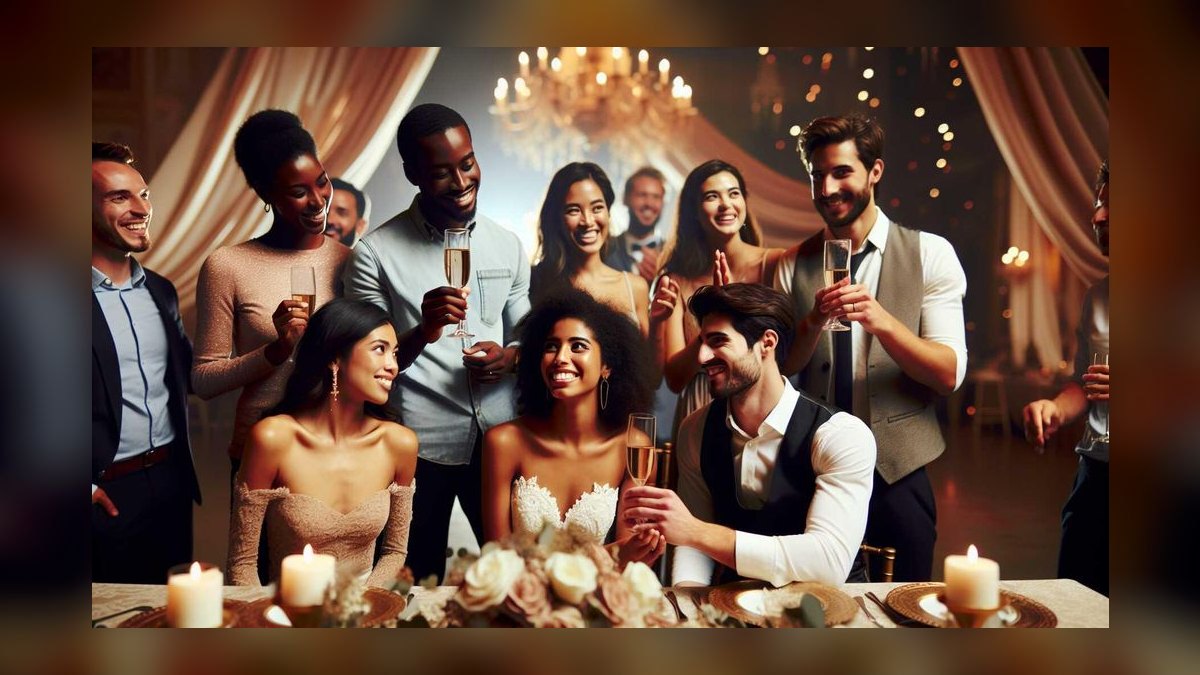
The closing should pivot from past to future, expressing hope for the couple’s journey. A line like, “To the two of you: may your days be filled with laughter, your nights with peace, and your lives with each other” works because it’s specific yet universal. Avoid clichés like “happily ever after” and instead use language that reflects the couple’s actual dynamic—if they love hiking, talk about climbing mountains together; if they’re foodies, mention cooking adventures. The best toasts feel like they could only be said by you, about these two people, on this day.
How Do You Structure a Wedding Toast That Flows Naturally?
A well-structured toast follows a logical progression that guides the audience from introduction to emotional payoff. Start with the hook: a brief, engaging line that grabs attention. This could be a funny observation about your friend (“I’ve known Jake for 15 years, and I’ve never seen him voluntarily fold laundry—until Emily came along”) or a warm statement of gratitude (“I’m so honored to stand here today and celebrate the two people who taught me what love looks like”). The hook sets the tone—funny, sentimental, or a mix.
Next comes the story or observation: one to two minutes of narrative that reveals character or relationship growth. This section should include a clear turning point—the moment you knew your friend was in love, or when you saw how their partner changed them. For example: “I remember the day Mark called me, completely giddy, to tell me about a girl who laughed at his terrible puns. I thought, ‘This is different.’ And then I met Lisa, and I saw the way he looked at her—like she was the most fascinating person in the room.” This story works because it’s specific and shows, not tells, the couple’s connection.
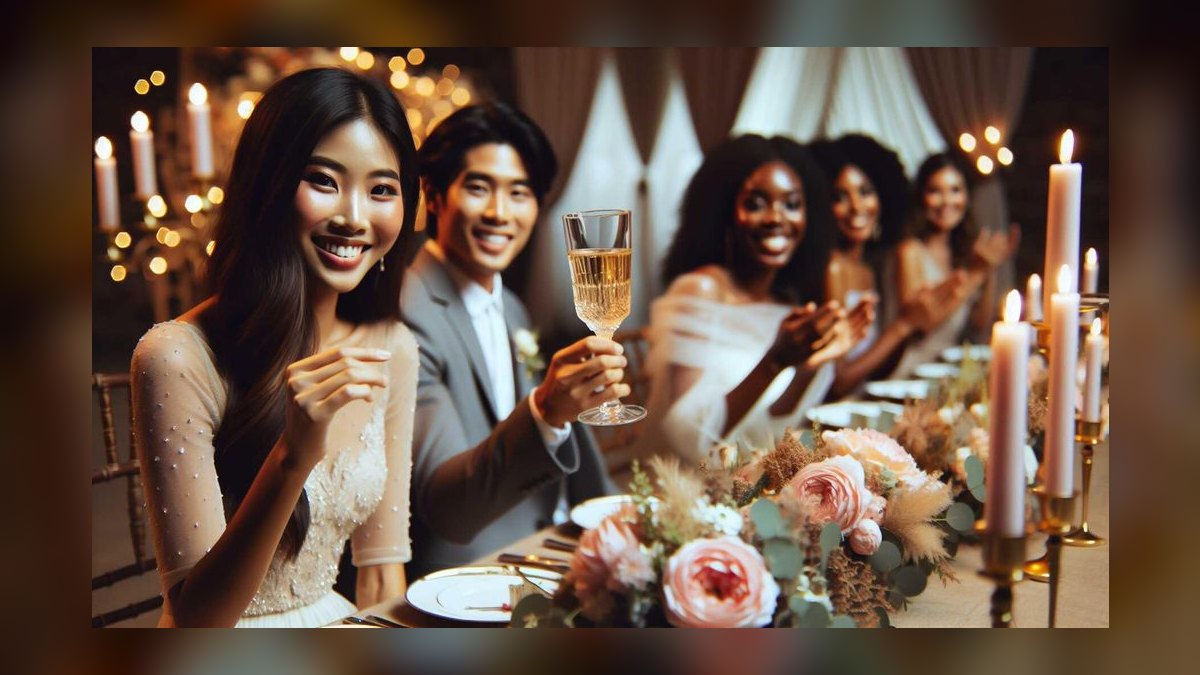
Finally, the toast itself: a short, heartfelt wish for the future. This should be no more than three sentences, delivered with eye contact to the couple. Raise your glass slightly, pause for effect, and say something like, “To Mark and Lisa: may your home be filled with laughter, your hearts with kindness, and your fridge with leftovers. Cheers.” The structure—hook, story, toast—keeps the audience engaged and ensures you don’t ramble. Practice it aloud three times to make the transitions feel smooth, not robotic.
What Should You Avoid in a Best Friend’s Wedding Toast?
Avoiding common pitfalls can save your toast from falling flat. First, never mention ex-partners or past relationships—even in a joking way. A comment like, “I’m glad you finally upgraded from your college girlfriend” can create awkwardness and hurt feelings. The focus should remain solely on the couple’s present and future. Second, avoid inside jokes that exclude the majority of guests. While a quick reference to a shared experience is fine if you briefly explain it, long-winded stories about “that time in Cancun” will leave half the room bored and checking their phones.
Third, steer clear of negative or overly critical humor. Roasts can work if the couple has a thick skin, but wedding toasts are celebrations, not comedy sets. Avoid poking fun at the partner’s quirks, the friend’s flaws, or any aspect of the wedding planning. Instead, use humor that uplifts—like a funny but loving observation about how the couple balances each other out. For instance, “Tom is the planner, and Sarah is the spontaneity—together, they’ve mastered the art of getting lost and finding their way back.”
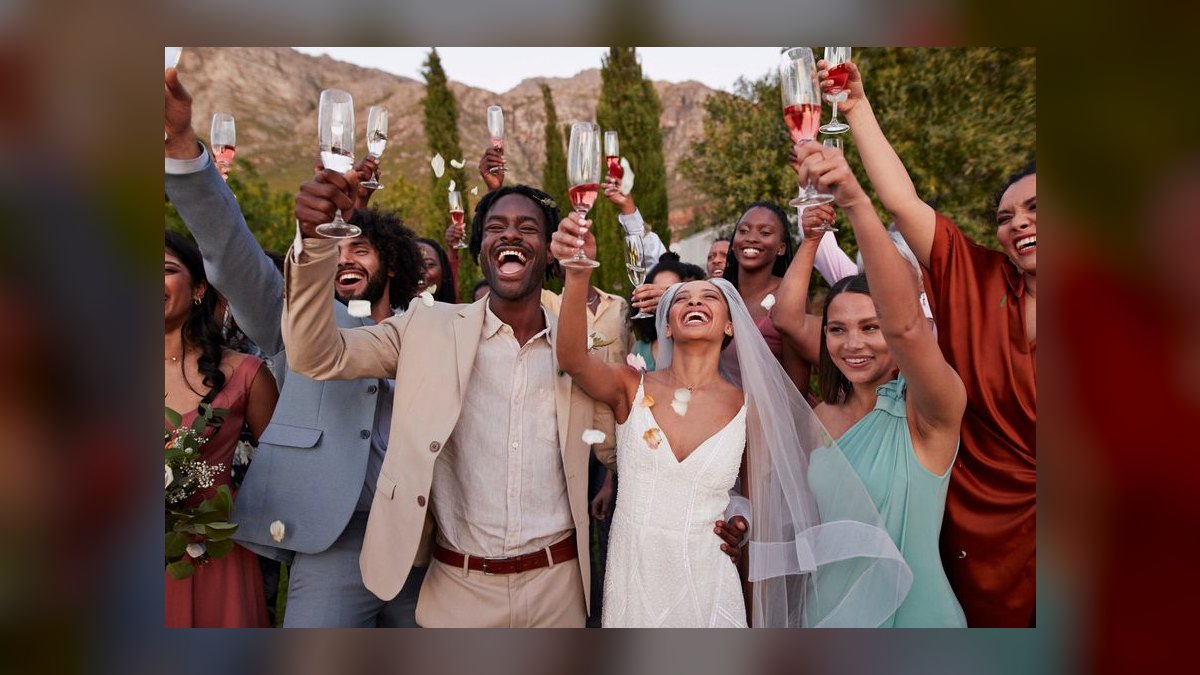
Fourth, don’t drink too much before speaking. A single glass of champagne to steady your nerves is fine, but more than that can lead to slurred words, forgotten lines, or inappropriate comments. The goal is to be present and authentic, not to perform under the influence. Finally, avoid reading your entire toast from a phone or piece of paper. Instead, use note cards with bullet points or key phrases. This keeps you engaged with the audience and makes the toast feel more natural and heartfelt. If you lose your place, a simple pause and smile is charming, not a failure.
How Can You Handle Nerves and Delivery Like a Pro?
Even experienced speakers get nervous before a wedding toast—it’s a room full of people who matter to you, and the stakes feel high. The key is to channel that energy into presence, not panic. Start by practicing your toast out loud at least five times in the days leading up to the wedding. Say it in the shower, while driving, or to a friend. This builds muscle memory so that even if your mind goes blank, your mouth remembers the next line. Keep a printed copy of your full toast in your pocket as a backup, but aim to speak from bullet points on a small card.
On the day, arrive at the reception with a full stomach and hydrated—avoid caffeine or alcohol right before your speech. When you’re called up, take one slow, deep breath before you begin. This calms your nervous system and gives you a moment to ground yourself. Plant your feet shoulder-width apart, hold your glass in your non-dominant hand (so your gesture hand is free), and make eye contact with a friendly face—often a parent or your partner—to steady your gaze.
If your voice wavers or you lose your place, don’t panic. Pause, smile, and glance at your notes. The audience is rooting for you, not judging you. A brief, genuine pause can actually make your next words land harder. Avoid apologizing for nerves—it draws attention to what you’d rather have go unnoticed. Instead, if you need a moment, take a sip of water or simply say, “Okay, where was I?” with a grin. The room will laugh with you, not at you. Pro tip: Keep a backup copy of your toast in your phone notes, just in case. And if the microphone feedback screeches or someone drops a glass mid-sentence, roll with it. A quick ad-lib (“Even the universe is applauding”) can turn a hiccup into a highlight.
What Timing and Room-Reading Skills Matter Most?
A great toast doesn’t just say the right words—it lands at the right moment. Ideally, you’ll speak after dinner but before dancing, when guests are settled and attentive but not yet restless. Check with the couple or wedding coordinator a few days ahead to confirm the schedule. If you’re one of multiple speakers, aim to go second or third—the first toast sets the tone, and later ones can feel rushed. Keep your toast between 2 and 3 minutes. Any longer, and you risk losing the room; any shorter, and it might feel perfunctory.
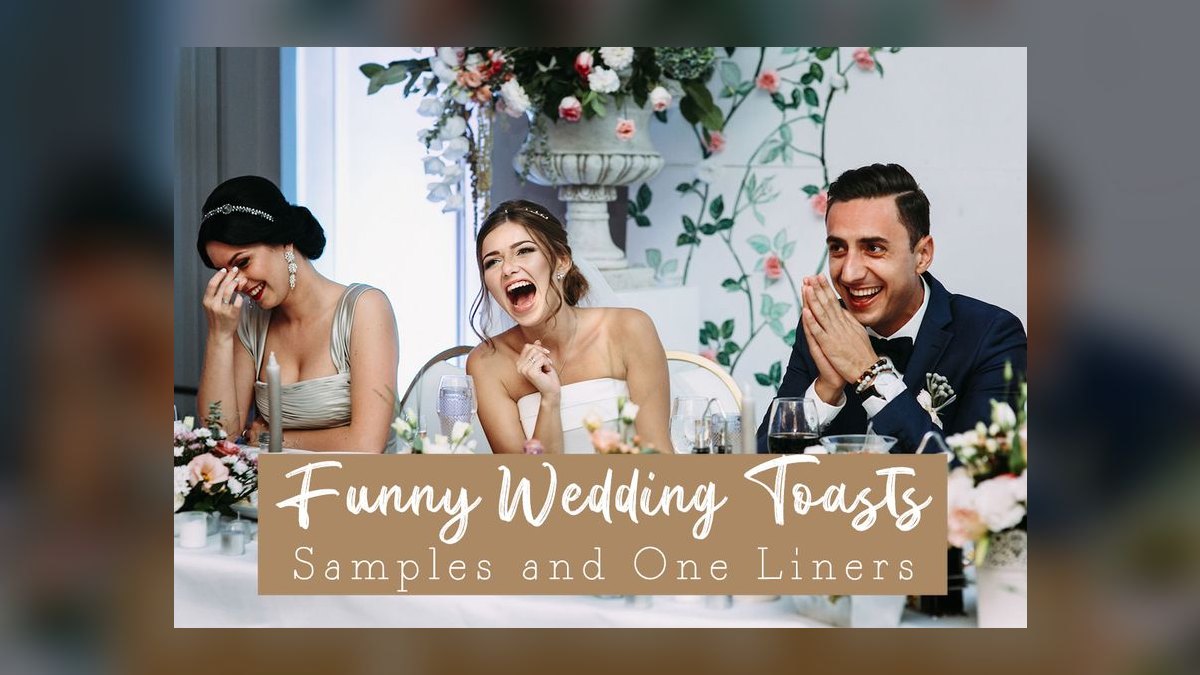
Pay attention to the energy in the room. If the crowd is rowdy and laughing, lean into humor. If the vibe is more emotional and tender, slow down and let your words breathe. Watch the couple’s faces—if they’re tearing up, you’re in the sweet spot. If they’re glancing at each other nervously, wrap up gracefully. A good rule of thumb: end on a forward-looking note—a wish for their future, a call for everyone to raise a glass—rather than dwelling on the past. Something like, “To a lifetime of mornings where you make each other coffee and afternoons where you make each other laugh” closes the loop with warmth and optimism.
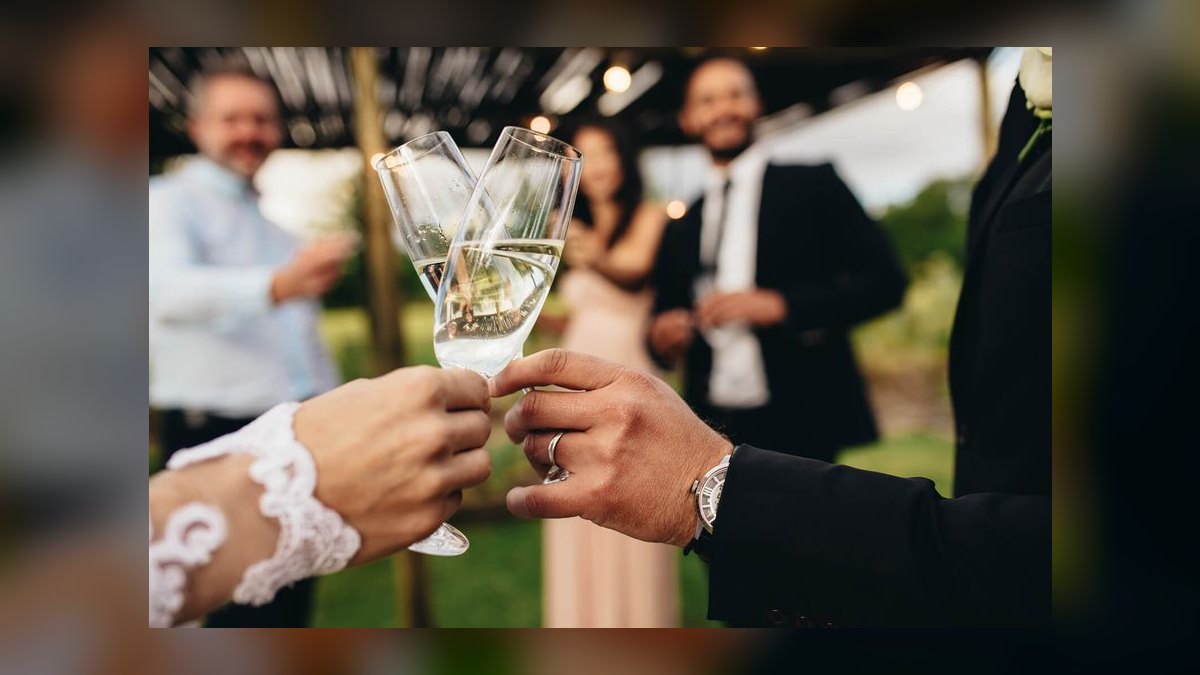
Remember, the toast is a gift to the couple, not a performance for applause. If you speak from a place of genuine affection and keep the focus on them, you’ll hit the mark—whether you’re a natural or a nervous wreck. And when you clink your glass at the end, the room will rise with you. For more on mastering public speaking at events, check out How to Keep a Wedding Toast Under Three Minutes.
How Does Personal Storytelling Elevate a Wedding Toast?
Personal storytelling transforms a wedding toast from a list of compliments into a shared emotional experience. The most powerful stories follow a simple structure: setup, conflict, resolution. The setup introduces your friend’s character—perhaps they’re notoriously clumsy or endlessly optimistic. The conflict shows a challenge they faced, like a difficult breakup or a career setback. The resolution reveals how their partner helped them grow or find joy. For example: “I remember when Jake lost his job and spent weeks spiraling. Then Sarah showed up with takeout and a spreadsheet of job leads. That’s when I knew she was the one.”
This narrative approach works because it mirrors how humans process emotions—through cause and effect, not bullet points. It also makes the toast feel exclusive to you; no one else can tell that exact story. To craft your own, think of a moment when your friend’s partner brought out the best in them, or when you saw the couple face a challenge together. Keep it positive and focused on growth, not hardship. A story about a shared vacation that went wrong but ended with laughter is perfect—it shows resilience and joy.
The emotional peak of your toast should come just before the final raise of the glass. This is where you slow down, make eye contact with the couple, and deliver a line that captures the essence of their love. Something like, “In a world full of noise, they found a quiet certainty in each other” can bring the room to a hush. For more on emotional storytelling in speeches, explore A Eulogy for a Close Friend.
Related questions
How do you start a wedding toast for a best friend?
Begin by introducing yourself and your connection to the couple, then share a brief, warm memory that sets a personal tone. For example, “I’m Alex, and I’ve been Jamie’s best friend since we were roommates in college, surviving on ramen and bad decisions.”
What is the ideal length for a best friend’s wedding toast?
Aim for 2 to 3 minutes when spoken, which is roughly 250 to 400 words. This is long enough to share a meaningful story but short enough to keep the audience engaged and the reception moving.
Should you use notes during a wedding toast?
Yes, using small note cards with bullet points is recommended to stay on track without reading verbatim. This keeps your delivery natural and allows you to maintain eye contact with the couple and guests.
How do you handle a wedding toast if you’re shy or nervous?
Practice aloud several times beforehand, keep a backup copy handy, and focus on the couple’s happiness rather than your own anxiety. Taking a slow breath before starting and speaking at a measured pace can help calm nerves.
Can you include a funny story in a wedding toast?
Yes, light humor works well if the story is kind, inclusive, and short. Avoid embarrassing or overly personal anecdotes; instead, choose a funny moment that highlights the couple’s compatibility or your friend’s endearing quirks.
What should you do if you forget your lines during the toast?
Pause, smile, and glance at your notes. A brief silence feels longer to you than to the audience, and a genuine smile can turn a stumble into a charming moment. Simply say, “Let me find my place,” and continue.
FAQ
How long should a best friend’s wedding toast be? Aim for 2 to 3 minutes when spoken—roughly 250 to 400 words. This is enough time to share a heartfelt story without losing the room’s attention. Shorter is almost always safer than longer.
What’s the best way to start a wedding toast for a best friend? Introduce yourself and your relationship to the couple, then lead with a brief, warm memory that captures your friendship. Avoid inside jokes; instead, pick a moment that shows your friend’s character or the couple’s bond.
Should I include humor in a best friend’s wedding toast? Yes, light humor works well, but keep it kind and inclusive. A funny, self-deprecating anecdote or a sweetly awkward moment from your friendship can land beautifully—just steer clear of embarrassing stories that might make anyone uncomfortable.
How do I handle nerves when giving the toast? Practice out loud several times beforehand, and keep a printed copy or note cards handy. Take a deep breath before you start, speak slowly, and focus on the couple—your genuine affection will carry the moment more than perfect delivery.
Is it okay to mention the couple’s challenges or how they met? Yes, if the story is uplifting and shows their strength or growth. Avoid any hint of drama or past struggles that could feel heavy. The goal is to celebrate their journey, not rehash hard times.
What should I avoid saying in a best friend’s wedding toast? Skip any references to exes, past relationships, or inside jokes that isolate others. Also avoid overly long stories, drinking too much before speaking, and any remarks that could be seen as critical of the marriage or the wedding planning.
How can I make my toast feel more authentic? Write the toast in your own voice, using conversational language and specific details from your friendship. Practice it aloud until it feels natural, and don’t be afraid to pause or show emotion—the audience will connect with your genuine feelings.
What if I’m the best man or maid of honor and have to toast for two? If you’re toasting for both the best man and maid of honor, coordinate with the other speaker to avoid repeating stories. Each person should focus on a different aspect of the couple’s relationship or a different memory.
Can I toast in a group setting with multiple speakers? Yes, but keep your part brief—aim for 1 to 2 minutes. Coordinate with other speakers to ensure the total time doesn’t exceed 10 minutes. A group toast can be powerful if each person shares a short, unique perspective.
How do I end a wedding toast powerfully? End with a forward-looking wish for the couple’s future, delivered with eye contact and a raised glass. For example, “To a lifetime of laughter, love, and a few more terrible puns. Cheers.” This leaves the room with a warm, hopeful feeling.
Sources
- The Knot - Wedding Toasts and Speech Writing
- Brides Magazine - Best Man and Maid of Honor Speech Tips
- Toastmasters International - Public Speaking and Toast Delivery
- Emily Post Institute - Etiquette for Wedding Toasts
- Psychology Today - Emotional Impact of Personal Storytelling
- American Wedding Association - Wedding Traditions and Speech Structure
- Harvard Business Review - The Science of Storytelling in Speeches
- Inc. Magazine - Public Speaking Tips for Nervous Presenters
Related on PULSE
- [A Toast for a Friend’s Big Milestone](/knowledge/sp0068)
- [A Toast for a Sibling’s Wedding](/knowledge/sp0096)
- [A Toast for a Milestone Wedding Anniversary](/knowledge/sp0132)
- [A Father of the Bride Wedding Toast](/knowledge/sp0044)
- [How to Keep a Wedding Toast Under Three Minutes](/knowledge/sp0255)
- [A Mother of the Groom Wedding Toast](/knowledge/sp0067)
@Kory-White- · if Venmo asks, the last 4 of my number are 2012
 pulse-moviesTop 10 Movies on Netflix 2027
 pulse-moviesTop 10 Movies on Max 2027
 pulse-moviesTop 10 Fantasy Movies of All Time in 2027
 pulse-moviesTop 10 Documentaries of All Time in 2027
 pulse-moviesTop 10 Superhero Movies of All Time in 2027
 pulse-moviesTop 10 Romance Movies of All Time in 2027
 pulse-moviesTop 10 Westerns of All Time in 2027
 pulse-moviesTop 10 Musical Movies of All Time in 2027
 pulse-moviesTop 10 Thriller Movies of All Time in 2027
 pulse-moviesTop 10 Crime Movies of All Time in 2027