
A Graduation Speech for a College Commencement
 Curated byKory White · Fractional CRO · Maryland
 PULSEKNOWLEDGE LIBRARY
Quality
Certified

A college commencement speech is a formal address delivered to graduating students and their families during a graduation ceremony, typically lasting 10 to 20 minutes, though the most effective speeches often run between 5 and 10 minutes. It offers congratulations, reflects on shared experiences, and provides wisdom for the future, often delivered by a notable guest, faculty member, or student representative. The best speeches balance authenticity, emotional resonance, and practical guidance to leave a lasting impression on the audience, moving beyond generic platitudes and into specific, shared moments that define the graduating class's unique journey. To craft a speech that truly connects, you must understand the emotional arc, delivery techniques, and common pitfalls that separate a forgettable address from one that resonates for years.
To craft a speech that truly connects, you must move beyond generic platitudes and into specific, shared moments that define the graduating class's unique journey. This guide provides a complete framework for writing and delivering a commencement address that feels personal, purposeful, and powerful—whether you're a student speaker, faculty member, or invited guest. By understanding the essential elements, emotional structure, and delivery techniques, you can create a speech that honors the moment while inspiring action, leaving both graduates and their families with a sense of hope, gratitude, and purpose.
What Are the Essential Elements of a College Commencement Speech?
A successful commencement speech requires more than just good writing; it demands a deep understanding of the audience and the moment. The speech must acknowledge the collective achievement while honoring individual struggles, offer genuine wisdom without sounding preachy, and inspire action without resorting to clichés. The most memorable addresses weave together three core components: a relatable opening that establishes connection, a substantive middle that delivers meaningful insights, and a closing that leaves the audience with a sense of purpose.

The opening should accomplish three things simultaneously: acknowledge the gravity of the moment, establish authentic connection with the graduates, and signal that this will not be a recycled collection of platitudes. Effective openings often begin with a specific, sensory detail from the graduates' shared experience—not "four years ago you arrived as freshmen," but rather "I remember standing where you are now, sweating through my gown in a June heatwave, wondering if my cap would stay on when the breeze picked up." This specificity creates an immediate bridge between speaker and audience, saying, "I was you. I understand this moment from the inside." The middle section should offer genuine insights drawn from personal experience, whether from the speaker's own life or from observations of the graduates' journey. This is where you can share hard-won lessons about failure, resilience, and the unexpected paths that lead to meaningful success. Avoid the temptation to offer generic advice like "follow your dreams" without concrete examples. Instead, share a specific story about a time you failed, what you learned, and how that failure ultimately served you. The most powerful moments come from vulnerability, not authority. The closing should offer a call to action that is specific and actionable, leaving the audience with a feeling of being seen, capable, and ready for the uncertain future.
How Do You Structure the Emotional Arc of a Commencement Speech?
The emotional arc of a commencement speech should move the audience through a carefully orchestrated journey—from shared recognition of the past, through acknowledgment of present challenges, to hope for the future. This structure mirrors the graduates' own emotional experience: they are simultaneously nostalgic for what's ending, anxious about what's beginning, and hopeful about what's possible.
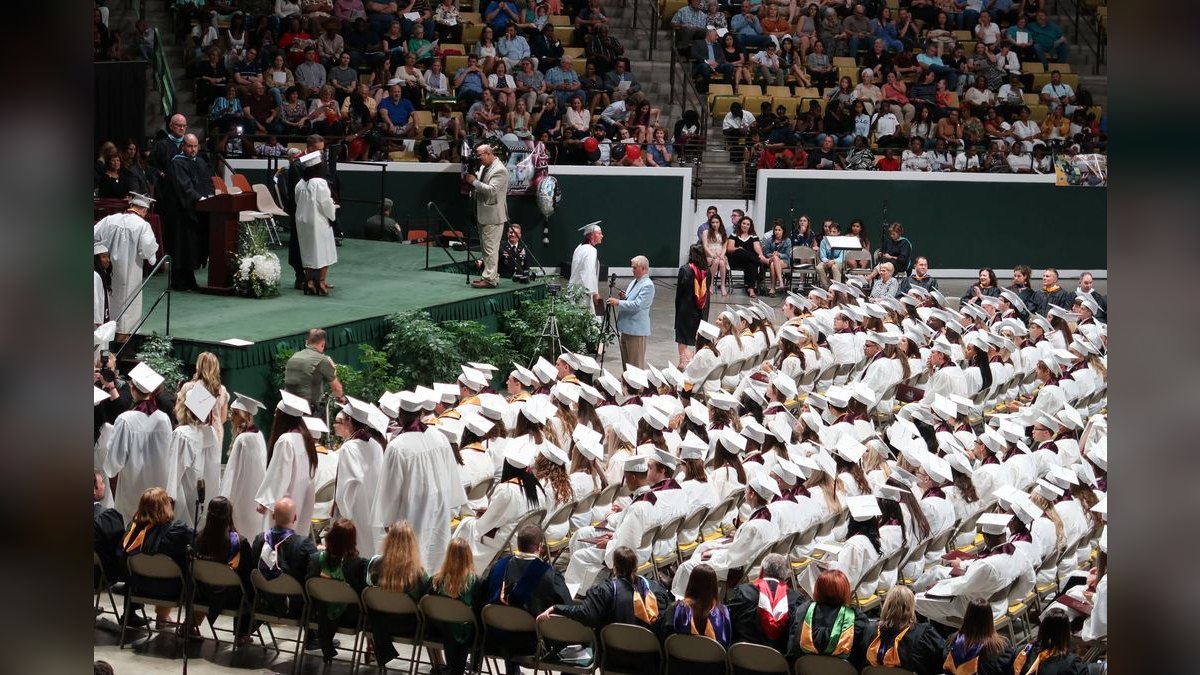
The opening should land on a shared memory that everyone in the audience recognizes—a snow day that shut down campus, a beloved professor's final lecture, a collective moment of crisis or celebration. This creates immediate unity. The recognition of challenges should be honest but not dwelling; acknowledge the students who transferred, failed classes, lost loved ones, or struggled with mental health. A simple sentence like "Some of you are here because everything went according to plan. Some of you are here despite everything falling apart. Both paths are valid" can be profoundly validating. The lessons learned should be specific to this class's experience, not generic wisdom. For more on structuring emotional arcs, see our guide on Steve Jobs’s Stanford Commencement (2005) — Key Passages and Lessons.
How Do You Adapt a Commencement Speech for Different Audiences?
Not all commencement speeches are the same. The tone, content, and length should vary based on the institution, the occasion, and the speaker's relationship to the audience. A speech at a large public university will differ significantly from one at a small liberal arts college, and a student speaker has a different role than a distinguished alumnus or faculty member.

For a student speaker, the most effective approach is to speak as a peer who has shared the journey. Use "we" rather than "you" to emphasize collective experience. Share inside jokes and specific memories that only this class would understand. The student speaker's authority comes not from life experience but from shared struggle—the late nights, the failed exams, the moments of doubt and triumph that define the college experience. For a faculty speaker, the tone can be more reflective and seasoned. Share observations from years of watching students grow and change. Offer perspective on what truly matters beyond grades and achievements. Faculty speakers can afford to be more philosophical, but should avoid sounding like a lecture. For an invited guest speaker, the challenge is to establish connection with an audience you don't know personally. Research the institution thoroughly: its history, traditions, recent achievements, and challenges. Reference specific details that show you've done your homework. Acknowledge that you're an outsider, but frame this as an advantage: "I don't know your specific stories, but I know the feeling of standing at a threshold, uncertain what comes next." This honesty builds trust. For more on student-specific speeches, see our guide on A Graduation Speech for a Graduate as the Class President.
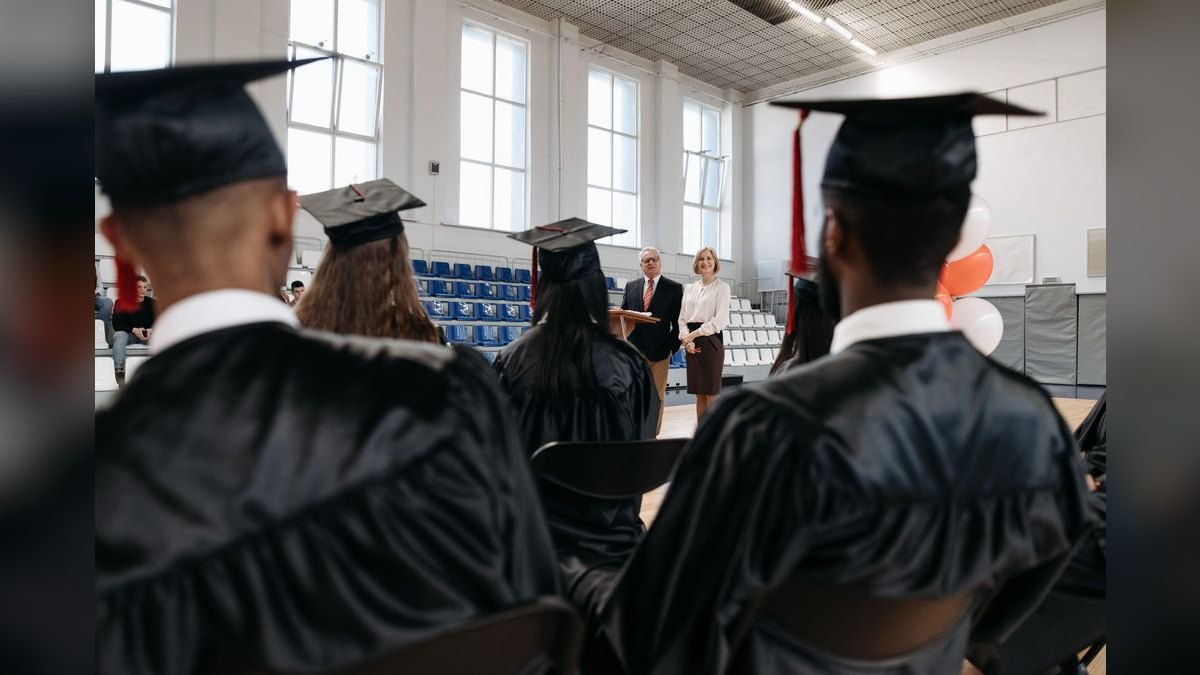
How Do You Practice and Refine a Commencement Speech?
Practicing a commencement speech is about more than memorizing words—it's about internalizing the message so that delivery feels natural and authentic. Start by reading the speech aloud multiple times, noting where you naturally pause, where your voice rises or falls, and where you feel emotional. Mark these moments on your script so you can emphasize them during delivery.
Record yourself delivering the speech and listen back critically. Pay attention to pacing, tone, and clarity. Are you rushing through important lines? Are you monotone? Are there moments where you can add a pause for effect? Practice in front of a mirror to observe your body language, eye contact, and gestures. Then, practice in front of a small, trusted audience—friends, family, or colleagues—and ask for honest feedback. Specifically, ask them if any part felt unclear, rushed, or disconnected. The day before the ceremony, practice in the actual venue if possible. Stand at the podium, test the microphone, and get a feel for the space. This reduces anxiety and helps you visualize success. On the day of the speech, arrive early, take deep breaths, and remind yourself that the audience is on your side. They want you to succeed. For more on refining delivery, see our guide on A Graduation Speech for a PhD Defense Celebration.
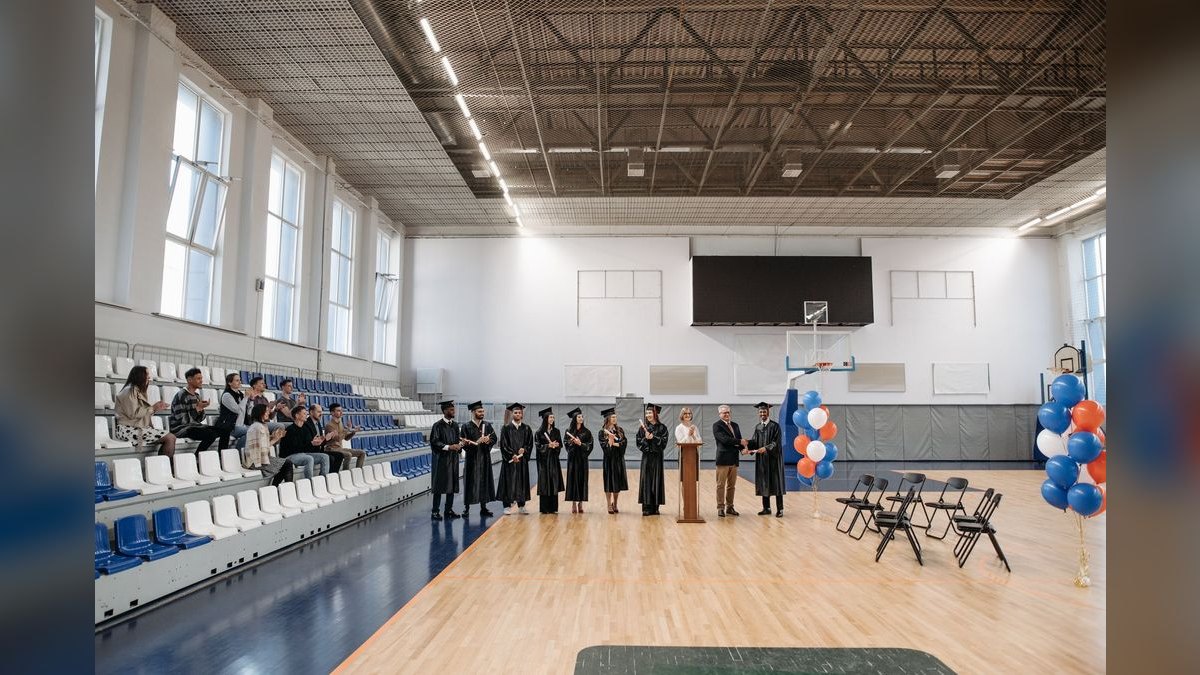
What Common Mistakes Should You Avoid in a Commencement Speech?
The most common mistakes in commencement speeches stem from trying too hard to be memorable. Overusing quotes from famous people makes the speech feel impersonal; original thoughts and personal reflections are usually more impactful. Political or divisive topics should be avoided, as the audience includes graduates, families, and faculty with diverse backgrounds. The occasion is meant to unite and celebrate, not to provoke or divide.
Another frequent error is the "triumph narrative"—the implication that everyone in the audience has had a straightforward journey to this moment. This erases the experience of graduates who transferred schools, took time off, failed classes, lost loved ones, or struggled with mental health. A more honest approach acknowledges the complexity of the journey without dwelling on the negative. Length is another common pitfall. Most commencement speeches should run between 5 and 10 minutes, not the 20 minutes that many speakers aim for. The audience has been sitting through introductions, processional music, and often multiple speakers. Their attention span is limited. Shorter speeches almost always leave a stronger impression. The best advice: say what you need to say, then stop. Leave the audience wanting more rather than checking their watches. Finally, avoid clichés and empty platitudes. "Follow your dreams," "reach for the stars," and "the sky's the limit" have been said so many times they've lost all meaning. Replace these with specific, actionable advice drawn from your own experience.

How Do Delivery Techniques Transform a Commencement Speech?
Delivery transforms good writing into a memorable experience. Even the most brilliant prose will fall flat if read monotonously from a podium, while a moderately well-written speech delivered with presence and authenticity can move people to tears. The key is to prepare the delivery as carefully as the content.
Eye contact is the single most important delivery technique. A speaker should scan the audience in sections—left, center, right—rather than fixing on one spot or reading from notes. The goal is to make each graduate feel, for a moment, that the speaker is speaking directly to them. This requires practice to the point where the words are so familiar that you can maintain eye contact while thinking about the meaning of the next sentence, not the words themselves. Pacing matters more than most speakers realize. Nerves often cause people to rush. A deliberate pause—two full seconds—after a significant line signals confidence and gives the audience time to absorb the moment. Silence is not dead air; it's active space. The best speakers are comfortable with silence. Voice modulation is another underutilized tool: lowering the volume for a serious moment draws the audience in; raising it slightly for a call to action creates energy. The worst delivery is monotone—a flat, unvarying pitch that signals boredom or disinterest. Physical presence also matters. Stand with feet shoulder-width apart, hands resting naturally at your sides or on the podium. Gestures should originate from the shoulder, not the wrist, and should return to a resting position between points. Avoid nervous habits like shuffling papers, adjusting your clothing, or rocking back and forth. If your voice catches on an emotional line, that's a feature, not a bug. Breathe, smile, and keep going. Authentic emotion connects with audiences far more powerfully than polished perfection.
Related Questions
What is a good opening line for a college commencement speech?
A strong opening acknowledges the moment with specificity, such as referencing a shared experience or a sensory detail from the ceremony itself. For example, "I remember standing where you are now, sweating through my gown in a June heatwave, wondering if my cap would stay on when the breeze picked up."
How long should a student speaker's commencement speech be?
Student speeches should run between 3 and 5 minutes, roughly 400 to 700 words spoken. This is enough time to share meaningful insights without losing the audience's attention, and it respects the overall ceremony schedule.
Should you memorize a commencement speech or read from notes?
Memorize the opening and closing completely so you can maintain eye contact during the most important moments. Keep the middle section on a single index card with bullet points, allowing you to look up for the meaningful lines while having a safety net.
How do you handle nerves when delivering a commencement speech?
Practice until the words are automatic, then focus on connecting with the audience rather than performing. Find three friendly faces in the crowd—left, center, right—and rotate your gaze among them. Breathe deeply and remember that the audience wants you to succeed.
What topics should be avoided in a commencement speech?
Avoid political commentary, divisive social issues, detailed criticism of the institution, overly personal anecdotes that exclude the audience, and negative or discouraging messages. The occasion is meant to inspire and celebrate collective achievement.
Can you use humor in a commencement speech?
Yes, light humor can be effective, but it should feel natural and not forced. Avoid inside jokes that exclude most of the audience and never use humor at anyone's expense. Self-deprecating humor often works best, as it makes the speaker relatable.
FAQ
How do you write a commencement speech that stands out? Focus on specificity over generality. Instead of broad advice, share one concrete story from your own experience or the class's journey. Use sensory details—sights, sounds, smells—to bring the moment to life. The most memorable speeches are personal, honest, and grounded in real experience rather than borrowed wisdom.
What is the ideal tone for a college commencement speech? The tone should be celebratory but honest, warm but not sentimental, and wise but not preachy. Acknowledge the joy of achievement while validating the anxiety of transition. The best tone is conversational, as if speaking to a friend, rather than formal and distant.
How many stories should a commencement speech include? One to two well-developed stories is usually sufficient. A single powerful story that illustrates your main message is more effective than several underdeveloped anecdotes. Each story should serve the larger purpose of the speech, not exist for its own sake.
Should you thank specific people in a commencement speech? Yes, but be strategic. A general thank-you to families, faculty, and staff is appropriate. If you name specific individuals, limit it to one or two people the entire audience will recognize. A list of names becomes tedious and excludes the majority of listeners.
How do you end a commencement speech powerfully? The closing should circle back to the opening, creating a sense of completion. End with a call to action that is specific and actionable, not vague. The final line should be short, memorable, and deliverable without notes. Practice it until you can say it with conviction while looking the audience in the eye.
What if you forget your lines during the speech? Pause, breathe, and refer to your notes. The audience will not notice a brief pause, but they will notice if you panic. Have your key points on an index card as a safety net. If you completely lose your place, take a sip of water and find your spot again. The audience is on your side.
Can you use a quote from a famous person in your speech? Use quotes sparingly, and only if they directly support your message and feel organic to the speech. The best quotes are those that the audience might not know, or that you can connect to a personal story. Overusing quotes makes the speech feel like a compilation rather than an original work.
How do you handle applause during the speech? Pause and acknowledge the applause with a smile or nod. Do not try to speak over applause, as this frustrates the audience. If applause interrupts your flow, take a breath, smile, and resume when it subsides. Treat applause as a gift, not an interruption.
Sources
- Harvard Business Review - How to Give a Great Commencement Speech
- The New York Times - Commencement Speech Advice
- TED Blog - 8 Tips for Giving a Great Commencement Speech
- Forbes - How To Write A Commencement Speech That Inspires
- American Psychological Association - Resilience and Motivation Research
- Toastmasters International - Public Speaking Tips
- Stanford University - Commencement Speech Archive
- National Speech & Debate Association - Speech Writing Resources
- Purdue Online Writing Lab - Speech Writing
- University of Michigan - Commencement Speeches and Public Address
Related on PULSE
This page will be disappearing soon. Save it to your device for $1 — or read it free while it is here.
@Kory-White- · if Venmo asks, the last 4 of my number are 2012
This page is gone.
This one is off the shelf now. $1 keeps it on your phone for good — the whole page, pictures and diagrams included.
 pulse-speechesA Toast for a Christening
 pulse-speechesWhat Makes Patrick Henry’s “Give Me Liberty” a Great Speech in 2027
 pulse-speechesA Toast for a Housewarming
 pulse-speechesA Speech for a Customer Appreciation Event
 pulse-speechesA Wedding Speech for a Second Marriage
 pulse-speechesWhat Makes David Foster Wallace’s “This Is Water” a Great Speech in 2027
 pulse-speechesHow to Tailor a Toast to the Audience in 2027
 pulse-speechesA Toast for a 100th Birthday
 pulse-speechesA Toast for a Quinceañera
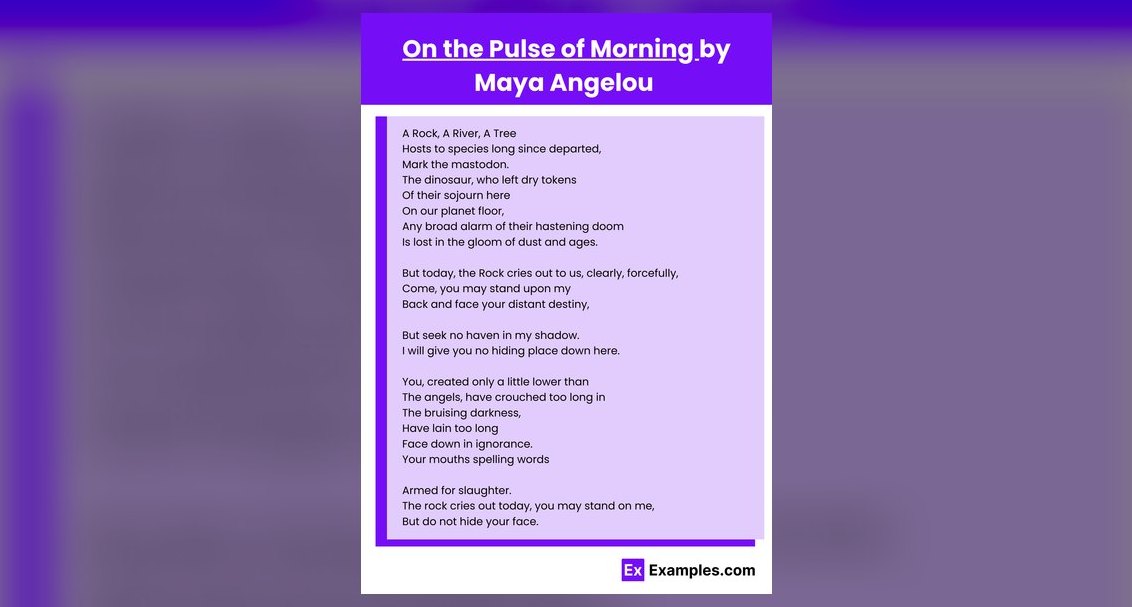 pulse-speechesWhat Makes Maya Angelou’s “On the Pulse of Morning” a Great Speech in 2027