
What Makes Patrick Henry’s “Give Me Liberty” a Great Speech in 2027
 Curated byKory White · Fractional CRO · Maryland
 PULSEKNOWLEDGE LIBRARY
Quality
Certified
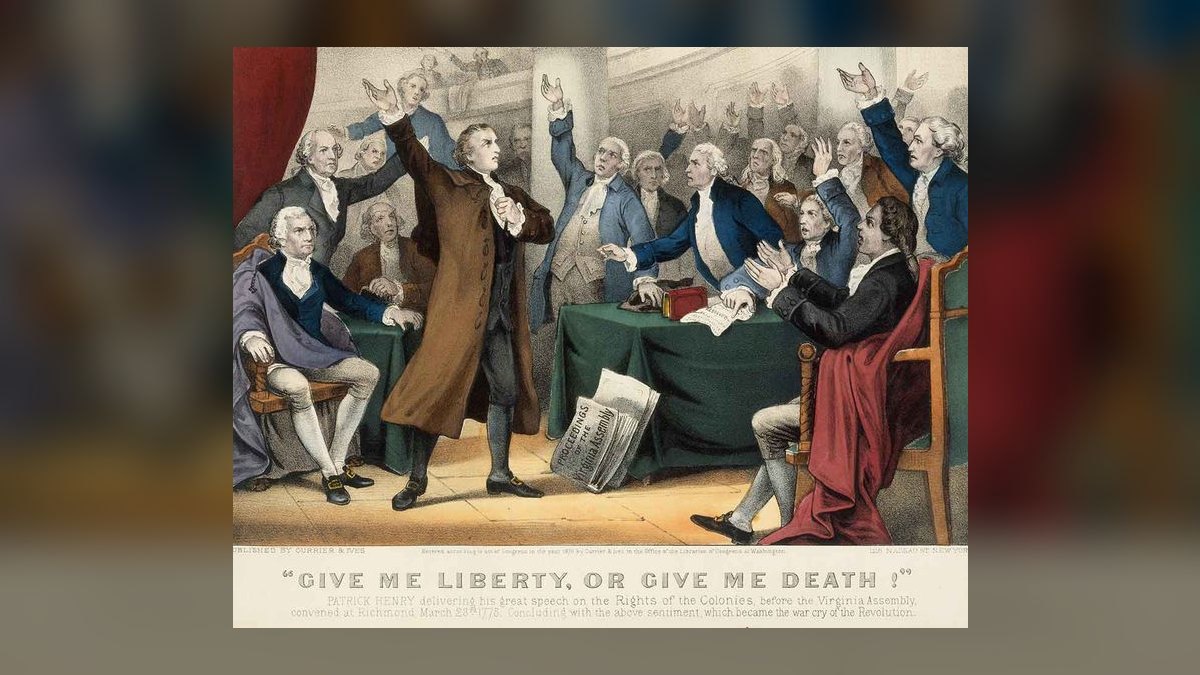
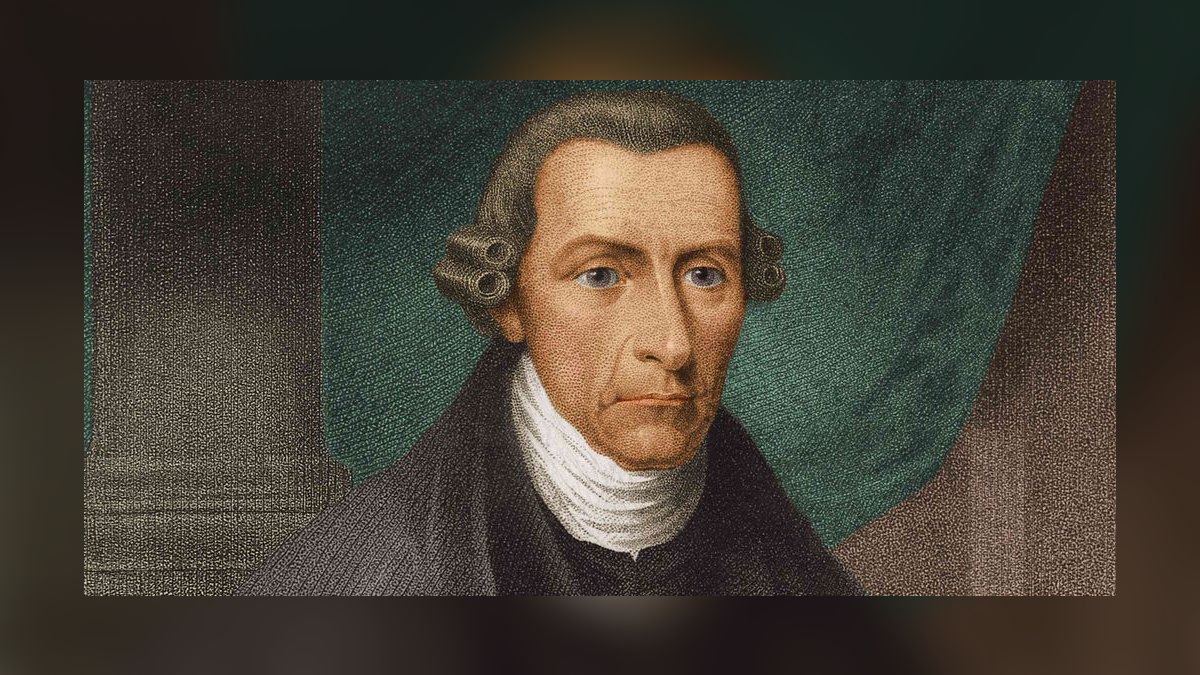
Patrick Henry's "Give Me Liberty or Give Me Death" speech is considered great because it masterfully combines rhetorical genius with profound moral conviction at a pivotal historical moment. Delivered on March 23, 1775, at the Second Virginia Convention, the speech transformed a hesitant colonial assembly into a unified force ready to embrace revolution. Its enduring power lies in Henry's ability to frame the debate as an inescapable moral choice between liberty and tyranny, using emotional appeals, rhetorical questions, and a climactic ultimatum that still resonates across centuries.
The speech works by cornering its audience—gently, fairly, but completely—until the only honest move left is the one Henry demands. He does not simply argue for independence; he makes neutrality feel like a moral failure, forcing listeners to confront the stakes of inaction with visceral clarity.
How Did Patrick Henry Use Rhetorical Questions to Persuade His Audience?
Patrick Henry's use of rhetorical questions is perhaps the most technically brilliant element of his speech, transforming passive listeners into active participants in their own persuasion. Throughout the address, Henry deploys questions that his audience cannot answer without betraying their own principles. For example, when he asks, "Shall we try argument? Sir, we have been trying that for the last ten years. Have we anything new to offer upon the subject? Nothing," he systematically closes off every escape route his listeners might take. Each question is carefully designed to make the audience realize that the path of continued negotiation is not just unwise but intellectually dishonest.
This technique, known in classical rhetoric as *erotema*, forces listeners to complete the argument in their own minds. Henry's questions are never neutral—they are loaded with moral weight, making any answer other than the one he provides seem cowardly or self-deceiving. The cumulative effect is devastating: by the time he reaches "Is life so dear, or peace so sweet, as to be purchased at the price of chains and slavery?", his audience has already mentally answered every prior question, making the final declaration feel like a natural conclusion rather than a radical demand. For those studying speechwriting, this demonstrates that the most persuasive questions are those that trap your audience logically before they can formulate a counterargument. To learn more about structuring persuasive arguments, see our guide on how to build a compelling case in any speech.
What Emotional Journey Does the Speech Take Its Audience On?
The emotional architecture of "Give Me Liberty or Give Me Death" follows a deliberate arc that mirrors the stages of moral awakening, moving from respectful disagreement to righteous determination. Henry begins with measured deference, acknowledging his opponents as "gentlemen" and praising their patriotism. This initial tone disarms potential critics and establishes his credibility before he launches his attack. He then gradually escalates the emotional temperature, moving from logical argument to increasingly urgent appeals as he catalogs British grievances.
The speech's emotional progression can be visualized as a journey through five distinct stages: from respectful disagreement, to reasoned analysis of British actions, to mounting frustration with inaction, to righteous anger at the prospect of continued submission, and finally to a climactic call for decisive action. This structure is not accidental—Henry understood that audiences must be led emotionally before they can be led logically. By the time he reaches his famous closing line, his listeners have traveled such a complete emotional journey that the declaration feels like the only possible response. The genius of this architecture is that it makes the audience feel as though they have arrived at the conclusion themselves, rather than having it imposed upon them. This same principle applies to modern speeches, whether you're rallying a team or addressing a community—the emotional arc must feel earned, not manufactured.
Why Does the Speech's Famous Closing Line Work So Effectively?
The closing line—"Give me liberty, or give me death!"—works because it represents the culmination of every rhetorical technique Henry deployed throughout the speech. The line is memorable not just for its dramatic content but for its structural perfection: it is short, rhythmic, and delivers an ultimatum that leaves no room for compromise. Henry builds to this moment by shortening his sentences as the stakes rise, moving from long, qualified clauses to single beats that accelerate like a heartbeat before a decision. The final line lands only after every other argument has been exhausted, making it feel inevitable.
What makes the closing especially powerful is Henry's willingness to stake his own life on his principles. When he says "as for me," he separates himself from the crowd and dares his listeners to join him or accept a lower standard. This personal testimony transforms the speech from an argument into an act of leadership by example. The audience is not asked to vote on an abstract proposition; they are asked to decide whether they share the speaker's conviction. For contemporary speakers, this demonstrates that the most powerful closings are those that require the speaker to risk something real. If your speech ends with a safe, comfortable statement, it will not move anyone. The line must cost you something to say.
How Did the Speech's Historical Context Shape Its Impact?
The historical context of March 1775 was crucial to the speech's effectiveness, as the colonies stood at a genuine crossroads between reconciliation and revolution. The Second Virginia Convention had been called to debate whether to arm a militia against British forces, but many delegates still hoped for a peaceful resolution through continued petitioning. Henry recognized that this moment of indecision was dangerous—without a decisive push, the colonies might drift into submission without ever consciously choosing it. His speech seized this specific historical window and forced a decision.
The speech's power came partly from its timing: it was delivered just weeks before the Battles of Lexington and Concord, which would make war inevitable. Henry could not have known this, but his speech created the psychological conditions that made armed resistance feel necessary and honorable. He reframed the debate from a political calculation to a moral imperative, arguing that continued negotiation was not just futile but corrupting. By naming the stakes as "chains and slavery," he made compromise feel like betrayal. This technique—framing a complex political issue as a stark moral choice—is one of the most powerful tools in persuasive speaking. To see how this same approach works in other historical contexts, explore our analysis of what makes Winston Churchill's "Their Finest Hour" a great speech.
What Rhetorical Devices Beyond Rhetorical Questions Does Henry Use?
Beyond rhetorical questions, Henry employs a sophisticated arsenal of rhetorical devices that work together to create the speech's overwhelming effect. He uses *anaphora*—the repetition of a word or phrase at the beginning of successive clauses—to build rhythm and emphasis. When he repeats "We have" in describing failed petitions, the repetition creates a drumbeat of frustration that makes the audience feel the weight of accumulated grievances. He also uses *antithesis*, placing opposing ideas side by side to sharpen the moral choice: "liberty or death" is the most famous example, but the entire speech is structured around the contrast between freedom and slavery, action and inaction.
Henry also deploys *pathos* through vivid imagery that makes abstract political concepts feel visceral and immediate. When he speaks of "chains and slavery," he is not describing a theoretical possibility but painting a picture his audience can see and feel. His use of *ethos* is equally masterful—he establishes his moral authority by acknowledging his opponents' sincerity while arguing that their position is nevertheless wrong. This combination of devices creates a speech that works on multiple levels simultaneously: the logic appeals to the mind, the rhythm appeals to the body, and the imagery appeals to the heart. For speakers today, the lesson is clear: the most persuasive speeches do not rely on a single device but weave multiple techniques together into a seamless whole.

How Has the Speech Influenced American Rhetoric and Political Culture?
Henry's speech established a template for American protest rhetoric that persists to this day, shaping everything from abolitionist oratory to civil rights speeches. His combination of moral absolutism, urgent language, and personal sacrifice echoes through figures like Frederick Douglass, who used similar rhetorical structures in his "What to the Slave is the Fourth of July?" address. Martin Luther King Jr.'s "Letter from Birmingham Jail" follows the same pattern of identifying a moral crisis, condemning compromise as complicity, and demanding immediate action. The speech's structure has become the standard framework for movements seeking transformative change.
The speech's influence extends beyond politics into corporate culture, nonprofit advocacy, and even personal development. Leaders in every field have borrowed Henry's technique of framing decisions as moral choices rather than practical calculations. The phrase "Give me liberty or give me death" has entered the language as a shorthand for absolute commitment to a principle. This enduring influence demonstrates that the most powerful speeches do not just persuade their immediate audience—they create frameworks that future speakers can use to make their own arguments. For those looking to understand the full scope of Henry's impact on American oratory, our piece on what makes Sojourner Truth's "Ain't I a Woman?" a great speech shows how this same rhetorical tradition evolved to serve different causes.
What Can Modern Speakers Learn from the Speech's Structure?
Modern speakers can extract several practical lessons from Henry's rhetorical architecture that apply to any speaking context. First, the speech demonstrates the power of *compression*: Henry's most famous line is only seven words, yet it carries more weight than paragraphs of explanation. This teaches that the most memorable part of any speech should be the shortest and most direct statement of your core conviction. Second, the speech shows the importance of *escalation*: Henry does not start at his highest emotional pitch but builds toward it, giving the audience time to travel with him emotionally.
Third, the speech reveals the value of *personal testimony*: Henry's willingness to stake his own life on his argument transforms him from a debater into a leader. For modern speakers, this means that the most powerful moments often come when you reveal what you personally risk or believe, not when you present the most logical argument. Fourth, the speech teaches the technique of *closing exits*: Henry systematically answers every objection before it can be raised, leaving his audience with no comfortable place to hide. This is particularly useful in persuasive speeches where your audience may be resistant to your message. By anticipating and dismantling counterarguments, you make agreement feel like the only intellectually honest option.
Related questions
What other famous speeches use rhetorical questions effectively?
Martin Luther King Jr.'s "I Have a Dream" uses rhetorical questions to challenge the audience, as does Frederick Douglass's "What to the Slave is the Fourth of July?" Both speakers, like Henry, force listeners to confront uncomfortable truths through carefully crafted questions.
How did the Second Virginia Convention respond to Henry's speech?
Eyewitness accounts describe the convention as deeply moved, with many delegates shouting in support. The convention ultimately voted to arm the Virginia militia, though Henry's speech was one of several factors in that decision.
Can Henry's speechwriting techniques work for modern business presentations?
Yes, the same techniques—rhetorical questions, emotional escalation, personal testimony, and closing ultimatums—are highly effective in modern contexts like sales pitches, leadership addresses, and advocacy presentations.
Why do some historians question the accuracy of the speech's text?
The exact wording comes from Henry's biographer William Wirt, who reconstructed it years later based on eyewitness memories. While the core argument and famous line are well-attested, some specific phrases may be dramatized.
What makes a closing line memorable in public speaking?
Memorable closing lines are short, rhythmic, personally costly to the speaker, and delivered after all other arguments have been exhausted. They frame the audience's choice as unavoidable and morally significant.
FAQ
What is the main reason Patrick Henry's speech is considered great? The speech is considered great because it masterfully combines rhetorical techniques—especially rhetorical questions, emotional escalation, and personal testimony—to frame a complex political debate as an unavoidable moral choice, making independence feel both urgent and inevitable.
Was the speech actually delivered as we know it today? No, the version we have comes from a reconstruction by Henry's biographer William Wirt, published in 1817. Wirt relied on the memories of those who heard the speech, so the text is likely a polished dramatization rather than a verbatim transcript.
How long did the speech actually take to deliver? The speech as reconstructed is relatively short, likely taking about 5-10 minutes to deliver. Its brevity contributes to its power—Henry compressed his argument into its most essential form, leaving no room for distraction.
Did Henry's speech single-handedly cause the American Revolution? No, the revolution resulted from many factors including British taxation policies, colonial protests, and events like the Boston Massacre. Henry's speech helped push the Virginia Convention toward supporting independence, but it was one influence among many.
Why do people still quote "Give me liberty or give me death" today? The phrase has become a universal shorthand for absolute commitment to a principle. Its brevity, rhythm, and dramatic structure make it easy to remember and adapt for any context where someone is taking a stand.
What is the most important lesson modern speakers can learn from Henry? The most important lesson is that great speeches corner their audience rather than inform them. Henry systematically closed every exit until the only honest move left was the one he wanted, teaching modern speakers to anticipate and dismantle counterarguments.
How does Henry's speech compare to other revolutionary oratory? Henry's speech is more emotionally direct and personal than many revolutionary addresses. While others like Thomas Paine wrote for a reading audience, Henry's speech was designed for immediate oral delivery, making it more dramatic and visceral.
Sources
- National Archives - Patrick Henry's Give Me Liberty or Give Me Death
- Library of Congress - Primary Documents in American History
- The Gilder Lehrman Institute of American History - Patrick Henry Essay
- Colonial Williamsburg Foundation - Patrick Henry Biography
- University of Virginia Miller Center - American Political Speechmaking
- PBS American Experience - Patrick Henry Documentary
- Smithsonian Magazine - The Speech That Changed the Revolution
- History.com - Patrick Henry's Give Me Liberty Speech
- Bill of Rights Institute - Patrick Henry and the Revolution
Related on PULSE
- Patrick Henry’s Give Me Liberty or Give Me Death (1775) — Text and Lessons
- What Makes Winston Churchill's "Their Finest Hour" a Great Speech
- What Makes Lincoln’s Gettysburg Address a Great Speech
- What Makes FDR’s “Nothing to Fear” a Great Speech
- What Makes Susan B. Anthony's "On Women's Right to Vote" a Great Speech
- What Makes Steve Jobs’ Stanford Commencement a Great Speech
This page will be disappearing soon. Save it to your device for $1 — or read it free while it is here.
@Kory-White- · if Venmo asks, the last 4 of my number are 2012
This page is gone.
This one is off the shelf now. $1 keeps it on your phone for good — the whole page, pictures and diagrams included.
 pulse-speechesA Wedding Speech for a Groomsman
 pulse-speechesA Speech for a Company 10th Anniversary
 pulse-speechesHow to Keep a Wedding Toast Under Three Minutes in 2027
 pulse-speechesA Speech for an IPO Celebration
 pulse-speechesA Speech for a Church Anniversary
 pulse-speechesA Toast for a Milestone Wedding Anniversary
 pulse-speechesA Toast for a 100th Birthday
 pulse-speechesWhat Makes JFK’s Inaugural Address a Great Speech in 2027
 pulse-speechesA Speech for an Employee of the Year
 pulse-speechesWhat Makes David Foster Wallace’s “This Is Water” a Great Speech in 2027