
A Retirement Speech for a Union Member
 Curated byKory White · Fractional CRO · Maryland
 PULSEKNOWLEDGE LIBRARY
Quality
Certified
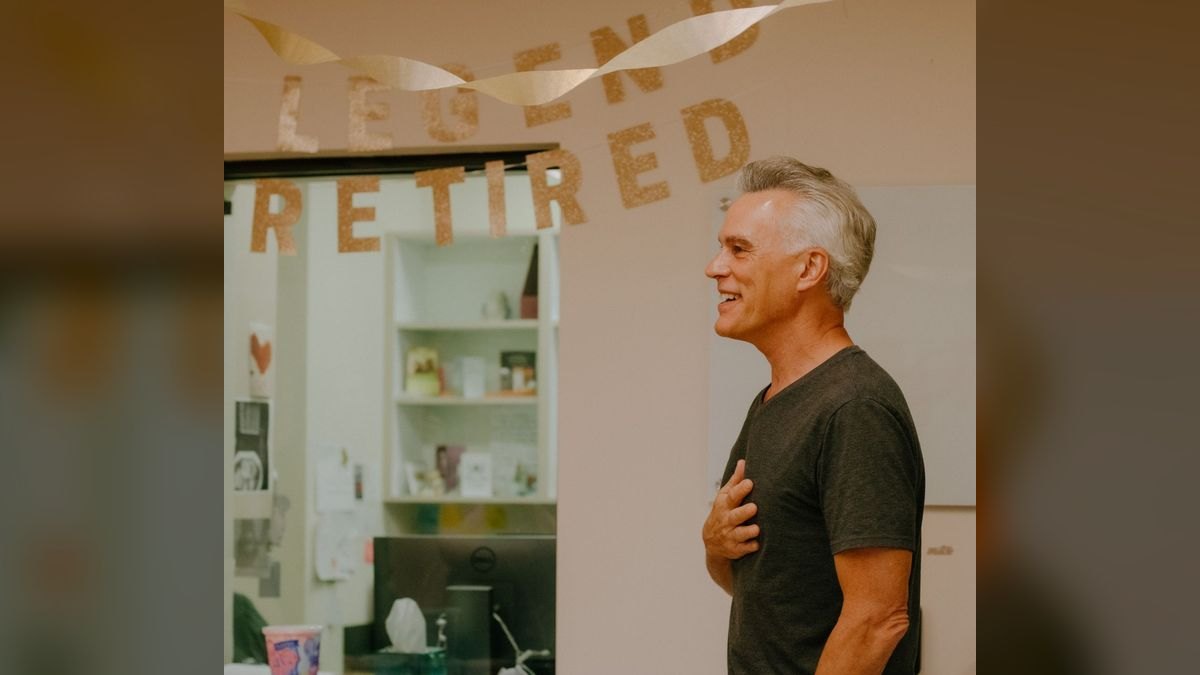
A retirement speech for a union member should honor their years of solidarity, collective bargaining, and dedication to fellow workers. It typically highlights specific contributions to the union, such as negotiating contracts or mentoring younger members, while expressing gratitude for their service. The tone balances pride in shared struggles with warmth and humor, often ending with a toast to their well-earned rest. This guide provides a complete template, delivery tips, and personalization strategies to craft a speech that resonates with union brothers and sisters.
What Makes a Union Retirement Speech Different from a Standard Retirement Speech?
A union retirement speech goes beyond celebrating years of service—it celebrates a lifetime of collective action, solidarity, and the fight for workers' rights. Unlike a corporate retirement speech that might focus on individual achievements or company milestones, a union speech emphasizes the shared struggle and the retiree's role in building and protecting the union's power. The language is more direct, the emotions are raw, and the audience expects honesty about the hard years as well as the victories.
The speech should reflect the unique culture of the union hall, where members understand the value of a good contract, the sacrifice of a strike, and the importance of showing up for each other. This is not a polished corporate farewell; it's a send-off from a community that has worked, bled, and fought side by side. The best speeches acknowledge the retiree's individual contributions while reminding everyone that no one achieves anything alone in a union.

How Do I Structure a Union Retirement Speech from Start to Finish?
A well-structured union retirement speech follows a proven flow that respects the event's timeline and the audience's expectations. Start with a warm welcome that names the room and the occasion, then move into the retiree's union journey—their years of service, the contracts they helped negotiate, and the battles they fought alongside their brothers and sisters. The middle section should include one or two specific stories that show character, not just time served. These stories should highlight solidarity, mentorship, or a moment when the retiree stood up for what was right.
Close with a toast that ties back to union values, like solidarity or the next generation of workers. The entire speech should run 3 to 5 minutes when spoken, which is roughly 400 to 700 words. Any longer and you risk losing the audience, especially when the open bar or sheet cake is waiting. A simple structure to follow is: welcome → union journey → specific stories → reflections on retirement → future hopes → final toast. This template works for any trade or local, whether you're speaking at a banquet hall or the back of the shop.
What Stories Should I Tell in the Speech?
The stories you choose make the speech memorable and authentic. Focus on moments that reveal the retiree's character, not just their job performance. Good examples include the time they stood up for a member during a grievance hearing, a safety incident where they kept someone from getting hurt, or a contract negotiation where their experience made the difference. A funny moment that shows their personality works well too, as long as it's clean enough for the retiree's family to hear.

Avoid stories that embarrass the retiree or dwell on negative experiences. The goal is to honor the full career, not relive the worst days. If you're struggling to find material, ask the retiree's spouse, close friends, or shop steward for specific memories. Questions like "What's something they did that nobody else would have done?" or "What's the one thing they'd want people to remember?" often yield the best material. For more tips on gathering stories, see our guide on How to Add Humor to a Retirement Speech.
How Do I Handle Difficult Topics Like Layoffs or Grievances?
Every union member's career includes tough chapters, and ignoring them can make the speech feel dishonest. Acknowledge hard years without dwelling on the negative. For contract fights, say something like: "We didn't win every battle, but [Name] never backed down when it mattered most. I remember the strike—standing in the rain for weeks. Some folks would have folded. Not them." For layoffs or plant closures, frame it as resilience: "The industry changed, and we changed with it. [Name] helped us get through the lean years by keeping morale up and making sure nobody got left behind."
Avoid specific dollar amounts from settlements, names of difficult managers, ongoing grievances, or politics and religion. The goal is to honor the full career without souring the celebration. Members respect honesty, but they come to celebrate—not relive the worst days. If the retiree had a major health struggle or injury, you can mention it briefly as a testament to their dedication, then quickly pivot to their recovery and positive legacy.
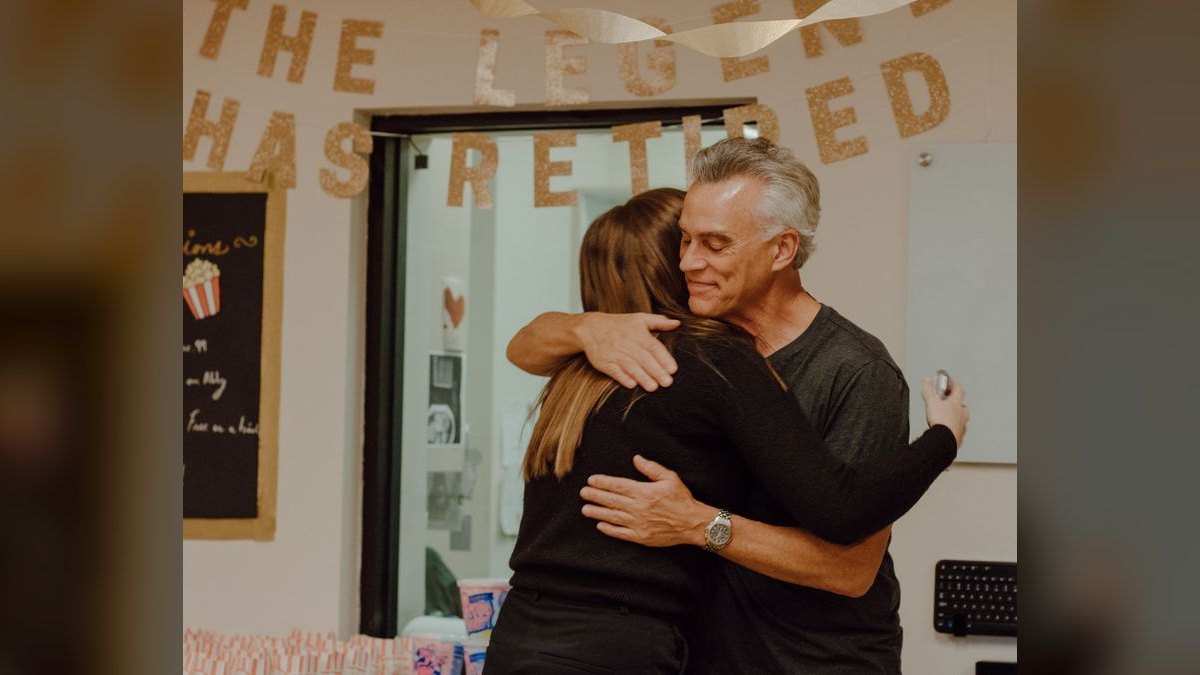
What Delivery Tips Work Best in a Union Hall Setting?
Union halls often have poor acoustics, so hold the microphone close to your mouth and speak slower than feels natural. Let the room catch up to the emotion. Pause after key lines like "that's the union" or when you name the retiree. Make eye contact with the retiree on the toast, then sweep the room to include everyone. If your voice cracks, that's fine—nobody at a union retirement minds an honest moment.
Use a small index card with three bullets (years of service, one story, the toast) rather than reading the whole speech. These folks can tell when you mean it, and reading from a script can feel impersonal. Practice the speech out loud at least twice before the event to get the pacing right. If you're nervous, start with a deep breath and a simple "Good evening, everyone" to ground yourself. For more guidance on delivery, check out our resource on A Speech to Honor a Long-Serving Board Member.

How Do I Personalize the Speech for Different Union Roles?
Tailor the middle of the speech to the retiree's specific role and personality. If they were a steward, mention how they handled grievances—maybe the time they got a fired worker reinstated or stood up to management during contract talks. If they worked a skilled trade, reference their craftsmanship or the safety standards they upheld. For a quieter member, highlight their reliability: "You never had to wonder if [Name] would show up for a picket line or a committee meeting—they were just always there."
Avoid generic praise; use one or two concrete examples that only people in the local would recognize, like a nickname, a catchphrase, or a legendary overtime shift. This makes the speech feel earned and authentic, not like a template. If they held an office or served on a committee, name it and the years. For a lighter tone, lean into shop stories and good-natured ribbing. For a more solemn occasion, tie their career to the legacy of those who came before and the duty to protect what they built.
What Should I Avoid Saying in the Speech?
Certain topics can derail a retirement speech and leave the audience uncomfortable. Avoid specific dollar amounts from settlements or pensions, as this can feel tacky or create resentment. Never name managers or supervisors who were difficult—the retiree's family may not know the history, and it can create awkwardness. Skip any ongoing grievances or legal matters, as well as politics or religion, even if you think everyone agrees. Avoid comparisons between union leaders or local chapters, as this can stir up old rivalries.

Also avoid inside jokes that only two people understand, stories that embarrass the retiree, complaints about their work habits, or family drama and personal struggles. The focus should remain on the retiree's union contributions and the positive impact they had on their brothers and sisters. If you're unsure about a story, run it by the retiree's spouse or a trusted shop steward before the event.
How Do I Close the Speech with Impact?
End the speech with a toast or a call for applause that ties back to union values. After thanking the retiree for their years of dues, meetings, and solidarity, raise a glass (or coffee cup) and say something like: "So here's to [Name]—may your retirement be as full of good contracts as your working years were. May you enjoy every morning you don't have to clock in, and may you never forget that this local is still your family. To [Name]!" Then lead the room in a round of applause or a union cheer like "Solidarity forever."
This leaves everyone feeling connected and proud, not just sad to see them go. Hand the retiree a small gift, like a union pin or a framed photo, if the event allows. The final words should be warm, direct, and worthy of the retiree's years of service. For more closing ideas, see our guide on A Retirement Speech for a Long-Serving Employee.
Related questions
How long should a union retirement speech be?
Aim for 3 to 5 minutes when spoken, which is roughly 400 to 700 words. Shorter is better if the retiree is emotional or the event has multiple speakers.
Can I include humor in a union retirement speech?
Light humor works well, especially about union meeting snacks or late-night bargaining sessions. Avoid jokes about management or sensitive contract disputes. Test the humor with a fellow union member beforehand.
Should I mention the retiree's family in the speech?
Briefly, yes. Mention family, hobbies, or community work to show their full character, but keep the focus on union contributions. A sentence or two about their garden or grandchildren is fine.
What if I get emotional during the speech?
That's okay—nobody at a union retirement minds an honest moment. Pause, take a breath, and continue. The audience will appreciate your sincerity.
How do I end the speech on a high note?
Close with a toast or a call for applause. Use a union phrase like "Solidarity forever" or a simple "Thank you for your service." Hand the retiree a small gift if the event allows.
FAQ
What should I include in a retirement speech for a union member? Focus on shared struggles and victories, like contract negotiations or safety improvements. Mention specific union principles like solidarity and collective bargaining. Keep it respectful and heartfelt, avoiding inside jokes that might exclude non-members.
How long should the speech be? Aim for 3 to 5 minutes when spoken. That’s roughly 400 to 700 words. Shorter is better if the retiree is emotional or the event has multiple speakers.
Should I mention the retiree’s specific union role? Yes, if they held a position like shop steward, bargaining committee member, or safety rep. Highlighting their contributions makes the speech personal. If they were a rank-and-file member, emphasize their reliability and dedication.
Can I include humor in the speech? Light humor works well, especially about union meeting snacks or late-night bargaining sessions. Avoid jokes about management or sensitive contract disputes. Test the humor with a fellow union member beforehand.
Is it okay to talk about the retiree’s non-union life? Briefly, yes. Mention family, hobbies, or community work to show their full character. But keep the focus on their union contributions. A sentence or two about their garden or grandchildren is fine.
How do I end the speech? Close with a toast or a call for applause. Use a union phrase like “Solidarity forever” or a simple “Thank you for your service.” Hand the retiree a small gift, like a union pin or a framed photo, if the event allows.
What if I don't know the retiree very well? Talk to their spouse, close friends, or shop steward for stories and details. Use the template structure and fill it with the information you gather. Keep it respectful and focus on their reputation and contributions.
Should I read the speech from a script? No. Use a small index card with three bullets (years of service, one story, the toast). Reading from a script can feel impersonal and robotic. Practice the speech out loud at least twice.
Can I mention the retiree's age or health? Avoid mentioning specific ages or health conditions unless the retiree has openly shared them. Focus on their career and contributions instead.
How do I handle a room full of emotional people? Speak slowly, pause after key lines, and make eye contact. If the retiree cries, let the moment breathe. A simple "This is what it means to be loved" works well to acknowledge the emotion without dwelling on it.
Sources
- U.S. Bureau of Labor Statistics — Union Membership Data
- AFL-CIO — Union Benefits and Retiree Programs
- Social Security Administration — Retirement Benefits
- National Institute for Occupational Safety and Health (NIOSH) — Workplace Health
- AARP — Retirement Planning Resources
- Toastmasters International — Speech Delivery Tips
- Union Plus — Retirement Resources for Union Members
- Labor Notes — Union Storytelling and Speeches
Related on PULSE
This page will be disappearing soon. Save it to your device for $1 — or read it free while it is here.
@Kory-White- · if Venmo asks, the last 4 of my number are 2012
This page is gone.
This one is off the shelf now. $1 keeps it on your phone for good — the whole page, pictures and diagrams included.
 pulse-speechesA Speech for a PTA Meeting
 pulse-speechesA Speech for a Project Wrap Celebration
 pulse-speechesA Retirement Speech for a Teacher
 pulse-speechesWhat Makes Susan B. Anthony's "On Women's Right to Vote" a Great Speech in 2027
 pulse-speechesA Speech for Welcoming a New Hire
 pulse-speechesA Toast for a 60th Birthday
 pulse-speechesHow to Write a Heartfelt Eulogy When You're Grieving in 2027
 pulse-speechesA Retirement Speech for a Doctor
 pulse-speechesA Toast for a Milestone Wedding Anniversary
 pulse-speechesWhat Makes Winston Churchill's "Their Finest Hour" a Great Speech in 2027