
A Speech for a PTA Meeting
 Curated byKory White · Fractional CRO · Maryland
 PULSEKNOWLEDGE LIBRARY
Quality
Certified

A speech for a PTA meeting should be brief, focused, and appreciative, typically lasting 3 to 5 minutes. It often opens with a warm welcome and thanks to parents and teachers, then highlights a key school initiative or need, such as a fundraising goal or volunteer opportunity. The tone should be collaborative and positive, ending with a clear call to action or invitation for feedback. For an effective speech, structure it with a personal opening, a clear purpose, a specific ask, and a closing that ties back to the students.
What Is the Best Structure for a PTA Meeting Speech?
A well-organized speech respects your audience's time and keeps their attention. Start with a brief, warm opening that acknowledges the room—thank the principal, the outgoing board, and the volunteers who set up chairs or brought snacks. Keep this under 30 seconds. Then state your purpose clearly: "Tonight I want to talk about our spring fundraiser, the new playground safety concerns, and how we can support our teachers." Avoid burying your main points in a long preamble. Use the "rule of three" to limit your agenda to three key topics, each lasting roughly 60–90 seconds. This structure helps parents who are tired after a long day follow along without zoning out. Between topics, add a transition phrase like "That leads me to our second priority…" to create a natural flow. Close with a clear call to action—whether it's signing up for a committee, donating supplies, or voting on a proposal—and a genuine thank-you. A printed outline on a single index card can keep you on track without reading verbatim.
The structure of your speech should mirror the natural flow of a conversation, not a lecture. Begin by acknowledging the effort it took for parents to attend, which builds an immediate connection. Then, introduce the main topic with a brief story or statistic that illustrates why it matters to the school community. For example, "Last year, our book fair raised $3,000 for new library books—this year, we want to double that." After presenting your case, offer a clear, low-commitment way for parents to help, such as signing up for a single shift. End by thanking them again and reminding them of the impact their involvement has on students. This structure—connection, context, call to action, closure—is proven to engage volunteer audiences effectively.
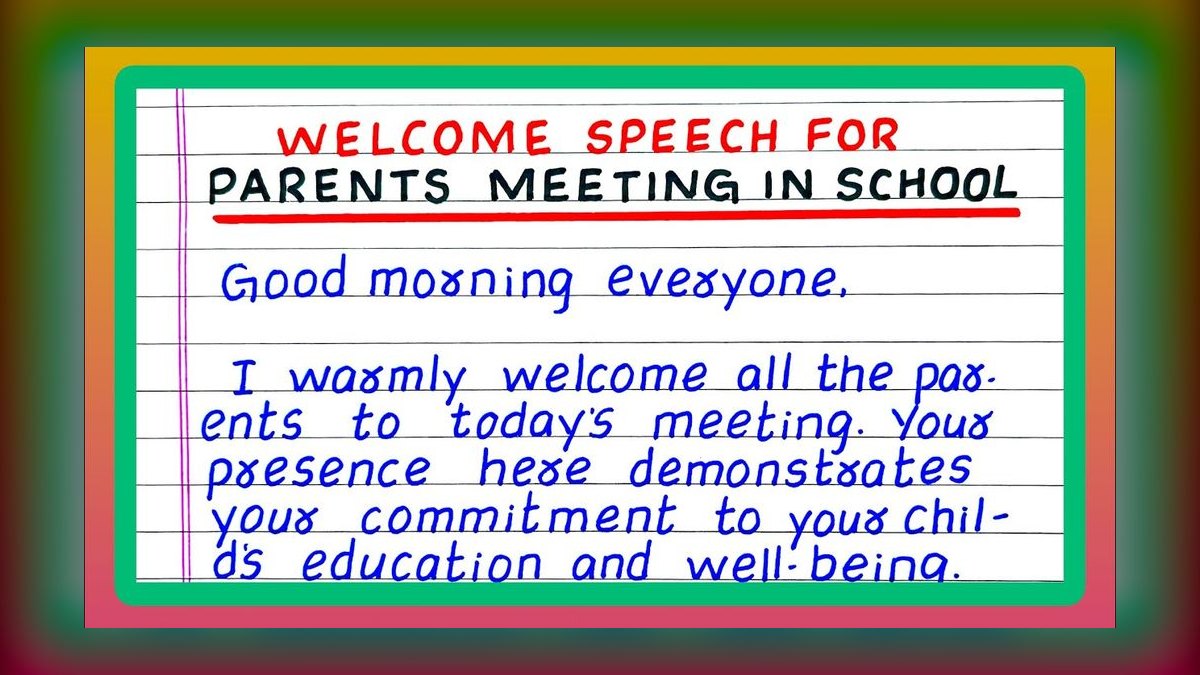
How Do You Handle Tough Topics and Parent Concerns in a PTA Speech?
PTA meetings often involve sensitive subjects: budget cuts, disciplinary policies, or disagreements over curriculum changes. When addressing a controversial issue, lead with shared values. For example: "We all want what's best for our kids' safety and learning, which is why the board is proposing a new after-school program." This frames the discussion around common ground rather than division. Acknowledge opposing views briefly and respectfully: "I know some families have raised concerns about the cost, and we've worked to keep it under a reasonable amount per child." If a parent interrupts or asks a pointed question, pause, make eye contact, and say, "That's a fair point—let me address it after I finish this section, or you can catch me during Q&A." This maintains control while validating their input. Avoid getting defensive; instead, offer to follow up with specific data or a one-on-one conversation. If you don't know an answer, be honest: "I don't have that number tonight, but I'll email it to everyone by Friday." Transparency builds trust faster than a vague promise.
For more guidance on navigating difficult conversations in group settings, see our guide on handling parent concerns during school meetings.

This flowchart visualizes the process for addressing controversial topics in a PTA meeting. Start by identifying the specific concern, then lead with a statement that unites the group around a common interest, such as student well-being. Acknowledge that different families may have different perspectives, which validates their concerns without derailing your message. When responding to questions, pause to show you are listening, then either address the point directly or offer to follow up later. Always close by refocusing on the shared goal, whether that's improving student outcomes, enhancing school safety, or raising funds for a needed program. This approach keeps the conversation productive and respectful.
How Can You Engage Your Audience Without Reading a Script?
Reading a full speech word-for-word can make you seem disconnected or nervous. Instead, use bullet points on a notecard—just keywords like "fundraiser goal: $5,000" or "playground repairs: timeline." Practice your speech aloud three times at home, timing yourself to stay within 5–7 minutes total. On meeting night, glance at your card, then speak directly to the audience—scan the room, make eye contact with a few friendly faces, and use natural hand gestures. If you lose your place, it's okay to pause, look at your card, and say, "Let me find my next point." Most parents will appreciate your authenticity over a polished delivery. To keep energy up, vary your tone: slow down for serious topics like safety, speed up slightly for exciting news like a successful event. End with a memorable line that ties back to your opening, such as "Together, we make this school a place where every child thrives." Then invite questions, and thank everyone again before moving to the next agenda item.
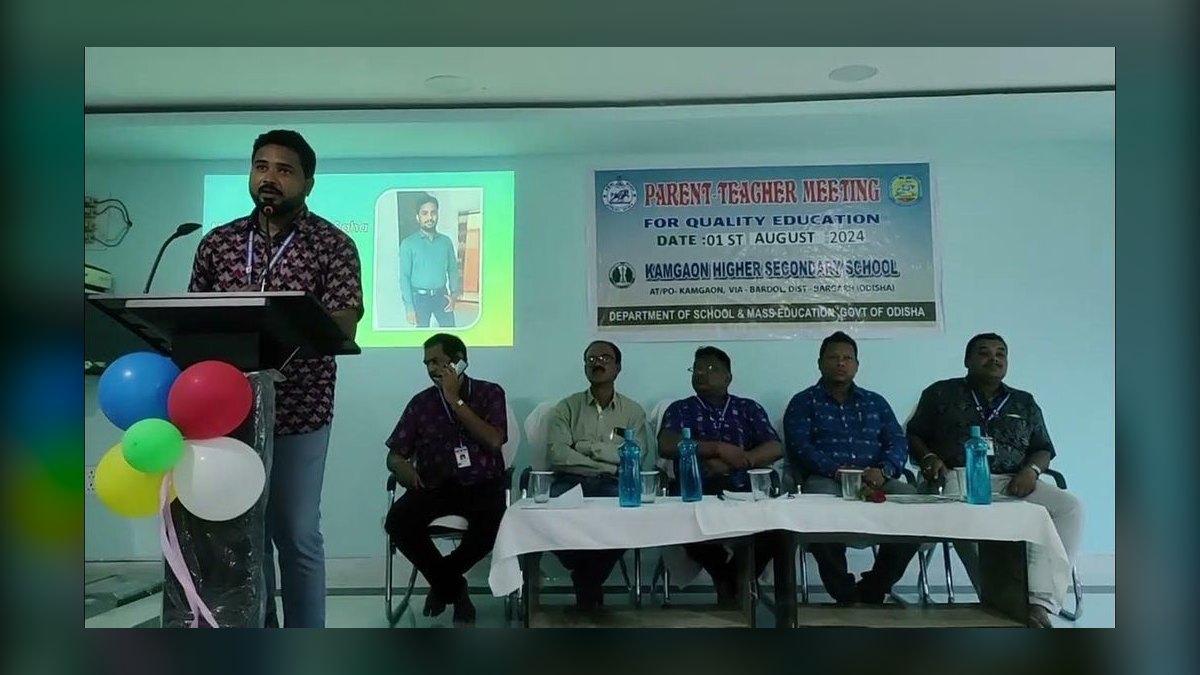
Engaging your audience also means reading the room. If you notice parents looking at their phones or whispering, adjust your pace or volume. Ask a rhetorical question to draw them back in: "How many of you have seen the new playground equipment?" A show of hands can re-energize the room. Use personal anecdotes sparingly but effectively—one short story about your own child's experience at the school can humanize your message. Avoid jargon or acronyms that new parents might not understand; instead, explain terms like "Title I funding" or "IEP" in plain language. For additional tips on connecting with your audience, explore our article on effective public speaking for parent groups.
What Are the Best Ways to Adapt Your PTA Speech for Different Audiences?
The tone of your speech should shift slightly depending on the meeting's focus. For a general PTA meeting, keep it warm and inclusive. If the meeting centers on a specific concern—like budget cuts or a safety issue—lead with empathy and clarity, acknowledging the challenge before pivoting to solutions. For a new school year kickoff, emphasize energy and shared goals, using phrases like "we're building something together." Avoid jargon or insider acronyms; assume some parents are attending their first meeting. A simple test: if you wouldn't say it to a neighbor over the fence, cut it.

For a more formal audience, such as a back-to-school night or an officer-election meeting, add a short recap of last year's wins by name and number, a quick budget snapshot, and individual thank-yous to outgoing volunteers before the ask. For a lighter tone, lean into the cafeteria-coffee jokes and the tablet-meltdown timer. For a more solemn tone—for instance, a meeting after a difficult school year—drop the jokes, slow the pace, and spend more time on gratitude and on the kids before you make any request at all. Understanding your audience's emotional state is key to delivering a message that resonates.
This flowchart helps you quickly determine the appropriate tone for your PTA speech based on the meeting type. For a general meeting, use a warm and inclusive tone that welcomes all parents. For a meeting focused on a specific concern, lead with empathy and clarity, acknowledging the issue before presenting solutions. For a kickoff event, emphasize energy and shared goals to build momentum. For a formal meeting, such as an election or annual review, include a recap of past achievements and specific thank-yous. No matter the tone, always end with a clear call to action that directs parents to the next step.

How Do You Structure a Call to Action That Gets Results?
Ending with a vague "we need help" rarely works. Instead, offer concrete, low-commitment options. For example: "Can you bring snacks for one event this semester? Sign up on the clipboard by the door." Or: "We need three parents to help with the book fair setup next Tuesday from 3 to 5 p.m.—just one shift." Frame it as a small, specific ask that respects their time. Follow up with a quick show of hands or a sign-up sheet passed around immediately, while the energy is still in the room. This turns intention into action without pressure.
A successful call to action also includes a clear "why." Explain how each small contribution directly benefits students. For instance, "If ten parents each donate an hour, we can afford the new science kits for every classroom." This connects the ask to a tangible outcome that parents can visualize. Avoid asking for too much at once; a single, specific request is more likely to be accepted than a list of needs. If you have multiple volunteer opportunities, prioritize one and mention the others briefly as "additional ways to help if you have time." For more strategies on mobilizing volunteers, check out our resource on creating effective volunteer sign-up sheets.

Related questions
How do I write a welcome speech for a PTA meeting?
A welcome speech for a PTA meeting should be brief and warm, thanking attendees for their time and acknowledging the school staff. Keep it under 60 seconds, mention the meeting's purpose, and invite participation.
What should I avoid saying in a PTA speech?
Avoid political opinions, personal grievances, or negative comments about specific teachers or students. Also avoid vague requests for help, insider jargon, and reading a full script word-for-word.
How long should a PTA speech be for a fundraiser?
A fundraiser-focused PTA speech should be 3 to 4 minutes, with a clear goal and a specific ask. Include the target amount and how the funds will be used, and end with a sign-up sheet or donation link.
Can I use humor in a PTA speech?
Yes, but keep it light and inclusive. Jokes about cafeteria coffee or busy schedules are safe. Avoid sarcasm or humor that could be misinterpreted, and always test your jokes with a friend beforehand.
How do I thank volunteers in a PTA speech?
Name specific volunteers and their contributions if possible, such as "Sarah for organizing the book fair" or "Mark for coaching the robotics team." Keep thanks brief but sincere, and avoid listing too many names at once.
What is the best closing line for a PTA speech?
The best closing line ties back to the students' experience, such as "Let's give our kids the school year they deserve." Follow with a direct call to action and a final thank-you.
FAQ
How long should my PTA speech be? Aim for 3 to 5 minutes. That's enough to share your main points without losing the audience's attention, and it respects the meeting's schedule. For a shorter version, cut to 60 seconds with just the ask.
What's the best way to start a PTA speech? Open with a brief, warm greeting and a personal connection—like mentioning your child's grade or a shared school experience. This helps you relate to other parents and sets a friendly tone. Avoid starting with a joke or apology.
Should I use notes or speak from memory? It's fine to use brief notes or an outline, but try not to read word-for-word. Speaking naturally, with occasional glances at your notes, feels more authentic and engaging. Practice aloud to build confidence.
How do I handle nervousness during the speech? Take a few deep breaths before you begin, and focus on one or two friendly faces in the audience. Remember that most parents are supportive and want you to succeed. A small sip of water can also help steady your voice.
What topics are appropriate for a PTA meeting speech? Stick to school-related issues like fundraising, volunteer opportunities, curriculum updates, or student activities. Avoid controversial personal or political topics that could divide the group. If in doubt, ask the principal or PTA president beforehand.
How can I make my speech memorable? Use a short, relatable story or a specific example from your child's experience. Ending with a clear call to action—like inviting parents to sign up for a committee—gives your speech purpose. A memorable line like "We're building something together" also helps.
What if I forget my lines during the speech? Pause, look at your notes, and take a breath. You can say, "Let me find my next point," which feels natural. Most parents won't notice a brief pause, and they'll appreciate your honesty over a rushed recovery.
How do I handle a parent who interrupts? Politely say, "That's a great point—let me finish this section, and I'll address it in Q&A." This maintains control while validating their input. If the interruption continues, offer to speak one-on-one after the meeting.
Should I include data or statistics in my speech? Only if it's relevant and easy to understand. Use one or two key numbers, like "We raised $2,000 last year" or "We need 10 more volunteers." Avoid overwhelming the audience with charts or percentages.
How do I end a PTA speech effectively? End with a clear call to action, a thank-you, and a line that ties back to the students. For example: "Please sign up on your way out, and together, we'll make this the best year yet for our kids."
Sources
- National PTA - Official Resources for Parent-Teacher Collaboration
- Edutopia - Evidence-Based Teaching and School Community Practices
- U.S. Department of Education - Parent Engagement Guidelines
- Centers for Disease Control and Prevention - School Health and Safety Data
- American Academy of Pediatrics - Child Development and School Readiness
- Common Sense Media - Digital Citizenship and Media Literacy for Families
- Toastmasters International - Public Speaking Tips for Community Groups
Related on PULSE
- A Speech for a Rotary Club Meeting
- A Speech for a School Board Meeting in 2027
- What is the least obvious yet most reliable behavioral marker indicating a person is covertly experiencing spiritual awakening rather than psychiatric decompensation, and how can a clinician distinguish between the two in a single initial interview without relying on self-report?
- A Speech for a Town Hall on a Local Issue
This page will be disappearing soon. Save it to your device for $1 — or read it free while it is here.
@Kory-White- · if Venmo asks, the last 4 of my number are 2012
This page is gone.
This one is off the shelf now. $1 keeps it on your phone for good — the whole page, pictures and diagrams included.
 pulse-speechesA Toast for a Baby Shower
 pulse-speechesA Speech for a Memorial Day Ceremony
 pulse-speechesA Wedding Speech for a Small Backyard Wedding
 pulse-speechesHow to Write a Speech in 30 Minutes in 2027
 pulse-speechesA Speech for a Sales Kickoff
 pulse-speechesA Graduation Speech for a Valedictorian
 pulse-speechesA Toast for a Housewarming
 pulse-speechesA Toast for a 100th Birthday
 pulse-speechesA Speech for a Veterans Day Tribute
 pulse-speechesA Speech for a Layoff Announcement with Compassion