
A Speech for Accepting an Industry Award
 Curated byKory White · Fractional CRO · Maryland
 PULSEKNOWLEDGE LIBRARY
Quality
Certified

A speech for accepting an industry award should express genuine gratitude to the presenting organization and your team, acknowledge the collective effort behind the achievement, and briefly connect the award to the shared values or mission of the industry. Keep it concise, humble, and focused on the contributions of others rather than personal accomplishment. A typical structure includes thanking the awarders, recognizing key collaborators, and ending with a forward-looking statement about continued dedication to the field. The most memorable acceptance speeches transform a personal honor into a moment of collective celebration, leaving the audience inspired and the speaker remembered for their grace rather than their words.
What Is the Ideal Structure for an Industry Award Acceptance Speech?
A great industry award speech follows a deliberate structure that balances gratitude, humility, and forward-looking vision. The most effective speeches typically unfold in three distinct movements: the opening acknowledgment, the narrative arc, and the closing charge. In the opening, you acknowledge the present moment—the honor itself, the organization bestowing it, and the collective effort behind your win. This should take no more than 20–30 seconds. The narrative arc is where you briefly share what this recognition means to you personally and professionally, tying it back to a broader industry context. Here, you might reference a challenge your team overcame, a lesson learned, or a trend that shaped your work. Keep this section under 90 seconds—long enough to feel genuine, short enough to avoid losing the room. The closing charge is your opportunity to redirect the spotlight: thank competitors who push you, acknowledge unsung contributors, and offer a forward-looking statement about where the industry is headed. This final section should leave the audience feeling inspired, not just informed. A useful rule of thumb is the "three-sentence limit" for any single thank-you: name the person or group, state what they did, and explain why it mattered. This prevents your speech from devolving into a laundry list of names while still honoring key contributors.
How Can I Avoid Common Pitfalls in an Award Acceptance Speech?
Even seasoned professionals can stumble during an acceptance speech, often in predictable ways. The most frequent misstep is the "runaway thank-you"—a stream of gratitude that spirals into a recitation of every colleague, mentor, and family member, leaving the audience restless. To avoid this, prepare a shortlist of no more than five core acknowledgments before the event, and practice weaving them into a single, cohesive sentence or two. Another common error is the "humble brag" disguised as self-deprecation—phrases like "I honestly didn't expect this" can come across as disingenuous if your work was clearly award-worthy. Instead, frame surprise around the specific honor: "When I saw the caliber of this year's nominees, I genuinely wasn't sure our project would stand out." A third pitfall is reading directly from notes or a phone, which breaks eye contact and diminishes authenticity. If you need prompts, jot down three keywords on a small card—one for each section of your speech—and trust yourself to speak from the heart. Finally, avoid inside jokes or references that only your immediate team will understand. The room is full of industry peers, not your office mates. If a joke requires explanation, cut it. Remember: the audience wants to celebrate with you, not decode your references. For additional guidance on delivering a gracious acceptance speech, you may find our article on how to write a gracious award acceptance speech helpful.

How Do I Adapt My Speech for Different Types of Industry Awards?
Not all industry awards are created equal, and your speech should reflect the specific context of the honor. For a lifetime achievement award, the tone shifts toward legacy and gratitude for a career's worth of contributions. Here, you might acknowledge mentors from decades past, reflect on how the industry has evolved, and offer advice to newcomers. Keep the focus on the collective journey rather than individual milestones. For a team-based award, such as "Best Innovation" or "Project of the Year," the speech should emphasize collaboration and shared credit. Name the team lead, but also highlight the cross-functional effort—design, engineering, marketing, or operations—that made the win possible. A common mistake in team awards is forgetting to mention junior contributors; a brief shout-out to "the junior analysts who stayed late to refine the data" can mean the world to them. For a "Rising Star" or "Young Professional" award, humility is paramount. Acknowledge the mentors and senior colleagues who guided you, and frame your win as a reflection of the organization's investment in emerging talent. Avoid overemphasizing your own drive or ambition; instead, express eagerness to continue learning. For a competitive category like "Best Product" or "Best Campaign," where multiple finalists were strong, acknowledge the field: "We were up against incredible work this year, and that made this recognition even more meaningful." This demonstrates sportsmanship and industry awareness. Finally, for a surprise or last-minute award—where you didn't prepare a speech—fall back on a simple three-part template: "I'm honored, I'm grateful, and I'm inspired." Elaborate briefly on each point, and you'll sound composed even without preparation. The key is to match your tone and content to the award's significance, the room's energy, and the expectations of your peers.
What Are Effective Delivery Techniques for an Award Speech?
Practice your speech aloud three times to nail the pacing—aim for a conversational tone, not a recitation. Stand tall, make eye contact with the audience, and pause briefly after key thank-yous to let the moment land. Hold the award naturally at your side or in one hand; avoid fidgeting with it. If you feel nervous, focus on a friendly face in the crowd. Keep your voice steady and avoid rushing—silence feels longer to you than to listeners. Use notes, not memorization. Glancing at a card looks human; a flawless recital looks rehearsed. Pace slow. The instinct under lights is to rush; resist it. Let the first "thank you" sit before you continue. Pause after the line "It belongs to..." each time—those names deserve a beat. Make eye contact with the people you name if they're in the room; find them, hold their gaze for a second. If you feel emotion rising, stop and breathe rather than pushing through. The room will wait, and the pause is more powerful than perfect composure. For more on structuring your entire presentation, check out our guide on speech structure for award ceremonies.

How Do I Make My Acceptance Speech Feel Genuine and Personal?
The most powerful acceptance speeches feel spontaneous, even when carefully prepared. To achieve this authenticity, swap every bracket for something true: [your field], [a mentor's name], [your company or organization], and one real [a specific memory] that the audience can almost picture. Pick ONE person to thank by name with a real reason—vague gratitude reads as filler; a single specific debt lands. Use prompts to spark specifics: What did you almost quit, and who talked you out of it? What's the unglamorous habit that actually got you here? Who in the room would be surprised—and moved—to hear their name? The most memorable speeches often include a brief, relatable story that illustrates the journey behind the award. This could be a moment of failure that led to a breakthrough, a late-night collaboration that sparked an idea, or a piece of advice from a mentor that changed your perspective. Keep the story under 30 seconds and ensure it ties directly to the award or the work being recognized. Avoid oversharing personal details that don't serve the broader narrative. The goal is to let the audience glimpse the human behind the achievement, not to recount your entire biography.
Related questions
What should I say in a 30-second award acceptance speech?
Thank the organization, name one key mentor or team member, acknowledge the field, and end with a forward-looking statement. Keep it to three sentences: gratitude, credit, and inspiration.
How do I handle nerves before giving an acceptance speech?
Practice aloud three times, focus on slow breathing, and arrive early to acclimate to the stage. Remember that moderate nerves are normal and often improve delivery by adding authenticity.
Can I use humor in an industry award speech?
Yes, but keep it light and professional. A self-deprecating line about your own surprise at winning or a shared industry joke works well. Avoid inside jokes or controversial topics.
Should I prepare multiple versions of my speech?
Yes, prepare a full version (2-3 minutes), a short version (30 seconds), and a one-sentence version. This prepares you for unexpected program changes or time constraints.
Is it okay to thank competitors in my speech?
Yes, acknowledging strong competitors demonstrates sportsmanship and industry awareness. A simple line like "We were up against incredible work this year" shows class and respect.
FAQ
How long should an industry award acceptance speech be? Most acceptance speeches run between 2 to 5 minutes. Aim for 300 to 600 words to keep it concise yet meaningful, allowing time for gratitude and key acknowledgments.
Do I need to thank specific people in my speech? Yes, thanking key individuals—like team members, mentors, or clients—is expected. Limit it to 3 to 5 names to avoid sounding like a laundry list, and mention their specific contributions.
Should I include humor or personal stories? A light, relevant anecdote or a touch of humor can make your speech memorable, but keep it professional. Avoid inside jokes or controversial topics that might not resonate with a broad audience.
How do I handle nerves during the speech? Practice your speech aloud several times beforehand, and focus on breathing slowly. It’s normal to feel nervous; even seasoned speakers report moderate anxiety, which often fades after the first few sentences.
Is it okay to use notes or a teleprompter? Using brief note cards or a teleprompter is perfectly acceptable. Keep notes to bullet points rather than full text to maintain eye contact and natural delivery.
What if I forget a part of my speech? Pause briefly, take a breath, and continue with the next point you remember. Most audiences won’t notice a small omission, and a calm recovery is better than rushing or apologizing excessively.
How do I close an acceptance speech effectively? End with a forward-looking statement about your commitment to the industry, a final thank you to the organization, and congratulations to fellow nominees. Leave the audience inspired.
What should I avoid saying in an acceptance speech? Avoid complaints about the timing or process, negative comments about competitors, overly technical jargon, and lengthy personal stories. Stay positive, humble, and inclusive.
Can I give the same speech for different awards? No, tailor each speech to the specific award, organization, and audience. Even small adjustments show respect and thoughtfulness, making the speech feel fresh and sincere.
Should I practice my speech in front of others? Yes, practice in front of a trusted colleague or friend who can give honest feedback on pacing, clarity, and emotional impact. Record yourself to identify areas for improvement.
Sources
- Toastmasters International — Public Speaking and Award Acceptance Speech Structure
- Harvard Business Review — Professional Communication and Leadership Recognition
- The New York Times — Examples of Notable Award Acceptance Speeches
- American Management Association — Business Etiquette and Speech Delivery Techniques
- Forbes — Industry Award Ceremonies and Effective Acceptance Strategies
- National Speakers Association — Speechwriting and Audience Engagement for Award Events
- Inc. — How to Give a Memorable Award Acceptance Speech
Related on PULSE
This page will be disappearing soon. Save it to your device for $1 — or read it free while it is here.
@Kory-White- · if Venmo asks, the last 4 of my number are 2012
This page is gone.
This one is off the shelf now. $1 keeps it on your phone for good — the whole page, pictures and diagrams included.
 pulse-speechesA Wedding Speech for a Same-Sex Wedding
 pulse-speechesWhat Makes Steve Jobs’ Stanford Commencement a Great Speech in 2027
 pulse-speechesA Speech for Welcoming a New Hire
 pulse-speechesWhat Makes Winston Churchill's "Their Finest Hour" a Great Speech in 2027
 pulse-speechesA Graduation Speech for a Graduate as the Class President
 pulse-speechesA Toast for a New Year’s Eve Gathering
 pulse-speechesA Retirement Speech for a CEO
 pulse-speechesHow to Beat Public-Speaking Nerves in 2027
 pulse-speechesA Speech for a Project Wrap Celebration
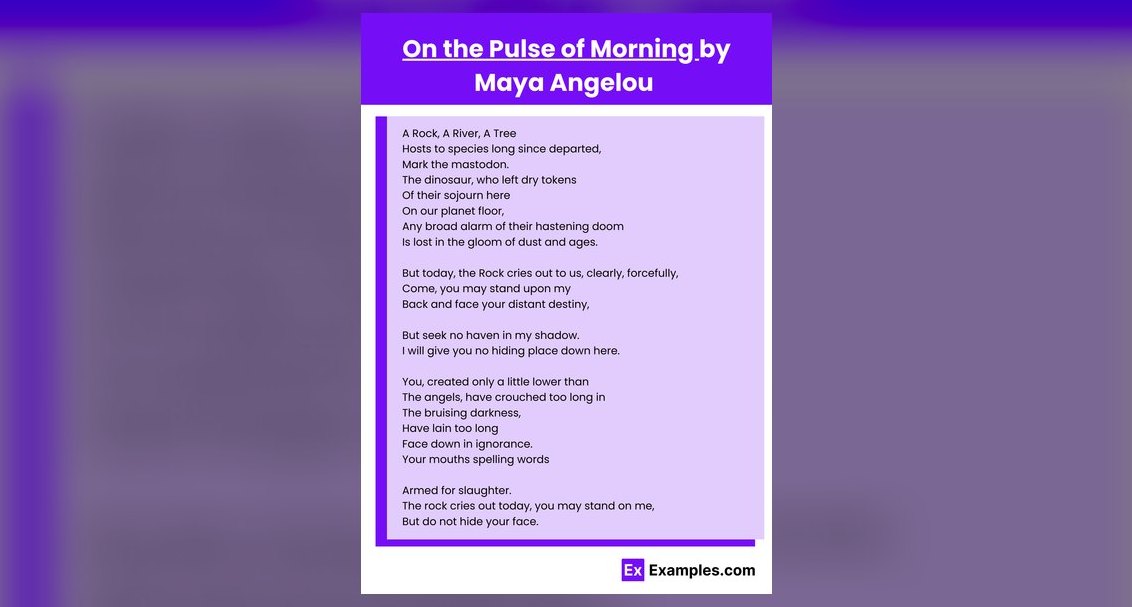 pulse-speechesWhat Makes Maya Angelou’s “On the Pulse of Morning” a Great Speech in 2027