
A Speech for an Award Ceremony
 Curated byKory White · Fractional CRO · Maryland
 PULSEKNOWLEDGE LIBRARY
Quality
Certified
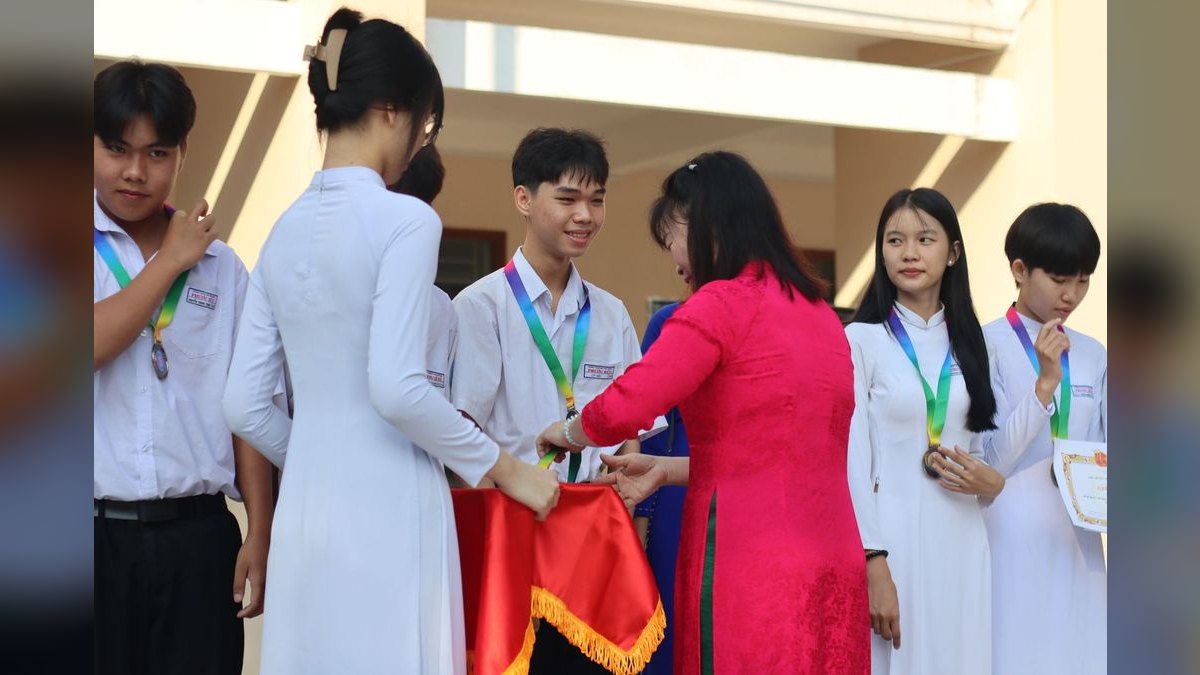
A speech for an award ceremony should express genuine gratitude, acknowledge the contributions of others, and briefly reflect on the significance of the honor. It typically lasts between two and five minutes, striking a balance between humility and celebration. The tone should match the event's formality, whether heartfelt, humorous, or inspiring. To craft a memorable speech, focus on authenticity and emotional connection rather than mere recitation of achievements.
What is the ideal structure for an award ceremony speech?
The most effective award speeches follow a clear emotional arc that guides the audience from gratitude through reflection to inspiration. Begin with a brief acknowledgment of the moment itself—thank the organization, the selection committee, and everyone who made the event possible. This isn't just polite; it grounds you and gives the audience a moment to settle into your words. Then, pivot to the heart of your message: why this award matters beyond the individual. Connect it to a shared mission, a team effort, or a larger purpose that everyone in the room can feel part of. For example, if you're accepting a leadership award, frame it as a testament to the collective work of your department or community. Finally, close with a forward-looking statement—a commitment to continue the work, a challenge to the audience, or a simple, sincere "thank you" that lands like a handshake. This three-part structure keeps your speech focused and prevents it from becoming a list of names or a rambling monologue. Aim for 2–3 minutes total—long enough to feel meaningful, short enough to hold attention. Practice transitions between sections so they feel natural, not abrupt. A well-structured speech doesn't just inform; it moves people.

For a deeper dive into structuring your remarks, see our guide on structuring an acceptance speech.
How do I tailor my tone and language to the audience?
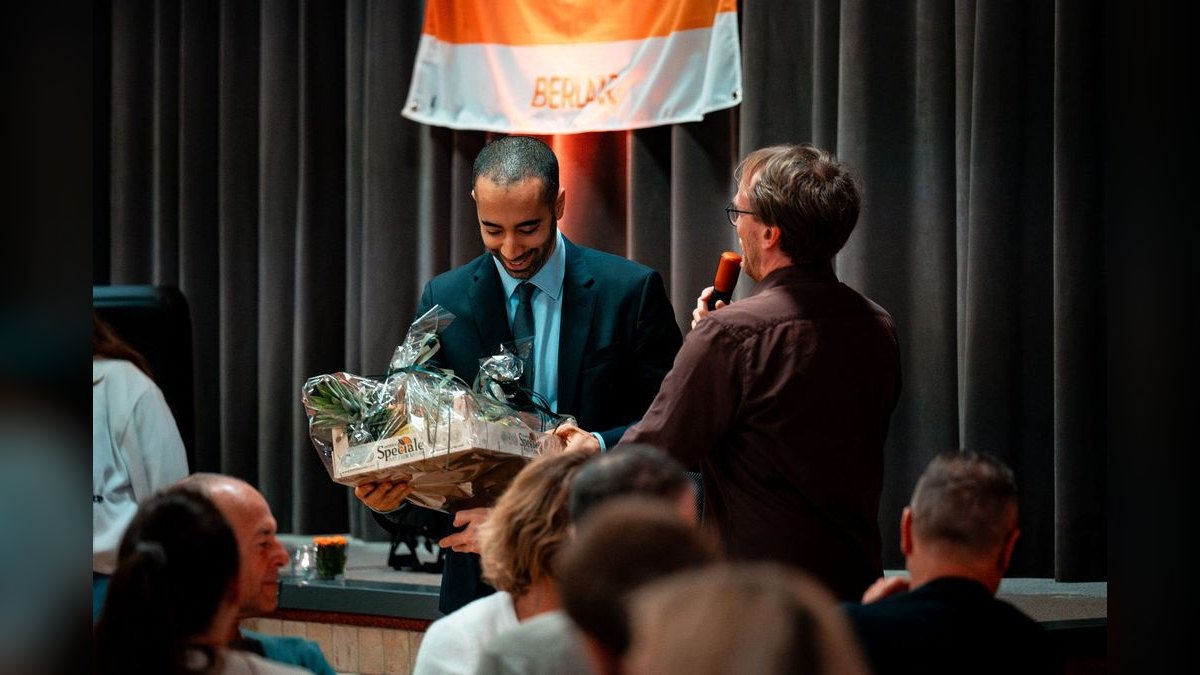
The tone of your speech should match the formality of the event and the relationship you have with the audience. For a black-tie gala, use polished language and a measured pace—think "I am deeply honored to stand before you tonight" rather than "Wow, this is amazing." For a casual industry awards breakfast, a warmer, more conversational tone works better: "I'm genuinely surprised and grateful to be here with all of you." Read the room before you begin. If the event has been lighthearted, mirror that energy with a touch of humor or self-deprecation. If it's solemn or prestigious, lean into sincerity and humility. Avoid jargon or inside jokes that exclude part of the audience; instead, use universal themes like hard work, collaboration, or perseverance. Also, consider your own speaking style. If you're naturally reserved, don't force bombast—quiet sincerity can be more powerful. If you're energetic, channel that into enthusiasm without overwhelming the room. The goal is authenticity, not performance. A tailored speech shows respect for the occasion and makes each listener feel included. When in doubt, err on the side of warmth and brevity. People remember how you made them feel, not every word you said.
For more on adapting your delivery, check out our advice on delivery techniques.

What specific elements should I include in the body of the speech?
The body of your award ceremony speech is where you make it personal and memorable. Start by naming the work without making it sound like a résumé. Instead of listing accomplishments, describe a specific, ordinary moment that defined the effort. For example, mention the late afternoon when a colleague stayed an extra hour to get a detail right that nobody would have noticed if it were wrong. This humanizes the achievement and makes it relatable. Then, turn the light toward the people who carried you. This is the heart of the speech: "So if this award has my name on it, the truth is it should have a dozen names on it. To [a specific person or team], thank you for believing in this before there was any proof it would work." Acknowledge the ones who can't be in the room, if that fits the moment. Close the body with a forward-looking line that gives the room something to feel, not just applaud: "I'm not going to pretend an award is the finish line. It's a reminder of what's possible when good people refuse to settle." This structure—moment, people, forward look—ensures your speech resonates beyond the podium.
For a complete template with fill-in-the-blank sections, see our award speech template.

How do I handle nerves and unexpected moments during the speech?
Even experienced speakers get nervous before an award speech. The key is to channel that energy into presence rather than panic. Arrive early to stand at the podium and test the microphone—knowing how it works reduces one variable. Hold your notes on a single card or your phone (airplane mode on) to avoid shuffling papers. If you feel your voice shake, pause, take a slow breath, and continue—audiences interpret pauses as thoughtfulness, not weakness. For unexpected moments—a dropped trophy, a microphone feedback squeal, or a technical glitch—use humor or grace. A quick "Well, that's one way to make an entrance" can diffuse tension and endear you to the crowd. If you forget a line, skip it. No one knows what you planned to say. If you get emotional, let the emotion show briefly, then steady yourself. Tears or a choked voice can be powerful if you don't let them derail you. Most importantly, remember that the audience is on your side. They want you to succeed. They're celebrating with you, not judging you. Shift your focus from "performing perfectly" to "connecting genuinely." That mental reframe often does more than any breathing exercise. And if all else fails, smile, look at a friendly face in the crowd, and speak from the heart. Authenticity covers a multitude of small mistakes.
What are the key delivery notes for a powerful speech?
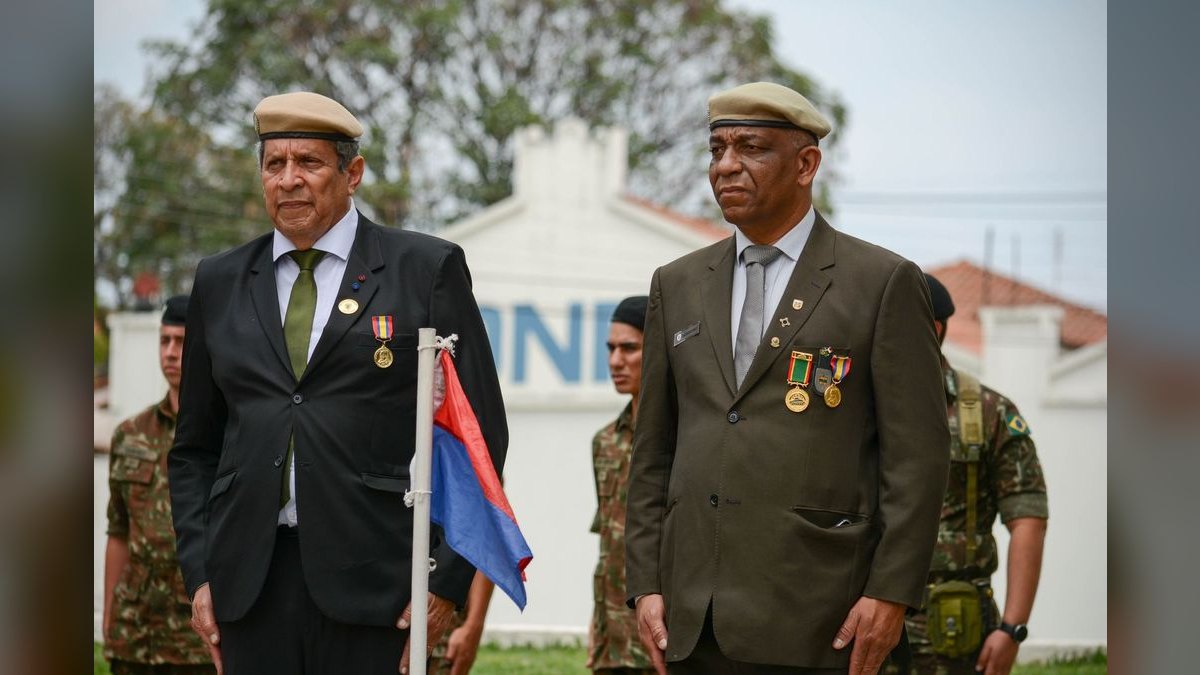
Delivery can make or break an award speech, regardless of how well it's written. Walk to the podium without rushing; the pause before you speak is part of the speech. Pace this slower than feels natural—about 130 words a minute. Pause fully after each name so the room can register it and applaud if they want to. Make eye contact in three spots: the people you thank, the back of the room, and one friendly face when nerves spike. If emotion rises, stop, breathe, and let it show—a steady voice that cracks once is more moving than a perfect one. Keep notes on a single card for the names and your closing line; the rest can be spoken from the heart. Hold your notes at chest height rather than below the podium to avoid looking down too much. Practice your speech aloud three times beforehand, timing it to stay under 5 minutes. On the day, keep a printed copy in your pocket (phones fail) and make eye contact with friendly faces in the audience. These small habits turn anxiety into presence.
What are common variations for different scenarios?
A 30-second version works when time is tight: "Thank you so much. This belongs to a whole team—to [Name] and everyone who showed up on the ordinary days that added up to this. I'm grateful, I'm humbled, and tomorrow I'll get back to earning it. Thank you for being here." For a longer or more formal version, add a short story (60-90 seconds) about a specific turning point, and name the organization and its mission explicitly. For a lighter tone, open with a warm, self-deprecating line about almost tripping on the way up. For a solemn or legacy award, slow everything down and dwell on the people and values being honored rather than the achievement itself. If you're presenting the award rather than accepting it, shift "thank you for this" lines into "you have earned every bit of this." Match the imagery to your world—a lab, a stage, a warehouse floor, a classroom—not a generic "journey." Prompts to spark specifics: What is one ordinary, un-glamorous moment that actually defined the work? Who took a risk on this person or project before there was proof? What do you hope happens after tonight?
Related questions
What is the best way to open an award acceptance speech?
Open by letting the moment breathe before you say anything. Look up, smile, and let the applause settle. Then say a simple, sincere "Thank you" before launching into your prepared remarks.
How do I avoid sounding arrogant during an award speech?
Focus on the contributions of others and the work itself rather than your own accomplishments. Use phrases like "we achieved" instead of "I achieved," and express genuine surprise or humility about receiving the honor.
Should I memorize my award speech or read from notes?
Brief notes on a single card are ideal. Memorize your opening and closing lines, but keep bullet points for the middle section. This allows you to maintain eye contact while staying on track.
How can I make my award speech more memorable?
Include a specific, personal story or moment that defined the work. People remember stories far better than lists of achievements. Keep the story to 60-90 seconds and connect it to the award's meaning.
What should I do if I'm presenting an award instead of accepting one?
Focus on the recipient's achievements and why they deserve the honor. Use phrases like "you have earned every bit of this" and let the spotlight stay on them. Keep your remarks brief to give them time to speak.
FAQ
How long should an award ceremony speech be? Most award speeches run between 2 and 5 minutes. The sweet spot is often 3 minutes—long enough to express genuine gratitude and share a brief story, but short enough to keep the audience engaged. Always check the event schedule for any time limits.
Should I thank specific people in my speech? Yes, but keep the list focused. Thank the organization or committee, your team or mentors, and perhaps one or two key individuals who directly supported your achievement. Avoid reading a long list of names that can feel impersonal or rushed.
What tone is best for an award ceremony speech? A tone that is grateful, humble, and authentic works best. You can mix warmth with a touch of humor if it feels natural, but avoid self-deprecation that undermines the honor. The audience wants to share in your genuine moment.
Is it okay to use notes or a script? Absolutely. Most speakers use brief notes or a printed script to stay on track. The key is to practice enough that you can maintain eye contact and not simply read word-for-word. A few bullet points on a card often feel more natural.
How do I handle nervousness during the speech? Pause, breathe, and remember the audience is rooting for you. Start with a simple thank you to settle your nerves. If you stumble, a quick smile and a short pause is fine—most people won't notice or will forgive it immediately.
What should I avoid saying in an award speech? Avoid complaining about the process, criticizing others, or making the speech about yourself in a boastful way. Also skip inside jokes that exclude most of the room. Stay positive, focused on gratitude, and respectful of the event's purpose.
Can I use humor in an award speech? Yes, but use it sparingly and naturally. A lighthearted opening or a self-deprecating remark can warm up the audience, but avoid jokes that might fall flat or offend. Test any humor on a friend beforehand.
How do I end an award speech effectively? End with a forward-looking statement and a sincere thank you. For example: "I'll take this home, set it somewhere I can see it, and tomorrow I'll get back to the work—because the best thing we can do with a moment like this is earn it again. Thank you for this. Thank you for being here."
Sources
- Toastmasters International - Public Speaking Techniques for Award Ceremonies
- Harvard Business Review - How to Give a Great Acceptance Speech
- The New York Times - The Art of the Award Speech
- National Speakers Association - Best Practices for Award Acceptance Remarks
- The Kennedy Center - Ceremonial Speechwriting and Performance
- Academy of Motion Picture Arts and Sciences - Oscar Acceptance Speech Guidelines
- Forbes - How to Nail an Award Acceptance Speech
- Inc. Magazine - The Perfect Award Speech Structure
Related on PULSE
This page will be disappearing soon. Save it to your device for $1 — or read it free while it is here.
@Kory-White- · if Venmo asks, the last 4 of my number are 2012
This page is gone.
This one is off the shelf now. $1 keeps it on your phone for good — the whole page, pictures and diagrams included.
 pulse-speechesA Toast for a Christening
 pulse-speechesWhat Makes David Foster Wallace’s “This Is Water” a Great Speech in 2027
 pulse-speechesA Graduation Speech for a Graduate as the Class President
 pulse-speechesWhat Makes Reagan's "Tear Down This Wall" a Great Speech in 2027
 pulse-speechesA Speech for a Little League Opening Day
 pulse-speechesA Toast for a Quinceañera
 pulse-speechesHow to Keep a Wedding Toast Under Three Minutes in 2027
 pulse-speechesWhat Makes Susan B. Anthony's "On Women's Right to Vote" a Great Speech in 2027
 pulse-speechesA Speech for an Employee of the Year
 pulse-speechesA Retirement Speech for a Police Officer