
A Speech for a Memorial Day Ceremony
 Curated byKory White · Fractional CRO · Maryland
 PULSEKNOWLEDGE LIBRARY
Quality
Certified
A Memorial Day ceremony speech should honor the sacrifices of fallen service members, express gratitude for their courage, and remind listeners of the cost of freedom. It typically opens with a solemn welcome, acknowledges the purpose of the day, and may include a moment of silence or a reading of names. The tone is respectful and unifying, often closing with a call to remember and uphold the values for which these individuals gave their lives.
To craft a memorable speech, focus on specific stories rather than abstract patriotism. The most effective Memorial Day speeches avoid political statements and instead center on the humanity of those lost. By naming individuals, sharing small personal details, and asking the audience to carry remembrance into daily life, you create a ceremony that honors the fallen without descending into hollow rhetoric. The goal is not to celebrate war but to ensure that sacrifice is never forgotten.
What is the ideal structure for a Memorial Day speech?
A well-structured Memorial Day speech follows a clear arc that moves from acknowledgment to remembrance to action. Begin with a brief opening that grounds the audience in the setting — the flag at half-staff, the quiet of a cemetery, the faces of Gold Star families in the front row. This establishes the solemnity of the occasion without rushing past it. State the purpose plainly in the first minute: "We are here not to celebrate war, but to remember those who gave their lives in service to this nation."
The middle section should tell a specific story. Avoid abstract patriotism and instead share a concrete example — a local service member who died, a letter they wrote home, a detail about their childhood or their plans after service. If you don't know a specific story, use a composite or quote from a veteran's memoir. For example, "Private First Class Maria Torres was 22 when she was killed in Afghanistan. She had planned to become a teacher. She loved her mother's tamales and was terrified of spiders. She was not a symbol. She was a person." This specificity is what makes a speech unforgettable.
End with a call to remembrance that is actionable, not hollow. "When you leave here today, do not let their names fade. Say them aloud at dinner. Teach your children who they were. Visit a veteran's grave. Write a letter to a Gold Star parent. That is how we keep faith with the fallen." Keep the closing brief — one or two sentences that echo the opening, then a moment of silence before the benediction or taps. For more on speech structure, see our guide on crafting a Veterans Day tribute.
How do you set the right tone for a Memorial Day ceremony?
The tone of a Memorial Day speech must walk a careful line: dignified without being stiff, emotional without being maudlin, grateful without being triumphalist. The worst mistake is to sound like a campaign rally or a victory lap. This is not the Fourth of July. You are speaking at a funeral that the whole community attends, every year. The families who lost someone are not looking for a pep talk — they are looking for acknowledgment that their loved one mattered.
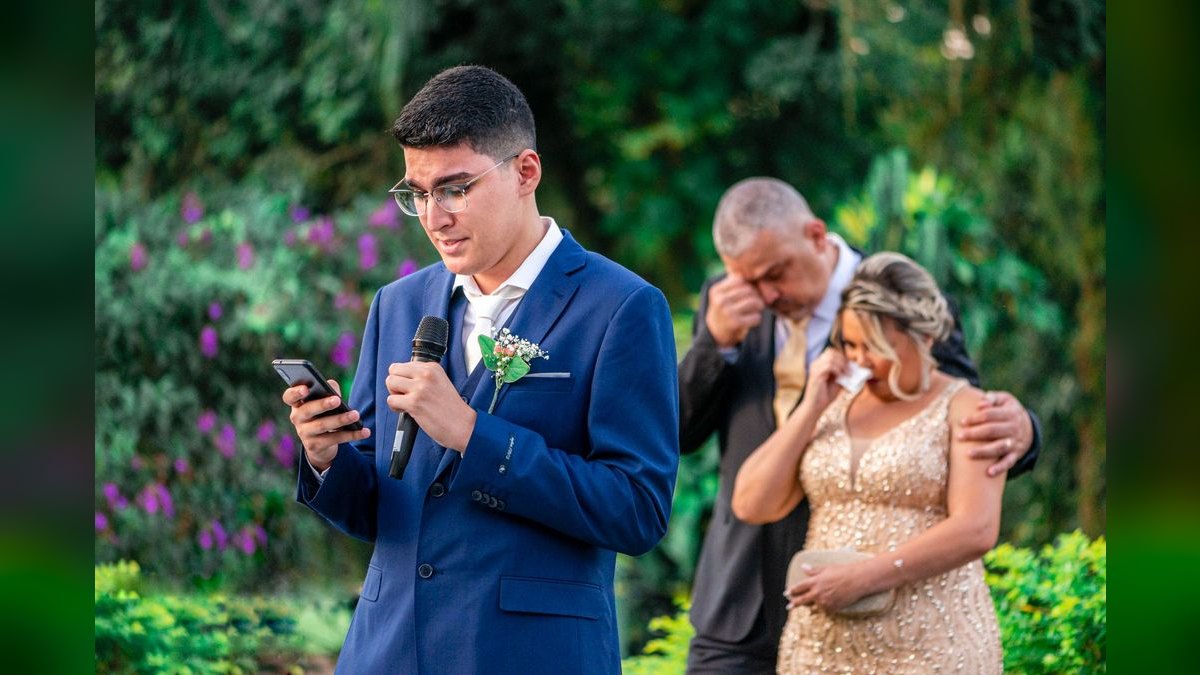
Speak slowly. Pause after each major point. Let silence do some of the work. If you feel your voice catch, that is human — do not apologize for it. Gold Star families do not need you to be polished; they need you to be real. Avoid reading from a script in a monotone. Practice enough that you can make eye contact with the audience, especially with those who have lost someone. If you see a widow or parent crying, acknowledge them with a nod, not a stare.
Your posture matters. Stand with your feet shoulder-width apart, hands at your sides or lightly resting on the podium. Do not gesture broadly or pump your fist. Keep your voice at a conversational volume — you are not shouting across a battlefield; you are speaking to people who are grieving. If you are using a microphone, test it beforehand. Feedback or crackling during a moment of silence is jarring. Dress appropriately — for men, a dark suit or dress uniform; for women, a dark dress or suit with minimal jewelry. No campaign pins or large flag lapel pins. The focus should be on the fallen, not on your affiliation or rank.
How do you adapt a Memorial Day speech for different audiences and venues?
Not every Memorial Day ceremony is the same. A speech at a national cemetery with hundreds of attendees requires different pacing and content than a speech at a small-town monument with twenty people. Adjust your length, stories, and formality accordingly. For a large ceremony at a national cemetery or military base, keep the speech to five to seven minutes. Use broader references — branches of service, major conflicts, the scale of sacrifice. You can name specific Medal of Honor recipients or quote from famous military leaders, but always bring it back to the individual.
For a small town ceremony, go shorter — three to four minutes — and more personal. Name the local service members who died. Mention their families by name if they are present and have given permission. Talk about the high school they attended, the sports they played, the jobs they held. This is not the time for grand rhetoric. It is the time for shared memory. "We remember Tommy, who delivered newspapers on this very street. We remember Lisa, who sang in the church choir. They are not just names on a plaque. They are ours."
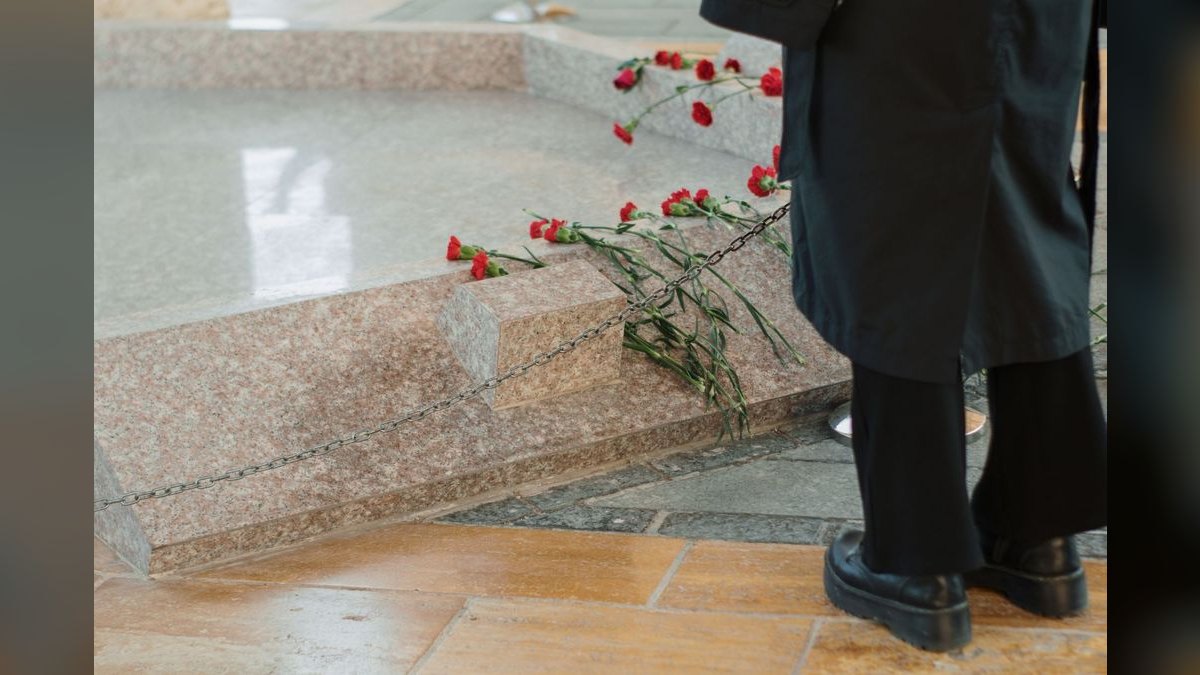
For a ceremony at a VFW post or American Legion hall, the tone can be slightly more familiar but still solemn. Veterans in the audience may want to hear a nod to shared experience — the weight of a rifle, the sound of a helicopter, the smell of diesel. But do not get lost in war stories. The focus remains on those who did not come home. End with a simple toast or a moment of silence, then invite the audience to share their own memories afterward if they wish. For more on adapting speeches, see our guide on a speech for a Little League opening day.
What are the most common mistakes in Memorial Day speeches?
The most common mistake is treating Memorial Day like a celebration of military might rather than a day of remembrance. Veterans Day honors living service members; Memorial Day honors those who died. Confusing the two undermines the entire purpose of the ceremony. Avoid phrases like "happy Memorial Day" or "enjoy your long weekend" — these trivialize the sacrifice being remembered. Instead, acknowledge the solemnity directly in your opening words.
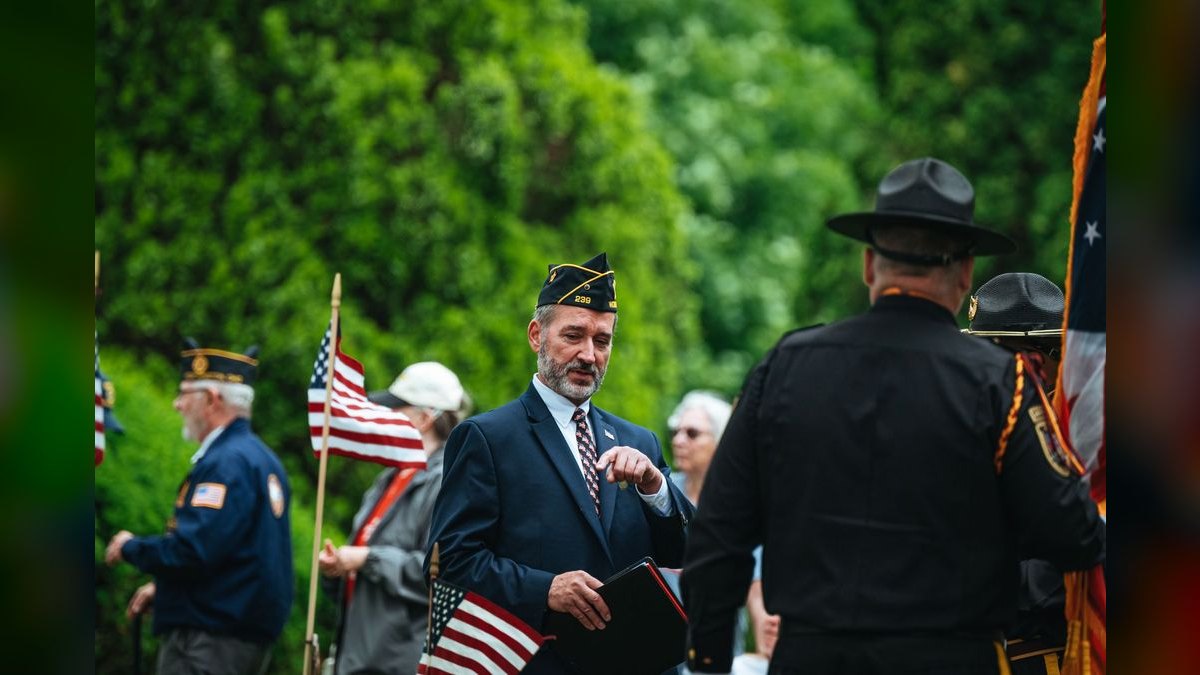
Another frequent error is using the speech as a platform for political statements or policy opinions. Memorial Day is not the time to advocate for or against specific wars, military budgets, or foreign policy decisions. The audience includes people from every political background, all united by grief and gratitude. Keep the focus on the fallen, not on current events. Similarly, avoid self-aggrandizement — do not make the speech about your own service or opinions unless it directly honors someone else. If you are a veteran, one line about a name you served beside is appropriate, but only if it stays focused on them.
Finally, do not rush the delivery. A speech that is read quickly from a script loses all emotional weight. Practice pacing so that pauses feel intentional, not accidental. The moment of silence should be long enough to feel uncomfortable — count to ten silently before moving on. This discomfort is the point. It forces the audience to sit with the reality of loss rather than rushing past it.
How do you handle the moment of silence and other ceremonial elements?
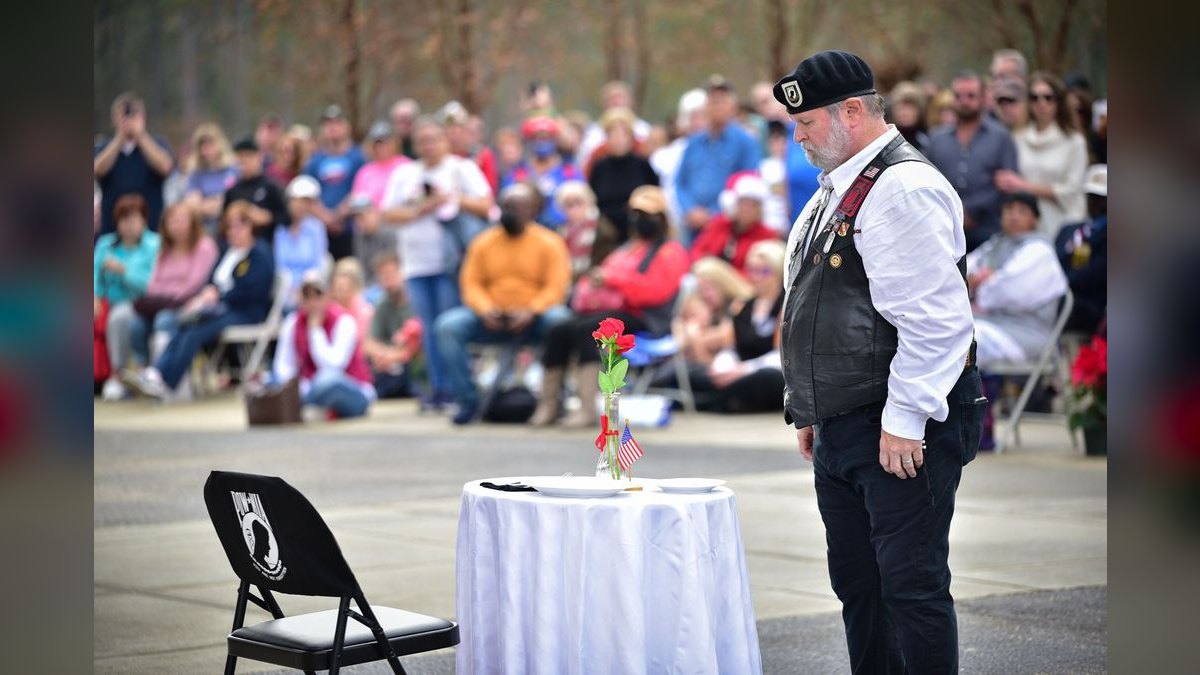
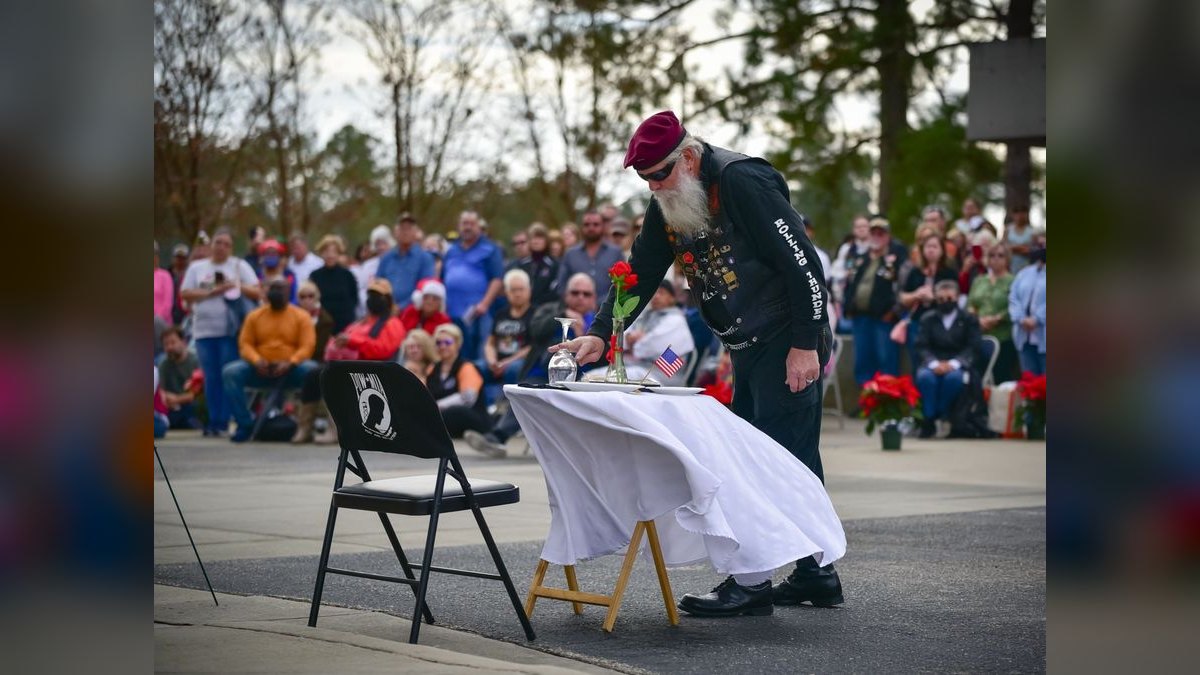
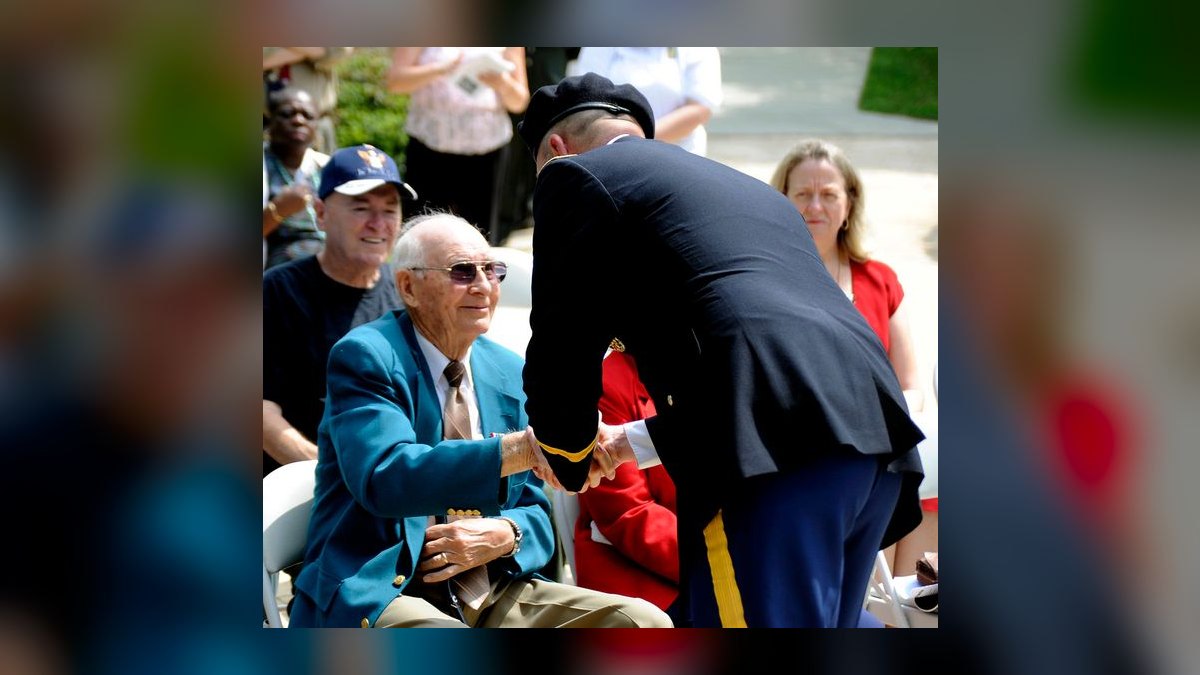
The moment of silence is the emotional center of any Memorial Day ceremony. Introduce it with a clear, simple instruction: "Let us take a moment of silence now — not an empty silence, but a full one. Picture one name. Hold it." Then count to ten silently before speaking again. Do not fill the silence with background music or ambient noise — let the stillness be complete. If you are at a cemetery, the sound of wind or birds becomes part of the experience. Do not rush through it.
If the ceremony includes a wreath-laying, introduce it with one or two sentences about what the wreath symbolizes — eternal life, the circle of remembrance, the community's ongoing gratitude. Let the act itself speak louder than words. Similarly, if a bugler plays "Taps," do not speak over it. Wait for the final note to fade before closing the ceremony. If you are using a recording instead of a live bugler, test the volume beforehand to ensure it is not jarring.
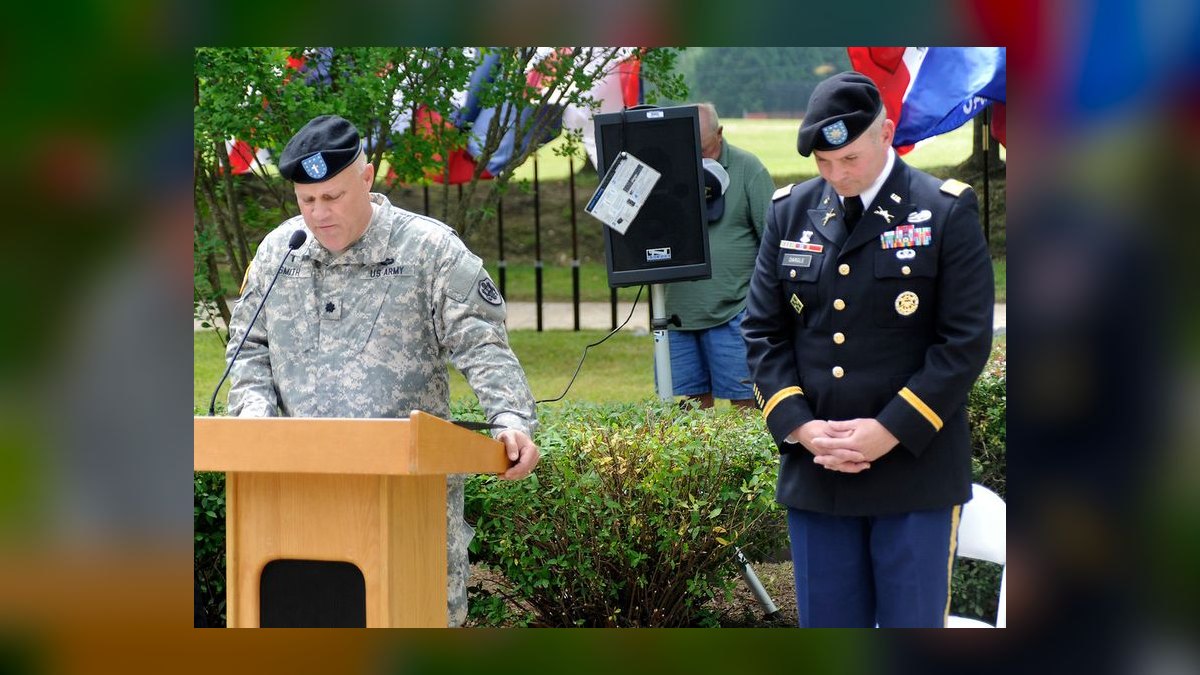
For the closing, keep it brief. A benediction from clergy, a final reading of names, or a simple "Thank you for being here" are all appropriate. Do not add a call to "enjoy the rest of your day" — instead, say something like "May we honor them not only with our grief, but with our lives." Then step back from the podium and let the silence hold for a moment before the audience begins to move. For more on ceremonial elements, see our guide on Franklin Roosevelt's Day of Infamy speech.
Related questions
What is the difference between Memorial Day and Veterans Day?
Memorial Day honors those who died in military service, while Veterans Day honors all who have served, living and dead. Confusing the two undermines the solemnity of Memorial Day.
Should I include statistics in a Memorial Day speech?
Avoid statistics — they numb the audience. Instead, focus on one individual story. A single name and a small detail about their life carries more emotional weight than any number.
Can I use humor in a Memorial Day speech?
Generally, no. Humor can feel disrespectful in a ceremony focused on loss. If you share a warm memory of the fallen, keep it gentle and brief, never making the audience laugh.
How do I handle nervousness when speaking at a ceremony?
Practice the speech aloud several times beforehand. Focus on the content, not your performance. Remember that the audience is not judging you — they are honoring the fallen.
What if I cry during the speech?
That is acceptable and often appreciated. A cracked voice shows honesty. Stop, breathe, and continue. Do not apologize for showing emotion at a ceremony about loss.
Is it okay to read a pre-written speech?
Yes, many speakers read from notes. The key is to practice enough so you can maintain eye contact and speak naturally, rather than reading in a monotone.
FAQ
How long should a Memorial Day speech be? Most speeches run between 3 to 8 minutes, depending on the ceremony's schedule. A shorter, focused speech often resonates more deeply than a lengthy one.
Is it okay to read the speech from a paper? Yes, many speakers read from notes or a printed copy. The key is to practice enough so you can maintain eye contact and speak naturally.
What tone is appropriate for a Memorial Day ceremony? The tone should be respectful, solemn, and grateful — honoring sacrifice without being overly political or partisan. A balance of reverence and hope works well.
Should I include personal stories or stay general? Personal stories can be powerful, especially if they connect to local veterans or community members. Keep them brief and tied to the larger theme of remembrance.
Can I use poems or quotes in the speech? Absolutely. Short poems, famous quotes about sacrifice, or lines from the Gettysburg Address can add emotional weight. Just credit the source and keep it brief.
How do I handle the moment of silence or wreath-laying? Simply pause after announcing it, or cue a bugler for "Taps." Let the silence speak — no need to fill it with words.
What should I wear for a Memorial Day ceremony? Men should wear a dark suit or dress uniform; women, a dark dress or suit with minimal jewelry. No campaign pins or large flag lapel pins.
How do I practice pacing for the speech? Record yourself reading the speech aloud, then listen back. Pause after each major point. Aim for a pace that is half your normal speaking speed.
Sources
- U.S. Department of Veterans Affairs — Memorial Day History and Resources
- Arlington National Cemetery — Memorial Day Observances
- The American Legion — Memorial Day Ceremony Guidelines
- National Archives — Memorial Day Origins and Documents
- Library of Congress — Veterans History Project
- PBS — Memorial Day Documentary and Educational Content
- U.S. Department of Defense — Memorial Day Commemorations
Related on PULSE
This page will be disappearing soon. Save it to your device for $1 — or read it free while it is here.
@Kory-White- · if Venmo asks, the last 4 of my number are 2012
This page is gone.
This one is off the shelf now. $1 keeps it on your phone for good — the whole page, pictures and diagrams included.
 pulse-speechesA Speech for a Customer Appreciation Event
 pulse-speechesA Retirement Speech for a CEO
 pulse-speechesA Wedding Speech for a Surprise Wedding
 pulse-speechesA Speech for a Little League Opening Day
 pulse-speechesA Toast for a 60th Birthday
 pulse-speechesA Speech for a Company 10th Anniversary
 pulse-speechesWhat Makes Steve Jobs’ Stanford Commencement a Great Speech in 2027
 pulse-speechesA Graduation Speech for a Kindergarten Graduation
 pulse-speechesA Retirement Speech for a Doctor
 pulse-speechesHow to Beat Public-Speaking Nerves in 2027