
A Speech for a Veterans Day Tribute
 Curated byKory White · Fractional CRO · Maryland
 PULSEKNOWLEDGE LIBRARY
Quality
Certified
A Veterans Day tribute speech should honor the service and sacrifice of all U.S. military veterans, typically ranging from a few minutes to a longer keynote address. It often includes gratitude for their bravery, recognition of the freedoms they secured, and a call to remember their contributions beyond a single day. The tone is respectful and heartfelt, suitable for ceremonies at schools, community events, or veteran organizations. The most effective speeches avoid hollow platitudes and instead ground gratitude in specific details, personal stories, and a clear call to action that extends beyond the ceremony itself.
How Can You Structure a Veterans Day Speech for Maximum Emotional Impact?
A Veterans Day tribute is not a lecture or a data dump — it is a moment of collective gratitude. The most effective speeches follow a clear emotional arc: grounding, honoring, connecting, and inspiring. Begin by grounding the audience in the present moment — acknowledge the date, the setting, and the shared purpose. Then move into honoring: name the specific sacrifices of veterans — not in abstract terms, but through concrete examples of what service costs: missed birthdays, long deployments, physical wounds, and the invisible scars of moral injury and PTSD. The connecting phase is where you bridge the gap between those who served and those who did not. Use inclusive language — “we” rather than “you” — to remind civilians that honoring veterans is not a passive act but an active responsibility. For deeper guidance on crafting this structure, see how to structure a tribute speech.
Finally, inspire: close with a call to action that is specific and achievable. For example, “Today, thank a veteran by name. Tomorrow, volunteer at a local VA hospital. Next month, write a letter to a deployed service member through Operation Gratitude.” This structure keeps the speech from becoming a dry recitation of facts and instead turns it into a shared experience of remembrance and resolve. The emotional arc ensures the audience moves from passive listening to active participation, which is the true goal of any Veterans Day tribute.
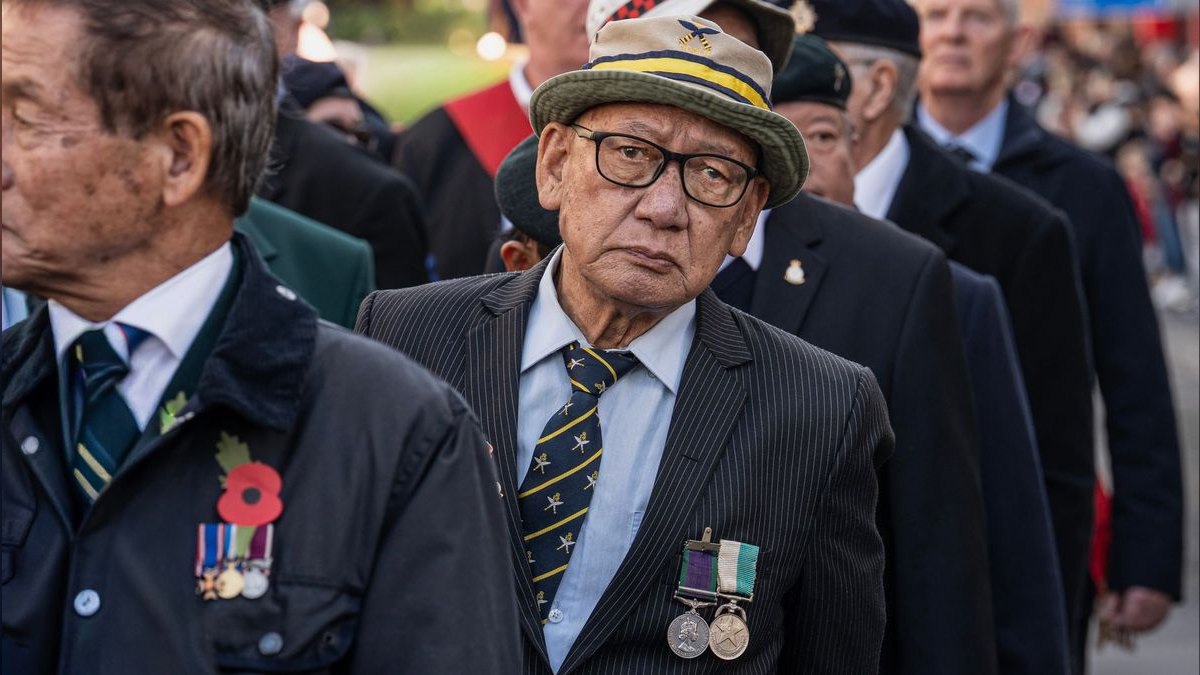
How Do You Adapt a Veterans Day Speech for Different Audiences and Venues?
The tone, length, and content of a Veterans Day speech must shift depending on the audience. For a school assembly, keep it under five minutes, use simple language, and include a story that children can relate to — perhaps a veteran who missed a child’s first steps or a soldier who wrote letters home. For a VFW hall or American Legion post, the audience expects authenticity and specificity — mention local veterans by name if possible, reference the branch of service, and avoid platitudes like “thank you for your service” without deeper context. For a corporate or workplace gathering, tie the tribute to company values — resilience, teamwork, sacrifice — and invite employees to share their own military connections. In a religious or spiritual setting, frame the tribute within themes of duty, faith, and the moral weight of bearing arms. For more on adjusting tone for different settings, explore adapting speeches for veteran audiences.
Always consider the acoustics of the room: if the space is large or outdoors, speak slowly, project your voice, and pause after key phrases. A microphone is not a crutch — it is a tool. Test it beforehand. The wrong venue adjustment can make a sincere speech feel hollow or rushed. Additionally, be mindful of the time of day — a morning ceremony at a school requires a more energetic tone than a somber evening memorial. Tailoring the speech to the venue demonstrates respect for both the audience and the occasion, ensuring the message lands as intended.
What Role Do Personal Stories and Veteran Testimony Play in a Tribute?
The most memorable Veterans Day speeches are not written — they are lived. Whenever possible, weave in a short, first-person account from a veteran in your community. This could be a quote from a letter, a brief interview you conducted, or a story you were given permission to share. For example: “I spoke with Sergeant Maria Torres, who served two tours in Afghanistan. She told me that the hardest part wasn’t the firefights — it was coming home to a country that had moved on without her. She said, ‘I didn’t need a parade. I needed someone to see me.’” Such testimony grounds the abstract concept of service in a human voice. If you cannot secure a direct quote, use a well-known veteran’s story from the public record — such as the story of WWII veteran and Medal of Honor recipient Hershel “Woody” Williams, who carried a flamethrower at Iwo Jima and later spent decades advocating for Gold Star families.
Keep the story brief — no more than 90 seconds — and ensure it serves the larger theme of the speech. Avoid gratuitous detail about violence or trauma; the goal is honor, not shock. End the story with a bridge back to the audience: “Sergeant Torres’s story is not unique. It is the story of every veteran in this room and every veteran we have lost.” Personal stories transform a generic tribute into a living memorial, making the abstract concept of sacrifice tangible and real. They also provide a natural entry point for the audience to reflect on their own connections to veterans.
What Practical Delivery Tips Ensure a Flawless Presentation?
Even the best-written speech falls flat if delivered poorly. Start by memorizing the opening and closing lines — your first 30 seconds and your last 30 seconds. This allows you to make eye contact and establish presence. For the middle section, use bullet-point notes on a single index card rather than a full script. This prevents you from reading and keeps the delivery conversational. Practice your pacing: a common mistake is speaking too quickly out of nervousness. Time yourself and deliberately slow down — aim for about 140–150 words per minute. Mark your script with pauses: a double slash (//) for a short breath, a triple slash (///) for a longer pause after a key line. Use your hands sparingly but deliberately — open palms for inclusive statements, a single raised finger for emphasis.
Dress appropriately for the venue: business attire for formal ceremonies, a suit or blazer for school events, and a uniform if you are a veteran yourself. Finally, prepare for the unexpected. If you choke up — and many speakers do — pause, take a breath, and continue. The audience will not judge you for emotion; they will remember your sincerity. Have a glass of water nearby and a backup plan if the microphone fails (project your voice from the diaphragm). Rehearse in the actual space if possible, or at least visualize the room. A polished delivery transforms a good speech into a great tribute. For additional tips on managing nerves, see delivery techniques for public speaking.
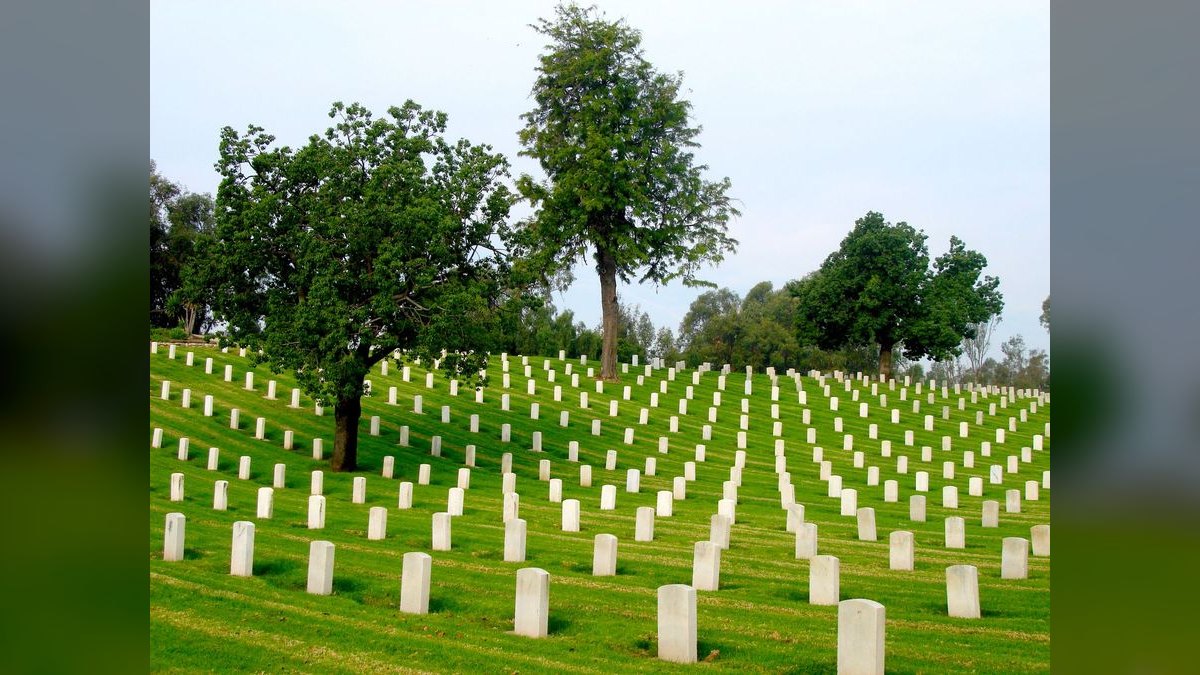
How Can You Turn Gratitude into a Lasting Call to Action?
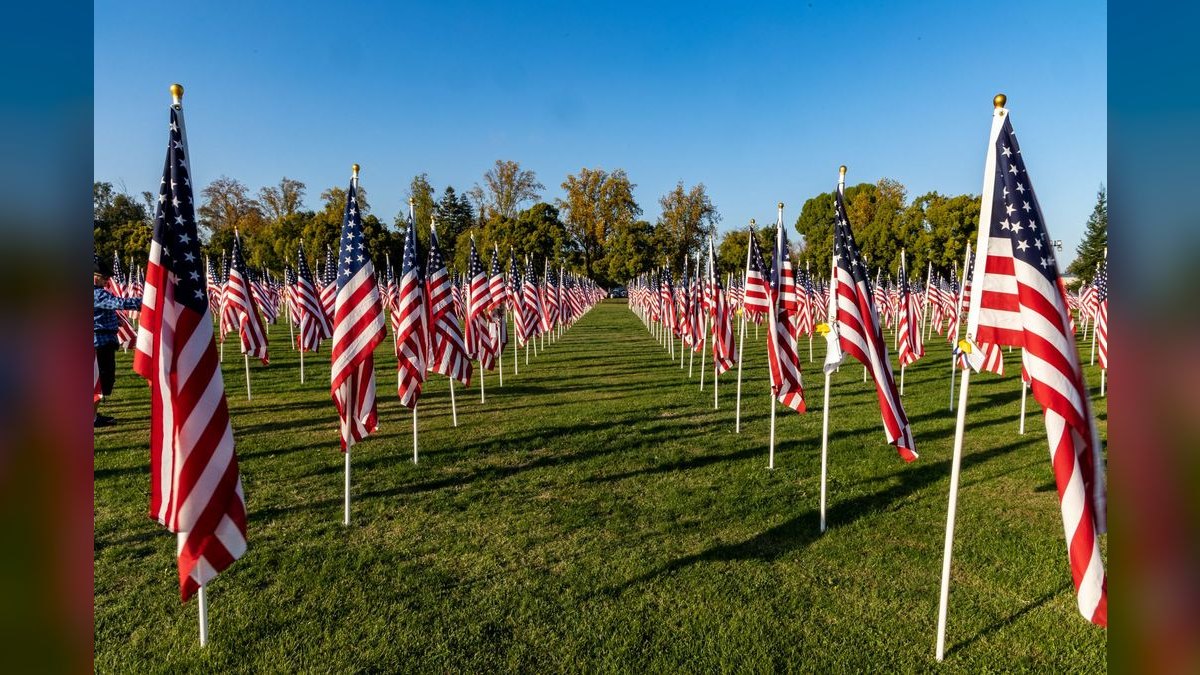
Gratitude that ends when the ceremony ends is not gratitude — it is politeness. A powerful Veterans Day speech includes a specific, actionable request that the audience can carry forward. This call to action should be concrete and achievable: “This week, find a veteran and ask them about their service. Hire one. Check on one. Listen to one. Say the words ‘thank you’ and then stay long enough to mean them.” You can also suggest community-wide efforts, such as organizing a care package drive for deployed troops, volunteering at a local VA hospital, or supporting veteran-owned businesses. The key is to move the audience from passive appreciation to active engagement.
By framing the call to action as a shared responsibility, you avoid placing the entire burden on the veterans themselves and instead invite the community to participate in ongoing support. This transforms the speech from a momentary tribute into a catalyst for lasting change. Emphasize that honoring veterans is not a once-a-year obligation but a daily practice of respect and service. The most memorable speeches leave the audience not just moved, but mobilized.
Related questions
What is the ideal length for a Veterans Day tribute speech?
A Veterans Day speech typically works best between 3 and 7 minutes, giving you enough time to express gratitude and share a meaningful message without losing the audience’s attention.
Should I mention specific wars or conflicts in the speech?
It is fine to reference conflicts like World War II, Vietnam, or more recent ones, but avoid getting into political details — the focus should remain on the veterans’ courage and sacrifice.
Can I use humor in a Veterans Day speech?
Yes, but only if the humor is warm, respectful, and appropriate for the audience — avoid jokes about military life or traumatic experiences that could be hurtful.
How do I address veterans directly without sounding insincere?
Acknowledge them by name if possible, look them in the eye, and speak from a place of genuine gratitude — avoid rushed or generic phrases like “thank you for your service” without context.
Is it appropriate to include a moment of silence in the speech?
Yes, a moment of silence for fallen service members is a powerful addition, especially if you name specific individuals or ask the audience to reflect on their own connections.
FAQ
What is the best length for a Veterans Day speech? A Veterans Day speech typically works best between 3 and 7 minutes. That gives you enough time to express gratitude and share a meaningful message without losing the audience’s attention.
Should I include personal stories in the speech? Yes, personal stories or anecdotes about a specific veteran can make the speech more heartfelt and relatable. Just keep them brief and focused on the theme of service and sacrifice.
Is it appropriate to thank active-duty military as well as veterans? Absolutely—thanking both active-duty personnel and veterans is fitting for a Veterans Day tribute. The day honors all who have served, whether past or present.
Can I use a poem in the middle of the speech? Yes, a short, relevant poem can add emotional depth and break up the prose. Just ensure it ties directly to the theme of honoring veterans and doesn’t make the speech feel disjointed.
How should I address the audience at a Veterans Day event? Start by acknowledging veterans and their families first, then thank the general audience for attending. A simple “To our veterans, thank you for your service” sets the right tone.
Do I need to mention specific wars or conflicts? It’s fine to reference conflicts like World War II, Vietnam, or more recent ones, but avoid getting into political details. The focus should remain on the veterans’ courage and sacrifice, not the politics of any war.
What should I do if I get emotional while delivering the speech? Pause, take a breath, and continue — the audience will not judge you for emotion; they will remember your sincerity. A steady breath is more moving than a flawless, robotic delivery.
How can I make the speech more memorable for the audience? Use concrete details, name specific veterans, and end with a clear call to action that the audience can practice beyond the ceremony — this transforms passive listening into active remembrance.
Sources
- U.S. Department of Veterans Affairs
- Library of Congress Veterans History Project
- National Archives
- The American Legion
- Military.com
- History.com
- PBS Veterans Day Resources
- National WWII Museum
Related on PULSE
- A Speech for a Little League Opening Day
- A Speech for a Memorial Day Ceremony
- What is the least obvious yet most reliable behavioral marker indicating a person is covertly experiencing spiritual awakening rather than psychiatric decompensation, and how can a clinician distinguish between the two in a single initial interview without relying on self-report?
- A Speech for a Town Hall on a Local Issue
This page will be disappearing soon. Save it to your device for $1 — or read it free while it is here.
@Kory-White- · if Venmo asks, the last 4 of my number are 2012
This page is gone.
This one is off the shelf now. $1 keeps it on your phone for good — the whole page, pictures and diagrams included.
 pulse-speechesA Toast for a Baby Shower
 pulse-speechesA Speech for Welcoming a New Hire
 pulse-speechesA Speech for a Little League Opening Day
 pulse-speechesA Speech for a Customer Appreciation Event
 pulse-speechesA Wedding Speech for a Same-Sex Wedding
 pulse-speechesWhat Makes Steve Jobs’ Stanford Commencement a Great Speech in 2027
 pulse-speechesA Toast for a Gender Reveal
 pulse-speechesA Retirement Speech for a CEO
 pulse-speechesA Retirement Speech for a Doctor
 pulse-speechesHow to Structure a Best Man Speech in 2027