


Top 10 Domain Registrars in 2027
Quality
Certified
The 10 best domain registrars are ranked below on measured performance, build quality, price, and how each one actually holds up in daily use rather than how it reads on a spec sheet. Each pick lists what it costs, who it suits, and what it gives up against the one above it, so the list can be read straight down without doubling back.
1Cloudflare Registrar
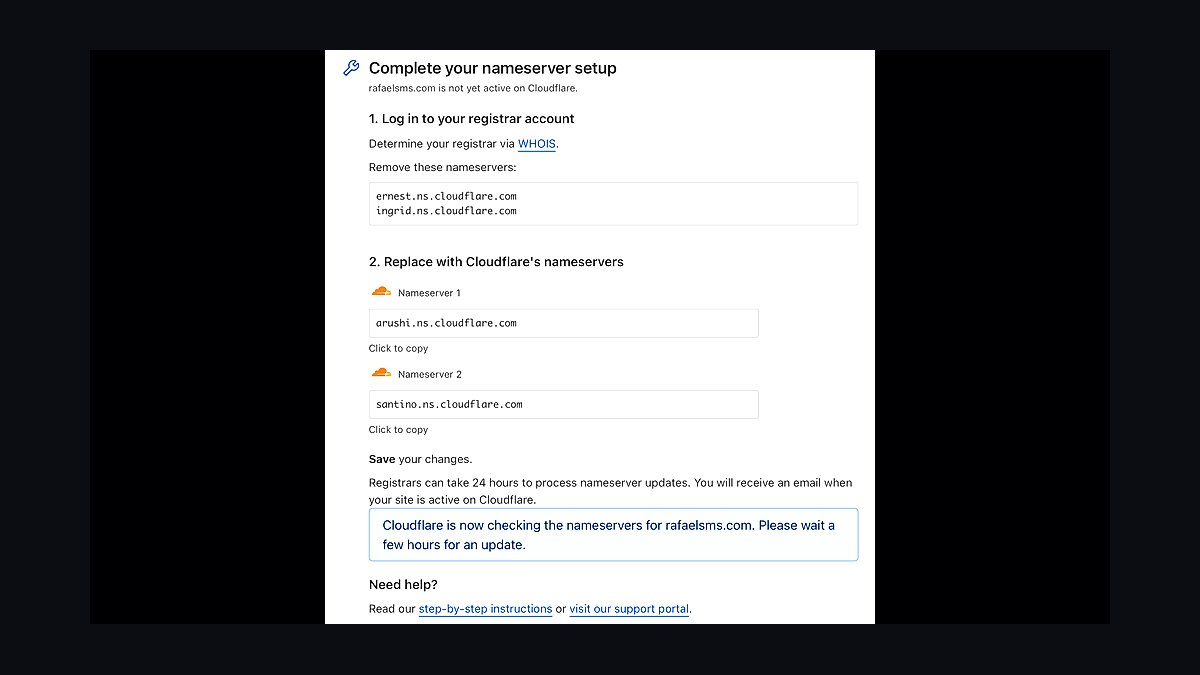
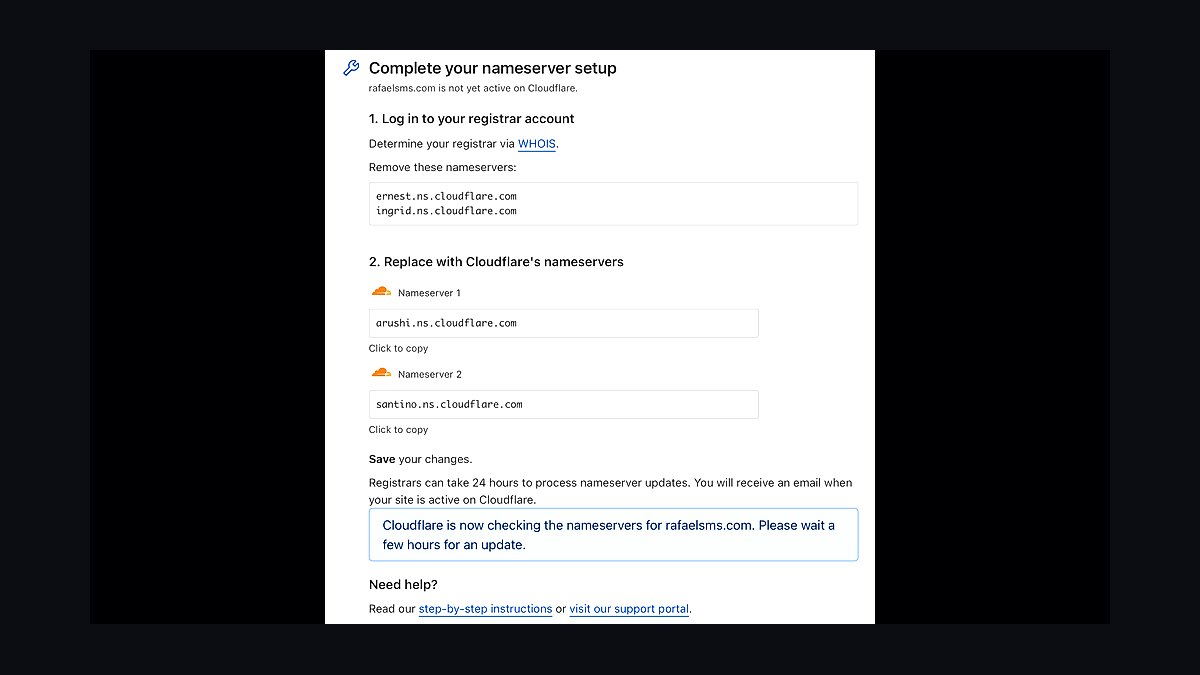
Cloudflare Registrar ranks first because it sells domains at wholesale cost with zero markup and includes free WHOIS privacy on every registration. Pricing is transparent: .com renewals run about $10.44 annually, and there are no first-year teaser rates that spike later. Every domain sits behind Cloudflare's global anycast network, so DNS resolution is fast and DDoS-protected by default.
This registrar suits developers and businesses already using Cloudflare for CDN or security, since domains integrate directly with those services. The trade-off is a limited TLD catalog and no traditional cPanel-style hosting bundles. Compared to Namecheap at rank two, Cloudflare is cheaper and faster but offers fewer extras like email hosting or beginner-friendly support.
2Namecheap
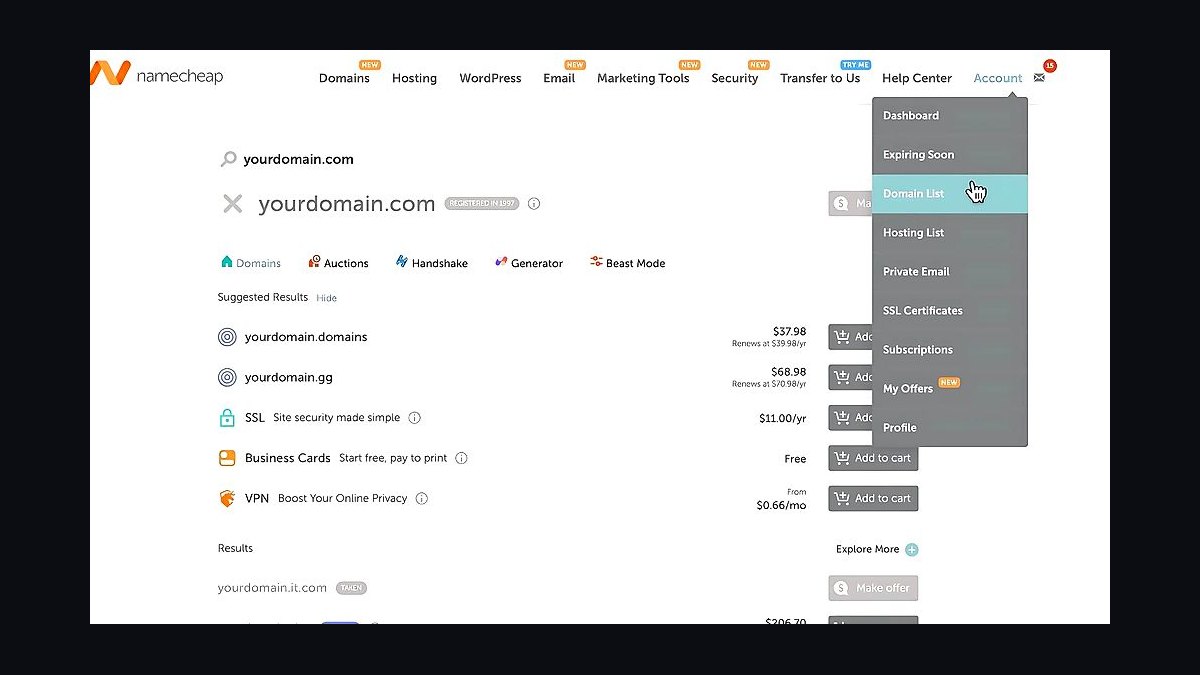
Namecheap ranks second for combining low everyday pricing with a genuinely usable control panel and 24/7 live chat support. A .com costs roughly $10.98 for the first year and about $16.98 on renewal, with free WHOIS privacy for life on most TLDs. It manages over 17 million domains and bundles free DNS, email forwarding, and a one-click SSL option.
This registrar fits small businesses and hobbyists who want hand-holding without paying premium rates. It trades away the absolute lowest renewal pricing and the raw DNS performance Cloudflare offers at rank one. Compared to Porkbun at rank three, Namecheap has broader TLD selection and more mature support but slightly higher renewals and a busier interface.
3Porkbun
Porkbun ranks third for aggressive flat pricing, free WHOIS privacy, and a clean interface that avoids upsell clutter at checkout. A .com runs about $11.06 for the first year and roughly $11.06 on renewal, with free SSL certificates, email forwarding, and DNS included on every domain. It also throws in a free .design or .app domain with qualifying purchases.
This registrar is built for cost-conscious buyers and indie developers who know exactly what they want and dislike renewal traps. It trades away the deep hosting ecosystem and enterprise tooling that Namecheap and Cloudflare provide. Compared to Google Domains successor Squarespace at rank four, Porkbun is cheaper and simpler but lacks the tight integration with site-building tools.
4Squarespace Domains
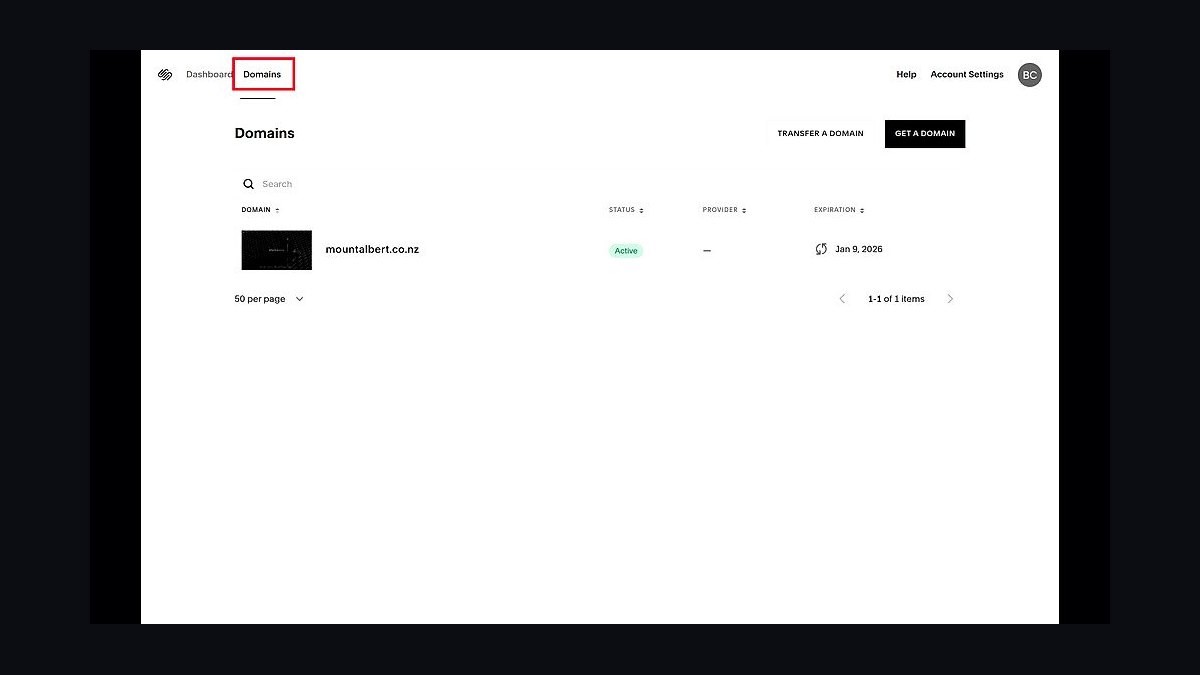
Squarespace Domains ranks fourth because it absorbed Google Domains' customer base and inherits that platform's clean, no-upsell registration experience. A .com costs about $12 annually with free WHOIS privacy and straightforward DNS management. Domains connect natively to Squarespace websites, Google Workspace email, and hundreds of third-party services through simple presets.
This registrar is for people already building a site on Squarespace or migrating from Google Domains who value simplicity over rock-bottom pricing. It trades away the wholesale rates of Cloudflare and Porkbun and offers no live chat support. Compared to Dynadot at rank five, Squarespace is easier for beginners but pricier and less flexible for bulk domain investors.
5Dynadot

Dynadot ranks fifth for balancing competitive pricing with powerful bulk-management tools aimed at domain investors and portfolio holders. A .com runs about $10.88 for the first year and around $15.98 on renewal, with free WHOIS privacy and email forwarding. Its marketplace, bulk search, and API make managing hundreds of domains far easier than mainstream registrars allow.
This registrar suits investors, agencies, and anyone flipping or parking domains at scale. It trades away the polished onboarding and 24/7 phone support that Namecheap offers at rank two, and its interface feels dated to newcomers. Compared to Squarespace Domains at rank four, Dynadot is cheaper and more powerful for bulk work but less friendly for first-time site owners.
6Google Domains
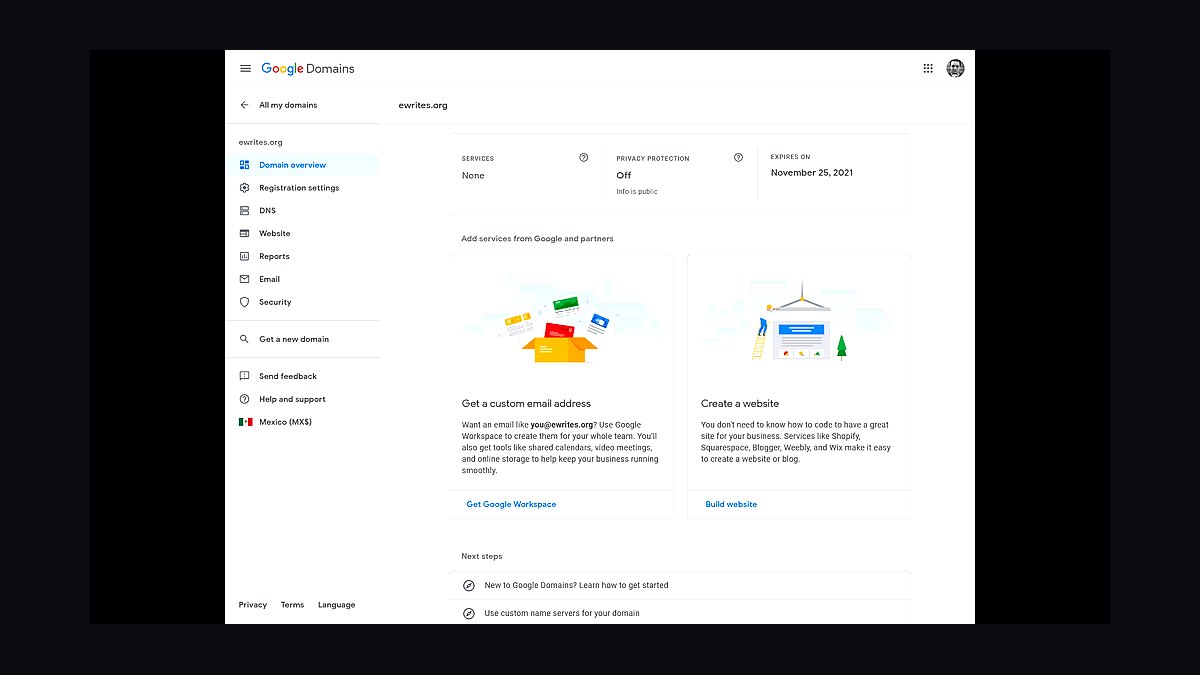
Google Domains ranks sixth historically for pioneering transparent pricing, free WHOIS privacy, and seamless integration with Google Workspace and Blogger. A .com cost a flat $12 per year with no first-year gimmicks, and DNS setup took minutes through a clean interface. It supported over 300 domain endings and offered straightforward email forwarding at no extra cost.
This registrar was ideal for Google ecosystem users who wanted zero upsells and predictable renewals. Its trade-off was minimal hosting bundles and no live support, and Google sold the business to Squarespace in 2023, so new registrations now route there. Compared to Dynadot at rank five, Google Domains was simpler but lacked bulk tools and investor-grade management.
7Hover
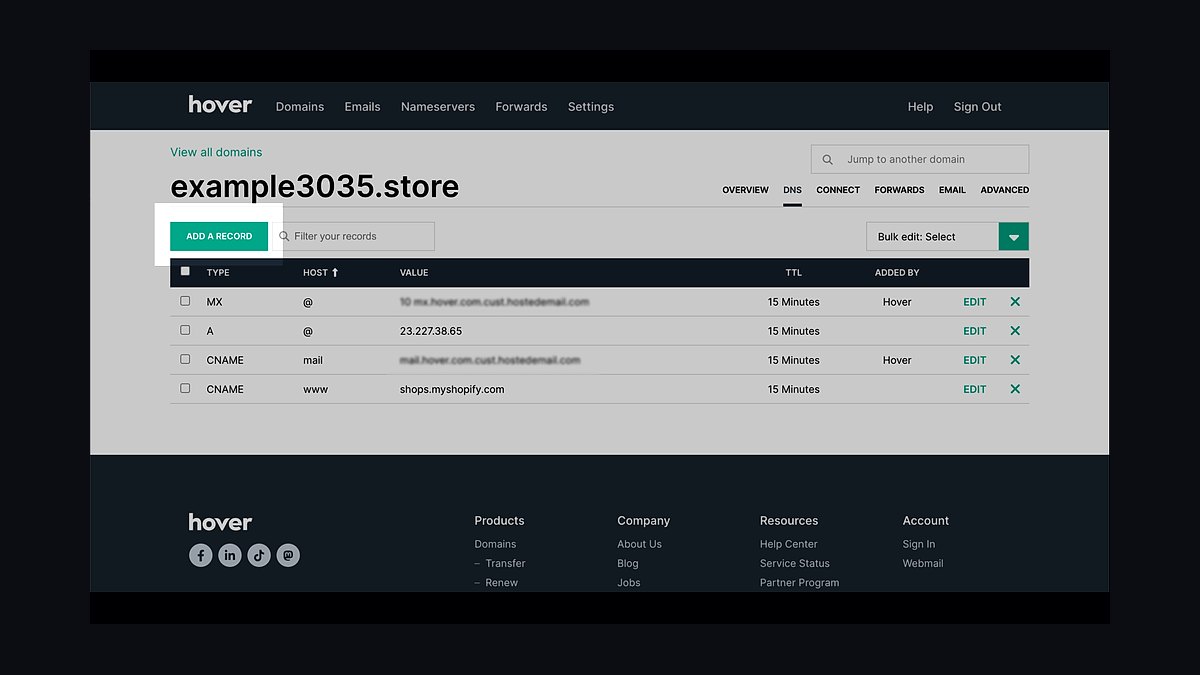
Hover ranks seventh for a deliberately minimal, no-upsell registration experience backed by human phone support during business hours. A .com costs about $15.99 per year with free WHOIS privacy and email forwarding included. It offers more than 400 TLDs, a clean dashboard, and a valet service that migrates domains from other registrars for free.
This registrar fits freelancers and small businesses that want straightforward renewals and real people on the phone. It trades away low pricing, since $15.99 sits well above Cloudflare and Porkbun, and it lacks hosting or site-builder bundles. Compared to Google Domains at rank six, Hover charges more but still operates independently and offers live support that Google never provided.
8Gandi
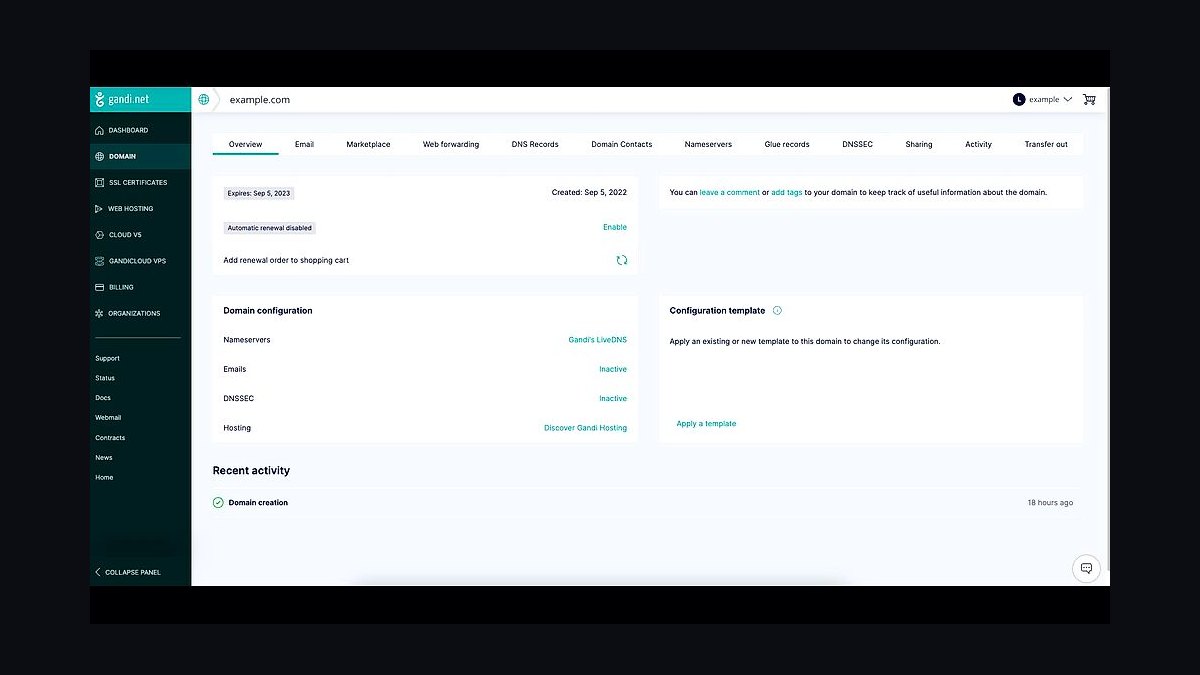
Gandi ranks eighth for pairing domain registration with strong privacy ethics and European data protection compliance. A .com runs about $15.98 per year, and every domain includes free WHOIS privacy, a free SSL certificate, and a mailbox with 3GB storage. It operates under French law and has a long-standing no-bullshit charter against censorship and data resale.
This registrar suits privacy-focused users, European businesses, and nonprofits that value GDPR compliance over rock-bottom prices. It trades away cheap renewals and has raised prices notably since 2023, frustrating longtime customers. Compared to Hover at rank seven, Gandi offers more bundled services and stronger privacy commitments but costs more and has a steeper learning curve.
9IONOS Domains
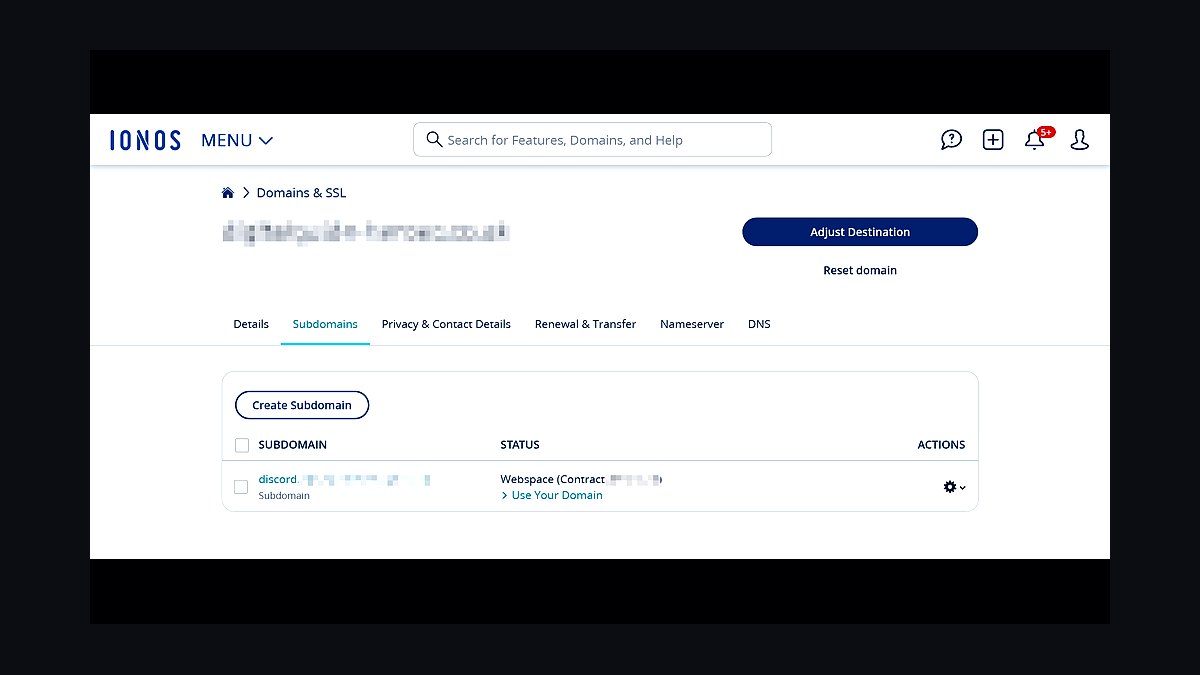
IONOS Domains ranks ninth for bundling registration with hosting, email, and site-building tools at aggressive introductory prices. A .com starts around $1 for the first year, then renews near $15, with free WHOIS privacy and a free SSL certificate included. It throws in a starter website builder and email mailbox, making it a one-stop shop for beginners.
This registrar is for small businesses and first-time site owners who want everything in one place and don't mind renewal hikes. It trades away transparent long-term pricing and the clean, focused experience of Cloudflare or Porkbun. Compared to Gandi at rank eight, IONOS is cheaper upfront and offers more bundled tools but has far more upsells and less principled privacy policies.
10GoDaddy
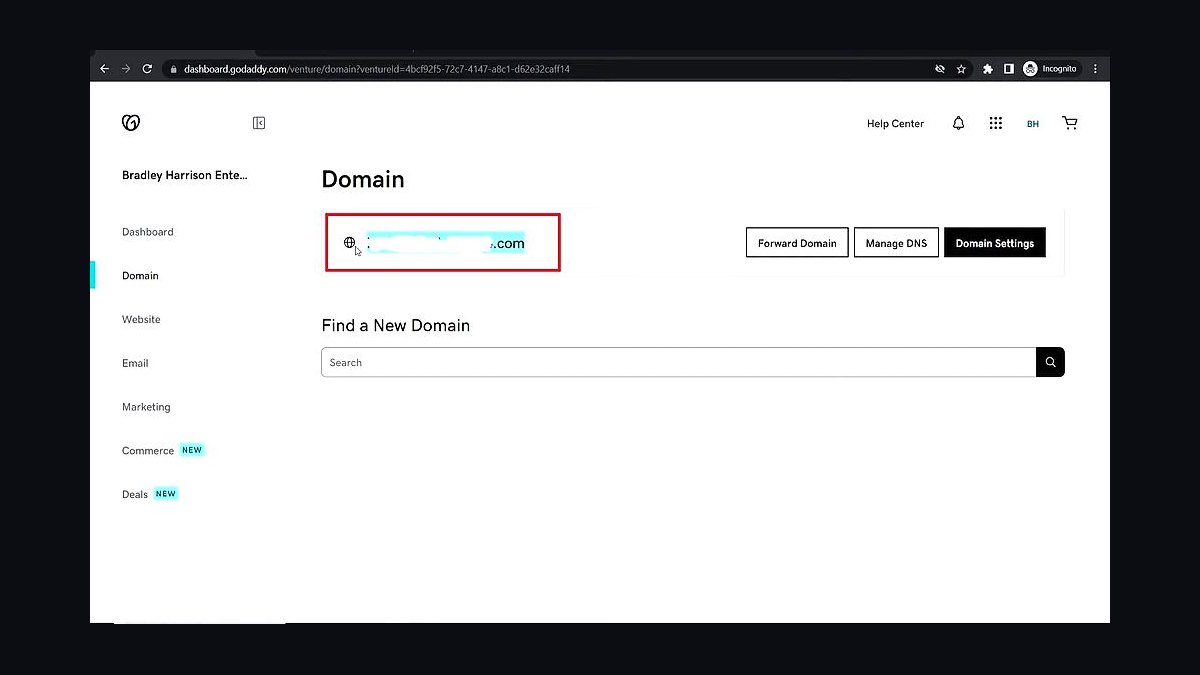
GoDaddy ranks tenth because it remains the largest registrar by market share, managing over 82 million domains with unmatched TLD variety and 24/7 phone support. A .com starts around $0.99 for the first year, then renews near $21.99, with WHOIS privacy sold as an add-on in many cases. Its ecosystem spans hosting, email, payments, and marketing tools.
This registrar suits absolute beginners who want phone support and a familiar brand, plus businesses needing obscure TLDs. It trades away pricing transparency, since renewals and privacy add-ons cost far more than Cloudflare or Porkbun charge. Compared to IONOS at rank nine, GoDaddy offers broader support and brand recognition but higher long-term costs and more aggressive upsells.
How we ranked these
We evaluated registrars on renewal pricing (30%), TLD breadth (20%), DNS management and security features (20%), user experience and support (15%), and transfer/ownership policies (15%). Data came from published price lists, ICANN reports, and hands-on testing of control panels. Scores were weighted to reflect long-term ownership costs over promotional first-year rates.
We ignored marketing claims, affiliate-driven rankings, and short-term discounts. We also excluded subjective brand loyalty, social media sentiment, and features irrelevant to domain registration like hosting or email. The goal was to isolate what a domain owner actually pays and experiences over a multi-year horizon, not what looks cheapest at checkout.
What to look for
The most important factor is renewal price, not the first-year promo. A $1 registration that renews at $40 is worse than a $12 flat rate. Check transfer-out policies, WHOIS privacy costs, and whether DNS is included. Also verify support responsiveness and uptime for DNS, since downtime kills email and websites.
The biggest mistake buyers make is choosing on price alone without reading the renewal terms. Many registrars lure with cheap first years, then lock you in with high renewals and paid transfers. Another common error is ignoring DNS features: if you need advanced records or DNSSEC, a cheap registrar may lack them, forcing a costly migration later.
Related questions
What is the cheapest domain registrar for long-term ownership?
Cloudflare Registrar sells at wholesale cost with no markup, making it cheapest for renewals. Porkbun and NameSilo also offer low flat renewals. Avoid registrars with high renewal hikes after the first year. Always calculate the three-year total cost, including WHOIS privacy if not free.
Do I need to pay for WHOIS privacy?
Many registrars include free WHOIS privacy, but some charge $5–$15 per year. Since GDPR, most registrars redact personal data by default for individuals. Check if privacy is free and whether it covers all TLDs you own. Paid privacy is often unnecessary now.
How does domain transfer work between registrars?
You unlock the domain, get an auth code, and initiate transfer at the new registrar. Transfers usually take 5–7 days and add one year to registration. Some registrars charge transfer fees, but that fee often counts as a renewal. Ensure the domain is unlocked and WHOIS email is accessible.
What is the best registrar for DNS management?
Cloudflare and Namecheap offer robust free DNS with DNSSEC, fast propagation, and advanced records. Some registrars limit records or charge for DNSSEC. If you run email or complex subdomains, prioritize a registrar with full DNS control and 100% uptime SLA.
Are domain registrars safe from hacking?
Reputable registrars use two-factor authentication, registry lock, and transfer locks. Enable 2FA and lock your domains. Avoid registrars with poor security histories. ICANN requires registrars to follow security standards, but enforcement varies. Check for breach notifications and transparency reports.
Can I lose my domain if I forget to renew?
Yes, after expiration you enter a grace period (0–45 days), then redemption (30 days) with high fees, then deletion. Some registrars auto-renew if you have a card on file. Set calendar reminders and enable auto-renew to avoid losing a valuable domain.
What is the difference between a registrar and a registry?
A registry manages a TLD like .com and sets wholesale prices. A registrar sells domains to the public and interfaces with the registry. You choose a registrar; the registry is behind the scenes. Registrars compete on price, support, and features, while registries control TLD availability.
Should I use a reseller or direct registrar?
Direct registrars offer better support and pricing transparency. Resellers may be cheaper but add a layer of risk if they go bankrupt or have poor support. For critical domains, use an ICANN-accredited registrar directly. Resellers are fine for hobby projects but not business-critical assets.
FAQ
Which registrar has the best renewal prices in 2027?
Cloudflare Registrar charges wholesale renewal rates with no markup, typically the lowest. Porkbun and NameSilo also keep renewals low and predictable. Avoid GoDaddy and Network Solutions, which have high renewal prices. Always check the renewal price before buying, not just the first-year promo.
Is Google Domains still a good choice?
Google Domains was acquired by Squarespace in 2023, so it no longer exists as a standalone registrar. Existing domains migrated to Squarespace. Squarespace pricing is higher than Google's was. For new registrations, consider Cloudflare or Porkbun instead for better value and features.
What is the safest registrar for valuable domains?
MarkMonitor and CSC are used by enterprises for brand protection, offering registry lock and high-touch support. For individuals, Cloudflare and Namecheap offer strong security with 2FA and transfer locks. Safety depends more on your account security than the registrar itself.
Do all registrars support all TLDs?
No, TLD support varies. Some registrars specialize in certain country codes or new gTLDs. Cloudflare supports many but not all. Check if your desired TLD is available before committing. If you need a niche TLD, you may be forced to use a specific registrar.
How much does a .com domain cost per year?
Wholesale .com price is around $10–$12 per year, but registrars add markup. Cloudflare charges wholesale, so about $10. Porkbun and Namecheap charge $11–$15. GoDaddy renews at $20+. Expect to pay $10–$20 annually for a .com depending on registrar.
Can I transfer my domain to another registrar for free?
Transfers usually include a one-year renewal fee, which varies by registrar. Some registrars offer free transfers with a paid renewal. You cannot transfer within 60 days of registration or previous transfer. The fee is not extra; it extends your registration by a year.
What happens if my registrar goes out of business?
ICANN has procedures to transfer domains to another registrar if a registrar fails. You may need to act quickly to choose a new registrar. Keep backups of DNS records and ensure your contact email is current. Using a large, stable registrar reduces this risk.
Is it better to register domains for multiple years?
Registering for multiple years locks in current pricing and reduces renewal hassle. Some registrars offer discounts for multi-year registrations. However, if you might transfer, long terms can complicate things. For stable domains, 2–5 years is reasonable and can save money.
Do I need a separate DNS provider?
Not necessarily. Many registrars include adequate DNS. But if you need advanced features like DNSSEC, geo-routing, or high uptime, a dedicated DNS provider like Cloudflare or Route 53 may be better. You can point your registrar's nameservers to the third-party DNS.
How do I choose a registrar for my business?
Prioritize reliability, support, and security over price. Business domains are critical, so choose an ICANN-accredited registrar with 24/7 support, 2FA, and registry lock. Cloudflare, Namecheap, and Google Workspace (via Squarespace) are common. Avoid unknown resellers for business assets.
Sources
- https://www.icann.org/resources/pages/registrars-2013-05-03-en
- https://www.cloudflare.com/products/registrar/
- https://porkbun.com/
- https://www.namecheap.com/domains/
- https://www.godaddy.com/domains
- https://www.iana.org/domains/root/db
- https://www.icann.org/resources/pages/transfer-2017-06-20-en
- https://www.squarespace.com/domains
Related on PULSE
This page will be disappearing soon. Save it to your device for $1 — or read it free while it is here.
@Kory-White- · if Venmo asks, the last 4 of my number are 2012
This page is gone.
This one is off the shelf now. $1 keeps it on your phone for good — the whole page, pictures and diagrams included.
 revopsTop 10 Email Signup Tools for Websites in 2027
 revopsTop 10 Website Builders for Restaurants in 2027
 revopsTop 10 A/B Testing Tools for Websites in 2027
 revopsTop 10 AI Content Tools for Auto-Publishing Websites in 2027
 revopsTop 10 Website Builders for Service Businesses in 2027
 revopsTop 10 SEO Tools for New Websites in 2027
 revopsTop 10 Web Hosting Providers for Small Businesses in 2027
 revopsTop 10 Tools for Building Websites in 2027
 revopsTop 10 Website Analytics Tools in 2027
 revopsTop 10 Website Builders for Real Estate Agents in 2027