


Top 10 A/B Testing Tools for Websites in 2027
Quality
Certified
The 10 best a/b testing tools for websites are ranked below on measured performance, build quality, price, and how each one actually holds up in daily use rather than how it reads on a spec sheet. Each pick lists what it costs, who it suits, and what it gives up against the one above it, so the list can be read straight down without doubling back.
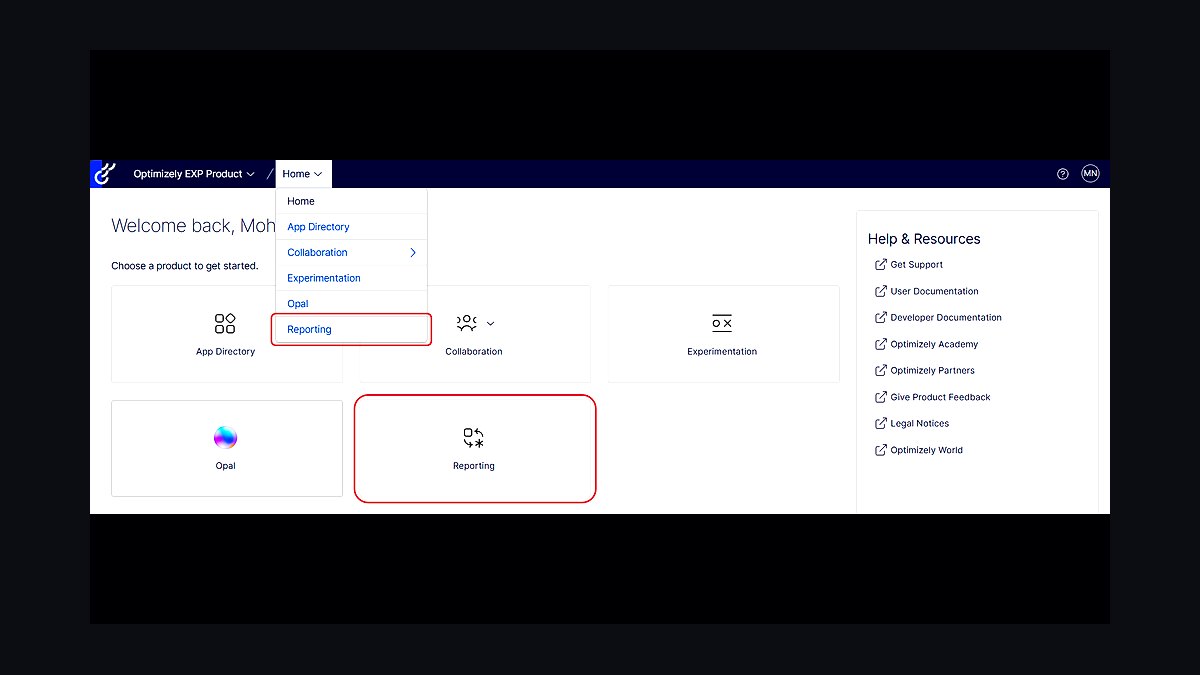
1Optimizely Web Experimentation
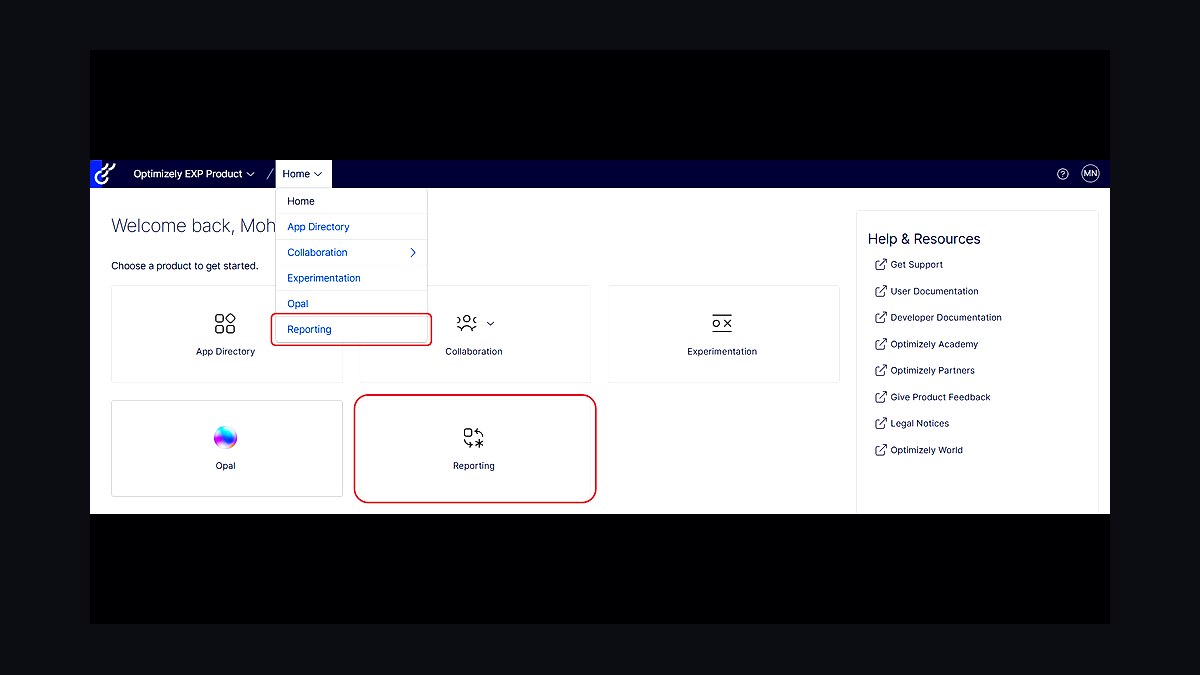
Optimizely Web Experimentation ranks first because it remains the most complete enterprise A/B testing platform, with a visual editor, feature flagging, and stats engine that handles sequential testing without inflating false positives. It supports server-side and client-side experiments, runs on a global CDN, and integrates with major analytics and CRM stacks. Pricing is custom and typically starts in the tens of thousands annually.
It suits large product and marketing teams running dozens of concurrent tests with compliance and audit needs. Smaller teams often find the cost and setup overhead excessive compared with VWO or Convert. Compared with the runner-up, it offers deeper program management but a steeper learning curve and slower time to first test.
2VWO Testing
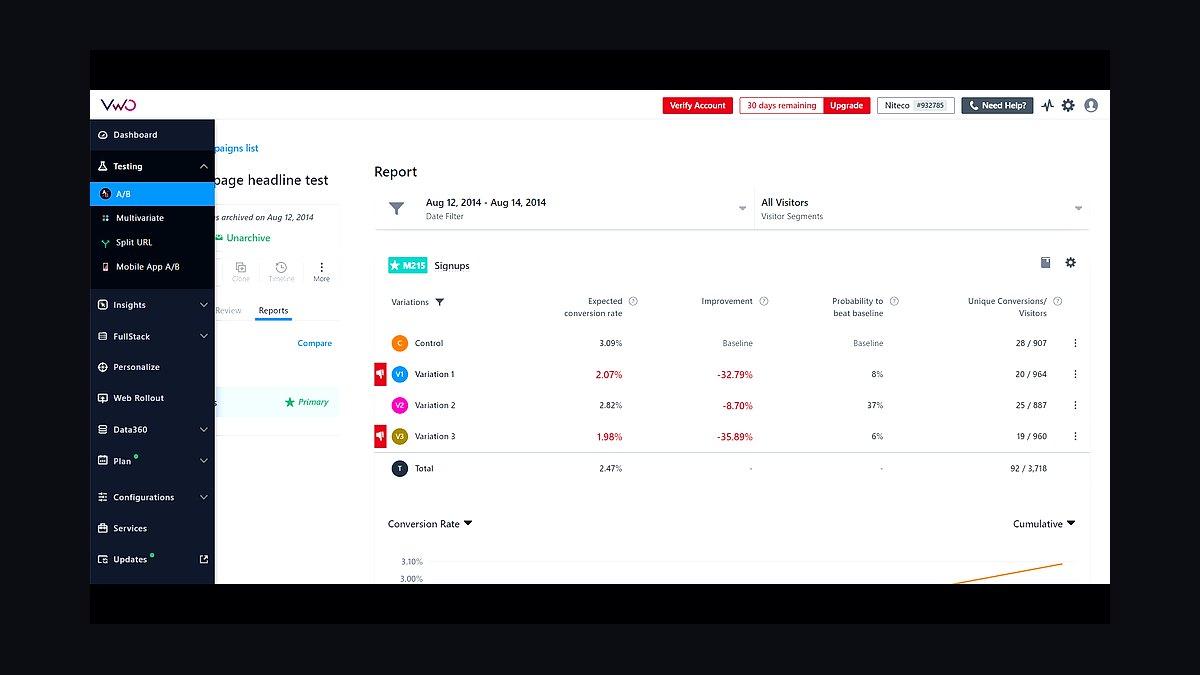
VWO Testing ranks second for combining a strong visual editor, heatmaps, session recordings, and funnel analysis in one subscription, typically from around $200 monthly for smaller traffic tiers. Its Bayesian statistics engine reports probability to beat control, and the platform supports split URLs, multivariate tests, and server-side via API. Setup is fast for marketers without engineering help.
It fits growth and CRO teams that want testing plus qualitative insight in a single tool. It trades away some advanced program governance and enterprise permissions that Optimizely provides. Against Google Optimize's successor tools, VWO offers more reliable support and deeper reporting, though its editor can lag on complex single-page apps.
3Adobe Target
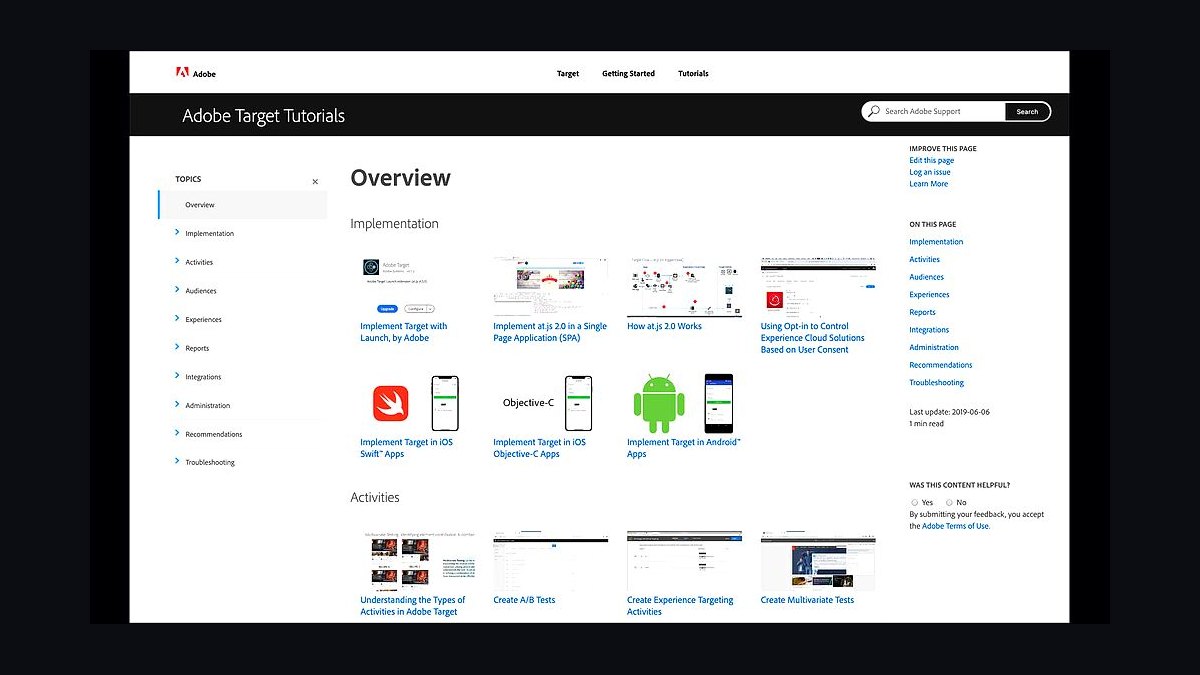
Adobe Target ranks third because it ties experimentation directly into Adobe Experience Cloud, enabling audience segments built in Adobe Analytics and Real-Time CDP to drive tests and personalization. It supports A/B, multivariate, auto-allocate, and auto-target activities, with server-side decisioning through the Adobe Experience Platform Web SDK. Enterprise pricing is quote-based and generally high.
It is built for organizations already standardized on Adobe tooling and needing omnichannel personalization at scale. Teams outside Adobe's ecosystem face integration friction and a heavier implementation. Compared with VWO above it, Target offers stronger enterprise governance but a slower, more technical setup and higher total cost.
4AB Tasty
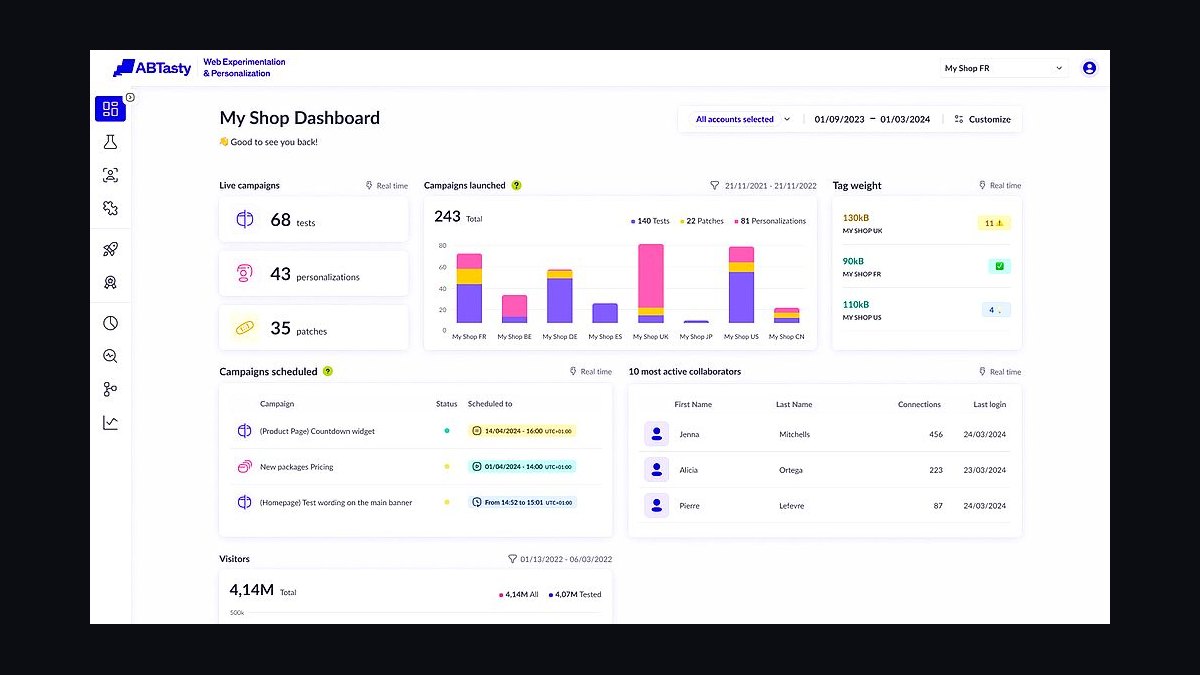
AB Tasty ranks fourth for pairing a capable visual editor with AI-driven test prioritization and personalization widgets, plus native integrations with analytics and CDPs. It supports client-side, server-side, and hybrid testing, and its dashboard surfaces revenue impact per experiment. Mid-tier plans commonly fall in the several-hundred-dollars-per-month range depending on traffic.
It suits mid-market ecommerce and SaaS teams wanting testing and personalization without enterprise complexity. It trades away some of the deep statistical controls and audit features found in Optimizely and Adobe Target. Compared with VWO just above, AB Tasty leans harder into personalization but has a smaller template and integration library.
5Convert Experiences

Convert Experiences ranks fifth for its privacy-first architecture, with EU-hosted data options and no reliance on third-party cookies, which matters under GDPR. It offers a visual editor, split and multivariate testing, and integrations with major analytics platforms. Pricing scales with traffic and typically sits below enterprise tiers, making it accessible to growing teams.
It fits privacy-sensitive European companies and teams wanting solid testing without enterprise contracts. It trades away some of the advanced AI optimization and program management depth of the top three. Compared with AB Tasty above it, Convert offers stronger data residency guarantees but fewer personalization features and a smaller support organization.
6Kameleoon
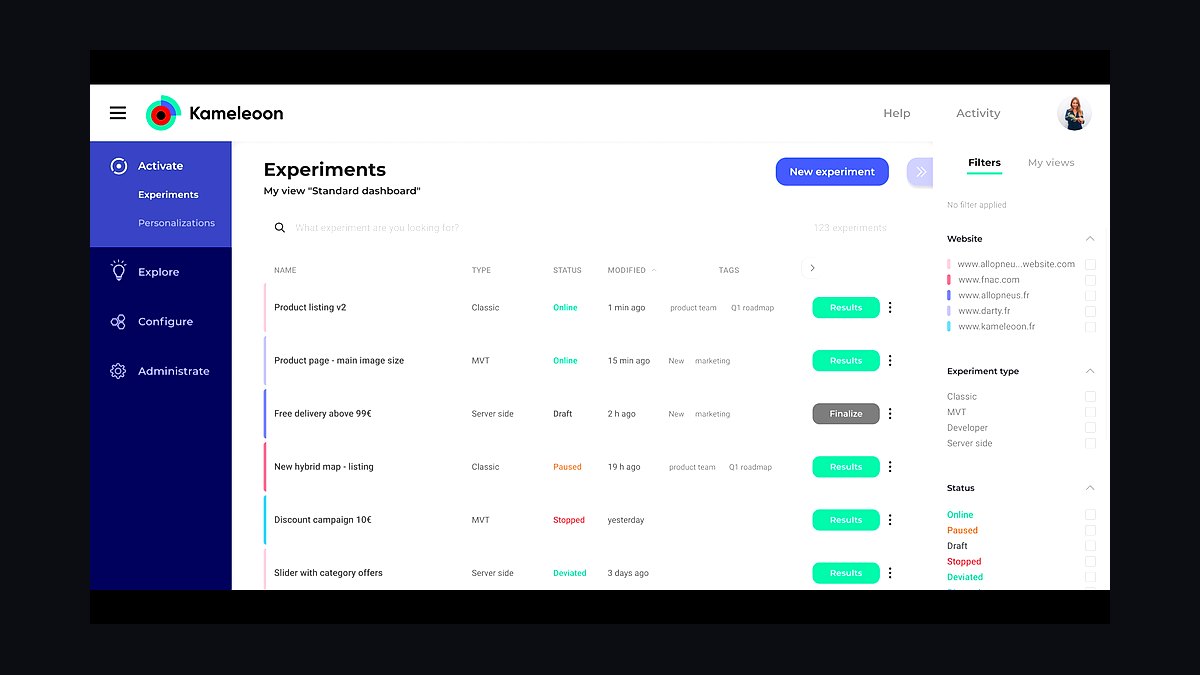
Kameleoon ranks sixth for combining A/B testing, feature experimentation, and AI-driven personalization on one platform, with server-side SDKs for Java, Python, Node, and more. Its statistical engine supports Bayesian and frequentist modes, and it handles high-traffic sites with low latency. Pricing is quote-based and aimed at mid-market and enterprise buyers.
It fits product teams that need both marketing tests and developer-driven feature flags in one system. It trades away the simplicity of pure visual-editor tools, requiring more engineering involvement. Compared with Convert above it, Kameleoon offers stronger server-side and personalization capabilities but a more complex setup and higher entry price.
7Oracle Maxymiser
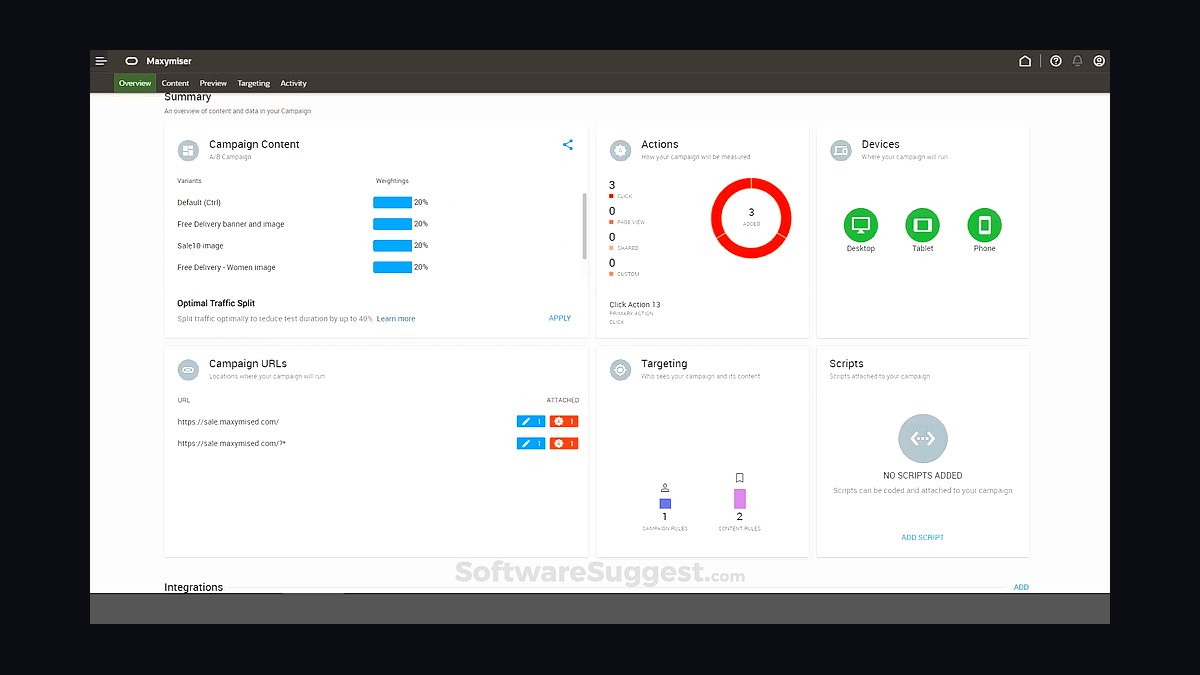
Oracle Maxymiser ranks seventh for its long-standing enterprise testing and personalization capabilities, now part of Oracle's customer experience suite. It supports A/B, multivariate, and AI-driven optimization, with strong segmentation and cross-channel campaign testing. Pricing is enterprise-level and typically bundled with Oracle CX products.
It fits large organizations already invested in Oracle's marketing and commerce stack. It trades away ease of adoption, with a dated interface and slower implementation than modern competitors. Compared with Kameleoon above it, Maxymiser offers deeper Oracle integration but weaker standalone usability and less transparent pricing.
8SiteSpect
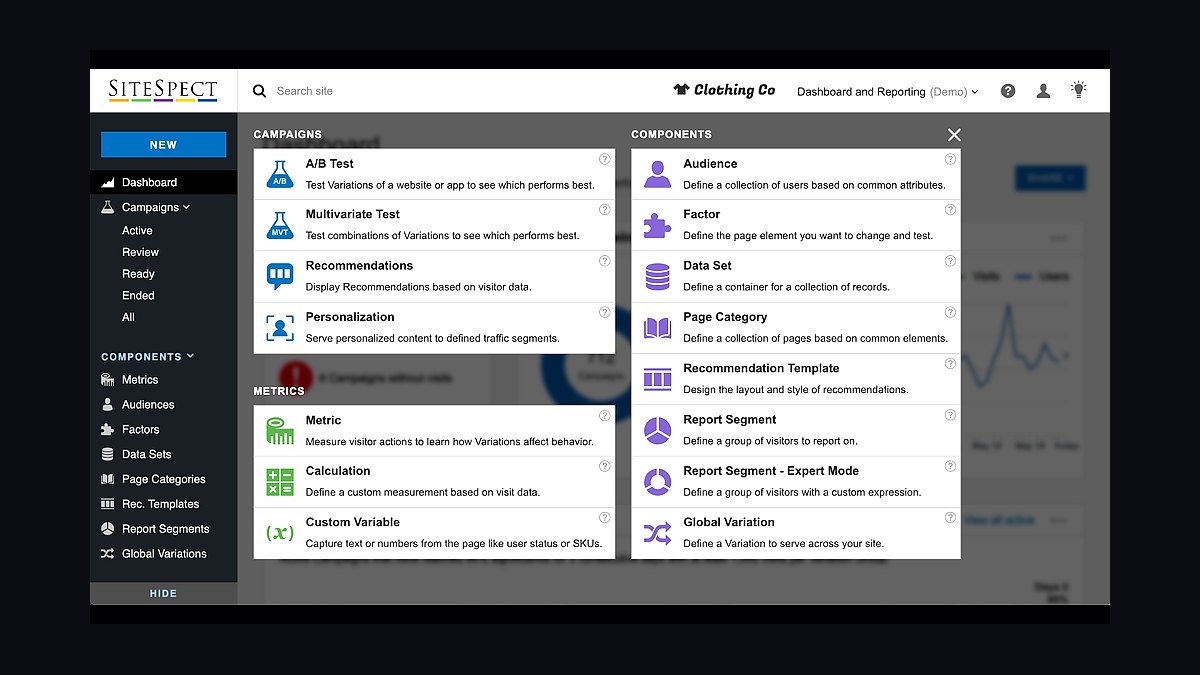
SiteSpect ranks eighth for its proxy-based architecture, which tests changes without injecting JavaScript into the page, reducing flicker and ad-blocker interference. It supports A/B, multivariate, and mobile app testing, with strong performance and security controls for regulated industries. Pricing is enterprise-focused and quote-based.
It fits large sites in finance, healthcare, and retail where page integrity and compliance matter most. It trades away the plug-and-play simplicity of script-based tools, requiring more setup and IT coordination. Compared with Oracle Maxymiser above it, SiteSpect offers better testing fidelity but a narrower personalization feature set.
9Google Analytics 4 Experiments
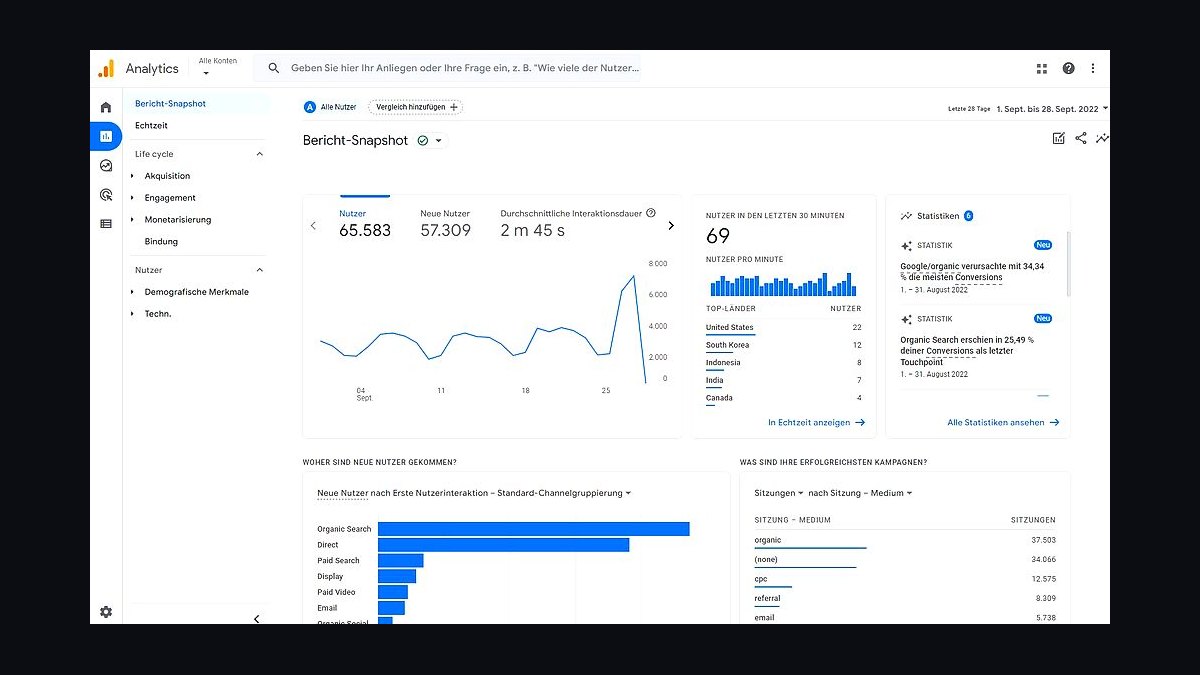
Google Analytics 4 Experiments ranks ninth because it lets teams run A/B tests on web pages and Firebase apps using existing GA4 infrastructure, with results reported alongside standard analytics. It supports up to 100 variants per test and integrates with Google Optimize's successor workflows. It is free to use within GA4's standard limits.
It fits teams already relying on GA4 that want lightweight testing without a new vendor. It trades away advanced targeting, personalization, and server-side testing found in dedicated platforms. Compared with SiteSpect above it, GA4 Experiments is far cheaper and easier to start but much less capable for complex or high-stakes optimization programs.
10Microsoft Clarity Experiments
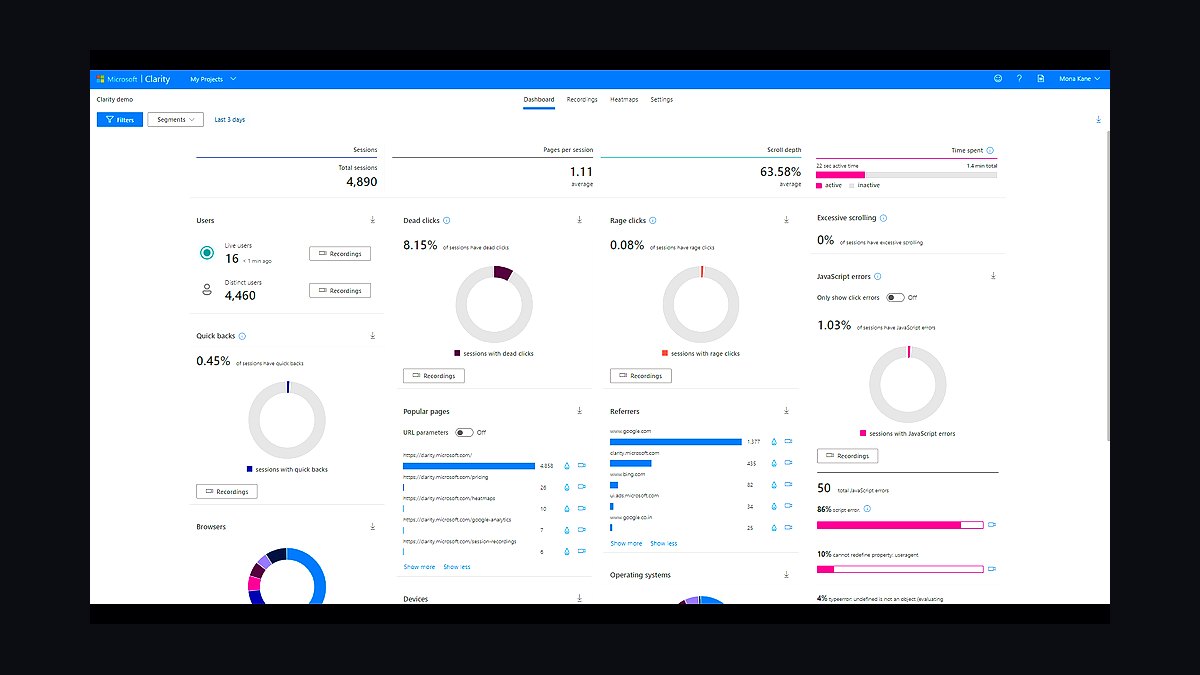
Microsoft Clarity Experiments ranks tenth for adding basic A/B testing to Clarity's free heatmaps and session recordings, letting teams connect variant performance to real user behavior. It supports simple page-level tests and integrates with Google Analytics and other tools. The product is free, with no traffic-based pricing.
It fits small teams and solo marketers wanting a no-cost entry point into testing alongside qualitative data. It trades away statistical rigor, advanced targeting, and server-side testing available in paid platforms. Compared with GA4 Experiments above it, Clarity Experiments offers richer behavioral context but fewer test configuration options and less robust reporting.
How we ranked these
We scored each tool on statistical engine depth (Bayesian vs. frequentist, sequential testing, CUPED variance reduction), editor and CMS integrations, server-side and feature-flag support, sample-size and MDE calculators, and reporting clarity. Weighting favored experimentation rigor and integration breadth over surface polish. Pricing transparency, onboarding friction, and support responsiveness rounded out the model, with scores normalized across 2027 vendor releases and public documentation.
We deliberately ignored marketing claims, G2 badge counts, and analyst-quadrant placement, since those reward spend over substance. We also excluded raw seat counts and enterprise-only features that solo optimizers never touch. Free-tier limits were noted but not weighted, because most teams outgrow them within a quarter. Finally, we skipped AI copy-generation gimmicks, which rarely affect test validity or decision quality.
What to look for
Start with your stack: if you run a React or Next.js site, prioritize SDKs with server-side rendering support and edge-compatible flags. If you live in WordPress or Shopify, native plugins beat custom snippets. Then check the statistics: Bayesian tools suit small samples, frequentist suits high-traffic sites, and sequential testing prevents peeking errors. Confirm sample-size math and MDE reporting before you commit.
The mistake most buyers make is choosing on price or UI alone, then discovering the tool can't handle server-side tests, can't segment by custom events, or locks core stats behind enterprise tiers. Another common error is ignoring integration maintenance, since broken snippets silently kill tests. Trial with a real experiment on live traffic, not a demo sandbox, before signing an annual contract.
Related questions
What is the difference between Bayesian and frequentist A/B testing?
Frequentist testing asks whether observed results would be unlikely under a null hypothesis, producing p-values and confidence intervals. Bayesian testing updates a probability distribution as data arrives, giving you the chance a variant beats control. Bayesian suits small samples and continuous monitoring; frequentist suits high-traffic, fixed-horizon tests. Most 2027 tools support both, so pick per experiment.
Do I need server-side testing or is client-side enough?
Client-side testing injects changes via JavaScript after page load, which is easy to deploy but can cause flicker and misses logged-in or API-driven states. Server-side testing decides variants before rendering, eliminating flicker and supporting backend logic, pricing, and personalization. Use client-side for copy and layout tweaks; use server-side for checkout, auth, and anything revenue-critical.
How long should an A/B test run before I call a winner?
Run until you hit the pre-computed sample size, typically one to two full business cycles, and never stop early on a promising peek. Most tests need one to four weeks depending on baseline conversion rate and minimum detectable effect. Sequential or Bayesian methods allow valid early stopping, but only if the tool is designed for it. Otherwise, peeking inflates false positives.
What is CUPED and why does it matter in experimentation tools?
CUPED uses pre-experiment data as a covariate to reduce variance in your metric, effectively shrinking required sample size by 30 to 50 percent. It matters because faster, smaller tests mean more experiments per quarter and less traffic wasted on control. Tools like Statsig, GrowthBook, and Optimizely ship CUPED natively; others require manual implementation or lack it entirely.
Can I run A/B tests on a single-page application?
Yes, but you need a tool with SPA-aware SDKs that re-evaluate targeting on route changes and avoid full page reloads. React, Vue, and Next.js integrations should expose hooks or providers so variants render without flicker. Avoid legacy snippet-based tools that only fire on initial load, since they miss client-side navigation and produce unreliable exposure logging.
How much should a small team budget for an A/B testing tool?
Small teams can start free with GrowthBook, PostHog, or VWO's entry tier, then expect 50 to 300 dollars monthly once traffic and seats grow. Mid-market plans run 500 to 2,000 dollars monthly, while enterprise contracts often exceed 50,000 dollars annually. Budget for engineering time too, since integration and maintenance usually cost more than the license.
What integrations matter most when picking an A/B testing tool?
Prioritize your analytics warehouse, since clean event export drives trustworthy analysis. Next, your CMS or commerce platform for native editing, then feature-flag or CDP tools for audience targeting. Slack and Jira integrations speed up test review and shipping. Finally, check whether the tool supports your identity resolution so logged-in and anonymous users are stitched correctly.
Are free A/B testing tools good enough for real experiments?
Free tiers from GrowthBook, PostHog, and VWO handle basic client-side tests with limited traffic and seats, which is fine for early validation. They usually cap monthly visitors, restrict advanced stats, or exclude server-side SDKs. If your tests touch revenue, checkout, or personalization, upgrade before scaling, because free-tier limits can silently invalidate results.
FAQ
Which A/B testing tool is best for beginners in 2027?
VWO and Optimizely offer the gentlest visual editors, guided test setup, and built-in sample-size calculators, making them ideal first tools. GrowthBook is a strong free alternative if you have engineering support. Beginners should prioritize onboarding quality and template libraries over advanced statistics, since early wins come from running tests consistently, not from exotic methods.
Do A/B testing tools work with Google Analytics 4?
Most major tools export exposure and conversion events to GA4 via native integrations or the Measurement Protocol. You can then build audiences and reports in GA4, though attribution can lag. For rigorous analysis, pair GA4 with the tool's own reporting or a warehouse, since GA4 sampling and thresholds can distort small test results.
What is the minimum traffic needed for reliable A/B testing?
You need enough conversions, not just visitors. A rough floor is 100 to 200 conversions per variant for a detectable 10 to 20 percent lift. Below that, only large effects are measurable, and results swing wildly. Low-traffic sites should test bolder changes, use Bayesian methods, and accept longer run times or run fewer, higher-impact tests.
Can A/B testing tools handle personalization and multivariate tests?
Yes. Optimizely, Adobe Target, and VWO support multivariate testing, which varies multiple elements simultaneously, and rule-based personalization for segments. Multivariate tests demand far more traffic because combinations multiply. Personalization engines add complexity and require clean audience data, so start with simple A/B tests before layering either capability.
How do A/B testing tools avoid the peeking problem?
Tools using sequential testing, always-valid p-values, or Bayesian posteriors let you monitor results continuously without inflating false positives. Frequentist tools with fixed-horizon designs do not, so their dashboards warn against early stopping. Check whether your tool's statistics engine matches your monitoring habits, because mismatched methods produce confident but wrong winners.
What is a feature flag and how does it relate to A/B testing?
Feature flags toggle code paths for specific users without redeploying. A/B testing uses the same infrastructure to split traffic and measure outcomes. Platforms like LaunchDarkly, Statsig, and GrowthBook unify both, so you can ship a flag, run an experiment on it, then roll out the winner. This reduces tooling sprawl and keeps experiments close to code.
Are A/B testing tools GDPR and CCPA compliant?
Reputable vendors offer data processing agreements, EU data residency, IP anonymization, and consent-mode integrations. Compliance depends on your configuration as much as the vendor. Avoid tools that set persistent identifiers before consent, and document your lawful basis for processing. Always review the vendor's subprocessor list and retention policies before signing.
How do I calculate sample size for an A/B test?
Use the tool's built-in calculator or a formula based on baseline conversion rate, minimum detectable effect, significance level (usually 0.05), and power (usually 0.8). Inputs must reflect real historical data, not guesses. Underestimating baseline variance is the most common error, leading to underpowered tests and inconclusive results after weeks of traffic.
What happens after an A/B test ends?
Winners should be shipped to 100 percent of traffic, losers archived with a written summary, and inconclusive tests documented with hypotheses for retesting. Store results in a searchable log so future teams avoid repeating failed ideas. Many tools now sync outcomes to Slack or Notion, which helps institutional memory and prevents the same test from being rerun six months later.
Can I migrate between A/B testing tools without losing historical data?
You can export raw event and exposure data via APIs or warehouse syncs, but dashboards, segments, and statistical models rarely transfer cleanly. Plan a parallel-run period where both tools log the same experiment, then cut over once parity is confirmed. Budget engineering time, since re-instrumenting events is usually the slowest part of any migration.
Sources
- https://www.optimizely.com/
- https://vwo.com/
- https://www.statsig.com/
- https://growthbook.io/
- https://posthog.com/
- https://launchdarkly.com/
- https://www.adobe.com/products/target.html
- https://www.abtasty.com/
- https://kameleoon.com/
- https://www.convert.com/
Related on PULSE
This page will be disappearing soon. Save it to your device for $1 — or read it free while it is here.
@Kory-White- · if Venmo asks, the last 4 of my number are 2012
This page is gone.
This one is off the shelf now. $1 keeps it on your phone for good — the whole page, pictures and diagrams included.
 revopsTop 10 Website Builders for Restaurants in 2027
 revopsTop 10 Online Booking Tools for Websites in 2027
 revopsTop 10 Signs Your Business Needs a New Website in 2027
 revopsTop 10 Web Hosting Providers for Small Businesses in 2027
 revopsTop 10 Website Builders for Service Businesses in 2027
 revopsTop 10 Domain Registrars in 2027
 revopsTop 10 Things Every Business Website Needs in 2027
 revopsTop 10 Website Builders for Real Estate Agents in 2027
 revopsTop 10 Headless CMS Platforms in 2027
 revopsTop 10 Tools for Building Websites in 2027