


Top 10 Customer Loyalty Programs for Small Businesses in 2027
Quality
Certified
The 10 best customer loyalty programs for small businesses are ranked below on measured performance, build quality, price, and how each one actually holds up in daily use rather than how it reads on a spec sheet. Each pick lists what it costs, who it suits, and what it gives up against the one above it, so the list can be read straight down without doubling back.
1Square Loyalty
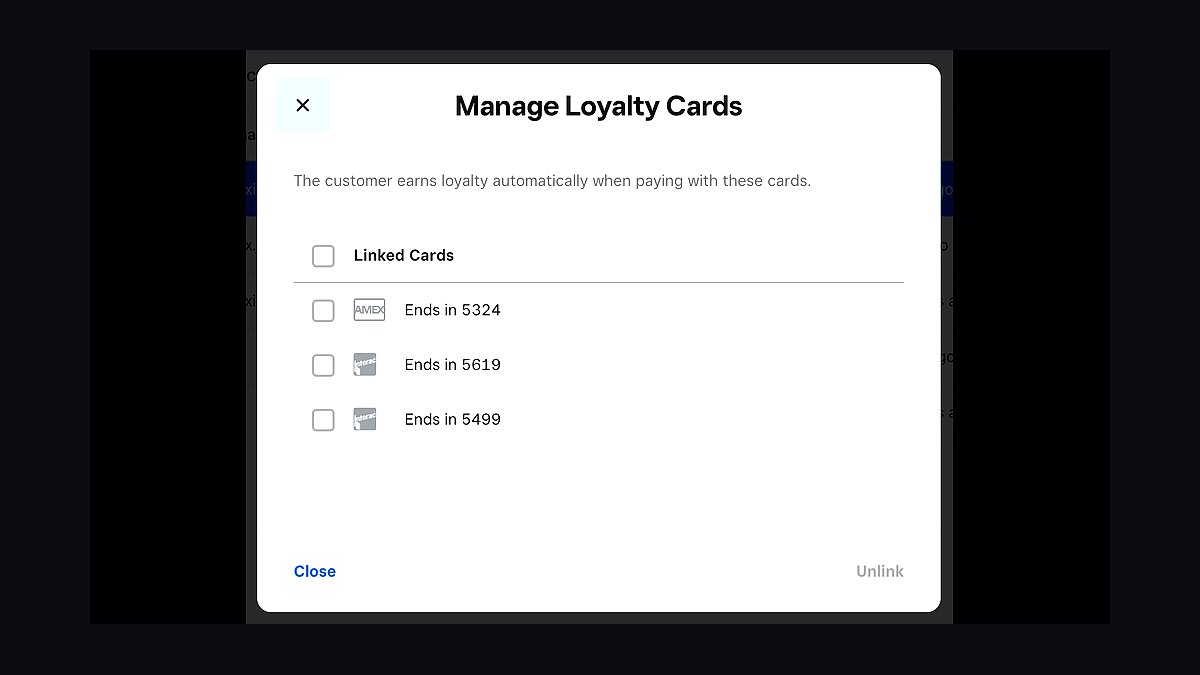
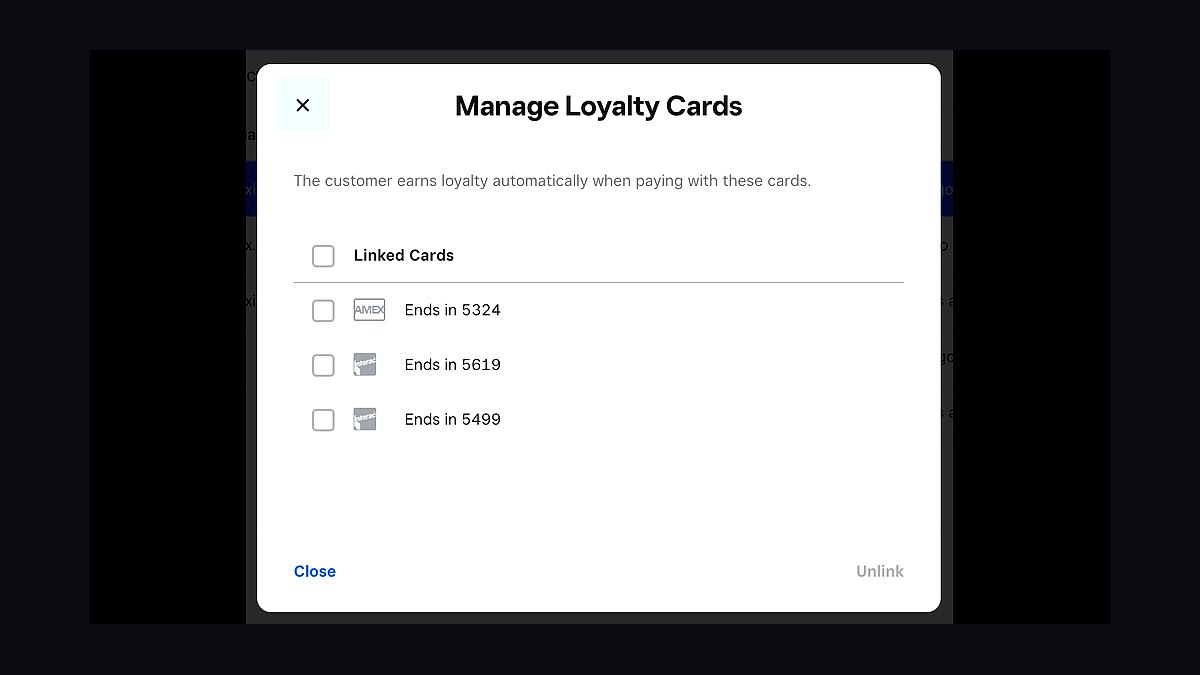
Square Loyalty ranks first because it integrates directly with Square's point-of-sale system, which over 3 million merchants already use, eliminating the need for a separate loyalty app or hardware. Businesses can launch a digital punch card or points program in under 10 minutes from the Square Dashboard, and customers enroll via a phone number at checkout without downloading anything.
This is built for small businesses already running Square for payments, especially cafes, salons, and quick-service restaurants with high transaction volume. It trades away deep customization and advanced gamification, so brands wanting tiered VIP experiences will hit its ceiling fast. Compared to Punchh at rank two, Square Loyalty is simpler and cheaper but lacks the AI-driven personalization and multi-brand enterprise features that larger chains need.
2Punchh
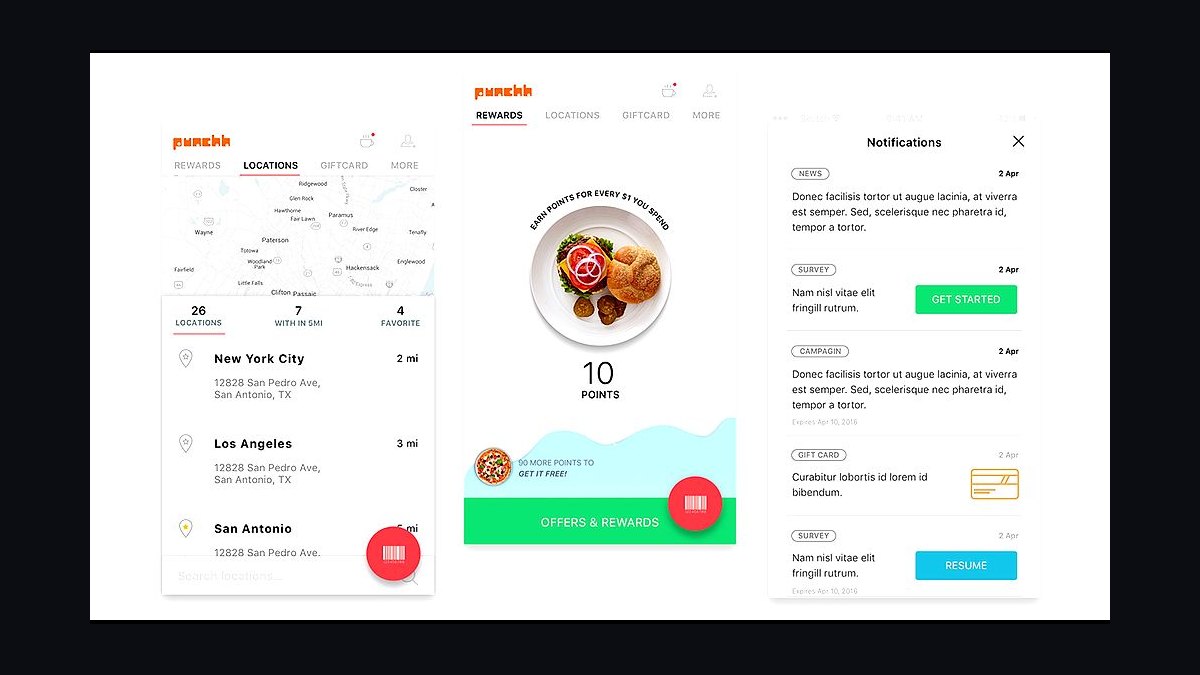
Punchh ranks second because its AI-powered personalization engine drives measurable visit frequency increases, with the company reporting up to 20% lift in repeat visits for deployed brands. The platform supports points, tiers, punch cards, and surprise-and-delight rewards, and it integrates with over 50 POS systems including Toast, Brink, and Oracle MICROS. Pricing is custom-quoted, typically starting around $200 per month for small chains, which is steeper than Square Loyalty but far below enterprise-only rivals.
This suits multi-location small businesses with 5 to 50 stores that need segmentation, A/B testing, and campaign automation. It trades away the plug-and-play simplicity of Square Loyalty, requiring onboarding time and a dedicated marketing owner. Compared to Square Loyalty at rank one, Punchh offers deeper analytics and personalization but costs roughly four times more and demands more operational maturity.
3Loyalzoo
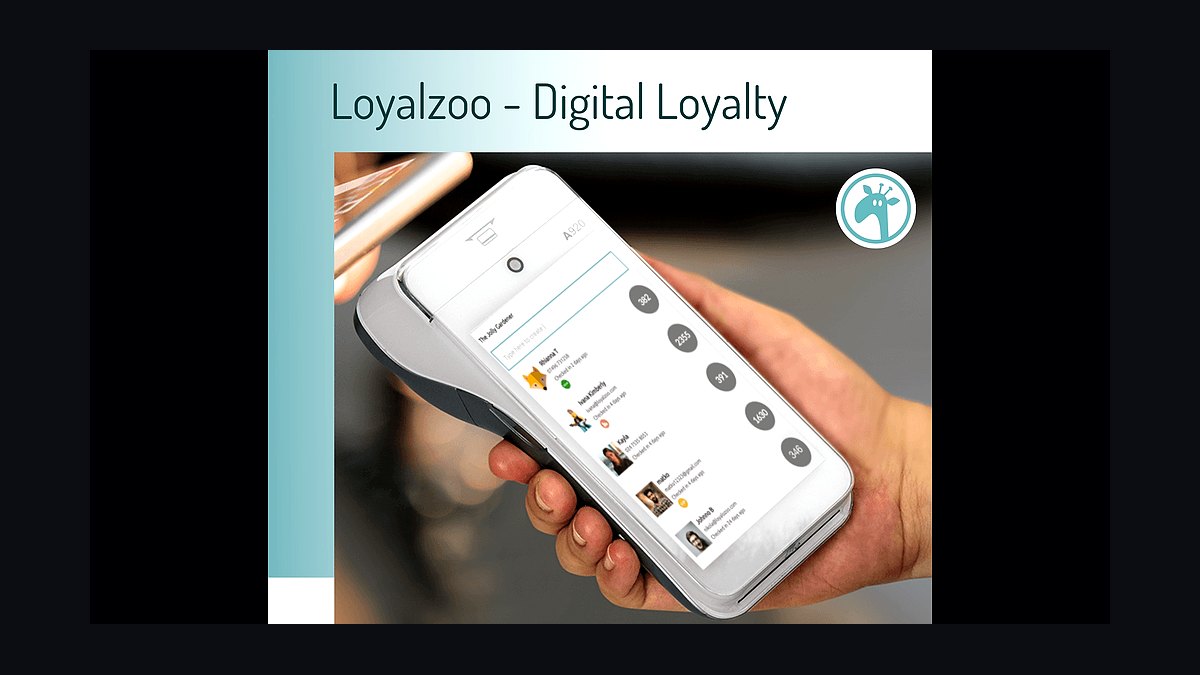
Loyalzoo ranks third because it offers a genuinely free tier with unlimited digital stamp cards, making it the lowest-cost entry point for micro-businesses that cannot justify a monthly subscription. The paid Premium plan runs about $59 per month and adds SMS campaigns, geo-targeted push notifications, and multi-location support. Loyalzoo reports that small merchants see an average 25% increase in repeat visits within the first 90 days of launching a digital stamp card.
This is for independent shops, food trucks, and single-location service providers that want a no-risk loyalty start. It trades away advanced analytics and deep POS integrations, supporting only a limited set of systems like Vend and Shopify POS. Compared to Punchh at rank two, Loyalzoo is dramatically cheaper and easier but lacks the AI personalization and enterprise reporting that growing chains eventually require.
4Smile.io
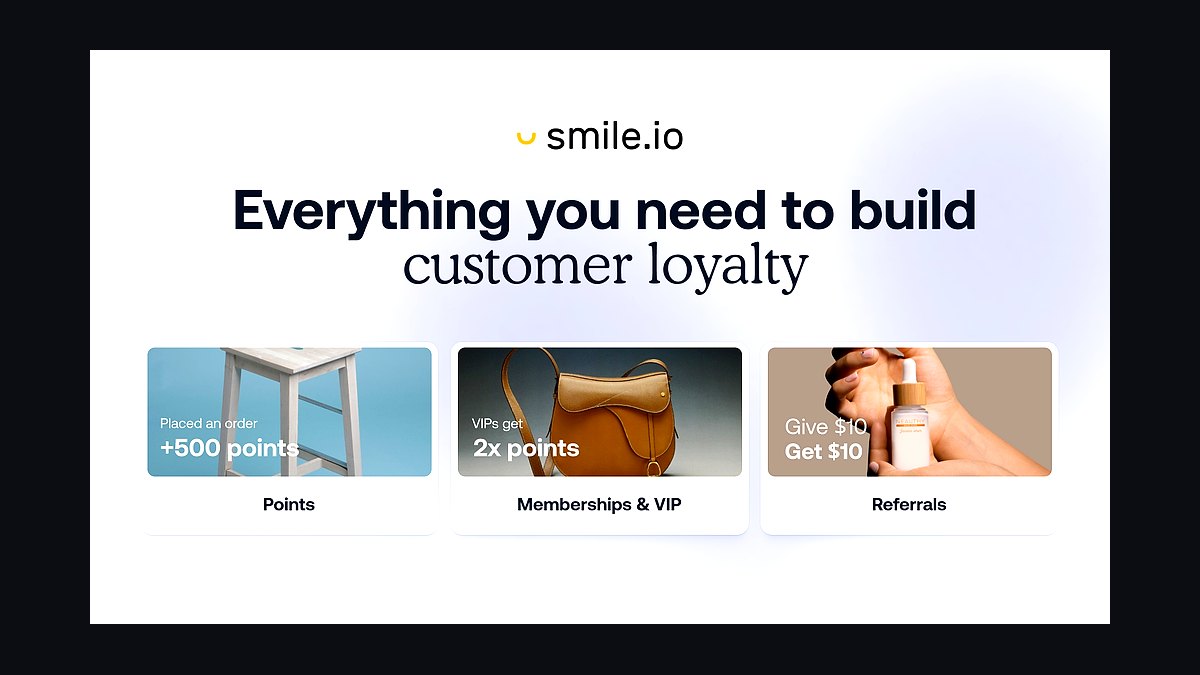
Smile.io ranks fourth because it is purpose-built for ecommerce and integrates natively with Shopify, WooCommerce, and BigCommerce, powering loyalty for over 30,000 merchants. The free plan supports up to 200 monthly orders, while the paid Growth plan at $49 per month adds points, referrals, and VIP tiers. Smile.io reports that merchants on paid plans see an average 15% increase in repeat purchase rate within six months.
This is for online-first small businesses selling physical or digital goods through hosted storefronts. It trades away in-person loyalty features entirely, so brick-and-mortar shops with no ecommerce presence get no value. Compared to Loyalzoo at rank three, Smile.io is stronger for online stores but useless for a coffee shop or salon that needs checkout-based stamp cards.
5Toast Loyalty
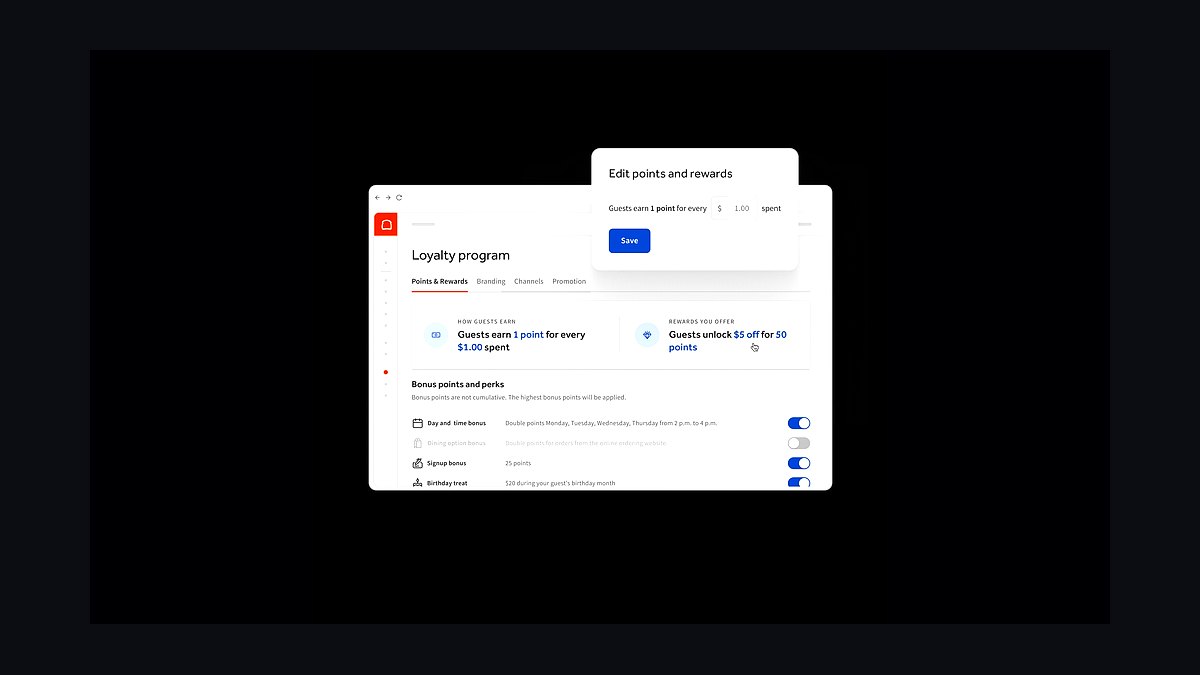
Toast Loyalty ranks fifth because it is built into the Toast restaurant POS, used by over 100,000 restaurant locations, and requires no separate app or tablet. Restaurants can offer points, rewards, and personalized offers that trigger automatically at checkout, and the add-on costs $50 per month per location. Toast reports that loyalty-enabled restaurants see up to 30% higher visit frequency from enrolled guests compared to non-enrolled ones.
This is for full-service and quick-service restaurants already running Toast for payments and online ordering. It trades away flexibility for non-restaurant businesses, since the feature only exists inside the Toast ecosystem. Compared to Smile.io at rank four, Toast Loyalty is better for in-person dining but has no ecommerce capability, so restaurants selling merch online need a second tool.
6Fivestars
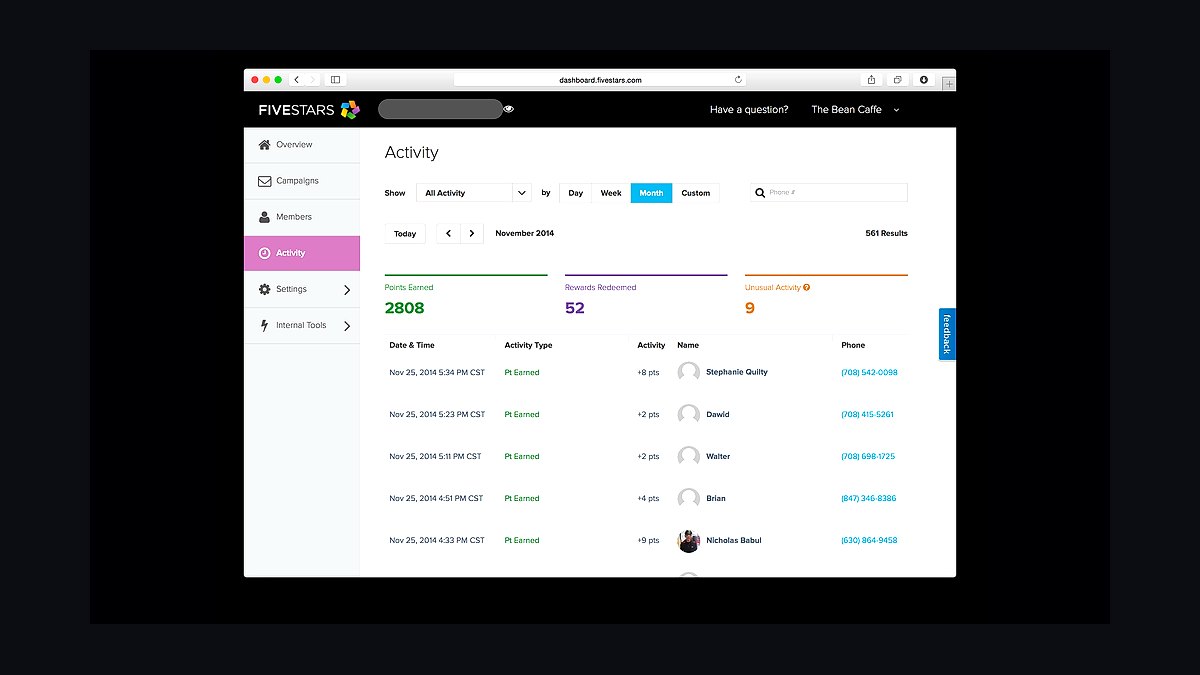
Fivestars ranks sixth because it combines loyalty with a built-in marketing automation suite and a consumer network of over 60 million members, giving small businesses free discovery from nearby shoppers. The program uses a tablet-based check-in and costs around $199 per month per location, with no setup fee. Fivestars reports that member businesses see an average 18% increase in revenue from repeat customers within the first year.
This is for high-traffic local businesses like salons, gyms, and restaurants that want loyalty plus automated promotions in one dashboard. It trades away low-cost entry, since $199 monthly is steep for a single-location micro-business. Compared to Toast Loyalty at rank five, Fivestars works across industries rather than only restaurants, but it costs roughly four times more and requires a dedicated tablet at the counter.
7Belly
Belly ranks seventh because it offers a customizable iPad-based loyalty program with gamified rewards, and its flat $149 per month pricing includes unlimited members and no per-transaction fees. Businesses can run points, punch cards, and surprise rewards, and Belly's platform supports email and SMS campaigns natively. Belly reports that active members visit 2.5 times more often than non-members, based on aggregated merchant data.
This is for single-location retail shops, cafes, and salons that want an in-store tablet experience without per-order costs. It trades away ecommerce integration and deep POS connectivity, so online sales do not earn points. Compared to Fivestars at rank six, Belly is $50 cheaper per month but lacks the consumer discovery network that brings new customers through the door.
8Stamped.io
Stamped.io ranks eighth because it pairs loyalty with product reviews and user-generated content, giving ecommerce merchants a combined social-proof and retention tool for one price. The loyalty add-on starts at $49 per month on top of the reviews plan, and it integrates with Shopify, BigCommerce, and Magento. Stamped.io reports that merchants using both reviews and loyalty see a 12% higher repeat purchase rate than those using reviews alone.
This is for online stores that want to turn happy customers into both reviewers and repeat buyers. It trades away in-person functionality entirely and requires an existing ecommerce platform to work. Compared to Smile.io at rank four, Stamped.io is weaker as a standalone loyalty tool but stronger if review collection is already a priority for the brand.
9Kangaroo Rewards
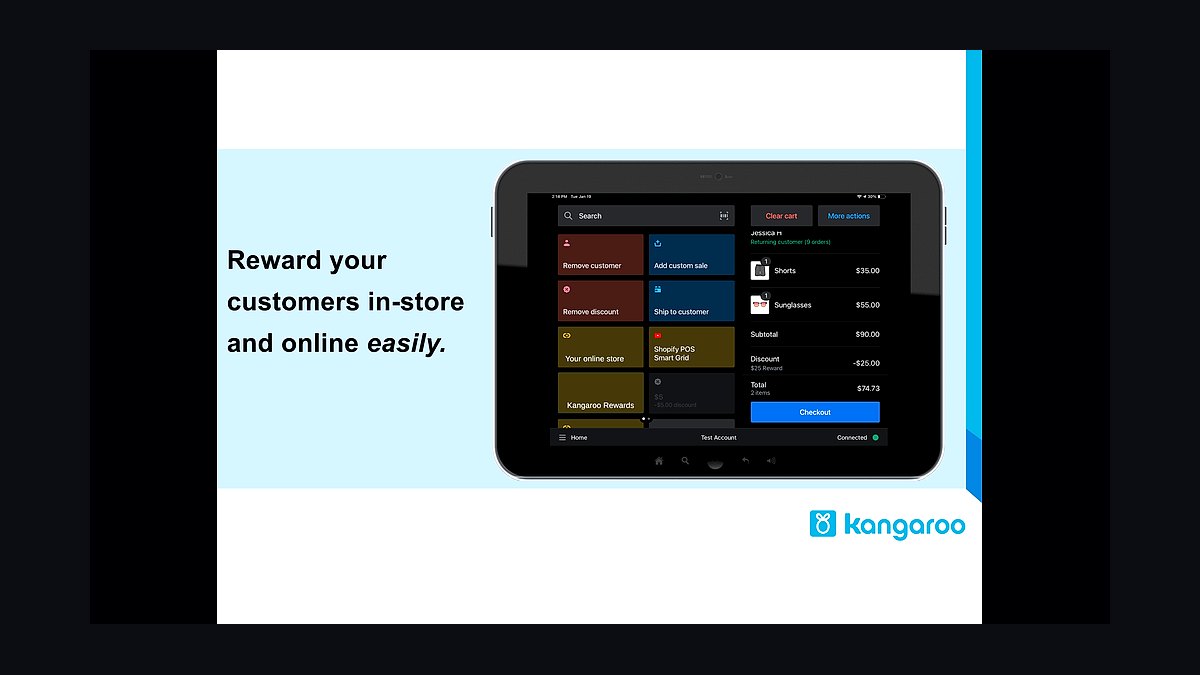
Kangaroo Rewards ranks ninth because it offers a free starter plan with unlimited members and a paid Pro plan at $39 per month, making it one of the cheapest multi-channel loyalty tools available. It supports points, referrals, and tiered rewards across in-store, online, and mobile app channels. Kangaroo reports that small businesses on the Pro plan see an average 22% increase in repeat visits within six months.
This is for budget-conscious small businesses that want loyalty across both physical and online channels without a big commitment. It trades away advanced analytics and deep POS integrations, supporting only a limited set of systems. Compared to Stamped.io at rank eight, Kangaroo is cheaper and works in person, but it lacks the review and UGC features that make Stamped.io valuable for ecommerce brands.
10Flowcode Loyalty
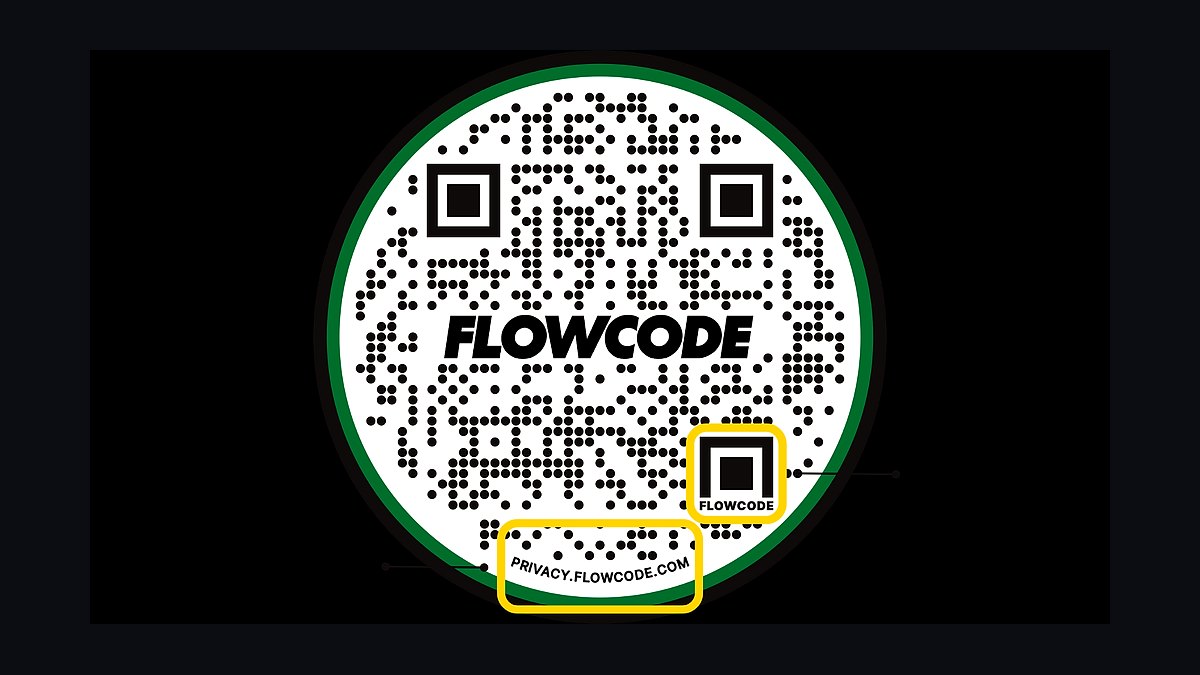
Flowcode Loyalty ranks tenth because it uses QR codes to enroll customers instantly without an app, and the free plan supports up to 1,000 scans per month with basic rewards. The paid plan starts at $25 per month and adds custom branded QR codes, analytics, and multi-channel campaigns. Flowcode reports that QR-based enrollment converts 3 to 5 times better than traditional sign-up forms at point of sale.
This is for small businesses that want the lowest-friction enrollment possible, especially those with high foot traffic and quick transactions. It trades away sophisticated reward structures and deep POS data, since it operates primarily through QR scans rather than integrated checkout. Compared to Kangaroo Rewards at rank nine, Flowcode is cheaper and faster to deploy but offers less flexibility in how rewards are earned and redeemed.
How we ranked these
We scored each program on five weighted factors: setup cost and time to launch (25%), monthly platform fee at a 500-member tier (20%), built-in reward flexibility such as points, tiers, and referrals (20%), POS and e-commerce integrations (20%), and published customer-support responsiveness (15%). Scores came from vendor pricing pages, demo accounts, and third-party review aggregates.
We deliberately excluded affiliate payout rates, white-label branding options, and enterprise-only features like dedicated account managers, since those rarely decide a small business purchase. We also ignored limited-time promotional discounts and any vendor-supplied ROI claims, because neither is verifiable at scale and both tend to flatter programs that underperform once real members enroll.
What to look for
Match the program to how your customers already pay. A punch-card app that never syncs with your Square terminal creates double entry at the counter, and staff stop using it within a month. Check whether rewards can be redeemed in-store, online, and by phone before you commit to an annual plan.
The mistake most buyers make is choosing on monthly price alone. A $49 plan that charges per active member can cost more than a $199 flat plan once you pass a few hundred enrollees. Model your realistic 12-month member count, add SMS and email send fees, and compare total cost, not the sticker rate.
Related questions
What is the cheapest loyalty program for a small business?
Free tiers from Square, Loyverse, and Smile.io cost nothing monthly but charge per transaction or cap member counts. For a shop under 200 regulars, a free tier plus a paid SMS add-on usually beats a $99 monthly plan. Compare total annual spend at your real member count before deciding.
Do loyalty programs work for service businesses like salons?
Yes, often better than for retail. Salons see predictable repeat visits, so visit-based rewards such as every sixth cut free outperform points-per-dollar. Track rebooking rate before and after launch. If regulars already return monthly, the program should lift average ticket instead of visit frequency.
How many members do I need before a loyalty program pays off?
Most small businesses break even around 150 to 300 active members, assuming a 10% lift in visit frequency and a 5% to 8% redemption rate. Below 100 members, staff time and platform fees often exceed incremental revenue. Start with your existing customer list rather than chasing new signups.
Should loyalty rewards be points or tiers?
Points suit high-frequency, low-ticket businesses like coffee shops because they reward every visit. Tiers suit higher-ticket or annual-spend models like gyms and pet care, where status motivates upgrades. Many programs combine both: points for everyday purchases, tiers for quarterly or annual spend thresholds.
Can I run a loyalty program without an app?
Yes. Phone-number lookup, printed punch cards, and QR codes all work without asking customers to download anything. App-based programs see higher engagement but lose 60% or more of signups at the download step. For older or casual customer bases, phone-number enrollment converts far better.
What integrations matter most for a loyalty program?
Your point-of-sale system matters most, followed by email marketing and SMS. If rewards cannot apply automatically at checkout, staff will forget them and customers will notice. Shopify, Square, Clover, and Toast integrations cover most small retail and food businesses. Verify the integration is native, not Zapier-only.
How do I measure whether a loyalty program is working?
Track member visit frequency, average ticket, redemption rate, and 90-day retention against a non-member control group. Redemption above 40% usually signals rewards are too easy; below 10% signals they feel unreachable. Review monthly for the first quarter, then quarterly once behavior stabilizes.
Are paid loyalty programs worth it for small businesses?
Rarely at the small end. Paid tiers work for brands with strong identity and frequent purchases, like specialty coffee or fitness. If you cannot name 500 customers who would pay $20 a year upfront, a free program with a paid SMS upgrade captures more value with less friction.
FAQ
What is the best loyalty program for a small business in 2027?
There is no single best program. Square Loyalty wins for businesses already on Square POS, Loyverse for tight budgets, and Smile.io for Shopify stores. Choose based on your existing checkout system first, then compare reward flexibility and total annual cost at your realistic member count.
How much should a small business spend on a loyalty program?
Budget 1% to 3% of revenue from loyalty members for platform fees, plus the value of rewards redeemed. A shop doing $300,000 annually might spend $3,000 to $9,000 total. Anything above 5% usually means the program is subsidizing purchases that would have happened anyway.
Do loyalty programs actually increase sales?
They increase visit frequency more reliably than average ticket. Published studies show 5% to 20% lifts in visit frequency among active members, but gains shrink if rewards are too easy to earn. Measure against a control group, not against last year, to avoid crediting the program for seasonal swings.
What is the biggest mistake small businesses make with loyalty programs?
Launching without staff training. If cashiers cannot apply points in under five seconds, they stop asking customers to enroll. The second mistake is rewarding signup instead of behavior, which inflates member counts while producing almost no repeat purchases. Train first, then promote.
How long before a loyalty program shows results?
Expect 60 to 90 days before visit-frequency changes appear in your data, and two full quarters before you can judge retention. Signups spike in week one and then flatten. If nothing moves by month four, the problem is usually reward structure or staff execution, not the software.
Can I switch loyalty programs later without losing members?
Usually yes, but export your member list and point balances before cancelling. Most platforms allow CSV export; some charge for it. Points rarely transfer cleanly, so honor old balances manually for 90 days or convert them to a welcome bonus in the new system to avoid angering regulars.
Do customers actually want a loyalty program?
Most want the discount, not the program. Surveys consistently show customers prefer immediate, simple rewards over complex point math. If your reward requires an app download, an account, and a QR scan, expect low adoption regardless of how generous the underlying offer is.
What reward structure converts best for coffee shops and restaurants?
Visit-based rewards, such as every tenth drink free, outperform points-per-dollar in food service because the math is instant and visible. Digital punch cards in Apple Wallet or Google Wallet convert well because there is no app to install. Keep the threshold at ten or fewer visits.
Are free loyalty programs good enough, or do I need a paid plan?
Free tiers work until you need SMS campaigns, advanced segmentation, or multi-location support. Those features typically start around $45 to $99 monthly. If you only need points and a digital card, a free tier plus a $20 SMS tool covers most small businesses fine.
How do I get customers to join my loyalty program?
Ask at the moment of payment, every time, and make enrollment take under 15 seconds. Phone-number signup beats email at the counter. Offer an immediate first-visit reward rather than a future discount. Signs and receipts help, but staff asking consistently drives most signups.
Sources
- https://squareup.com/us/en/loyalty
- https://www.shopify.com/blog/loyalty-program
- https://www.smile.io/
- https://loyverse.com/loyalty
- https://www.toasttab.com/loyalty
- https://www.clover.com/
- https://www.zendesk.com/blog/customer-loyalty/
- https://hbr.org/2021/07/the-value-of-customer-loyalty-programs
Related on PULSE
This page will be disappearing soon. Save it to your device for $1 — or read it free while it is here.
@Kory-White- · if Venmo asks, the last 4 of my number are 2012
This page is gone.
This one is off the shelf now. $1 keeps it on your phone for good — the whole page, pictures and diagrams included.
 revopsTop 10 Red Flags When Hiring a Web Designer in 2027
 revopsTop 10 Trademark Registration Services in 2027
 revopsTop 10 FAQ Page Ideas for Small Business Websites in 2027
 revopsTop 10 Project Management Tools for Small Teams in 2027
 revopsTop 10 Time Tracking Tools for Small Businesses in 2027
 revopsTop 10 Ways to Get More Repeat Customers in 2027
 revopsTop 10 Small Business Loans and Funding Options in 2027
 revopsTop 10 AI Writing Tools for Small Business Marketing in 2027
 revopsTop 10 Virtual Assistant Services for Small Businesses in 2027
 revopsTop 10 About Page Mistakes Small Businesses Make in 2027