

What to Wear to a Housewarming Party in 2027
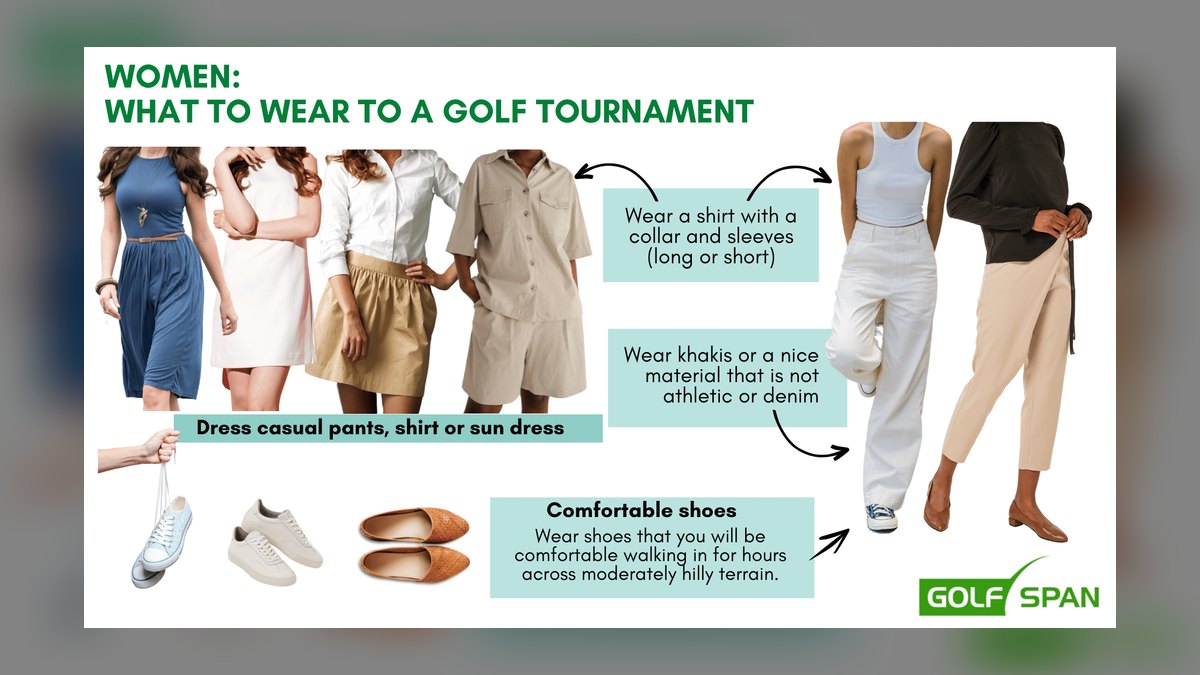
Wear smart-casual layers to a housewarming party: a knit top, button-down, or silk shell with tailored trousers or dark denim, finished with clean leather sneakers or loafers. Aim for polished comfort you can stand and mingle in for three hours. Skip suits, cocktail dresses, gym wear, and stiff new shoes entirely.
The Saturday you get the text and freeze
Picture the actual sequence, because this is where most people go wrong. It's Wednesday. A friend texts a photo of keys on a bare countertop and a line like "finally closed — come see it Saturday, 4pm, bring nothing." You reply with the fire emoji and forget about it until Saturday at 2:40pm, standing in front of a closet with no useful information: you don't know the neighborhood, you don't know whether there's furniture yet, you don't know if it's eight people or forty, and you don't know whether you'll be sitting on a sofa or leaning against a wall for two hours.
That gap — between a one-line invitation and a real dress decision — is the whole problem. A housewarming is genuinely one of the hardest social events to dress for precisely because it has no inherited uniform. A wedding has a dress code baked into the invitation stock. A job interview has a known register. A housewarming is a hybrid: it's a home, so it's intimate and casual; it's a celebration, so there's an implied compliment owed to the host; and it's frequently a mixed crowd — the host's coworkers, their college friends, their new neighbors, and possibly their parents, all in one room. You are dressing for four audiences simultaneously in a space that may not have chairs yet.
The physical reality matters more than people account for. In a new home, seating is scarce. Boxes are often still stacked in a spare room. Guests cluster in the kitchen because that's where the drinks are, and the kitchen is standing-room-only by design. Realistically you will be on your feet for 70–90% of the time you're there, moving between rooms during the inevitable tour, going up and down stairs, and possibly stepping onto a patio or into a yard. Anything that pinches, rides up, requires constant adjustment, or can't survive a set of stairs is a mistake before you leave the house.
Then there's the shoe question, which is unique to home events. Roughly speaking, you should assume a meaningful chance you'll be asked to take your shoes off — new floors, new rugs, a host who's protective of both. This is more common in homes with light hardwood or brand-new carpet, in colder climates, and in households where it's a cultural default. That single possibility should quietly govern three decisions: your socks (intact, clean, not novelty, coordinated with the trousers rather than the shoes), your shoe closure (slip-ons and loafers beat lace-ups with six eyelets), and your pant break (a hem cut to look right over a shoe can look wrong in stocking feet, so avoid a long stacked break).

The frame that solves it: dress one notch above what you'd wear to a casual dinner at that same friend's old apartment, and no more. That single notch is the compliment. It reads as "I dressed for you" without reading as "I misunderstood the event." Everything below is a way of calibrating that notch precisely.
How the invitation actually encodes the dress code
Hosts almost never write a dress code for a housewarming, but they encode one anyway — in the time, the food, the wording, and the platform they used to invite you. Learning to read those four signals is more reliable than any generic "smart casual" advice, because it adapts to the specific party instead of to an average of all parties.
Start time is the strongest signal. An 11am–2pm window is a brunch or open house: daytime fabrics, lighter colors, flats or clean sneakers, and an expectation that people cycle in and out. A 2pm–5pm window is the classic drop-by open house — the most casual register of all, often with kids present. A 6pm–9pm window with drinks named is the dressiest common variant: it's an adult evening event and the outfit should have one deliberate elevated element. Anything with a start time and no end time skews casual and long; anything with both a start and end time ("6–9") skews structured and slightly dressier.
Food language ranks the formality. "Pizza and beer" or "snacks and drinks" is the floor. "Light bites," "small plates," "charcuterie," or "cocktails" is a real step up — someone is plating things. "Dinner" means the host is cooking a sit-down meal and has probably set a table, which pulls the whole event up a notch and makes a jacket or a dress genuinely appropriate. "Potluck, bring a dish" pulls it *down* a notch and adds a practical constraint: you're carrying a warm casserole dish, so you need free hands and clothing that survives a car ride with food in the footwell.
The wording carries tone. "Come see the disaster" and "we still have no furniture, come anyway" are explicit permission to dress down — and dressing up against that is a small act of not listening. "Housewarming" alone is neutral. "Please join us to celebrate our new home" — full sentence, no emoji — is a host signaling they've made an effort, and the correct response is to make one back.
The platform is a surprisingly good proxy. A group text is the most casual. An Instagram story invite skews young and casual-trendy. A Paperless Post or a printed card is a deliberate escalation; people who send a designed invitation have thought about the room and will notice the room.
When two signals conflict — a formal card for a 2pm open house, say — resolve toward the more casual read but keep one dressier element, like a real shoe or a jacket. And when nothing resolves it, just ask. "Excited! What's the vibe — casual or are people dressing up?" costs nothing, and hosts consistently appreciate the question because it means someone is taking their party seriously.
Real numbers: budgets, timings, and how often things go wrong
Vague advice is easy to agree with and impossible to act on, so here are the concrete ranges that actually govern the decision.
Budget. A complete housewarming outfit assembled from mainstream high-street retailers lands roughly in the $120–$300 range if you're buying everything new — call it $30–$60 for a knit top or button-down, $50–$90 for trousers or good denim, and $60–$150 for a clean leather sneaker or loafer. Step up to contemporary brands and the same outfit runs $350–$700, mostly because the shoes and the knitwear get better rather than because the silhouette changes. The important point is that the silhouette is identical at both ends; the price buys fabric quality and longevity, not correctness. Nobody at a housewarming can identify the price of your sweater, and a well-fitting $45 merino crewneck outperforms a poorly-fitting $300 one every single time.
Cost per wear. The pieces that make this outfit work are the highest-utility things in most wardrobes. A neutral fine-gauge knit, a pair of dark straight-leg trousers, and one clean leather sneaker will cover housewarmings, casual dinners, gallery openings, first dates, weekend brunches, and half of all "business casual" offices. If a piece only works for this one party, it's the wrong piece.
Time on your feet. Plan for 60–120 minutes standing minimum at a 2–3 hour party. Break in any new shoe for at least 3–4 hours of walking before wearing it out, and preferably across two separate days. New leather soles and stiff heel counters are the single most common regret.

Temperature swing. Homes at capacity run noticeably warmer than empty ones — twenty bodies, an oven that's been on, and often a fireplace or candles. A room that reads comfortable when you arrive will feel 5–10°F warmer by the time it's full. That's the entire argument for layering: bring a cardigan, an unstructured blazer, or an overshirt you can take off without your outfit collapsing. The layer underneath has to be presentable on its own — a sleeveless shell, a good tee, a fitted knit. Never build an outfit where removing the outer layer exposes something you'd be embarrassed by.
Arrival timing. For a stated start time, arrive 15–30 minutes after it. Arriving exactly on time at a home event catches hosts mid-scramble. For a stated window ("drop by 2–6"), the middle third is the sweet spot — the party has formed but hasn't thinned.
Palette. Restricting yourself to 2–3 colors total, with one of them a neutral, resolves most outfit questions without any styling talent. Earth tones and muted neutrals — cream, oatmeal, olive, rust, charcoal, navy, warm brown — photograph well in the warm interior lighting most homes use, and they don't compete with the host's new furniture in the group photo that will absolutely be taken.
Failure rate. In practice, the two mistakes that actually happen are overdressing (a suit, a cocktail dress, heels on hardwood) and shoe regret. Almost nobody gets in trouble for a clean sweater and good jeans. The distribution of risk is lopsided, and it should shape where you spend your attention.

Trade-offs: the four axes you're actually balancing
Every housewarming outfit is a resolution of four tensions. Naming them makes the decision mechanical instead of anxious.
Comfort vs. polish. These conflict less than people assume, because the resolution is fabric, not formality. A merino or cashmere-blend knit is as comfortable as a sweatshirt and reads twice as considered. Stretch-woven trousers move like joggers and photograph like tailoring. The trap is thinking that comfort requires athleisure — it requires *soft, well-cut* clothing, which is a different thing. Where the tension is real is footwear: a genuinely dressy shoe usually costs you some comfort. Resolve it toward comfort, because you'll be standing.
Standing out vs. blending in. A housewarming is the host's day. Your outfit's job is to look like you cared, not to become a topic of conversation. That argues against a statement piece, loud print, or dramatic silhouette. The counter-argument is real though: showing up in the beige uniform reads as effortless disinterest to some hosts. The resolution is one point of personality — an interesting knit texture, a good watch, a colored sock, a well-chosen jacket — and everything else quiet.
Overdressing vs. underdressing. These are not symmetric. Underdressing slightly is socially cheap: you look relaxed and nobody remembers. Overdressing significantly is expensive: you look like you misread the event, and worse, you can make the host feel their party wasn't what you expected. Given equal uncertainty, err down — but err down by one notch, not three. Sweatpants are not "erring down," they're opting out.
Buying new vs. shopping your closet. The honest answer for most people is that the correct outfit already exists in their closet and the failure is assembly, not inventory. Before buying anything, lay out the three best-fitting neutral tops you own next to your two best pairs of trousers and see what pairs. If you genuinely need to buy, buy the shoe — it's the piece most likely to be missing and the piece with the highest impact on both comfort and polish.
The same logic transfers cleanly to adjacent events. A friend's new-apartment party, an office move-in happy hour, a first dinner at a new couple's place, a neighbor's block-party-style open house — all four sit in the same register, and the same knit-plus-trousers-plus-clean-shoe formula works across them with only the shoe or the layer swapped. Housewarming dressing is really a general-purpose "someone's home, casual celebration" skill, and it's worth solving once.
Season, setting, and the adjacent scenarios this formula also covers
The core answer holds year-round; what changes is the layer and the shoe.
Spring and fall are peak housewarming season, and both reward layering. A lightweight blazer, denim jacket, or overshirt over a tee or fine knit handles a home that's cold at 4pm and warm at 7pm. Fall specifically is when the party is most likely to spill onto a patio, which argues for a closed shoe with a real sole rather than a soft-soled flat that reads badly on wet grass.

Summer shifts the fabric to linen, linen-cotton blends, and lightweight cotton, and the shoe to a leather slide, espadrille, or clean low sneaker. Two summer-specific cautions: linen wrinkles severely in a car seat, so a linen-blend beats pure linen for anything involving a drive; and if there's a pool or a yard involved, bring a cover-up rather than treating swimwear as the outfit.
Winter introduces the coat problem. New homes often have nowhere to put coats — no hall closet organized yet, no coat rack, just a bed piled with jackets. Wear a coat you're comfortable losing track of, and make sure the outfit underneath is complete on its own. Winter is also when the shoes-off convention is strongest, which makes boot choice a real consideration: a boot you can get off standing up, without sitting on someone's stairs, is worth a lot.
The setting shifts things too. A first-floor apartment party and a suburban house party with a yard are different problems. Apartments run hot, crowded, and standing-only. Houses involve stairs, outdoor space, and often a longer tour. If you know it's a house with a yard, downgrade the shoe's delicacy and upgrade its grip.
Adjacent situations worth noting, since the same reasoning applies: a *housewarming you're co-hosting* flips the rules — as a host you should be slightly more put-together than your guests and should absolutely wear something you can cook, carry, and clean in. A *housewarming for a colleague* pulls the register up a notch, because you're being seen by coworkers outside the office. A *housewarming that's really a family event* — parents, grandparents, kids — pulls toward conservative and covered. And a *housewarming gift-carrying arrival* means your hands are full at the door, which argues for a crossbody bag or no bag rather than a clutch and a bottle and a coat all at once.

On the gift, briefly, because it's part of the arrival impression: consumable or useful beats decorative. A good olive oil, a bottle you'd actually drink, nice tea, a plant that's hard to kill, or a genuine offer to help hang things all land better than another candle. Skip strongly scented items — allergies and taste in scent are both unpredictable — and skip anything that commits the host to displaying it forever.
Common pitfalls and how to avoid them
Overdressing because you're nervous. The most frequent error, and the one people most regret in photos. If you're deciding between a blazer and a knit, ask whether the invitation mentioned dinner. If it didn't, wear the knit.
New shoes. Second most frequent, and the most physically punishing. Two-plus hours standing on hardwood in unbroken-in leather is genuinely miserable, and there's nowhere to sit. Wear something you've already put miles on.

Ignoring the socks. A direct consequence of not planning for shoes-off. Check them before you leave: no holes, no thinning heels, no mismatched pair, nothing with a novelty print you'd have to explain. Match them to the trouser, not the shoe.
Wearing white or cream to a party involving red wine and unpacked furniture. New homes have exposed screws, wet paint touch-ups, dusty box edges, and nowhere clean to set a glass down. Light colors are not forbidden, but they raise your risk meaningfully.
Heavy fragrance. Homes are enclosed and often smaller than restaurants. Fragrance that's fine in an open office is overwhelming in a galley kitchen with fifteen people in it. One spray, applied an hour before, or none.
Overfilled pockets and an oversized bag. You'll be handed drinks, plates, and a baby's worth of small talk in tight spaces. A crossbody or a small shoulder bag you can wear while holding a glass is strictly better than a tote you'll have to set down and lose.
Under-planning the layer. Bringing a coat but no mid-layer means you're either sweating in a coat or standing in a thin tee in a room that's colder than you expected. A cardigan or overshirt in the bag solves both directions.
Wearing something you can't sit down in. Even if seating is scarce, someone will offer you the one good chair, and a skirt or trouser you can only stand in makes that offer awkward. Test-sit before you leave.
Forgetting you're going to be photographed. Housewarmings generate group photos in warm interior light against new walls. Very light neutrals can wash out, high-contrast patterns can moiré, and anything with a large logo dates the photo instantly. Mid-tone, low-pattern, textured pieces photograph best.
Treating "casual" as a dare. When a host says casual, they mean jeans and a nice top, not a hoodie you slept in. Casual is a register, not an abdication.
Related questions
Should I take my shoes off at a housewarming?
Look at the entry — if there's a pile of shoes by the door, follow it without being asked. Otherwise offer: "Shoes on or off?" Hosts with new floors almost always say off. Plan your socks accordingly before you leave the house.
Can I wear jeans to a housewarming party?
Yes, for nearly every housewarming. Choose a dark, clean, un-distressed pair in a straight or relaxed-straight cut, and lift the rest of the outfit — a real knit instead of a tee, a leather shoe instead of a canvas one.
Is a housewarming party dressier than a regular house party?
Slightly. A housewarming carries an implied compliment to the host's new space, so it sits one notch above a standard hangout — but well below a dinner party or anything with a printed invitation and a stated dress code.
What should I wear if I'm hosting my own housewarming?
Something you can cook, carry boxes, and answer the door in — and slightly more put-together than your guests. Prioritize washable fabrics, comfortable shoes you'll wear for four-plus hours, and no white.
How do I dress if I don't know anyone at the party?
Lean toward the middle of the room: a neutral knit, dark trousers, clean shoes. One conversational element — an interesting watch, a distinctive jacket, a good bag — gives strangers something to open with without making you the spectacle.
FAQ
What does "smart casual" actually mean for a housewarming?
It means the top half is deliberate and the bottom half is comfortable. Concretely: a fine-gauge knit, button-down, silk shell, or structured tee up top; dark denim, chinos, tailored trousers, or a simple skirt below; and a clean leather shoe rather than an athletic one. No tie, no suit, no gown, no gym wear.
Are sneakers okay?
Yes, if they're leather or suede, minimal, and genuinely clean. A white leather low-top is one of the most versatile shoes for this event. Running shoes, trail shoes, and heavily branded performance sneakers are not — they read as "I didn't change" rather than "I dressed casually on purpose."
What if I'm coming straight from work?
Drop the most formal element and add a soft one. Remove the tie and blazer, swap the dress shoe for a loafer or clean sneaker if you can, and untuck if the shirt is cut for it. Keeping a knit in your bag to swap for a dress shirt is the single most efficient fix.
Should I dress differently for an afternoon versus an evening housewarming?
Yes, mildly. Afternoons favor lighter colors, lighter fabrics, and flats or sneakers. Evenings favor darker tones, a slightly more structured layer, and a dressier shoe. The silhouette doesn't change — the fabric weight, the color depth, and the shoe do.
What colors work best?
Muted, mid-tone, and earthy: oatmeal, olive, rust, navy, charcoal, warm brown. They flatter most people under warm interior lighting, they don't compete with a host's new furniture, and they photograph cleanly. Limit yourself to two or three colors total with one neutral anchoring the outfit.
How much should I spend on a housewarming outfit?
Ideally nothing — the right pieces are usually already in your closet, and the failure is assembly rather than inventory. If you do buy, spend on the shoe first, then the knit. A complete new outfit from mainstream retailers runs roughly $120–$300, and the silhouette is identical at three times that price.
Sources
- https://www.gq.com/
- https://www.vogue.com/
- https://www.esquire.com/style/
- https://www.realsimple.com/
- https://www.thespruce.com/
- https://www.nytimes.com/section/style
- https://www.harpersbazaar.com/fashion/
- https://www.emilypost.com/
- https://www.marthastewart.com/
Related on PULSE
- [What to Wear to a Cocktail Party if You Have an Athletic Build in 2027](/knowledge/sy0837)
- [What to Wear to a Pool Party in Winter in 2027](/knowledge/sy0829)
- [What to Wear to a Cocktail Party in Your 40s in 2027](/knowledge/sy0812)
- [What to Wear to a Holiday Party if You're Curvy in 2027](/knowledge/sy0755)
- [What to Wear to a Pool Party in Summer in 2027](/knowledge/sy0744)
- [What to Wear to a Cocktail Party if You're Curvy in 2027](/knowledge/sy0727)
 pulse-styleHow to Style a Midi Skirt for a First Date in 2027
 pulse-styleHow to Style a Trench Coat for an Engagement Party in 2027
 pulse-styleWhat to Wear to a Marketing Job Interview in 2027
 pulse-styleWhat to Wear to the Gym in 2027
 pulse-styleWhat to Wear to a Cocktail Party in 2027
 pulse-styleWhat to Wear to a Rooftop Party in 2027
 pulse-styleWhat to Wear to a Dinner Party in 2027
 pulse-styleWhat to Wear to a Golf Outing in 2027
 pulse-styleWhat to Wear to a Jazz Club in 2027
 pulse-styleWhat to Wear to a Kid's Birthday Party in 2027