

What to Wear to a Cocktail Party in 2027
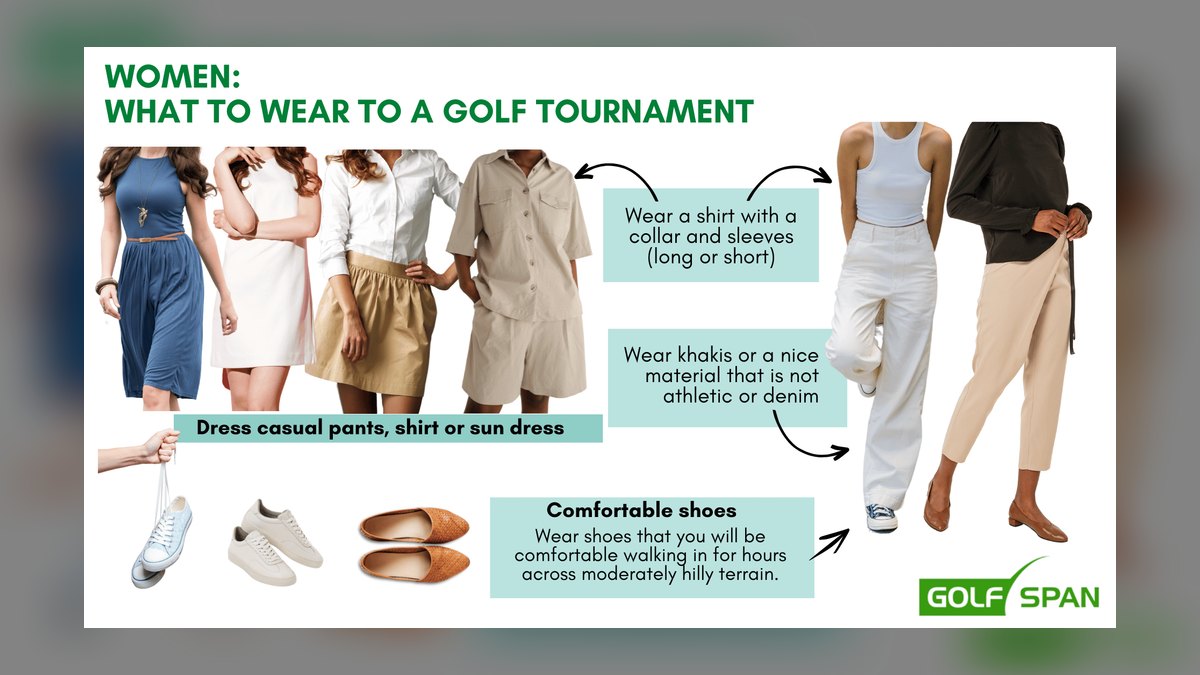
For a 2027 cocktail party, wear one structured piece in a deep jewel tone — a soft-shouldered blazer or a matte velvet midi — over simple, well-fitted separates, finished with leather footwear and a single statement accessory. Prioritize fabric weight and tailoring over labels. Dark, matte, and sculptural reads correctly at nearly every venue.
The outcome you should expect from a well-built cocktail look
The practical goal of cocktail dressing is not to be the most noticed person in the room. It is to be legible — to signal, within about three seconds of walking in, that you understood the invitation and respected the host's effort. When a cocktail outfit works, nobody compliments any single item; they say you look sharp, and they cannot immediately tell you why. That ambiguity is the point. A look that draws itemized comments ("great shoes," "wild jacket") has usually tipped from *dressed* into *costumed*, which is a different and riskier result.
Expect a correctly built cocktail look to survive a four-hour event without maintenance. That means no waistband you have to adjust when you sit, no heel height you cannot stand in for ninety minutes of unbroken standing conversation, no jacket you have to remove and then carry. Standing-and-holding-a-drink is a specific physical posture — one hand occupied, weight shifting, no table to set anything on — and it punishes clothing that assumes you'll be seated. Rooms also run warm. A crowded apartment or a hotel function room with two hundred bodies in it will sit several degrees above what the thermostat claims, so a heavy fully-lined jacket over a synthetic shell is a bad bet even in December.
The other expected outcome is versatility across the venue spectrum. A well-chosen cocktail base — dark trousers or a dark midi, plus a structured layer — reads correctly at a gallery opening, a work holiday party, a rehearsal dinner, and a 40th birthday at a nice bar. That is the return on investment. You are not buying a party outfit; you are buying a default that covers most evening obligations for several years. Trend-chasing inverts this: a highly specific silhouette gets worn twice and then dates itself in photographs, which is where cocktail attire actually lives long-term.

Finally, expect the outfit to disappear from your own attention. The measurable sign of a good look is behavioral — you stop checking mirrors, stop tugging at hems, stop mentally cataloguing what everyone else is wearing. Clothing that fits and suits the occasion frees up the attention you actually came to spend on people. If you are still managing the outfit at hour two, something in the fit or the fabric choice was wrong, and it was almost certainly wrong at the fitting-room stage rather than the styling stage.
What actually drives the outcome: fabric, fit, and the venue read
Three variables do nearly all the work, and they are not the ones most people optimize. Brand is a distant fourth.
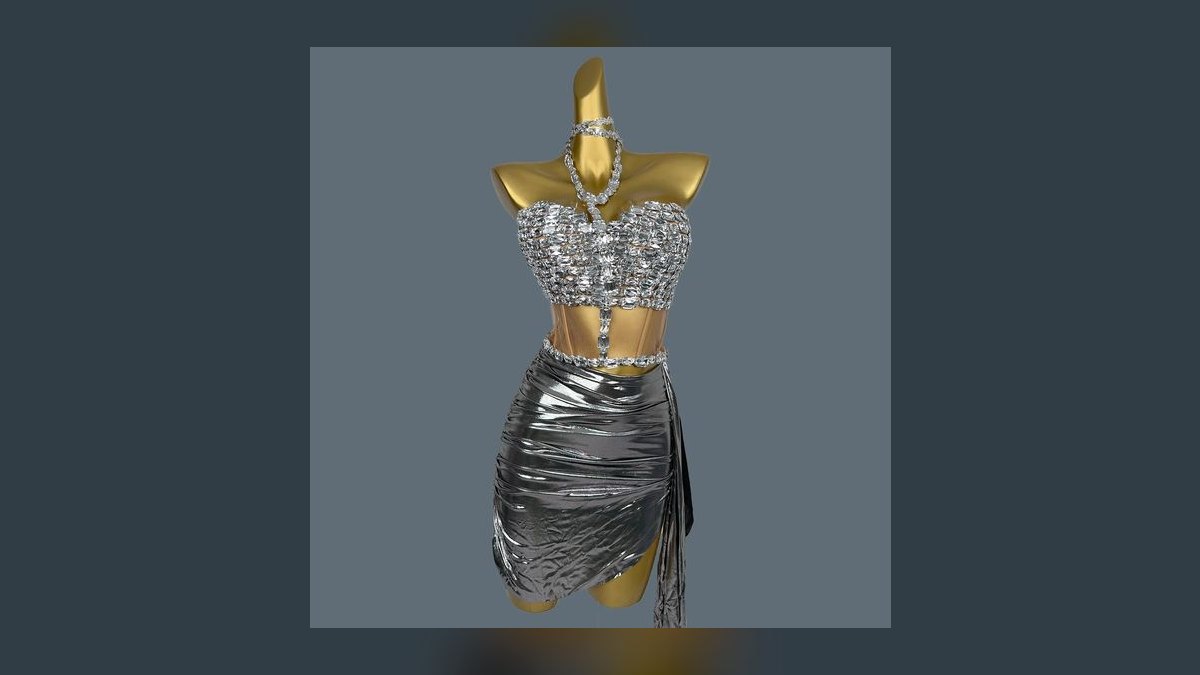
Fabric weight and finish come first. The single biggest visual tell between an expensive-looking outfit and a cheap one is how the material handles light. High-shine synthetics — thin polyester satin, glossy poly-crepe, plastic-feeling velvet — bounce hard specular highlights that read as flat and papery in person and disastrous under a phone flash. Matte and textured surfaces scatter light instead: brushed crepe, matte-face velvet, heavy satin with a dulled finish, fine-gauge knits, wool with visible grain. A useful in-store test is to hold the garment under the shop's brightest light and rotate it. If it flares white at the fold, it will do the same in every photograph taken that night. Weight matters just as much as finish. Cloth needs enough mass to hang in a clean line; a dress that clings to every contour and creases the moment you sit is usually too light and too thin, regardless of fiber content.
Fit is second, and it is almost entirely a tailoring question. Off-the-rack garments are cut to a statistical average nobody actually is. The three alterations that return the most per dollar are sleeve length on a jacket (roughly a quarter to half an inch of shirt cuff should show), trouser or skirt hem to the exact shoe you will wear that night, and a waist suppression on jackets and dresses so the garment follows the body's taper rather than hanging straight. These are routine, inexpensive alterations at any competent tailor and typically take under two weeks. A moderately priced jacket that has been altered will out-dress an expensive one straight off the hanger every single time, and the difference is visible across a room.
Venue is third and it is the variable people skip entirely. A rooftop in July, a low-ceilinged bar, a hotel ballroom, and a private home each impose different physical constraints. Outdoors and on any lawn or gravel: no stiletto, full stop — a block heel, a low wedge, or a flat. Home parties usually mean a shoes-off possibility, so hosiery and socks become visible garments rather than hidden ones. Ballrooms are cold at the edges and hot at the center. Standing-room bars mean you'll hold your bag for four hours, which settles the tote-versus-clutch debate by itself.
The interaction between these three is what people miss. A heavy velvet jacket is right for a December ballroom and wrong for a June garden. A perfectly tailored linen blazer is right for a rooftop and slightly underdressed for a hotel event. The fabric decision and the venue decision are the same decision made twice, which is why checking the address before you shop saves more mistakes than any styling rule.
Benchmarks, realistic price ranges, and what to spend where
Useful budgeting starts from a blunt fact: the visible-quality curve is steep at the bottom and flattens fast. The jump from a $60 blazer to a $250 blazer is enormous and obvious. The jump from $250 to $900 is real but subtle — better cloth, more hand-finishing, longer service life. The jump from $900 to $3,000 is largely about provenance and hand labor, and is invisible to almost everyone at the party.
A workable entry-level cocktail kit runs roughly $300–$600 assembled, and that figure assumes mainstream mall and high-street retailers plus about $60–$120 in alterations. At this tier, put the money into the structured layer and the shoes, and economize on the shirt, the knit, or the simple dress underneath. A dark blazer and good leather shoes carry a cheap tee or a simple dress; the reverse is not true.
A mid-tier kit lands around $700–$1,500. Here you're buying real wool rather than wool-blend, a velvet with actual density, a leather sole or a well-made rubber one, and construction that survives repeated dry cleaning. This is the tier where a garment reasonably lasts a decade of occasional wear, which changes the cost-per-wear math substantially. A $900 jacket worn eight times a year for eight years costs about $14 a wearing.
Above roughly $1,500–$2,500 you're in the "this is the good jacket" range — full canvas construction on tailoring, better linings, cloth from a named mill. Worth it if you attend evening events monthly. Hard to justify if you go to two parties a year.
Some concrete calibrations. Heel height: 2–3 inches is the practical ceiling for a standing event; a 1.5-inch block heel is more comfortable than a 3-inch stiletto by an enormous margin and reads as deliberate rather than as a compromise. Hem length: a midi that ends mid-calf is the most forgiving length across ages and body types; the awkward zone is the widest point of the calf, so if a hem lands there, move it up or down an inch. Jacket sleeve: knuckle-length is too long; the sleeve should break at the wrist bone. Trouser break: a slight single break or a clean no-break both read as modern; a full stacked break reads dated.
Timing benchmarks matter too. Order alterations at least two weeks out. Break in new leather shoes for at least three separate short wears before a four-hour standing event, or accept the blisters. If you're buying online, budget for one return cycle — assume the first size is wrong roughly half the time.
One more calibration on color. Deep tones — navy, charcoal, burgundy, forest, true black — are the safest and photograph reliably. They also hide the two accidents most likely to happen at a cocktail party, which are red wine and canapé grease. That is not a trivial consideration; it's a practical argument for dark cloth that has nothing to do with fashion.
Risks, edge cases, and the ways this goes wrong
Overdressing is recoverable; underdressing is not. This asymmetry should drive every uncertain decision. If you arrive slightly too formal you can remove a jacket, lose a tie, roll a sleeve, or take off jewelry — the look adjusts downward in seconds. If you arrive in jeans and sneakers to a room of blazers, there is no fix and you spend the evening aware of it. When the dress code is ambiguous, always err upward.
The lighting trap. Clothing is bought under retail lighting and worn under candlelight, LED downlights, or a bar's colored wash. Black and navy are famously difficult to distinguish under warm indoor light, so a navy jacket over black trousers can read as an accident rather than a choice. Either commit to genuine monochrome or make the tonal difference obvious enough to be clearly intentional. Separately, anything with a strong sheen photographs far more aggressively than it looks in the mirror, and cocktail parties generate photographs.
Overheating and the coat problem. Crowded rooms run hot, and there's often nowhere to put a layer you've removed. A fully lined heavy jacket over a synthetic base is the standard failure. Choose breathable natural fibers next to skin, and prefer a half-lined or unstructured jacket if you suspect the room will be packed. Related: check whether there's a coat check before you commit to an outer coat you'd otherwise have to hold all night.

Shoes are where most evenings actually fail. New leather that hasn't been broken in, heels above three inches on a hard floor, or thin soles on concrete will end the night early. Test the exact pair on a hard surface for an hour beforehand. Carrying a fold-up flat in a bag is a legitimate strategy, not a defeat.
Theme parties are a distinct hazard. When an invitation asks for a decade theme or a color story, the safe move is to keep a standard cocktail base and add exactly one thematic element. Full costume commitment is high-variance — it works if everyone else commits and looks conspicuous if they don't. One nod is always safe.
Cultural and religious venues override everything above. Some spaces require covered shoulders, covered knees, or a head covering. If the event is at or adjacent to a religious site, or in a country with different norms, confirm before you plan. A wrap or a light jacket that can be added on arrival solves most of this cleanly.
Edge case: you're on the clock. If it's a work event, a client dinner, or a conference reception, you are being read professionally as well as socially. Dial back anything revealing, anything loudly branded, and anything that requires explanation. The bar for "memorable in the wrong way" is much lower when colleagues are present.
Edge case: you're the host. Hosts should dress a half-step below the top of the range they've requested. Being the most formally dressed person in your own home makes guests uncomfortable, and you'll also be moving — refilling, answering the door, handling food — so mobility and washability matter more than they would as a guest.
Edge case: seasonal and regional drift. Cocktail conventions vary geographically. Warm-climate cities run lighter and looser; older Northeastern and European institutions run more conservative. When traveling for an event, ask a local rather than assuming your home city's norms transfer.

A practical rollout plan, from invitation to front door
Treat this as a short project with a deadline rather than a decision made an hour beforehand. The sequence below works whether you're building from scratch or shopping your own closet.
Two to three weeks out: gather information. Read the invitation for the literal dress code language, then look up the venue — its type, its typical formality, and whether the event is indoors or out. If the code is vague or absent, ask the host directly; hosts are almost always happy to answer, and "what are you wearing?" is a normal question, not a gauche one. Check the forecast if any part of it is outdoors.
Two weeks out: shop your closet first. Lay out candidate pieces and try them on together under decent light. Most people already own something workable and only need one addition. Identify the gap precisely — the jacket, the shoes, the dress — rather than shopping generally, which is how closets fill with near-misses.
Two weeks out: buy the gap, and buy for alteration. When in doubt on fit, size up rather than down; a tailor can take a garment in cleanly but can rarely let one out much. Order online early enough to absorb one return.

Ten to fourteen days out: get to the tailor. Bring the exact shoes you'll wear so the hem is set correctly, and wear whatever base layer you plan to wear underneath. Ask for sleeve length, hem, and waist as needed. Confirm the pickup date.
One week out: full dress rehearsal. Put the entire outfit on — shoes, bag, jewelry, the works — and wear it around the house for thirty minutes. Sit down. Reach overhead. Walk stairs. Take a photo in the same lighting conditions you expect, because the camera catches what the mirror doesn't. This one step catches nearly every problem while it's still fixable.
Three to five days out: break in the shoes and prep the cloth. Wear new shoes for short indoor stretches. Send anything to the cleaner now, not the day before. Steam rather than press velvet — a hot iron crushes the pile permanently.
Day of: assemble, don't decide. Everything should already be resolved. Lay the outfit out, do a final lint and thread check, and load the bag with only what's needed — phone, card, key, lipstick or a comb, and a folded flat if the heels are ambitious.
Adjacent scenario — the same base, redeployed. The reason this planning effort is worth it is that the resulting kit generalizes. The dark structured layer plus tailored trousers or a dark midi is the same foundation that covers a wedding you're not in, a funeral with a color swap, a client dinner, a theater evening, and a work offsite dinner. Building one reliable evening base and rotating shirts, knits, hosiery, and accessories around it is far cheaper and far more reliable than assembling a new outfit per event. The accessories do the differentiating work; the base stays constant.
Adjacent scenario — the recurring-event calendar. If you attend several evening events a season, keep a simple note of what you wore and to which event, especially if the same people will be present. This sounds excessive and is not — it prevents the mild awkwardness of the same outfit at two consecutive gatherings with the same crowd, and it makes the next decision take two minutes instead of two hours.
Related questions
How formal is "cocktail attire" compared to black tie?
Cocktail sits a clear step below black tie. Black tie means a tuxedo or a formal floor-length gown. Cocktail means a jacket or a knee-to-midi-length dress — dressy, but not formal evening wear. Black tie optional sits between the two.
Can I wear black to a cocktail party?
Yes. Black is the most reliable cocktail color and always appropriate. The main caution is pairing black with navy or charcoal, which can read as accidental under warm lighting. Vary texture — velvet with crepe, matte with a slight sheen — to keep all-black from looking flat.
Are jeans ever acceptable at a cocktail party?
Only if the invitation explicitly signals casual, and even then dark, unfaded, undistressed denim with a proper jacket and leather shoes. At a standard cocktail event, denim reads as having missed the instruction. When uncertain, choose trousers instead.
What should I do if I realize I'm underdressed on arrival?
Nothing visible. Don't apologize or announce it — that draws attention to what most people haven't noticed. Adjust what you can quietly: button a jacket, remove a visible casual item. Then focus on the conversation, which is what people actually remember.
How much should I spend on my first cocktail outfit?
Roughly $300–$600 including alterations gets a genuinely good result from mainstream retailers. Concentrate spending on the structured layer and the shoes, budget separately for tailoring, and economize on the simpler pieces underneath.
FAQ
What fabrics work best for cocktail attire?
Matte and textured naturals: brushed crepe, matte-finish velvet, wool with visible grain, heavy satin with a dulled face, and fine-gauge knits. Avoid thin high-shine polyester, which reads flat in person and worse in photographs. Fabric weight matters as much as fiber — cloth needs enough mass to hang in a clean line rather than cling and crease.
Is a jumpsuit appropriate for a cocktail party?
Yes. A well-cut jumpsuit in a substantial fabric is fully cocktail-appropriate and often more comfortable than a dress for a standing event. Make sure the waist sits where your waist actually is and that the hem is set for the exact shoes you'll wear — the length is unforgiving of a mismatch.
What if the invitation gives no dress code at all?
Ask the host, or infer from the venue and time. Evening events at bars, restaurants, and private homes generally call for standard cocktail attire. With no information at all, default to a dark structured layer over simple separates — that reads correctly across nearly the entire formality range.
Can I wear sneakers to a cocktail party?
Generally no. Even pristine white leather sneakers pull the whole look down a formality notch, and cocktail dressing has little margin for that. If comfort is the driving concern, choose a loafer, a low block heel, or a well-made leather flat — all of which are far more comfortable than a stiletto and read as intentional.
How do I stay warm without ruining the look?
Layer with cloth rather than bulk: a fine knit under a jacket, opaque hosiery, a wool or silk wrap you can drape. Check whether there's a coat check before committing to an outer coat, and remember that a crowded room runs several degrees hotter than the thermostat suggests — you'll likely want less insulation than you expect.
Do I need to buy something new for every party?
No, and doing so is the expensive way to dress worse. Build one reliable base — a dark structured layer plus tailored trousers or a dark midi — and rotate shirts, knits, hosiery, and accessories around it. The accessories do the differentiating; the base earns its cost over years.
Sources
- https://www.vogue.com — seasonal collections, silhouettes, and evening-wear reporting
- https://www.gq.com — men's tailoring, jacket fit, and semi-formal dress guidance
- https://www.harpersbazaar.com — women's evening and party dressing coverage
- https://www.nytimes.com/section/style — reporting on shifting social dress conventions
- https://emilypost.com — etiquette definitions for cocktail, black tie optional, and black tie
- https://www.esquire.com — men's dress codes, shoes, and accessory guidance
- https://www.whowhatwear.com — practical styling and outfit-construction advice
- https://www.realsimple.com — dress-code explainers and wardrobe planning
Related on PULSE
- [What to Wear to a Cocktail Party in Your 40s in 2027](/knowledge/sy0812)
- [What to Wear to a Cocktail Party if You Have an Athletic Build in 2027](/knowledge/sy0837)
- [What to Wear to a Cocktail Party if You're Curvy in 2027](/knowledge/sy0727)
- [What to Wear to a Cocktail Party if You're Hourglass-Shaped in 2027](/knowledge/sy0642)
- [What to Wear to a Cocktail Party in Your 70s in 2027](/knowledge/sy0617)
- [How to Style a Cardigan for a Cocktail Party in 2027](/knowledge/sy2587)
 pulse-styleHow to Style a Midi Skirt for a First Date in 2027
 pulse-styleHow to Style a Trench Coat for an Engagement Party in 2027
 pulse-styleWhat to Wear to a Marketing Job Interview in 2027
 pulse-styleWhat to Wear to the Gym in 2027
 pulse-styleWhat to Wear to a Housewarming Party in 2027
 pulse-styleWhat to Wear to a Rooftop Party in 2027
 pulse-styleWhat to Wear to a Dinner Party in 2027
 pulse-styleWhat to Wear to a Golf Outing in 2027
 pulse-styleWhat to Wear to a Jazz Club in 2027
 pulse-styleWhat to Wear to a Kid's Birthday Party in 2027