

What to Wear to a Dinner Party in 2027
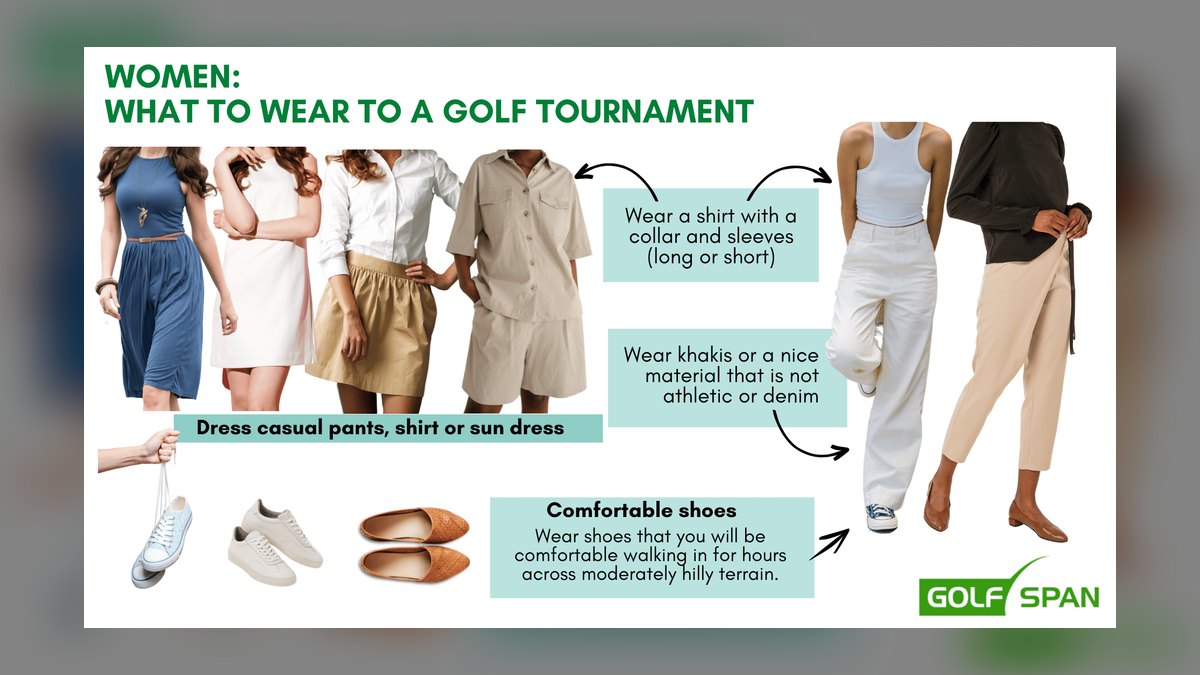
Wear one tailored anchor piece — trousers, a midi skirt, or a midi dress — in a muted natural fabric like wool, linen, or silk, layered with a soft knit or unstructured blazer, and add exactly one intentional accent. Skip jeans unless the host says casual. Comfortable low shoes matter more than height.
The Thursday invite that tells you almost nothing
The text arrives at 4:12 p.m. on a Thursday: "Dinner at ours Saturday, 7ish, nothing fancy." That's the entire brief. No dress code, no venue detail, no hint whether "nothing fancy" means paper napkins on a kitchen island or a set table with three glasses per person and a host who spent two days on a braise. This is the actual problem most people are solving when they search what to wear to a dinner party — not "what is elegant," but "how do I decode an invitation that deliberately under-specifies."
Under-specification is the norm now, and it's not an accident. Hosts drop the dress code on purpose because naming one feels like putting on airs, and because they'd rather absorb a little variance than make anyone feel policed at their table. The cost of that generosity lands on you: you have to infer the register from indirect signals. Six of them do most of the work.
The host's own baseline. People host at roughly their everyday level plus one notch. A friend who lives in loose linen and clogs is not staging a formal dinner. A friend whose weekday uniform is a pressed shirt will have ironed something. Your best single predictor of the room is what the host wears when nothing is happening.
The venue. A first apartment with a folding table seats six at most and runs warm and close. A house with a dining room and a separate kitchen implies courses, seating that lasts, and a longer evening. Outdoor dinners — patios, roof decks, backyards — change fabric and footwear decisions more than they change formality: grass eats stiletto heels, and a 74°F afternoon becomes a 58°F evening once the sun drops.
The start time. 6:30 skews casual and family-adjacent; people may be coming straight from something. 8:00 or later signals the meal is the event and the evening is meant to run long. Later start, slightly more considered outfit.
The guest count. Six people means one conversation and a lot of sitting. Sixteen means standing, circulating, and a plate balanced on one hand — which is a shoe and a bag decision more than a clothing decision.
The occasion underneath. "Come over" and "come celebrate the new place" are different assignments. Any dinner attached to a milestone — birthday, promotion, engagement, holiday — moves up a notch automatically, because the guest of honor deserves to be visibly out-dressed by nobody but also not left alone in the effort.
What the host is cooking. If you know it's a multi-course sit-down, the evening is long and structured. If it's a big pot of something and a salad, it's not.
Run those six signals and you land in one of three registers, which is really all you need. Relaxed is a friend's apartment, early, small, casual food: dark trousers or a simple dress, a good knit, clean flats or loafers. Considered is the default and covers most invitations: one tailored piece, one soft piece, real shoes, one accent. Elevated is a milestone, a later start, a formal dining room, or a host you know dresses up: silk or velvet, a proper jacket, jewelry that reads intentional.
One more piece of freely available intelligence people skip: ask. "What are you wearing?" or "Is this a jeans thing or a nice thing?" costs one text and eliminates the entire guessing exercise. Hosts answer immediately and are usually relieved, because they were worried about the same variance. There is no version of that text that reads badly.
How the outfit actually assembles
The reason dinner party dressing feels harder than it is: most people shop for outfits instead of building them. A build is repeatable. Once you understand the assembly order, you can do it in seven minutes with a closet you already own, and it works whether the register is relaxed or elevated.
The build has five slots, and they go in a fixed order because each one constrains the next.
Slot one: the anchor. One tailored piece carries the whole outfit. Wide-leg or straight wool trousers, a midi skirt with real drape, well-cut chinos, or a midi dress. This is where fit matters most and where spending money actually shows. An anchor that fits properly makes an inexpensive top look deliberate; a badly fitting anchor makes an expensive top look accidental.
Slot two: the softener. Against the anchor's structure you want something with give — a fine-gauge knit, a silk or silk-blend blouse, a good cotton shirt, a cashmere crewneck. All-structure reads like a work uniform or a wedding. All-soft reads like you're still on the couch. The tension between the two is the entire aesthetic.
Slot three: the layer. An unstructured blazer, a cardigan, a wrap, a vest. This does triple duty: it adds visual weight, it solves the temperature swing between a warm dining room and a cold walk to the car, and it functions as an emergency dial — leave it on when you've landed too casual, take it off when the room turns out looser than you guessed. Bringing a layer you can remove is strictly better than not bringing one.
Slot four: shoes. Chosen for the floor and the duration, not the photograph. More on this below, but the short version: you will be on your feet more than you expect, and the floor may be hardwood, grass, or a rug you'd rather not spike.
Slot five: the accent. Exactly one. A burgundy bag against olive and cream. A silk scarf. A single gold chain. A terracotta belt. One accent reads as intention; three read as costume. If you catch yourself adding a fourth interesting thing, one of the first three is now doing nothing.
Two constraints govern the whole build. The first is the color spine: pick a base of two neutrals from the same temperature family — cream and olive, taupe and charcoal, ivory and navy — and let the accent be the only thing that departs. Muted bases photograph well in the mixed warm light of a home dining room, where overhead fixtures, candles, and a kitchen pendant are all throwing different color temperatures at you. Saturated brights and busy prints fight that light and can read harsher in person than they did in your mirror.
The second is fabric over label. Wool, linen, cotton, silk, and cashmere drape, breathe, and hold shape through a four-hour evening. Cheap synthetics do three things badly at a dinner party specifically: they trap heat in a room warmed by an oven and a dozen bodies, they hold cooking smells, and they crease into hard flat wrinkles when you sit that never fall out. If a piece has to be synthetic, choose one with texture — a crepe, a matte weave — rather than a flat shiny finish.
Then run the sit-and-reach test before you leave. Sit down in the outfit for a full minute. Cross your legs. Reach across a table as if for the salt. Stand up. Anything that rides, gaps, binds at the waist after a large meal, or requires a hand to manage is disqualified, because you will be doing all four of those things repeatedly for hours. This one test catches more real failures than any trend research: the waistband that's fine standing and punishing seated, the wrap dress that gaps when you lean forward, the top that needs constant adjustment.
What things actually cost, and the numbers that matter
Real ranges, because "invest in quality" is useless without figures.
Timing. "7ish" means arrive between 7:05 and 7:20 — never early, because the host is almost certainly still cooking and an early guest costs them the last calm ten minutes they had. Fifteen minutes past the stated time is the polite center of the window. Past 30 minutes without a text, you're affecting the food. Plan your outfit decision to be finished 20 minutes before you leave, not 5; the rushed swap at the door is where most bad outfits come from.
Duration. A sit-down dinner party runs three to four hours from arrival to first departure, and you'll be standing for 45 to 90 minutes of it — arrival drinks, kitchen hovering, the long goodbye at the door. Every comfort decision should be priced against three-plus hours, not against the twenty minutes you spent in front of the mirror.
Shoe height. Comfortable all-evening height tops out around 1 to 2 inches for most people, with a block heel or wedge rather than a stiletto. A 3-inch-plus heel is a 90-minute shoe for most feet; past that you're managing pain instead of talking. Flats and loafers have no ceiling. If the party is outdoors on grass or a deck, thin heels are simply the wrong tool — they sink, they catch in boards, and you spend the night on your toes.
Temperature. Interior dining rooms during dinner run several degrees warmer than the rest of the house — an oven that's been on for two hours plus eight to sixteen bodies plus candles adds up fast. Dress for the warm room and carry the layer for the cold trip. Outdoor dinners in spring and fall commonly drop 12 to 20 degrees between a 7 p.m. start and a 10 p.m. departure, which is exactly why the removable layer is non-negotiable.
Budget. You can assemble a genuinely good dinner-party outfit in three tiers. Around $150 to $300 buys a well-fitting anchor and a decent knit if you're patient with sales and secondhand — the anchor takes most of the budget, the top takes less. $300 to $600 gets you real wool trousers or a proper midi, a fine-gauge knit, and shoes you can actually stand in. $600 to $1,200 is where cashmere, silk, and full-grain leather live. Cost-per-wear is the honest metric: a $400 pair of wool trousers worn 40 times over four years costs $10 a wear, while a $90 novelty piece worn twice costs $45 a wear. Buy the anchor, borrow the trend.
Tailoring. This is the highest-leverage spend in the entire category and almost nobody does it. A trouser hem runs roughly $15 to $30, taking in a waist $20 to $45, shortening jacket sleeves $25 to $50. Fifty dollars of alterations on a $120 pair of trousers beats a $400 pair off the rack that doesn't fit. If you own exactly one pair of dinner trousers, get them hemmed to your actual shoe height.
Wardrobe math. Two anchors, three soft tops, two layers, and two pairs of shoes generate about a dozen non-repeating outfits if the color spine is consistent — which is why the spine matters more than variety. The people who always look right at dinner parties are not the people with the most clothes; they're the people whose eight pieces all work with each other.
The host gift. Adjacent but part of the same evening's preparation, and worth the same 10 minutes of thought: $15 to $40 covers a bottle, good chocolate, or something for the pantry. Bring flowers already in a vessel or don't bring flowers — an armful of stems hands the host a chore at the exact moment they're plating.
Fragrance. Restraint is the rule at a dinner party specifically, because the host has spent hours building smells you're about to walk through. One or two sprays, applied 20 minutes before leaving so the top notes have burned off. Heavy fragrance at a dining table is the one accessory that affects other people's actual experience of the meal.
What to give up, and what you get back
Every dinner party outfit is a set of trades. Naming them makes the choice conscious instead of anxious.

Overdressed versus underdressed. These are not symmetric. Being slightly overdressed reads as effort and respect for the host — a jacket you can remove, a blouse instead of a tee. Being clearly underdressed reads as indifference, and worse, it's unfixable once you're inside. Asymmetric risk means you should lean up. But "slightly" is load-bearing: arriving in cocktail attire to a kitchen-table dinner makes the host feel they under-delivered, which is its own failure. One notch above your read, never three.
Comfort versus impact. Real, but usually overstated. The genuine trade is narrow — a stiff waistband, a heel height, a fabric with no give. Almost everything else is a false trade, since well-fitting natural fibers in a considered cut are more comfortable than badly fitting synthetics. When it is a real trade at a dinner party, comfort wins, because the event is fundamentally sitting and talking for hours. Nobody remembers your shoes. Everybody notices that you were distracted.
Trend versus timeless. Trends belong in the accent slot and the low-cost slot. Anchors should be quiet: a straight wool trouser bought this year should still work in five. This is also the sustainability argument in practical terms — the most environmentally sound garment is the one you already own and will keep wearing, and a neutral anchor gets worn a hundred times while a statement piece gets worn twice and photographed once.
Buy versus borrow versus rent. For a one-off — a formal holiday dinner, a milestone — renting or borrowing is often the correct answer over buying something you'll wear once. Rental makes sense for genuinely occasional formality. Buying makes sense for the anchor pieces you'll wear monthly. Secondhand sits in the middle and is frequently where the best natural-fiber pieces are, because the synthetics wore out and the wool didn't.
Dress versus separates. A dress is one decision and a faster exit; separates give you more range and more repair options mid-evening. If you're uncertain about the register, separates are safer — you can dial with the layer. If you know the register, a dress is less friction.
Matching the host versus expressing yourself. Read the room, but don't erase yourself into it. The accent slot exists precisely so you can be legibly yourself inside a broadly appropriate outfit.
The adjacent scenarios follow the same logic with the dials moved. A work dinner narrows the accent slot and raises the floor: you're being read professionally, so quieter, and no experiments. A first meeting with a partner's family is the one case to deliberately overshoot the casual read — effort is the message. A holiday dinner carries an implicit host aesthetic, so ask about the theme rather than guessing. A dinner party you're hosting flips the calculation entirely: you need pockets or a place to put your phone, sleeves that push up, shoes you can cook in, and a fabric that survives an oven, a spill, and a dishwasher-loading session at 11 p.m. Hosts should dress one notch below their guests, not above.
The failures that actually happen
Not a list of style crimes — the specific, repeated mistakes that ruin an evening.
The shoes you hadn't broken in. The single most common self-inflicted wound. New leather plus three hours of standing produces a blister by dessert, and from that point you're managing pain instead of participating. Wear new shoes for two or three hours at home first. If they're still uncertain the day of, wear the known pair.
Dressing for the mirror instead of the chair. You evaluated the outfit standing, in good light, for thirty seconds. You will experience it seated, in dim light, for three hours, after a large meal. The sit-and-reach test exists for exactly this gap. A waistband that's snug standing becomes punitive after two courses.
Ignoring the trip. The outfit has to survive getting there — a car, a walk, weather, a rideshare seat. Linen creases hard in a car seat; unstructured wool doesn't. Suede and rain are a bad pairing. If you're walking more than a few blocks, bring the shoes and change at the door.
Fabric that can't handle a kitchen. Silk shows water spots. Pale wool shows red wine. Anything unlined and light-colored is a bad bet near a stove. This isn't an argument for wearing black — it's an argument for knowing which piece you'd be genuinely upset to lose and not wearing it to a dinner with pasta sauce in the future.
Too many interesting things. Statement sleeve plus statement earring plus statement bag plus bold shoe equals four items competing and none winning. One accent. If you love two of them, wear the other next time.
Wearing the invitation's word literally. "Casual" from a host who dresses well does not mean sweatpants; it means their version of casual, which is probably good jeans and a nice knit. Calibrate the word against the person who wrote it.
Skipping the layer. People leave the blazer at home because the forecast said warm, then sit next to an open window or walk to the car at midnight in November. The layer is also the only mid-evening correction tool you have.
Forgetting the practical objects. Phone, keys, and the host gift have to go somewhere. A dress with no pockets plus a bag too small plus a bottle of wine equals juggling at the door. Check that the bag holds what you're actually carrying.
Heavy fragrance at the table. Covered above, but it's the pitfall guests are least likely to self-diagnose, because you stop smelling your own perfume within minutes and everyone else doesn't.
Deciding too late. The five-minute pre-departure scramble produces worse outcomes than a two-minute decision made that morning. Pick the outfit early, hang it up, run the sit test once, and stop thinking about it.
Related questions
Can I wear jeans to a dinner party?
Yes, if the host's baseline is casual. Choose dark, rigid, straight or wide-leg denim with no distressing, and raise everything else — a silk top, a blazer, leather loafers. The jeans should be the least interesting item. When you genuinely can't read the register, trousers are safer.
What if I show up and I'm clearly overdressed?
Remove the layer, take off one accessory, and stop thinking about it. Nobody at a dinner party is bothered by a guest who tried. Don't apologize or narrate it — drawing attention makes the host feel their event was under-scaled, which is the only real harm available here.
How much should I actually spend?
Put roughly half your budget in one anchor piece you'll wear monthly, and add $30 to $50 for tailoring. A $400 trouser worn 40 times costs $10 per wear; a $90 trend piece worn twice costs $45. Borrow or rent anything you'll wear once.
What should I wear if I'm the one hosting?
One notch below your guests, and built for work: pockets, sleeves that push up, dark or forgiving fabric, and shoes you can stand in for five hours. An apron you remove before guests arrive covers the cooking hours. Comfort is the entire brief.
Does the season change the answer much?
It changes fabric and weight far more than shape. The same anchor-plus-softener-plus-layer build runs year-round: linen and cotton in summer, wool and cashmere in winter. Outdoor dinners in spring and fall need the layer most, since evening temperatures commonly drop 12 to 20 degrees after sunset.
FAQ
What's the safest outfit if I know nothing about the party?
Dark, well-fitting trousers, a fine-gauge knit or silk-blend top in a neutral, an unstructured blazer you can remove, and clean leather loafers or low block-heel shoes. One accent — a bag or a chain. This reads correctly in almost every home dinner setting from relaxed to considered, and the removable jacket lets you adjust once you see the room.
How do I ask the host about the dress code without seeming anxious?
Text something concrete rather than open-ended: "Jeans thing or nice thing?" or "What are you wearing?" Concrete questions get instant, useful answers. Hosts are nearly always relieved to be asked, because the ambiguity was worrying them too. One text ends the whole guessing exercise.
Are sneakers ever appropriate at a dinner party?
At a relaxed one, yes — clean, minimal leather sneakers in white or cream, worn with tailored trousers and a real jacket so the sneaker reads as a deliberate choice. Athletic runners, chunky trainers, or anything visibly worn don't work. If the party is elevated or a milestone, wear a loafer or a boot instead.
What's the single best thing I can do to improve how my outfit looks?
Tailoring. A $20 hem or a $40 waist adjustment does more for how an outfit reads than doubling your spend, because fit is the thing people register before fabric, color, or brand. If you own one pair of dinner trousers, have them hemmed to the exact shoe height you'll wear them with.
How do I dress for an outdoor or backyard dinner party?
Breathable fabrics, a real layer, and shoes with a flat or block base — thin heels sink into grass and catch in deck boards. Assume the temperature drops 12 to 20 degrees after sunset and bring a wrap or jacket even if the afternoon was warm. Skip anything that needs a hard surface or dry cleaning.
Should I follow trends at all, or just wear classics?
Both, in fixed proportions. Keep trends in the accent slot and the low-cost slot — a bag, a scarf, an earring, a color — and keep the anchor pieces quiet and well-cut. That way a trend that ages out costs you $40 instead of $400, and your trousers still work in five years.
Sources
- https://www.emilypost.com/advice — Emily Post Institute guidance on guest etiquette, timing, and host gifts
- https://www.vogue.com/fashion — Vogue's ongoing coverage of dress codes and evening wear
- https://www.gq.com/style — GQ on men's tailoring, footwear, and social dress codes
- https://www.harpersbazaar.com/fashion/ — Harper's Bazaar seasonal style and occasion dressing
- https://www.nytimes.com/section/style — The New York Times Style section on shifting social dress norms
- https://www.thecut.com/tags/fashion/ — The Cut on practical, real-world outfit decisions
- https://www.bbc.com/future — BBC Future on textiles, thermal comfort, and material performance
- https://www.si.edu/spotlight/fashion — Smithsonian resources on dress history and social codes
Related on PULSE
- [What to Wear to a Business Dinner in 2027](/knowledge/sy0017)
- [What to Wear to a Client Dinner in 2027](/knowledge/sy0260)
- [What to Wear to a Work Conference Dinner in 2027](/knowledge/sy0073)
- [What to Wear to a Michelin-Star Dinner in Winter in 2027](/knowledge/sy0703)
- [What to Wear to a Michelin-Star Dinner in Fall in 2027](/knowledge/sy0423)
- [What to Wear to a Hanukkah Dinner in 2027](/knowledge/sy0143)
 pulse-styleHow to Style a Midi Skirt for a First Date in 2027
 pulse-styleHow to Style a Trench Coat for an Engagement Party in 2027
 pulse-styleWhat to Wear to a Marketing Job Interview in 2027
 pulse-styleWhat to Wear to the Gym in 2027
 pulse-styleWhat to Wear to a Cocktail Party in 2027
 pulse-styleWhat to Wear to a Housewarming Party in 2027
 pulse-styleWhat to Wear to a Rooftop Party in 2027
 pulse-styleWhat to Wear to a Golf Outing in 2027
 pulse-styleWhat to Wear to a Jazz Club in 2027
 pulse-styleWhat to Wear to a Kid's Birthday Party in 2027