

What to Wear to a Milestone Birthday in 2027
For a milestone birthday in 2027, dress one notch above the venue's baseline: tailored separates in navy, charcoal, cream, or a jewel tone, with fabric matched to the season and shoes you can stand in for four hours. Confirm the invitation's dress code first — venue and activity level decide formality far more than the number of candles.
What a milestone birthday dress code actually signals
A milestone birthday — a 30th, 40th, 50th, 60th, or beyond — sits in an odd gap in the etiquette landscape. It is not a wedding, where the dress code is printed, enforced by tradition, and understood by every guest. It is not a regular birthday dinner either, where whatever you wore to work is fine. It is a hosted celebration with an emotional center of gravity, and the person at that center has usually spent months planning it. That planning is the signal you are reading when you decide what to wear.
The practical consequence: the invitation is doing more work than it appears. A milestone party invitation that specifies a venue name, a start time after 6 p.m., and any phrase resembling "cocktail," "festive," or "dressy casual" is telling you the host wants a room that photographs well. Milestone parties generate more photographs per guest-hour than almost any other private event, and those photographs persist. People print them, frame them, put them in slideshows for the *next* milestone. Dressing for the camera is not vanity here — it is a reasonable read of what the host is actually asking for.
Three variables carry nearly all the decision weight, and they are worth separating explicitly:
Venue formality. A private dining room at a good restaurant, a rented event space, a hotel ballroom, and a rooftop bar all cluster near "cocktail." A backyard, a brewery, a park pavilion, a bowling alley, or a rented lake house cluster near "elevated casual." A home dinner party for twelve sits between them and depends heavily on the host's own habits.
Time of day. Anything starting before 3 p.m. reads daytime: lighter colors, less shine, more forgiving fabrics. Anything starting after 6 p.m. reads evening: darker or richer palettes, satin and velvet become appropriate, metallic accents stop looking overdone. The 3–6 p.m. window is genuinely ambiguous and is where most guests over- or under-shoot.
Activity load. Seated dinner, standing cocktail reception, dancing, outdoor lawn games, and a bar crawl impose wildly different physical demands. A seated dinner tolerates a stiff waistband and a heel; a four-hour standing reception on a tile floor does not.
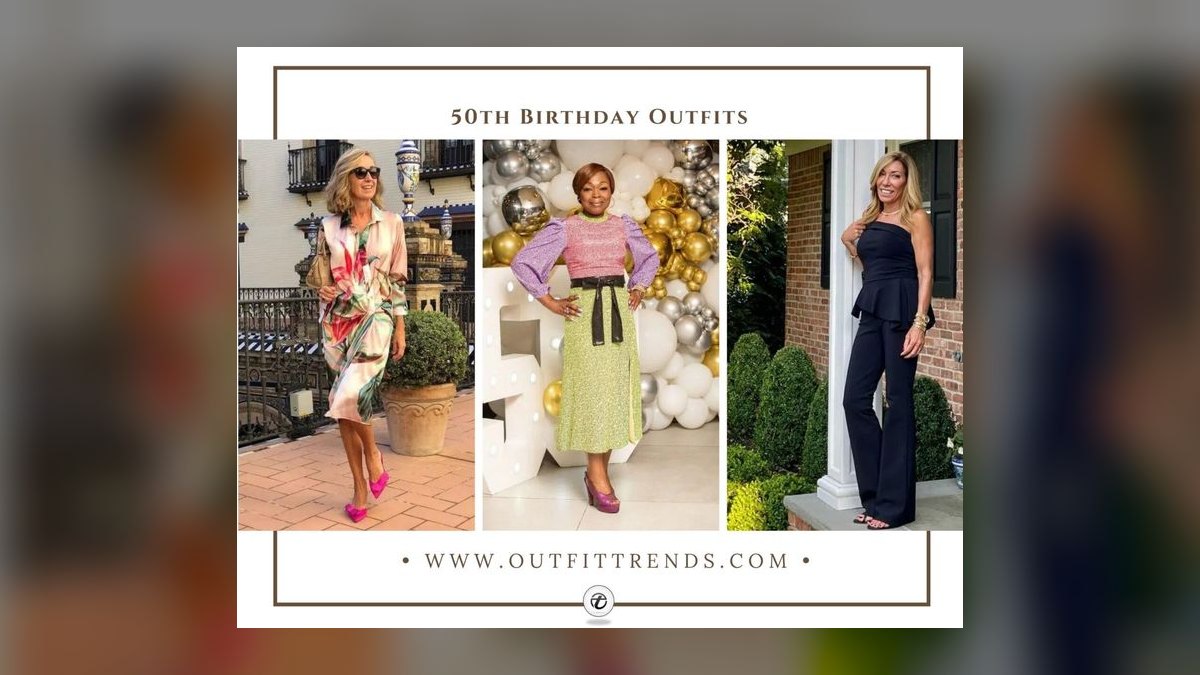
There is also a distinction that matters enormously and that guests routinely ignore: are you the guest of honor, or a guest? The honoree has license — and arguably an obligation — to be the most visually distinct person in the room. A guest's job is to look polished and cohesive without competing. If you are attending your friend's 50th and you show up in the single most attention-grabbing outfit in the room, you have made a social error that no amount of good tailoring fixes.
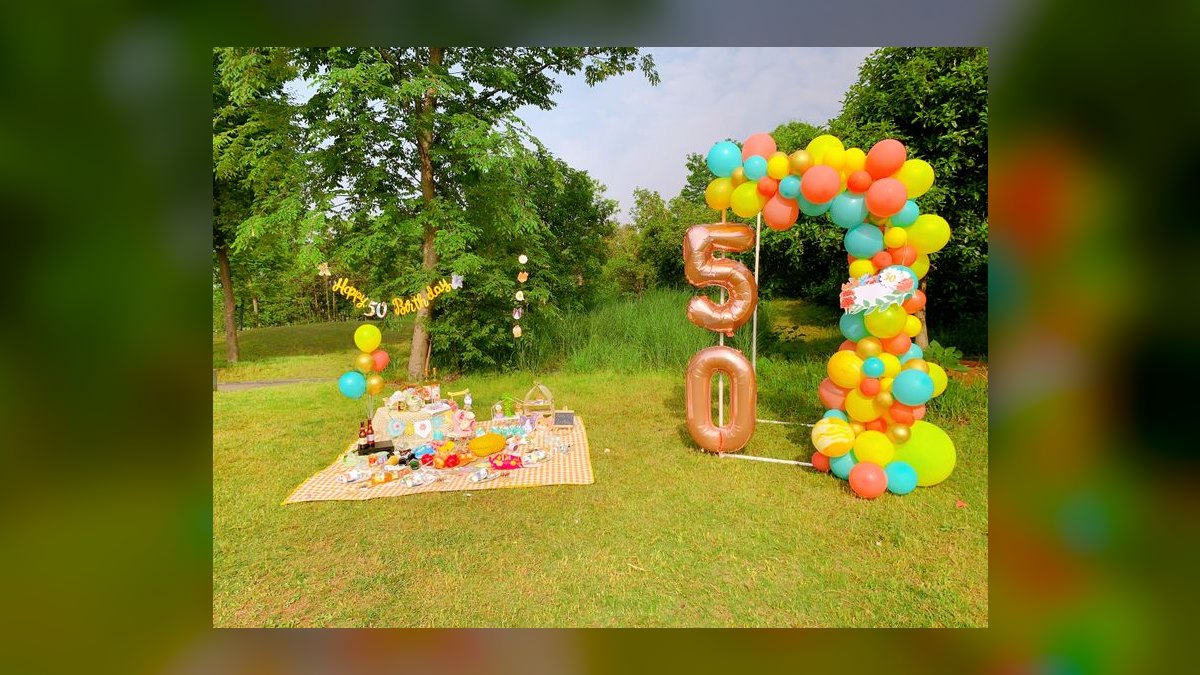
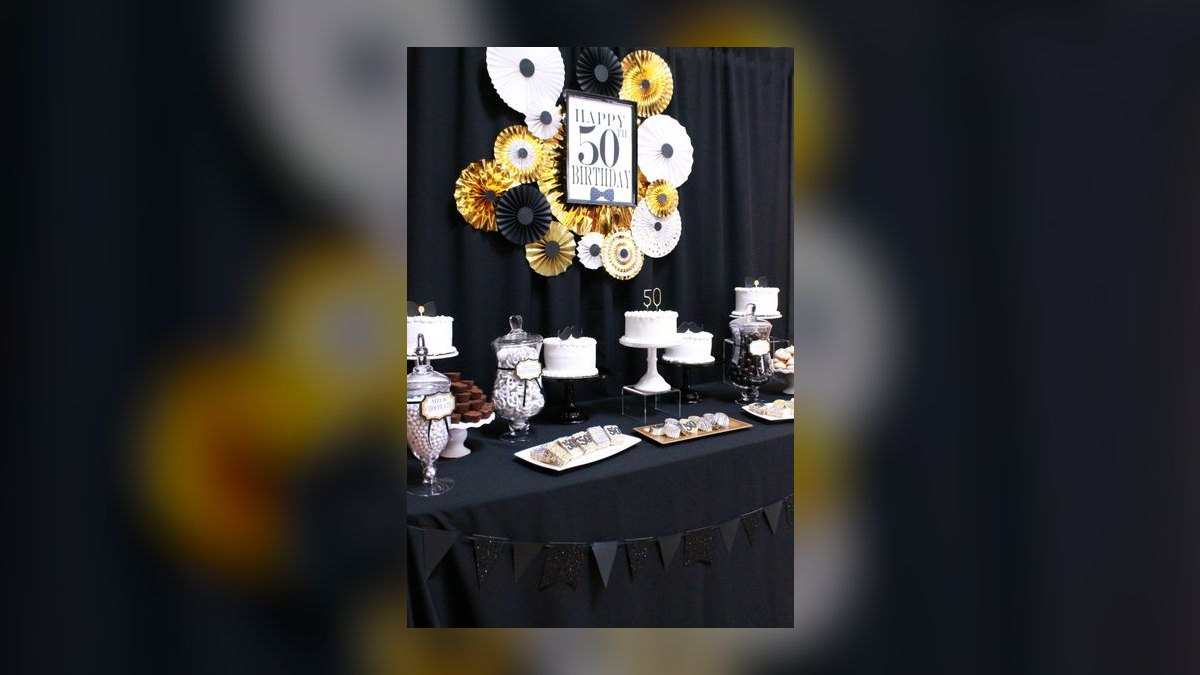
One more layer worth naming: milestone birthdays increasingly carry themes. Decade themes (a 40th styled as a '90s party), color themes (an all-white 50th), destination themes (a beach weekend for a 60th). A theme in the invitation is not a suggestion; it is the dress code, and ignoring it reads as indifference to the host's planning. But absent an explicit theme request, do not invent one — matching the birthday person's favorite color without being asked can accidentally put you in the same visual lane as the honoree.
The step-by-step process for building the outfit
The reason people freeze on this decision is that they start from the wrong end — they start at the closet instead of at the invitation. Work forward in a fixed sequence and the choice narrows fast.
Step one: read the invitation twice. Once for the logistics, once for the tone. The wording carries information the venue alone does not. "Join us for cocktails and dinner to celebrate" is a different instruction than "come hang out and help us embarrass Dad."
Step two: pick the anchor piece. One garment does the heavy lifting and everything else supports it. For most men that anchor is a jacket — a soft-shouldered blazer in navy, charcoal, or a textured neutral. For most women it is a dress, a skirt, or a tailored trouser in a fabric with some presence. Choosing the anchor first prevents the classic failure of assembling five interesting pieces that fight each other.
Step three: add no more than two supporting garments. Anchor plus shirt plus trouser. Or dress plus jacket. The instinct to keep adding is what produces outfits that look busy in photographs.
Step four: solve the shoes against the activity, not the outfit. This is the step people invert, and it is the single most common source of a ruined evening. If the party is a standing reception, you need a shoe you can wear for four hours on a hard floor. That means a block heel of roughly 5–6 cm rather than a stiletto, a loafer or derby rather than a stiff new oxford, or a genuinely clean leather sneaker if the event is casual enough to carry it. Outdoor grass or gravel eliminates thin heels entirely — they sink, and you will spend the night walking on your toes.
Step five: cap accessories at three. A watch, a belt, and one other thing. Or earrings, a necklace, and a bag. Past three, the pieces start competing and the eye has nowhere to rest.
Step six: solve the temperature swing. Evening parties that start outdoors and move indoors, or start indoors and spill onto a patio, cross a real temperature boundary. A layer that works both on and off — an unstructured jacket, a fine-knit cardigan, a large scarf or wrap — beats a heavy coat you will abandon on a chair and forget.
Step seven: try the whole thing on 48 hours before. Not the morning of. Forty-eight hours is enough time to get something hemmed, order a replacement, steam out a crease, or discover that the trousers no longer close. Sit down in it. Raise your arms. Walk a hallway. Photograph yourself under overhead light, because overhead light is what event venues have and it is unflattering in ways a mirror will not reveal.
Step eight: the mechanical finish. Steam rather than iron where you can, lint-roll dark fabrics, check the shoes for scuffs and the hem for a dropped stitch. This costs fifteen minutes and accounts for a disproportionate share of whether an outfit reads as "put together" or "close enough."

That sequence also transfers cleanly to adjacent occasions — anniversary dinners, retirement parties, engagement parties, graduation receptions, and christenings all resolve through the same eight steps with different inputs. The framework is the durable thing; the specific outfit is disposable.
Costs, timelines, and what to actually budget
Money spent on event dressing sorts into three buckets, and they behave very differently.
The wardrobe bucket is what you already own. For most people over 30, roughly 70–80% of a milestone birthday outfit can come from here — the trousers, the shirt, the shoes, the jewelry. The mistake is assuming a special occasion demands an entirely new outfit. It rarely does.
The gap bucket is the one or two pieces you genuinely lack. A blazer that fits. A dress appropriate to an evening event. Shoes that are both dressy and survivable. This is where money should go, because these pieces are reusable across every future occasion of the same type. A well-fitting navy blazer or a simple dark midi dress will be worn to a dozen events over five years; a trend-driven top for one party will be worn once.

The finishing bucket is tailoring, grooming, dry cleaning, and small repairs. It is the cheapest bucket and it delivers the highest visible return per dollar, and it is almost always the one people skip.
Realistic ranges, with the caveat that prices vary enormously by market and change year to year:
- *Basic alterations* — hemming trousers, taking in a jacket waist, shortening sleeves, adjusting a dress strap — typically run in the low tens of dollars per operation at a neighborhood tailor, with jacket sleeve shortening and waist suppression at the higher end. It is the highest-leverage spend in the entire exercise. A mid-price jacket that fits beats an expensive one that does not, every time, and it is not close.
- *Dry cleaning or professional pressing* for a suit or dress is a modest per-item cost and should be budgeted two weeks out, not two days out, because turnaround times stretch during holiday and wedding seasons.
- *Shoe rehabilitation* — resoling, reheeling, a professional polish — costs far less than replacement and can rescue a pair you already like. Heel tips in particular are cheap and are the thing that makes older shoes read as worn out.
- *Grooming* — a haircut, a beard trim, a blowout, a manicure — is a real line item and should be scheduled, not improvised.
Timeline is where budgets actually break. Compressed timelines force expensive decisions. Here is a workable schedule:
- Three to four weeks out: confirm the dress code with the host or a co-guest if the invitation is ambiguous. Audit your closet against the plan. Identify gaps.
- Two to three weeks out: buy the gap pieces. This window matters because it leaves room for returns and exchanges, which is exactly what online ordering requires — sizing is inconsistent enough across brands that ordering two sizes and returning one is a rational strategy, and it only works with lead time.
- Two weeks out: tailoring drop-off. Neighborhood tailors commonly quote one to two weeks in normal periods and longer during peak season. Rush fees exist and are avoidable.
- One week out: haircut. A cut looks best a few days after, not the same day.
- Forty-eight hours out: full try-on, per the process above.
- Day of: steam, dress, done.
A note on rental and resale, which have become genuinely mainstream: for a single high-formality event — a black-tie 60th, a destination milestone weekend — renting a dress or a dinner jacket is often cheaper than buying and eliminates the storage problem. For anything at cocktail level or below, buying a reusable piece usually wins on cost-per-wear within two or three events. Secondhand and consignment markets are also a legitimate path to quality fabrics — wool, silk, cashmere — at a fraction of retail, with the trade-off that fit is a gamble and tailoring cost should be assumed as part of the purchase.
One adjacent cost people forget: the travel and logistics tax. If the milestone involves a flight, a hotel, or a multi-day weekend, packing constraints reshape the outfit entirely. A wrinkle-resistant fabric — a wool-blend trouser, a jersey or crepe dress, a knit blazer — is worth more than a beautiful linen that arrives creased and cannot be steamed in a hotel room without a functioning shower. Plan for what survives a suitcase.
Where people get it wrong
The failure modes are remarkably consistent, and almost all of them are avoidable with a little forethought.

Misreading the venue. This is the big one, and it runs in both directions. A floor-length gown at a backyard barbecue is uncomfortable for the wearer and quietly awkward for the host. Jeans and a t-shirt at a hotel ballroom dinner reads as not having bothered. If you are genuinely unsure, text the host or another guest. Nobody has ever been annoyed by the question "hey, what are people wearing?" — it signals that you care.
Treating fit as optional. Fit is the single strongest visual signal of whether an outfit works, and it is entirely independent of price. A jacket whose shoulder seam falls past your shoulder point, trousers that pool at the ankle, a dress that pulls at the bust — these read instantly, in person and in photographs. The fix is cheap and available in nearly every neighborhood.
Buying new shoes for the event. New leather shoes need breaking in. Wearing them for the first time to a four-hour party is how you end up barefoot on a patio at 10 p.m. holding your shoes. If a new pair is unavoidable, wear them around the house for several hours across a few days first.
Over-accessorizing. Statement earrings *and* a statement necklace *and* a statement bag *and* a patterned scarf is four things asking for attention. Pick one, support it with two quiet pieces, stop.

Ignoring the weather and the room. A heavy wool suit in July is a bad night. So is a sleeveless silk dress in a January venue with an unreliable heating system. Check the forecast and, if you can, ask about the space — outdoor tents, converted warehouses, and old restaurants all run cold, and open-air rooftops run windy.
Forgetting that you will be photographed. Very fine stripes and tight checks can produce a moiré shimmer in photographs. Heavily reflective sequins can blow out under a flash. Pure white can read as a bright blob under harsh light. None of these are prohibitions — just know what you are choosing.
Upstaging the honoree. A guest wearing something louder than the person the party is for is a genuine social misstep. This is the closest thing to a real rule in the whole exercise.
Not accounting for the actual physics of the evening. Will you be carrying a plate and a drink at the same time while standing? Then a bag that stays on your body — crossbody, wristlet, or a jacket with real pockets — beats a clutch you have to set down and will eventually lose. Will you be hugging fifty people? Then a delicate silk that shows makeup transfer at the shoulder is a risk.
Leaving everything to the last 24 hours. Nearly every failure above is downstream of this one. The compressed timeline is what turns a solvable fit problem into an unsolvable one.

Overcorrecting for age. People approaching a 50th or 60th sometimes conclude they must dress "age appropriately" and land somewhere joyless. The opposite error — chasing a trend clearly aimed at a much younger cohort — is equally visible. The resolution is not about age at all: it is about proportion, fabric quality, and whether the piece is something you would happily wear again. Both errors dissolve when the question becomes "does this fit me and do I like it" rather than "am I allowed to wear this."
Decision framework: choosing by venue, role, and season
When the variables collide, resolve them in a fixed priority order: explicit instruction beats venue, venue beats time of day, time of day beats season, and season beats personal preference. Personal preference operates within whatever space the other four leave you — which is usually more than people think.
By venue. Ballroom, hotel, or a private room at a serious restaurant: a suit or sport coat with dress trousers, or a dress with structure and a considered shoe. Bar, rooftop, or rented event space: elevated separates — a blazer over a knit, a midi dress, a silk or crepe top with tailored trousers. Home, backyard, or brewery: smart casual, which still means an intentional outfit, just a softer one — a good knit, dark denim without distressing, clean leather footwear. Daytime outdoor: breathable fabrics, footwear that handles grass, and a layer for the temperature drop after sunset.
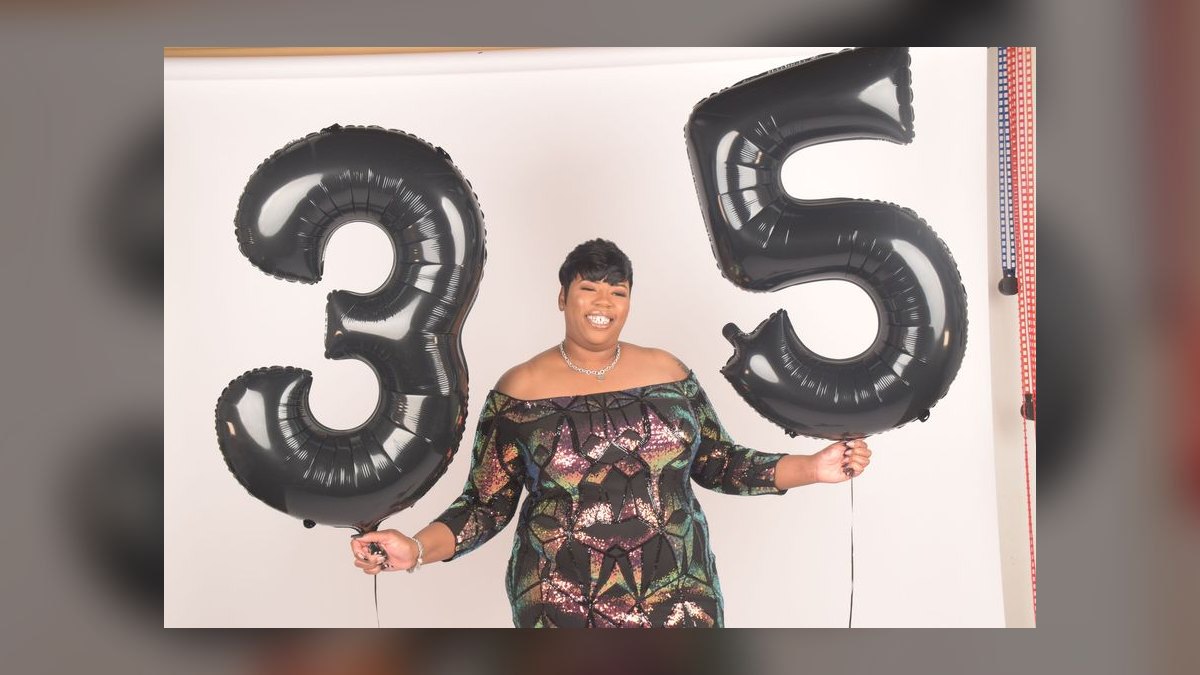
By role. The honoree steps up one notch and is allowed the statement piece — a velvet jacket, a bold color, a genuinely eye-catching dress. Immediate family often sits half a notch above general guests, especially if there will be formal photographs or a toast. Everyone else matches the room.
By season. Warm months favor linen, cotton, lightweight wool, and open-weave knits, in a lighter palette — cream, sand, sky, soft green. Cold months favor wool, cashmere, corduroy, and velvet, in deeper tones — navy, charcoal, forest, burgundy, plum. The season constrains fabric more than it constrains color, and fabric is what determines whether you are comfortable.
By physical demand. Dancing or extended standing means a low block heel, a flat, or a broken-in leather shoe, plus some give in the waistband. Seated dinner opens the full range.
On palette. A reliable default across all four axes: build on navy, charcoal, cream, or black, then introduce exactly one point of interest — a jewel tone in a jewel-tone room, a metallic accent in an evening room, a texture rather than a color if the room is already loud. This is the same logic that governs dressing for weddings, work events, and holiday parties, which is why it is worth internalizing once rather than re-solving every time.
On what carries over. The pieces that earn their keep are the boring ones: a navy blazer, a well-cut dark trouser, a simple dress in a solid dark color, one good leather shoe, one pair of quiet earrings or one good watch. Assembled once, that set covers milestone birthdays, anniversary dinners, engagement parties, work holiday events, funerals, and most weddings you are not in. Buy those well, tailor them properly, and every subsequent event becomes a fifteen-minute decision instead of a three-week problem.
Related questions
How is dressing for a milestone birthday different from a regular birthday dinner?
Milestone parties are hosted, planned events with real photography and a wider guest list. Regular birthday dinners are casual and social. The milestone version generally warrants one step up in formality and a deliberate outfit rather than whatever you wore that day.
Should the guest of honor wear white or a standout color?
The honoree has genuine license to stand out — bold color, velvet, sequins, or a statement silhouette all work. There is no white restriction as at weddings. Guests should avoid the loudest thing in the room, and should skip white if the host requested an all-white theme.
Can I wear jeans to a milestone birthday party?
At home, backyard, or brewery venues, yes — dark-wash, undistressed, well-fitting denim with a blazer or a good knit and leather shoes. At a ballroom, hotel, or upscale restaurant, no. If the invitation says cocktail attire, jeans do not qualify regardless of how expensive they are.
What if the invitation gives no dress code at all?
Infer from venue and start time, then ask. Text the host or another guest — it is a normal question and hosts appreciate it. Absent any signal, elevated separates in a dark neutral is the safest landing zone: it reads correctly almost anywhere between casual and cocktail.
How far in advance should I plan the outfit?
Three to four weeks for anything requiring a purchase or tailoring. Two weeks minimum if alterations are involved, since neighborhood tailors typically need one to two weeks. Forty-eight hours out is for the full try-on, not for solving problems.
FAQ
What exactly counts as a milestone birthday for dressing purposes?
Milestone birthdays are the decade markers — 30th, 40th, 50th, 60th, 70th and up — plus culturally significant ages like an 18th, 21st, or a quinceañera. For dressing purposes the number matters less than the format: if it is a hosted, planned party with an invitation and a venue, treat it as a milestone regardless of the age. A 43rd birthday thrown as a big rented-space party demands the same approach as a 40th.
Is there a universal safe outfit if I really cannot figure out the dress code?
Close to it. For men: a navy or charcoal unstructured blazer, a plain shirt or fine-gauge knit, dark trousers or dark denim depending on the venue read, and a clean leather loafer or derby. For women: a dark midi dress in a matte fabric with a low block heel, or tailored trousers with a silk or crepe top. Both read correctly from smart casual through cocktail and can be dressed up or down with one accessory swap.
What colors work best, and are there any to avoid?
Navy, charcoal, black, cream, and jewel tones — burgundy, emerald, sapphire, plum — are reliable across seasons and venues. Metallic accents in accessories add celebration without dominating. Avoid anything that competes with a stated theme, and be cautious with pure white if the honoree has planned an all-white event or will be in white themselves.
Do I need to match the birthday person's theme or color scheme?
Only if the invitation asks. A stated theme is effectively the dress code and should be followed. Without an explicit request, wearing your own polished outfit is correct — and inventing a match to the honoree's favorite color can accidentally put you in their visual lane, which is the outcome you are trying to avoid.
How do I dress for a milestone birthday on a tight budget?
Assume 70–80% comes from your existing closet, spend on the one or two genuine gaps, and put real money into tailoring rather than into a higher price tag. A mid-price jacket altered to fit outperforms an expensive one off the rack. Consignment and resale are legitimate sources of wool, silk, and cashmere at a fraction of retail; assume alteration cost as part of the purchase.
What should I do about outerwear, bags, and the practical stuff?
Bring a layer that works both on and off — an unstructured jacket, a fine cardigan, or a large wrap — rather than a heavy coat you will abandon and forget. Choose a bag you can wear on your body if the event involves standing with a plate and a drink; a clutch you must set down will eventually get lost. Check whether the venue has a coat check before committing to anything bulky.
Sources
- https://www.vogue.com — seasonal styling coverage and occasion dressing
- https://www.gq.com — men's tailoring, fit, and event-attire guidance
- https://www.harpersbazaar.com — party and evening dressing editorial
- https://www.nytimes.com/section/style — cultural and practical reporting on event fashion
- https://www.realsimple.com — practical etiquette and dress-code explainers
- https://www.theknot.com — dress-code definitions and event etiquette references
- https://www.emilypost.com — etiquette guidance on invitations, dress codes, and hosting
- https://www.whowhatwear.com — trend context and outfit-building guides
- https://www.esquire.com — men's suiting, shoes, and seasonal fabric guidance
- https://www.instyle.com — occasion-wear and accessory styling
Related on PULSE
- [What to Wear to a Kid's Birthday Party in 2027](/knowledge/sy0189)
- [What to Wear to a 50th Birthday Party in 2027](/knowledge/sy0190)
- [What to Wear to a Cocktail Party in 2027](/knowledge/sy0191)
- [What to Wear to an Anniversary Dinner in 2027](/knowledge/sy0192)
- [What to Wear to an Engagement Party in 2027](/knowledge/sy0193)
 pulse-styleHow to Style a Midi Skirt for a First Date in 2027
 pulse-styleHow to Style a Trench Coat for an Engagement Party in 2027
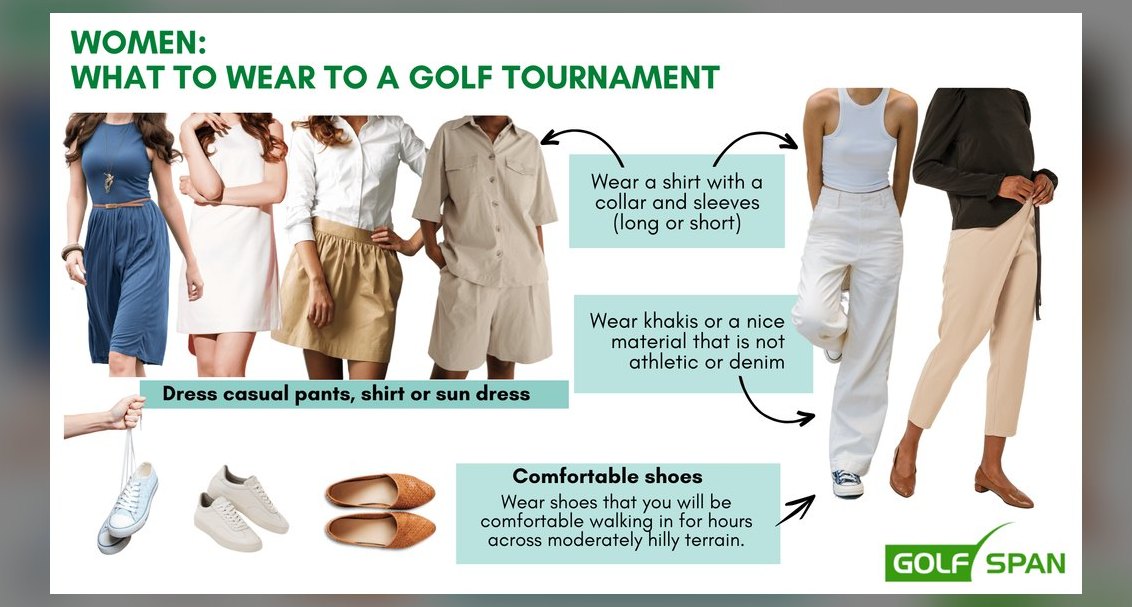 pulse-styleWhat to Wear to a Marketing Job Interview in 2027
 pulse-styleWhat to Wear to the Gym in 2027
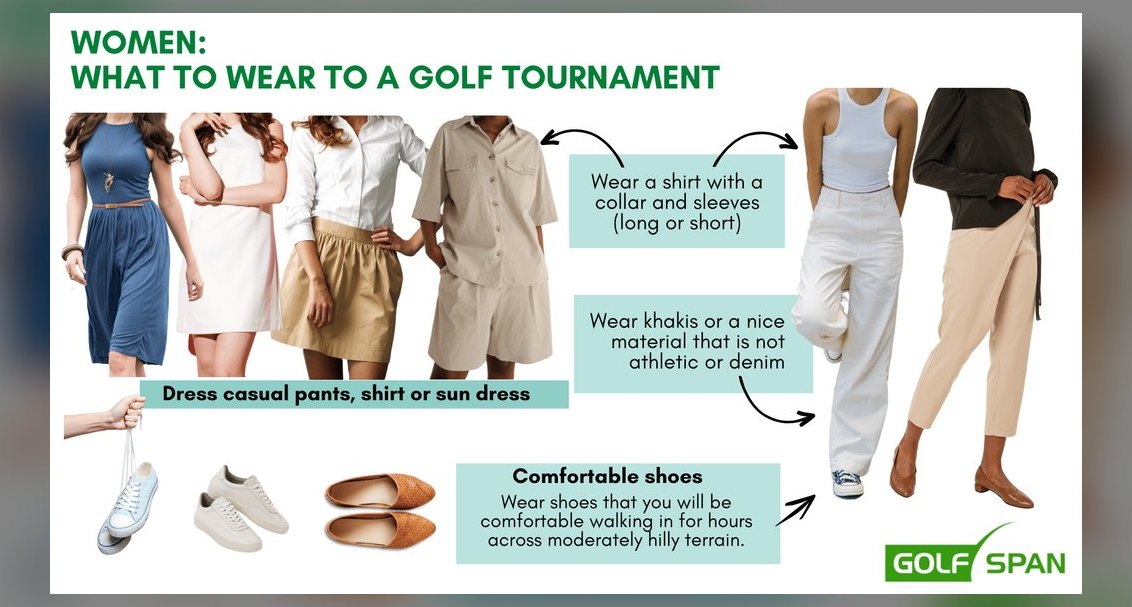 pulse-styleWhat to Wear to a Cocktail Party in 2027
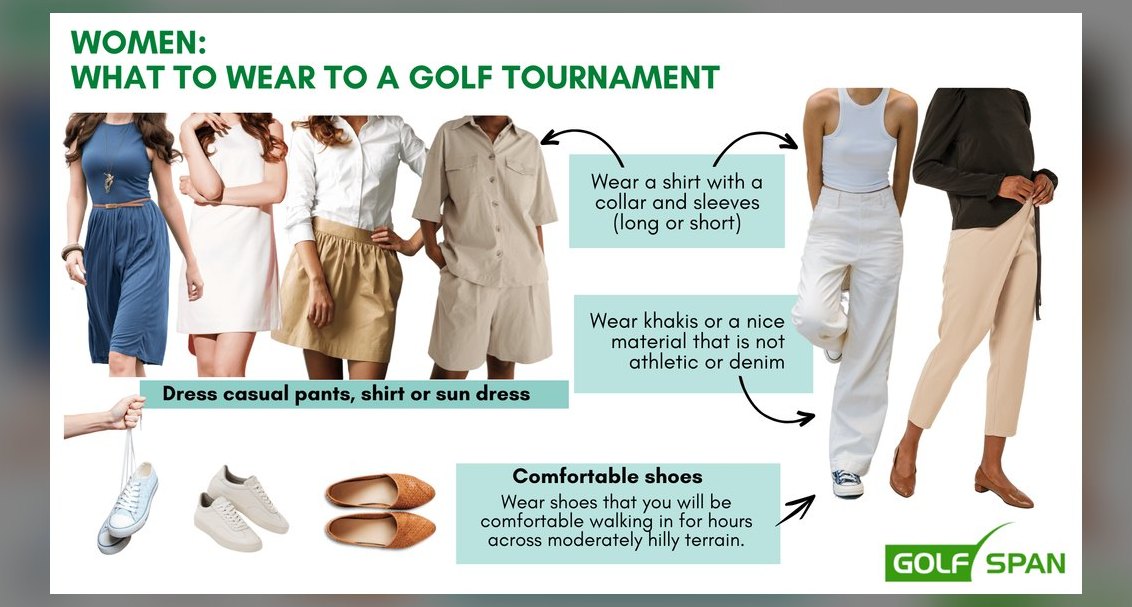 pulse-styleWhat to Wear to a Housewarming Party in 2027
 pulse-styleWhat to Wear to a Rooftop Party in 2027
 pulse-styleWhat to Wear to a Dinner Party in 2027
 pulse-styleWhat to Wear to a Golf Outing in 2027
 pulse-styleWhat to Wear to a Jazz Club in 2027