
How do I switch carriers without changing my phone number in 2027?
 Curated byKory White · Fractional CRO · Maryland
 PULSEKNOWLEDGE LIBRARY
Quality
Certified

You can switch carriers in 2027 without changing your phone number by requesting a port-out PIN (or Number Transfer PIN) from your current carrier, then providing that PIN plus your account number to the new carrier during activation. The porting process is legally mandated to complete within one business day, and your service continues on the old network until the transfer finalizes.
The Two Main Paths: Postpaid vs. Prepaid Porting
When you decide to switch carriers in 2027 while keeping your phone number, you will almost always be choosing between two distinct porting experiences: postpaid-to-postpaid and prepaid-to-prepaid (or any combination in between). The mechanics are similar, but the friction points differ significantly.
Postpaid-to-postpaid porting is the most streamlined route. The major postpaid carriers in the United States—AT&T, Verizon, and T-Mobile—have all invested heavily in automated porting systems that integrate directly with the Number Portability Administration Center (NPAC). When you initiate a port from one postpaid carrier to another, the new carrier submits a Local Service Request (LSR) to the NPAC, which then coordinates with your old carrier to release the number. In 2027, this process is almost entirely automated, and the FCC mandate requires that simple ports complete within one business day. In practice, most postpaid-to-postpaid ports finish in under two hours, often in as little as 15-30 minutes if you initiate the port online during business hours.
Prepaid-to-prepaid porting is where things get more variable. Prepaid carriers (including the flanker brands like Cricket, Metro by T-Mobile, and Visible, as well as independent MVNOs like Mint Mobile and US Mobile) rely on the same NPAC infrastructure, but they often have less sophisticated customer-service tools. You will typically need to obtain a port-out PIN from your prepaid carrier, which may require logging into your online account, texting a specific keyword to a short code, or calling customer service. Some prepaid carriers in 2027 have implemented fully automated PIN delivery via SMS or email within seconds, while others still require a human agent to generate the PIN, which can take 10-30 minutes during peak hours.
A third path exists: porting from a landline or VoIP service. While less common in 2027, many people still have numbers associated with VoIP services like Google Voice, Vonage, or Ooma. Porting from these services follows the same FCC rules, but the process can take longer because VoIP providers are not always as responsive as traditional carriers. Expect a 2-5 business day timeline for VoIP-to-mobile ports, and be prepared to provide additional verification like a recent bill or the account holder's full Social Security number.

Regardless of which path you choose, the underlying mechanism is identical: your number is not "moved" physically but rather re-pointed in the NPAC database from your old carrier's switch to your new carrier's switch. This re-pointing is what makes it possible to switch carriers without changing your phone number—the number itself is just a routing address, and the NPAC update tells the network where to send calls and texts.
How to Decide Between Immediate Porting and Delayed Activation
The decision of when to port—immediately upon signing up with a new carrier or after a delay—depends on several practical factors. Your choice affects service continuity, billing overlap, and the risk of losing your number.
The first consideration is phone compatibility. If your phone is locked to your current carrier, you cannot activate it on a new carrier's network, which means you must either unlock it first or purchase a new device. The FCC's unlocking rules, which took full effect in 2024, require carriers to unlock phones within 60 days of activation. By 2027, all major carriers comply with this rule, but the unlocking process still takes time—usually 24-72 hours after you request it. If you need to port immediately, ensure your phone is unlocked before you initiate the switch.
The second consideration is billing cycle alignment. If you port your number mid-billing-cycle, your old carrier will typically issue a prorated refund for the unused days of service. However, some carriers charge an early termination fee (ETF) if you are on a postpaid plan with a device installment agreement. In 2027, most carriers have eliminated ETFs for month-to-month plans, but if you have an installment plan, you will owe the remaining device balance. The decision is not just about timing but about minimizing your total out-of-pocket cost.
The third consideration is service continuity risk. If you port your number and the new carrier's network fails to activate properly, you could be left without service for hours or even days. To mitigate this, many people choose to keep their old line active until the port completes. However, once the port completes, your old line is automatically canceled, and you lose access to that carrier's network. If you have a dual-SIM phone, you can keep both lines active during the transition, but this only works if your old carrier allows you to use a secondary eSIM profile.

In practice, the safest approach is to port during a weekday morning when carrier support teams are fully staffed. Avoid porting on weekends, holidays, or late evenings, as the NPAC system operates 24/7 but carrier support teams do not. If your port fails, you will need to contact your new carrier's porting department, and having a support team available can reduce resolution time from days to hours.
Concrete Numbers Behind Each Porting Option
Understanding the actual costs, timelines, and requirements for porting in 2027 will help you avoid surprises. Here are the specific figures that matter.
Port-out PIN requirements: As of 2027, every major carrier in the United States requires a port-out PIN (sometimes called a Number Transfer PIN or a Transfer PIN) to authorize a port. This PIN is typically 6 digits and is valid for a limited time—usually 7 days. For AT&T, you generate the PIN via the myAT&T app or by texting "PORT" to 754-214-7000. Verizon uses a similar system: you can generate a Number Transfer PIN via the My Verizon app or by texting "PORT" to 611611. T-Mobile calls it a "Port-Out PIN" and generates it via the T-Mobile app or by texting "PORT" to 611611. For prepaid carriers, the process varies: Cricket allows you to generate a PIN via the Cricket app, Metro by T-Mobile requires a call to customer service, and Visible generates a PIN automatically in the Visible app.
Porting timeline: The FCC mandate requires that simple ports complete within one business day. In practice, the median porting time in 2027 is approximately 2-4 hours for postpaid-to-postpaid ports initiated online. Prepaid-to-prepaid ports take slightly longer, averaging 4-8 hours, because prepaid carriers often require manual verification of the port-out PIN. VoIP-to-mobile ports take 2-5 business days, and landline-to-mobile ports can take 3-7 business days due to additional regulatory requirements.

Costs involved: Porting itself is free—carriers cannot charge you to release your number. However, you may incur costs related to the switch: an activation fee on the new carrier (typically $35-$45 for postpaid, $0-$10 for prepaid), a device unlock fee (rare, but some carriers charge $10-$20 if you request an unlock outside the standard process), and any remaining device installment balance on your old carrier. If you are switching from a postpaid plan with a device installment agreement, you will owe the remaining balance immediately upon porting. For example, if you owe $400 on a phone and you port out, you must pay that $400 to your old carrier, either upfront or via a final bill.
Service fees and proration: When you port out mid-cycle, your old carrier will issue a final bill that includes any usage charges up to the port date, plus any remaining device payments. Most carriers will prorate your monthly service charge, so if you are 15 days into a 30-day cycle, you will be billed for 15 days of service. However, some prepaid carriers do not prorate—you lose the remainder of your paid month when you port out. For example, if you paid $40 for a 30-day prepaid plan and port out on day 10, you forfeit the remaining 20 days of service.
Data and plan implications: Your new carrier will likely require you to choose a new plan, and your data usage history does not transfer. If you are on a family plan, porting one line out may trigger a plan change for the remaining lines, as many family plans have a minimum line requirement. For example, a 4-line family plan may cost $160 per month, but dropping to 3 lines may increase the per-line cost to $55, making the total $165—more expensive than before. Always check the pricing for your remaining lines before porting.
Implementation Details and Sequencing for a Smooth Switch
Executing a carrier switch without changing your phone number requires precise sequencing. Follow these steps in order to minimize downtime and avoid losing your number.

Step 1: Verify your phone is unlocked. Log into your current carrier's app or website and check the unlock status of your device. If it is locked, request an unlock. Under the FCC's 2024 rules, carriers must unlock your phone within 60 days of activation, but if you have had the phone for longer, you should be eligible for immediate unlocking. The unlock process takes 24-72 hours, so start this at least three days before you plan to switch.
Step 2: Back up your contacts, photos, and messages. While porting does not affect your phone's data, you will likely be setting up your phone on a new carrier, which may involve a factory reset or a new eSIM profile. Use iCloud (for iPhone) or Google One (for Android) to back up everything. Also, ensure that your two-factor authentication (2FA) apps are backed up, as you will need them to log into banking and other sensitive accounts during the transition.
Step 3: Generate your port-out PIN. This is the most critical step. Without a valid port-out PIN, your new carrier cannot initiate the port. Generate the PIN no more than 24 hours before you plan to port, as most PINs expire after 7 days. Write it down or store it in a secure note. Also, gather your account number—this is often different from your phone number and can be found on your billing statement or in your carrier's app.
Step 4: Choose your new carrier and plan. In 2027, the major carriers and MVNOs offer a wide range of plans. Compare coverage in your area using tools like OpenSignal or Ookla's coverage maps. Pay attention to the total cost, including taxes and fees, which can add $5-$10 per month to advertised prices. Consider whether you want a postpaid plan with premium features (like international roaming or device financing) or a prepaid plan with lower costs but fewer perks.

Step 5: Initiate the port during activation. When you sign up for your new carrier, you will be asked if you want to keep your current number. Provide the port-out PIN and your account number. If you are activating a physical SIM, the port can begin immediately. If you are using an eSIM, the activation may take a few extra minutes. Do not cancel your old service until the port completes—your old line will automatically be canceled when the port finishes.
Step 6: Test your service. Once the port completes, you will receive a confirmation text or email. Make a test call, send a text, and browse the internet to ensure that all services work. If you have issues, contact your new carrier's support team immediately. In most cases, problems are resolved within hours, but if the port failed, you may need to restart the process.
Step 7: Monitor your old carrier's final bill. After the port completes, your old carrier will generate a final bill. This bill may include a prorated service charge, any remaining device payments, and any taxes or fees. Review it carefully for accuracy. If you see unexpected charges, contact the old carrier's billing department.
Step 8: Pay any final balance. If you owe money on your old account, pay it promptly to avoid collections. If you are due a refund (for prorated service), the carrier will typically issue it within 2-3 billing cycles, either as a check or a credit to your original payment method.
Step 9: Cancel any auto-pay or recurring charges. Once your old line is canceled, ensure that any auto-pay arrangements are terminated. Also, update your phone number with your bank, employer, and other important contacts—even though you kept your number, some services may have stored your old carrier's information.

Common Pitfalls and How to Avoid Them
Even with careful planning, switching carriers can hit snags. Here are the most common pitfalls in 2027 and how to navigate them.
Pitfall 1: The port-out PIN expires or is incorrect. If you enter the wrong PIN or it expires mid-port, the port will fail. To avoid this, generate the PIN immediately before starting the port and double-check the digits. If the port fails, you will need to generate a new PIN and restart the process, which adds 1-2 hours to your timeline.
Pitfall 2: The account number is wrong. Your account number is not always the same as your phone number. For example, Verizon account numbers are often 9 digits, while AT&T account numbers are 10 digits. Find the account number on your billing statement or in your carrier's app. If you provide the wrong account number, the port will be rejected.
Pitfall 3: The phone is still locked. If your phone is locked to the old carrier, the new carrier's SIM will not work. You will see a "SIM Not Valid" error. To fix this, contact your old carrier and request an unlock. Under FCC rules, they must unlock your phone if you are eligible, but the process takes 24-72 hours.

Pitfall 4: Outstanding device balance blocks the port. Some carriers will block a port if you have an unpaid device balance. While the FCC prohibits carriers from refusing to port a number over unpaid bills, carriers can require you to pay the device balance before they release the number. In practice, the port will proceed, but you will receive a final bill for the balance, and the old carrier may report the unpaid amount to credit bureaus.
Pitfall 5: Porting on a weekend or holiday. The NPAC system operates 24/7, but carrier support teams are often understaffed on weekends and holidays. If your port fails, you may have to wait until Monday for a human to resolve it. To minimize risk, port on a Tuesday, Wednesday, or Thursday morning.
Pitfall 6: Losing voicemail and other features. When you port, your voicemail, call forwarding, and other carrier-specific features do not transfer. You will need to set up voicemail on your new carrier, which usually takes a few minutes. Also, any carrier-specific apps (like visual voicemail) may need to be reinstalled.
Pitfall 7: Family plan disruptions. If you are on a family plan, porting one line out can trigger a plan change for the remaining lines. Before you port, check with your carrier about the impact on your family plan's pricing and features. In some cases, you may be better off moving all lines to the new carrier simultaneously.

Regulatory Protections and Your Rights in 2027
The FCC has strong consumer protections in place for number porting, and understanding your rights will help you navigate any disputes.
Right to port within one business day. The FCC's Local Number Portability (LNP) rules require that carriers complete a simple port within one business day. If your port takes longer, you can file a complaint with the FCC, and the carrier may be subject to penalties. In practice, most ports complete much faster, but this rule protects you from indefinite delays.
Right to a port-out PIN. Carriers are required to provide you with a port-out PIN upon request. They cannot refuse to give you the PIN, and they cannot charge a fee for it. If a carrier refuses, you can file a complaint with the FCC.
Right to unlock your phone. The FCC's 2024 unlocking rules require carriers to unlock phones within 60 days of activation. If you have had your phone for longer, you are eligible for an immediate unlock. Carriers cannot refuse to unlock your phone if you are eligible, and they cannot charge a fee for the unlock.

Right to dispute unauthorized ports. In 2027, the FCC has strengthened rules against "SIM swapping" and unauthorized ports. If someone ports your number without your consent, you can file a complaint with the FCC and your carrier, and the carrier is required to restore your service within 24 hours.
Right to a prorated refund. If you are on a postpaid plan and port out mid-cycle, your carrier must issue a prorated refund for unused service. Prepaid carriers are not required to prorate, but many do as a courtesy.
Reporting issues. If your carrier violates any of these rules, you can file a complaint with the FCC at fcc.gov/complaints. The FCC takes these complaints seriously, and carriers often resolve them quickly to avoid regulatory action.
How Carriers Use Porting Data to Shape Their Revenue Strategies
Understanding the business side of porting can help you negotiate better deals and time your switch for maximum benefit. Carriers track porting data closely because it directly impacts their revenue.
When you port your number to a new carrier, the new carrier gains a customer and the associated monthly revenue, while the old carrier loses that revenue stream. In 2027, a typical postpaid customer generates $50-$80 per month in revenue, or $600-$960 per year. A single line port represents a significant revenue shift, and carriers aggressively compete for port-in customers.

To attract port-ins, carriers offer incentives like gift cards, bill credits, or free devices. For example, in early 2027, several carriers offered $200-$500 in bill credits for porting in a number from a competitor. These incentives are often tied to a 24-month commitment, so read the fine print before accepting.
Carriers also use porting data to identify churn risk. If a customer requests a port-out PIN, the carrier's retention team may proactively offer a discount or a better plan to keep the customer. This means that requesting a port-out PIN does not guarantee you will leave—it can actually be a bargaining tool. If you are willing to stay, ask for a retention offer: many carriers will match or beat a competitor's price to keep your revenue.
The timing of your switch can also affect carrier revenue strategies. Carriers often report subscriber numbers quarterly, and porting data is a key metric for investors. If you port near the end of a quarter, the new carrier may be more aggressive in offering incentives to boost their reported subscriber count.
Finally, consider the impact of porting on your own financial position. If you are switching to save money, calculate the total cost of ownership over 24 months, including activation fees, device costs, and monthly service. A plan with a $10 lower monthly bill may not be a better deal if the activation fee is $45 and you lose a $200 bill credit you would have received by staying.
Related questions
What information do I need to port my number to a new carrier?
You need your account number, the account holder's name and billing address, and a valid port-out PIN from your current carrier. Some carriers also require the last four digits of the account holder's Social Security number or a recent bill as verification.
Can I port my number if I have an outstanding device balance?
Yes, but you will owe the remaining balance on your final bill from the old carrier. The port itself is not blocked by an unpaid balance, but the carrier may report the debt to credit bureaus.
How long does it take to port a number in 2027?
Most simple ports complete within one business day, with many finishing in under four hours. VoIP and landline ports can take 2-7 business days. The FCC mandates a one-business-day limit for simple mobile-to-mobile ports.
Will I lose my voicemail or text messages when I port?
You will lose carrier-specific voicemail settings and any messages stored on the carrier's server. Text messages stored on your phone (SMS/MMS) remain, but messages stored in carrier cloud services may be lost.
Can I port my number to a prepaid carrier?
Yes, prepaid carriers support number porting. The process is identical, but you may need to obtain a port-out PIN from your current carrier and provide it during prepaid activation.
FAQ
What happens to my old carrier account after I port my number?
Your old carrier account is automatically closed when the port completes. You will receive a final bill covering usage up to the port date, any remaining device payments, and applicable taxes. Any auto-pay arrangements are canceled, but you should verify this to avoid accidental charges.
Do I need to contact my old carrier to cancel service?
No, you do not need to contact your old carrier to cancel. The porting process automatically cancels your old line. However, you should monitor your final bill and ensure that any device installment balance is paid.
Can I port my number if I am on a family plan?
Yes, you can port an individual line out of a family plan. However, the remaining lines may be repriced, as many family plans have tiered pricing that changes with the number of lines. Check with your carrier before porting to understand the impact.
Is there a fee to port my number?
No, carriers cannot charge a fee for porting your number. However, your new carrier may charge an activation fee, and your old carrier may charge early termination fees if you have a device installment agreement.
What should I do if my port fails?
Contact your new carrier's porting department immediately. They will investigate the issue, which is often a mismatched account number or an expired port-out PIN. You may need to generate a new PIN and restart the process.
Can I port my number back to my old carrier later?
Yes, you can port your number back to your old carrier at any time, as long as the number remains active. The process is the same, and you will need a port-out PIN from your current carrier.
Sources
- https://www.fcc.gov/consumers/guides/porting-keeping-your-phone-number-when-you-change-providers
- https://www.att.com/support/article/wireless/KM1180288/
- https://www.verizon.com/support/transfer-pin/
- https://www.t-mobile.com/support/account/port-out-pin
- https://www.cricketwireless.com/support/account/transfer-number
- https://www.metrobyt-mobile.com/support/transfer-number
- https://www.visible.com/help/porting
- https://www.mintmobile.com/help/porting/
- https://www.consumerreports.org/cell-phone-services/how-to-switch-carriers-without-losing-your-number-a1234567890/
- https://www.pcmag.com/how-to/how-to-switch-carriers-without-changing-your-phone-number
Related on PULSE
- [How do I unlock my phone to switch carriers in 2027?](/knowledge/tc0159)
- [How do I keep my phone number if I cancel my plan in 2027?](/knowledge/tc0204)
- [How do I get a free or discounted phone when I switch in 2027?](/knowledge/tc0249)
- [How do I port my phone number to a new carrier in 2027?](/knowledge/tc0099)
- [How long does it take to port a phone number in 2027?](/knowledge/tc0241)
- [Best MVNO Cell Phone Carriers in 2027](/knowledge/tc0073)
This page will be disappearing soon. Save it to your device for $1 — or read it free while it is here.
@Kory-White- · if Venmo asks, the last 4 of my number are 2012
This page is gone.
This one is off the shelf now. $1 keeps it on your phone for good — the whole page, pictures and diagrams included.
 telcoHow do I add an international data pass to my plan before a trip in 2027?
 telcoWhat are the steps to trade in my old phone for credit in 2027?
 telcoHow do I troubleshoot a SIM card that is not working in 2027?
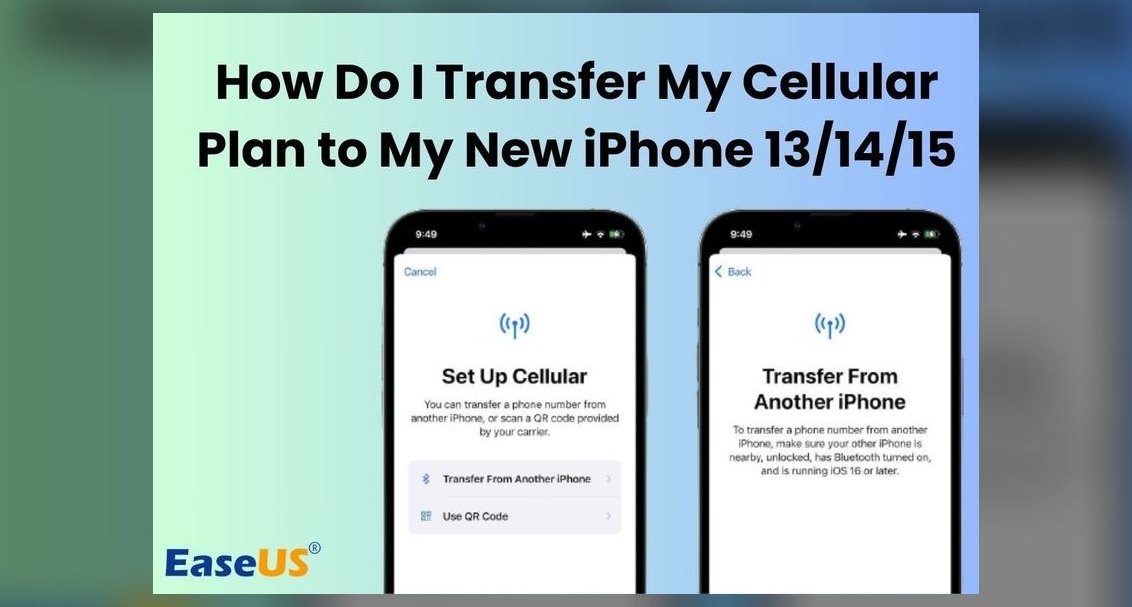 telcoHow do I transfer everything from my old phone to a new one in 2027?
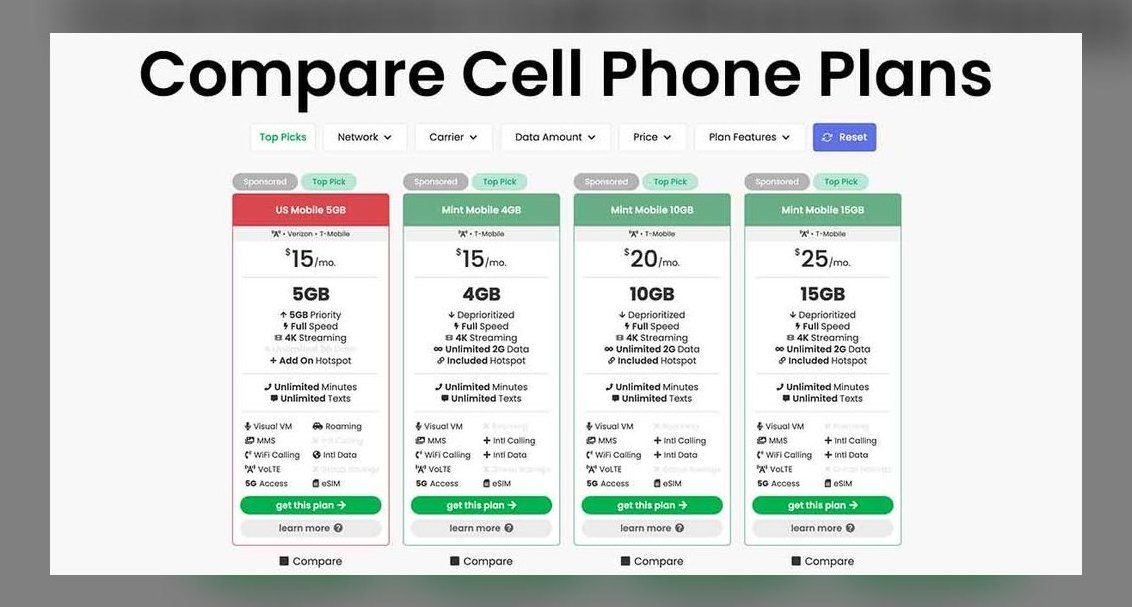 telcoHow do I choose the best cell phone plan for my needs in 2027?
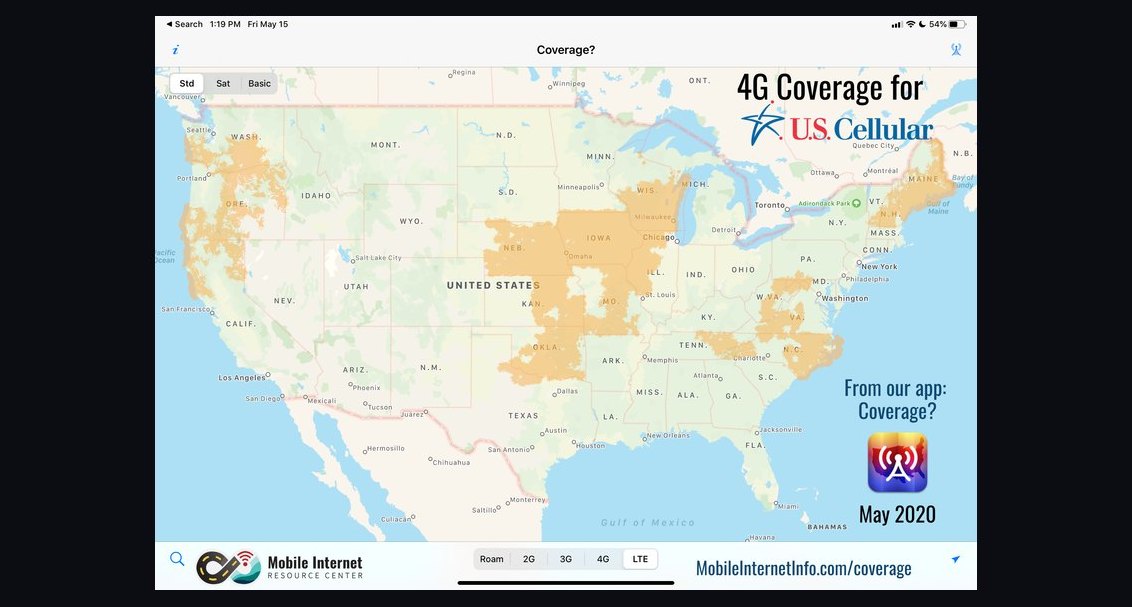 telcoBest Cellular and Wireless Carrier in Hawaii in 2027
 telcoBest Cellular and Wireless Carrier in Knoxville in 2027
 telcoHow do I activate a new SIM card or eSIM in 2027?
 telcoHow do I test a carrier's coverage before fully switching in 2027?
 telcoWhat is the best phone plan for a small business in 2027?