
How do I choose the best cell phone plan for my needs in 2027?
 Curated byKory White · Fractional CRO · Maryland
 PULSEKNOWLEDGE LIBRARY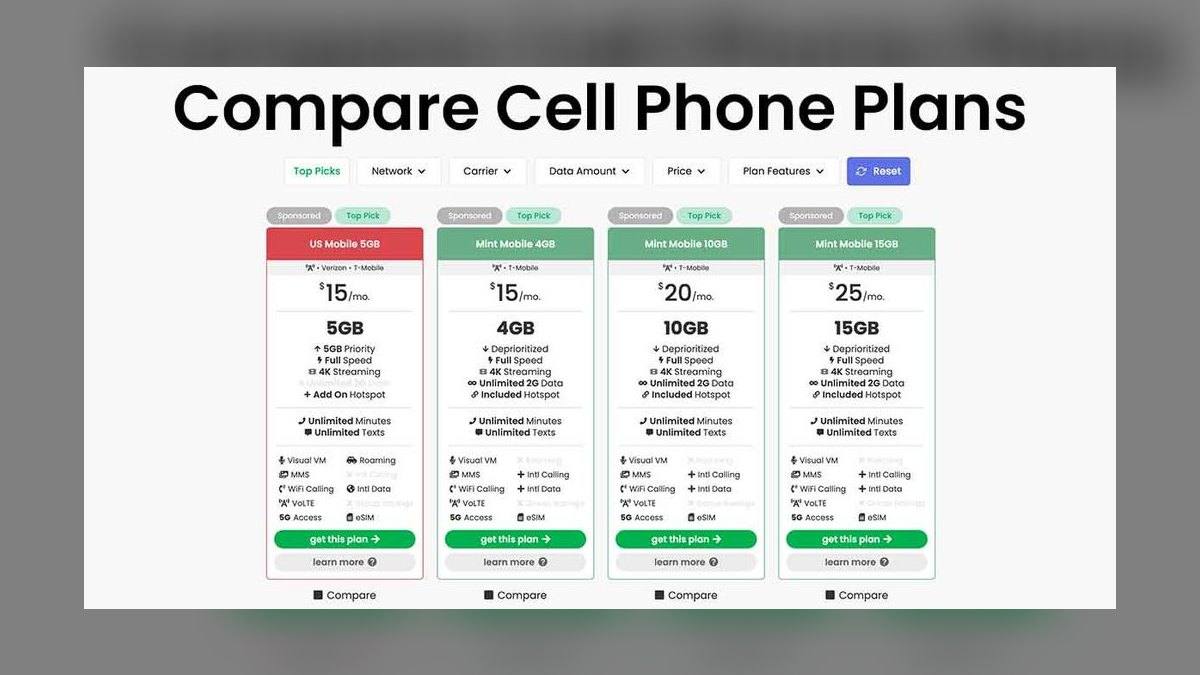
The best cell phone plan in 2027 comes down to matching three things to your actual usage: data volume, network coverage where you live and work, and whether you value premium carrier support or lower price more. Compare postpaid unlimited plans, MVNO/prepaid plans, and family or multi-line bundles against your real monthly data use, then pick the cheapest option that covers your must-have features — hotspot data, international roaming, or device financing.
The two (or more) options compared
Choosing the best plan for your needs starts by narrowing the field to a handful of structurally different plan types, because the differences between them matter far more than the differences between two similar plans from competing carriers. The first major fork is postpaid versus prepaid. Postpaid plans, sold directly by the major national carriers and billed after usage, typically bundle in device financing, multi-line family discounts, autopay discounts, and premium perks like streaming subscriptions or travel benefits. They also usually come with top-priority network access, meaning that during periods of network congestion — a packed stadium, a holiday weekend, a natural disaster — postpaid unlimited customers get routed ahead of prepaid or MVNO traffic on the same towers. Prepaid plans, by contrast, are paid in advance, carry no credit check, and are often 20-40% cheaper for equivalent data allotments, but usually deprioritize your data during congestion and rarely bundle device financing.
The second major option class is the MVNO, or Mobile Virtual Network Operator — a reseller that leases capacity on one of the major networks (the three national infrastructure owners) and repackages it under its own brand, often at a steep discount. MVNOs are the single best lever for cutting your bill without losing coverage, because you're riding the exact same towers as the flagship carrier, just with a smaller support team, fewer retail locations, and usually no device trade-in program. The trade-off is real: MVNO customers are almost always the first deprioritized when a tower is under load, and international roaming options are typically thinner or nonexistent.
The third axis, orthogonal to postpaid/prepaid/MVNO, is single-line versus multi-line/family plans. If you're on a plan with three or more lines, the effective per-line cost of a family plan on any of the major carriers usually beats stitching together three separate single-line prepaid plans, because family unlimited tiers apply steep per-additional-line discounts that prepaid single lines don't get. A single person with modest data needs, on the other hand, is almost always overpaying on a family-style unlimited plan built for four people.
Finally, weigh tiered-data versus unlimited-data structures. If your actual usage — checked in your phone's data settings under the last three billing cycles — sits reliably under 5GB per month, a capped or tiered plan can cost half of what an unlimited plan costs, with no meaningful downside. Unlimited only pays for itself once you're consistently using more data than a mid-tier capped plan allows, or once you rely on mobile hotspot as a home internet backup.
How to decide between them (mermaid)
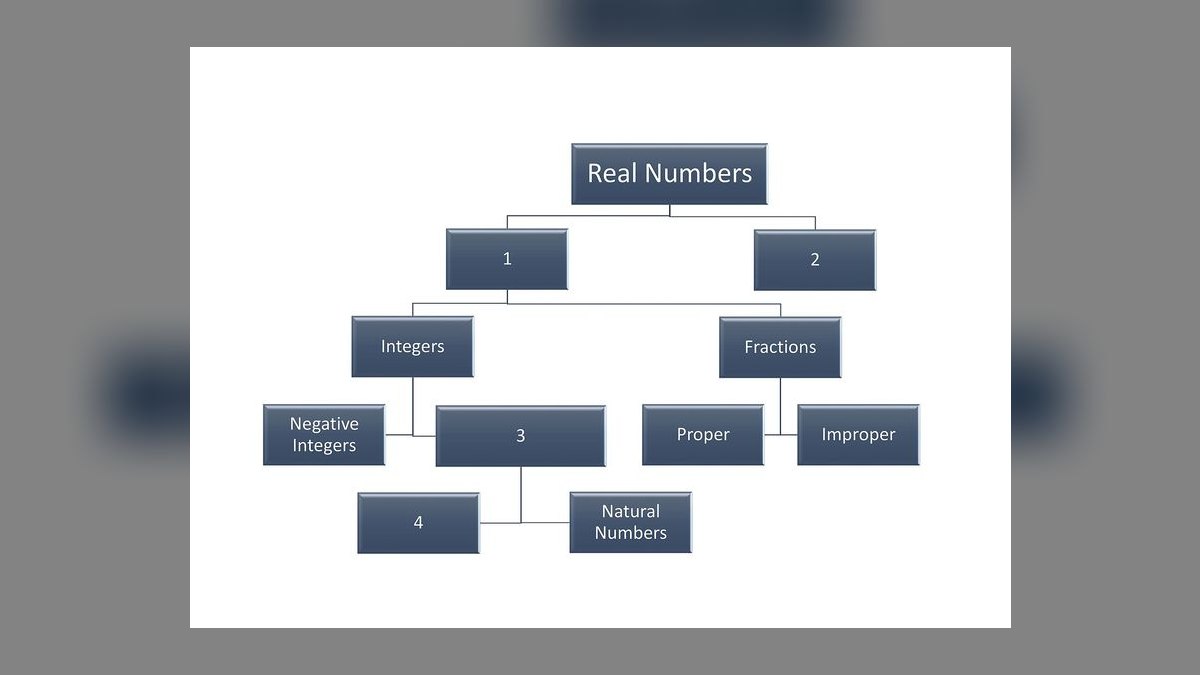
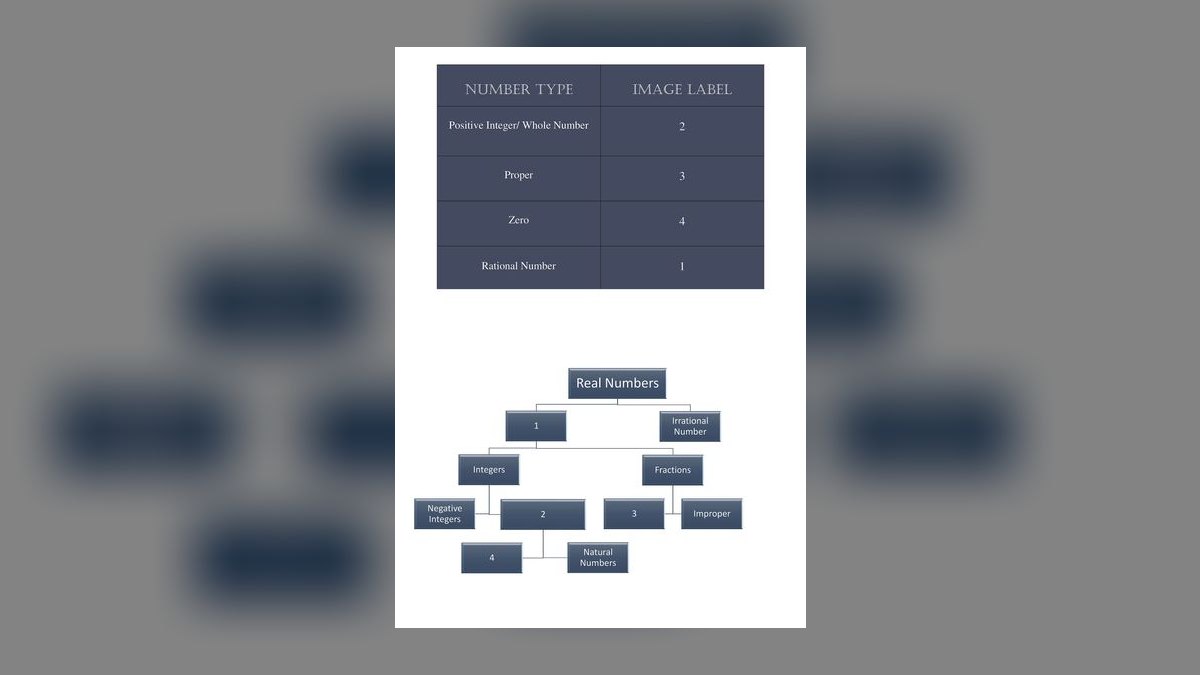
The decision tree below is the fastest way to choose without getting lost comparing dozens of individual plan names. Start by pulling your last three months of actual data usage from your phone's settings — this single number eliminates more bad choices than any other factor, because most people wildly overestimate how much data they use and end up paying for unlimited tiers they never come close to touching.
After usage volume, the next filter is coverage, not price — check actual coverage maps for your home address, workplace, and any rural or travel routes you frequently use, because a plan that's $10 cheaper is worthless if it drops calls in your basement or has no signal on your commute. Every major carrier and MVNO publishes coverage maps, but the more reliable check is asking friends, family, or coworkers who already live in your area which network actually performs well there, since marketing maps tend to be optimistic. Once coverage is confirmed for at least two viable networks, premium network priority becomes the deciding factor only if you regularly find yourself in congested locations — dense urban cores at rush hour, large venues, or disaster-prone regions where prepaid deprioritization becomes a genuine reliability risk rather than a theoretical one. For most suburban and rural users, deprioritization rarely triggers in daily life, making the MVNO discount close to free money.
Concrete numbers behind each option
Grounding the choice in real category-level numbers makes the trade-offs concrete instead of abstract. Flagship postpaid unlimited plans from the major national carriers generally land in a broad band from the low $60s to over $90 per line per month before multi-line discounts, autopay discounts, and bundled perks are applied — and those discounts can meaningfully close the gap, sometimes bringing a four-line family plan down to $30-40 per line. Mid-tier postpaid plans with capped high-speed data (commonly in the 20-50GB range before speed reduction) typically run $15-25 cheaper per line than the top unlimited tier from the same carrier.
MVNO plans running on the same physical towers as those flagship postpaid plans commonly undercut them by 30-50% for a comparable data allotment, because MVNOs carry lower overhead — fewer retail stores, smaller customer service operations, and no device subsidy programs to fund. A single line with 5-10GB of high-speed data on an MVNO frequently costs in the range of a budget streaming subscription, while an MVNO unlimited plan often prices in where a mid-tier postpaid plan sits.

Family and multi-line plans compress cost per line as lines are added: the jump from one line to two lines on a postpaid unlimited plan is typically the smallest percentage increase, while the third and fourth lines often add proportionally less than the second, because carriers structure family pricing to reward consolidation. This is why a household of four almost never benefits from four separate prepaid plans — the per-line math flips once you cross roughly three lines on a single account.
Hidden costs deserve equal weight to the advertised monthly rate: activation fees (often waived during promotions but sometimes $10-35 if not), device financing interest or markup baked into "free phone" promotions, taxes and regulatory fees that can add 10-25% on top of the advertised price depending on your state, and early termination or line-removal fees on contract-based plans. Always compare the fully-loaded first-year cost, not the advertised monthly rate, and always ask directly whether a phone deal is tied to a minimum plan tier or a multi-year commitment, since walking that back later often costs more than staying on the higher tier would have.

Implementation details and sequencing (mermaid)
Once you've identified the plan type and rough price band that fits your needs, the actual switching process matters just as much as the choice itself, because a mishandled port can leave you without service for hours or days, or cost you your existing phone number. The safest sequence is to treat the switch as a project with a defined order of operations rather than a same-day impulse decision.
First, confirm your current contract status and any early termination fees or device payment balances still owed on your existing line — carriers sometimes offer to buy out these balances as a switching incentive, but only if you ask before you cancel, not after. Second, verify your phone is compatible with and unlocked for the new network; a phone financed through your old carrier may be locked until the device balance is paid in full, which is a common and avoidable delay. Third, run a real-world coverage test if possible — some MVNOs and carriers offer short trial periods or money-back guarantees specifically so you can test signal quality at your home and workplace before fully committing.

Fourth, order your SIM or eSIM from the new plan but do not cancel your old service yet — initiate the number port as part of the new carrier's activation flow, since porting your number while the old line is still active is what prevents the multi-day service gap that happens when people cancel first and port second. Most modern porting completes within a few hours to one business day when sequenced correctly. Fifth, confirm that your old carrier's line cancels automatically once the port completes; most do, but a small number require an explicit final cancellation step, and skipping it can result in a final month's bill for a line you no longer use. Sixth and finally, check your first invoice from the new plan closely against the advertised price — the first bill often includes prorated charges, activation fees, or a partial first cycle that makes it look higher than your ongoing monthly rate, which is normal but worth verifying isn't a pricing error.
Related questions
Is it worth paying more for an unlimited data plan?
Only if your verified usage regularly exceeds your carrier's mid-tier capped allotment, or you rely on mobile hotspot as backup home internet. Below roughly 5-8GB/month, a capped plan is nearly always cheaper with no practical downside.
Do MVNOs use the same towers as the major carriers?
Yes — most MVNOs lease network capacity directly from one of the major infrastructure carriers, so signal strength and coverage maps are typically identical; the difference is deprioritization during congestion and thinner support options.
How much does switching carriers usually cost upfront?
Costs vary widely: some switches are free with a port-in credit, while others involve activation fees ($10-35), a new SIM cost, or a remaining device balance from your old carrier that needs to be paid off or bought out.
Should I buy my phone outright or finance it through the carrier?
Buying outright gives you full carrier flexibility and no financing lock-in, which matters most if you plan to switch plans or networks within the next year or two; financing can make sense if the trade-in or promotional credit meaningfully offsets the device cost.
FAQ
What's the single biggest factor in choosing the best plan for my needs? Your actual monthly data usage, pulled directly from your phone's settings over the last two to three billing cycles — it eliminates more mismatched plans than any other single factor, since most people overestimate how much data they use.
Are family plans always cheaper per line? Generally yes once you have three or more lines on one account, since carriers apply steep per-additional-line discounts; for one or two lines, a family plan often isn't meaningfully cheaper than well-chosen individual plans.
Does network deprioritization actually affect day-to-day use? For most users in typical suburban or rural settings, rarely — deprioritization only becomes noticeable in congested locations like packed venues, dense downtown cores at peak hours, or during regional emergencies when network load spikes.
Can I keep my phone number when I switch to a cheaper plan? Yes, virtually all carriers and MVNOs support number porting; the key is initiating the port through the new carrier's activation process while your old line is still active, rather than canceling the old line first.
Is an MVNO a safe choice for someone who needs reliable service for work? Usually yes if your coverage area tests well and you don't frequently work from congested locations; the main risk is thinner customer support and occasional deprioritization, not a fundamentally worse network.
How often should I re-evaluate my cell phone plan? Once a year is a reasonable cadence, or any time your usage pattern changes significantly (new job with more remote hotspot use, added family lines, increased international travel), since promotional pricing and your own needs both shift over time.
Sources
- https://www.fcc.gov/consumers/guides/wireless-services
- https://www.consumerreports.org/electronics-computers/cell-phone-service/
- https://www.pcmag.com/picks/best-cell-phone-plans
- https://www.cnet.com/tech/mobile/best-cell-phone-plans/
- https://www.whistleout.com/CellPhones
- https://www.gsma.com/
- https://www.verizon.com/plans/unlimited/
- https://www.t-mobile.com/cell-phone-plans
- https://www.att.com/plans/wireless/
Related on PULSE
- How much data do I actually need per month?
- Is it cheaper to buy a phone outright or finance it?
- What's the difference between a carrier and an MVNO?
- How do I switch carriers without losing my phone number?
- Should I get a family plan or separate individual lines?
 telcoWhat is the best way to compare cell phone plans side by side in 2027?
 telcoWhat are the first steps to switching cell phone carriers in 2027?
 telcoTop 10 ways to reduce your monthly phone bill in 2027
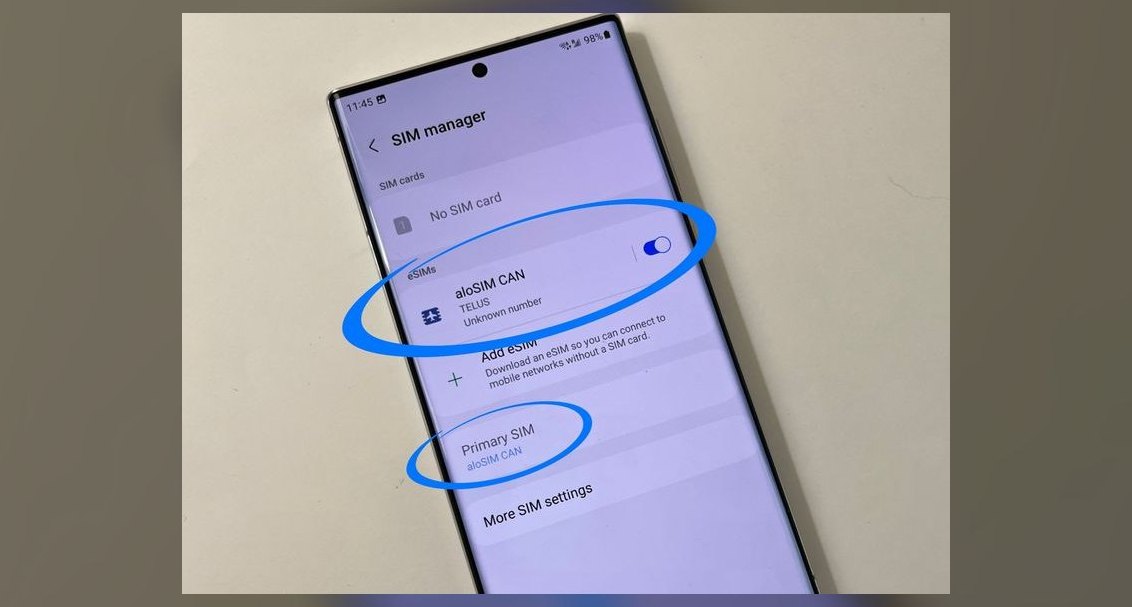 telcoHow do I activate a new SIM card or eSIM in 2027?
 telcoHow do I set up a new cell phone after switching carriers in 2027?
 telcoWhat are the steps to switch cell phone carriers in 2027?
 telcoTop 10 Ways to Fix Your Dropped Calls and Weak Signal in 2027
 telcoHow do I cancel my cell phone plan without losing my number in 2027?
 telcoWhat are the steps to port my number to a new carrier in 2027?
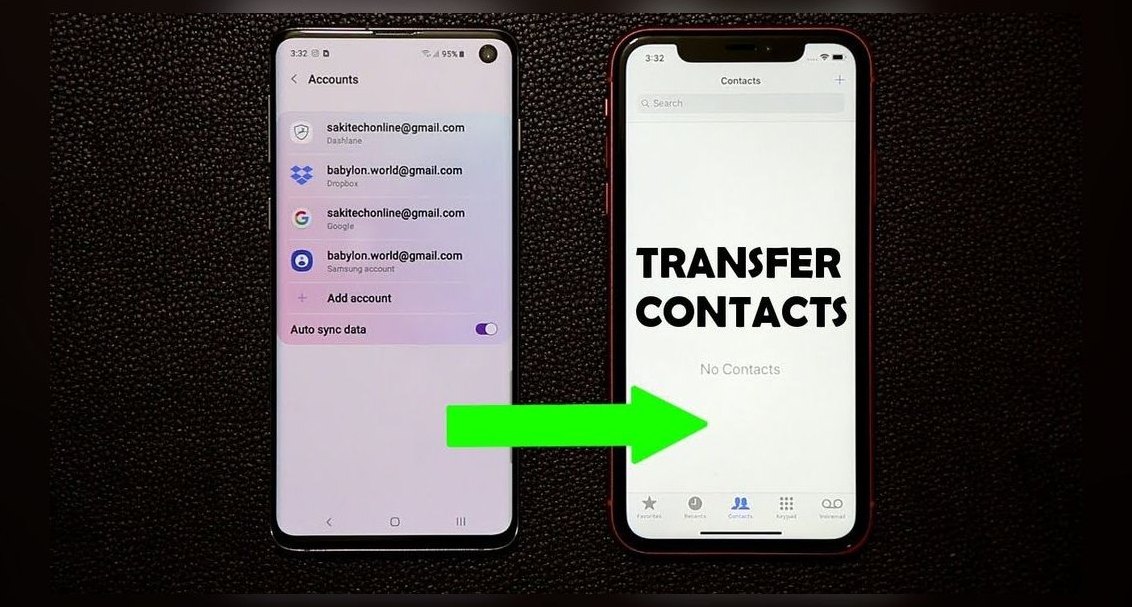 telcoHow do I transfer my contacts when switching carriers in 2027?