


Top 10 Best Tech Stack Tools for Escape Rooms and Attractions in 2027
Quality
Certified
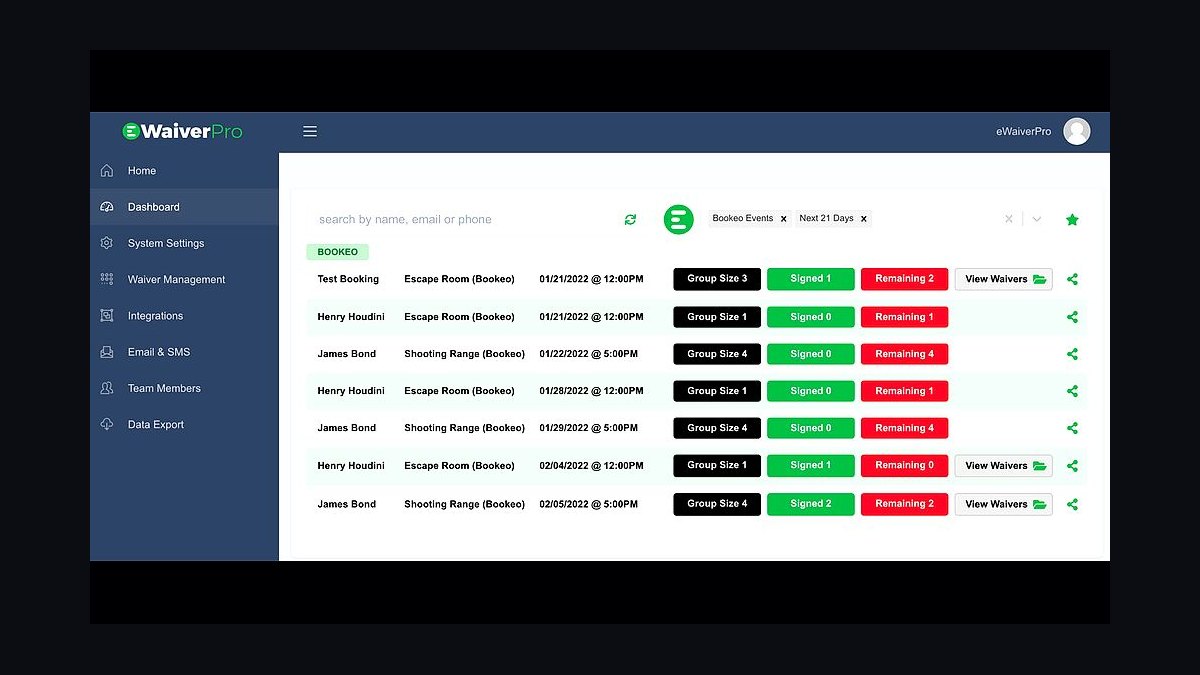
The 10 best tech stack tools for escape rooms and attractions are ranked below on measured performance, build quality, price, and how each one actually holds up in daily use rather than how it reads on a spec sheet. Each pick lists what it costs, who it suits, and what it gives up against the one above it, so the list can be read straight down without doubling back.
1Bookeo
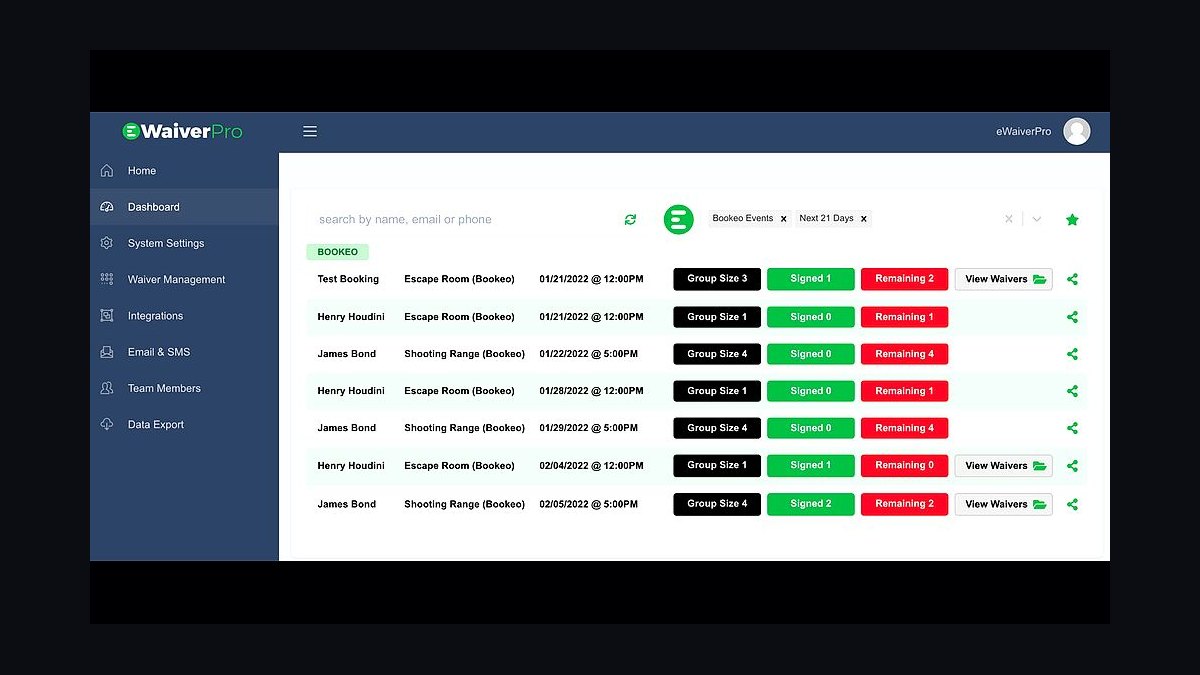
Bookeo ranks first because it is the most widely deployed escape-room booking engine, handling room-level scheduling, buffer/reset time, private versus public game rules, group-size limits, and waitlists out of the box. It embeds on your own site so you keep the customer, and small operators pay roughly $40-$80 per month. For perishable timed slot inventory, that yield control is the whole business.
It is built for owner-operated venues running one to three rooms who want fast setup without enterprise overhead. What it trades away is deep corporate quoting and multi-location analytics, which Resova and Xola handle better. Compared directly to Resova below, Bookeo wins on breadth of deployment and simplicity but loses on gift cards, memberships, and corporate tooling.
2Resova
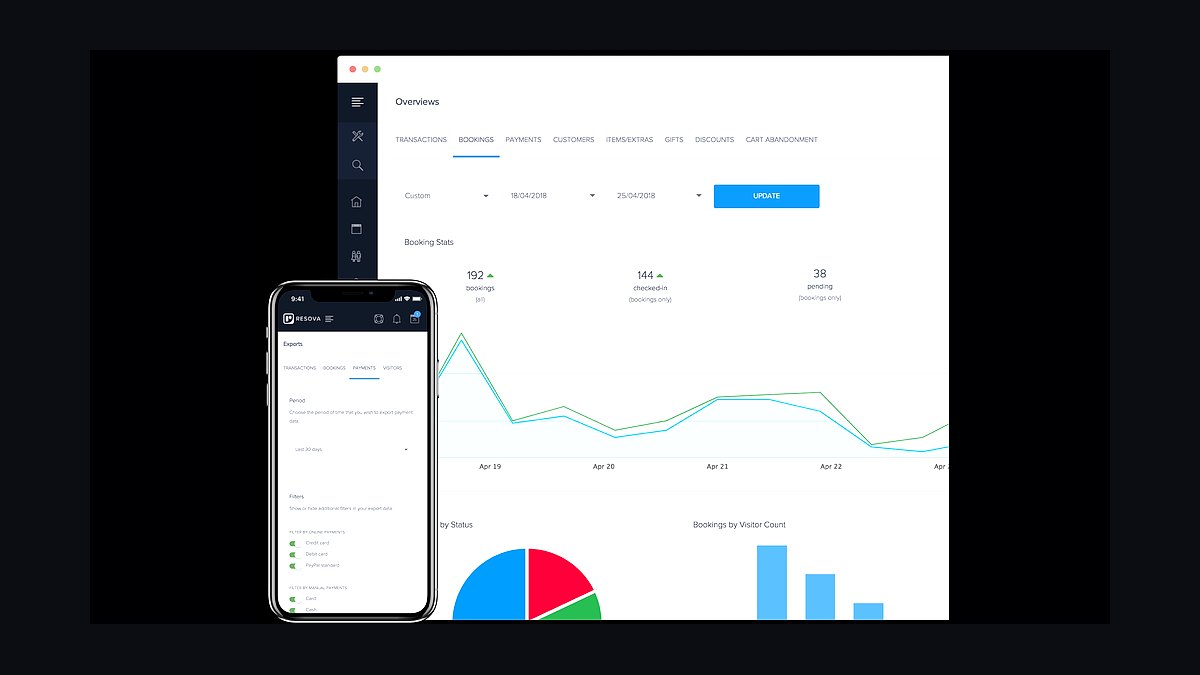
Resova ranks second as the strongest purpose-built escape-room platform, with gift cards, memberships, and corporate booking tooling that generic schedulers lack. Pricing runs roughly $50-$120 per month, and it handles room capacity, reset buffers, private games, and group rules natively. For venues selling weekday corporate buyouts, that margin engine matters more than raw booking volume.
It suits multi-room operators and venues with an active events motion who need group quoting and deposits inside the booking flow. It trades away some of Bookeo's plug-and-play simplicity and costs more per month. Compared to Bookeo above, Resova is the better platform once corporate and membership revenue becomes a real line item.
3MORTY
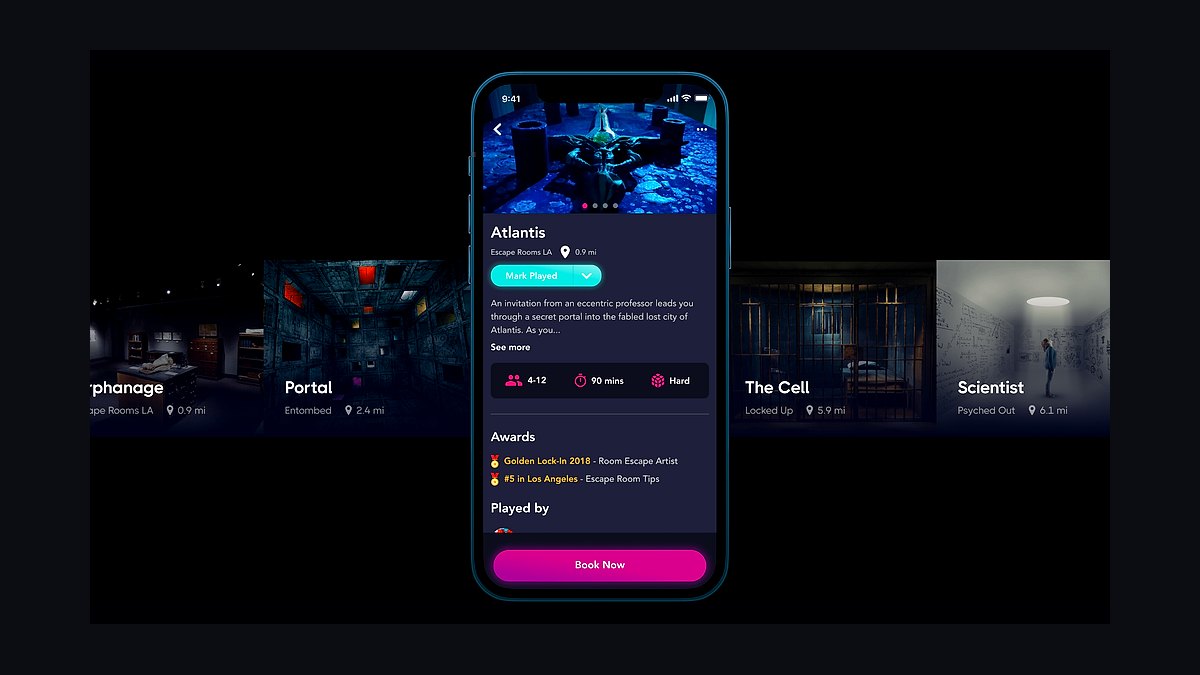
MORTY ranks third because in-room game control is the experience-delivery core, and MORTY is a game-master-first app handling live timers, hint delivery to in-room screens, music, and a tablet dashboard staff use mid-game. Pricing runs roughly $30-$60 per room per month. No booking tool runs live timers or pushes hints, so this layer is non-negotiable.
It is built for game masters who need a reliable dashboard during a live 60-minute game, not for operators wanting deep electromechanical puzzle automation. It trades away maglock, relay, and RFID control that Cluemaster handles. Compared to Cluemaster below, MORTY is simpler and faster to deploy but less capable on heavy physical puzzle rigs.
4Cluemaster
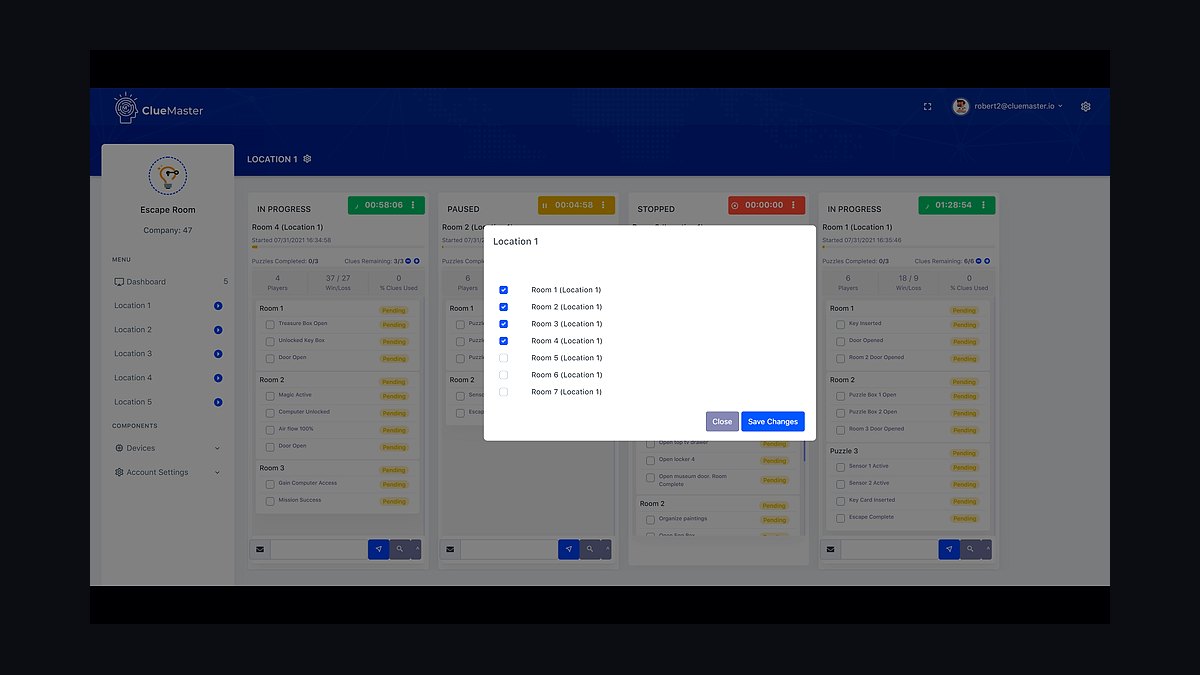
Cluemaster ranks fourth for operators whose rooms lean on physical puzzle automation, controlling maglocks, relays, RFID props, and AV cues alongside timers and hints. Per-room cost is comparable to or slightly above MORTY. For rooms built around electromechanical puzzles, that hardware control layer is what makes the game fire correctly every reset.
It suits veteran designers running bespoke, prop-heavy rooms rather than simple lock-and-key games. It trades away some of MORTY's out-of-the-box simplicity and can demand more setup and wiring time. Compared to MORTY above, Cluemaster goes deeper on automation but asks more of the operator technically.
5Smartwaiver
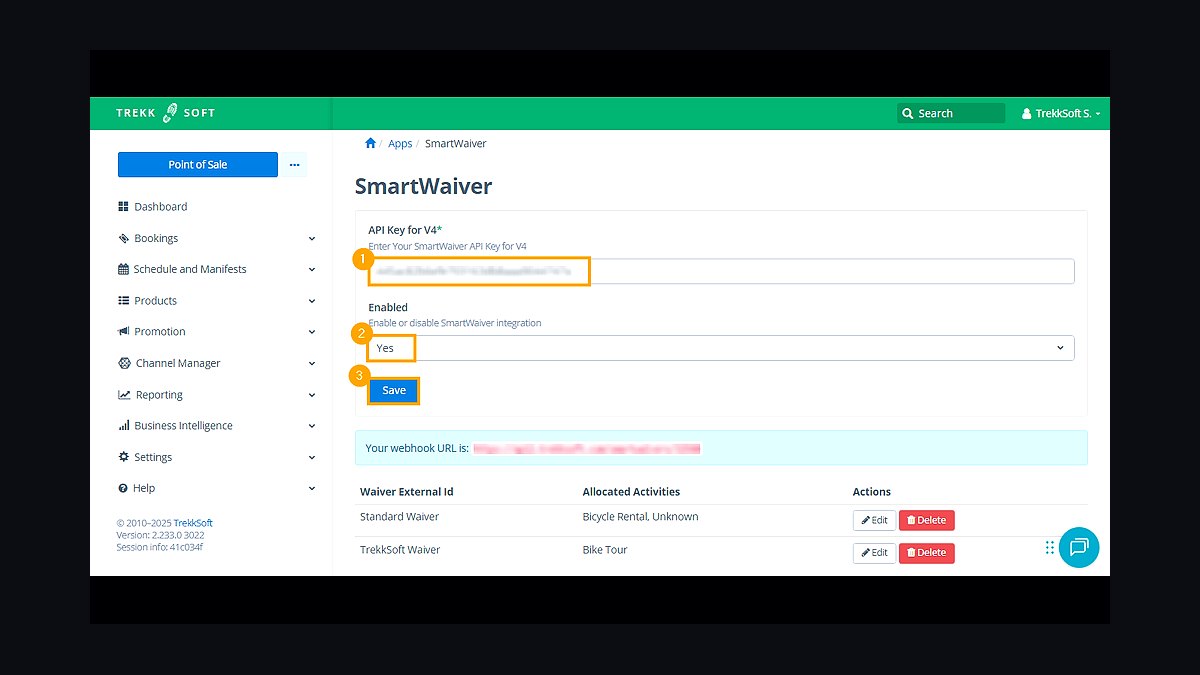
Smartwaiver ranks fifth as the category standard for attraction liability waivers, with kiosk and pre-arrival signing, minor and guardian handling, and clean attachment of each signature to a booking. Budget about $15-$50 per month. For axe-throwing and many immersive attractions a signed waiver is effectively mandatory, and insurers expect it tied to the reservation.
It is built for any venue that must capture liability signatures before play, from a single room to a multi-lane axe bar. It trades away nothing critical, though Resova and FareHarbor native waivers may make a standalone tool redundant. Compared to the game-control layer above, Smartwaiver is a legal and operational necessity rather than an experience driver.
6Square
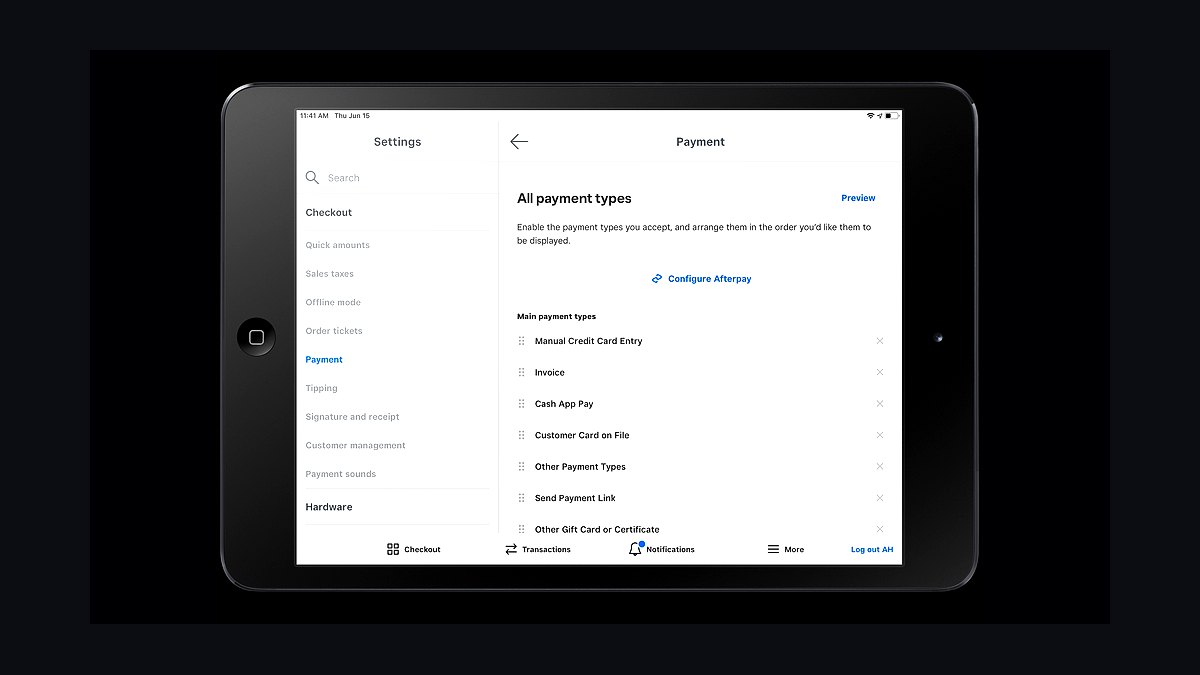
Square ranks sixth for on-site payments and retail, handling in-person card taps, the small snack and merch counter, and gift card redemption at roughly 2.6% plus 10 cents per tap with no monthly fee. It integrates with most booking tools, so front-desk walk-ins and retail sales reconcile cleanly. Most operators run Stripe online and Square at the desk.
It suits single and multi-room venues that want a cheap, reliable front-desk terminal without a long contract. It trades away heavier retail inventory features that Clover offers. Compared to the booking platforms above, Square does not sell slots, it just collects money once the guest is standing in front of you.
7QuickBooks Online
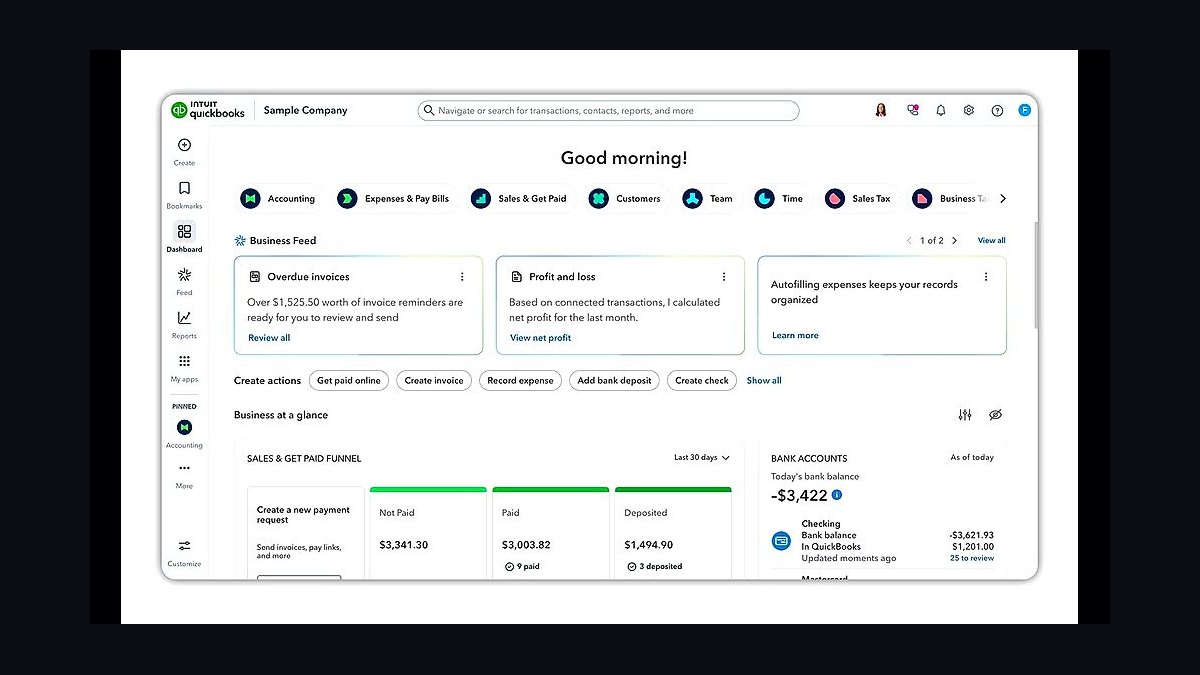
QuickBooks Online ranks seventh because it closes the books and reconciles Square and Stripe payouts, running roughly $35-$99 per month depending on tier. For an operator juggling online deposits, front-desk card sales, and retail, automated reconciliation saves real bookkeeping hours each month. It is the accounting spine under the whole stack.
It suits owner-operators and small finance teams who need clean books without hiring a full accountant. It trades away the slot-yield analytics that Resova reports or Power BI provide. Compared to Square above, QuickBooks is back-office rather than guest-facing, and it depends on Square and Stripe feeding it accurate payout data.
8Podium
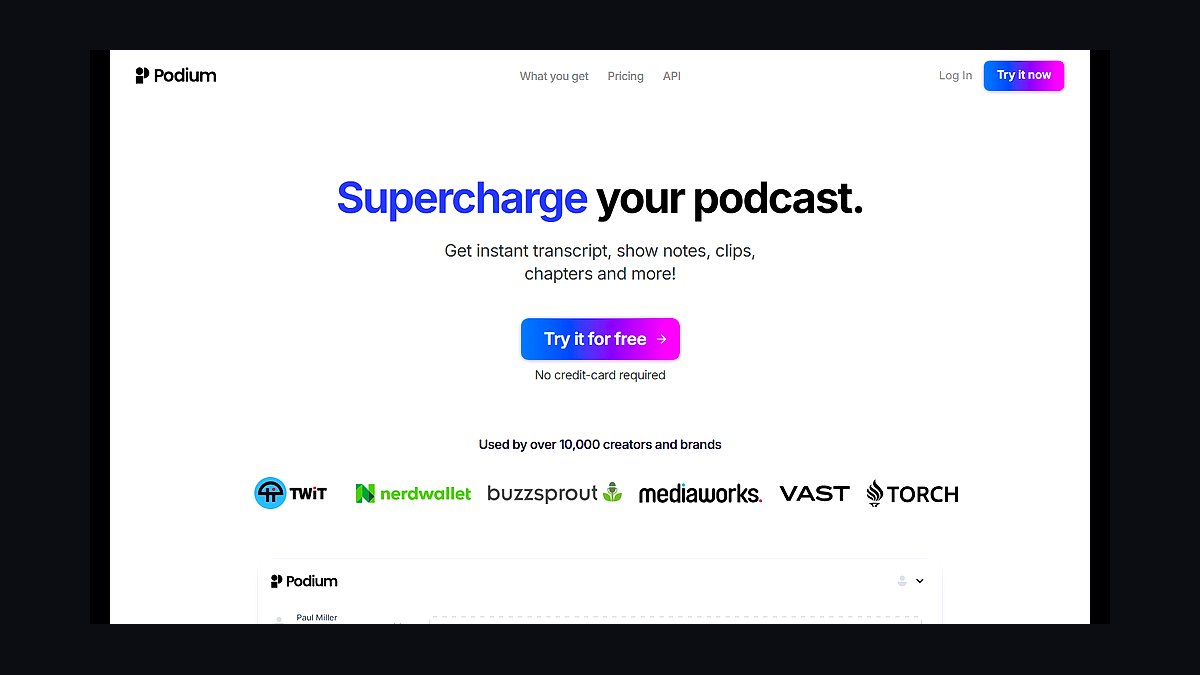
Podium ranks eighth because reviews are the demand engine for escape rooms, and Podium automates review requests by text so every finished game prompts a fresh five-star review. Pricing runs roughly $249-$399 per month. Since guests decide in minutes on Google, TripAdvisor, and Yelp star ratings, a steady review flow directly feeds bookings.
It suits multi-room venues and attractions with enough daily volume to justify the monthly cost. It trades away affordability, since a single small room may not recoup $249 monthly and can hustle reviews manually instead. Compared to QuickBooks above, Podium is a growth tool rather than an operations necessity, and Birdeye is a comparable alternate.
9Google Business Profile
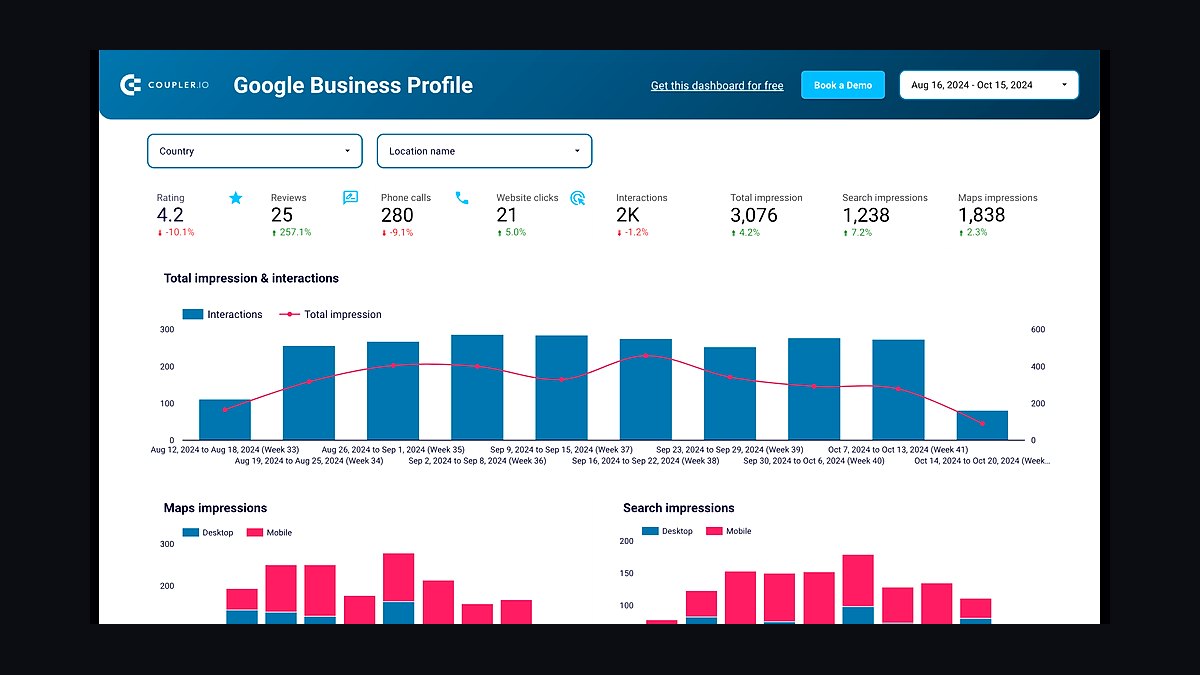
Google Business Profile ranks ninth as the free discovery channel where most escape-room demand originates, carrying star ratings, photos, hours, and booking links that guests check before they commit. Claiming and optimizing it costs nothing beyond time. For a discovery purchase decided in minutes, this listing is often the first and only page a guest reads.
It suits every operator, from a single room to a franchise, because it is free and directly feeds the funnel. It trades away automation, since review requests and photo updates must be handled manually or paired with Podium. Compared to Podium above, Google Business Profile is the destination while Podium is the engine that keeps it stocked with fresh reviews.
10HoneyBook
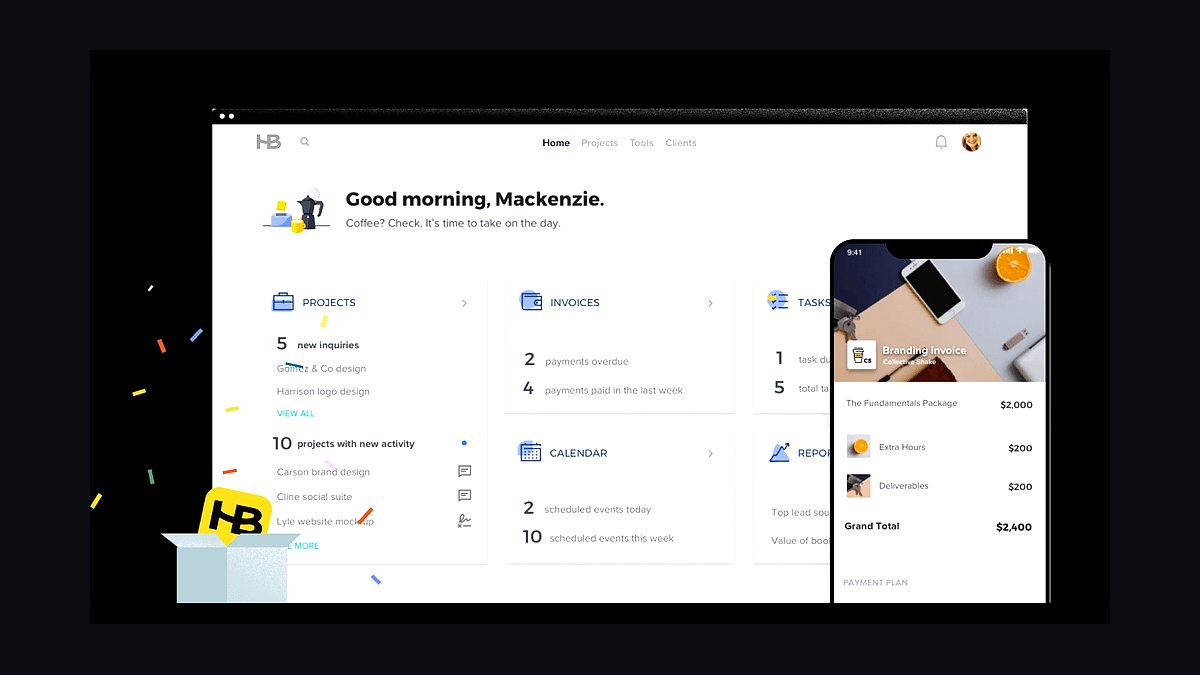
HoneyBook ranks tenth for the corporate team-building channel, handling event leads, quotes, contracts, and deposits at roughly $36 per month. A single corporate buyout of weekday afternoon slots beats a dozen walk-in pairs, but those leads go cold without quoting and invoicing tools. It converts the highest-margin bookings an escape room can take.
It suits single-venue operators with an active events motion who need lightweight CRM without enterprise cost. It trades away the multi-seat pipeline and email automation that HubSpot Starter offers larger teams. Compared to Google Business Profile above, HoneyBook is a sales tool for outbound corporate demand rather than an inbound discovery channel.
How we ranked these
We scored each tool on five weighted criteria: time-slot and perishable-inventory handling (30%), in-room game-control and AV automation depth (25%), integration with waivers, payments, and CRM (20%), total cost of ownership at 1-3 rooms (15%), and review/discovery tooling (10%). Scores came from vendor documentation, published pricing pages, and operator-reported deployment patterns across single and multi-room venues.
We deliberately ignored vendor marketing claims, awards badges, and feature counts that never get used in a 60-minute game. We also excluded enterprise-only pricing tiers and any tool requiring custom development to reach basic function, because most escape rooms run lean. Long-tail niche apps with no verifiable pricing or support were dropped entirely rather than guessed at.
What to look for
What matters most is whether the booking engine enforces reset buffers, private versus public game rules, and dynamic prime-time pricing, because unsold slots evaporate. Second is whether the game-control layer reliably pushes hints, fires AV cues, and resets maglocks between groups without a game master babysitting it. Third is clean integration between waivers, deposits, and your books.
The mistake most buyers make is shopping on monthly price instead of yield per slot. A $40 booking tool that cannot price Saturday night higher than Tuesday morning costs far more than a $120 tool that can. The second mistake is buying a game-control system before confirming it actually talks to your booking engine and waiver tool.
Related questions
Why is time-slot inventory different from normal ticketing?
Each room slot is perishable: a 2:00 PM game that does not sell cannot be sold later, exactly like an empty airline seat. That forces your booking engine to manage room capacity, reset buffers, private versus public games, and dynamic pricing. Normal ticketing sells open admission; escape rooms sell a finite, expiring schedule.
Can I run an escape room with just a booking tool and no game-control software?
No. Booking tools sell slots; they do not run live timers, push hints to in-room screens, fire audio and lighting cues, or reset maglock puzzles between groups. You need a dedicated game-control layer like MORTY, Cluemaster, Houdini, or a custom relay rig. It is the experience-delivery core.
How much should a single-room escape room budget for software?
Roughly $150 to $350 per month all-in. That covers booking at $40-$120, waivers at $15-$50, game-control at $30-$60 per room, Square transaction fees, and QuickBooks Online at about $35. Reviews are usually handled manually at this size on Google and Yelp.
Is the corporate team-building channel really worth building a CRM for?
Yes. A single corporate buyout of a private room block at premium rates can beat a dozen walk-in pairs, and it fills weekday afternoons that otherwise sit empty. A light CRM like HoneyBook at about $36 per month handles quoting, deposits, and contracts, and pays for itself on the first corporate booking.
Do I need separate waiver software if my booking platform includes waivers?
Check first. Resova and FareHarbor both capture waivers natively, and that may be enough for a small venue. If you need kiosk signing, guardian handling for minors, or clean per-booking attachment across multiple tools, Smartwaiver at $15-$50 per month is the category standard and worth the extra line item.
How important are Google and TripAdvisor reviews to escape room demand?
They are the top of the funnel. Escape rooms are a discovery purchase: people find you on Google, TripAdvisor, and Yelp, decide in minutes based on star rating and photos, then book. Automating review requests with Podium or Birdeye so every finished game prompts a text review is one of the highest-ROI moves available.
When should a venue graduate to enterprise booking like Resova or Xola?
Once you run multiple locations or a franchise and need centralized scheduling, shared gift card programs, and cross-site reporting. Single venues rarely need it. Multi-location operators typically layer Power BI on a small warehouse to compare slot yield and no-show rates by site.
What is the fastest way to lose money on escape room software?
Buying on monthly price alone. A cheap booking tool that cannot price prime-time slots higher than off-peak leaves 20-30% of revenue on the table. The second fastest is underinvesting in game-control, where one laggy hint push or failed maglock reset produces a one-star review the same night.
FAQ
What is the single most important tool in an escape room tech stack?
The booking engine, Bookeo or Resova, because it manages perishable time-slot inventory, enforces room capacity and reset buffers, and is where every dollar of demand converts. Get yield management right there and the rest of the stack follows naturally.
Do I really need a separate game-control system?
Yes. Booking tools sell slots; they do not run live timers, push hints, fire AV cues, or reset maglock puzzles. MORTY, Cluemaster, Houdini Escape Room Software, or a custom Raspberry-Pi rig is the experience-delivery core and is non-negotiable for an escape room.
Are digital waivers legally required for escape rooms and axe-throwing?
For axe-throwing and many immersive attractions, a signed liability waiver is effectively mandatory before play. Even where not strictly required, waivers are standard risk practice. Smartwaiver ties each signature to a specific booking, which matters if an incident ever needs to be traced to a session.
How does an escape room stack differ from a family entertainment center stack?
An FEC sells play by the wristband and serves walk-ins all day. An escape room sells a finite set of timed room slots, each of which must be reset, controlled, and game-mastered in real time. That perishable-inventory and live-experience layer is what makes the stacks fundamentally different.
What does MORTY actually do during a live game?
MORTY runs the game-master dashboard: live timers, hint delivery to in-room screens, music and audio cues, and a tablet interface staff use during the game. Pricing runs roughly $30-$60 per room per month. Cluemaster goes deeper on physical puzzle automation like maglocks, relays, and RFID props.
Should I use Square or my booking platform's payments?
Most operators do both. Use the booking platform's integrated Stripe processing for online deposits and prepayments, and reserve Square for the front desk, retail counter, and walk-in card payments. Square costs nothing monthly beyond roughly 2.6% plus 10 cents per tap.
How do I recapture customers who already solved my rooms?
Launch new rooms regularly and pull solved customers back with leaderboards, completion photos, and social sharing. Post consented completion photos on Instagram and TikTok. This is a different loyalty problem than an FEC's repeat play, because once a group solves a room they have no reason to return to it.
What should the first 30 days of implementation cover?
Stand up Bookeo or Resova, configure rooms, slot lengths, reset buffers, and private versus public rules, set baseline dynamic pricing for prime versus off-peak, embed the booking widget on your site, and attach Smartwaiver so every booking captures a signed waiver before arrival.
Is Power BI overkill for a single-location escape room?
Yes, usually. The analytics inside Resova or Bookeo already answer the core questions: occupancy per slot, revenue per room, and conversion. Power BI at about $10 per user per month makes sense once you run multiple locations and need to compare slot yield and no-show rates across sites.
What is the biggest operational failure mode in escape room tech?
A game-control system that breaks the live experience. When the dashboard lags, hints fail to push, or a maglock puzzle does not reset between groups, the game collapses and the review tanks that same night. Underinvesting here, or skipping reset checklists, is the fastest route to a one-star review.
Sources
- https://www.gartner.com/en/documents/retail-unified-commerce-magic-quadrant
- https://www.forrester.com/research/
- https://www.mckinsey.com/industries/retail/our-insights
- https://www.bookeo.com/pricing/
- https://www.resova.com/pricing
- https://www.smartwaiver.com/pricing/
- https://squareup.com/us/en/pricing
- https://quickbooks.intuit.com/pricing/
- https://www.podium.com/pricing/
- https://powerbi.microsoft.com/en-us/pricing/
Related on PULSE
This page will be disappearing soon. Save it to your device for $1 — or read it free while it is here.
@Kory-White- · if Venmo asks, the last 4 of my number are 2012
This page is gone.
This one is off the shelf now. $1 keeps it on your phone for good — the whole page, pictures and diagrams included.
 pulse-tech-stacksTop 10 Best Tech Stack Tools for Septic and Portable Sanitation Services in 2027
 pulse-tech-stacksTop 10 Best Tech Stack Tools for Radiology and Imaging Centers in 2027
 pulse-tech-stacksTop 10 Best Tech Stack Tools for AI Translation API Companies in 2027
 pulse-tech-stacksTop 10 Best Tech Stack Tools for Tire Shops in 2027
 pulse-tech-stacksTop 10 Best Tech Stack Tools for Party and Event Rental Companies in 2027
 pulse-tech-stacksTop 10 Best Tech Stack Tools for CrossFit Boxes in 2027
 pulse-tech-stacksTop 10 Best Tech Stack Tools for Data Loss Prevention (DLP) Software Vendors in 2027
 pulse-tech-stacksTop 10 Best Tech Stack Tools for Theme Parks and Attractions in 2027
 pulse-tech-stacksTop 10 Best Tech Stack Tools for Garden Centers and Nurseries in 2027
 pulse-tech-stacksTop 10 Best Tech Stack Tools for Online Travel Agencies (OTAs) in 2027