
What is the right tech stack for a commercial roofing contractor in 2027?
 Curated byKory White · Fractional CRO · Maryland
 PULSEKNOWLEDGE LIBRARY
Quality
Certified
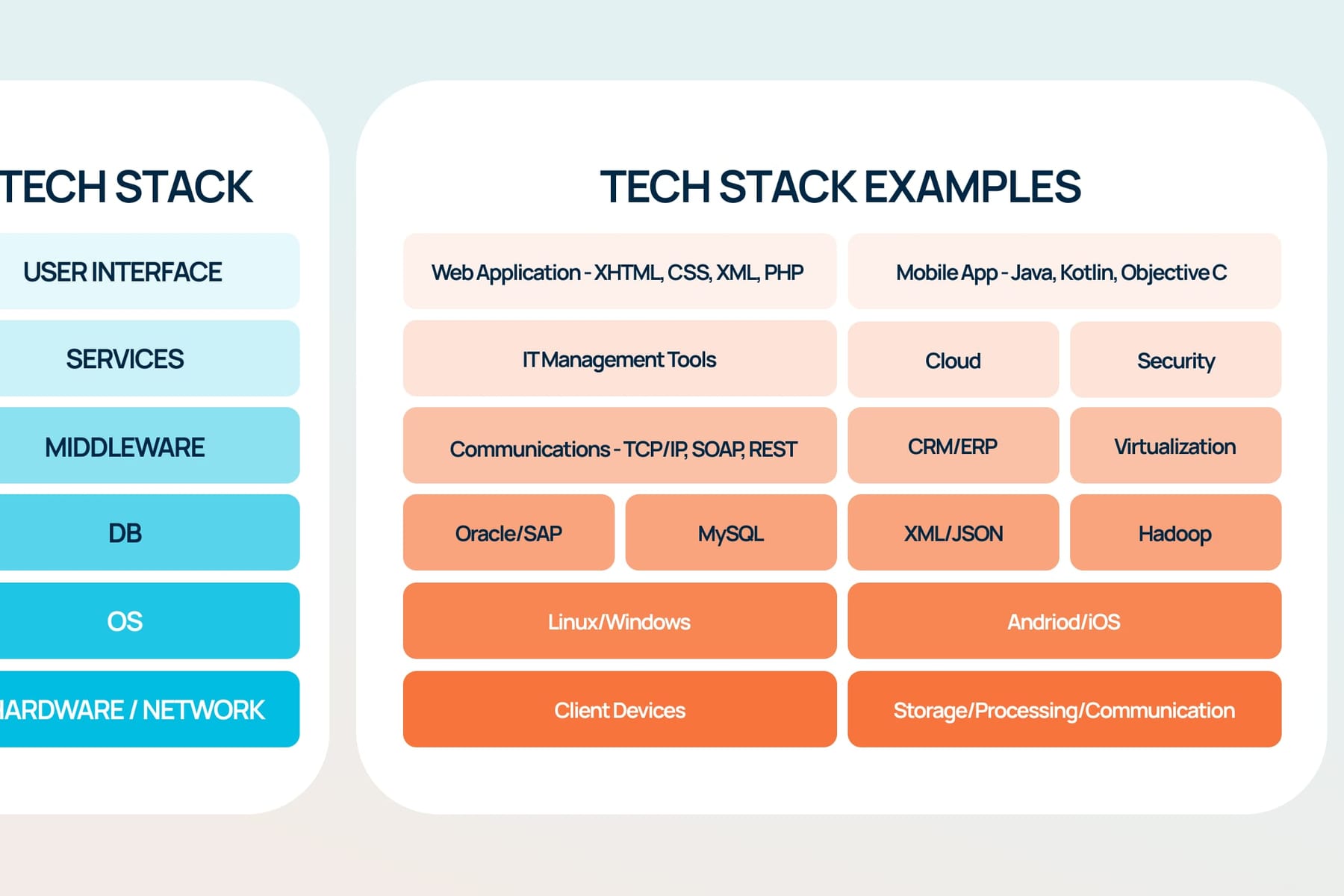
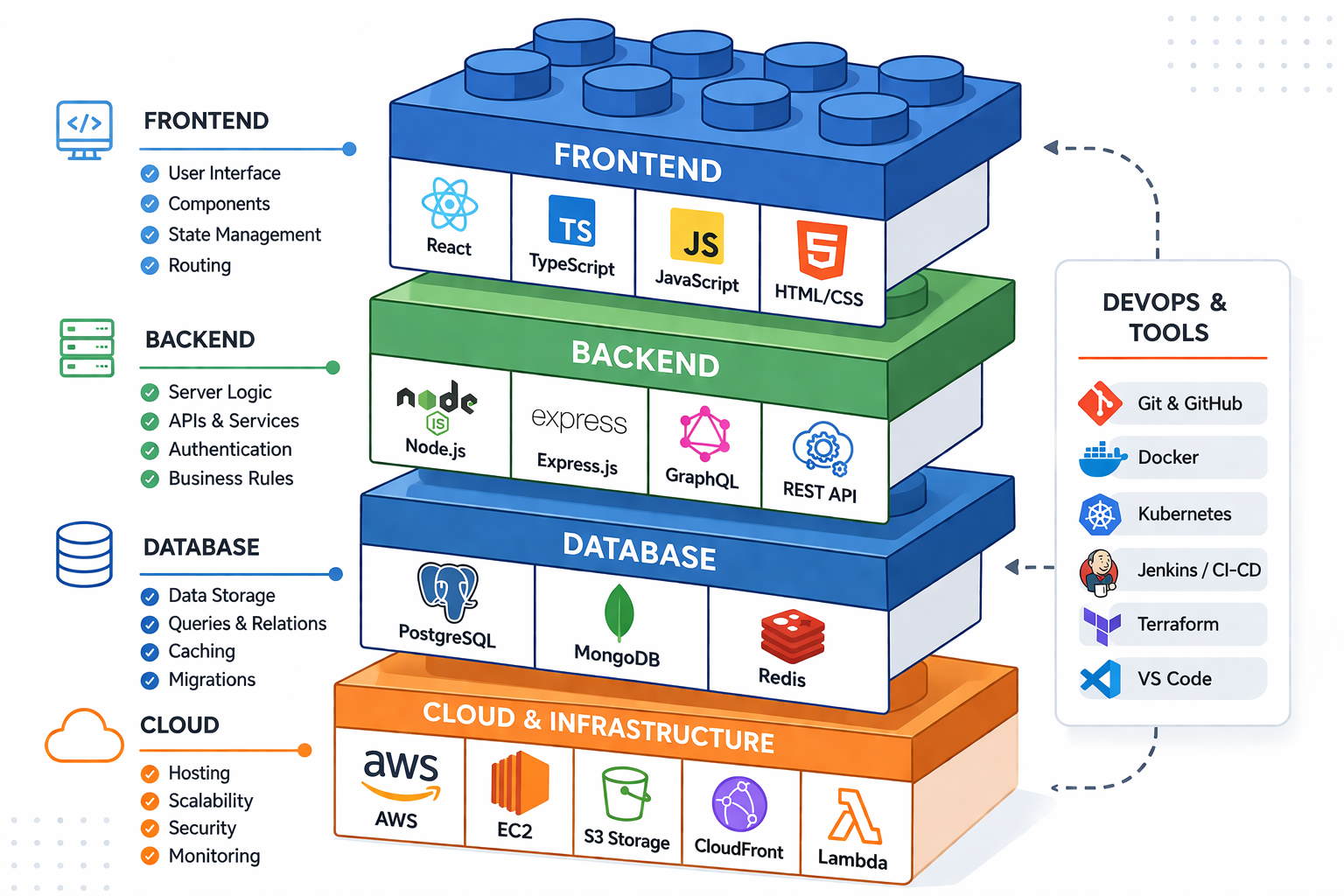
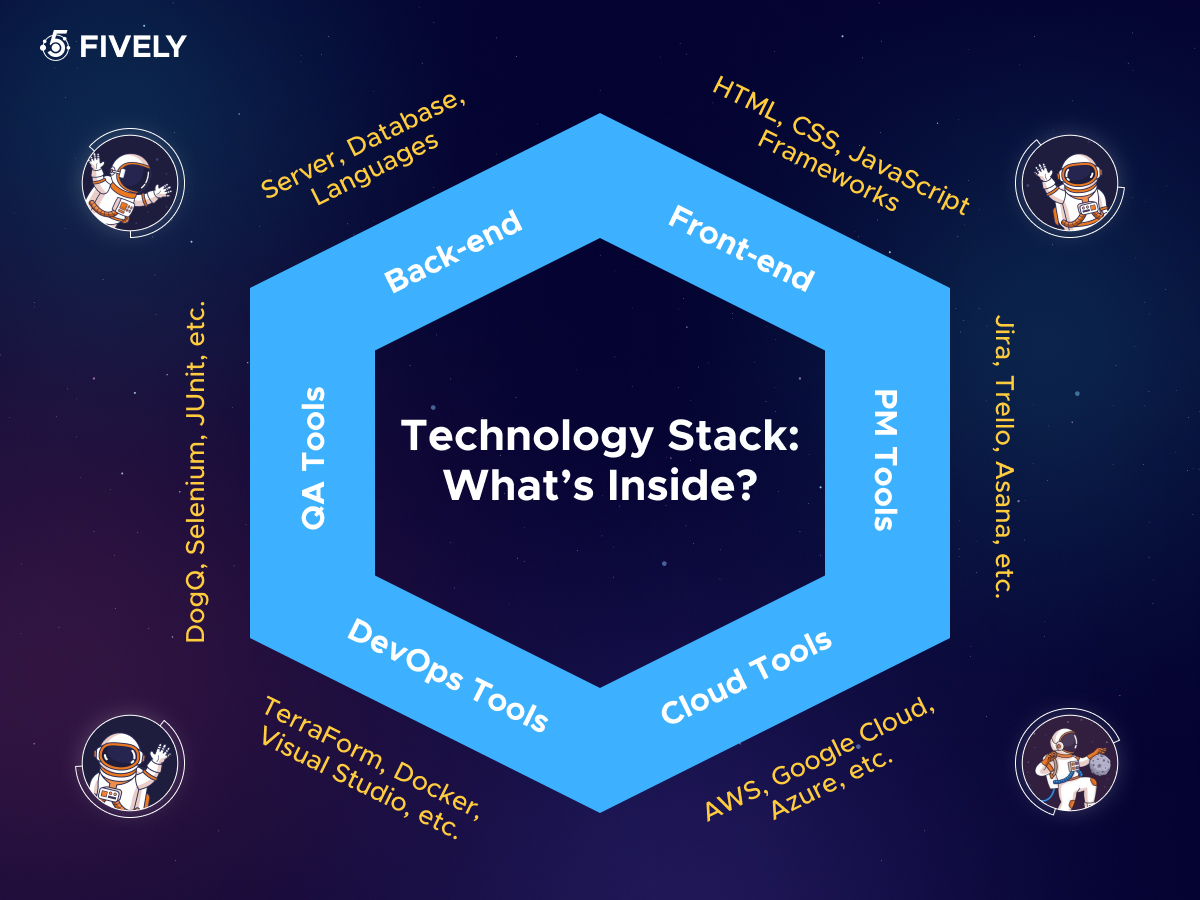
The right 2027 commercial roofing stack is six layers: a roofing-native CRM spine (AccuLynx, JobNimbus, or Roofr), aerial measurement, photo documentation, drone capture, insurance-grade estimating, and construction accounting. Budget roughly 0.4–0.6% of revenue. Mid-market contractors running all six close qualified bids at materially higher rates than spreadsheet crews.
The two real paths: roofing-native spine versus construction-platform spine
Almost every commercial roofing contractor eventually faces the same fork, and the vendor demos will not frame it honestly for you. Path one is the roofing-native spine: a CRM built specifically for roofers — AccuLynx, JobNimbus, or Roofr — that already knows what a squares count is, what a supplement is, and why a photo needs a GPS stamp. Path two is the general construction platform spine: Procore or a comparable project-management system built for general contractors and large specialty subs, wrapped around a separate accounting ERP.
The roofing-native path wins on speed to value. Onboarding runs weeks, not quarters. The estimating templates, material catalogs, and measurement integrations arrive pre-wired, so an estimator who has never touched the system can produce a defensible commercial TPO bid in a day or two of training. The tradeoff is ceiling: roofing-native CRMs are thin on submittals, RFIs, drawing management, and the document-control rituals that general contractors impose on their subs. If a meaningful share of your revenue comes through GC-managed projects with formal submittal logs and prime-contract compliance, the roofing CRM will not carry that weight, and your project managers will end up living in the GC's Procore instance anyway — logged in as a guest, working outside your own system of record.
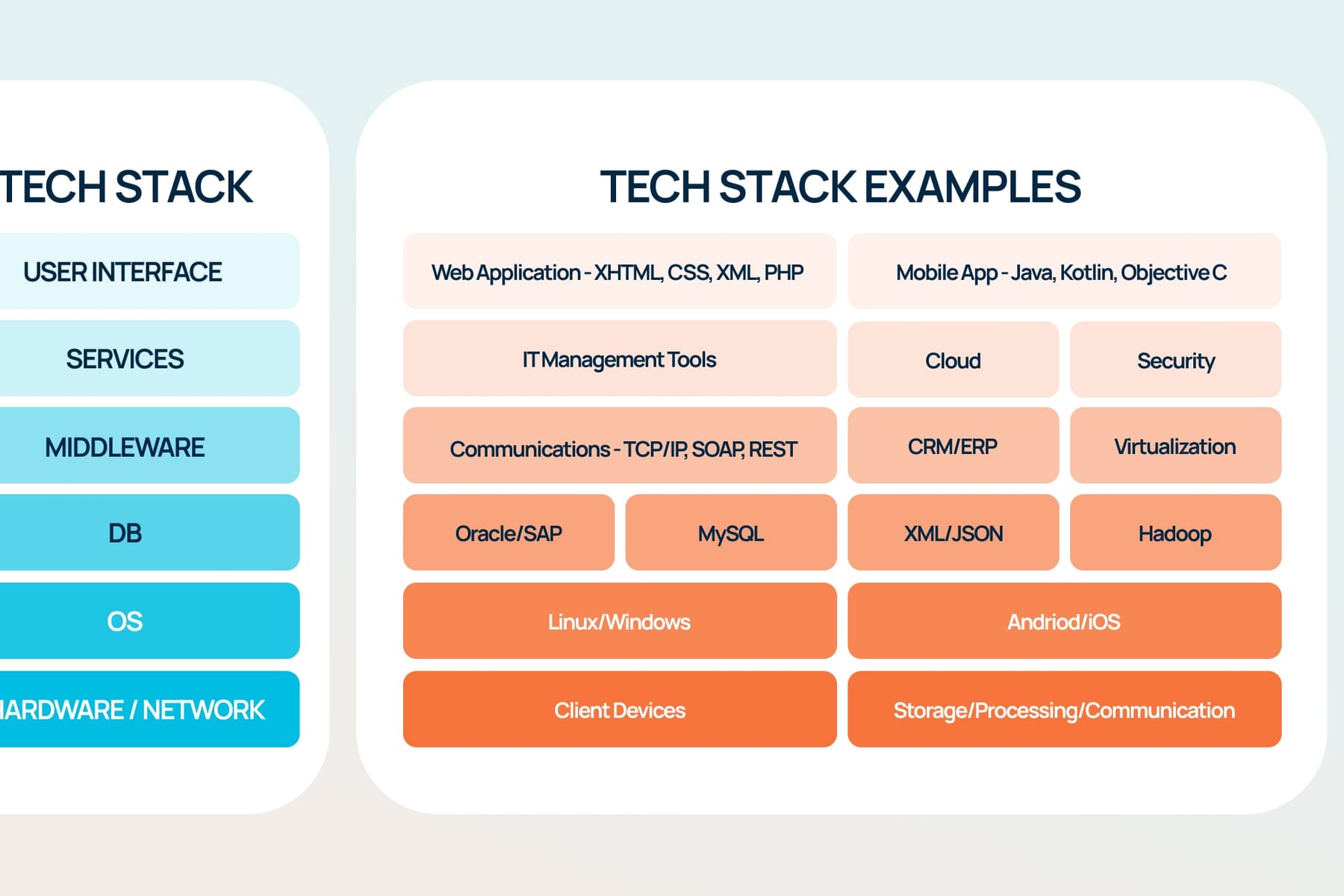
The construction-platform path inverts both. Procore-class tools handle prime-contractor collaboration, RFIs, change orders, drawings, and daily logs at a level no roofing CRM matches. They also cost several multiples more, take months to configure, and are dramatically over-specified for a contractor whose actual bottleneck is *bidding volume*, not document control. A four-truck roofer who buys a GC platform typically uses a small fraction of the feature surface while paying full freight — the single most common overspend in the trade.
There is a third posture worth naming, because plenty of successful contractors sit in it deliberately: the hybrid. Roofing-native CRM as the internal system of record, plus a seat or two on the GC's platform for the jobs that demand it, plus a real construction accounting package underneath both. This is what most mid-market commercial roofers converge on once they cross the point where GC work and self-performed work both matter. It is not elegant, but it maps to how the revenue actually arrives.
A fourth option deserves an explicit rejection: the field-service platform. ServiceTitan and its peers are built for high-frequency residential service — HVAC calls, plumbing dispatch, electrical service tickets. Their entire data model assumes a call comes in, a tech gets dispatched, and the job closes the same day. Commercial reroofing runs bid-to-install cycles measured in months, with progress billing, retainage, and warranty registration on the back end. Forcing that into a dispatch-first system produces a stack that fights you daily. The one legitimate exception is a contractor running a genuine commercial service and maintenance division — annual inspections, leak repairs, recoats — where the work genuinely is high-frequency and ticket-shaped. Even then, most operators use the service module inside their roofing CRM rather than running two systems.
How to decide between them
The decision is not about brand preference. It is about four measurable facts about your own business, in priority order.
Fact one: where does revenue originate? Split last twelve months of closed revenue into three buckets — insurance/storm restoration, direct-to-owner or property-manager work, and GC-subcontracted work. If insurance restoration dominates, you need the CRM with the deepest estimating-platform integration, because your entire cash cycle runs through carrier-accepted estimate files. If GC-subcontracted work dominates, document control matters more than bid velocity. If direct-to-owner work dominates, bid speed and presentation quality carry the day.
Fact two: bid volume per estimator per month. This drives whether per-report measurement pricing or bundled measurements is cheaper, and whether you need dedicated estimating headcount at all.
Fact three: revenue scale and payroll complexity. Union crews, certified payroll, prevailing-wage jobs, and AIA progress billing all push you toward a real construction ERP. Non-union, private-sector, non-prevailing-wage work can live on lighter accounting for far longer.
Fact four: how many jobs run simultaneously with progress billing? One or two at a time is manageable in a lightweight system. A dozen concurrent AIA-billed projects is not — the WIP schedule becomes the business, and it needs software that produces it natively.
Run the decision as a scored trial, not a demo tour. Pick two finalists, run five real bids through each over roughly six weeks, and score four dimensions: elapsed time from lead to sealed bid, integration friction with your existing accounting, estimator satisfaction after the honeymoon wears off, and total seat cost at your projected headcount eighteen months out — not today's headcount. That last one catches the classic trap of choosing a cheap per-seat tool that becomes the most expensive line item once you hire.
What each layer actually costs, and what it buys back
Pricing in this category moves, so treat the following as structure rather than a quote sheet — verify current numbers directly with each vendor before you budget.
The CRM spine is priced per user per month, and the spread between entry and top tier is wide. The top tier is usually where the integrations you actually need live — two-way accounting sync, native estimating bridges, advanced reporting. Buying the cheap tier and discovering the integration you need sits one tier up is a common and annoying six-week detour. Count seats honestly: estimators, project managers, office admin, and ownership all need access. Foremen often need only the mobile photo tool, not a full CRM seat.
Aerial measurement is either per-report or bundled into a CRM tier. The math is simple and worth doing on paper. An onsite commercial measurement day costs you a truck, a two-person crew, drive time, and the fall-exposure liability of putting people on an unfamiliar roof — realistically several hundred to well over a thousand dollars in fully loaded cost, plus a day of calendar delay. A purchased aerial report costs a small fraction of that and lands within a day. The break-even sits at a modest monthly report volume; above it, per-report pricing is obviously cheaper than sending trucks, and the real return is not the cost saved but the bids submitted that you otherwise would have declined. Estimators using aerial measurement submit multiples more bids per week than estimators doing rooftop takeoffs, and bid volume is the single most controllable input to revenue in this trade.
Photo documentation is the cheapest layer and the one contractors cut first, which is backwards. Geo-tagged, timestamped, project-organized photos are what manufacturers require for warranty-grade installations and what defends you when a building owner claims damage that predates your crew. The failure mode without a tool is entirely predictable: foremen text photos to the office, the office loses them in a message thread, and eight months later nobody can produce timestamped evidence of the substrate condition. A single denied warranty registration on a large reroof costs more than decades of subscription. Price it as insurance, not software.

Drone capture is hardware plus a mapping/processing subscription plus an FAA Part 107 remote pilot certificate for at least two people — typically a project manager and a foreman, so coverage survives vacation. The capital cost is real and lands in one lump. What it buys back: a pre-bid roof assessment collapses from a multi-hour walk with two people exposed to fall hazards down to a short flight from the parking lot. It also produces the pre-installation condition record that increasingly gates long-term manufacturer warranties. Contractors without drones end up subcontracting the capture per job, which is fine at low volume and quickly worse than owning at moderate volume.
Estimating and supplements is a per-seat monthly cost for the platform your carriers accept. This is not a preference — carriers dictate the format, and submitting in the wrong format gets your claim slow-walked or bounced. The disciplined use of the supplement workflow, where post-approval scope additions get documented and submitted properly, is where restoration-heavy contractors recover meaningful margin that would otherwise be eaten by scope discovered after the original approval.
Accounting and ERP is the widest range in the stack, from a few hundred dollars a month for cloud accounting plus a job-costing layer, to five figures monthly for a full construction ERP with certified payroll, equipment costing, WIP, and AIA billing. The upgrade trigger is not revenue alone — it is *payroll complexity plus concurrent progress-billed jobs*. A non-union contractor with three jobs running can survive on light accounting far past the revenue level where a union contractor with a dozen AIA draws cannot.
As a share of revenue, well-run mid-market commercial roofing contractors generally land somewhere in the low-single-digit fractions of a percent — call it half a percent as a working center of gravity, with meaningful variance by mix. Landing far below that usually means a layer is missing and the cost is showing up somewhere less visible: rekeyed data, lost warranty claims, declined bids. Landing far above it usually means duplicate tools. Audit annually with a simple test — for every subscription, name the person who opened it last week. If nobody can, cancel it.
The integration seams that decide whether the stack works
Contractors argue about brands and then lose to seams. Three integration points do more damage than any product choice.
CRM to estimate to accounting. When an estimate is approved, the job should exist in the accounting system with its cost codes set up, budget loaded, and contract value recorded — automatically. Without that bridge, an office admin retypes approved jobs by hand, which costs several hours a week and introduces exactly the kind of transcription error that surfaces at month-end close when the WIP schedule refuses to reconcile. Before buying any CRM, ask the vendor to demonstrate this handoff live with your actual accounting package. Not a slide. A live push.
Photo to warranty registration. Manufacturer warranty desks reject a nontrivial share of submissions for missing or unclear imagery. When your photo tool tags by project and exports in the shape the warranty portal wants, registration takes minutes. When it does not, an admin assembles dozens of photos by hand per registration, and the rejection rate climbs because assembled-by-hand sets are incomplete by nature.
Estimate to supplement to carrier. Restoration-heavy contractors work with multiple carriers who standardize on different estimating platforms. If your team has to rekey a scope from one platform into another, you will lose scope in translation, and lost scope is lost margin. Check which of your carriers accept which platform before you standardize, not after.
A fourth seam matters more every year: material pricing. Distributor portals that feed live pricing into your estimating tool prevent the slow bleed where a bid is built on last quarter's membrane cost. On a large commercial flat-roof job, a modest per-square drift in material cost between bid and buyout is the difference between the margin you promised ownership and the margin you actually book.
Sequencing the rollout so it survives contact with the crew
The failure mode of stack upgrades is not choosing wrong. It is buying six tools in one month, overwhelming a fifteen-person office, and watching everyone quietly revert to spreadsheets by week five. Sequence it in three waves, roughly a month apart.
Wave one — spine and history. Choose the CRM in the first week; a longer decision does not produce a better one, it produces a stalled project. Migrate the last two years of job history so the system has something to report on from day one — an empty CRM feels like a chore, a populated one feels like a tool. Train the office admin and two project managers first. Do not add a single additional tool until the spine is genuinely in daily use, which means every new lead enters there and nowhere else.
Wave two — the bid engine. Add measurement, estimating seats, and distributor catalog access. Run the next ten bids entirely through the new system, including the ones that feel faster the old way. Measure two things against your spreadsheet baseline: elapsed hours from lead to submitted bid, and win rate on submitted bids. This is the wave that pays for the whole project, and it produces the evidence that keeps ownership funding the rest.
Wave three — field and books. Roll photo documentation to every crew, with a single non-negotiable rule: photos at arrival, at substrate exposure, at each detail condition, and at completion. Train foremen on end-of-day cost-code tagging, because labor hours coded to the wrong bucket make the WIP report fiction and the progress draw wrong. Stand up the accounting system aligned to a month-end close boundary, never mid-month. Buy the drone, certify two pilots, and register the crew with whichever manufacturer certification programs your warranty strategy depends on.
Two adjacent lessons transfer directly from neighboring trades. Commercial HVAC and mechanical contractors who ran the same upgrade consistently report that the photo and field-documentation layer produced the fastest measurable return, ahead of the CRM itself, because it eliminated disputes rather than merely organizing work. And commercial electrical contractors report that the accounting migration is where projects die — attempting it mid-quarter, without a parallel run, is how a contractor ends up unable to close the books for two months. Run the old and new accounting side by side for one full cycle. It is tedious and it is cheap compared to the alternative.

What breaks when a layer is missing
Contractors rarely fail from buying the wrong brand. They fail from running with a hole in the stack, and each hole has a signature.
No CRM at meaningful scale. Leads live in one person's phone. Bid follow-up depends on memory. Nobody can answer "what's our win rate by lead source" because the data was never captured. This survives until it doesn't — usually a mis-billed progress draw or a warranty claim you cannot document forces the upgrade, and the forced version costs far more than the planned version.
No aerial measurement. You decline bids you could have won. The cost never appears on a P&L line because declined bids are invisible. This is the most expensive missing layer precisely because it is the least visible.
No photo discipline. Warranty registrations get rejected. Damage disputes with building owners become your word against theirs. Change orders for conditions discovered on tear-off get denied because you cannot prove the condition existed.
No drone capture. As long-term manufacturer warranties increasingly require documented pre-installation conditions, this stops being a nice-to-have and becomes a bid disqualifier — a building owner comparing two bids will take the one that comes with the warranty they wanted.
No real accounting at progress-billing scale. WIP is wrong, so over- and under-billing are invisible, so you find out you have been financing a job with your own cash three months in.
Too many tools. The opposite failure. Overlapping platforms — a GC platform, a roofing CRM, a general-purpose CRM, and a project tool — running simultaneously means every piece of data lives in four places and is authoritative in none. One CRM, one accounting system, one photo tool, one measurement source, one drone platform, one estimating platform. Six. Anything beyond that needs to justify its existence annually.
Related questions
Does a residential-heavy roofer need a different stack?
Mostly the same shape, lighter weight. Residential runs shorter cycles, smaller tickets, and far less AIA billing, so the accounting layer can stay light much longer. The measurement and photo layers matter just as much — arguably more, given higher job counts per month.
When is it worth adding a GC-style project platform?
When a meaningful share of revenue — roughly a third or more — comes through general contractors who mandate submittals, RFIs, and drawing control. Below that, you are buying a document-control system to service a minority of your work while paying for it across all of it.
How do commercial roofing and commercial HVAC stacks differ?
HVAC leans harder on dispatch, service agreements, and recurring maintenance revenue, so field-service platforms genuinely fit there. Roofing leans on long bid cycles, progress billing, and warranty documentation. The photo and accounting layers overlap almost completely; the CRM layer does not.
What should a contractor do first if the budget only allows one tool?
The CRM spine, without hesitation. Every other layer plugs into it, and without a single system of record, adding measurement or photo tools just creates more disconnected islands of data.
How often should the stack be re-evaluated?
A full audit annually, with a lightweight quarterly check on seat counts and unused subscriptions. Vendor pricing, integration availability, and warranty requirements all shift faster in this category than most contractors expect.
FAQ
What is the minimum viable stack for a small commercial roofing startup?
Four things: a roofing-native CRM at the entry tier, a photo documentation tool, cloud accounting paired with a construction job-costing add-on, and access to aerial measurement — either per-report or bundled into your CRM tier. Drone hardware and a dedicated estimating seat can wait until insurance-restoration work becomes a real share of revenue.
Do I need both a roofing CRM and a general contractor platform?
Only if you regularly work as a subcontractor on projects where the GC mandates their platform for submittals and RFIs. In that case you are not really choosing — the GC chose for you, and you keep the roofing CRM as your internal system of record. If most work is direct-to-owner or insurance-driven, one roofing CRM handles it.
Is aerial measurement worth the per-report cost?
Do the arithmetic on your own numbers: fully loaded cost of sending a crew to measure a commercial roof, including drive time, the truck, and fall-exposure liability, versus a purchased report. Above a modest monthly volume the reports win outright, and the real return is the bids you now have capacity to submit at all.
Where does a field-service platform fit for a roofer?
In a commercial service and maintenance division — annual inspections, leak repairs, recoats — where the work is genuinely ticket-shaped and high-frequency. It does not fit reroof project work, where the bid-to-install cycle runs months and the billing is progress-based. Most contractors use their roofing CRM's service module rather than running a second platform.
How long does a full stack rollout actually take?
Plan on a quarter to get all layers live and roughly two quarters before the numbers stabilize enough to compare against your old baseline. Compressing it into a single month is the most reliable way to have the whole thing abandoned by week five.
What is the most common overspend?
Duplicate platforms. A contractor buys a GC-grade project tool for one demanding client, keeps the roofing CRM, adds a general-purpose CRM for sales, and now pays three times for overlapping capability while data authority is ambiguous everywhere. The annual audit exists to catch exactly this.
Sources
- https://www.nrca.net/ — National Roofing Contractors Association, industry standards and contractor resources
- https://www.gaf.com/en-us/roofing-contractors — GAF contractor certification and warranty program documentation
- https://www.certainteed.com/roofing/ — CertainTeed roofing systems and contractor credential programs
- https://www.faa.gov/uas/commercial_operators — FAA Part 107 requirements for commercial small UAS operation
- https://www.osha.gov/fall-protection — OSHA fall protection standards for roofing work
- https://www.aia.org/resources/69981-standard-form-of-agreement — AIA standard contract documents including progress billing forms
- https://www.roofingcontractor.com/ — Roofing Contractor magazine, industry news and contractor rankings
- https://www.iibec.org/ — International Institute of Building Enclosure Consultants, roofing technical standards
- https://www.energy.gov/eere/buildings/roofs — U.S. Department of Energy guidance on commercial roofing systems
Related on PULSE
- [What is the best tech stack for a roofing contractor in 2027?](/knowledge/tk0062)
- [Tech Stack for Roofing Contractors in 2027](/knowledge/tk0310)
- [What is the best tech stack for a commercial HVAC contractor in 2027?](/knowledge/tk0073)
- [What is the best tech stack for a commercial plumbing contractor in 2027?](/knowledge/tk0072)
- [What is the best tech stack for a commercial electrical contractor in 2027?](/knowledge/tk0071)
- [What is the best tech stack for a commercial construction company or general contractor in 2027?](/knowledge/tk0006)
This page will be disappearing soon. Save it to your device for $1 — or read it free while it is here.
@Kory-White- · if Venmo asks, the last 4 of my number are 2012
This page is gone.
This one is off the shelf now. $1 keeps it on your phone for good — the whole page, pictures and diagrams included.
 pulse-tech-stacksTech Stack for Summer Camps in 2027
 pulse-tech-stacksWhat is the complete software stack for a computer and phone repair shop in 2027?
 pulse-tech-stacksWhat is the best tech stack for a salon or spa in 2027?
 pulse-tech-stacksWhat is the best tech stack for an electrical supply distributor in 2027?
 pulse-tech-stacksTech Stack for Boutique Fitness Studios in 2027
 pulse-tech-stacksWhat is the best tech stack for a casino or gaming operator in 2027?
 pulse-tech-stacksWhat is the best tech stack for a hedge fund in 2027?
 pulse-tech-stacksWhat is the recommended AI Code Review sales and operations tech stack in 2027?
 pulse-tech-stacksWhat is the best tech stack for a residential solar installation company in 2027?
 pulse-tech-stacksWhat is the best tech stack for a renewable energy developer in 2027?