
The Podcast and Video Content Production Stack in 2027
 Curated byKory White · Fractional CRO · Maryland
 PULSEKNOWLEDGE LIBRARY
Quality
Certified
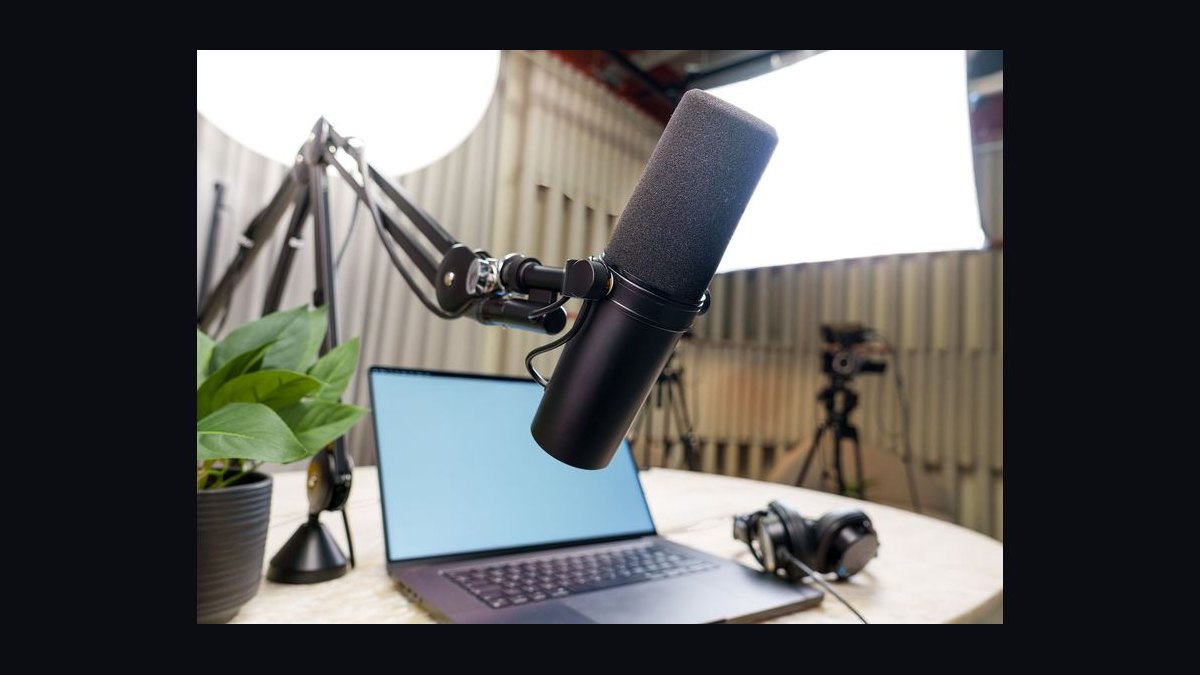
By 2027, the Podcast and Video Content Production stack consolidates around AI-driven pre-production, automated post-production clipping, and direct CRM integration. A single recording session yields 10–20 tagged Video and audio assets pushed into Salesforce or HubSpot, with revenue intelligence platforms like Gong and Clari measuring content influence on pipeline velocity. Production quality is table stakes; the differentiator is the content-to-revenue feedback loop.
The outcome you should expect
Teams that rebuild their Podcast and Video Content stack around 2027 assumptions typically see three concrete outcomes within two to three quarters. First, asset volume per recording session rises from roughly one finished episode to ten to twenty discrete clips, each tagged by buying stage and persona. Second, the human hours required per published asset fall sharply — most teams report one hour of human review time for every eight to ten hours of raw footage, because transcription, chaptering, noise removal, and clip selection are handled automatically. Third, and most important for RevOps, content stops being a marketing-only line item and starts appearing inside opportunity records, which means it can be attributed to pipeline and closed-won revenue rather than measured by downloads.
The practical shape of this outcome is a closed loop. A single thirty-minute recording becomes a long-form episode, three to five mid-length segments, and a batch of short-form vertical clips. Each asset carries metadata — topic, persona, buying stage — that flows into your CRM. Sales can then deploy a relevant clip into a sequence without waiting on marketing, and the engagement data from that clip feeds back into the topic model that drives the next recording. That feedback loop is what separates a 2027 stack from a 2023 one. The old stack produced content; the new stack produces content and then learns from how it performs inside deals.

Expect the budget to shift accordingly. Per-creator tooling for pre-production, recording, editing, and distribution generally lands in the $160–$460 per month range. Revenue intelligence platforms that close the loop — Gong, Clari, and comparable tools — are a separate and much larger line item, often $1,000–$5,000 per organization per month at enterprise tiers. Teams that skip the second layer save money but lose the ability to answer the only question executives care about: did this Content move a deal?
What drives that outcome
Four forces drive the 2027 outcome. The first is pre-production automation. AI agents now handle topic discovery, competitive gap analysis, and script drafting, generating multiple episode titles, hook angles, and persona-specific question lists before a human touches the outline. Human editors typically spend about 30% of pre-production time on quality control, brand voice, and legal review. The second force is production consolidation. Remote recording platforms now bundle lossless audio, 4K video, real-time noise reduction, and native transcription, which removes the need for a separate transcription vendor. The third force is post-production automation, where a single recording is auto-chaptered, transcribed at roughly 99% English accuracy, and cut into clip variants sized for LinkedIn, YouTube Shorts, and TikTok. The fourth force is revenue integration — the piece that turns a production workflow into a RevOps asset.
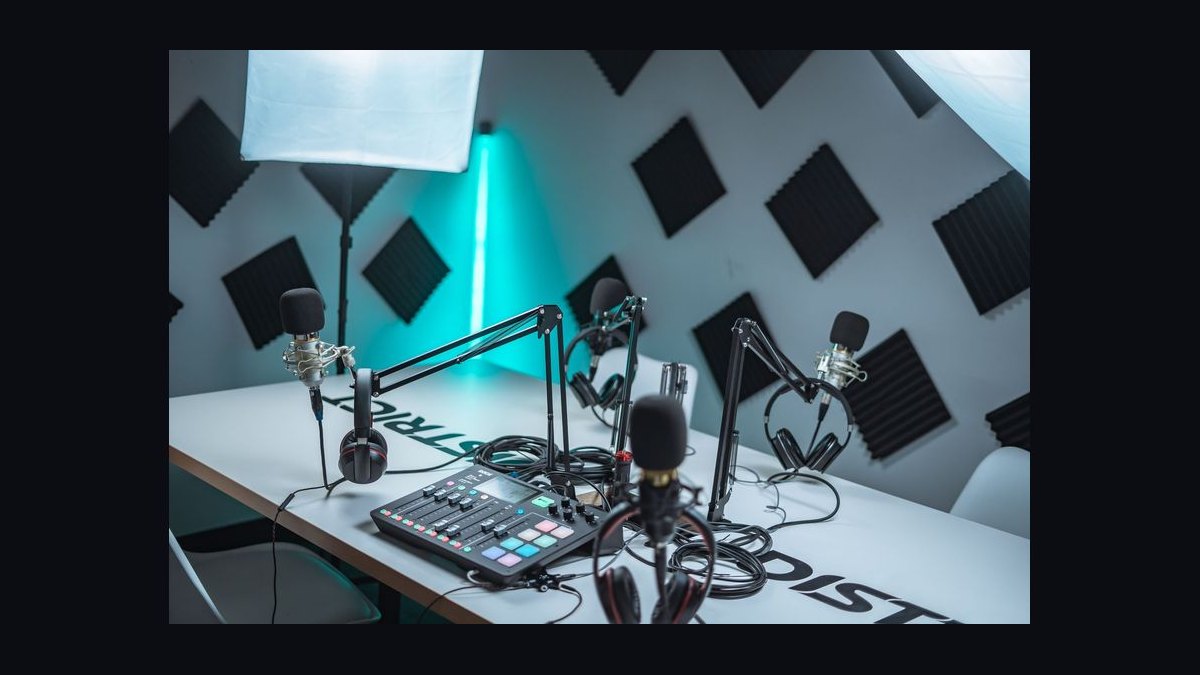
The loop above is the operational heart of the stack. Notice that distribution sits downstream of CRM tagging, not upstream. In older workflows, teams published first and tried to measure later. In 2027, the asset is tagged and routed before it ever reaches a public channel, which is what makes attribution possible. The engagement data returning to the topic model is the mechanism that makes the system compound — a clip that resonates with CFOs about ROI metrics should visibly bias the next batch of episode outlines toward that theme.
The trade-off is real. Closing the loop requires API-level integration between your production tools and your revenue intelligence layer. Tools without a Salesforce or HubSpot API become dead ends, because a clip that cannot be attached to an opportunity record cannot be attributed. When evaluating any new tool in this stack, the first question is not "how good is the editor" but "where does the output land, and can I join it to a deal?"
Benchmarks and realistic ranges
Concrete numbers matter more than vendor claims, so here are the ranges a practitioner should plan against. On volume, a mature 2027 workflow converts one thirty-minute recording into ten to twenty short-form clips plus three to five mid-length segments. On human time, budget one hour of review per eight to ten hours of raw footage; teams that try to push below that ratio usually ship brand-voice or compliance errors. On transcription accuracy, native transcription in the leading recording platforms sits around 99% for clear English audio, which is good enough for SEO indexing but still requires a human pass before anything is published as a transcript page.
On cost, per-creator tooling breaks down roughly as follows: AI script and outline generation runs $50–$100 per month; remote recording runs $29–$59 per month; editing, transcription, and clip generation runs $50–$200 per month; multi-platform distribution runs $30–$100 per month. That totals $160–$460 per creator per month. Revenue intelligence is separate and much heavier — enterprise licenses for Gong or Clari commonly run $1,000–$5,000 per organization per month, and that cost is what buys you the attribution layer.
On outcomes, the benchmark to aim for is a 15–25% faster close rate for accounts that engaged with video or Podcast clips versus accounts that did not. Treat that as a directional target, not a guarantee — the number depends heavily on your baseline sales cycle and how well clips are matched to buying stage. The metric that matters most is content-influenced revenue: the dollar value of opportunities where a tagged asset was viewed, shared, or referenced before close. Downloads and views are lagging vanity metrics in this model; they tell you reach, not revenue.
On team structure, a lean 2027 Content operation often runs with one producer and one editor-reviewer covering three to five episodes per week, provided the automation stack is fully wired. Below three episodes per week, manual editing with AI assistance is usually cheaper than a full automation platform. Above four episodes per week, the automation layer pays for itself quickly because the marginal human cost per clip drops toward zero.
Risks, edge cases, and failure modes
The most common failure mode is over-automating pre-production without a content strategy. AI can generate fifty episode ideas in minutes, but if those ideas do not map to your qualification framework — MEDDIC, Challenger, or whatever your sales methodology is — you produce noise at scale. The fix is to constrain the topic model with closed-won deal data and persona definitions before you let it generate anything. Content that does not address economic buyer pain points will not move pipeline, no matter how polished the Production.
The second failure mode is integration debt. A stack assembled from best-of-breed tools that each lack a CRM API looks impressive in a demo and fails in attribution. If a clip cannot be joined to an opportunity record, it cannot be scored, and it will be cut in the next budget cycle. Before adding any tool, verify the API path from asset creation to CRM record.

The third failure mode is compliance. Guest consent, content gating, and the distinction between sales-call recordings and published content all carry legal weight. A recording captured for sales coaching should not be repurposed as public Video without explicit consent, and gated assets need a consent flow in front of them. Teams that blur the line between "sales activity" and "content" create deal-jacket and privacy problems that are expensive to unwind.
The fourth failure mode is quality drift. When automation handles 90% of editing, the remaining 10% — pacing, emotional tone, brand voice — carries disproportionate weight. A batch of clips that all sound slightly off-brand erodes trust faster than a smaller batch of carefully reviewed ones. Keep the human review step, even when the tooling makes it tempting to skip.
The fifth edge case is scale mismatch. A team producing one episode per week does not need an enterprise automation platform, and buying one wastes budget and adds complexity. Conversely, a team producing five episodes per week on manual editing will burn out its editor within a quarter. Match the stack to the volume, not to the vendor's ambition.
A practical rollout plan
A sane rollout runs in four phases across roughly two quarters. Phase one, weeks one through four: audit your current stack, identify which tools have CRM APIs, and map your sales qualification framework to content themes. Do not buy anything yet. Phase two, weeks five through eight: stand up the recording and transcription layer, run a pilot of four episodes, and manually tag the resulting clips by persona and buying stage to prove the taxonomy works. Phase three, weeks nine through sixteen: wire the CRM integration, connect revenue intelligence, and begin measuring content-influenced revenue on the pilot batch. Phase four, week seventeen onward: expand volume, let the topic model drive outlines, and review the attribution dashboard monthly.

Two gates in that plan deserve emphasis. The first is the taxonomy gate after the pilot — if your persona and buying-stage tags do not survive contact with real clips, fix the definitions before you scale, because bad tags poison every downstream metric. The second is the attribution gate — if content-influenced revenue is not showing up in your revenue intelligence platform, the problem is almost always a broken API join or missing tags, not a lack of content. Diagnose the plumbing before you produce more.
Throughout the rollout, keep the human review step and keep the volume matched to your team's capacity. The stack is a multiplier on a sound content strategy; it is not a substitute for one.
Related questions
How many clips should one recording session produce in 2027?
A mature workflow yields ten to twenty short-form clips plus three to five mid-length segments from a single thirty-minute recording. The exact count depends on how much usable material the conversation contains and how aggressively the AI clip selector is tuned.
Do I still need a human editor?
Yes, but the role shifts to quality control. AI handles transcription, noise removal, chaptering, and clip selection. Humans review brand voice, emotional tone, and legal compliance, typically one hour of review per eight to ten hours of raw footage.
How do I measure Podcast and Video ROI?
Track content-influenced revenue rather than downloads. Use revenue intelligence to score which tagged assets appeared in opportunities that closed, and compare time-to-close for engaged versus non-engaged accounts. A 15–25% faster close rate for engaged accounts is a reasonable directional target.
What is the biggest mistake teams make?
Over-automating pre-production without mapping topics to a sales qualification framework. AI can generate fifty episode ideas, but if they do not address economic buyer pain points, you produce noise at scale with no pipeline impact.
Is Podcasting still relevant for B2B?
Yes, but primarily as a source asset. A Podcast episode is raw material for ten to twenty Video and audio clips. Optimize for clip engagement and conversion inside deals, not for download counts.
FAQ
What is the single most important tool in the 2027 stack? The CRM integration is the most important component, not any single editor. A recording and editing platform that syncs tagged clips to Salesforce or HubSpot opportunity records is what makes attribution possible. Without that join, the rest of the stack produces assets you cannot measure.
How much does the stack cost per creator? Per-creator tooling runs roughly $160–$460 per month, covering AI script generation, remote recording, editing and transcription, and multi-platform distribution. Revenue intelligence platforms like Gong or Clari are a separate line item, commonly $1,000–$5,000 per organization per month at enterprise tiers.
How do I handle compliance for published content? Use consent management in your recording platform to capture guest opt-in, gate sensitive assets behind consent forms, and keep sales-call recordings distinct from published content. Flag recordings used for sales coaching separately from those cleared for public distribution, and consult legal for your specific regulations.
What is the biggest risk in automating this stack? Integration debt. Tools without a CRM API become dead ends because their output cannot be joined to a deal and therefore cannot be attributed. Verify the API path from asset creation to CRM record before adding any tool to the stack.
How do I choose between recording platforms? Choose a platform with high-fidelity remote recording if you routinely host multiple remote guests, and choose an all-in-one platform if you want editing, transcription, and clip generation in one place to reduce tool sprawl. For most B2B teams, CRM integration is the deciding factor.
How long does it take to see results? Expect two to three quarters. The first quarter is audit and pilot, the second is wiring CRM and revenue intelligence, and attribution typically becomes reliable in the third quarter once enough tagged assets have moved through real deals to produce a signal.
Sources
- Gartner: B2B Buying Journey insights
- Forrester: B2B marketing and content research
- Gong Labs: Revenue intelligence research
- HubSpot: Content Hub product overview
- Descript: Product and blog
- Riverside: Remote recording platform
- Bessemer Venture Partners: Cloud and SaaS research
- McKinsey: Growth, marketing and sales insights
- Salesforce: Sales Cloud and CRM resources
- Clari: Revenue operations platform
Related on PULSE
- [The Vertical Video Stack for Short-Form Content Studios in 2027](/knowledge/tk0540)
- [A Podcast Production Stack: Remote Recording, Audio Processing, and Distribution](/knowledge/tk0432)
- [The Music Production Tech Stack: DAW Automation and Collaboration](/knowledge/tk0422)
- [Top 10 Video Editing Software for YouTube Content Creators in 2027](/knowledge/tk0400)
- [Top 10 Stack for Building Video Streaming Platforms in 2027](/knowledge/tk0374)
- [What is the recommended AI Video Generation sales and operations tech stack in 2027?](/knowledge/tk0267)
This page will be disappearing soon. Save it to your device for $1 — or read it free while it is here.
@Kory-White- · if Venmo asks, the last 4 of my number are 2012
 pulse-tech-stacksWhat are the most common mistakes in Tech Stacks in 2027?
 pulse-tech-stacksThe Nonprofit Fundraising and CRM Stack in 2027
 pulse-tech-stacksThe MLOps and Model Deployment Stack in 2027
 pulse-tech-stacksThe Zero-Trust Edge Stack for Remote Healthcare Clinics in 2027
 pulse-tech-stacksThe WebGPU Visualization Stack for Geospatial Analytics in 2027
 pulse-tech-stacksThe CPQ and Deal-Desk Stack for Enterprise Sales in 2027
 pulse-tech-stacksThe Vertical Video Stack for Short-Form Content Studios in 2027
 pulse-tech-stacksThe Modern Outbound Sales and SDR Stack: Sequencing, Enrichment, and Dialers in 2027
 pulse-tech-stacksThe Restaurant Operations Tech Stack: POS, Inventory, and Delivery in 2027
 pulse-tech-stacksThe Mesh-Network Stack for Agricultural Drone Swarms in 2027