
The Restaurant Operations Tech Stack: POS, Inventory, and Delivery in 2027
 Curated byKory White · Fractional CRO · Maryland
 PULSEKNOWLEDGE LIBRARY
Quality
Certified
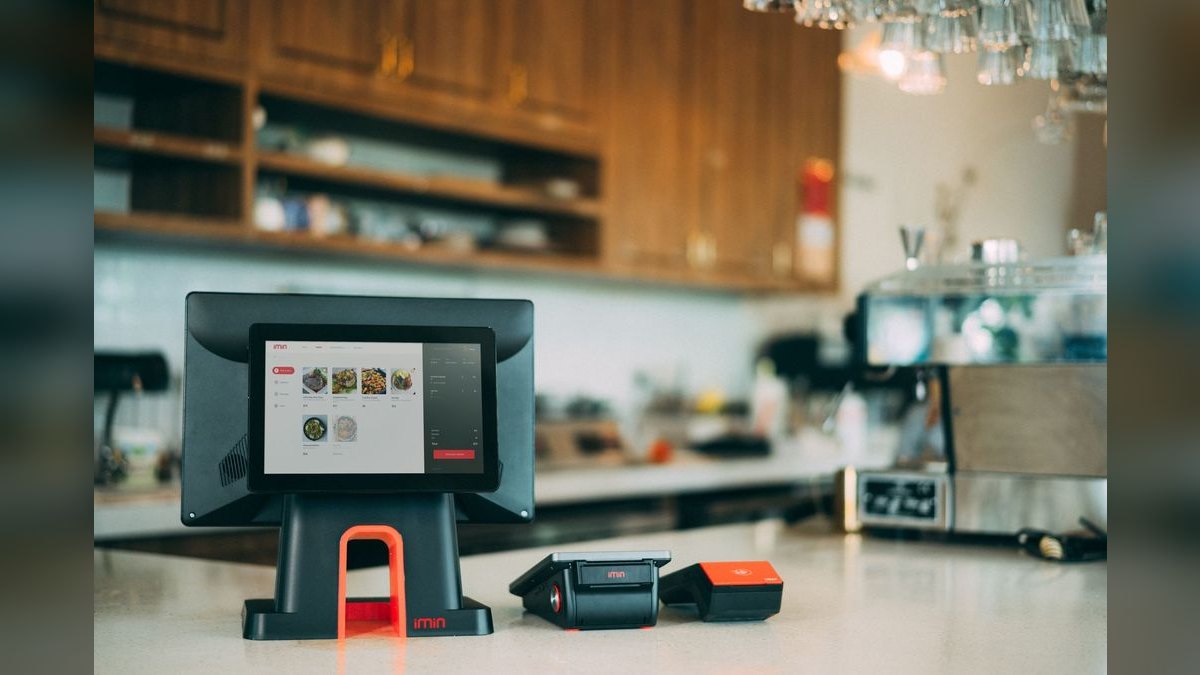
A 2027 restaurant operations stack fuses three layers on one data spine: a cloud POS as the transaction system of record, a predictive inventory platform driving replenishment off actual sales, and a delivery orchestration layer that routes each order to the cheapest viable courier. Integration quality — not feature count — determines whether food cost and delivery margin actually improve.
The Tuesday a four-location group loses money on its best sales day
Picture a four-unit fast-casual group doing roughly $1.4M in annual revenue per location. Tuesday of a holiday week, a local event pushes lunch volume 40% above forecast. By 1:15 p.m. the flagship location is out of the protein that anchors six menu items. The general manager pulls a walk-in count on a clipboard, calls the distributor's after-hours line, and pays a premium for an emergency drop that arrives the next morning — after the demand spike has passed.
Meanwhile, the same store is running at capacity on delivery. Third-party orders are flowing in through two aggregator tablets sitting next to the register. Nobody has turned off the out-of-stock items on those channels because the menu lives in three separate portals, each with its own login. Customers order the protein that no longer exists. The store refunds twelve orders, absorbs the courier cost on most of them, and takes a rating hit on two platforms that will suppress its placement for the next week.
This is the operational failure mode that a stack is supposed to prevent, and it decomposes into four distinct breakages. First, the POS knew about the demand spike in real time but nothing downstream consumed that signal. Second, inventory was a periodic manual count rather than a depletion model driven by item-level sales. Third, menu state — specifically 86'd items — lived in the POS and never propagated to the delivery channels. Fourth, the delivery decision itself was not a decision at all; every order went to whichever aggregator the customer happened to open, at whatever commission that aggregator charges.
Each of those failures has a well-understood technical fix, and none of them requires an exotic vendor. They require that the POS emit item-level events, that an inventory platform subscribe to those events and map menu items to recipe-level ingredient depletion, that menu and availability state push outward to every channel from a single source, and that order routing be a rule the operator controls rather than a default the customer picks. What makes 2027 different from 2020 is not that these capabilities exist — it is that they are increasingly available as configuration rather than custom integration work, and that the cost of *not* wiring them together shows up directly in a P&L where delivery is 20–35% of mix instead of 5%.
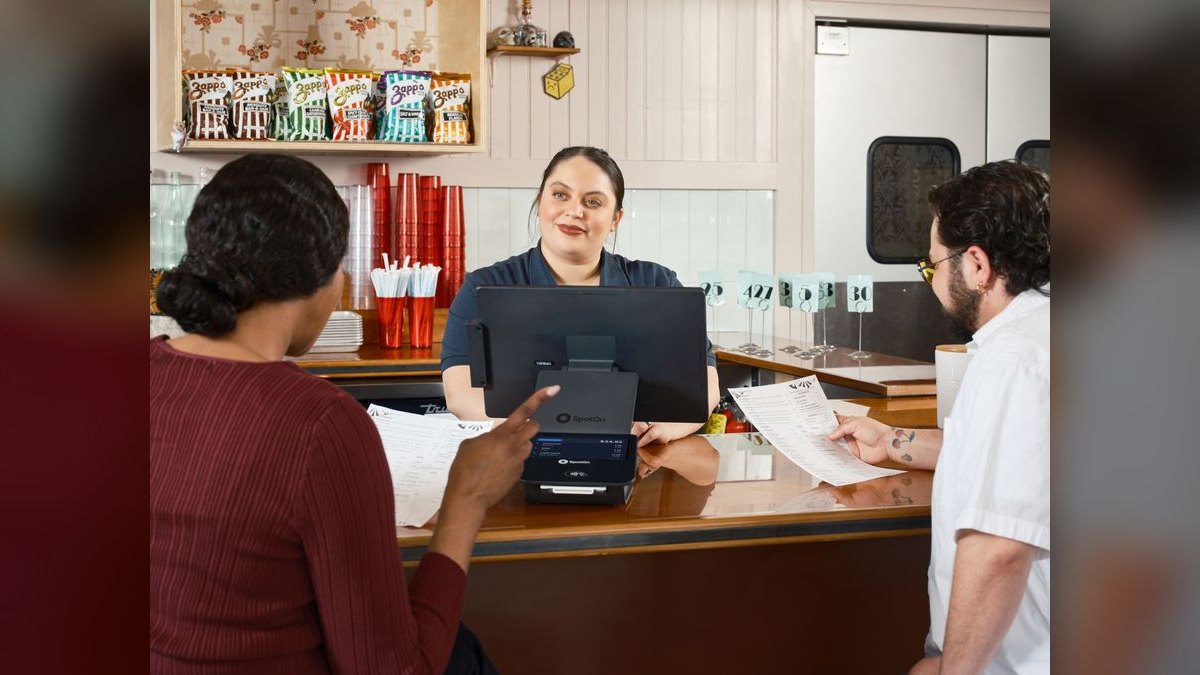
The four-unit group in this scenario is the archetypal buyer. Below roughly three locations, spreadsheet-and-instinct still works and the integration overhead is not worth it. Above roughly fifty, the operator has an IT function and is buying enterprise contracts with custom middleware. The three-to-fifty band is where stack decisions are made under real constraint: no dedicated technologist, real multi-unit complexity, and margins thin enough that a 200-basis-point swing in food cost is the difference between a viable location and a closed one.
How the three layers actually pass data to each other
The mechanism worth understanding is the event flow, because that is where implementations succeed or fail. Every other design question follows from it.
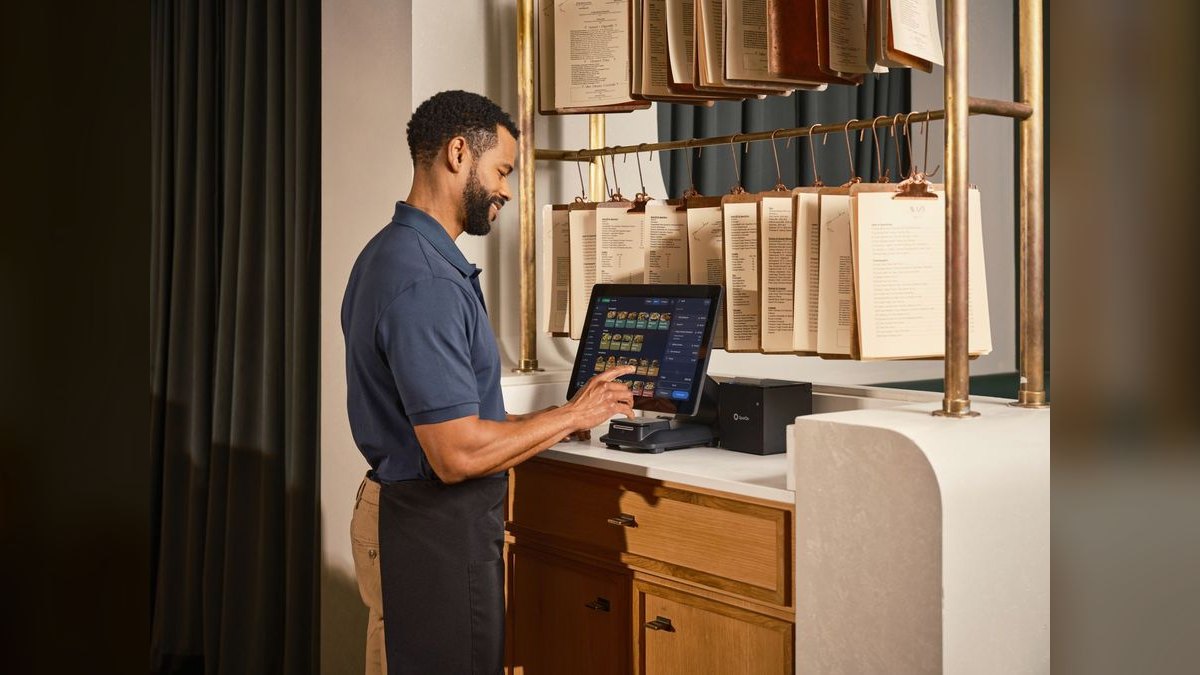
The POS as the emitter. A modern cloud POS records each sale at the item and modifier level, timestamped, with the location and revenue center attached. That granularity matters: "sold 47 bowls" is not enough, because a bowl with the substitution costs a different ingredient basket than the default build. Systems that only expose aggregated daily sales — common in older on-premise setups and in some payment-processor-bundled terminals — cannot drive an accurate depletion model no matter what you connect downstream. The practical qualifying question for any POS in 2027 is whether it exposes item-level sales with modifiers over a webhook or a polled API, and at what latency. Near-real-time webhooks are ideal; a 15-minute polling window is workable; an overnight CSV export is a downgrade that quietly caps everything you build on top of it.
The recipe map as the translation layer. Inventory platforms do not consume menu items — they consume ingredients. Between the two sits a recipe map (often called a bill of materials or plate cost sheet) that says one bowl equals 6 oz of protein, 4 oz of grain, 2 oz of sauce, plus a container and a lid. This mapping is the single highest-effort, highest-value artifact in the entire build. It is also the thing operators most often skip, and skipping it is why so many inventory deployments stall: without recipes, the platform is just a digital clipboard. Building the map for a 60-item menu is typically 30–60 hours of work for someone who knows the kitchen, and it must be maintained every time a spec changes. Once it exists, theoretical usage is computed automatically from POS sales, and the gap between theoretical and actual counted usage becomes your variance number — the diagnostic that tells you whether you have a portioning problem, a waste problem, or a theft problem.
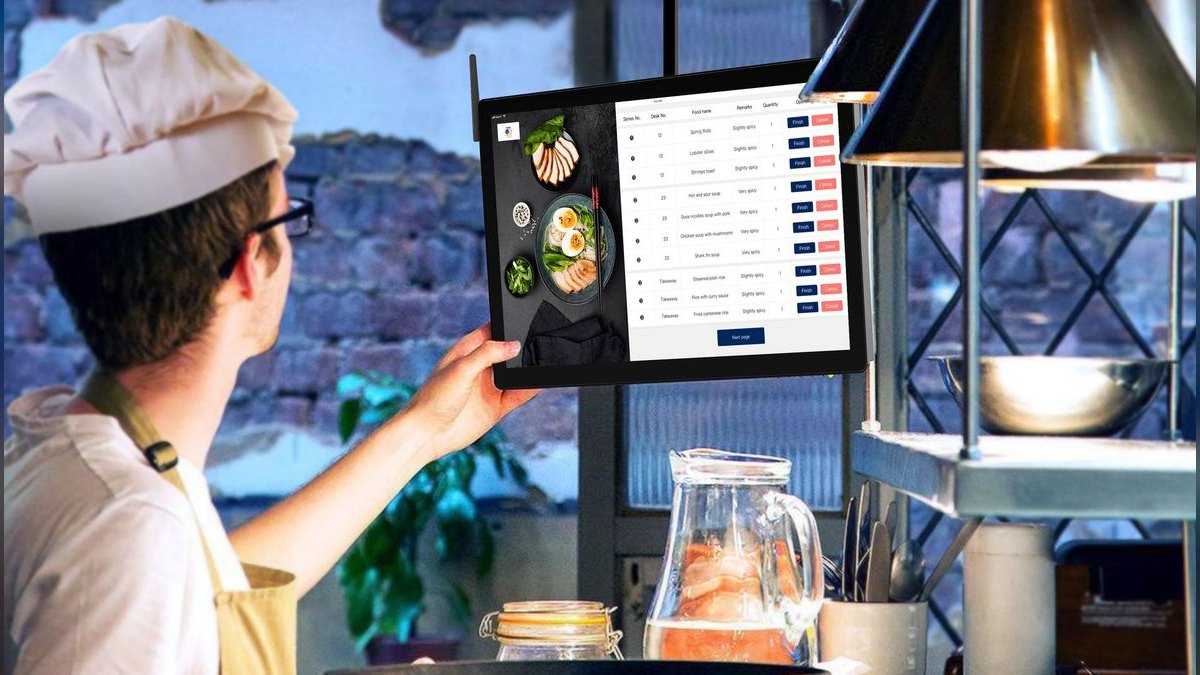
The availability channel pushing outward. When the protein depletes past a threshold, that state has to travel to every place a customer can order: the in-store POS, the branded web and app ordering flow, and each third-party marketplace. In practice this runs through either the POS vendor's own online-ordering module or a menu-management middleware layer that maintains the marketplace connections. The functional requirement is that 86'ing an item is a single action in one system that propagates within a couple of minutes everywhere else. Operators should test this explicitly during evaluation — 86 an item in a sandbox and time how long it takes to disappear from each channel. Propagation delays of 15+ minutes are common and are worth knowing about before signing.
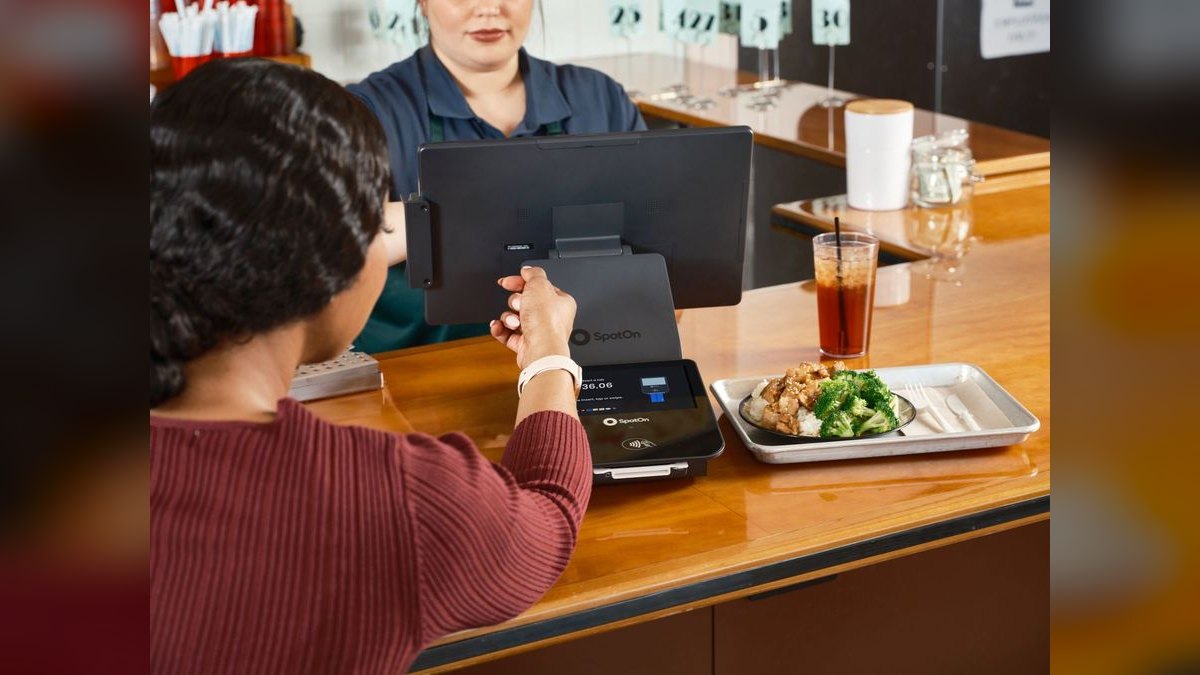
The routing decision. Delivery orchestration means that when an order needs a courier, the system evaluates options — a marketplace's own courier, a courier-as-a-service API, or an in-house driver — against cost, promised time, and current availability, and dispatches accordingly. The economics differ sharply by path: marketplace orders carry the full commission because the marketplace supplied the customer, while a first-party order fulfilled by a courier API carries only a flat or distance-based delivery fee plus payment processing. Routing logic that pushes demand toward first-party channels and then fulfills cheaply is where delivery margin is actually recovered.
The failure mode to watch for is a stack where each arrow exists but the latency between them is measured in hours or days. A depletion model that updates overnight cannot 86 an item during a lunch rush. A purchase order draft that requires a manager to log into a separate portal will be skipped on busy days. The value of the architecture comes from the tightness of the loop, not from the presence of the boxes.
The numbers that tell you whether the stack is working
Stack investment is justified or refuted by a handful of measurable operating metrics. These are the ones worth instrumenting from day one, with the ranges that are commonly targeted in multi-unit operations.
Food cost as a percentage of sales. Full-service restaurants typically run food cost in the high 20s to low 30s as a percentage of food revenue; quick-service and fast-casual concepts often target the high 20s to low 30s as well, depending on protein intensity. The stack does not change your recipe cost — it changes your *variance*, the gap between what your recipes say you should have used and what you actually used.
Theoretical-versus-actual variance. This is the single most useful number the inventory layer produces. Operators without item-level tracking frequently cannot compute it at all. Once it is computed weekly, a variance in the low single digits of percentage points is a well-run kitchen; consistently higher variance points to a specific, findable cause. The diagnostic sequence matters more than the target: check portioning first (weigh 20 plates of the worst-variance item), then waste logging, then receiving accuracy (are you being shorted on deliveries?), then theft last. Most operators jump to theft and miss that the actual answer is a cook using a serving spoon instead of a scale.
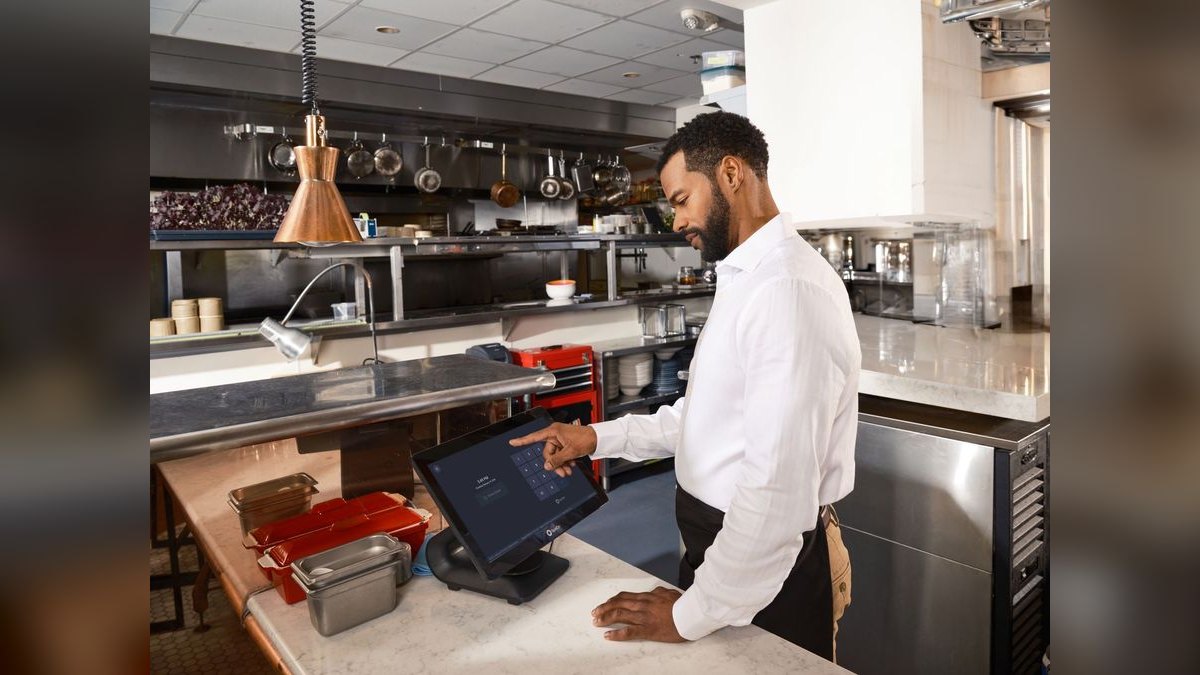
Inventory count cadence and duration. Weekly counts on high-value, high-velocity items and monthly full counts is a standard rhythm. A well-configured mobile count workflow with barcode or shelf-order sequencing typically cuts a full count from three-plus hours to under an hour and a half, which is the difference between a count that happens every week and one that quietly slides to monthly.
Delivery mix and channel economics. Track delivery as a share of total revenue, split by first-party versus marketplace. Marketplace commissions are published and vary by tier — the higher tiers buy more marketing placement but take a materially larger cut. Courier-as-a-service fulfillment for a first-party order is a flat or distance-scaled fee that is generally far below a full marketplace commission on a typical ticket. The strategic number is therefore the *ratio* of first-party to marketplace delivery orders. Moving that ratio by even ten points on a location with meaningful delivery volume changes contribution dollars more than most menu engineering exercises will.
Effective delivery contribution per order. Compute it explicitly: gross order value, minus commission or courier fee, minus payment processing, minus packaging, minus the food cost of the items sold, minus any promotional discount funded by you. Many operators discover the answer is thin or negative on discounted marketplace orders and healthy on first-party orders. That calculation should be run per channel, per location, monthly.
Menu sync and uptime. Channel uptime — the percentage of open hours your store is actually orderable on each marketplace — is a number those platforms surface and that operators routinely ignore. Stores get auto-paused for missed orders, tablet disconnects, or printer failures, and the revenue loss is invisible because there is no record of an order that was never placed. Target near-total uptime during posted hours and review the exception report weekly.
Implementation timeline. For a multi-unit operator, expect a realistic sequence of: POS migration and stabilization first, then recipe mapping and inventory rollout, then delivery integration. Attempting all three in parallel across all locations is the most common cause of a stalled deployment. Pilot in one location, run it for a full monthly cycle including a period-close, fix what broke, then roll to the rest.
Total cost of ownership. Model it as per-location software subscriptions, per-terminal hardware, payment processing as a percentage of card volume, one-time implementation and data migration, and internal labor for recipe mapping and training. Payment processing is usually the largest line by a wide margin and receives the least scrutiny, because it is bundled into the POS relationship and quoted as a rate rather than an annual dollar figure. Convert it to annual dollars before comparing vendors.
Trade-offs: the bundle, the best-of-breed, and the middle path
There are three defensible architectures, and the right one depends on operator size, technical capacity, and how much optionality is worth to you.
The single-vendor bundle. One vendor supplies POS, payments, online ordering, and a native inventory module. The advantages are real: one contract, one support number, no integration to maintain, and data that is already joined because it never left the platform. Onboarding a new location is fast because it is a repeat of a known configuration. The cost is optionality. Payment processing is typically bundled and not independently negotiable, the inventory module is usually less capable than a dedicated platform, and switching later means replacing everything at once. For operators under roughly ten locations without a technical resource, the bundle is usually the correct answer, and the honest framing is that you are paying a premium in flexibility to buy back management overhead you do not have the staff to absorb.
Best-of-breed with an integration layer. POS from one vendor, inventory from a specialist, delivery orchestration from a third, joined by documented APIs and possibly a middleware layer for menu and channel management. Each component is stronger. Payment processing can be competitively bid. You can replace one layer without replacing all three. The cost is that integrations become your responsibility: every vendor API version bump, every menu structure change, every field-mapping mismatch is now an operational task that someone owns. Without a designated owner, best-of-breed stacks decay — the integration silently stops syncing, nobody notices for three weeks, and the variance report becomes fiction.
The middle path. Bundle the POS with online ordering and payments — the pieces that are tightly coupled and rarely worth separating — and add one specialist system where the pain is greatest. For most multi-unit operators that specialist is inventory, because the depletion and variance capability in native POS modules tends to be the weakest part of a bundle. This is where most three-to-fifty-location groups land, and it is generally the best risk-adjusted answer.
Two more trade-offs cut across all three architectures.
Cloud versus on-premise resilience. Cloud POS gives you multi-location visibility, automatic updates, and remote configuration. It also gives you a dependency on connectivity. Any serious evaluation must include offline mode: can the terminal keep taking and authorizing card payments when the internet drops, and does it reconcile cleanly when connectivity returns? Test this by physically pulling the network cable during a demo. A vendor that cannot demonstrate a clean offline-to-online reconciliation is selling you a store that closes when the ISP hiccups.
Data portability. Ask before signing, in writing: on termination, what data do I get, in what format, and how quickly? Sales history, recipe maps, customer records, and loyalty balances should all be exportable. Recipe maps in particular represent dozens of hours of labor and are the asset most likely to be locked in a proprietary structure. Getting an export commitment in the contract costs nothing at signing and is impossible to obtain later.
Where these builds actually go wrong
Skipping the recipe map. The most common failure by a wide margin. Operators buy an inventory platform, load their vendor catalog, run a count, and then discover the system cannot compute theoretical usage because no menu item is mapped to ingredients. The platform becomes an expensive count sheet. Budget the mapping work explicitly, assign it to a chef or kitchen manager rather than an office administrator, and treat it as a prerequisite to go-live rather than a phase-two nicety.
Letting the map rot. A recipe map is only accurate until the next spec change. New LTO, a portion size adjustment, a supplier substitution that changes case pack — each one invalidates part of the model. Establish a rule: no menu change ships until the recipe map is updated. Without that gate, variance reports drift into nonsense within two quarters and the team stops trusting them, which is worse than never having built them.
Running duplicate menus per channel. If your marketplace menus were built independently in each platform's portal, you have three sources of truth and no way to keep them aligned. Prices drift, items that were removed in the POS live on in a marketplace, and 86'ing does nothing. Consolidate to one source and push outward, even if it means rebuilding channel menus once.
Ignoring channel uptime. Auto-pauses from missed orders and disconnected tablets silently remove your store from the marketplace during peak hours. Nobody logs a complaint because the customer just orders elsewhere. Pull the uptime report weekly and treat any store below target as an incident with a root cause, not a statistic.
Measuring delivery in gross revenue. Delivery revenue looks great and contributes poorly if you never net out commission, packaging, processing, and discounts. Build the per-channel contribution calculation once, automate it, and review it monthly. Some operators find that a specific promotional program on a specific channel is reliably unprofitable and had been running for a year.
Under-scoping training. A stack that nobody at store level uses correctly produces worse data than no stack, because now bad numbers carry the authority of a system. Waste logging is the canonical example: if cooks do not log waste, every wasted item shows up as variance and points the diagnostic at the wrong cause. Train the count workflow, the waste log, and the 86 procedure specifically, and re-train after turnover.
Big-bang rollout. Migrating POS, inventory, and delivery across every location simultaneously concentrates all the risk into one week. Sequence it: one location, one layer at a time, a full period-close in the pilot before expanding.
Not negotiating processing. Because payment processing is quoted as a rate rather than annual dollars, it escapes scrutiny in vendor comparisons even though it is frequently the largest recurring line item. Convert every quote to annual dollars at your actual card volume before choosing.
Related questions
Does the POS have to be replaced first?
Usually yes. Inventory depletion and delivery routing both consume POS data, so a POS that cannot emit item-level sales with modifiers caps everything downstream. Replace or upgrade the POS first, stabilize it for a full accounting period, then layer inventory and delivery on top.
Can a small operator skip the inventory platform?
Below about three locations with a short menu, disciplined spreadsheets and weekly counts can work. The break point is menu complexity and unit count — once recipe changes and multi-site counts exceed what one person can hold, manual tracking produces variance numbers too unreliable to act on.
What is theoretical versus actual variance?
Theoretical usage is what your recipes say you should have consumed given POS sales. Actual is what physical counts show you consumed. The gap is variance, and its causes rank as portioning, unlogged waste, receiving errors, and theft — investigate in that order.
Is in-house delivery worth building?
Only with dense order volume in a tight radius and enough shifts to keep drivers busy. Otherwise courier-as-a-service APIs give you variable cost with no idle-labor exposure. Many operators run hybrid: in-house during predictable peaks, on-demand couriers for everything else.
How long should a stack implementation take?
Plan in sequenced phases rather than a single date: POS migration and stabilization, then recipe mapping and inventory pilot, then delivery integration — each with a full period-close before rollout. Compressing the phases is the most common cause of an abandoned deployment.
FAQ
What should I ask a POS vendor during a demo? Ask them to show item-level sales export with modifiers, demonstrate offline card authorization by disconnecting the network, 86 an item and time propagation to every ordering channel, and state in writing what data you receive on termination and in what format. Then convert their processing rate to annual dollars at your actual card volume.
Why did my food cost not drop after buying an inventory system? Almost always because the recipe map is missing or stale. Without menu-item-to-ingredient mapping, the platform cannot compute theoretical usage, so it produces counts without variance. Build the map, gate menu changes on updating it, and the diagnostic value appears within one or two count cycles.
Should I push customers off marketplaces to my own ordering channel? Yes, to the extent you can do it without losing incremental customers. Marketplace commission reflects customer acquisition you did not do; first-party orders fulfilled by a courier API carry only a delivery fee plus processing. The practical tactic is in-bag inserts and loyalty offers that move repeat customers to first-party, while leaving marketplaces to do discovery.
How often should we count inventory? Weekly on high-value, high-velocity items and monthly on the full catalog is a workable baseline. Sequence the count sheet in physical shelf order and use mobile entry — the cadence survives only if a full count fits inside about ninety minutes.
What breaks most often in a best-of-breed stack? Menu structure changes and API version updates. A modifier renamed in the POS silently unmaps from the recipe, and depletion for that item stops. Assign one named owner to monitor integration health, and check that theoretical usage is being computed for every active menu item at least monthly.
Is middleware necessary if my POS already has online ordering? Not always. If your POS module already maintains the marketplace connections you use and propagates 86s reliably, a separate menu-management layer is redundant cost. Middleware earns its keep when you run more marketplaces than your POS supports natively, or when you want to switch POS without rebuilding every channel menu.
Sources
- National Restaurant Association — Research and Industry Data
- U.S. Bureau of Labor Statistics — Producer Price Index (food inputs)
- DoorDash Merchant — Partnership Plans and Pricing
- Uber Eats Merchant Pricing
- Uber Direct — Delivery as a Service
- DoorDash Drive — White-label Delivery
- Toast — Restaurant POS Platform
- Square for Restaurants
- Oracle Food and Beverage — MICROS Simphony
- Olo — Restaurant Ordering and Delivery Platform
Related on PULSE
- [What is the recommended Online Grocery and Q-Commerce Delivery sales and operations tech stack in 2027?](/knowledge/tk0209)
- [What is the recommended Food Delivery Marketplace sales and operations tech stack in 2027?](/knowledge/tk0214)
- [What is the recommended Quick Service Restaurant (QSR) Franchise sales and operations tech stack in 2027?](/knowledge/tk0201)
- [What is the best tech stack for a courier or last-mile delivery company in 2027?](/knowledge/tk0059)
- [What is the recommended Retail Pharmacy Chain sales and operations tech stack in 2027?](/knowledge/tk0224)
- [What is the recommended Privileged Access Management (PAM) Software Vendor sales and operations tech stack in 2027?](/knowledge/tk0234)
This page will be disappearing soon. Save it to your device for $1 — or read it free while it is here.
@Kory-White- · if Venmo asks, the last 4 of my number are 2012
 pulse-tech-stacksThe Modern Outbound Sales and SDR Stack: Sequencing, Enrichment, and Dialers in 2027
 pulse-tech-stacksThe Fintech Compliance and KYC Stack in 2027
 pulse-tech-stacksThe Vertical Video Stack for Short-Form Content Studios in 2027
 pulse-tech-stacksThe Self-Healing Data Stack for Fintech Compliance in 2027
 pulse-tech-stacksThe Higher-Ed Enrollment and Advancement Stack in 2027
 pulse-tech-stacksThe MLOps and Model Deployment Stack in 2027
 pulse-tech-stacksThe Zero-Trust Edge Stack for Remote Healthcare Clinics in 2027
 pulse-tech-stacksThe Hotel and Hospitality Tech Stack in 2027
 pulse-tech-stacksHow do you get started with Tech Stacks in 2027?
 pulse-tech-stacksThe AI-Augmented Low-Code Stack for Nonprofit Operations in 2027