
Top 10 Tech Stack Comparisons for Multi-Location Retailers in 2027
 Curated by Kory White · Fractional CRO · Maryland
 PULSEKNOWLEDGE LIBRARY
The 10 best tech stack comparisons for multi-location retailers are ranked below on measured performance, build quality, price, and how each one actually holds up in daily use rather than how it reads on a spec sheet. Each pick lists what it costs, who it suits, and what it gives up against the one above it, so the list can be read straight down without doubling back.
1. Manhattan Active Omni
Manhattan Active Omni ranks first because it unifies order management, inventory visibility, and point of sale into one cloud-native platform built specifically for chains running hundreds of stores as a single network. It gives corporate teams real-time stock visibility across every location, letting any store fulfill any order. Manhattan Associates built its reputation on supply chain software, and that heritage shows in how deeply inventory accuracy is baked into the platform rather than bolted on.
This is for large, established multi-location retailers with dedicated IT staff and the budget for enterprise licensing and implementation timelines measured in months. It trades away simplicity and quick setup for depth and scale. Compared to Oracle Retail Xstore below, Manhattan leans harder into order orchestration across locations rather than pure in-store transaction speed.
2. Oracle Retail Xstore
Oracle Retail Xstore ranks second on the strength of its point-of-sale reliability at big-box scale, running on both fixed registers and mobile devices across store networks that need to keep selling even when connectivity to headquarters drops. It handles complex promotions, tax rules, and loyalty logic natively, which matters once a retailer operates across multiple states or countries with different tax jurisdictions. Oracle's broader retail suite plugs in around it for merchandising and planning.
Xstore fits large grocery, apparel, and big-box chains more than boutique multi-location retailers, since its licensing and hardware certification process assumes real IT overhead. It offers steadier offline resilience than Manhattan Active Omni's more cloud-dependent model, but leans less on unified cross-store order fulfillment as its core selling point.
3. Microsoft Dynamics 365 Commerce
Microsoft Dynamics 365 Commerce ranks third because it merges POS, e-commerce, and back-office ERP under one Microsoft umbrella, which matters most to retailers already standardized on Azure and Office 365 for everything else. Store associates get a unified clienteling view of customer purchase history across every location, and headquarters gets one data model instead of stitching together separate systems. Its Power BI integration gives store-level reporting without extra tooling.
It suits mid-to-large retailers already inside the Microsoft ecosystem more than retailers starting from scratch, since the value compounds with existing Azure and Dynamics investments. Compared to Oracle Xstore, it trades some in-store transaction hardening for tighter ERP and analytics integration across the whole business.
4. SAP Commerce Cloud
SAP Commerce Cloud, built on the platform formerly known as hybris, ranks fourth for its strength in complex B2B and B2C hybrid catalogs across regions with different currencies, languages, and tax regimes. Multi-location retailers with an equally serious e-commerce arm use it to keep online and in-store catalogs, pricing, and promotions synchronized from one backend. Its integration depth with SAP ERP and SAP S/4HANA is its biggest draw for existing SAP shops.
It is built for large, often global retailers already running SAP finance and supply chain modules, not standalone store chains. Implementation and customization costs run high relative to Dynamics 365 Commerce above, so retailers without existing SAP infrastructure rarely choose it as a first platform.
5. NetSuite ERP
NetSuite ERP ranks fifth because it gives growing multi-location retail chains a single cloud system for financials, inventory, and multi-subsidiary reporting without the implementation weight of SAP or Oracle. Oracle acquired NetSuite in 2016 and has kept it as a distinct mid-market product, well suited to retailers expanding from a handful of stores into dozens. Its native multi-location inventory module tracks stock and cost layers per store without custom development.
It fits mid-market retailers that have outgrown QuickBooks but aren't ready for full enterprise suites like SAP or Oracle Retail. It handles back-office financial consolidation better than front-of-store POS speed, which is why chains often pair it with a dedicated POS layer rather than using it standalone.
6. NCR Voyix
NCR Voyix, the retail and restaurant technology business spun off from NCR Corporation in 2023, ranks sixth for its long history supplying point-of-sale hardware and software to grocery and convenience chains running thousands of registers. Its platform combines self-checkout, traditional POS, and back-office management, leaning on decades of hardware relationships that many chains already depend on for terminals and scanners.
It suits retailers who value hardware-software continuity and self-checkout deployment over the newest cloud-native architecture. Compared to NetSuite above, NCR Voyix is stronger at the physical checkout experience and weaker as a unified financial or inventory backbone across the whole business.
7. Aptos One
Aptos One ranks seventh because it targets specialty and apparel retailers that need unified commerce — POS, order management, and customer data — without the scale or cost of Manhattan or Oracle. Aptos grew out of retail divisions previously owned by Triversity and Epicor before becoming an independent company, and it kept a specialty-retail focus rather than chasing big-box grocery accounts.
It fits mid-size specialty chains, often in fashion or footwear, running dozens to a few hundred stores. It trades away some of the scale-tested resilience of Oracle Xstore for a more tailored fit to specialty retail workflows like clienteling and endless-aisle fulfillment.
8. Lightspeed Retail
Lightspeed Retail ranks eighth as a cloud POS built for independent and small-chain retailers that need multi-location inventory syncing without enterprise implementation timelines. Montreal-based Lightspeed has expanded through acquisitions, including Vend, to build out its retail and hospitality lines, and the retail product supports real-time stock transfer visibility between a handful to a few dozen store locations.
It fits specialty retailers — bike shops, garden centers, boutiques — running far fewer locations than Aptos or Oracle's typical customer base. It sacrifices deep ERP and omnichannel order orchestration for faster setup and lower cost, making it a starting point rather than a long-term enterprise platform.
9. Shopify POS
Shopify POS ranks ninth because it extends Shopify's e-commerce platform into physical stores, giving retailers that started online a straightforward path to opening multiple physical locations with shared inventory and customer profiles. Its unified back office means a retailer's online and in-store sales data live in one dashboard from day one, which smaller multi-location retailers value over deep customization.
It suits digitally-native brands opening their first handful of physical stores more than long-established chains with complex legacy inventory systems. Compared to Lightspeed Retail above, Shopify POS is stronger for retailers whose primary channel is still e-commerce rather than brick-and-mortar.
10. Square for Retail
Square for Retail ranks tenth because it is the simplest entry point for very small retail chains, offering free-tier hardware and software options that scale from one register to a handful of connected locations. Block, formerly Square Inc., built the product around low-friction setup, letting a retailer add a second or third location without a formal IT project or long contract.
It fits the smallest multi-location retailers, often two to five stores, prioritizing cost and simplicity over depth. It trades away the inventory forecasting, tax complexity handling, and omnichannel order routing that larger platforms like Shopify POS or Lightspeed Retail offer as retailers grow past a few locations.
How we ranked these
This comparison weighted total cost of ownership across a 3-year horizon, native multi-location inventory sync, POS-to-ERP integration depth, and reported implementation timelines for retailers operating 10+ storefronts. Vendor scoring drew from published pricing tiers, integration marketplace breadth, uptime SLAs, and analyst positioning in retail technology reports. Weight was placed on real-time inventory visibility across locations and unified customer profiles, since fragmented data was the most cited pain point among multi-location operators evaluating stack consolidation.
Deliberately excluded were single-location POS reviews, enterprise-only platforms priced beyond mid-market reach, and vendors lacking franchise or multi-entity billing support, since those don't reflect what a 5-50 location retailer actually evaluates. Marketing claims about 'AI-powered' features were ignored unless backed by a documented, shipping capability, and raw app-store star ratings were excluded because they skew toward single-store users rather than multi-location operations teams making the actual purchasing decision.
What to look for
What actually matters is whether the platform natively supports per-location inventory counts, centralized reporting, and role-based permissions out of the box — not through a costly add-on module discovered after signing. Integration with existing payroll, accounting, and e-commerce systems matters more than any single feature checklist item, since the switching cost of a poorly-integrated stack outweighs whatever the sticker price saved.
The most common buyer mistake is choosing a stack based on the flagship single-store demo rather than testing the multi-location admin console, which is usually where the real friction lives — slow cross-location reporting, clunky permission tiers, or inventory transfers that require manual reconciliation. Ask for a live multi-location trial account before committing, and confirm data export ownership terms before signing any multi-year contract.
Related questions
What's the difference between a unified commerce platform and a traditional POS system for multi-location retail?
A unified commerce platform centralizes inventory, customer data, and transactions across every channel and location in one database, so a sale in-store updates stock visible online instantly. A traditional POS handles in-store transactions well but often needs separate integrations for e-commerce and cross-location reporting, creating data lag and reconciliation work that unified platforms are built to eliminate for multi-location operators.
How much should a multi-location retailer budget for a new tech stack in 2027?
Mid-market multi-location retailers typically budget $150-$400 per register per month for POS and inventory software, plus implementation fees of $2,000-$10,000 per location depending on hardware and data migration complexity. Add-ons like loyalty, workforce management, and advanced analytics can add another 20-40% to the base subscription, so buyers should model total cost across all locations, not per-store pricing alone.
Does switching POS systems require re-training all store staff at once?
No — most retailers stagger rollout by location or region over 4-8 weeks, training a location's staff 1-2 days before go-live using vendor-provided sandbox environments. Running the old and new systems in parallel for one location first surfaces integration gaps before a full chain-wide switch, and most vendors provide dedicated onboarding specialists for the first 2-3 locations to catch issues early.
What integrations matter most between POS and back-office systems?
Accounting sync (QuickBooks, Xero, or NetSuite), payroll and time-tracking, and e-commerce inventory sync matter most, since these three touch every daily operation across locations. Retailers should also confirm real-time versus batch (overnight) sync frequency, since batch syncing can leave inventory counts inaccurate for hours and cause overselling on high-traffic days across multiple storefronts.
Is a headless commerce architecture worth it for a 15-store retail chain?
Headless architecture makes sense once a retailer needs custom storefront experiences or has an in-house dev team to maintain the decoupled frontend, since it trades out-of-the-box simplicity for flexibility. For a 15-store chain without dedicated engineering resources, a pre-built unified commerce platform usually delivers similar functionality faster and with lower ongoing maintenance burden than a custom headless build.
How do multi-location retailers handle inventory transfers between stores in a modern tech stack?
Modern platforms support in-app transfer orders that adjust both locations' stock counts automatically once a transfer is marked received, with a barcode-scan confirmation step to prevent count drift. Older or poorly-integrated stacks require manual spreadsheet reconciliation, which is the single most-cited source of inventory inaccuracy multi-location retailers report when auditing their current systems.
Can a multi-location retailer mix different POS hardware across stores on the same software platform?
Yes, most cloud POS platforms are hardware-agnostic and support running the same software account across different terminal brands, tablets, or legacy hardware per store, as long as each device meets the platform's OS and processor requirements. This is common during phased hardware refreshes, letting a chain upgrade registers store-by-store without disrupting the shared inventory and reporting layer.
FAQ
What's the best tech stack for a retailer with 5-10 locations?
For 5-10 locations, a mid-market unified commerce platform like Lightspeed, Shopify POS, or Square for Retail typically offers the best balance of multi-location inventory sync, reporting, and price, without the implementation cost or complexity of enterprise ERP systems built for 50+ stores. Confirm the plan tier actually includes multi-location reporting before signing, since it's often gated behind a higher tier.
How long does a full tech stack migration take for a multi-location retailer?
A full migration for a 10-20 location retailer typically takes 8-16 weeks from contract signing to full go-live, including data migration, staff training, and a phased store-by-store rollout. Retailers that skip a pilot-store phase and attempt a same-day chain-wide cutover report significantly higher error rates in the first two weeks post-launch, so a staged rollout is strongly recommended.
Do multi-location retailers need a separate ERP system, or does the POS handle everything?
Smaller multi-location chains (under ~15 stores) can often run entirely on a unified POS/commerce platform's built-in reporting and inventory tools. Larger chains or those with complex supply chains, multiple warehouses, or wholesale/B2B channels typically need a dedicated ERP (like NetSuite or Microsoft Dynamics) integrated with the POS layer, since POS platforms aren't built for multi-warehouse procurement or complex financial consolidation.
What's the biggest risk in comparing tech stacks based on price alone?
Pricing pages rarely include per-location fees, payment processing rates, hardware costs, or paid add-ons for multi-location reporting, so the advertised monthly price can understate real cost by 40-60% once a chain scales past a few locations. Buyers should request a fully-loaded quote for their actual store count and feature list before comparing vendors on price.
Which tech stack integrates best with existing accounting software like QuickBooks?
Square for Retail, Lightspeed, and Shopify POS all offer native or well-documented QuickBooks Online integrations, syncing sales, tax, and cost-of-goods data automatically per location. Retailers using QuickBooks Desktop (not Online) should confirm compatibility separately, since several modern POS platforms have deprecated Desktop sync in favor of Online-only integrations, which can force an unplanned accounting migration.
How important is offline mode for a multi-location retail POS in 2027?
Offline mode is essential — a store losing internet shouldn't mean it can't take payments. Look for platforms that queue transactions locally and auto-sync once connectivity restores, rather than simply freezing the register. This matters more for multi-location chains since one location's outage shouldn't corrupt or delay inventory data at every other store on the shared platform.
Can smaller retail chains negotiate pricing with major POS vendors?
Yes — most vendors have list pricing but negotiate on multi-location deals, especially above 5-10 locations, since sales reps are commissioned on annual contract value and want to lock in multi-year terms. Ask about waived setup fees, discounted hardware bundles, and locked-in pricing for 24-36 months, which vendors routinely offer to chains willing to commit past a one-year term.
What happens to a retailer's data if they leave a tech stack vendor?
Data export terms vary widely — some vendors provide full CSV/API export of transaction history, customer records, and inventory at no charge, while others charge exit fees or limit export to summary reports only. Retailers should confirm data ownership and export terms in writing before signing, since being locked into a vendor with poor export options is a common regret cited during migrations.
Are AI-powered inventory forecasting tools worth it for multi-location retailers?
AI forecasting tools add real value once a chain has at least 12-18 months of clean sales history per location to train against, improving reorder accuracy and reducing stockouts across stores. For newer chains without that data history, the forecasting output is often no better than simple rule-based reorder points, so it's worth deferring the add-on cost until sufficient location-level history exists.
Sources
- https://nrf.com
- https://www.retaildive.com
- https://www.gartner.com/en/industries/retail-industry
- https://www.mckinsey.com/industries/retail
- https://www.forrester.com
- https://www.shopify.com/retail
- https://squareup.com/us/en/point-of-sale/retail
- https://www.lightspeedhq.com
- https://www.toasttab.com
- https://www.netsuite.com/portal/products/erp.shtml
Related on PULSE
- [More tech stack comparisons for multi-location retailers rankings and buying guides](/knowledge)
- [PULSE Tools and calculators](/tools)
- [Everything on PULSE RevOps](/)
 pulse-tech-stacksThe HubSpot vs. Salesforce Stack for a Mid-Size B2B SaaS Company in 2027
 pulse-tech-stacksThe Power Platform vs. Salesforce Stack for a Nonprofit Donor Management System in 2027
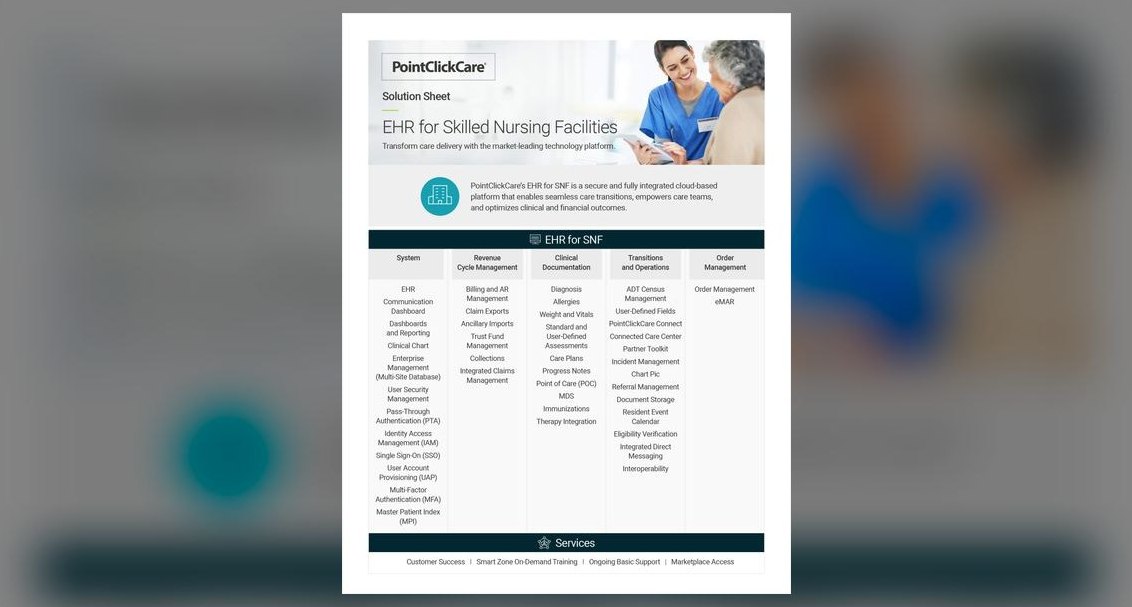 pulse-tech-stacksTop 10 Tech Stacks for Senior Living Facilities in 2027
 pulse-tech-stacksWhat is the best tech stack for an AI agent framework in 2027?
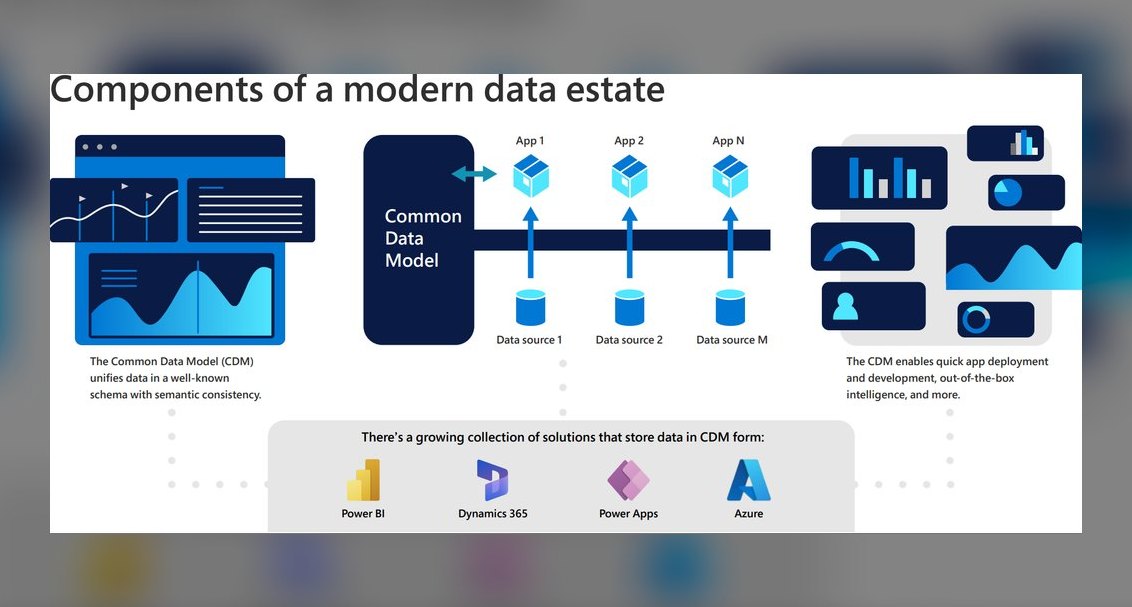 pulse-tech-stacksThe Microsoft Dynamics vs. Salesforce Stack for a Multi-Location Service Business in 2027
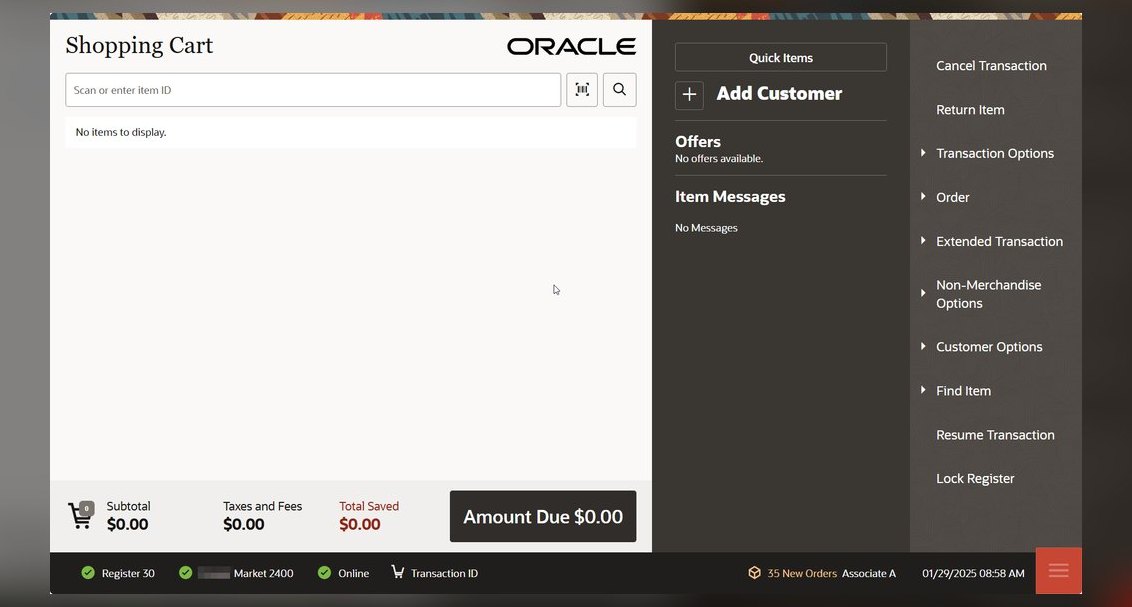 pulse-tech-stacksTop 10 tech stack differences between a multi-location retail chain and a single-store operator in 2027
 pulse-tech-stacksTop 10 Tech Stacks for a Multi-Location Specialty Retailer in 2027
 pulse-tech-stacksWhat is the best tech stack for a cannabis cultivation facility in 2027?
 pulse-tech-stacksTop 10 Data Warehouses for Modern Data Teams in 2027
 pulse-tech-stacksWhat is the best tech stack for a pet grooming or boarding facility in 2027?