
What are the first signs of hip dysplasia in a German Shepherd puppy?
 Curated byKory White · Fractional CRO · Maryland
 PULSEKNOWLEDGE LIBRARY
Quality
Certified
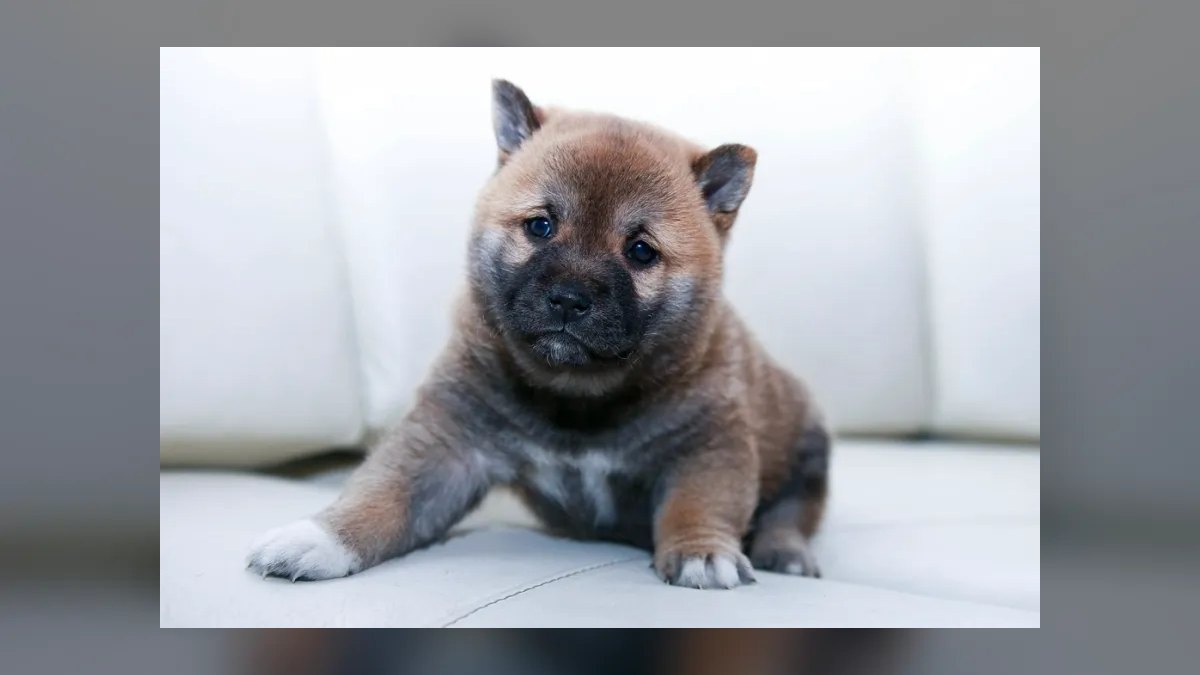
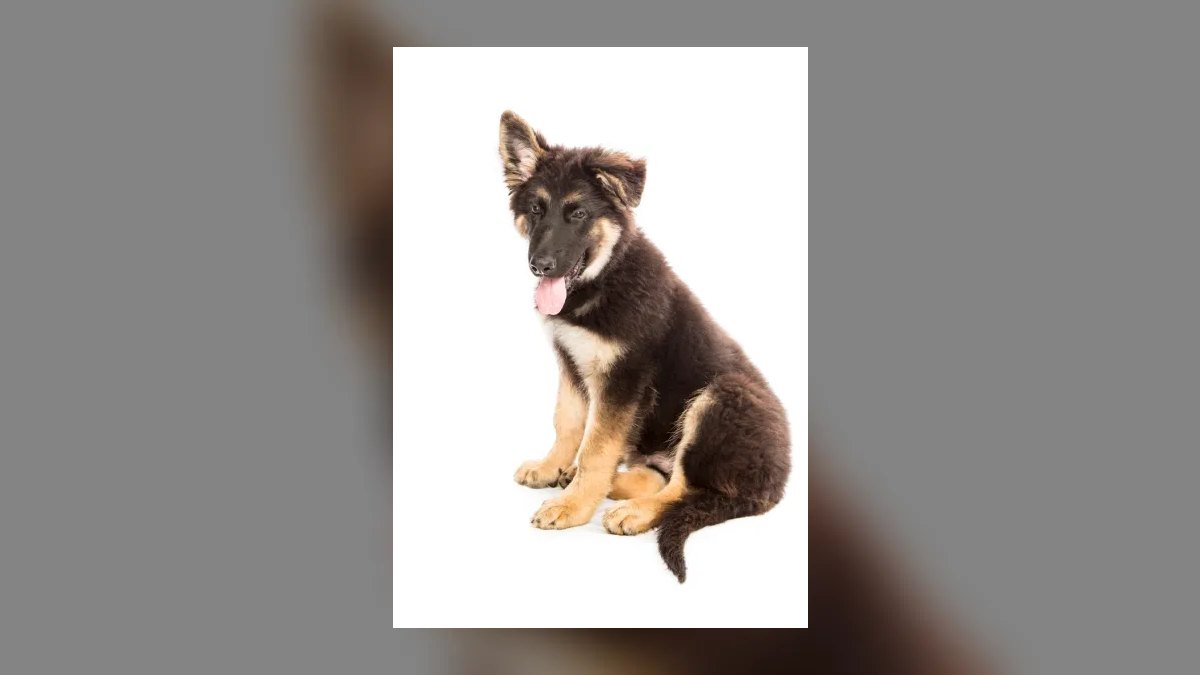
The first signs of hip dysplasia in a German Shepherd puppy usually appear between four and twelve months: a bunny-hopping rear gait, difficulty rising after naps, reluctance on stairs, a swaying back end, and shortened play sessions. Many puppies also sit with one leg splayed sideways instead of squarely underneath them.
Two ways owners actually catch it: watching versus screening
Every German Shepherd owner ends up choosing between two detection strategies, and the choice matters more than most people realize because it determines *when* you find out, not *whether* you do.
The first path is observational monitoring — you watch your puppy, you know what normal looks like for their age, and you act when something changes. It costs nothing, it requires no appointments, and it can flag a problem within days of onset if you are attentive. The weakness is that it is entirely retrospective: behavioral signs only appear once the joint is already loose enough to hurt or once compensation patterns have set in. By the time a puppy bunny-hops reliably, the femoral head has usually been subluxating for weeks. Observation also suffers badly from the littermate problem — if you have one puppy and no baseline, "a bit lazy" reads as personality, not pathology.
The second path is proactive radiographic screening, most commonly the PennHIP distraction-index protocol, which can be performed from sixteen weeks of age. Instead of waiting for symptoms, you measure the actual joint laxity under sedation with a distraction device and get a numerical distraction index (DI) that predicts osteoarthritis risk. A German Shepherd with a DI under about 0.3 is at low risk; above roughly 0.7 the joint is very lax and degenerative change is close to inevitable. The standard OFA (Orthopedic Foundation for Animals) hip-extended view is the other common radiographic route, though OFA only issues final certifications at 24 months, with preliminary readings available earlier.
The trade-off is straightforward. Observation is free, continuous, and low-stress, but late and non-specific. Screening is early, quantitative, and actionable while the growth plates are still open — but it costs money, requires sedation, and requires a certified practitioner. Most experienced German Shepherd owners do both: watch daily, and screen once at four to five months if the breed line, the litter history, or the first suspicious gait makes it worth knowing early.
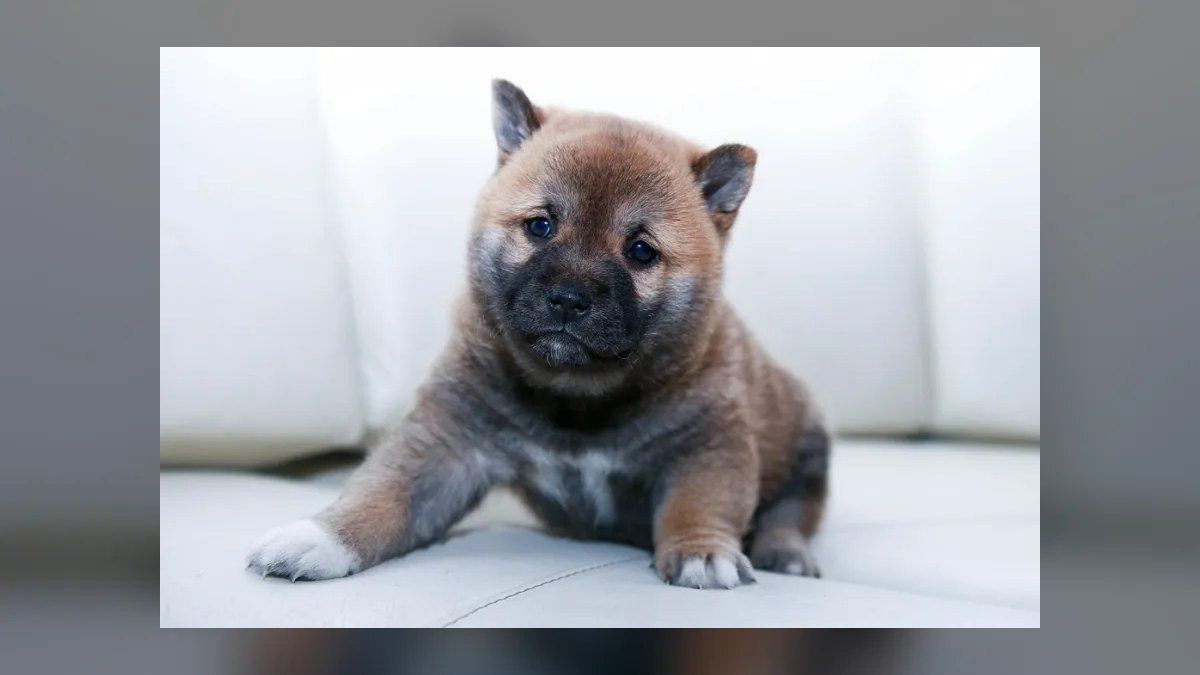
There is a third option worth naming even though it isn't really a detection method: waiting for the vet to find it during a routine visit. This is the default for most owners and it is the worst of the three, because a wellness exam on a wiggly five-month-old puppy rarely includes a proper Ortolani maneuver, and a puppy that has been resting in a waiting room for twenty minutes will often walk out of the exam room looking perfectly sound.
Reading the specific signs, one by one
Bunny hopping. The single most characteristic early sign. Instead of alternating the rear legs at a trot or canter, the puppy moves both hind limbs together like a rabbit. It shows up first at speed, on stairs, and when climbing into the car — the situations that demand the most hip extension. A puppy that bunny-hops occasionally during exuberant play at twelve weeks may simply be uncoordinated; a puppy that bunny-hops every time it accelerates at six months is telling you something.
Difficulty rising. Watch the first thirty seconds after a long nap. A healthy German Shepherd puppy pops up. A dysplastic one levers itself up front-end first, sometimes taking two or three attempts, then loosens up after a minute of movement. This "warm-out-of-it" pattern is classic joint pain and it is the reason so many owners miss it — by the time they think to look, the puppy is walking normally again.
The frog sit. A puppy that habitually sits with one or both hind legs kicked out to the side rather than folded underneath is avoiding full hip flexion. Some puppies frog-sit occasionally with no pathology at all, so the signal is in the *consistency* and in whether it appeared as a change.
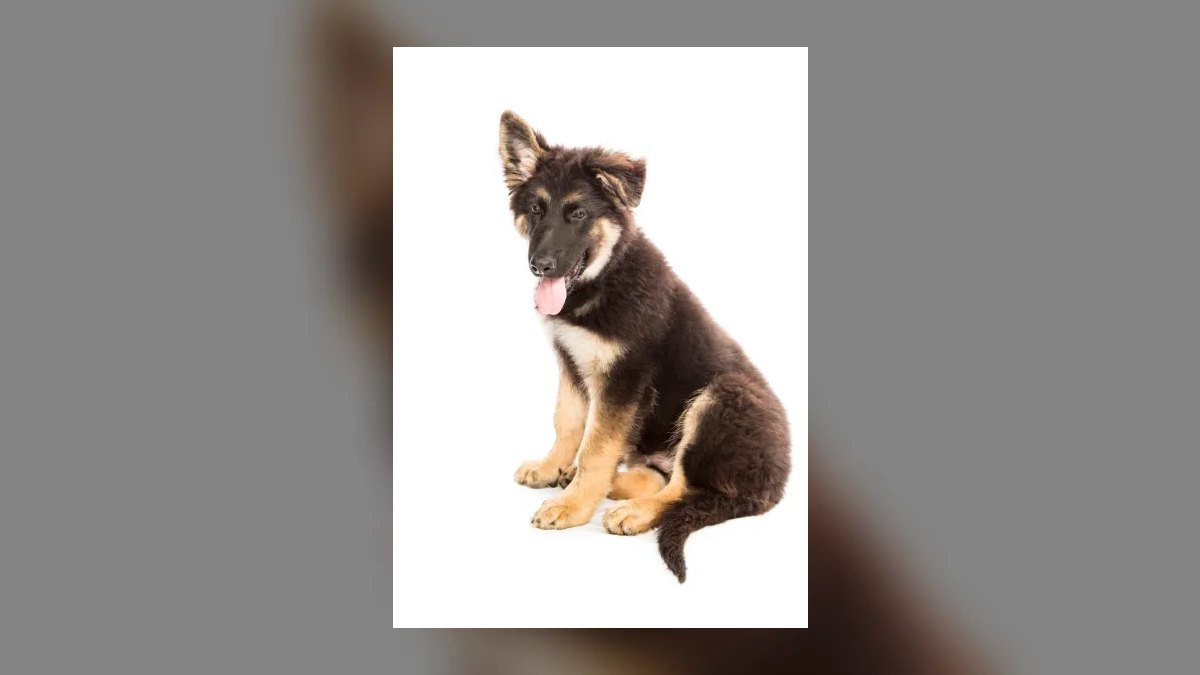
Narrow rear stance and sway. From behind, the hocks come closer together than the hips, and the pelvis rocks side to side at a walk. This is gluteal weakness plus the femoral head riding the edge of a shallow acetabulum.
Reduced play endurance. The puppy still initiates play but quits early, lies down mid-game, or trades running for chewing. This is often the very first thing to change, weeks before any visible gait abnormality.
Reluctance on stairs and jumps. Hesitating at the bottom of a staircase, taking stairs one at a time, or refusing to jump into a vehicle they previously cleared easily.
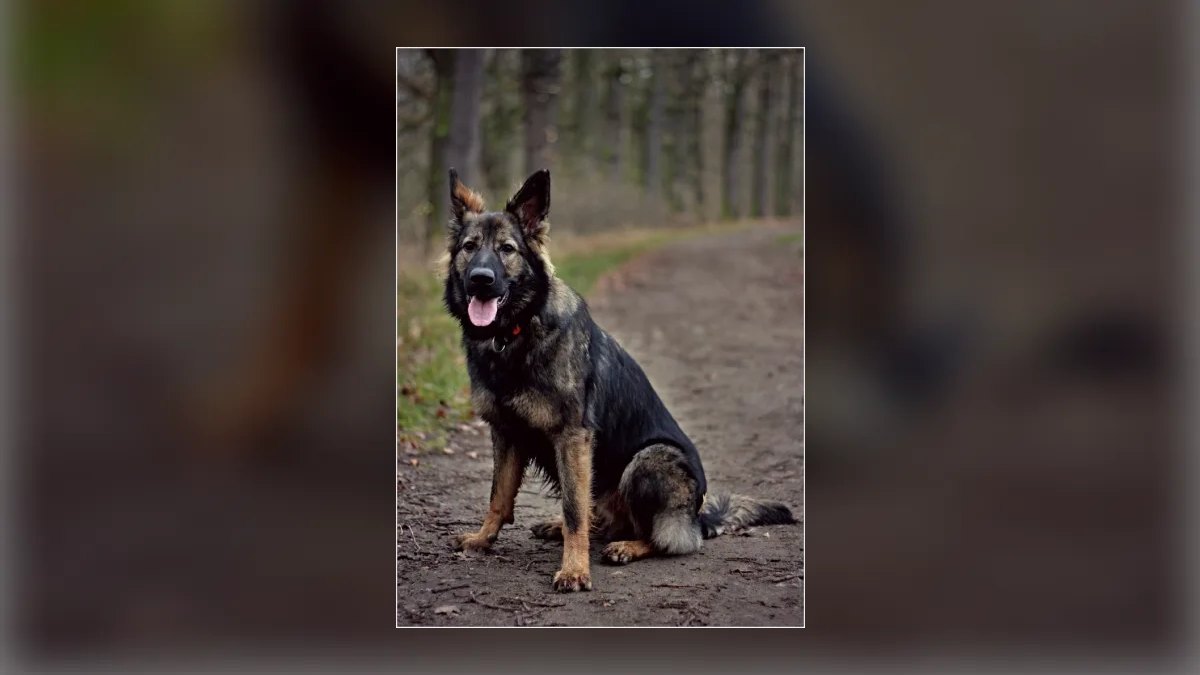
Audible clicking. Some owners hear a soft click or clunk as the puppy walks. That sound is the femoral head moving in and out of the socket, and it is worth a same-week vet visit.
Pain on manipulation. A vet extending the hip backward may get a flinch, a tensed abdomen, or a head turn. On an awake puppy this test is unreliable because tension masks laxity — it is why sedation matters for a real assessment.
The numbers that separate normal puppy clumsiness from a real problem
Concrete thresholds make the difference between anxious over-monitoring and useful vigilance.
Age windows. Hip dysplasia has two classic presentation peaks. The first is four to twelve months, driven by joint laxity and micro-fracture of the acetabular rim during rapid growth — this is the puppy presentation and the one this question is about. The second is in mature dogs, five years and up, when secondary osteoarthritis has accumulated. A German Shepherd showing hind-end trouble at seven months is in the first window.
Heritability. Hip dysplasia is polygenic with heritability estimates generally reported in the 0.2 to 0.6 range depending on population and scoring method. That is high enough that parental hip scores meaningfully shift your puppy's odds, and low enough that two OFA-Excellent parents do not guarantee a clear puppy. Environment — growth rate, body condition, exercise type — carries real weight.
Growth rate and body condition. This is the lever owners actually control. Restricting food intake to maintain a lean body condition through growth has been shown in long-term breed studies to substantially reduce both the incidence and the severity of hip dysplasia and to delay osteoarthritis onset by years. Target a body condition score of 4 to 5 out of 9: ribs easily felt under light pressure, a visible waist from above, an abdominal tuck from the side. If you cannot feel ribs without pressing, the puppy is heavy, and every extra pound is loading a joint that is still forming cartilage.
Feeding specifics. Use a large-breed puppy formula. The calcium level matters more than the protein level — excess calcium during growth is directly implicated in developmental orthopedic disease, and this is the reason you should never add a calcium supplement on top of a complete commercial diet. Feed measured meals three times daily until about six months, then twice daily. Free-feeding a German Shepherd puppy is the single easiest way to accelerate the problem.
Diagnostic timing. PennHIP distraction radiographs can be taken from sixteen weeks. OFA preliminary evaluations are commonly done from four months; the final certification is at twenty-four months. If you want an answer while there is still time to change the trajectory, sixteen weeks to six months is the window.
Surgical windows are age-gated. Juvenile pubic symphysiodesis (JPS) is only viable in a narrow window — roughly twelve to twenty weeks, before the pubic symphysis has done most of its growing. Miss it and it is off the table permanently. Double or triple pelvic osteotomy (DPO/TPO) requires a lax but not yet arthritic joint, generally under about ten months. Femoral head and neck excision (FHO) and total hip replacement (THR) remain available later. The practical consequence: the earlier you detect, the more options remain open, and the cheapest interventions are the ones with the tightest deadlines.
Cost ranges. Radiographic screening typically runs a few hundred dollars including sedation. Surgical costs vary widely by region and by facility, with total hip replacement being the most expensive option and usually quoted per hip. Get written estimates from a board-certified surgeon rather than relying on any published figure — and note that most pet insurance excludes conditions diagnosed before enrollment, which is a strong argument for enrolling a German Shepherd puppy the week you bring them home rather than after the first suspicious limp.
What else it might be, and why that matters early
Misattributing a symptom costs weeks. Several conditions overlap heavily with the first signs of hip dysplasia in German Shepherds specifically.
Panosteitis. Very common in this breed between five and twelve months. Presents as shifting lameness that migrates between limbs, often with pain on deep palpation of the long bone shafts rather than the joints. It hurts, it is self-limiting, and it resolves with maturity. The tell: hip dysplasia lameness stays in the rear and does not migrate to a front leg.
Osteochondritis dissecans (OCD). Affects shoulder, elbow, stifle, or hock. A puppy compensating for a sore shoulder shifts weight backward and can look rear-end weak to an untrained eye.
Lumbosacral disease and transitional vertebrae. German Shepherds are overrepresented for lumbosacral transitional vertebrae, which produce hind-limb weakness, a swaying gait, and pain on lumbosacral pressure — a near-perfect mimic of hip pain. Radiographs distinguish them; behavior often does not.
Cranial cruciate ligament injury. Less common in young puppies, but a partial tear produces rear-limb lameness and a sit-with-leg-out posture that reads as a frog sit.
Degenerative myelopathy. Not a puppy disease — it is a middle-aged-to-older German Shepherd condition — but it matters because owners who have known an older dysplastic Shepherd sometimes pattern-match incorrectly. DM is painless and progressive; dysplasia hurts.
Simple growth clumsiness. A twelve-week-old puppy that trips over its own feet, bunny-hops once in a while during zoomies, and sleeps eighteen hours a day is behaving normally. The signal is change over time in a specific direction, not any single observation.
The practical differentiator is a proper orthopedic exam under sedation. Awake, a tense puppy can hide meaningful laxity, and pain guarding produces false localization. Sedated, the Ortolani maneuver becomes reliable, and positioning for radiographs is accurate rather than approximate.
Building the monitoring and intervention sequence
The most useful thing an owner can do is turn vague watchfulness into a repeatable routine.
Establish a baseline in the first week. Take a thirty-second video of the puppy trotting away from and toward the camera on a flat, non-slip surface, plus a clip of them rising from a down. Repeat monthly, always in the same place and lighting. Comparison against your own footage from six weeks ago is far more sensitive than memory, and it is the single most valuable thing you can hand a veterinarian.
Fix the environment before symptoms appear. Hard floors are the enemy. Every splayed slip on tile or laminate loads a lax joint at a bad angle. Run rugs or runners along the routes the puppy actually uses — bed to door, kitchen to crate. Block stair access with a gate until skeletal maturity. Use a ramp for the car rather than letting a puppy jump down from a tailgate.
Control the exercise type, not just the amount. Sustained trotting on soft, even ground builds the gluteal and hamstring muscle that stabilizes a loose hip. Repetitive high-impact activity does the opposite: fetch with hard stops and pivots, jumping for a frisbee, and long sessions on concrete all concentrate force through the joint. Swimming and controlled leash walks are the two best conditioning tools for an at-risk German Shepherd puppy. Formal agility jumping should wait until growth plates close, typically well past twelve months in this breed.
Escalate on a defined trigger, not a feeling. Decide in advance what earns a vet visit: any audible click, any lameness lasting more than seventy-two hours, any rising difficulty that persists a week, or any measurable drop in willing activity. Writing the trigger down prevents the slow normalization that causes most delayed diagnoses.
If it is confirmed, sequence the response. Weight and body condition first — it is free, it is the highest-leverage intervention, and it works. Then structured physiotherapy: underwater treadmill, controlled hill work, sit-to-stand repetitions. Then pain management under veterinary direction, with the important caveat that no human NSAID is safe for a dog. Then, and only then, the surgical conversation, timed against the age windows above.
Adjacent effects most owners underestimate
Hip dysplasia does not stay in the hips, and the downstream consequences often surface before anyone connects them to the joint.
Compensatory overload. A puppy shifting weight forward develops disproportionately heavy shoulders and neck musculature while the hindquarters visibly shrink. Run your hands over both thighs — asymmetry between left and right, or thin thighs against a bulky front, is a physical finding you can detect at home. Chronic forelimb overload contributes to elbow and carpal wear over years.
Training regression. A puppy that has learned "sit" and starts refusing it, or a house-trained puppy that starts having accidents because standing up and getting outside is unpleasant, is often read as stubbornness or a training failure. Sudden loss of a reliably trained behavior involving posture deserves a physical explanation before a behavioral one.
Temperament shifts. Chronic discomfort in a working breed can look like reactivity, resource guarding around rest spots, or new sensitivity to being handled around the hindquarters. Grooming that used to be easy becomes a fight.
Crate and rest behavior. Circling repeatedly before lying down, choosing hard cool floors over soft bedding, or shifting position frequently overnight all point at joint discomfort.
The breeder conversation. If you have a confirmed diagnosis in a puppy from a breeder, that information belongs with them — not as an accusation, but because hip dysplasia is polygenic and breeders can only improve their lines with honest phenotype feedback from placed puppies. Reputable German Shepherd breeders health-test breeding stock through OFA or the equivalent European scheme and generally want to know. Many contracts include a hip guarantee; read what it actually requires before the diagnostic appointment, since some specify particular radiographic protocols or age windows.
Insurance and timing. Pre-existing-condition exclusions are the reason enrollment timing matters enormously for this breed. A policy taken out at eight weeks covers a diagnosis at eight months. A policy taken out after the first documented limp very likely does not cover the hips at all.
Related questions
At what age can hip dysplasia first be diagnosed?
Joint laxity can be measured radiographically from about sixteen weeks using the PennHIP distraction protocol. OFA preliminary readings are commonly done from four months, with final certification at twenty-four months. Clinical signs often appear between four and twelve months, sometimes earlier in fast-growing puppies.
Can a German Shepherd puppy grow out of hip dysplasia?
No. It is a structural malformation of the joint and it does not resolve on its own. What can change dramatically is the trajectory — lean body condition, controlled exercise, physiotherapy, and appropriately timed surgery can keep a dysplastic dog comfortable and functional for many years.
Does bunny hopping always mean hip dysplasia?
No. Young puppies bunny-hop occasionally during play, and the gait also appears with lumbosacral disease, bilateral stifle problems, and some neurological conditions. It becomes meaningful when it is consistent, appears as a change, or pairs with difficulty rising and reduced play endurance.
Do two OFA-certified parents guarantee clear hips?
They meaningfully reduce risk but guarantee nothing. Hip dysplasia is polygenic with moderate heritability, so clear parents can produce affected puppies. Ask for hip scores on both parents and, ideally, on siblings and previous litters — breadth of family data predicts better than two individual results.
Should I restrict exercise if I suspect a problem?
Restrict the type before the amount. Stop forced jumping, hard-stop fetch, stairs, and running on concrete immediately. Keep controlled leash trotting and swimming, which build the stabilizing musculature. Total rest weakens the muscles the joint depends on, so complete confinement is rarely the right answer.
FAQ
What is the very first thing owners usually notice?
Most commonly it is not the gait at all — it is reduced play endurance. The puppy still wants to play but stops sooner, lies down mid-game, or trades running for chewing. The bunny hop and the difficulty rising typically follow weeks later, once compensation patterns are established.
Is the Ortolani test something I can do at home?
No. It requires specific positioning and enough relaxation that most puppies need sedation for a reliable result, and improper manipulation of an already unstable joint can cause harm. Record video of the gait and the puppy rising, and let a veterinarian perform the hands-on exam.
How much does an early screening radiograph cost?
Typically a few hundred dollars including sedation, varying substantially by region and practice. Ask specifically whether the quote includes sedation, the radiologist's reading, and submission fees, since those are often quoted separately and are the source of most estimate surprises.
Will supplements prevent hip dysplasia?
Nothing prevents the underlying malformation, which is genetic and developmental. Joint supplements such as glucosamine, chondroitin, and omega-3 fatty acids are commonly used adjuncts for comfort and are generally considered low-risk, but evidence for structural benefit is modest. Discuss any supplement with your veterinarian, and never add calcium to a complete puppy diet.
Should I neuter my German Shepherd puppy early if hips are a concern?
Discuss timing with your veterinarian. Early gonadectomy in large breeds delays growth-plate closure and has been associated in some breed-specific research with increased rates of certain joint disorders. It is a real trade-off against other health and management considerations, and it is a conversation worth having explicitly rather than defaulting to a clinic's standard age.
My puppy's hips look fine at six months — am I in the clear?
Not entirely. A normal radiograph at six months is genuinely good news but not a final answer, since laxity can be present without visible arthritic change and OFA certification only happens at twenty-four months. Keep the body condition lean and the exercise controlled through skeletal maturity regardless.
Sources
- Orthopedic Foundation for Animals — Hip Dysplasia
- PennHIP — University of Pennsylvania School of Veterinary Medicine
- American College of Veterinary Surgeons — Canine Hip Dysplasia
- American Kennel Club — Hip Dysplasia in Dogs
- Cornell University College of Veterinary Medicine — Canine Health
- Merck Veterinary Manual — Hip Dysplasia in Dogs
- WSAVA Global Nutrition Guidelines
- VCA Animal Hospitals — Hip Dysplasia in Dogs
- German Shepherd Dog Club of America — Health
Related on PULSE
- [What are the first steps to take if my dog eats something toxic?](/knowledge/pt0113)
- [What is the best way to house train a puppy?](/knowledge/pt0105)
- [What are the signs of a food allergy in cats and how do I switch their diet safely?](/knowledge/pt0018)
- [Top 10 fungal infection signs 2027](/knowledge/pt0309)
- [What are the signs of a healthy aquarium water cycle?](/knowledge/pt0107)
This page will be disappearing soon. Save it to your device for $1 — or read it free while it is here.
@Kory-White- · if Venmo asks, the last 4 of my number are 2012
 pulse-petsTop 10 red aquarium plants 2027
 pulse-petsTop 10 Aquarium LED Lights 2027
 pulse-petsTop 10 Corydoras Pygmaeus Schooling Catfish 2027
 pulse-petsTop 10 Betta Fish Tanks 2027
 pulse-petsTop 10 aquarium tanks under 20 gallons 2027
 petsTop 10 aquarium water change frequency guidelines in 2027
 pulse-petsTop 10 aquarium maintenance tips 2027
 pulse-petsTop 10 aquarium heater placement 2027
 petsWhat to do if my betta fish is lying on the bottom but still eating?
 petsHow much does it cost to spay a large breed dog in the US in 2027?