


When is the best time to book a luxury resort in the Maldives for the lowest rates in 2027?
Quality
Certified

Book Maldives luxury resorts for travel in May, June, September, or early October 2027 — the southwest monsoon low season, when nightly rates typically fall 30–50% below December–March peak. Reserve roughly 6–10 months ahead to catch early-bird offers; last-minute deals exist but rarely at the best villas.
What the Maldives rate calendar actually looks like
The Maldives has one of the most rigid seasonal pricing structures in luxury travel, and understanding it is the whole game. Nearly every resort publishes a rate card divided into named seasons, and those season boundaries — not demand fluctuations — determine what you pay. A typical card for 2027 will break the year into something like: Peak/Festive (roughly 20 December to 5 January), High Season (January through March or mid-April), Shoulder (April, plus late October through November), and Low/Green Season (May through September, sometimes stretched to early October).
The price spread between those bands is dramatic. A water villa that sells for USD 1,800–2,500 per night over the New Year window at an established five-star property will often list at USD 900–1,300 in February, and USD 550–850 in June. Ultra-luxury brands compress the ratio slightly at the top — a private-island resort charging USD 5,000+ in festive season may still ask USD 2,800 in low season — but the direction is identical everywhere. The rule of thumb practitioners use: low season runs 30–50% below high season for the same villa category, and festive adds another 40–100% on top of high season.
The driver is weather, specifically the two monsoons. The northeast monsoon (*iruvai*) runs roughly December to April and brings dry, calm, low-humidity conditions with the clearest lagoon water — this is why it is high season. The southwest monsoon (*hulhangu*) runs roughly May to November and brings more rain, more wind, and choppier seas. But "monsoon" in the Maldives does not mean weeks of grey drizzle. It typically means short, intense downpours that clear within an hour or two, embedded in otherwise sunny days. Average sunshine in June still runs around 7–8 hours a day. Rainfall in the wettest months averages roughly 200–250 mm across the month — real, but delivered in bursts, not as constant cover.
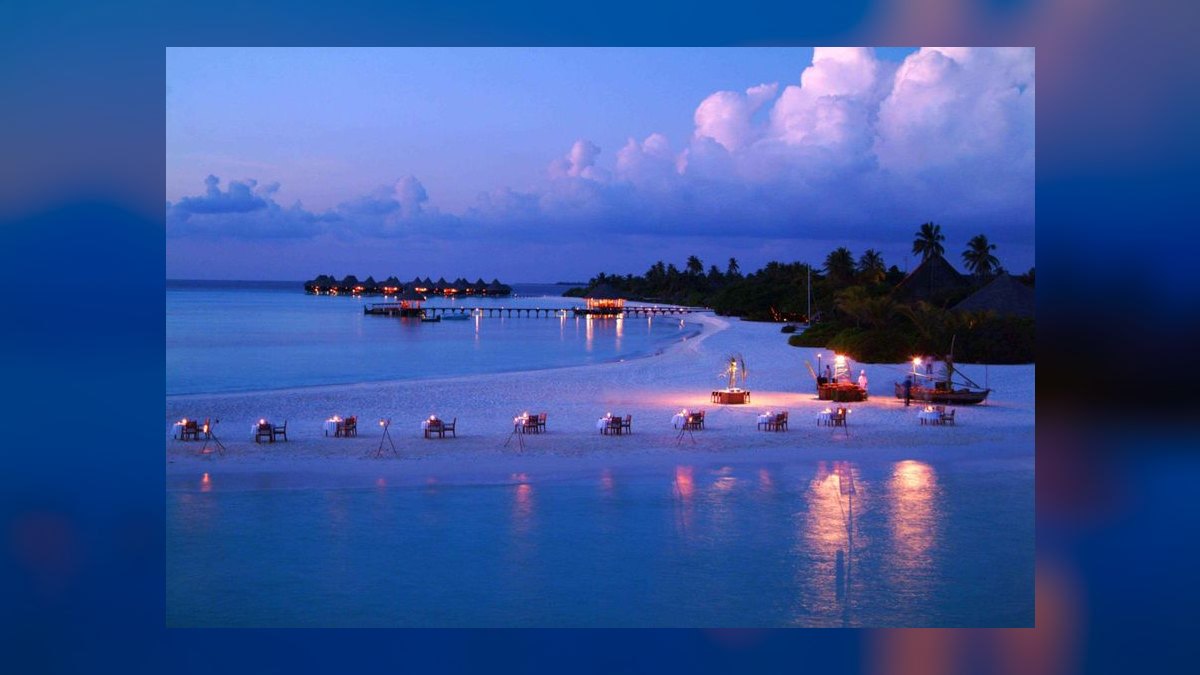
The secondary driver is source-market holidays. Chinese New Year (which falls in February 2027), European Easter, Russian New Year, and the northern-hemisphere summer school holidays all create demand spikes that override the base calendar. Late July and August are technically low season by weather, but European family travel pushes rates up 15–30% versus June and September at family-friendly resorts. Ramadan and Eid shift each year on the Gregorian calendar and move Gulf-market demand with them. The genuinely cheapest windows are therefore the low-season months that contain no major source-market holiday: May, June, and September, with the first half of October close behind.
There is a third factor almost nobody prices in: resort supply. The Maldives has added new luxury properties nearly every year for a decade, and each opening pushes competitors to defend occupancy with offers. When a big new resort opens in an atoll, neighbouring properties often quietly extend stay-pay promotions or raise free-nights counts in the following low season. That is why watching new-opening announcements for 2026–2027 is a legitimate rate-shopping signal, not trivia.
The step-by-step booking process that actually finds the lowest rate
The lowest Maldives rate is almost never the first number you see. It is the outcome of a sequence: pick the window, establish a baseline, layer the discount mechanics, then hold the reservation while conditions improve. Here is the process in order.
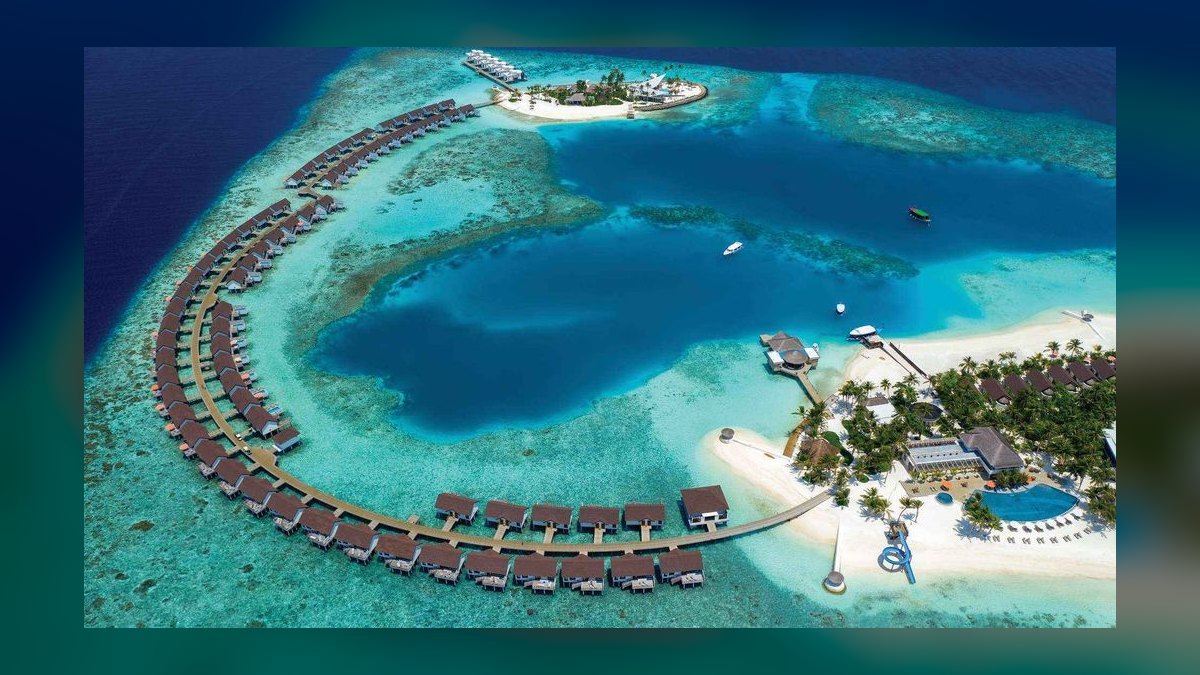
Step one — fix the travel window before you shop. Decide on May, June, September, or the first half of October 2027. Avoid the last ten days of December and the first week of January entirely unless the trip is non-negotiable for those dates. If you have any flexibility at all, mid-week arrivals (Tuesday/Wednesday) sometimes escape weekend minimum-stay rules on seaplane transfer schedules and occasionally price marginally lower.
Step two — build a baseline across three to six properties. Do not shop one resort. Pull the published rate for the same villa category, the same nights, on the same board basis from three to six comparable resorts. This is the single most common mistake: comparing a bed-and-breakfast rate at one property against a half-board rate at another and concluding one is cheaper. Normalise everything to the same board level before you compare.
Step three — check the resort's own website against the aggregators. Maldivian resorts increasingly run best-rate-guarantee direct offers that include resort credit, free transfers for longer stays, or upgraded board. Online travel agencies sometimes undercut on the headline number but exclude inclusions worth USD 100–300 a night. Compare the *total* landed cost including transfer, board, and taxes — never the nightly headline.
Step four — apply the discount mechanics deliberately. These are the levers, roughly in order of value: early-bird booking discounts (typically 15–30% for booking 60–120+ days out), stay-pay offers (stay 4 pay 3, stay 7 pay 5), free half-board or full-board upgrades, honeymoon or anniversary inclusions, free child stays and kids-club inclusions, complimentary seaplane or speedboat transfer on stays of 5+ nights, and loyalty-programme redemptions if you hold status.
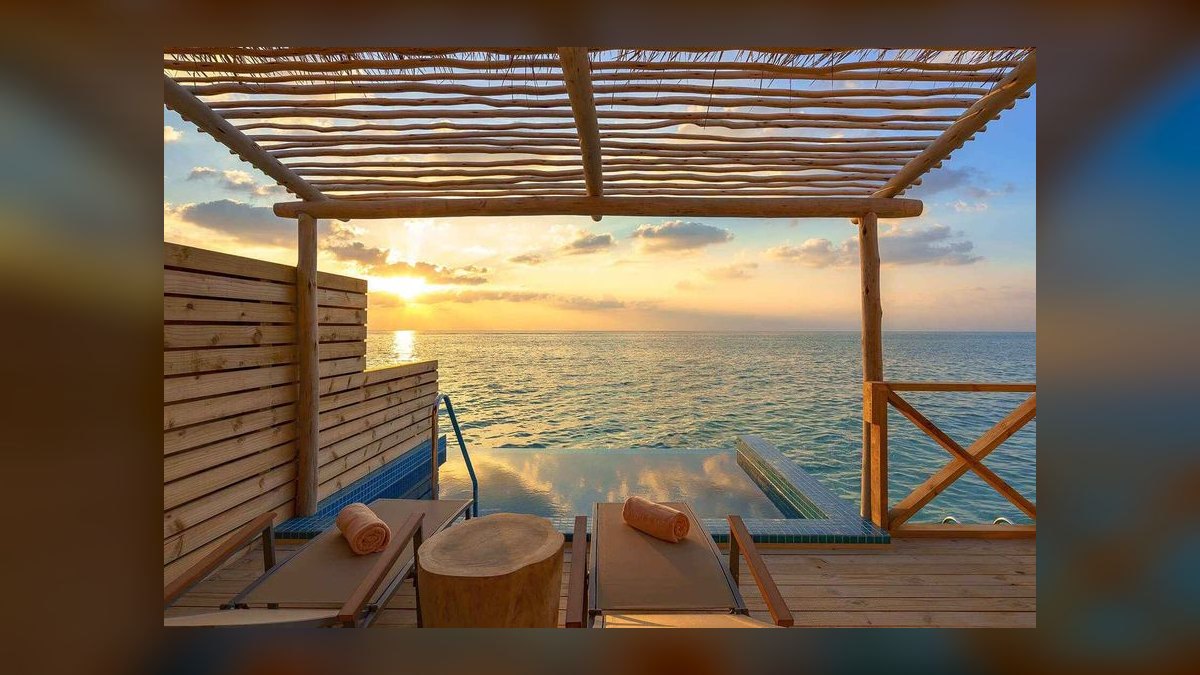
Step five — book refundable, then re-shop. Most luxury Maldives resorts allow free cancellation until 21–30 days before arrival in low season (the window tightens to 45–60 days in high season and can hit 90 days for festive). Book a refundable rate early to lock inventory, then re-check every four to six weeks. If a better offer appears, rebook and cancel the original. This is legitimate, widely practised, and the single highest-yield habit in Maldives booking.
Step six — price the transfer separately and early. Seaplane transfers are a large, often-forgotten cost and they are quoted per person, round trip. Budget roughly USD 400–800 per adult round trip for seaplane, USD 200–500 for a domestic flight plus speedboat combination, and USD 100–350 for a direct speedboat to a nearby-atoll resort. Seaplanes fly in daylight only, which can force an unplanned overnight in Malé and add cost.
Costs, timelines, and typical ranges to budget against
Concrete numbers make the decision tractable. The figures below are typical published ranges for the Maldives luxury tier and should be treated as planning bands, not quotes — every property differs and rates move.
Nightly villa rates by season. At an established five-star resort, a beach villa commonly runs USD 500–900 per night in low season, USD 900–1,500 in high season, and USD 1,500–2,800 over festive. An overwater villa with a pool typically runs USD 800–1,400 low, USD 1,400–2,400 high, and USD 2,400–4,500 festive. Ultra-luxury and private-island properties start where those ranges end and can run several times higher. Rates are almost always quoted per villa, not per person, but board and taxes are frequently quoted per person per night — read carefully.

Taxes and mandatory charges. These are not optional and they are large. Expect a service charge of around 10%, a goods and services tax on tourism services in the low-to-mid teens as a percentage, and a per-person, per-night green tax. Together these commonly add 25–35% to the quoted villa rate. A USD 800 nightly rate is realistically USD 1,000–1,080 landed before food and transfers. Always ask for an all-in quote.
Board basis. Bed-and-breakfast is the base. Half board (breakfast plus dinner) typically adds USD 120–220 per adult per night. Full board adds USD 180–300. All-inclusive at a luxury property commonly runs USD 250–450 per adult per night and is often the best value at remote resorts where there is no alternative to resort dining. Do the arithmetic: if a la carte dinner for two runs USD 200–300 with drinks, a half-board supplement at USD 150 per person is roughly break-even, and all-inclusive wins if you drink.
Booking timeline. The practical schedule for 2027 travel looks like this. 10–14 months out: early-bird windows open; the deepest advance-purchase percentages appear here, but they are usually non-refundable or heavily restricted. 6–10 months out: the sweet spot — refundable rates plus meaningful early-bird discounts plus real villa-category availability. This is the recommended booking window. 3–6 months out: early-bird offers begin to expire; stay-pay offers and board upgrades appear to fill soft dates. 1–3 months out: low-season flash offers and resort-credit promotions appear on unsold inventory; villa choice narrows sharply. Inside 30 days: genuine last-minute discounting exists in low season, but it is a lottery — the best villa categories and the well-reviewed properties are typically gone, and flights have usually risen enough to erase the saving.

Flights. Long-haul airfare to Malé follows a different curve than resort rates and often peaks with school holidays in your origin market rather than with Maldives seasons. Booking flights 4–8 months out is a reasonable default for long-haul economy; premium cabins on award redemption often need 9–11 months. A cheap resort rate paired with a peak-priced flight is not a cheap trip — always model the two together.
Minimum stays and blackout rules. Festive periods typically impose 5–10 night minimums plus a compulsory gala dinner supplement of USD 200–600 per person on 24 and 31 December. Low season rarely imposes minimums beyond 2–3 nights, which is another reason it is the cheapest way to sample a resort.
Where travellers get it wrong
Chasing last minute. The most persistent myth is that waiting produces the lowest rate. In low season a resort with unsold rooms will discount, but the properties that discount hardest late are usually the ones that were struggling for a reason. Meanwhile the resorts people actually want — the well-reviewed, well-run ones — sell their low-season inventory steadily and have no reason to slash. The disciplined approach is the refundable-early-booking-plus-re-shop loop above, which captures downside without gambling on availability.
Comparing nightly rates instead of total cost. A USD 650 headline that becomes USD 1,150 after tax, service charge, green tax, half board and a USD 550-per-person seaplane is not cheaper than a USD 850 headline that includes transfers and full board. Build a per-trip total for every candidate resort. This one habit changes the ranking more often than any other.
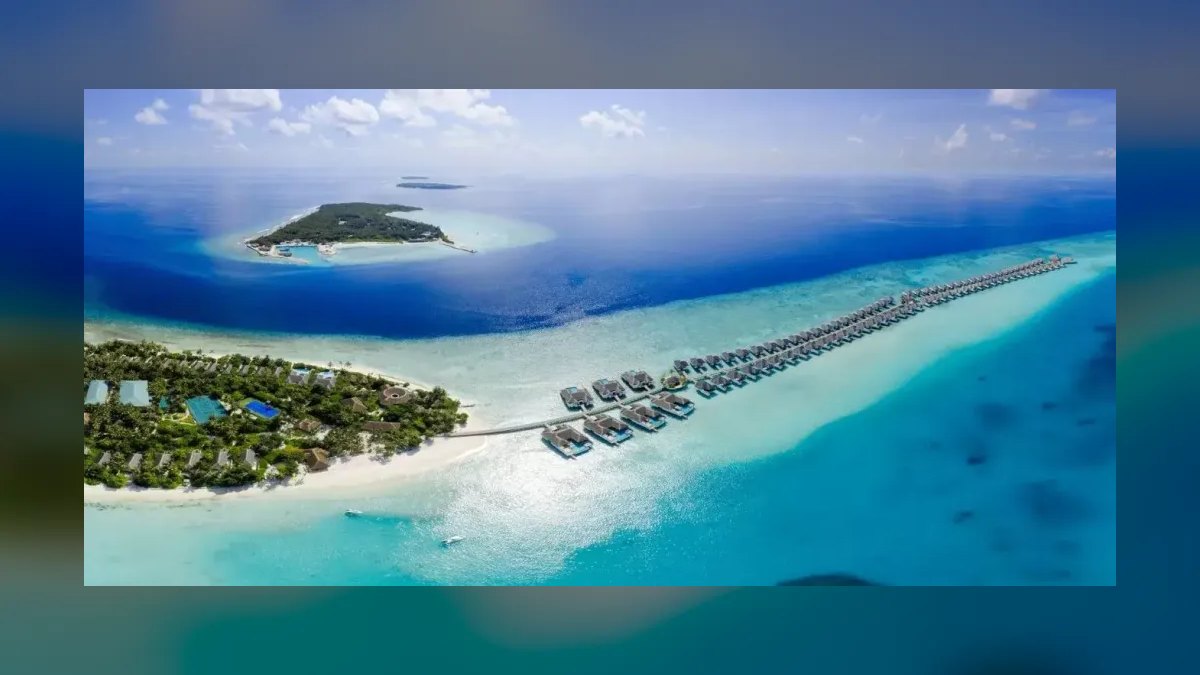
Ignoring the atoll. Resorts in North and South Malé Atoll are reachable by speedboat in 20–50 minutes, which removes the seaplane cost entirely and removes the daylight-only constraint. Resorts in Baa, Raa, Noonu, Lhaviyani and further south generally require a seaplane or a domestic flight plus a boat. For a couple, choosing a near-atoll property can save USD 800–1,400 in transfers alone — often more than the villa-rate difference between two comparable resorts.
Treating monsoon rain as a trip-ruiner. Low season weather is genuinely more variable and there will be days with real rain and choppy water. But the trade is a 30–50% rate cut, emptier resorts, better staff-to-guest ratios, and — for divers and snorkellers — the southwest monsoon plankton bloom that draws manta rays and whale sharks to certain atolls between roughly May and November. If the priority is marine life rather than mirror-flat lagoons, low season is not a compromise at all.
Assuming all low-season months are equal. They are not. Late July and August carry European school-holiday demand. May, June and September are the genuinely soft months. Booking "low season" without checking which low-season month can cost 15–30% for no reason.
Booking a non-refundable rate too early. The deepest advance-purchase discount is often non-refundable, and it removes your ability to run the re-shop loop. Unless the discount gap versus the refundable rate exceeds roughly 15–20%, the flexibility is usually worth more than the extra saving — especially 10+ months out, when both flight schedules and personal plans can change.

Forgetting the Malé overnight. Seaplanes operate in daylight only, roughly 06:00 to 16:00. A long-haul flight landing in the evening means either a night in a Malé or Hulhumalé hotel plus a morning seaplane, or a resort that takes speedboats after dark. That is an unbudgeted USD 150–400 plus a lost half-day, and it disproportionately affects the far-atoll resorts that looked cheapest on the villa rate.
Overlooking the guesthouse-island alternative. It does not replace a luxury resort, but on longer trips some travellers split: a few nights on a local island at a fraction of the cost, then the resort stay at the low-season rate. It is a legitimate way to extend a Maldives trip without extending the resort bill.
Decision framework: choosing your window and your booking posture
The right answer depends on which constraint binds hardest — budget, weather certainty, dates, or villa preference. Work through it in this order.
If the lowest possible rate is the binding constraint: target June or September 2027, choose a North or South Malé Atoll resort to eliminate seaplane cost, book a refundable rate 6–9 months out with an early-bird discount, take half board rather than all-inclusive unless you drink, and run the re-shop loop monthly. This combination realistically lands 40–55% below the same trip in February.
If weather certainty is the binding constraint: you are buying high season and should optimise differently. Book 9–12 months out, use early-bird advance-purchase discounts aggressively, avoid the festive window and Chinese New Year, and target late January or the first half of March — inside high season but outside its own peaks. Expect to pay high-season rates; the saving comes from avoiding the peaks within the peak, typically 10–20%.

If your dates are fixed by school holidays: you have the least leverage on timing, so shift leverage to inclusions. Target resorts with free-child-stay and free-kids-club policies, which can be worth more than any rate discount for a family of four. Book early — family villa inventory is genuinely scarce — and prioritise resorts with two-bedroom or connecting villas over the cheapest headline rate.
If a specific villa type is the binding constraint (overwater with pool, two-bedroom, beach pool villa): availability dominates price. Book 8–12 months out and accept a smaller discount. These categories are a minority of any resort's inventory and sell first regardless of season.
If you are flexible on both dates and property: this is the strongest position. Set a budget ceiling, watch low-season offers across a shortlist of eight to twelve resorts, and buy the first one that clears your all-in threshold. Flexibility is worth more than any single tactic.
Related questions
Is the Maldives worth visiting during the rainy season?
Yes, for most travellers. Southwest-monsoon rain arrives in short, heavy bursts rather than all-day cover, and average daily sunshine stays around 7–8 hours. You trade some lagoon clarity and calm seas for 30–50% lower rates, quieter resorts, and better manta and whale shark encounters in several atolls.
How far in advance should I book a Maldives resort?
Six to ten months ahead is the practical sweet spot: early-bird discounts are still live, refundable rates are widely available, and villa categories have not sold out. Ten to fourteen months out offers deeper advance-purchase percentages but usually only on non-refundable terms.
Does booking direct beat an online travel agency for Maldives resorts?

Often, but compare totals rather than nightly headlines. Direct bookings frequently bundle resort credit, board upgrades, or free transfers on longer stays that an OTA's lower nightly rate does not include. Price the full trip — villa, taxes, board, and transfer — both ways before deciding.
What hidden costs surprise first-time Maldives visitors?
Seaplane and speedboat transfers quoted per person round trip, service charge plus tourism GST plus green tax adding roughly 25–35% to the villa rate, per-person board supplements, compulsory festive gala dinners, and an unplanned Malé overnight caused by daylight-only seaplane operations.
Are last-minute Maldives deals real?
They exist in low season, but they are inventory-dependent. Discounted late rates skew toward properties with soft demand and the least desirable villa categories, and rising airfare inside 30 days often cancels the saving. A refundable early booking that you re-shop monthly captures most of the upside with none of the risk.
FAQ
Which single month is cheapest for a luxury Maldives resort in 2027?
June is typically the cheapest month, with May and September very close behind. All three sit inside the southwest monsoon low season and contain no major source-market holiday. Late July and August are also low season by weather but carry European school-holiday demand that pushes family-resort rates up 15–30% versus June.
How much cheaper is low season than high season in the Maldives?
For the same villa category at the same resort, expect roughly 30–50% below high-season rates, and considerably more against the festive window. A villa at USD 1,300 in February may list at USD 700–900 in June, while the same villa over New Year could exceed USD 2,000. Ultra-luxury properties compress the ratio slightly but move in the same direction.

Should I book a refundable or non-refundable Maldives rate?
Refundable, in almost all cases. Low-season cancellation windows are typically 21–30 days before arrival, which lets you rebook if a better offer appears. Only take the non-refundable rate when the discount gap exceeds roughly 15–20% and your dates are genuinely immovable.
Do I need to budget for the seaplane separately?
Yes. Transfers are quoted per person, round trip, and are frequently excluded from the headline rate. Budget roughly USD 400–800 per adult for a seaplane, USD 200–500 for a domestic flight plus speedboat, and USD 100–350 for a direct speedboat. Choosing a Malé-atoll resort can remove this cost entirely.
Will a low-season booking mean a half-empty resort with closed facilities?
Lower occupancy is normal in low season, which most guests experience as a benefit — better service ratios, easier restaurant reservations, quieter beaches. Some resorts do schedule refurbishment during the softest months, so ask directly whether any restaurants, spa areas, or dive facilities will be closed during your dates before confirming.
Does all-inclusive save money at a Maldives resort?
Frequently, because there is no off-island dining alternative. If a la carte dinner for two runs USD 200–300 with drinks, a half-board supplement around USD 150 per person is near break-even and all-inclusive at USD 250–450 per person usually wins for drinkers. Non-drinkers often do better on half board.
Sources
- https://www.lonelyplanet.com/maldives
- https://www.roughguides.com/maldives/
- https://www.visitmaldives.com/
- https://www.metoffice.gov.uk/weather/travel/holiday-weather/indian-ocean/maldives
- https://www.cntraveler.com/destinations/maldives
- https://www.fodors.com/world/asia/maldives
- https://www.britannica.com/place/Maldives
- https://www.gov.uk/foreign-travel-advice/maldives
- https://travel.state.gov/content/travel/en/international-travel/International-Travel-Country-Information-Pages/Maldives.html
Related on PULSE
- When is the cheapest time to book a luxury safari lodge in Kenya?
- How far in advance should you book an overwater villa in Bora Bora?
- What does an all-inclusive luxury resort actually include, and when is it worth it?
- How do resort taxes and service charges change the real cost of a beach holiday?
- Which shoulder-season months offer the best value across major luxury destinations?
This page will be disappearing soon. Save it to your device for $1 — or read it free while it is here.
@Kory-White- · if Venmo asks, the last 4 of my number are 2012
This page is gone.
This one is off the shelf now. $1 keeps it on your phone for good — the whole page, pictures and diagrams included.
 pulse-resortsThe 10 Best All-Inclusive Beach Resorts in the Bahamas & Turks and Caicos for 2027
 pulse-resortsTop 10 Resorts in Costa Rica in 2027
 pulse-resortsTop 10 Resorts in Caribbean in 2027
 pulse-resortsTop 10 Resorts in France in 2027
 pulse-resortsTop 10 Resorts in US Virgin Islands in 2027
 pulse-resortsTop 10 All-Inclusive Resorts in St. Lucia in 2027
 pulse-resortsThe 10 Best Family Resorts in Cancun and the Riviera Maya for 2027
 pulse-resortsTop 10 All-Inclusive Resorts in Japan in 2027
 pulse-resortsTop 10 Ski Resorts in Malaysia in 2027
 pulse-resortsTop 10 All-Inclusive Resorts in Morocco in 2027