 Pulse Reviews and Analysis
Best Subaru WRX Model Years (Ranked)
 Curated by Kory White · Fractional CRO, CRO Syndicate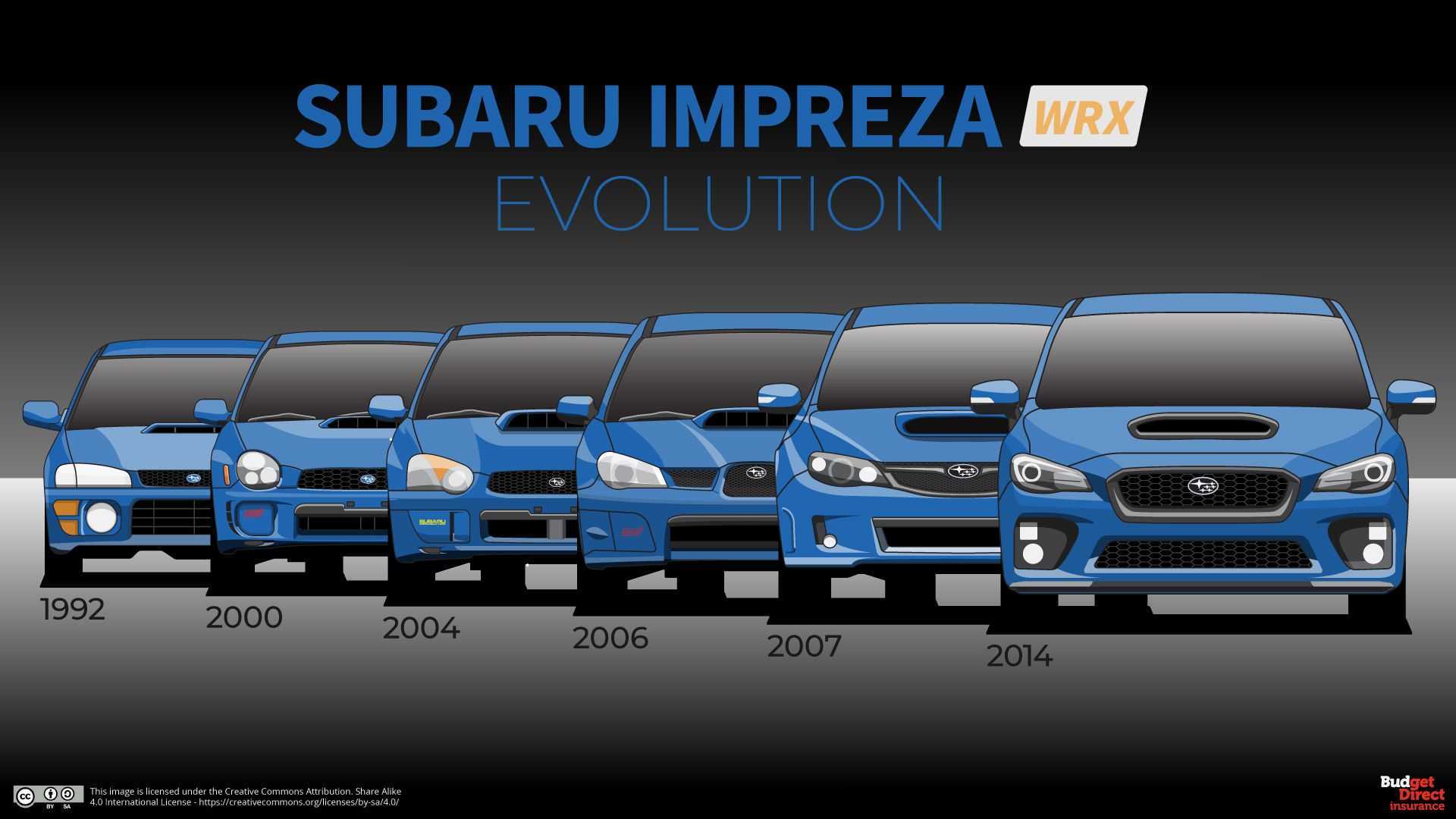
Best Subaru WRX Model Years (Ranked)
The Subaru WRX is the rally-bred turbocharged sedan that turned a generation of enthusiasts into Subaru loyalists. Born from the Impreza line and packing standard symmetrical all-wheel drive with a boosted boxer engine, the WRX delivers a brand of all-weather performance that few cars at its price can match.
But the WRX is also a performance car that has often led a hard life, and the model years vary dramatically in engine durability, transmission strength, and how much hidden abuse a given example may have suffered. Some years run a famously tough motor; others carry a ringland-failure reputation that demands careful buying.
This ranking sorts the best WRX model years by a blend of engine and drivetrain reliability, tuning headroom, used values, and how well each holds up against the rest today. Whether you want a sorted daily-driver rocket or a clean platform to modify, knowing the strong years from the fragile ones is essential before you buy a turbocharged Subaru.
Direct Answer
The best overall Subaru WRX is the 2015–2017 (VA-chassis) car with the FA20DIT engine and six-speed manual, which combined a stiffer chassis, a more refined cabin, and a stout, modern turbo four into the most complete WRX yet. The best value is the 2008–2010 (GE/GH-chassis) WRX with the EJ255 engine, which offers strong turbo performance for $10,000–$16,000 while being old enough to be affordable.
Be cautious with heavily modified examples of any year and with the 2008–2014 EJ-series cars that have a tuning and ringland-failure history; a bone-stock, well-documented car is always the safer buy. As a rule, the VA-chassis years are the reliability-and-refinement sweet spot.
1. 2017 WRX (VA Chassis, FA20DIT) 🏆 BEST OVERALL
The 2017 model year is the standout of the VA-chassis WRX. It uses the 2.0L FA20DIT turbocharged direct-injection boxer making 268 hp and 258 lb-ft, paired with a slick six-speed manual and Subaru's excellent all-wheel-drive system. By 2017 Subaru had refined the chassis, improved interior materials, and sorted the early infotainment.
The FA20DIT is a stronger, more modern engine than the older EJ-series turbos, with better fuel economy and broader torque. Strong reliability for a performance car, sharp handling, and genuine year-round usability make the 2017 the best all-around WRX. Expect $20,000–$28,000 for a clean, stock, well-documented manual example.
2. 2016 WRX (VA Chassis, FA20DIT)
The 2016 is virtually identical to the 2017 and often a touch cheaper. It carries the same 268-hp FA20DIT turbo four and six-speed manual, plus the stiff VA chassis and the modern all-wheel-drive system. Early VA cars had minor infotainment quirks, but mechanically the 2016 is the same well-engineered platform.
Excellent performance value within the VA generation, especially in stock, unmodified condition. Budget $18,000–$26,000. As always with the WRX, a documented, unmodified manual car is worth far more than a tuned one, since aftermarket modifications can mask or accelerate engine wear.
3. 2009 WRX (GH Chassis, EJ255) 💎 BEST VALUE
The 2009 model year is the best value WRX today. It uses the 2.5L EJ255 turbocharged boxer making roughly 265 hp, a substantial bump over the prior 224-hp car, paired with a five-speed manual and the trademark all-wheel drive. These cars deliver serious turbo performance for $10,000–$16,000.
The catch is that the EJ255 can suffer ringland failure if abused or poorly tuned, so a bone-stock, well-maintained 2009 with documented oil changes is the goal. For an enthusiast on a budget who buys carefully, the 2009 offers a huge amount of all-weather speed for the money.
4. 2018 WRX (VA Chassis, FA20DIT)
The 2018 brought a refresh to the VA-chassis WRX with updated styling, a revised suspension, and improved infotainment, while keeping the 268-hp FA20DIT and six-speed manual. It ranks just below the 2016–2017 cars only on price — it's the same proven engine with a few worthwhile updates.
Refined, quick, and reliable for a turbo car, the 2018 is an excellent pick if your budget stretches a bit higher. Expect $22,000–$30,000 for a clean manual example. As with every WRX, prioritize a documented, unmodified car over a flashier tuned one for long-term peace of mind.
5. 2010 WRX (GH Chassis, EJ255)
The 2010 is the late-GH-chassis WRX, carrying the 265-hp EJ255 turbo boxer and a five-speed manual. It's a bit more refined than the 2008–2009 cars and benefits from running production updates. Priced $11,000–$17,000, it offers strong turbo performance and the practical hatchback or sedan body.
The same ringland-failure caution applies, so buy stock and documented. The 2010 also offers the widened, more aggressive bodywork of the later GH cars, which many enthusiasts prefer. For a buyer who wants classic EJ-series turbo character at a reasonable price, the 2010 is a strong choice.
6. 2019 WRX (VA Chassis, FA20DIT)
The 2019 is a late VA-chassis car with the proven 268-hp FA20DIT and six-speed manual, plus added standard equipment and minor refinements. It ranks here mainly on price and the fact that it's a known quantity rather than any flaw. The VA platform was thoroughly sorted by this point, making a clean 2019 a low-risk performance buy.
Expect $23,000–$31,000. The 2019 also offered the WRX Series special editions for buyers who want a distinctive look. As always, a stock, well-documented manual example is the smart purchase over a modified car.
7. 2008 WRX (GE/GH Chassis, EJ255)
The 2008 marked the move to the new chassis and the EJ255 engine making around 224 hp early in the run before the later power bump. It's the affordable entry into this generation of WRX, with prices around $9,000–$15,000. The 2008 is softer and less aggressive than the later GH cars, which is why it ranks lower, but it's still a genuine all-wheel-drive turbo Subaru.
The ringland-failure caution applies here too, so insist on a stock, documented car. For buyers who want a cheap, usable turbo Subaru and don't need the highest power, the 2008 is a sensible pick.
8. 2015 WRX (VA Chassis, FA20DIT)
The 2015 is the first year of the VA chassis and the FA20DIT engine, bringing the 268-hp turbo four and six-speed manual to a stiffer, more modern platform. It ranks below the 2016–2018 cars only because first-year examples had some early infotainment and small trim quibbles.
Mechanically it's the same strong engine and drivetrain. Priced $17,000–$24,000, the 2015 is an affordable route into the best WRX generation. As the debut of the FA20DIT, a clean, documented, unmodified 2015 manual is a strong value for buyers who want modern WRX performance for less.
9. 2012 WRX (GV/GR Chassis, EJ255)
The 2012 is a late GR/GV-chassis car with the 265-hp EJ255 and the widened, more aggressive bodywork the third-gen WRX adopted in its final years. It offers strong straight-line and all-weather performance and the classic EJ-series turbo character. Priced $12,000–$18,000, it ranks here because it's the end of the EJ-powered era and carries the same ringland and tuning cautions.
A bone-stock, documented 2012 is a fun, characterful turbo Subaru, but the older engine architecture and the high likelihood of prior modification keep it below the cleaner VA-chassis options.
10. 2011 WRX (GV/GR Chassis, EJ255)
The 2011 is another late third-gen WRX with the EJ255 turbo four and the wide-body styling enthusiasts favor. It's mechanically similar to the 2012 and offers the same lively turbo performance with all-wheel-drive grip. Priced $11,000–$17,000, it's an affordable way into a characterful EJ-powered Subaru.
The same cautions apply — ringland failure under abuse, the high chance of prior tuning, and the importance of documented maintenance. For a buyer who loves the old-school EJ turbo sound and buys a stock, well-kept example, the 2011 delivers plenty of grin-inducing all-weather speed for the money.
What to Watch For When Buying
The number-one rule when buying any WRX is to prioritize a bone-stock, well-documented car over a modified one. The WRX attracts enthusiasts, and aftermarket tuning, boost increases, and aggressive driving can dramatically shorten engine life — especially on the EJ255 engine (2008–2014), which is known for ringland failure when over-boosted or run with poor tuning or neglected oil changes.
Signs of trouble include heavy exhaust smoke, a rough idle, or a knocking noise; a compression and leak-down test is well worth the cost on any EJ-powered car. A car with an aftermarket tune, a downpipe, or a boost controller should be approached with extra caution and a thorough inspection.
On the newer FA20DIT cars (2015+), the engine is stronger and more reliable, but watch for clutch wear on manuals that have been launched hard, and confirm the six-speed transmission shifts cleanly without grinding. Across all WRX years, check for evidence of accident repair (this is a performance car that gets crashed), verify all-wheel-drive engagement, inspect tires for even wear that suggests proper alignment, and confirm the turbocharger spools cleanly without excessive smoke.
Demand a full oil-change history, since turbocharged boxers are unforgiving of neglected oil service. A pre-purchase inspection at an independent Subaru performance shop is the single best money you can spend.
How to Choose
If you want the most complete and reliable WRX, target a 2016–2017 VA-chassis car with the FA20DIT engine, a six-speed manual, and a documented stock history — it's the best blend of modern performance, refinement, and durability. If your budget is tighter, a 2009–2010 EJ255 car delivers big turbo performance for far less, provided you buy a bone-stock, well-maintained example and accept the older engine's tuning sensitivity.
Buyers who want the newest known-quantity car should look at a 2018–2019 VA, which carries the proven engine with a few worthwhile updates. Whatever the year, the golden rule never changes: a clean, unmodified, documented WRX is always worth more and lasts longer than a flashier modified one.
Buy the maintenance history first and the car second, and the WRX rewards you with all-weather speed that few rivals can touch at the price.
FAQ
Which WRX model year is the most reliable? The 2016–2017 VA-chassis WRX with the FA20DIT engine is widely considered the most reliable, thanks to a stronger, more modern turbo motor and a thoroughly sorted chassis. A stock, documented example is the safest performance buy.
Do Subaru WRX engines blow up? The older EJ255 engine (2008–2014) is prone to ringland failure when over-boosted, poorly tuned, or run with neglected oil changes. Bone-stock, well-maintained cars are far more durable, so buy stock and demand records.
Should I avoid a modified WRX? Generally yes, unless you can verify professional tuning and full documentation. Modifications can mask or accelerate engine wear, and a stock, well-kept WRX is almost always the safer, longer-lasting buy.
Is the manual or automatic WRX better? Most enthusiasts strongly prefer the six-speed manual, which is the engaging, traditional WRX experience and holds value better. The CVT-equipped automatic is fine for daily use but lacks the manual's appeal and resale strength.
Bottom Line
The Subaru WRX's best years sit in the VA chassis (2015–2019), with 2016–2017 as the standout for the stout FA20DIT engine, sorted chassis, and strong reliability for a performance car. Budget buyers should hunt a 2009–2010 EJ255 car for outstanding value, accepting the older engine's tuning sensitivity and buying only stock, documented examples.
Across every year, the rule is the same: a bone-stock, fully documented WRX beats a modified one every time. Buy on maintenance history and condition, not on flashy mods, and the WRX delivers all-weather thrills that hold up for the long haul.
Sources
- Subaru of America — WRX model history and specifications, subaru.com
- Wikipedia — Subaru WRX generations and engine details
- Consumer Reports — Subaru WRX reliability ratings by model year
- Edmunds — Subaru WRX used pricing and ownership reviews
- Kelley Blue Book (kbb.com) — WRX used values by year and trim
- NHTSA — Subaru WRX recalls and service campaigns, nhtsa.gov
- Car and Driver — Subaru WRX generational reviews and performance specifications