 Pulse Reviews and Analysis
Should I open or buy a Honor Yoga franchise in 2027?
 Curated by Kory White · Fractional CRO, CRO Syndicate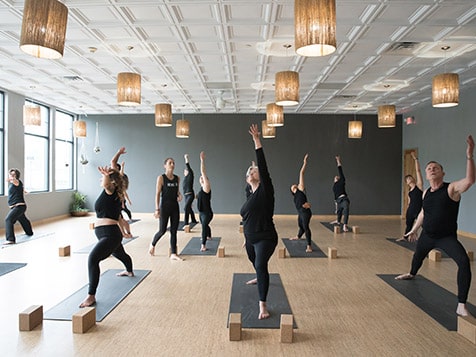
My Take on Honor Yoga in 2027: A CRO's Candid Guide
After 25 years of watching franchise models succeed and flame out, I've learned that the most dangerous investments are the ones you *want* to work. Honor Yoga is exactly that kind of siren song. Let me walk you through what I see—and what I'd tell a friend asking the same question.
The Hook That Almost Got Me
I remember sitting across from a yoga-franchise pitch years ago, genuinely charmed by the community vibe. The founder was passionate, the studios looked beautiful, and the promise of "wellness with purpose" felt noble. But here's what I've learned the hard way: passion doesn't pay the rent—unit economics do.
Honor Yoga, founded in 2014 in New Jersey, franchises boutique yoga studios with a range of yoga classes, teacher training, and wellness programming on a membership/class-pack model. Sounds lovely. But boutique yoga has been a challenging franchise category—and I mean *challenging* as in "many yoga franchises and independent studios have closed or contracted." Honor Yoga itself has navigated a reduced footprint.
That's not speculation; that's the data.
The Numbers That Keep Me Up at Night
Let me lay out the real math. A Honor Yoga studio runs 1,800-3,000 sq ft, offering instructor-led classes and teacher training on that membership/class-pack model. Here's where the rubber meets the road:
| Line Item | Low | High | My Take |
|---|---|---|---|
| Franchise fee | $35,000 | $35,000 | Fixed, but confirm current terms—things change |
| Buildout / leasehold | $90,000 | $250,000 | Studio fit-out eats cash fast |
| Equipment & decor | $25,000 | $70,000 | Props, decor, sound—it adds up |
| Signage & decor | $12,000 | $35,000 | Brand image matters, but it's non-recoverable |
| Initial supplies | $5,000 | $15,000 | Mats, props—the little things |
| Initial marketing | $15,000 | $40,000 | Membership pre-sale is critical |
| Training & travel | $8,000 | $25,000 | Operator + instructors |
| Working capital | $30,000 | $80,000 | First 3-6 months—you'll need every dollar |
| Total investment | ~$200,000 | ~$500,000 | Confirm availability—this is a big range |
| Royalty | ~7%-8% of gross | That's a hefty bite |
Revenue reality: mature studios gross $250K-$550K. Here's the problem: boutique yoga has thin margins and low pricing power. Yoga is commoditized—there are abundant low-cost/free options: apps, gyms, community classes.
That makes it hard to sustain premium pricing, while instructor labor and rent pressure margins. Many yoga franchises and studios have closed or contracted, and Honor Yoga has navigated a reduced footprint.
The Math That Worries Me
Let me show you what a typical studio looks like on paper—and why I'm cautious:
A $400K gross revenue studio:
- Instructor labor: 35% = $140K
- Rent & utilities: 25% = $100K
- Royalty + marketing: 9% = $36K
- Other opex: 18% = $72K
- Owner earnings: ~$52K
For a $200K-$500K investment? That's a 10-26% return in a good year—and that assumes everything goes right. In a category that's contracting, those assumptions are fragile.
💼 CRO Syndicate · Fractional CRO — Kory White — Fractional CRO · 25 yrs · $0 to $200M scaled, available through CRO Syndicate for fractional and interim engagements — nationwide and across Maryland & DC. See Kory on LinkedIn → · Quick Call →
Who Should Actually Do This?
- Capital required: $200K-$500K, with $80,000-$150,000 liquid—that's serious money.
- Time commitment: hands-on, community-driven studio operation. This isn't passive.
- Skills: membership sales, retention, and instructor management. If you're not a sales-and-ops person, don't.
- Geographic fit: affluent, yoga-receptive markets. Think high-income suburbs, not downtowns.
- Lifestyle fit: passionate, hands-on operator who validates rigorously. The winners are operators who rigorously validate brand health and unit economics in strong yoga markets—if at all.
Who Should Absolutely Walk Away
- Buyers who don't validate the franchisor's current health. That's suicide.
- Those who ignore yoga's thin margins and category contraction. I've seen too many people lose everything chasing passion.
- Owners who can't sustain premium pricing against free/cheap options. You need pricing power—yoga doesn't have it.
- Operators in non-affluent or yoga-saturated markets. Bad location = dead studio.
- Those seduced by passion without validating economics. I've been there. It hurts.
What 2027 Looks Like
- Category risk: boutique yoga has contracted with many closures—the dominant concern.
- Pricing power: low—yoga is commoditized (apps, gyms, free classes).
- Margins: thin—instructor labor and rent pressure profitability.
- Brand health: validate Honor Yoga's current footprint and stability.
- Alternative: stronger wellness/fitness concepts may offer better economics.
My 90-Day Decision Tree for You
- First: confirm Honor Yoga's current franchisor health and footprint—the category has contracted.
- If the brand is weak/contracting, choose a stronger wellness/fitness concept.
- If stable, read the FDD, Item 19, and validate unit profitability rigorously.
- Call 12+ operators (more than usual) about profitability, closures, and pricing power.
- Assess yoga's category risk and your local demand honestly.
- Decide—be willing to walk away.
- Proceed only if brand health and economics are rigorously validated.
What I'd Buy Instead
- YogaSix — boutique yoga under Xponential (more scale/support).
- Club Pilates / Pure Barre — boutique fitness with stronger economics (check the library).
- Sweathouz / Restore — recovery/wellness (see fr0871, library).
- BFT / Orangetheory — group fitness (see fr0873).
- Independent yoga studio — full control, same category risk.
- Stronger wellness franchises — better risk-adjusted returns.
The FAQ I'd Actually Ask
What is the biggest concern with Honor Yoga? Boutique yoga's category contraction and thin margins, plus the brand's reduced footprint. Yoga is commoditized (apps, gyms, free/low-cost classes undercut pricing), margins are thin (instructor labor + rent), and many yoga franchises/studios have closed.
Honor Yoga has navigated a reduced footprint. This category and brand risk is the dominant factor—it outweighs passion for yoga unless brand health and unit economics are rigorously validated.
Why is boutique yoga hard to franchise profitably? Low pricing power and thin margins. Yoga faces intense low-cost competition (apps like alternatives, gym-included classes, community/donation classes), making premium pricing hard to sustain, while instructor labor and rent consume much of revenue.
Unlike differentiated high-intensity or recovery concepts, yoga is commoditized, producing thin margins that have driven widespread closures. This structural challenge is why yoga has been a difficult franchise category.
How much does a Honor Yoga owner make? Owners may clear $30,000-$100,000 in a healthy studio—but margins are thin and uncertain given category contraction. Many studios struggle or close. Validate current franchisee profitability and closure rates carefully—yoga's thin margins and commoditization make returns precarious.
Do not assume strong profitability; rigorously confirm unit economics before investing, and weigh stronger wellness/fitness alternatives.
What should I validate before investing? Franchisor current health, unit profitability, closure rates, pricing power, and local demand. Call 12+ current owners (more than usual), research yoga-category contraction and Honor Yoga's footprint, and confirm sustainable economics in an affluent, yoga-receptive market.
Given the category and brand risk, extra diligence is essential—and be prepared to choose a stronger concept (YogaSix, Club Pilates, recovery/wellness) if validation is weak.
Should I choose a different wellness franchise? For many buyers, yes. Given boutique yoga's category contraction, thin margins, and commoditization, stronger concepts—YogaSix (Xponential-backed yoga), Club Pilates / Pure Barre (better boutique-fitness economics), or recovery/wellness (Sweathouz, Restore)—may offer better risk-adjusted returns.
Passion for yoga is admirable, but category risk is real. Only pursue Honor Yoga if you've rigorously validated brand health and unit economics—otherwise, a stronger wellness concept is likely wiser.
The Bottom Line
Approach Honor Yoga with real caution—boutique yoga has been a difficult franchise category with thin margins, low pricing power, and widespread closures, and the brand has navigated a reduced footprint. I've seen too many passionate operators lose their shirts chasing a dream that economics couldn't support.
Validate relentlessly, or walk away.
If you want a deeper dive on franchise unit economics or category risk, check out PULSE or the CRO Syndicate—I share my playbook there. But for now: keep your eyes open, your wallet closed, and your gut honest.
*—Kory*
*An operator's opinion by Kory White, Chief Revenue Officer — 25 years in revenue. More at PULSE · CRO Syndicate*