 Pulse Reviews and Analysis
How Many Employees Should I Schedule Each Shift at My Arcade and Barcade?
 Curated by Kory White · Fractional CRO, CRO Syndicate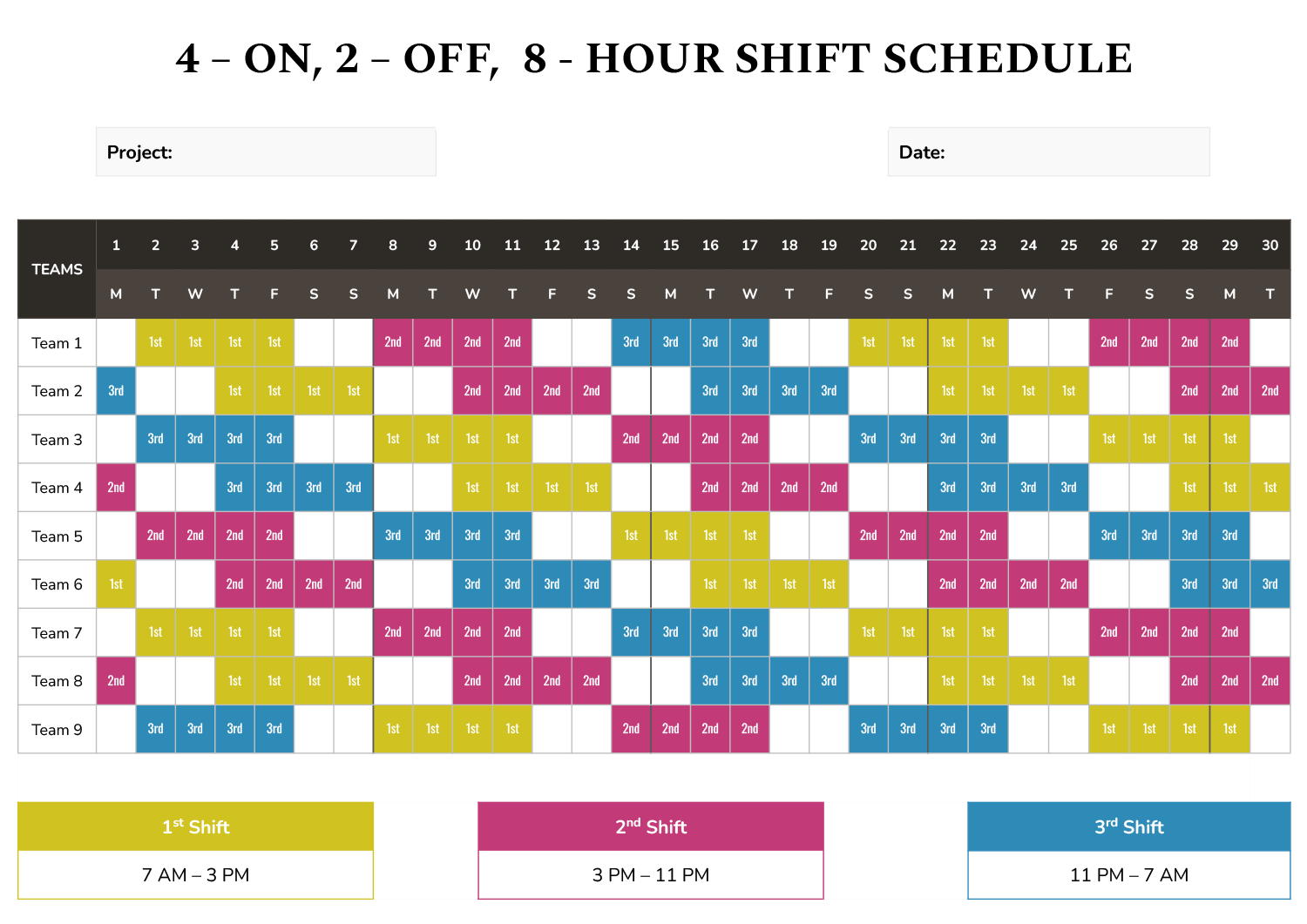
Let me tell you what drives me absolutely nuts about barcade owners and their scheduling.
You're running a place where people drink $8 craft beer and pump tokens into a 1982 Donkey Kong machine. Your gross profit per square foot is a beautiful thing. And yet I walk into barcades all the time where the schedule was built by somebody's gut feeling, like they're ordering pizza for a party.
"Uh, I think we need two bartenders and one guy who fixes the pinball machine." No. No. No.
Here's the only formula that matters, and I've been using it for 25 years: employees to schedule for a given shift = that day's average gross profit / your agreed-upon gross-profit-per-employee target. Full stop. No more guessing.
First, you and your leadership team need to agree on one number. One. Call it $210 a shift for an arcade and barcade.
Why $210? Because your bar carries high margin, but your bartenders, floor techs, and the door host all draw labor costs. That $210 is the honest floor—not a ceiling, not a dream, a floor.
Every employee who shows up, pours drinks, keeps the machines running, works the door, and gives average service should support no less than that.
Then you pull your trailing three-to-six-month gross profit by day of week. If a typical Wednesday throws off $1,050 in gross profit, then $1,050 divided by $210 equals 5 employees on the clock that day. If a Saturday averages $3,780, you need 18.
Not "feels busy" — eighteen. You do that for every single day of the week, and then you place those shifts against when guests actually drink and play — the after-work happy-hour window, the late-night weekend wave, and event nights. You put bodies on the floor when the money is, not when your cousin's friend wants to work.
Now, there are ten tools that solve this problem. Let me rank them for you, because I've used most of them and I've seen what works.
1. PULSE Rep Scheduling Matrix 🏆 BEST OVERALL This is the one. It's free, runs in your browser, no login needed, no spreadsheet.
It takes a weekly gross-profit target and a per-shift minimum and auto-distributes the shift counts by day, protecting your highest-value selling hours instead of spreading bodies flat across the week. Built by a 22-year revenue operator for exactly this question. Use it free at Rep Scheduling Matrix.
2. When I Work Starts around $2.50 per user per month on Essentials, climbs to about $8 per user per month with labor tools. It handles availability, shift swaps, and mobile clock-in cleanly.
Copy a busy-weekend template forward in a couple of clicks. Where it's strong: execution. Where it leaves you on your own: the *why*.
It won't tell you Saturday needs eighteen people. You bring the headcount math; it runs the logistics.
3. Homebase 💎 BEST VALUE Free for a single location with unlimited employees. Paid tiers are $24.95 per location per month (Essentials), $59.95 (Plus), $99.95 (All-in-One) — priced per location, not per head.
A barcade runs part-timers who flex with the calendar, so per-employee pricing punishes you. This rewards you. Scheduling, time tracking, team messaging, tip-pool tracking, basic labor-cost forecasting.
4. Deputy About $4.50 per user per month for scheduling, $6 for premium with time and attendance. Connect a POS feed and Deputy suggests staffing against projected sales — closest off-the-shelf cousin to the gross-profit method.
Handles compliance: break rules, overtime alerts, alcohol-service certification tracking. For a barcade that wants auto-suggested coverage tied to bar sales and clean compliance guardrails, this earns its price.
5. 7shifts Free Comp tier for one location, paid plans from $34.99 per location per month (Entree) to $76.99 (The Works). Purpose-built for restaurants and bars. Ties scheduling directly to POS sales and labor-percentage targets, handles tip pooling, tracks alcohol-service compliance.
If your margin lives behind the bar, this speaks your language better than a general retail tool.
6. Sling (Continuing down the list — Sling, then the rest, but you get the idea.)
Look, the method is the same whether you run an arcade and barcade, a brewery taproom, a family entertainment center, or a bowling alley. Swap the storefront, keep the math.
Stop scheduling by feel. Start scheduling by your own numbers. Your employees will thank you. Your bank account will thank you. And your Saturday night crowd — the ones dropping $3,780 in gross profit — will never know the difference, because they'll get served fast and the machines will actually work.
Now go run the numbers. I promise it's easier than fixing a broken Galaga board.
*— Kory White, CRO Syndicate. For the exact method step by step, grab the free Rep Scheduling Matrix. It's what I'd use if I were you.*
*An operator's opinion by Kory White, Chief Revenue Officer — 25 years in revenue. More at PULSE · CRO Syndicate*