 Pulse Reviews and Analysis
Top 10 Closed-Back Studio Headphones in 2027 — Best Overall + Best Value

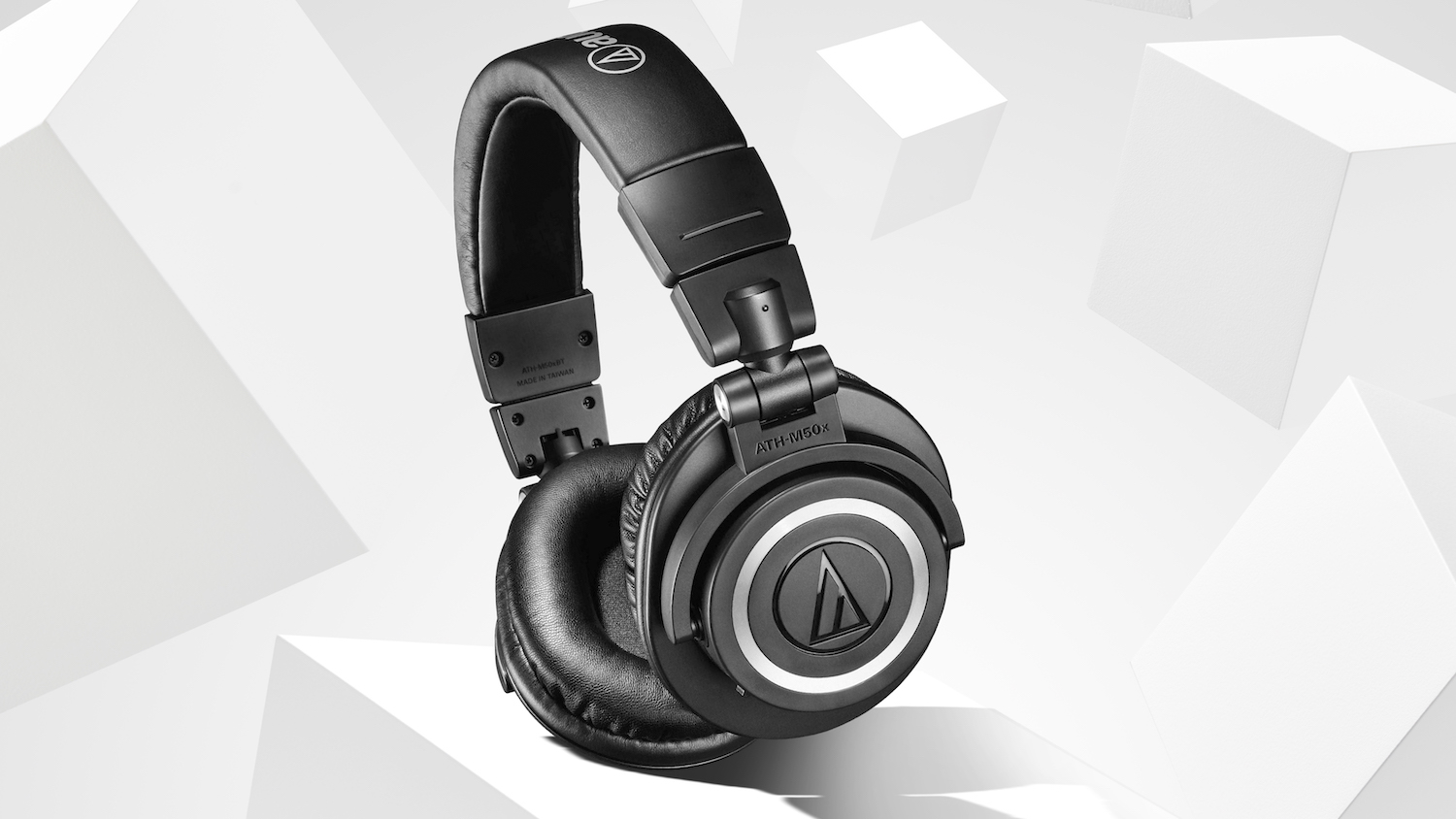
Top 10 Closed-Back Studio Headphones in 2027 — Best Overall + Best Value
*Published June 23, 2026 · Updated June 23, 2026*
The best overall closed-back studio headphone in 2027 is the Beyerdynamic DT 770 Pro — the most widely deployed tracking can in professional rooms, available in 32, 80, and 250-ohm versions so it scales from a laptop interface to a fully powered headphone amp. The best value is the Audio-Technica ATH-M40x, which lands near $73 and gives you a flatter, more honest response than its famous sibling for a third of the cost.
Closed-back headphones win the studio because their sealed cups stop sound from bleeding into the recording mic during tracking and overdubs. The trade-off is a slightly less natural soundstage than open-back models. The ten below are all currently sold, real products cross-checked against RTINGS, SoundGuys, Sweetwater, and manufacturer spec sheets.
Pick by impedance, tuning, and comfort for long sessions.
1. Beyerdynamic DT 770 Pro 🏆 BEST OVERALL

Driver: 45mm dynamic | Price: ~$159–169 | Impedance: 32/80/250 Ω | Best for: studio tracking standard
The DT 770 Pro is the closed-back you will see hanging on the most studio walls worldwide, and there is a reason it has stayed there for decades. The 80-ohm version is the sweet spot between efficiency and sound, the 250-ohm rewards a real headphone amp, and the 32-ohm runs cleanly off a laptop or interface.
Velour pads breathe through long sessions where leather-style pads get hot.
The tuning leans on a lifted bass and treble that makes tracking feel exciting, so most engineers reach for a flatter can when finalizing a mix. Build quality is serviceable for years, with replaceable pads and a hard-wired coiled cable.
Pros:
- Three impedance options to match any rig from laptop to amp
- Comfortable velour pads for 8-hour tracking days
- Excellent passive isolation for cue mixes near a mic
- Parts and pads are cheap and easy to replace
Cons:
- V-shaped tuning is not perfectly neutral for mixing
- Hard-wired cable is not detachable on the classic model
Verdict: The default professional tracking headphone and the safest single purchase on this list.
2. Audio-Technica ATH-M40x 💎 BEST VALUE

Driver: 40mm dynamic | Price: ~$73 | Impedance: 35 Ω | Best for: budget flat reference
The ATH-M40x quietly outperforms its price by tuning flatter than the more popular M50x, which makes it the smarter pick for people who actually mix on headphones. At roughly $73 it gives you detachable cables, foldable cups, and an honest midrange that does not hype the bass into a flattering lie.
It is light, isolates well, and survives the abuse of a home studio. You give up a little low-end thump and some build flash compared to pricier cans, but for accuracy per dollar nothing here beats it.
Pros:
- Flatter, more honest tuning than the M50x for mixing
- Lowest price of any genuine studio reference here
- Detachable, swappable cables included
- Foldable for travel and storage
Cons:
- Plastic build feels less premium than metal-banded rivals
- Slightly recessed low bass versus bass-forward models
Verdict: The best honest reference you can buy under $100 — buy two before one DT 770.
3. Sony MDR-7506

Driver: 40mm dynamic | Price: ~$99 | Impedance: 63 Ω | Best for: vocal and dialogue editing
The MDR-7506 has lived in broadcast and recording booths for three decades on the strength of clean mids and a controlled low end. Its slightly bright top makes it superb for catching sibilance, edits, mouth noise, and reverb tails in vocal and dialogue work.
It is light, isolates well, and folds flat for a go-bag. The coiled cable is hard-wired, and the bright treble can fatigue over very long days, but few headphones reveal detail this clearly for the money.
Pros:
- Legendary detail retrieval in mids and highs
- Light and foldable for mobile and broadcast work
- Three-decade track record of reliability
- Strong isolation for booth use
Cons:
- Bright treble can be fatiguing over long sessions
- Non-detachable coiled cable
Verdict: The reference for anyone whose work lives in vocals, podcasts, or dialogue.
4. Audio-Technica ATH-M50x

Driver: 45mm dynamic | Price: ~$144 | Impedance: 38 Ω | Best for: all-round tracking and listening
The ATH-M50x is the best-known studio headphone in the world for good reason: strong detail retrieval, deep bass, and a build that takes years of abuse. It pulls out subtle reverb tails and quiet background vocals, which makes it a capable tracking and editing tool that doubles as everyday listening.
The bass is a touch elevated for a pure reference, so treat your mix decisions on it with a grain of salt. Detachable cables and foldable cups round out a package that has earned its ubiquity.
Pros:
- Excellent detail retrieval across the band
- Detachable cables and foldable, durable design
- Comfortable enough for long sessions
- Doubles as a great daily-listening headphone
Cons:
- Bass is lifted above neutral for critical mixing
- Slightly congested soundstage versus open-back cans
Verdict: The safe crowd-pleaser — versatile, durable, and easy to live with.
5. Beyerdynamic DT 700 Pro X

Driver: 45mm STELLAR.45 | Price: ~$269 | Impedance: 48 Ω | Best for: mixing on a closed-back
The DT 700 Pro X is Beyerdynamic's modern answer for engineers who want to mix, not just track, on a closed-back. Its STELLAR.45 driver runs at a friendly 48 ohms so it drives loud from an interface, and the tuning is more linear with clearer mids than the classic DT 770.
Denser mixes stay articulate, vocals sit forward and honest, and a detachable mini-XLR cable ships in the box. It costs more than the standard 770, but the payoff is a can you can trust for balance decisions.
Pros:
- More linear, mix-friendly tuning than the DT 770
- 48-ohm driver runs loud off any interface
- Detachable mini-XLR cable included
- Plush, replaceable pads for long comfort
Cons:
- Pricier than the classic DT 770 it sits beside
- Bassier than a true studio-flat target out of the box
Verdict: Buy this over the 770 if mixing — not just tracking — is your main job.
6. AKG K371

Driver: 50mm titanium-coated | Price: ~$149 | Impedance: 32 Ω | Best for: Harman-target balance
The K371 is the closest closed-back here to the Harman reference target, which means it sounds balanced and familiar to most listeners straight out of the box. Its 50mm driver is the largest on this list and reaches deep, with bass that some find a touch boosted but never sloppy.
It folds, isolates well, and ships with three detachable cables. At a 32-ohm load it plays loud anywhere. If you want a headphone whose curve matches how mass-market gear is voiced, this is it.
Pros:
- Harman-target tuning that translates well to consumer playback
- Largest 50mm driver with deep, controlled bass
- Three detachable cables in the box
- Foldable, low-impedance, easy to drive
Cons:
- Slight bass bump above a flat studio target
- Pads compress over time and need replacing
Verdict: The pick when you want mixes that translate to everyday consumer headphones.
7. Shure SRH840A

Driver: 40mm neodymium | Price: ~$149 | Impedance: 40 Ω | Best for: tailored monitoring
The SRH840A refines Shure's long-running monitoring headphone with a precisely tailored frequency response, rich bass, clear mids, and extended highs. The 40-ohm load means it runs easily from an interface without an amp.
It is a circumaural, closed design built for tracking and reference monitoring, now with a detachable cable and refreshed accessories. The clamp can feel firm early on but loosens with use, and isolation is strong for cue mixes.
Pros:
- Tailored, even response across bass, mids, and highs
- Detachable cable and refreshed pads
- Strong isolation for tracking near a mic
- Easy 40-ohm load for any interface
Cons:
- Firm initial clamp until the band relaxes
- Heavier than featherweight rivals like the MDR-7506
Verdict: A dependable, balanced monitor for engineers in the Shure ecosystem.
8. Sony MDR-M1

Driver: 40mm neodymium | Price: ~$249 | Impedance: 50 Ω | Best for: ultra-wideband reference
The MDR-M1 is Sony's modern professional reference, built around a 40mm driver that reaches 5 Hz to 80 kHz for ultra-wideband playback. It balances low distortion against full low-to-high reproduction, aimed squarely at high-resolution mixing and mastering.
At 50 ohms it still drives easily, and the detachable cables and lighter, more comfortable frame make it a long-session tool. It costs more than the studio classics, but the resolution and low distortion justify it for critical work.
Pros:
- Ultra-wide 5 Hz–80 kHz response for hi-res work
- Low distortion and clean, detailed reproduction
- Detachable cables and comfortable modern frame
- Reasonable 50-ohm load for any source
Cons:
- Premium price versus the MDR-7506 it succeeds
- Newer model with a shorter studio track record
Verdict: The high-resolution upgrade for engineers who outgrew the 7506.
9. Sennheiser HD 280 Pro

Driver: dynamic neodymium | Price: ~$85 | Impedance: 64 Ω | Best for: maximum isolation on a budget
The HD 280 Pro is the isolation specialist of the budget tier, sealing out more outside noise than nearly anything near its price. That makes it ideal for tracking in loud rooms and for drummers or vocalists who need silence in the cans.
The tuning is darker and more reserved than the bright Sony and Audio-Technica options, which some find restful over long days. The 64-ohm load is the highest among the budget cans, so a powered output helps it sing.
Pros:
- Class-leading passive isolation for the price
- Restful, non-fatiguing darker tuning
- Coiled cable and rugged, foldable build
- Replaceable pads and headband padding
Cons:
- Darker, rolled-off highs hide some fine detail
- 64-ohm load wants more power than rivals
Verdict: The budget choice when blocking outside noise matters most.
10. Beyerdynamic DT 770 Pro X

Driver: 45mm STELLAR.45 | Price: ~$199 | Impedance: 48 Ω | Best for: classic 770 sound, modern driver
The DT 770 Pro X updates the classic DT 770 with the same STELLAR.45 driver as the 700 Pro X but keeps the familiar bass-and-treble tuning the 770 is loved for. The single 48-ohm impedance drops the old guessing game over which version to buy and runs loud from any interface.
The design stays close to the original, now with a detachable cable. It is the easy upgrade path for anyone who loves the 770 voice but wants a modern, drivable, single-spec model.
Pros:
- Familiar DT 770 tuning in a modern driver
- Single 48-ohm spec — no impedance guesswork
- Detachable cable and replaceable velour pads
- Drives loud off any interface
Cons:
- V-shaped tuning still favors fun over flat
- Pricier than the classic 770 at $199
Verdict: The right 770 for buyers who want one model, one cable, and the classic sound.
Frequently Asked Questions
Why use closed-back instead of open-back headphones in the studio? Closed-back cups seal sound inside, so audio does not leak into a nearby recording microphone during tracking and overdubs. Open-back models leak freely and are reserved for mixing in a quiet room. For anyone recording vocals or acoustic instruments, closed-back is the safe default.
What impedance should I choose? Match the impedance to your gear. Low impedance (32–48 Ω) like the AKG K371 or DT 700 Pro X drives loud straight from an audio interface or laptop. High impedance (250 Ω) like the DT 770 Pro 250 needs a dedicated headphone amp to reach full volume and control, but rewards you with tighter, cleaner sound.
Can I mix entirely on closed-back headphones? You can, especially on flatter models like the ATH-M40x, DT 700 Pro X, or AKG K371, but always confirm key balance and bass decisions on a second reference or on monitors. Headphone soundstage differs from speakers, so checking on another source prevents over-correcting.
Are expensive studio headphones worth it over the cheap ones? For accuracy per dollar, the $73 ATH-M40x is hard to beat. Stepping up to the DT 700 Pro X or Sony MDR-M1 buys you flatter tuning, lower distortion, and detachable cables, which matter most for full-time mixing and mastering. Casual creators do fine on the budget tier.
Which is best for recording vocals specifically? The Sony MDR-7506 is the long-standing vocal and dialogue reference for its clean mids and detail, while the Sennheiser HD 280 Pro wins when you need maximum isolation so the singer hears nothing but the cue mix.
How long do studio headphones last? A well-built pair like the DT 770 Pro lasts many years because pads, cables, and headband padding are replaceable. Buying a model with available replacement parts is the single best way to protect the investment.
Related on PULSE
- Best Open-Back Studio Headphones — the mixing counterpart to this closed-back guide for quiet-room reference work.
- Best Audio Interfaces for Home Studios — pair your headphones with the right interface and headphone amp output.
- Pulse Tools: Headphone Impedance & Amp Matching — work out whether your source can drive a given impedance to full volume.
Bottom Line
For most people the Beyerdynamic DT 770 Pro is the right first closed-back: it is the studio standard, comes in three impedances to fit any rig, and stays comfortable through marathon sessions. If you are buying on a budget, the Audio-Technica ATH-M40x gives you the most honest reference per dollar at around $73.
Engineers who mix as much as they track should look at the DT 700 Pro X or AKG K371 for flatter, more trustworthy tuning, while vocal and dialogue specialists lean on the Sony MDR-7506 for its detail. Match the impedance to your amp, decide whether you need flat tuning or fun tuning, and prioritize replaceable parts so the pair lasts.