


Death by Meeting by Patrick Lencioni — Cliff Notes Summary for Sales Leaders
Quality
Certified

*Death by Meeting* by Patrick Lencioni argues meetings fail because one gathering tries to do four jobs at once and because leaders suppress the conflict that makes discussion matter. The fix is a four-meeting cadence — Daily Check-In, Weekly Tactical, Monthly Strategic, Quarterly Off-Site — each with its own job, length, and decision standard.
The Tuesday that eats the quarter
Picture a VP of Sales with eleven direct reports and one recurring "sales leadership sync" on Tuesday at 9:00 a.m. It runs ninety minutes. The first thirty go to a round-robin where each regional manager reads numbers everyone could have pulled from the CRM. The next thirty go to whatever caught fire Monday night — a stalled enterprise deal, a pricing exception, a rep who quit. The last thirty are supposed to be "strategic," and they are, in the sense that someone says "we really need to talk about territory design" and everyone nods and it goes on the parking lot list where it has lived for five quarters.
That meeting is the whole thesis of Lencioni's book in miniature. Nothing in it is individually stupid. The status updates matter. The fires are real. Territory design genuinely is the most important unresolved question in the org. The failure is structural: three incompatible cognitive modes are competing for the same ninety minutes, and the mode with the shortest time horizon always wins. Urgency beats importance every single week, not because the leader is weak but because the format guarantees it.
The second failure is emotional, and Lencioni is blunter about it than most management writers dare to be. The Tuesday sync is boring. Not boring because it's long — people will sit through a four-hour playoff game — but boring because nothing is at stake inside the room. Everyone already knows what they'll say. Nobody expects to be challenged. The regional manager who thinks the new comp plan is going to gut mid-market retention says nothing, because saying it would create friction and friction is not what this meeting is for. Lencioni's line is that meetings aren't boring because they're too dramatic; they're boring because they aren't dramatic enough.
Adjacent to this, and worth naming because sales leaders live it: the same pathology infects the forecast call, the QBR, and the pipeline review. A forecast call that also tries to coach reps does neither well. A QBR that also tries to be a strategic planning session becomes a slide-reading exercise with a strategy label. The diagnosis generalizes past the executive staff meeting into every recurring block on a revenue org's calendar.
Will Petersen, the protagonist of the fable, is a Stanford-MBA executive at a midsize gaming and educational-software company called Yip Software. He is competent, well-compensated, and quietly miserable, and the source of the misery is his calendar. The company is being acquired by a larger, slower firm. Strategy keeps stalling. Will's insight — coached along by a movie-industry consultant named Casey McDaniel — is that films and meetings have the identical job of holding an audience for two hours, and films solve it with structure, conflict, and stakes while meetings refuse all three and then act surprised.
How the four-meeting structure actually works
The prescription separates four jobs that the catch-all staff meeting was trying to do simultaneously. Each gets its own container, and the containers are deliberately different lengths, cadences, and postures.
The Daily Check-In is five minutes, standing, every workday. Each person states what they're working on today and any blocker. No chairs, no coffee, no deck, no discussion. For a sales team the format compresses to *top deal today, top blocker today*. It is not a forecast call and not coaching. Its actual job is administrative de-confliction — catching the two people who are both about to call the same account, or the deal desk request nobody knew was blocking a close. The discipline is the whole value; a Daily Check-In that drifts to twenty minutes has become a bad staff meeting with worse ergonomics.
The Weekly Tactical is forty-five to ninety minutes, same day, same time, and it is the workhorse. It opens with a Lightning Round — sixty seconds per person on top priorities for the week — then a scorecard review of four to six operating metrics. Only *after* those two things does the team set the agenda. That's the counterintuitive move: the real-time agenda. Pre-built agendas preserve last week's priorities and last week's politics; building the agenda live from what the Lightning Round and scorecard just surfaced forces the team to spend its time on what is actually on fire now. Two or three issues get chosen. Everything else waits.
The Monthly Strategic is two to four hours on one big issue, with a decision required at the end. It exists because tactical meetings are structurally incapable of handling strategy — there is never enough oxygen, and the urgent crowds out the important every time you let them share a room. One issue per month. When a team tries to cover three, the session collapses back into a status round-robin with a nicer conference room.
The Quarterly Off-Site is one to two days, actually off-site, devices away. Its jobs are team health, strategic reset, and mid-range planning — the conversations that require people to be genuinely unreachable. Lencioni has no patience for half-measures here: a "quarterly off-site" in the office conference room with people answering Slack is a long meeting, not an off-site.
Running underneath all four is the facilitation skill Lencioni cares most about: mining for conflict. The leader's job is to actively hunt disagreement and drag it into the open — *"you don't look convinced, what's your concern?"* — rather than let artificial harmony carry the room. This is the hinge between this book and *The Five Dysfunctions of a Team*: trust is what makes surfaced conflict survivable, and conflict is what makes meetings worth attending.
The numbers that make the cadence legible
The book's numbers are prescriptive rather than empirical — Lencioni is giving you design constraints, not research findings — and the constraints are specific enough to hold a team accountable.
Five minutes for the Daily Check-In. That's roughly twenty-five minutes a week per person, or about 1% of a forty-hour week. Forty-five to ninety minutes for the Weekly Tactical, with sixty seconds per participant in the Lightning Round, which means a nine-person leadership team burns nine to ten minutes before the scorecard even opens. That arithmetic is a useful forcing function: if your Lightning Round alone consumes a quarter of the meeting, your leadership team is too large for a single tactical meeting and you need a smaller staff or a two-tier structure.
Four to six metrics on the scorecard. Not twenty. For a revenue org the honest set is usually something like new pipeline created, coverage ratio against quota, average sales cycle, win rate, net revenue retention, and rep attainment distribution. The constraint matters more than the specific picks: a scorecard with eighteen lines is a dashboard, and dashboards get skimmed rather than discussed.
Two to three tactical issues per Weekly Tactical. Two to four hours and exactly one issue for the Monthly Strategic. One to two days per Quarterly Off-Site, four times a year — call it four to eight days of leadership time annually, which sounds enormous until you price the alternative in ad-hoc decision meetings that metastasize when nobody ever finishes a strategic conversation.
The rollout timeline is the number most teams get wrong. Expect roughly two to three months before people stop actively resisting the structure and something like six months before the cadence feels native rather than imposed. The Quarterly Off-Site is the hardest commitment to hold, which is why the practical move is blocking the dates a full year in advance, before the calendar fills with things that will feel more urgent and be less important.
One more piece of arithmetic worth doing before you sell this internally: total the recurring meeting hours currently on your leadership team's calendar. A typical VP of Sales staff is carrying a weekly staff meeting, a separate forecast call, a pipeline review, a marketing sync, and a smattering of standing 1:1s — frequently ten-plus hours a week per leader. The four-meeting structure doesn't necessarily reduce that total in month one. What it does is make every hour attributable to a job, which is what lets you defend the calendar when someone proposes a twelfth recurring block.
Where the model bends: trade-offs and alternatives
The honest read in the current era is that one of the four meetings has weakened and three have gotten stronger.
The Daily Check-In is the weak one. Lencioni wrote in 2004, assuming synchronous, in-person teams. A written standup in a chat channel, a short recorded video update, or a project-tracker pulse delivers most of the de-confliction value without pulling eleven people out of focused work at the same clock time — and for a distributed sales org spanning three time zones, the synchronous version is close to impossible to hold. Teams that go async here usually lose very little. Teams that go async on the *Weekly Tactical*, by contrast, tend to lose a great deal, because the thing being produced there is a decision made under live disagreement, and disagreement resolves badly in threads.
The Weekly Tactical, Monthly Strategic, and Quarterly Off-Site have all gotten *more* valuable in hybrid work, not less, for the plain reason that hallway conversation no longer exists as a decision channel. When a team never bumps into each other, the scheduled container is the only container.
The main competing school is the async-by-default movement, which argues the real answer is fewer meetings rather than better-structured ones — write documents, decide in comments, protect deep work. It's a serious position and it is genuinely superior for information transfer. It is weaker for the specific thing Lencioni is optimizing for: contested judgment calls where the participants start out disagreeing and someone has to own an outcome. The reasonable synthesis for most revenue teams is async for status and context, synchronous for conflict and decisions — which maps almost exactly onto letting the Daily Check-In go async while defending the other three.
Modern meeting tooling changes the economics too. Automated transcription and summarization absorb the note-taking and action-item bookkeeping that used to consume real Weekly Tactical bandwidth. Conversation-intelligence tooling means a pipeline discussion can reference what actually happened on the call rather than the rep's recollection of it. None of that replaces the structure; it makes the structure cheaper to run.
There are also genuine mismatches. A ten-person startup where the entire leadership team sits at one table may find the Daily Check-In redundant with ambient awareness. A field sales org where reps are on the road every day cannot hold a standing five-minute meeting. Highly seasonal businesses may want the Monthly Strategic to compress during peak and expand during planning season. The structure is a default worth deviating from deliberately — the failure mode is deviating from it accidentally, one exception at a time, until you're back at the catch-all Tuesday sync.
The failure modes that kill the rollout

Letting the Daily Check-In grow. It starts at five minutes and drifts to fifteen because someone answers a question instead of noting a blocker. Once it's fifteen, attendance decays, and a decayed daily meeting is worse than none. The fix is mechanical: stand up, and route anything that requires discussion to the Weekly Tactical or a two-person sidebar.
Pre-writing the Weekly Tactical agenda. This is the single most common regression, because building agendas in advance feels like preparation and reads as professionalism. It isn't. A pre-built agenda locks in what mattered on Thursday when you wrote it, and by Tuesday the actual priorities have moved. Run the Lightning Round and the scorecard first, then choose.
Cramming three topics into the Monthly Strategic. The moment you list three, the meeting becomes a survey. Pick one, and if a genuinely urgent second strategic issue surfaces mid-month, call an additional Monthly Strategic within a couple of days rather than diluting the existing one or wedging it into the Weekly Tactical.
Deciding by vote at the off-site. Polling a contested question converts a debate into a tally and lets the losing half leave unconvinced and uncommitted. Lencioni's alternative is debate to a real decision, explicitly owned, with the dissenters' objections named out loud before the decision lands. Related off-site killer: filling the day with presentations. Circulate the slides beforehand; spend the room on argument.
Skipping the conflict. A leader who runs all four meetings on schedule and still lets artificial harmony rule has bought the container and thrown away the contents. If nobody in your Weekly Tactical has disagreed out loud in a month, the structure is decorative. Name it, probe for it, and thank the person who takes the risk of saying the uncomfortable thing — publicly, the first several times, until the team believes it's safe.

Treating 1:1s as covered. The book doesn't address 1:1s, and they sit outside the four. The practical convention is a weekly thirty-minute 1:1 per direct report focused on coaching and career, with deal status pushed into the Weekly Tactical where the whole team can help.
Announcing the change without explaining the diagnosis. Teams resist the four-meeting structure because from the outside it looks like *more* meetings. Lead with the failure it fixes — the strategic question that has been on the parking lot for five quarters — and the additional blocks read as relief rather than tax.
Related questions
Is the fable worth reading, or is the summary enough?
The story adds emotional weight — you watch a competent executive suffer through the meetings before the redesign, which makes the prescription land harder. If you have thirty minutes, the four-meeting framework above is the operational core of the book.
How does the Daily Check-In differ from a Scrum standup?
Functionally they're near-identical: five minutes, standing, what you're on and what's blocking. Lencioni published alongside Scrum's rise, and they're convergent answers to the same problem. His original contribution is the other three meetings, not the daily.
Should I read this before or after *The Five Dysfunctions of a Team*?
Read *Five Dysfunctions* first. It builds the trust foundation that makes mining for conflict survivable. *Death by Meeting* is where that trust gets cashed in — the meeting cadence is the operating surface for the behaviors the earlier book describes.
Can a ten-person startup run all four meetings?
Yes, and Lencioni would argue it should. Small teams assume they're too small for structure; his counterargument is that the structure is what makes scale possible. Founders who never separate tactical from strategic build companies that can't decide anything bigger than next sprint.
What if my leadership team is spread across time zones?
Keep the Weekly Tactical and Monthly Strategic synchronous even if that means an awkward hour — those produce decisions under disagreement. Let the Daily Check-In go async. Travel for the Quarterly Off-Site; it's the meeting whose value most depends on physical presence.
FAQ
What are the two core problems Lencioni identifies?
Lack of drama and structural confusion. Meetings are boring because there's nothing at stake inside them, and they're ineffective because one time box is being asked to deliver status, tactics, strategy, and cultural reset simultaneously. Every bad meeting you're in can be diagnosed against one or both.
What exactly is a real-time agenda?
An agenda built at the start of the Weekly Tactical rather than beforehand. The Lightning Round and scorecard review surface what's actually urgent, and only then does the team choose the two or three issues worth the remaining time. It prevents last week's priorities from occupying this week's meeting.

Does mining for conflict work in a culture that avoids disagreement?
Yes, but slowly, and the leader has to go first — inviting challenge to their own position and visibly rewarding the person who takes it. Trust precedes productive conflict, which is why *Five Dysfunctions* is the prerequisite. Expect months, not weeks.
How does this map onto a sales org's existing forecast call and QBR?
The forecast call is usually a Weekly Tactical wearing a different name — fold it in or run it as a narrow scorecard segment. The QBR is closest to the Quarterly Off-Site but typically too presentation-heavy; strip the slides to pre-read and use the room to debate the coming quarter's one or two real bets.
What belongs in the Monthly Strategic for a sales leader?
Exactly one of: quota redesign, territory rebalancing, comp plan restructure, segment expansion, partner channel build-out, or sales-marketing alignment. Each is a genuine multi-hour argument with real trade-offs, and each degrades into hand-waving if it shares a session with the other five.
How long before the cadence pays off?
Two to three months of friction, roughly six months to feel native. The early return shows up as strategic questions actually closing instead of rolling to the next parking lot, and as fewer ad-hoc "quick syncs" appearing on the calendar because there's now an obvious place for each kind of conversation.
Sources
- https://www.tablegroup.com/product/death-by-meeting/
- https://www.tablegroup.com/
- https://www.wiley.com/en-us/Death+by+Meeting%3A+A+Leadership+Fable...About+Solving+the+Most+Painful+Problem+in+Business-p-9780787968052
- https://en.wikipedia.org/wiki/Patrick_Lencioni
- https://hbr.org/2017/07/stop-the-meeting-madness
- https://scrumguides.org/scrum-guide.html
- https://www.mckinsey.com/capabilities/people-and-organizational-performance/our-insights/if-were-all-so-busy-why-isnt-anything-getting-done
- https://sloanreview.mit.edu/article/the-surprising-science-behind-successful-remote-meetings/
- https://www.gsb.stanford.edu/insights/how-make-meetings-work
Related on PULSE
- The Five Dysfunctions of a Team by Patrick Lencioni — Cliff Notes Summary
- The Advantage by Patrick Lencioni — Cliff Notes Summary for Sales Leaders
- The Ideal Team Player by Patrick Lencioni — Cliff Notes Summary for Sales Hiring
- Difficult Conversations by Stone, Patton & Heen — Cliff Notes Summary for Sales Leaders
- The First 90 Days by Michael Watkins — Cliff Notes Summary for Sales Leaders
- How to Get a Meeting with Anyone — Cliff Notes Summary
This page will be disappearing soon. Save it to your device for $1 — or read it free while it is here.
@Kory-White- · if Venmo asks, the last 4 of my number are 2012
This page is gone.
This one is off the shelf now. $1 keeps it on your phone for good — the whole page, pictures and diagrams included.
 pulse-booksThe Advantage by Patrick Lencioni — Cliff Notes Summary for Sales Leaders
 book-summaryThe Ideal Team Player by Patrick Lencioni — Cliff Notes Summary for Sales Hiring
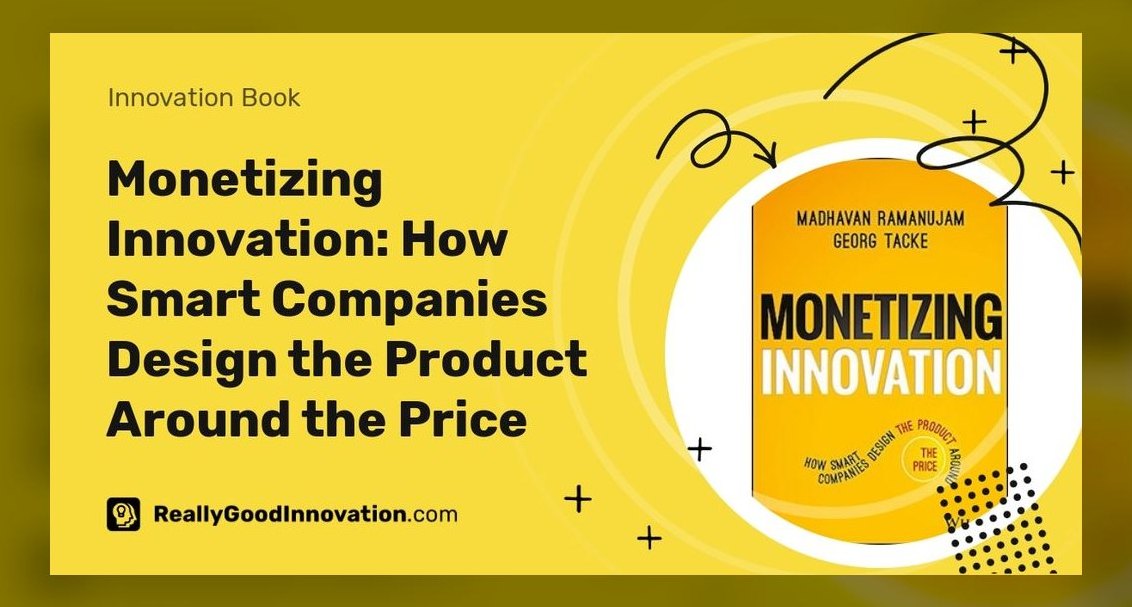 pulse-recentMonetizing Innovation by Madhavan Ramanujam — Top 10 Key Takeaways for Sales Leaders in 2027
 pulse-recentThe Customer Success Professional’s Handbook by Ashvin Vaidyanathan — Top 10 Key Takeaways for Sales Leaders in 2027
 pulse-booksRework by Jason Fried and David Heinemeier Hansson — Cliff Notes Summary
 pulse-recentFanatical Prospecting by Jeb Blount — Top 10 Key Takeaways for Sales Leaders in 2027
 pulse-recentWhat is the first concrete step in SPIN Selling by Neil Rackham for structuring a discovery call in 2027?
 pulse-booksWhat are the most common mistakes in Book Summaries in 2027?
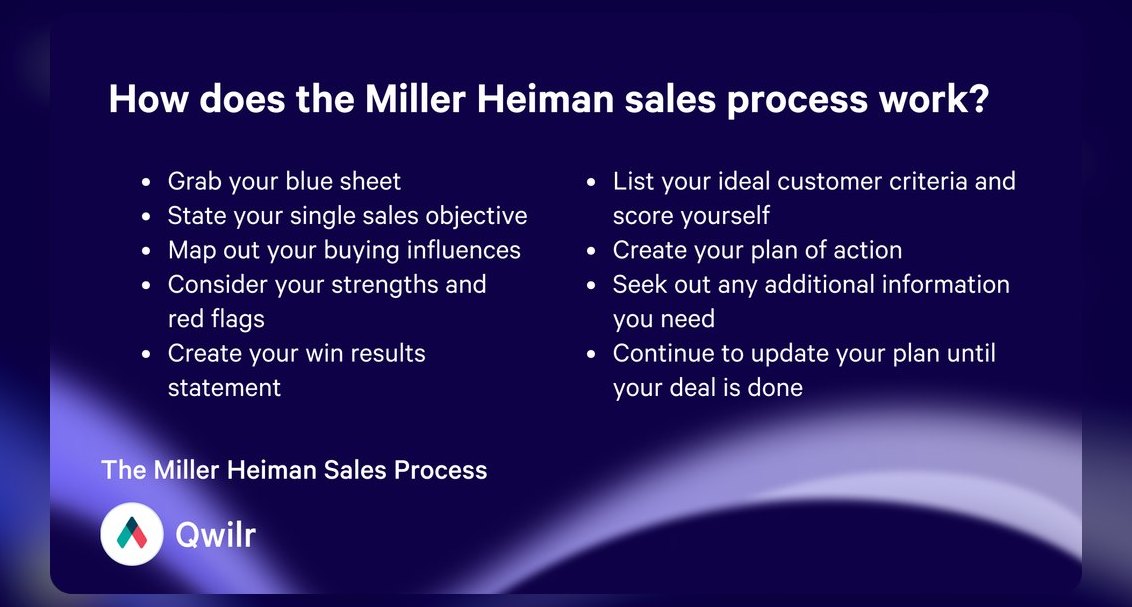 pulse-recentWhat is the step-by-step process for Strategic Selling by Miller Heiman in 2027?
 pulse-recentSnap Selling by Jill Konrath — Top 10 Key Takeaways for Sales Leaders in 2027