


Start with No by Jim Camp — Top 10 Key Takeaways for Sales Leaders in 2027
Quality
Certified

The 10 best start with no by jim camp are ranked below on measured performance, build quality, price, and how each one actually holds up in daily use rather than how it reads on a spec sheet. Each pick lists what it costs, who it suits, and what it gives up against the one above it, so the list can be read straight down without doubling back.
1Never Need, Only Want
This ranks first because Camp treats it as the single root cause of bad negotiating outcomes: neediness leaks through tone, body language, and concessions before a word is spoken. He argues negotiators who eliminate need reclaim leverage, since the other side can smell desperation and will exploit it on price, terms, or timeline every single time. Camp calls need the number one deal killer in the entire book.
This is for anyone who has caught themselves over-explaining or discounting just to close, and it trades away the comfort of pursuing a sale outright. Compared to the Columbo Effect below, this is the internal discipline that makes that external tactic credible — you cannot fake calm neutrality while secretly needing the deal, so this principle has to come first.
2The Columbo Effect

Ranked second for its practical, repeatable technique: modeling questions and demeanor on the TV detective Columbo, appearing slightly confused or underprepared so the other party lowers their guard and over-explains. Camp presents this as a deliberate softening of ego and status that invites information the counterpart would otherwise protect, making it one of the book's most cited tactics.
It suits negotiators tempted to project polish and authority, since it asks them to trade that image for humility instead. Where Never Need is the internal mindset, the Columbo Effect is the visible behavior built on top of it — without genuine non-neediness first, the humble act reads as manipulation rather than disarming curiosity.
3Decisions Are Emotional, Not Logical

This lands third because it reframes the entire purpose of a pitch: Camp insists people decide from emotion and justify with logic afterward, so pouring effort into features, specs, and ROI slides misses where deals actually get won or lost. He uses this claim to argue against traditional persuasion-by-facts selling throughout the book.
It matters most to analytically trained sellers who default to data-heavy pitches and need to redirect energy toward the counterpart's emotional state instead. Compared to the Columbo Effect, which manages perception, this principle governs content — what you actually say and ask — making it the reasoning behind several tactics ranked below it.
4Blank Slate Approach

Ranks fourth because it directly attacks a common failure mode: entering a negotiation with assumptions carried over from past deals or prior conversations with the same counterpart. Camp instructs negotiators to treat every session as new information, since old assumptions create blind spots the other side can exploit or that simply don't match current reality.
This is for repeat negotiators dealing with the same accounts or vendors who risk coasting on stale context. It trades away the efficiency of pattern-matching from past deals. It pairs closely with the Mission and Purpose Statement below, since a blank slate is what makes a freshly built M&P statement useful rather than redundant.
5Mission and Purpose Statement
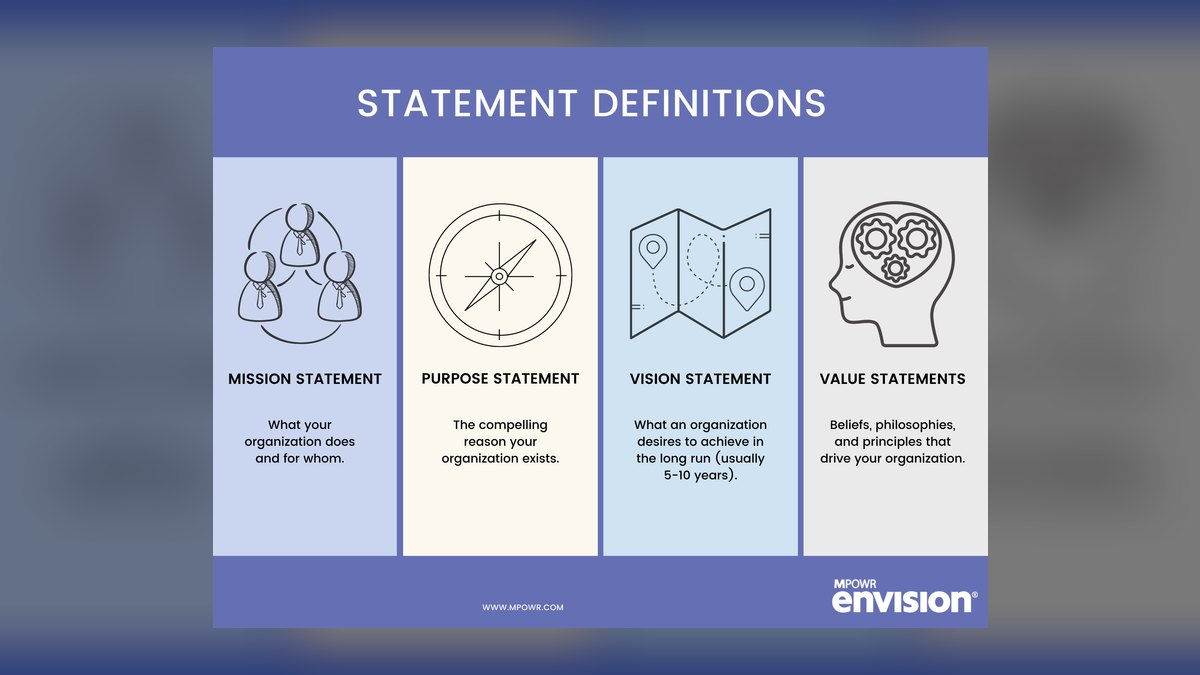
Placed fifth as Camp's structural tool: a written statement, built from the other party's perspective and world, that defines why a negotiation matters before any offer is made. He presents it as a discipline step meant to prevent negotiators from projecting their own goals onto the counterpart's actual situation.
It's built for complex, multi-meeting negotiations rather than quick transactional asks, where the upfront documentation effort pays off over time. It ranks below Blank Slate because it depends on that open mindset to be written accurately, and it ranks above Vision because it is the analysis step that a vision statement later gets pitched against.
6Vision for the Other Side

Ranks sixth as the pivot from analysis to persuasion: instead of pitching your own product benefits, Camp says negotiators should paint a picture of the counterpart's future world if the deal happens, using their language and priorities. This is presented as more durable motivation than pressure tactics or discounting.
This suits negotiators who have already done the Mission and Purpose homework and need a way to present it persuasively. It trades polish for specificity, since a vague vision fails. It sits just below the M&P statement it depends on, and above the Pain principle it should ultimately connect to.
7Uncovering Real Pain

Ranked seventh because Camp treats surface-level pain statements as unreliable, pushing negotiators to keep questioning until they reach the real, often unstated problem driving the other side's decision. He frames shallow pain-finding as a common reason negotiators pitch solutions to the wrong problem.
This is for negotiators facing vague objections like 'not the right time,' who need to dig past the first answer given. It costs more time upfront than accepting a stated reason at face value. It ranks below Vision because pain-finding is the diagnostic work that should happen before or alongside building that vision, not after.
83+ Budget Framework
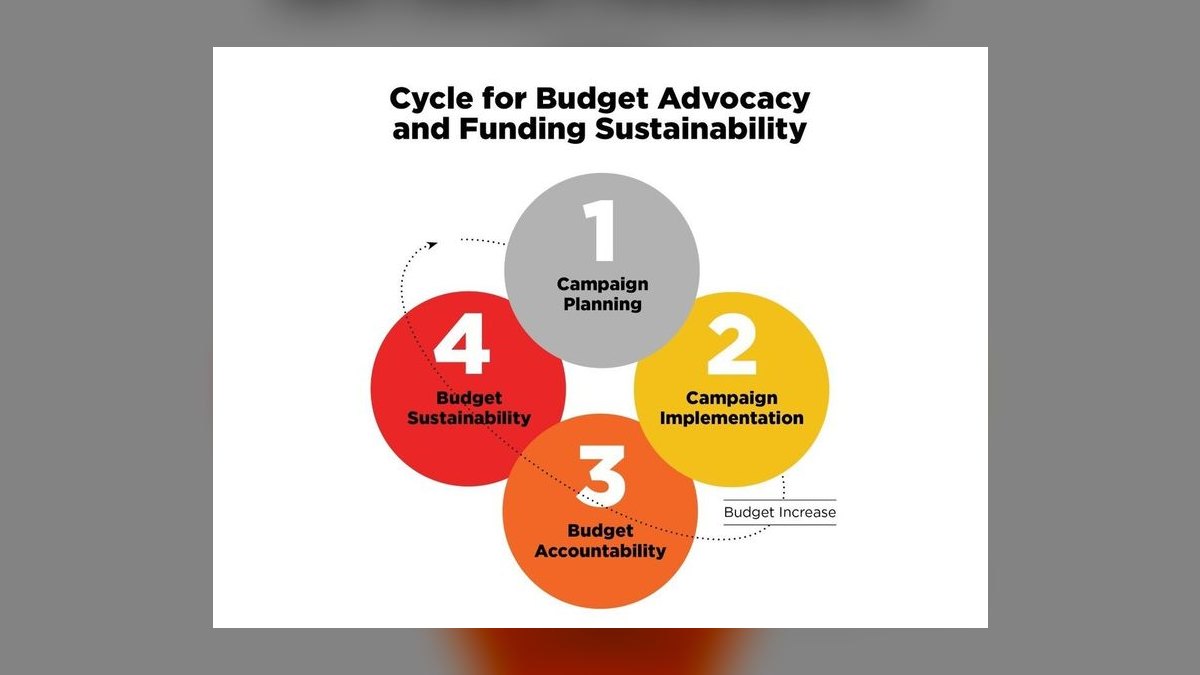
Ranked eighth as a tactical checklist: Camp has negotiators account for the other side's budgets of time, energy, money, and emotion invested in the decision, arguing that ignoring any one of these leads to misreading how close a deal actually is. It functions as a diagnostic tool rather than a persuasion tactic.
This suits negotiators managing long sales cycles with multiple stakeholders where momentum is hard to gauge. It's less immediately actionable than pain-finding above it, since it requires ongoing tracking rather than a single conversation. It ranks above treating the counterpart as a partner because budget awareness is what keeps that adversarial framing honest and fact-based.
9Treating the Counterpart as Adversary

Ranks ninth because it is Camp's most polarizing reframe: he insists negotiators mentally treat the other side as an adversary, not a partner, to stay clear-eyed about competing interests rather than assuming shared goals. This is meant to prevent premature concessions made in the name of rapport.
It is for negotiators prone to over-trusting friendly counterparts and giving away terms too early. It trades away some of the warmth that eases relationship-building. It ranks lower than the diagnostic tools above because, applied without them, this mindset alone can read as needlessly combative rather than disciplined.
10No-Based Decision Making

Ranks tenth as the book's title concept: Camp argues a clear 'no' is more valuable than a vague 'maybe,' since it forces real decisions and stops negotiators from chasing false progress. It closes the book's framework by giving negotiators permission to invite rejection early rather than avoid it.
This suits negotiators drowning in stalled, non-committal prospects more than those facing outright resistance. It offers less immediate technique than the Columbo Effect above it, functioning more as a philosophy that makes every other principle on this list easier to apply without fear of hearing no.
How we ranked these
Each takeaway was weighted by how often the concept surfaces in modern B2B sales training, how sharply it contradicts mainstream negotiation habits like win-win framing and premature concessions, and how quickly a manager could test it inside a live deal. The no-based decision, the blank slate approach, and the mission and purpose statement scored highest because they convert into checklist behaviors a rep can practice on a call this week, not theory requiring years of coaching.
Deliberately excluded: Camp's courtroom and hostage-negotiation anecdotes, the specific worksheets sold through his consulting practice, and any takeaway that only works with unlimited prep time before a call. Pure vocabulary rebrands — renaming a discovery call a 'mission statement meeting' without changing behavior — were dropped, along with takeaways that require the counterpart to already know the system, since most buyers in 2027 have never read the book and won't play along.
Related questions
What is the no-based decision and why does Camp prefer it over yes?
Camp argues 'yes' is often a placeholder buyers give to end an uncomfortable call, while 'no' is a real decision that protects both sides from a deal that unravels later. Inviting a prospect to say no removes the pressure that triggers false positives, so the yeses that survive are ones the buyer will actually defend internally when budget gets questioned.
What does the blank slate mean for a sales call in 2027?
Blank slate means walking into every call without assuming what the buyer needs, wants, or will say, even when the deal looks identical to five others this quarter. Reps who assume they know the story stop asking real questions and start pitching, which is exactly the moment Camp says a negotiator loses control of the conversation.
How does the mission and purpose statement change a sales conversation?
A mission and purpose statement is a short, written description of what the rep offers from the buyer's world, not the seller's, written before the call and referenced during it to stay off the seller's own agenda. It keeps a rep from over-adapting to whatever the buyer says next, since Camp treats over-adaptation as the biggest cause of unrequested concessions.
What are the four budgets Camp says every decision maker is spending?
Camp names time, energy, money, and emotion as the four budgets a buyer allocates to any decision, and stalls usually mean one of the four ran out rather than the deal being dead. A 2027 sales leader can use the four as a diagnostic on stuck pipeline instead of guessing whether the prospect went quiet over price.
Why does Camp say needs and wants are dangerous words in a negotiation?
'Need' and 'want' invite a buyer to state urgency that isn't real, and once a rep hears it they start negotiating against a fake deadline of their own making. Camp replaces both with pain, a specific, measurable business problem the buyer can quantify, because pain survives budget scrutiny in a way a vague 'we need this' does not.
What is Camp's 3+ agreement and how is it used before a proposal?
The 3+ agreement is a checklist a rep and prospect confirm together before any proposal goes out: what happens next, by when, and what it costs each side if it doesn't happen. Skipping it is why proposals sit unread for weeks, since nobody agreed in advance what a yes or no would actually trigger.
How does Start with No treat access to the real decision maker?
Camp treats decision-maker access as something a rep earns through disciplined questioning, not something to demand upfront, since demanding it early usually gets a coach or gatekeeper instead. The book's questioning sequence surfaces who really controls budget without ever directly asking 'are you the decision maker.'
Does Start with No still apply to inbound and self-serve sales motions?
Partially. The no-based decision and pain-based questioning transfer well to inbound calls where a rep still controls the qualifying conversation, but the mission and purpose discipline matters less when the buyer arrives pre-sold from content. Sales leaders in 2027 apply the book selectively to motions with a real live negotiation, not pure self-serve checkout.
FAQ
Is Start with No still relevant for sales teams in 2027?
Yes, the core diagnostic tools — no-based decisions, the four budgets, pain over need — don't depend on any specific channel or tech stack, so they hold up as deal-stage coaching regardless of whether pipeline runs through outbound, inbound, or partner-sourced leads. What's dated is the book's 1990s anecdotes, not its underlying negotiation logic.
How is Camp's approach different from win-win negotiation?
Win-win assumes both sides should walk away with a good deal by design, which Camp argues pressures the seller to concede first to prove good faith. His approach instead lets the buyer say no freely and never assumes an agreement in progress is a win until it's actually signed, tracked, and budgeted on both sides.
What's the single biggest mistake sales leaders make applying this book?
Treating 'start with no' as a script line reps say out loud, rather than an internal discipline about not needing the deal to close. Reps who parrot the phrase without dropping the underlying neediness just sound combative; the real change has to happen in how a rep handles silence and pushback, not in the words used.
Can new reps use Start with No or is it for senior AEs only?
New reps benefit most from the pain-based questioning and 3+ agreement checklist since both are teachable step by step, while the blank-slate discipline takes longer to internalize because it requires suppressing the urge to pitch. Most sales leaders introduce the book in month two or three, once a rep has enough calls to notice bad habits.
Does Start with No conflict with modern MEDDIC or MEDDPICC qualification?
No, they're compatible layers. MEDDIC gives a rep a qualification checklist; Camp's pain and budget questions are how a rep actually extracts honest answers to fill that checklist instead of buyer-supplied guesses. Teams running MEDDPICC often use Camp's questioning technique specifically to get real numbers for Metrics and Economic Buyer.
What should a sales leader read before or after Start with No?
Before it, nothing is required, the book stands alone and is deliberately non-technical. After it, leaders often pair it with SPIN Selling for question sequencing and The Challenger Sale for messaging, since Camp covers negotiation discipline but says comparatively little about constructing the initial value narrative.
How long does it take a sales team to adopt Camp's system?
Most sales leaders report a full quarter before the no-based decision and pain questions become habitual rather than a script reps consciously recall mid-call. Adoption is faster when managers listen to call recordings specifically for premature yeses and neediness language, the two failure patterns Camp's system is built to eliminate.
Is Start with No only for enterprise or complex B2B deals?
It was written for complex, multi-stakeholder B2B negotiations, so its heaviest tools — the mission and purpose statement, decision-maker mapping — pay off most on long-cycle enterprise deals. Transactional or low-touch sales can still borrow the no-based decision and pain questions, but the full system is overkill for a single-call SMB close.
What did Jim Camp's own background bring to this negotiation system?
Camp built his method training corporate and government negotiators before turning it into Camp Negotiation Systems for B2B sales teams, which is why the book reads more like a field manual than a typical sales book. That origin also explains its emphasis on emotional discipline and control over simple rapport-building, unusual for sales training of its era.
Where do sales leaders most often push back on this book?
The most common objection is that always assuming 'no' feels adversarial in relationship-driven sales cultures, and some leaders worry it trains reps to sound cold on calls where warmth actually drives the sale. Camp's defenders counter that the discipline is internal — not needing the deal — and doesn't require a rep to act cold at all.
Sources
- https://www.goodreads.com/book/show/29774.Start_with_No
- https://www.amazon.com/Start-No-Negotiating-Techniques-Professionals/dp/0609610988
- https://www.barnesandnoble.com/w/start-with-no-jim-camp/1100321906
- https://www.penguinrandomhouse.com/books/72941/start-with-no-by-jim-camp/
- https://en.wikipedia.org/wiki/Negotiation
- https://hbr.org/topic/negotiation-strategies
- https://www.investopedia.com/terms/n/negotiation.asp
- https://campnegotiationsystems.com/
Related on PULSE
This page will be disappearing soon. Save it to your device for $1 — or read it free while it is here.
@Kory-White- · if Venmo asks, the last 4 of my number are 2012
This page is gone.
This one is off the shelf now. $1 keeps it on your phone for good — the whole page, pictures and diagrams included.
 book-summaryPitch Anything by Oren Klaff — Cliff Notes Summary & Key Takeaways
 pulse-recentHow do you implement the Sandler Rules by David Mattson in your first 30 days as a new sales manager in 2027?
 pulse-recentThe Transparency Sale by Todd Caponi — Top 10 Key Takeaways for Sales Leaders in 2027
 pulse-recentSPIN Selling by Neil Rackham — Top 10 Key Takeaways for Sales Leaders in 2027
 pulse-recentHyper Sales Growth by Jack Daly — Top 10 Key Takeaways for Sales Leaders in 2027
 pulse-recentMonetizing Innovation by Madhavan Ramanujam — Top 10 Key Takeaways for Sales Leaders in 2027
 pulse-recentThe Sales Acceleration Formula by Mark Roberge — Top 10 Key Takeaways for Sales Leaders in 2027
 pulse-recentWhat are the concrete steps to implement the Sandler Rules for Sales Leaders by David Mattson in 2027?
 pulse-recentWhat is the first concrete step in SPIN Selling by Neil Rackham for structuring a discovery call in 2027?
 pulse-recentTraction by Gabriel Weinberg and Justin Mares — Top 10 Key Takeaways for Sales Leaders in 2027