


The Sales Forecasting Reboot — 60-Min Training
Quality
Certified

The Sales Forecasting Reboot is a single 60-minute manager-led Training that replaces gut-feel forecasting with a shared classification language. Reps sort every deal into Commit, Best Case, or Pipeline using evidence tests, name their slip risks, and leave with a written commitment and a weekly checkpoint. Run the Reboot once, then repeat the five-minute cadence weekly.
What the Reboot is and why forecasting discipline matters
The Sales Forecasting Reboot is not a pep talk and not a tool rollout — it is an operating discipline you install in one hour and then reinforce in five minutes a week. Most B2B SaaS forecasts miss because reps grade their own homework: they attach optimism to a close date, call it "Commit," and the manager has no falsifiable way to challenge it. The Reboot fixes the language problem before it ever touches the math problem, and that sequencing is the whole point.
The core premise comes straight from Jason Jordan's *Cracking the Sales Management Code*: only forecast objects — the deals themselves — drive results, not the activity noise around them. A manager who coaches activities without a clean object taxonomy is polishing the wrong lever. This Training rebuilds the object muscle: what a deal is, which bucket it belongs in, and what evidence justifies that placement. Everything downstream — coaching, quota, capacity planning — inherits the quality of that taxonomy.
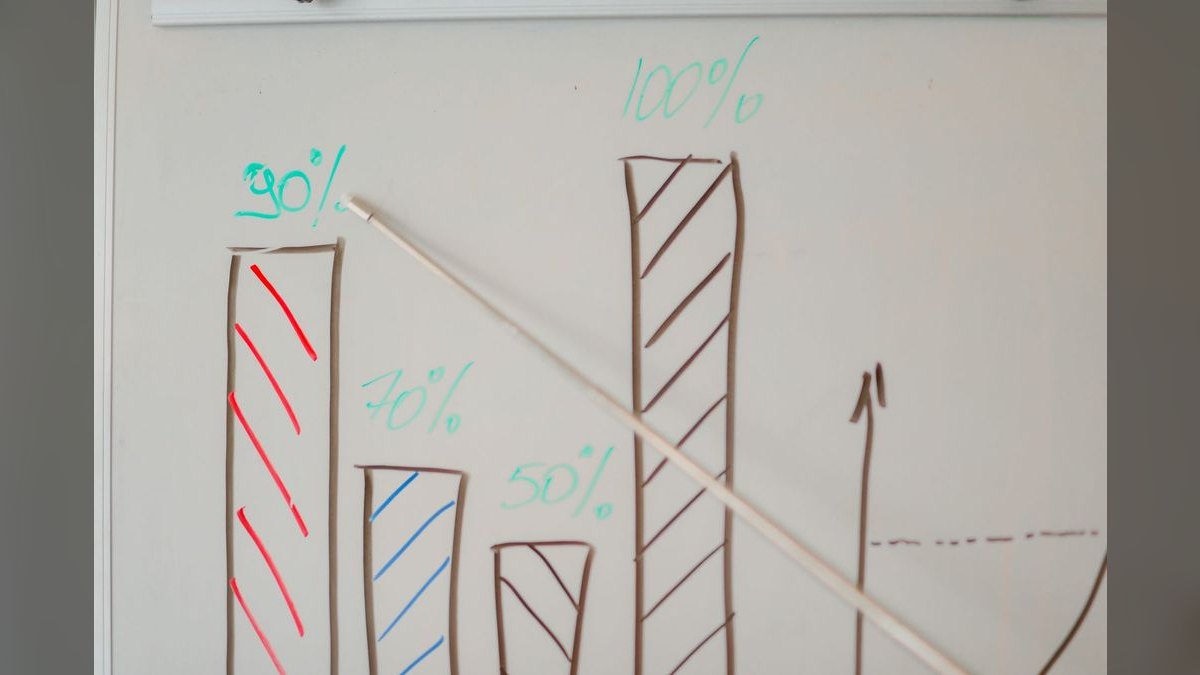
Why it matters commercially is simple. When a team commits a number and misses it by 20-30%, three things break at once. Finance loses trust in the revenue line and starts discounting every future call, which means even your accurate quarters get haircut. The CRO can't tell whether the gap is a demand problem, an execution problem, or a language problem — so coaching becomes guesswork and every intervention is a coin flip. And reps learn that forecasting is theater, which quietly rewards sandbagging and hero-ball in equal measure. A tight Sales forecast is the single highest-leverage habit a revenue org can build because it makes every downstream decision — hiring, quota, spend, board guidance — legible. For a team running $25K–$500K ACV cycles, moving from roughly 60-70% accuracy to 90%+ within a quarter is a realistic target once the shared vocabulary exists. That is the whole reason this Sales Forecasting Reboot runs as a repeatable 60-minute Training rather than a one-off offsite: repetition, not intensity, is what tightens the number, and a single dramatic session decays within two weeks if nothing reinforces it.
The step-by-step process of the 60-minute session
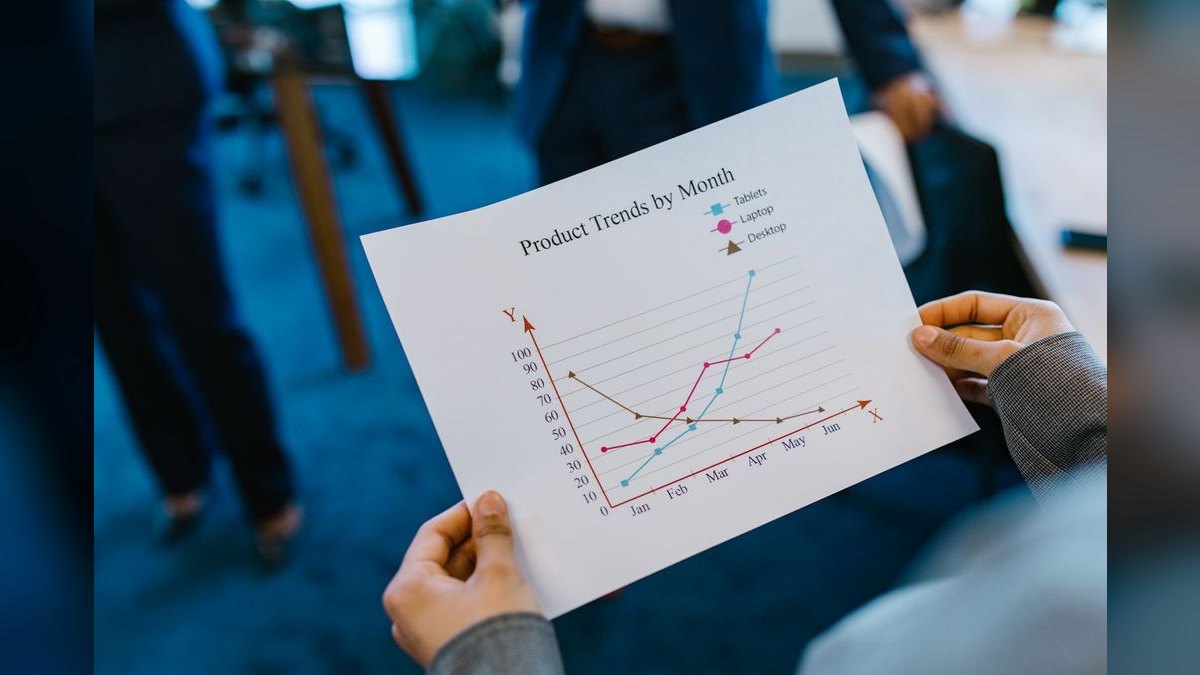
The session runs on a fixed clock. Send pre-work 24 hours out: each AE pulls their current-quarter pipeline filtered to deals with a close date inside the next 90 days, and RevOps or the CRO pre-loads last quarter's commit-vs-actual delta per rep. Reps who don't pre-read don't attend — that rule protects the hour, and enforcing it once teaches the team the Training is real.
Minutes 0–5 — Open and show the gap. The manager puts last quarter's committed number next to the closed-won number, by rep, on screen. Frame it as a system failure, not a shaming exercise: *"The delta isn't a math problem, it's a language problem. Today we agree on what Commit means, and we retire the phrase 'feels good.'"* State the goal out loud — move team forecast accuracy to 90% by the end of next quarter.
Minutes 5–20 — Install the three buckets. Every deal in the next 90 days lives in exactly one bucket, mirroring the Salesforce forecast categories. Commit means "I will bet my variable comp this closes this period" — it requires MEDDPICC fully scored, a mutual close plan countersigned by the buyer, redlines exchanged or waived, and a verbal from the economic buyer. Best Case is a real opportunity with a champion but missing one of those proofs; it never rolls into Commit math. Pipeline is everything else with a future close date — a coaching target, not a forecast input. Each rep reads their top five deals aloud and assigns a bucket; the manager challenges every "Commit" with one question: *"What would have to be untrue for this to slip?"*

Minutes 20–30 — Run the evidence test. For each Commit deal the AE writes 3–5 conditions that must be true to close this period (legal returns redlines Tuesday, CFO joins the call, PO issued by the 14th), rates each on evidence not optimism, and multiplies them. Three conditions at 80% is a 51% deal — not a Commit. The manager asks for the proof point behind every percentage: no email, meeting, or artifact means downgrade. This is the single step that most changes rep behavior, because it forces a probability to be defended rather than asserted.
Minutes 30–40 — Name the slips. Reps classify last quarter's slipped deals into four types (covered below) so the pattern becomes visible rather than repeating silently.
Minutes 40–55 — Set the math and cadence. Agree the unweighted Commit total is the primary number and the weighted view is a sanity check. Lock the 30/60/90 rhythm: a 15-minute weekly delta standup, a 30-minute monthly forecast call, and a 90-minute quarterly reset.
Minutes 55–60 — Commitments. Each AE writes their Commit number, Best Case number, and the one deal they're most worried about plus the single proof point they'll chase by Friday. The manager captures these verbatim so next week's standup opens against a written baseline, not a memory.
Costs, timelines, and typical ranges

The direct cost of the Reboot is close to zero — it's a manager's hour and the reps' time. The real investment is calendar discipline and the optional tooling that amplifies it. Budget the time like this: one 60-minute install session, then a recurring 15-minute weekly standup and a 30-minute monthly forecast call. The quarterly reset runs 90 minutes. Across a quarter that's roughly 60 + (12 × 15) + (3 × 30) + 90 = about 420 minutes of structured forecasting per rep — under an hour a week, which is exactly the point: the discipline has to be cheap enough to survive a busy quarter.
Timeline to results: two full sales cycles. The first cycle exposes the mis-classification — reps discover how many "Commits" were really Best Case, and the number gets uglier before it gets better. Expect the first honest forecast to look worse than the dishonest one it replaced; that is the system working, not failing. The second cycle is when reps internalize the buckets and accuracy tightens. For a team with a 60-90 day cycle, that means a visible delta by the end of quarter one and a durable 90%+ discipline by quarter two. Don't promise the CRO an instant fix; promise a legible trendline and defend it when the first quarter dips.

Deals per rep in Commit is a useful range to calibrate against: top-performing AEs typically carry 3–7 Commit deals per period. More than ten usually signals the rep doesn't genuinely believe any single one and is hedging by stuffing the bucket; fewer than two often means they're sandbagging to set a beatable bar.
Tooling cost, if you add it. Revenue-intelligence and enablement platforms — Clari, Gong, BoostUp, Highspot, MindTickle, Outreach, Salesloft, Apollo — publish per-seat pricing that generally lands in the tens of dollars per user per month for enablement tools and higher for full revenue-intelligence suites; check each vendor's current published pricing rather than quoting a stale figure, because these change quarterly. The critical sequencing rule: do not buy AI forecasting tooling until the team agrees on the bucket definitions. These tools amplify whatever taxonomy you feed them — clean taxonomy in, tighter forecast out; garbage in, confident garbage out. Spending on Clari or Gong before the language is fixed just produces well-visualized wrong answers faster, and now you're paying a subscription to be confidently wrong.
Where teams get the Reboot wrong
The most common failure is letting the session decay into a status meeting. If the hour becomes reps narrating what they did last week, the discipline is dead. Hard-anchor on the written agenda, require pre-reads, and end every session with a recorded commitment — those three guardrails are what separate a working session from a check-in.

The second failure is treating a slip as a mystery instead of a category. Every slipped deal fits one of four types, and naming it is what stops the repeat. Type 1, Champion Failure — the internal champion left, lost authority, or was never really a champion; the fix is to multi-thread to a second stakeholder before you ever forecast Commit. Type 2, Process Surprise — a procurement, security, or legal step the rep didn't know existed; the fix is asking "what's your buying process" in discovery, not in week eleven. Type 3, Priority Reshuffle — budget moved to a higher-pain initiative; the fix is tying the deal to a quantified pain in MEDDPICC's Identified Pain. Type 4, Competitive Loss Masquerading as a Slip — you actually lost and the buyer is being polite; the fix is a rule that if a "slipped" deal shows no movement in 14 days, you call it lost. Mike Weinberg's rule from *Sales Management. Simplified.* is the blunt version: a deal without a next scheduled meeting with the buyer is not a Commit, period.
The third failure is confusing the weighted and unweighted numbers. Use unweighted Commit ACV as the primary forecast because the buckets already encode probability; run the weighted view (Commit × 0.90, Best Case × 0.50, in-period Pipeline × 0.10) only as a sanity check. If the two diverge by more than 15%, the team is mis-classifying — recalibrate the buckets, don't tinker with the multipliers.

The fourth failure is blending forecast streams. New-logo, renewal, and expansion each deserve their own Commit / Best Case / Pipeline view; blended into one number they hide risk in both directions. And the fifth, subtler failure is punishing transparency — if a rep tells you a Commit dropped to Best Case mid-cycle, that's the system working. Surprises on forecast day are the only real failure mode in the room, and a manager who berates an early downgrade will never get an early downgrade again.
Decision framework: choosing cadence and tooling
Not every team should run the same rhythm. The main variable is ACV and cycle length. For $25K–$150K ACV, cycles are short enough that monthly forecasting beats quarterly — the deals move fast and a quarterly cadence lets slips hide until it's too late to react. For $150K–$500K ACV, quarterly forecasting is fine because the cycle is longer than the period and monthly re-litigation just churns the same deals without new information. Layer the weekly 15-minute standup on top of either; it only handles deltas — what moved in, out, or changed bucket — and never re-opens the full list.
The certification-and-tooling decision follows the same logic. Use an LMS or enablement platform for self-paced theory, and reserve this 60-minute Training for the live working session — teams that run both tend to ramp meaningfully faster than LMS-only teams, because theory without a live inspection loop doesn't change behavior. On AI forecasting, the gate is maturity: agree the taxonomy first, then adopt revenue-intelligence tooling to enforce it at scale. A team still arguing about what "Commit" means is not ready to automate it, and automating an argument just scales the argument.
Related questions

How is this different from just using Salesforce forecast categories?
Salesforce gives you the buckets; the Reboot gives you the evidence rules that decide which bucket a deal earns. Categories without a countersigned close plan and an economic-buyer verbal are just dropdown values. The Training installs the human discipline the CRM can't enforce on its own.
Can a first-line manager run this without RevOps support?
Yes. The only dependency on RevOps is pre-loading last quarter's commit-vs-actual by rep, which a manager can pull manually if needed. Everything else — the buckets, the evidence test, the slip taxonomy, the cadence — lives in the manager's hands and a whiteboard.
What if a rep closes a deal they had in Pipeline, not Commit?
That's a sandbagging signal, not a win to celebrate blindly. Track Pipeline-to-closed conversion per rep; if it runs above ~15%, the rep is hiding deals to protect their number. Coach for transparency rather than punishing the close.
Does this replace MEDDPICC or work alongside it?

Alongside. MEDDPICC scores whether a deal is qualified; the Reboot decides whether a qualified deal belongs in the forecast this period. A fully scored MEDDPICC opportunity can still be Best Case if the mutual close plan isn't signed.
How often should the full 60-minute session repeat?
Run the full install once, weekly during the quarter you're rolling it out, then step down to bi-weekly once most of the team is fluent in the buckets. The 15-minute weekly delta standup continues indefinitely.
FAQ
How long should this Training actually run? Sixty minutes is the default and it's enough for a standing team. For a quarter kickoff or a brand-new team, run a 90-minute version with an extended role-play block so reps practice defending a Commit under challenge before it counts.
Who should facilitate — the manager or a senior AE? The manager facilitates and the AEs participate. Manager-led inspection carries the accountability weight that makes the evidence test land; a peer-led version tends to soften the challenge and behavior change drops off.

Should we buy Clari, Gong, or BoostUp for this? Only after the team agrees on the bucket definitions. AI forecasting tools amplify whatever taxonomy you feed them — install the language first, then let the tool enforce and scale it. Buying tooling to fix an undefined process just produces confident wrong answers faster.
How do we forecast renewals and expansion? As a separate forecast entirely. New logo, renewal, and expansion each get their own Commit / Best Case / Pipeline view. Blending them hides both upside and risk and makes the number impossible to coach against.
How do we know the Reboot is working? Watch three weekly signals: how many Commit deals survive the evidence test without downgrade, the gap between committed and closed shrinking cycle over cycle, and reps flagging bucket changes the day they happen rather than on forecast day. Expect a visible delta by end of quarter one and durable 90%+ accuracy by quarter two.
What's the single biggest mistake to avoid? Letting the session drift into a status update. The moment it becomes "here's what I did last week" instead of "here's the evidence this closes," the discipline is gone. Written agenda, mandatory pre-read, recorded commitment — every time.
Sources
- https://www.clari.com/resources/
- https://www.salesforce.com/products/sales-cloud/features/sales-forecasting-software/
- https://hbr.org/2013/09/the-big-lie-of-strategic-planning
- https://www.mheducation.com/highered/product/cracking-sales-management-code-jordan-vazzana.html
- https://mikeweinberg.com/books/
- https://www.gartner.com/en/sales/insights/b2b-buying-journey
- https://www.gong.io/resources/
- https://www.forrester.com/research/
Related on PULSE
- Sales Forecasting Accuracy: Template for a Team Meeting Focused on Data Hygiene
- 60-Min Sales Training: Forecasting Accuracy for AEs
- The Forecasting Calibration Workshop — 60-Min Training
- The Sales Org Health Check Reboot — 60-Min Training
- The PLG Sales Motion Reboot — 60-Min Training
- The Founder-Led Sales Transition Reboot — 60-Min Training
This page will be disappearing soon. Save it to your device for $1 — or read it free while it is here.
@Kory-White- · if Venmo asks, the last 4 of my number are 2012
This page is gone.
This one is off the shelf now. $1 keeps it on your phone for good — the whole page, pictures and diagrams included.
 sales-trainingThe Win-Loss Analysis Reboot — 60-Min Training
 sales-trainingThe Prospect Research Reboot — 60-Min Training
 sales-trainingThe Talk Track Refresh Reboot — 60-Min Training
 sales-trainingThe Discovery Call Reset — 60-Min Training
 sales-trainingThe Cold Call Reboot — 60-Min Training
 sales-trainingThe SPIN Selling Reboot — 60-Min Training
 sales-trainingThe Sales Storytelling Reboot — 60-Min Training
 sales-trainingThe Objection Handling Reboot — 60-Min Training
 sales-trainingThe Multi-Thread and Champion Build Reboot — 60-Min Training
 sales-trainingThe Challenger Sale Reboot — 60-Min Training