


Wedding Photography Booking Selling — 60-Min Training
Quality
Certified

Booking more weddings starts with speed and structure, not more marketing spend: reply within the hour with a personal video, hold a 15-to-20-minute connection call that sells the emotional experience before naming a price, present three tiers anchored on the middle Wedding Photography package, and ask for the date-hold deposit live on the call. This Training rehearses that four-step sales ritual until it becomes reflexive rather than a script.
The Midnight Inbox: A Studio Losing Business It Should Win
A solo wedding photographer checks her inbox at 7 AM after a Saturday shoot and finds three overnight inquiries — 9:47 PM, 10:15 PM, and one just after midnight. All three couples got engaged in the previous two weeks and are messaging every studio whose portfolio caught their eye during a late-night scroll. By lunchtime she has answered each one with a warm note and a link to her pricing PDF. Two never respond again. The third books a competitor four days later, telling a mutual friend "we just clicked better with the first person who actually talked to us."
Nothing here is a talent problem. Her images are strong — the couples who left saw them and still walked. It's a Booking funnel problem, and the same pattern shows up in adjacent categories of event work: engagement-session photographers, elopement specialists, and wedding videographers who bundle with photo teams all report the identical symptom, because the underlying buyer behavior is the same. Newly engaged couples typically contact four to six vendors in one sitting, almost always between 8 PM and midnight while friends and family are still texting congratulations, and they are comparing responsiveness and warmth in real time, not just comparing portfolios side by side later. The vendor who replies first with something personal — using the couple's actual names and venue, recorded on a phone in thirty seconds — captures the emotional lead before anyone else even opens the thread. The vendor who replies with a static price sheet has already lost ground, because a PDF answers "how much" while the couple is really asking "does this person understand what today means to us."
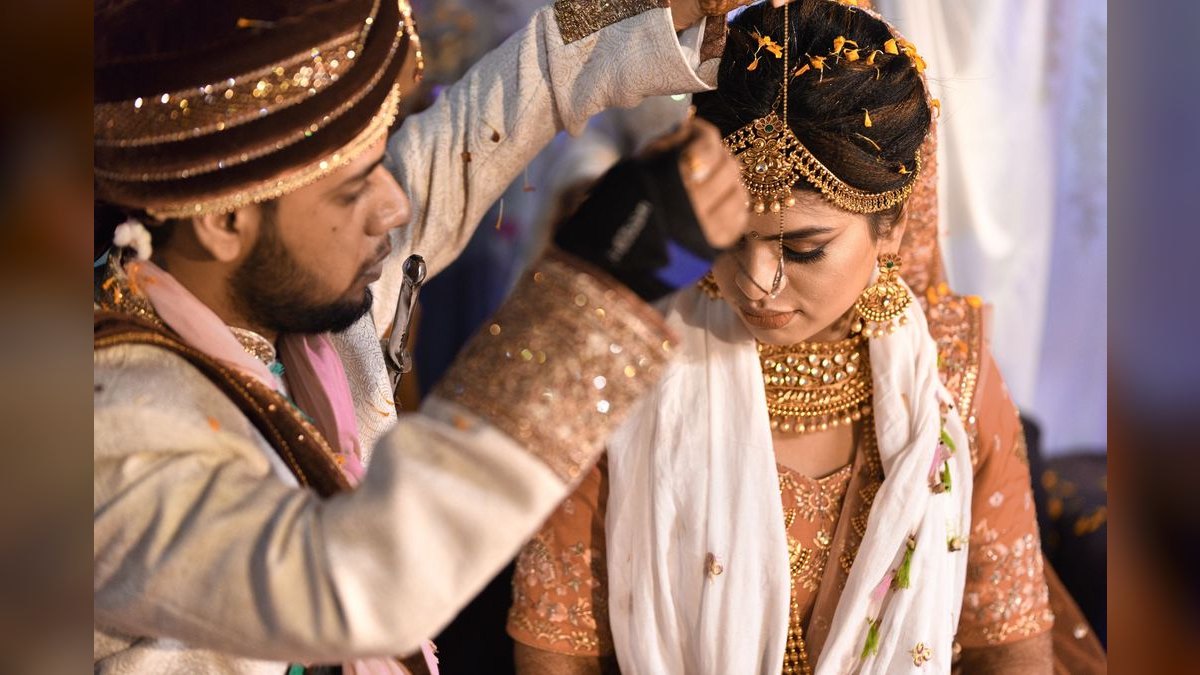
This scenario is not rare or specific to underperforming studios — it repeats weekly across nearly every independent photography business, from full-time six-figure studios to photographers still building a portfolio, and it is fixable through process rather than raw talent. The photographer above didn't lose the booking because a rival shot better images. She lost it because her existing workflow treated an emotional decision like a paperwork step, and nothing forced a different approach. Installing a same-day video habit, a scheduled connection call, a rehearsed three-tier presentation, and a live-close ask changes the outcome of the very next inquiry cycle, not some distant future quarter.
How the Booking Mechanism Actually Works
The mechanism is a chain, and every link has to hold or the couple quietly drops out before reaching a signed contract. It begins the instant an inquiry lands and, in the ideal case, ends with a signed date-hold deposit inside that same session — never stretched across days of back-and-forth email.
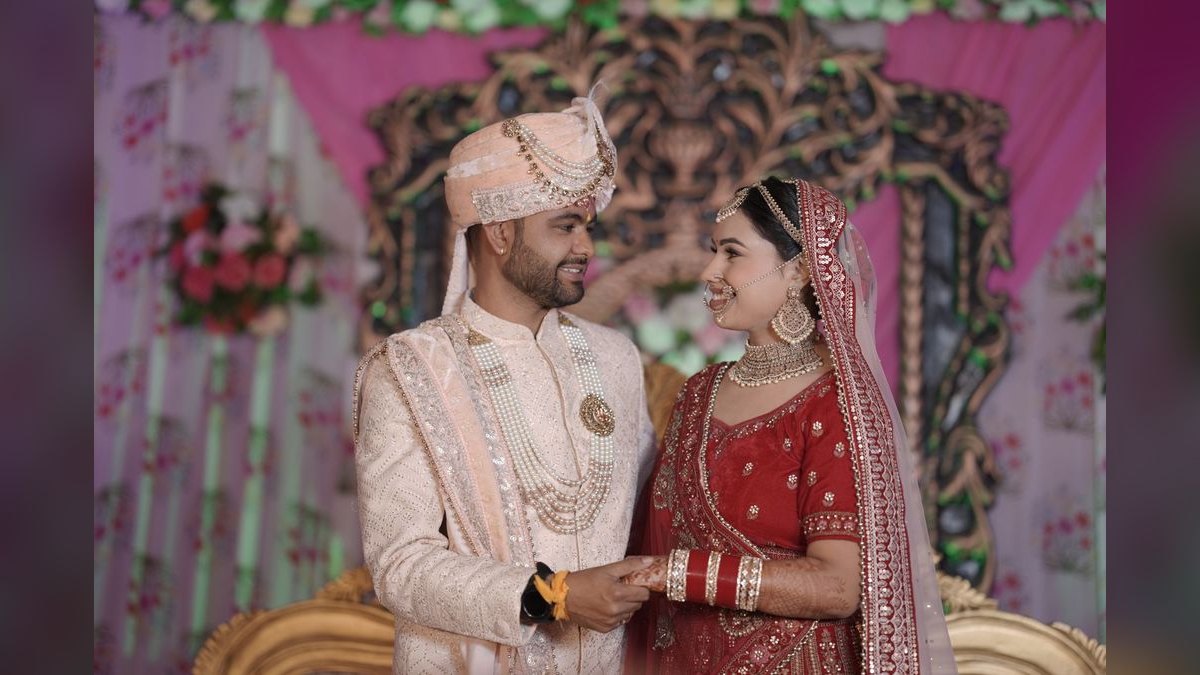
The first link is speed: a same-day, ideally same-hour, personal video reply that names the couple, names their venue, and signals genuine curiosity rather than a canned template. This isn't a manipulation tactic — it's the qualifying filter that earns a spot on the couple's shortlist, since most couples stop actively comparing once two or three vendors have made a distinctly strong first impression.
The second link is the connection call itself: a scheduled 15-to-20-minute video conversation, never a price quote fired off cold by email. The photographer's job on this call is to ask about the day — who's flying in, what the first look will look like, what they're most anxious about losing — and to listen more than they talk. This borrows directly from consultative selling frameworks used well beyond photography, including corporate event and portrait studios: surfacing what a client is actually afraid of losing (a grandparent's declining health, a sibling's only trip home that year, the one photo that proves a moment happened) sells harder than any feature list.
The third link is the tier presentation, delivered by name and in a fixed order — the mid-tier package first, framed as the built-for-you option, the entry tier shown afterward only as a lower anchor for comparison, and the top tier shown last as the aspirational reach. The couple should feel like they're choosing their own adventure rather than being walked through a menu.
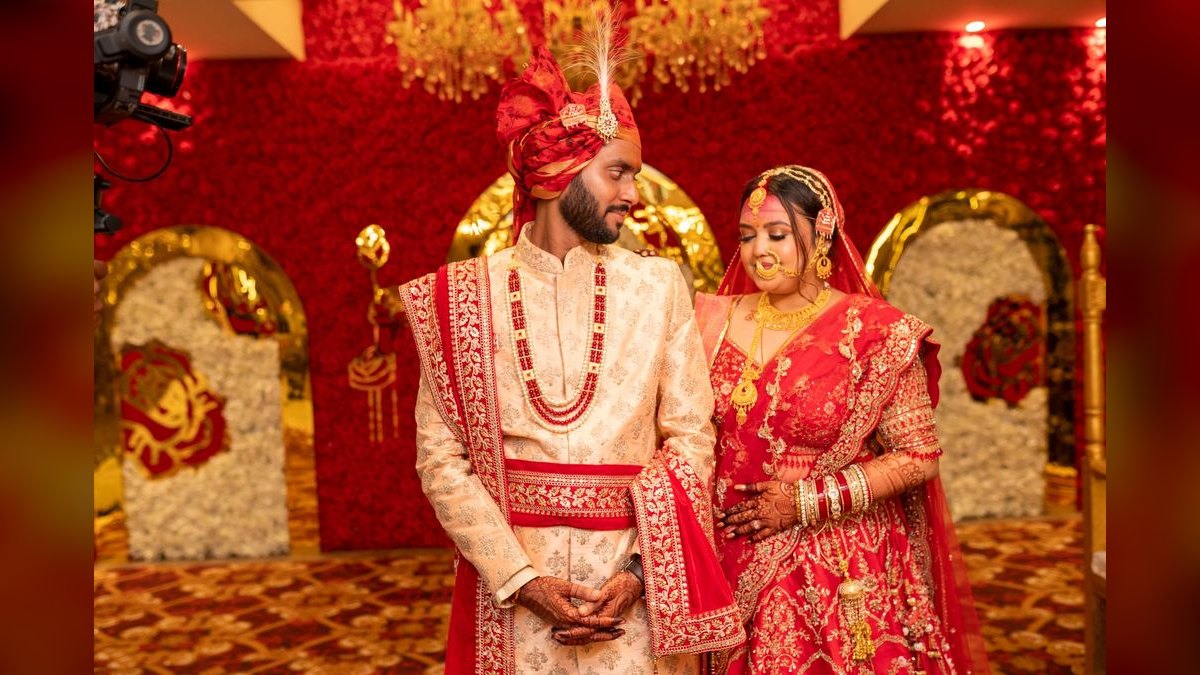
The fourth link is the close, executed while the call's emotional momentum is still live: naming date scarcity honestly if it's true, asking directly for the retainer, and sending the contract before the call ends instead of promising a follow-up email "tomorrow."
The Numbers Behind the 60-Minute Training
Studios invest a full session in this because the math compounds once each funnel stage improves even modestly. Forty inquiries a month is a realistic baseline for an active regional photographer with decent SEO, Instagram visibility, and referral flow from planners and venues.
At a 50% reply-to-call conversion rate — meaning half of the people who get a fast, personal reply actually book the connection call — that's 20 calls a month. If half of those calls close, driven mainly by whether the photographer sells the experience first and asks for the deposit live rather than "let me think it over," that's 10 bookings a month. At an average mid-tier price around $5,800, that's roughly $58,000 in monthly bookings from the same 40 raw leads a slower-moving studio would convert at a fraction of the rate.
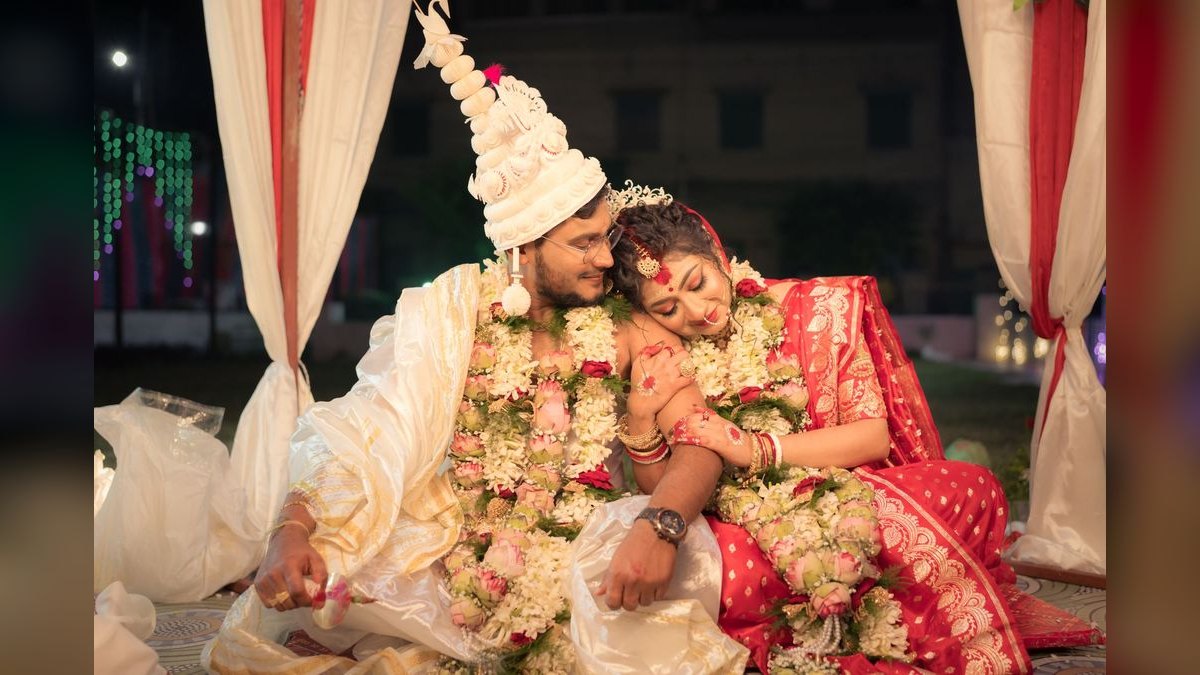
The single highest-leverage variable in this chain is the close rate on the call, not the raw inquiry volume. Moving a studio's close rate from 35% to 50% on an unchanged lead pool — purely by asking for the deposit live instead of emailing "let me know if you'd like to move forward" — can add on the order of $200,000 a year with zero additional ad spend. That's why the training spends a disproportionate share of its 60 minutes on the final five minutes of the call: those sixty seconds carry more leverage than the rest of the funnel combined.
Industry response-time patterns reinforce this. Photographers who reply within the hour and consistently present a structured three-tier menu book at nearly double the rate of studios that take a day or two and lead with a flat price list. Three tiers specifically outperform two, which forces a binary yes/no decision, and four, which triggers decision paralysis; three is the number that reliably anchors the middle option as the obvious pick. The same anchoring math shows up in adjacent categories — portrait studios, boudoir photographers, and even corporate headshot vendors that adopted a three-package structure report similar lifts once they stopped presenting a single flat rate.
Timing matters on the calendar level too: the two weeks immediately following a proposal generate the highest inquiry density of the entire engagement, and roughly 40% of a photographer's annual bookings for the following wedding season can originate in the six-to-eight-week window after New Year's Day, when the largest single wave of proposals happens. A studio that hasn't rehearsed this process before that window opens is leaving its best-converting weeks of the year to chance.
Trade-Offs Between the Live-Close Model and Slower Alternatives
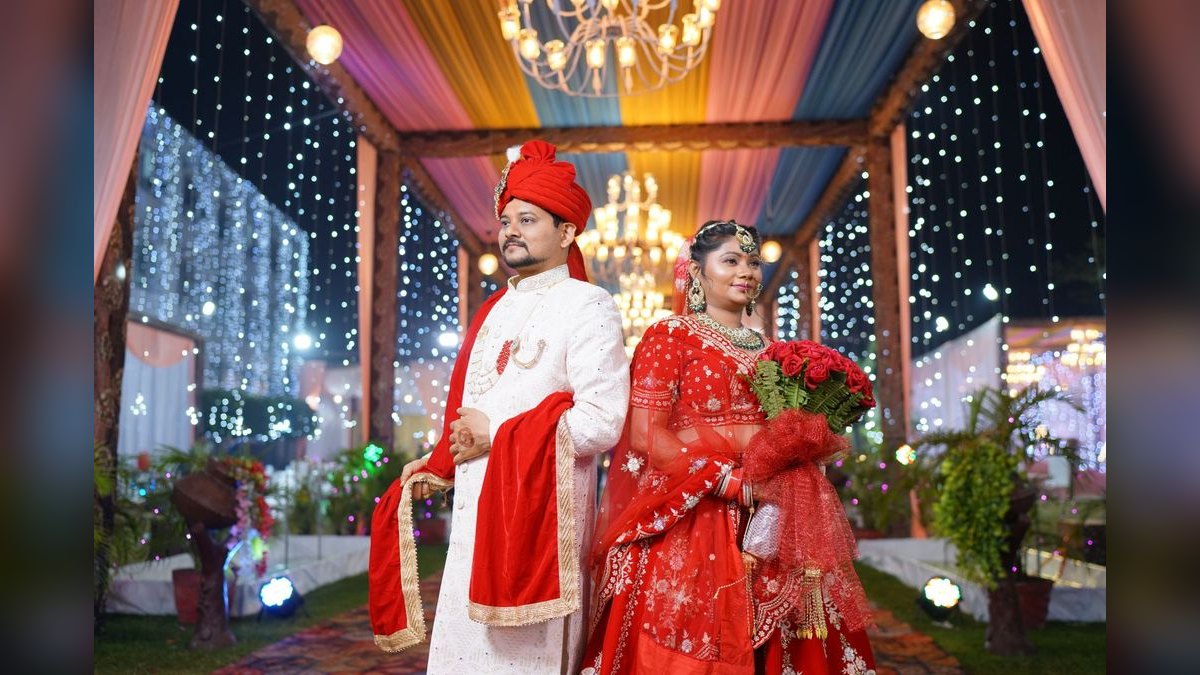
The live-close, same-call model isn't the only way to run a wedding studio's sales process, and the training is honest about what it trades away. The main alternative is a slower, lower-pressure nurture sequence: send a warm reply, follow with a recap email, give the couple several days to compare, and wait for them to circle back when ready. This approach feels less pushy and suits photographers who are uncomfortable asking for money on a live call, but it consistently loses bookings to faster-moving competitors, because couples comparing several studios at once are making an emotionally charged decision under real time pressure and tend to book whoever removes their uncertainty first.
A second alternative is flat, single-tier pricing — one package, no menu. It's simpler to administer, and some couples find it less confusing, but it eliminates the anchoring effect entirely; there's no "reasonable middle" for the couple to land on, and studios running this model report couples defaulting to negotiating the single price down rather than upgrading to add-ons like a second shooter or an engagement session.
A third trade-off sits inside the tier structure itself: whether to build the second shooter into the anchor tier or sell it as an add-on. Bundling it into the mid-tier raises the anchor price and the average sale, and getting-ready coverage of both partners is usually an easy emotional yes — but it also raises the entry cost of the "real" package, which can push more budget-constrained couples down to the entry tier than a studio might want. Videographers who partner with photographers on shared wedding days face a parallel version of this decision: bundle photo-plus-video into one anchor package, or keep them as two separately priced services that couples assemble themselves.
The honest takeaway for the room is that the live-close, three-tier model wins on both conversion rate and average order value nearly every time it's measured against these alternatives, but it demands a level of directness that not every photographer starts with — which is exactly why the training rehearses verbatim scripts rather than only explaining the theory behind them.
Common Pitfalls That Sink an Otherwise Strong Call
The single most common pitfall is leading with the cheapest package "to be safe." Naming the entry tier first anchors the couple's mental price ceiling at the bottom, and every subsequent number then sounds expensive by comparison. The mechanical fix drilled into the training is simple: always say the middle tier's name out loud first, before any dollar figure is mentioned.
A close second is treating the price conversation as something to apologize for — phrases like "it's only $4,500" or "I can probably work with you on that" train the couple to negotiate before an objection has even been raised. The training has photographers physically cross these phrases off a printed script and replace them with value language tied to the couple's own stated fears, never to the studio's internal cost structure.
Opening with "what's your budget?" is a related trap, because it signals the photographer will shrink the offering to match whatever number comes back rather than anchoring on what the day actually needs. The reframe taught in the training is to ask about the day itself — timeline, guest count, the moments they're most worried about missing — and let a budget signal emerge naturally instead of being solicited directly.
The second-largest pitfall is letting momentum die after the call ends. Promising to send the contract "tomorrow" instead of live, while the couple is still emotionally engaged, is consistently where bookings quietly evaporate — attention shifts to the next studio, another wedding-planning task, or simple second-guessing once the call's energy fades. The fix is procedural rather than persuasive: the photographer keeps the contract and invoicing tool open in a browser tab for every single connection call, so sending it takes fifteen seconds rather than becoming a follow-up task for later that week.
A subtler pitfall is discounting the retainer to force a close. It feels like it saves the booking in the moment, but it erodes the protection the retainer exists to provide — a photographer who discounts the deposit trains both the couple and themselves to treat it as negotiable, which undermines its function later if a couple wants to cancel or reschedule close to the date. The training's rule is blunt: negotiate value, never the retainer.
Finally, inventing urgency — claiming a second couple is "also asking about the date" when none exists — is flagged explicitly as a pitfall rather than a tactic, both ethically and practically. Couples increasingly compare notes across vendors, and a fabricated scarcity claim that gets discovered destroys trust in a way no single lost booking compares to. A studio that genuinely books only one wedding per date already has real urgency to offer honestly, with nothing invented required.
Related questions
How fast does a wedding photographer actually need to reply to an inquiry?
Within the hour is the target, same business day is the absolute floor. Response speed ties directly to booking rate in this industry, since couples message several studios at once and tend to book whoever removes their uncertainty first.
Why present three pricing tiers instead of one clear price?
Three tiers anchors the middle option as the reasonable choice. Two tiers forces a binary yes/no, and four tiers causes decision paralysis; three consistently books the middle package most often across studios that track this.
Is it manipulative to tell a couple their date is in demand?
Only if it's untrue. If a studio genuinely shoots one wedding per date, stating that honestly is transparency, not pressure. Inventing a competing couple that doesn't exist is the actual pitfall to avoid.
Should a second shooter be bundled into the mid-tier package?
Bundling raises the average sale and is an easy emotional yes for getting-ready coverage of both partners, but it also raises the entry price of the anchor tier, which can push cost-sensitive couples toward the lowest option instead.
Does this same four-step process work for engagement sessions or elopements booked separately?
Yes — the speed-then-connection-call-then-tiers-then-close sequence applies to any one-time event booking where a couple is comparing several vendors quickly, including engagement shoots, elopement packages, and videography add-ons.
FAQ
What if a photographer is naturally introverted and dislikes "selling" on a call? The framing that helps most is that this isn't selling in the pushy sense — it's guiding. Asking about the couple's day and listening closely, talking less than the couple does, is itself the highest-converting behavior on the call.
Should a studio post full pricing publicly on its website? A "starting at" figure filters out couples far outside budget range, but the full tier menu is best reserved for the connection call, where the photographer can frame the value behind each number instead of letting it be judged in isolation.
What happens if a couple's budget genuinely falls below the entry tier? Offering a smaller-hours mini-package, or an honest referral to an associate shooter, protects the pricing integrity of the main tiers rather than discounting the anchor package and devaluing it for every couple who paid full price.
Does the same-day reply rule apply on weekends and during active shoots? The rule is same business day at the absolute latest, and ideally within the hour. Studios that build a quick video-reply habit into their workflow — even a rough one recorded between shoots — consistently outperform ones that wait until Monday.
How long should the connection call actually run? Fifteen to twenty minutes is the target window — long enough to genuinely learn about the couple's day and name back an emotional anchor, short enough to respect their time and keep momentum moving toward the close rather than drifting into an open-ended chat.
What's the single highest-leverage moment in the whole process? Asking for the date-hold deposit live, on the call, rather than following up later by email. Studios that move this one step from "later" to "now" see close-rate gains that outweigh almost any other change to the funnel.
Sources
- Professional Photographers of America (PPA), Benchmark Survey and Business Resources, ppa.com
- Neil Rackham, *SPIN Selling*, McGraw-Hill, 1988
- Donald Miller, *Building a StoryBrand*, HarperCollins Leadership, 2017
- The Knot Worldwide, Real Weddings Study: Photography Spend and Booking Behavior
- Robert Cialdini, *Influence: The Psychology of Persuasion*, Harper Business, revised edition
- Imaging USA / PPA national conference, business and sales education track
- ShootProof, studio-management benchmark reports on inquiry response time
- Táve, studio workflow and booking conversion benchmark data
Related on PULSE
- Luxury Travel Agency Concierge Booking Selling — 60-Min Training
- Wedding Venue Tour — 60-Min Training
- The Sandler Selling System: Ready-to-Run Mini-Training for New Hires
- Selling with Stories: Narrative Structure Template for a 45-Minute Sales Workshop
- Leveraging Social Selling: Hands-On Activity Template for a Remote Team Session
- The Consultative Selling Blueprint: Facilitator's Guide for a 45-Minute Workshop
This page will be disappearing soon. Save it to your device for $1 — or read it free while it is here.
@Kory-White- · if Venmo asks, the last 4 of my number are 2012
This page is gone.
This one is off the shelf now. $1 keeps it on your phone for good — the whole page, pictures and diagrams included.
 sales-trainingFlorist Event-Florals Selling — 60-Min Training
 sales-trainingEvent Catering Sales — 60-Min Training
 sales-trainingCorporate Event and Meeting Sales — 60-Min Training
 sales-trainingLuxury Travel Agency Concierge Booking Selling — 60-Min Training
 sales-trainingHow do you train a sales team in Cybersecurity in 2027?
 sales-trainingHow do you train a sales team in Construction & General Contracting in 2027?
 sales-training60-Min Sales Training: Negotiating Payment Terms Without Discounting
 sales-trainingWhat does a mid-market sales training program cost to build in 2027?
 sales-trainingHow do you train a sales team in Veterinary in 2027?
 sales-trainingThe Lost Deal Autopsy: A 60-Minute Root Cause Analysis Template in 2027