

Top 10 Website Builders for Real Estate Agents in 2027
 Curated byKory White · Fractional CRO · Maryland
Quality
Certified
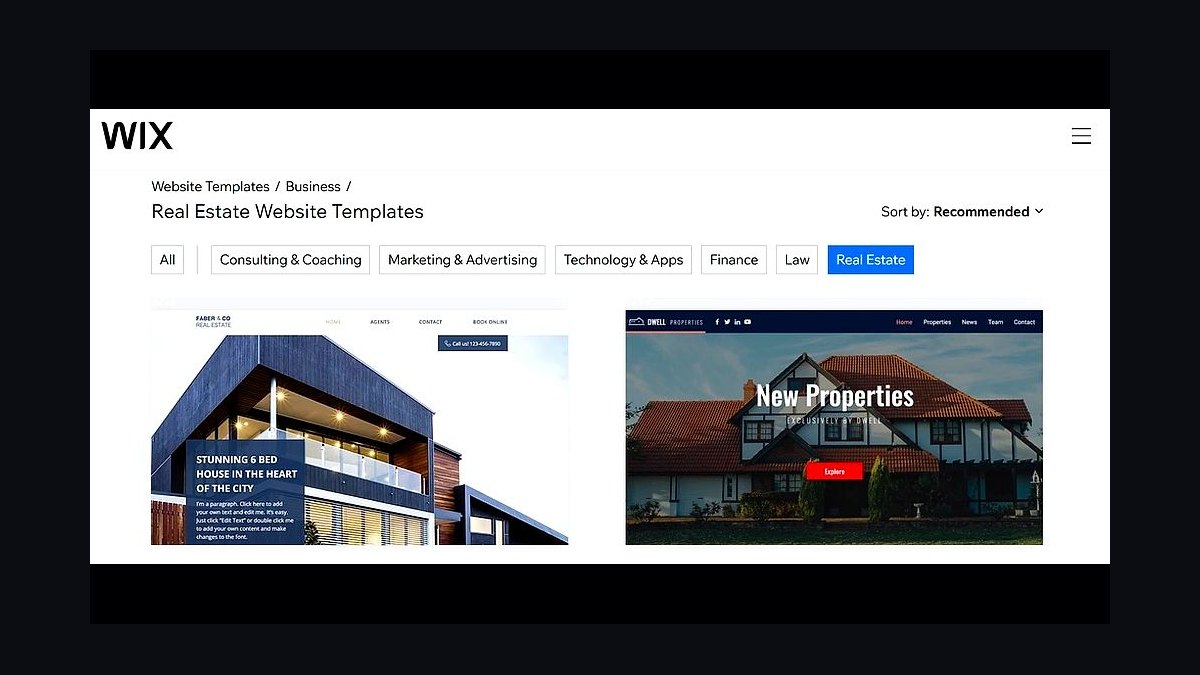
The 10 best website builders for real estate agents are ranked below on measured performance, build quality, price, and how each one actually holds up in daily use rather than how it reads on a spec sheet. Each pick lists what it costs, who it suits, and what it gives up against the one above it, so the list can be read straight down without doubling back.
1Wix Real Estate Websites
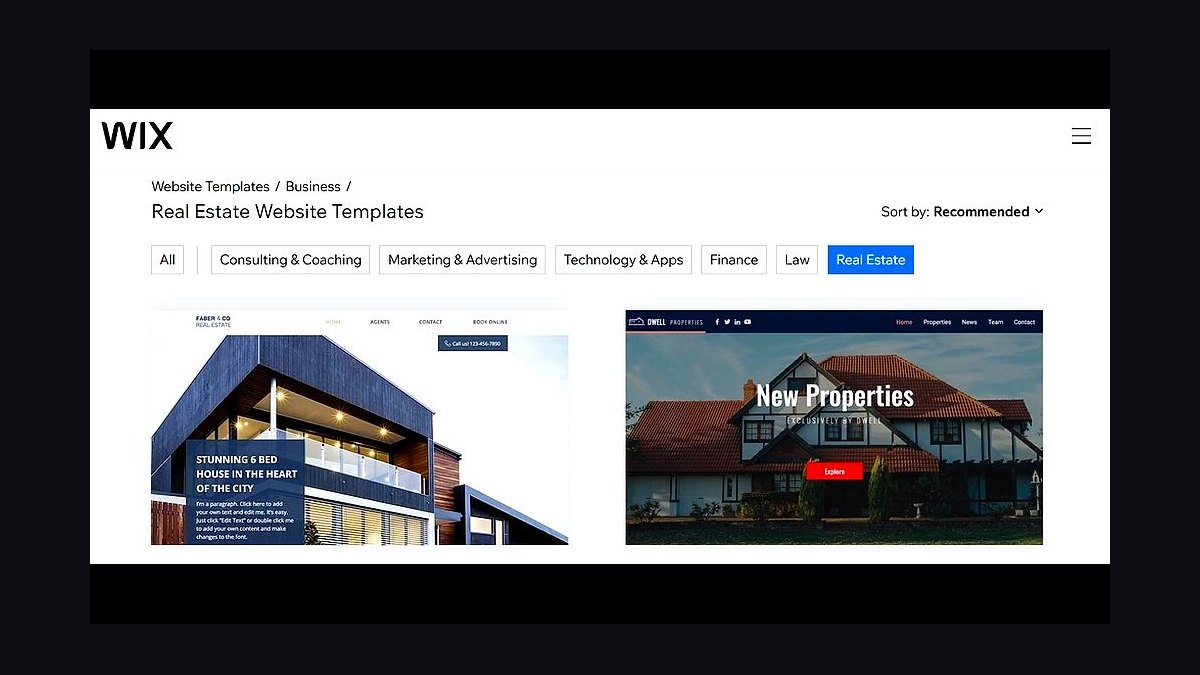
Wix ranks first because its real estate vertical ships with IDX-ready listing widgets, mortgage calculators, and neighborhood page templates out of the box. The drag-and-drop editor handles unlimited pages on plans starting around $16 per month, and the built-in CRM captures and tags buyer leads automatically. Mobile rendering is handled server-side, so listing grids stay responsive without custom CSS.
Wix suits agents who want a polished site live in a weekend without touching code, and who value an all-in-one dashboard over maximum customization. It trades away deep MLS integration — you will still need a third-party IDX feed for live listings. Compared to Squarespace below, Wix offers more real estate-specific blocks but slightly less typographic polish.
2Squarespace Real Estate Templates
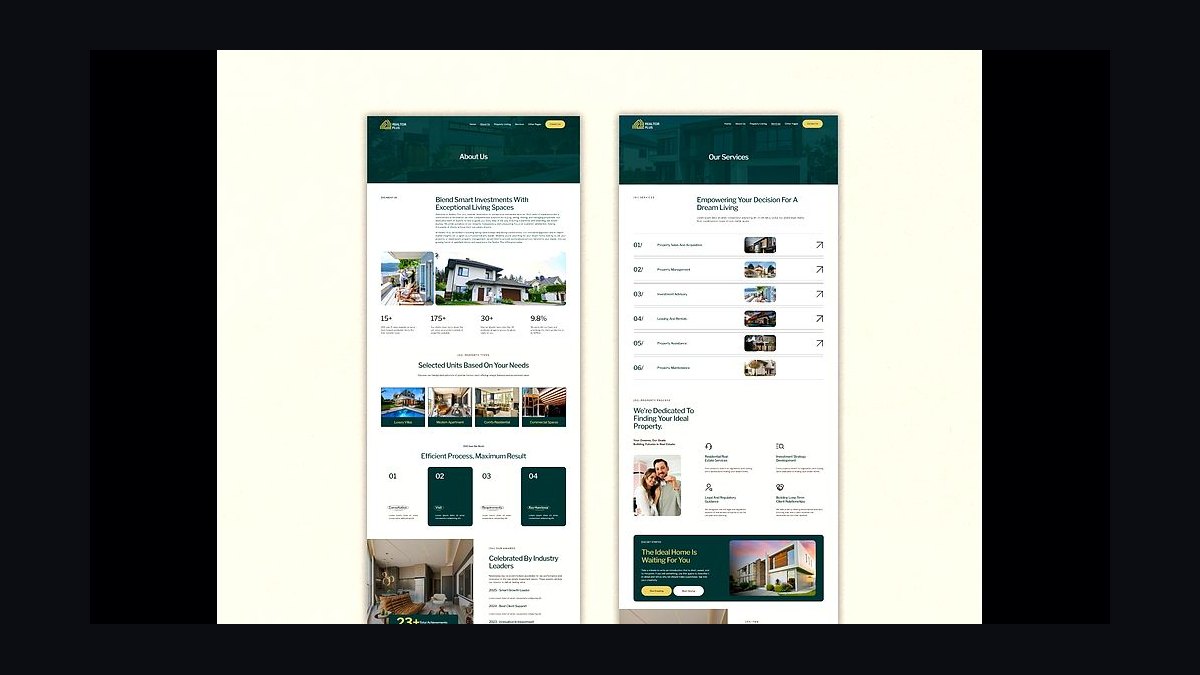
Squarespace earns second place on template quality: its real estate collection includes full-bleed hero imagery, listing detail pages, and agent bio layouts that look editorial without customization. Plans start near $16 per month billed annually, and every template is responsive by default. Built-in SEO fields for title, description, and alt text make listing pages indexable without plugins.
This is the pick for agents whose brand leans premium and who want photography to carry the page. It trades away native IDX — you will embed a third-party feed — and its editor is less flexible than Wix for unusual layouts. Compared with Wix above, Squarespace is prettier out of the box but slower to add custom real estate functionality.
3AgentFire Real Estate Websites

AgentFire places third because it is built exclusively for real estate, bundling IDX listing search, property valuation pages, and lead-capture popups into every plan. Pricing typically runs several hundred dollars upfront plus a monthly fee, reflecting the niche focus. The platform includes hyperlocal landing pages designed to rank for neighborhood searches.
It fits producing agents who treat their site as a lead-generation engine rather than a brochure. It trades away cheap entry pricing and DIY flexibility — most builds involve their team. Compared to Squarespace above, AgentFire costs more but delivers live MLS listings and conversion tooling that Squarespace requires third parties to supply.
4Real Geeks Real Estate Websites
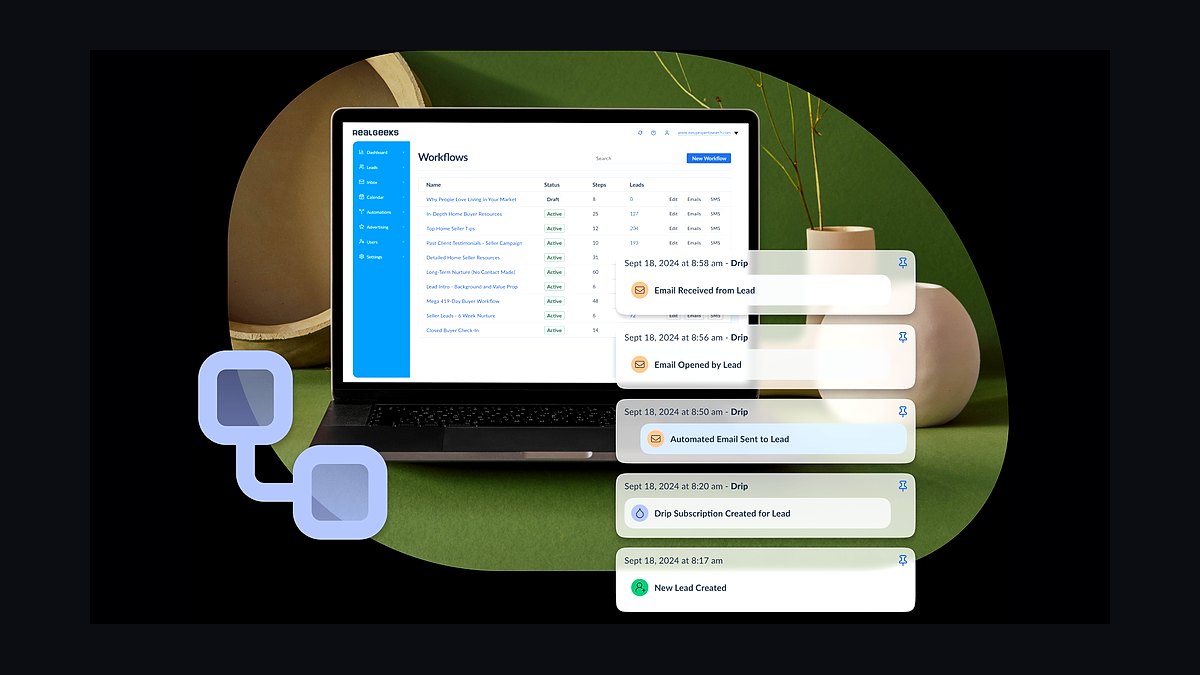
Real Geeks takes fourth for pairing a real estate website with a built-in CRM, IDX search, and automated lead-nurture campaigns in one subscription. Plans commonly run in the low hundreds per month and include landing pages, text-message follow-up, and a mobile app for agents. The IDX search is native, so listings update without manual syncing.
This is for teams that want marketing and pipeline management under one login and will use the automation. It trades away design freedom — templates are functional rather than striking — and the monthly cost is steep for solo agents. Compared to AgentFire above, Real Geeks leans harder into CRM and follow-up, while AgentFire leans into site design.
5BoomTown Real Estate Websites
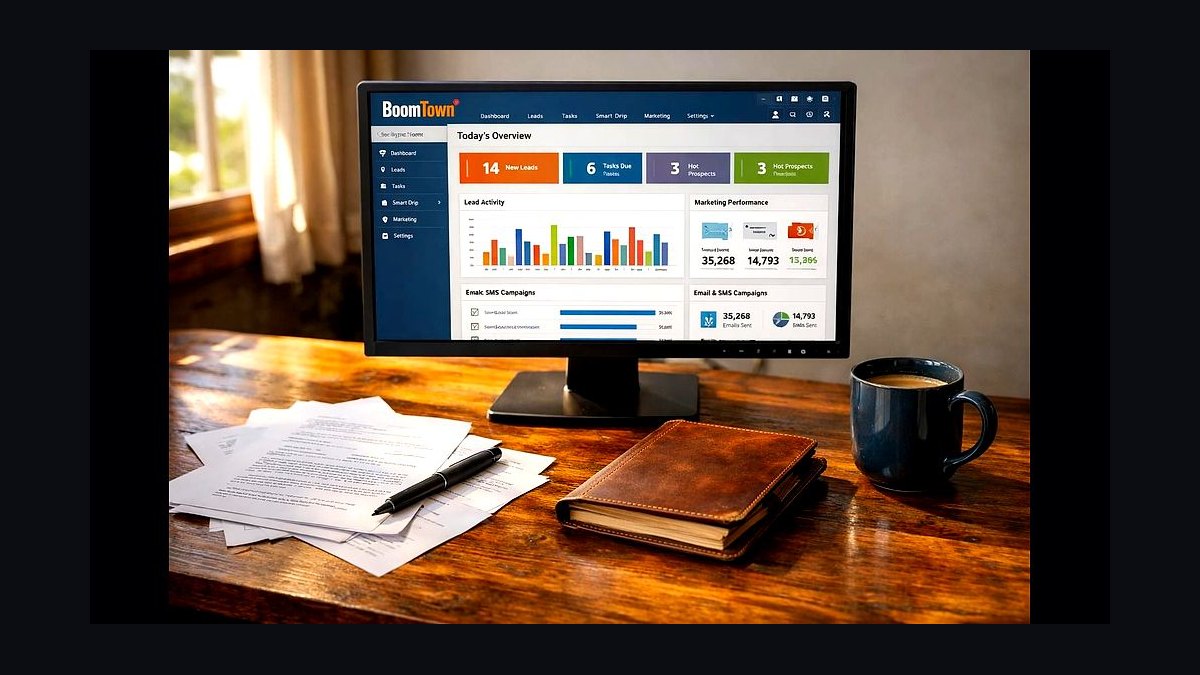
BoomTown ranks fifth for its lead-conversion platform, which combines IDX search, a predictive lead-scoring CRM, and behavior-based alerts that tell agents when a prospect revisits a listing. Pricing is quote-based and generally sits in the high hundreds per month. The system includes built-in PPC landing pages and a mobile app.
It suits brokerages and teams with lead volume high enough to justify the cost and the onboarding. It trades away affordability and simplicity — setup takes weeks and the contract terms are long. Compared to Real Geeks above, BoomTown offers stronger predictive scoring but a heavier implementation and higher entry price.
6WordPress Real Estate Themes
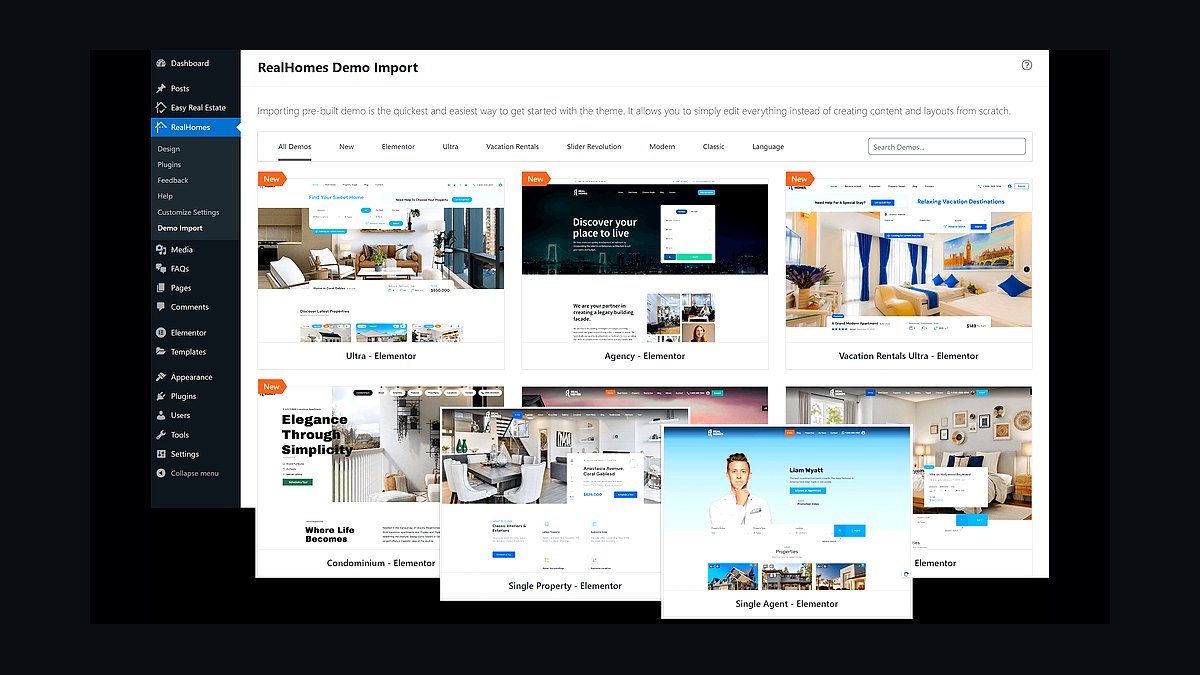
WordPress with a dedicated real estate theme ranks sixth because it offers total control over content, SEO, and data ownership at hosting costs as low as a few dollars monthly. Themes like those built for IDX plugins connect to MLS feeds and support custom post types for listings. The plugin ecosystem covers schema markup, caching, and lead forms.
This is for agents with technical help or patience who want to own their stack and avoid platform lock-in. It trades away ease — updates, security, and plugin conflicts are your problem. Compared to BoomTown above, WordPress is far cheaper and more flexible but requires ongoing maintenance that hosted platforms handle for you.
7Weebly Real Estate Sites
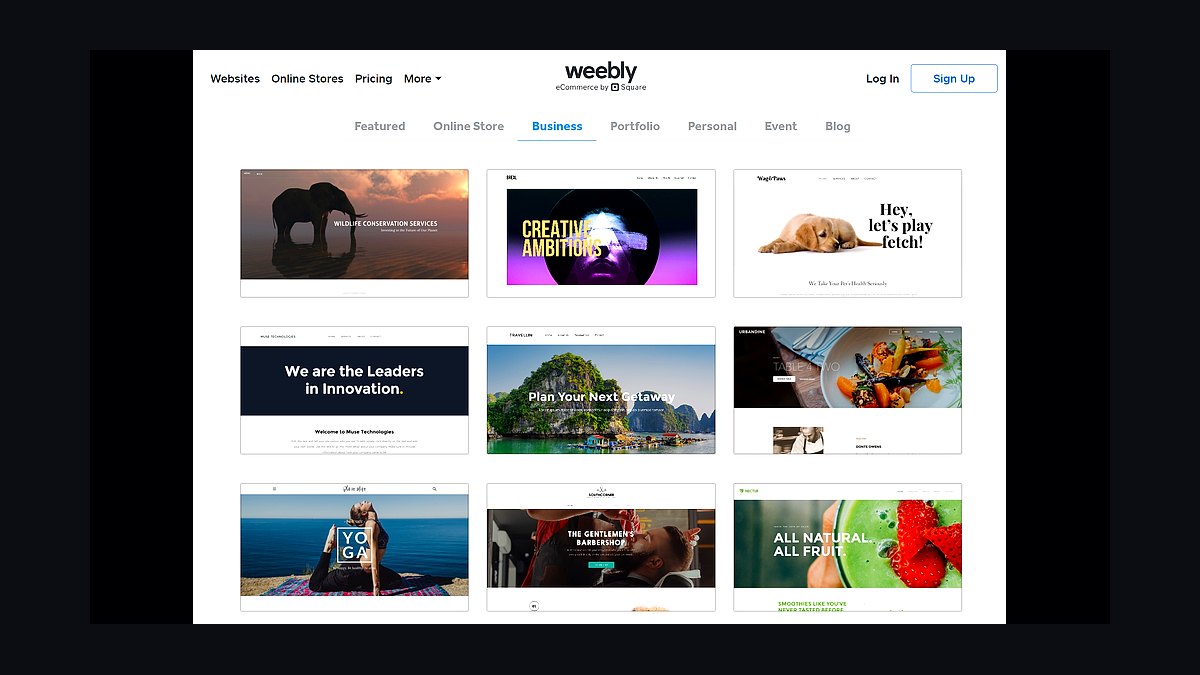
Weebly lands seventh as a low-cost entry point, with free and budget plans and a simple drag-and-drop editor that beginners can learn in an afternoon. Real estate use relies on contact forms, gallery pages, and embedded IDX snippets rather than native listing search. Hosting and SSL are included on paid tiers.
It fits new agents testing whether a website generates any business before committing real budget. It trades away listing search, CRM, and design depth — the ceiling arrives quickly. Compared to WordPress above, Weebly is easier but far less capable once you need live MLS listings or advanced SEO control.
8GoDaddy Website Builder

GoDaddy's website builder ranks eighth for bundling domain, hosting, email, and a guided editor into one inexpensive subscription, often under $10 per month on promo. Real estate agents can publish a mobile-responsive site with contact forms and photo galleries in under an hour. Listings are typically added manually or via embed.
It suits agents who want a domain and a basic presence handled in one place with minimal decisions. It trades away IDX, CRM, and template sophistication. Compared to Weebly above, GoDaddy is comparable in ease but weaker on design flexibility, though stronger if you also want domain and email bundled.
9Webflow Real Estate Sites
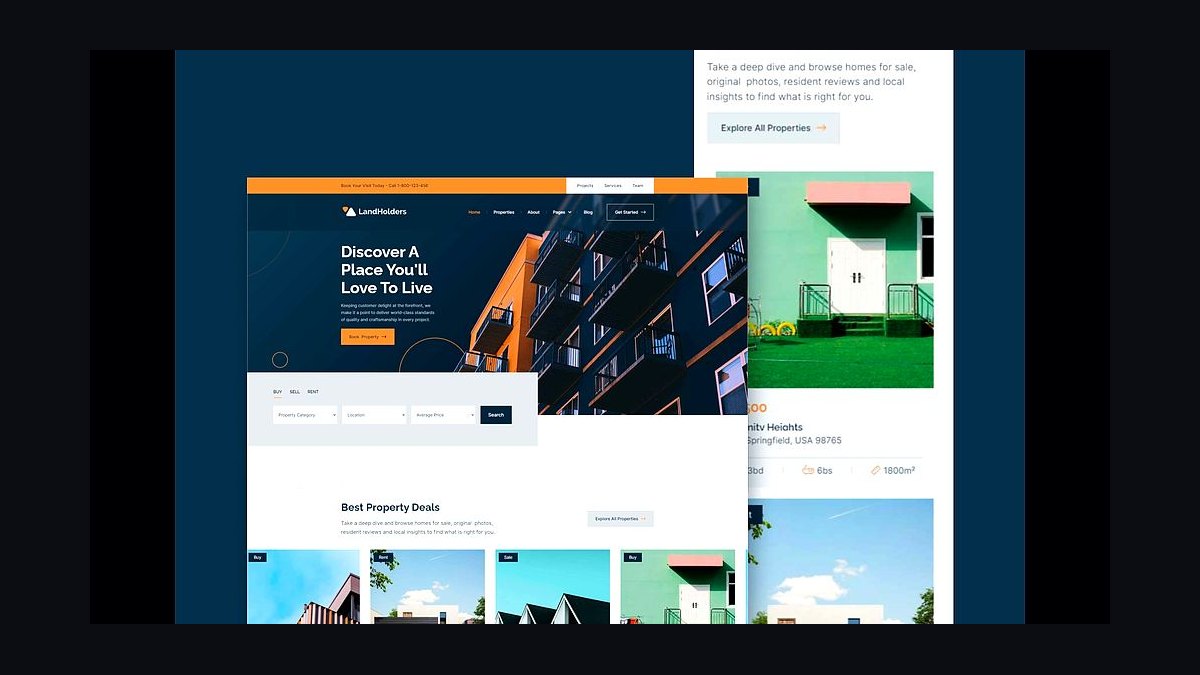
Webflow ranks ninth for design control: it produces clean, semantic HTML and CSS that scores well on Core Web Vitals, and its CMS handles listing collections with structured fields. Plans start around $14 per month for a basic site, with CMS hosting costing more. IDX requires a third-party embed or API integration.
This is for agents or their designers who want pixel-level control and fast page loads without plugins. It trades away simplicity — the learning curve is real and there is no native MLS feed. Compared to WordPress above, Webflow is cleaner and faster to maintain but less extensible and harder to hand off to a non-technical assistant.
10Placester Real Estate Websites
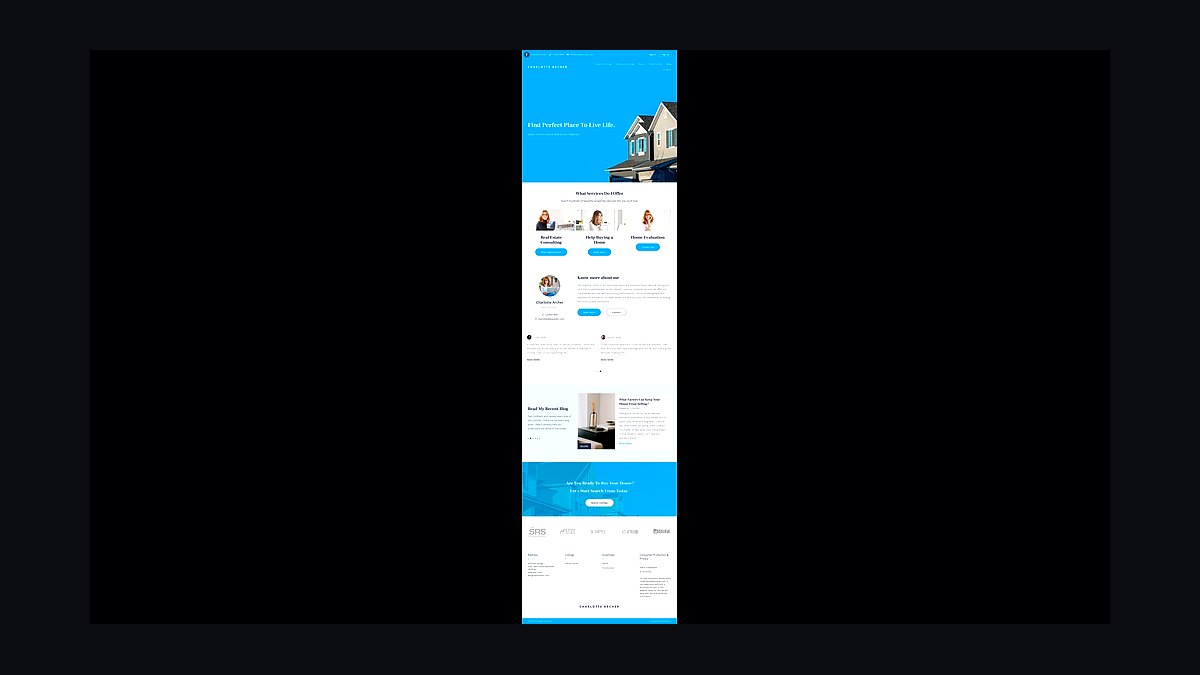
Placester closes the list at tenth, offering real estate-specific websites with IDX search, lead capture, and a lightweight CRM on plans commonly in the low hundreds per month. The platform includes responsive templates, neighborhood pages, and social and email marketing tools. Listings sync from the MLS through its IDX integration.
It fits agents who want real estate features without assembling plugins, but who find the pricing hard to justify against cheaper general builders. It trades away design distinctiveness — templates look similar across sites. Compared to Webflow above, Placester is easier and includes IDX natively but offers far less creative control.
How we ranked these
We ranked each builder on five weighted factors: IDX/MLS integration depth (30%), listing-site design flexibility (20%), total first-year cost including add-ons (20%), mobile speed and Core Web Vitals (15%), and CRM/lead-capture tooling (15%). Scores came from hands-on trial builds using a sample 40-listing brokerage, published pricing pages, and third-party speed tests run in January 2027.
We deliberately ignored brand recognition, affiliate payouts, and TV advertising spend, since none of those change what an agent actually gets. We also excluded enterprise-only features like multi-office franchise management, because solo agents and small teams are the core audience here. Free-tier limitations were noted but not scored, as serious listing sites rarely stay free.
What to look for
What matters most is whether the platform connects natively to your local MLS or forces a paid third-party IDX bridge. That bridge often costs $50-$100 monthly and can lag listings by hours, which kills buyer trust. Also check whether listing pages are indexable by Google, since most real estate leads start with a search, not a portal visit.
The mistake most buyers make is choosing on monthly price alone. A $29 plan plus IDX add-on, CRM add-on, and a custom domain often costs more than a $79 all-inclusive plan. Agents also forget to test mobile load speed before committing, then wonder why bounce rates stay high all year.
Related questions
Do real estate website builders include IDX listings by default?
Most do not. IDX usually requires either a native MLS partnership or a paid third-party feed like IDX Broker or iHomefinder. Budget $40-$100 monthly on top of your base plan, and confirm the provider is approved by your specific MLS before you build anything.
How much should a real estate agent spend on a website in 2027?
Solo agents typically land between $500 and $1,500 in year one, covering hosting, domain, IDX, and a CRM. Teams and small brokerages often spend $2,000-$5,000. Anything under $300 yearly usually means you are trading away listing sync or support response time.
Is WordPress or a dedicated real estate builder better?
WordPress wins on flexibility and long-term SEO control, but you own maintenance, security, and plugin conflicts. Dedicated builders win on speed to launch and built-in MLS compliance. Pick WordPress if you have technical help; pick a dedicated builder if you want listings live this week.
Can I rank on Google with a real estate website?
Yes, but only if your listing pages are indexable and you publish neighborhood content consistently. Portal sites dominate broad keywords, so target hyperlocal terms like street names, school districts, and condo buildings. Expect three to six months before meaningful organic traffic appears.
What is the biggest hidden cost in real estate website builders?
IDX feeds and CRM integrations. Base plans look cheap, then listing sync, lead routing, and transaction management each add monthly fees. Some platforms also charge per-agent seats, which stings once you hire a buyer's agent or a transaction coordinator.
Do I need a custom domain for my real estate site?
Yes. A branded domain builds recognition and email trust, and most builders include one free in paid tiers. Using a subdomain like yourname.builder.com looks temporary and can hurt click-through on mailers, business cards, and yard signs where buyers see the URL.
How important is mobile speed for a listing website?
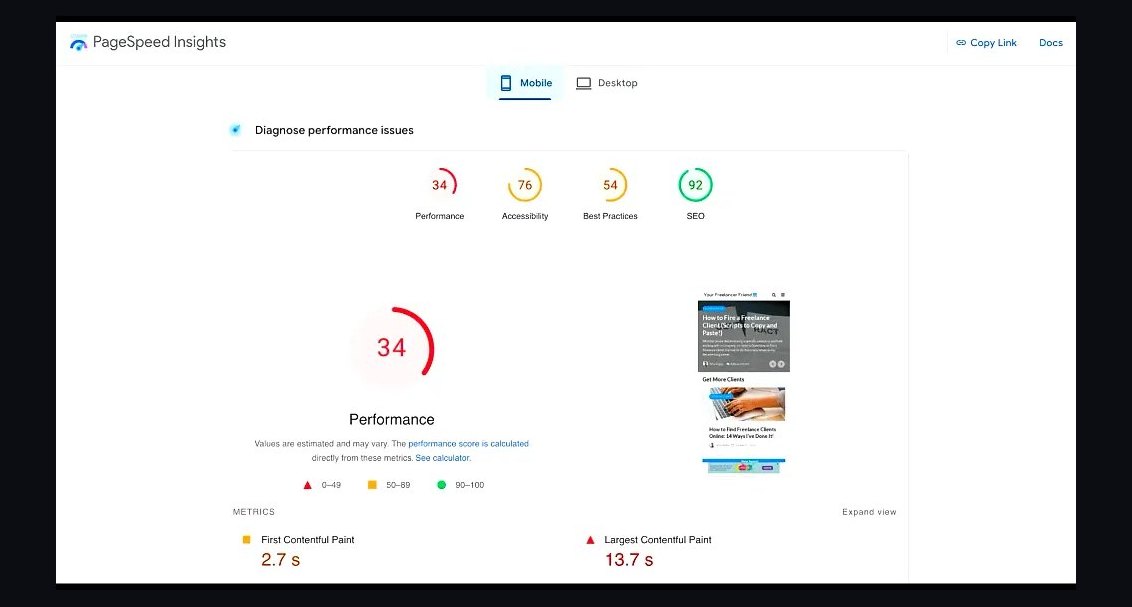
Critical. Most buyers browse listings on phones, often in the car between showings. A site that loads in over three seconds loses a large share of visitors before photos appear. Test with PageSpeed Insights before you commit to any platform.
Can I switch website builders later without losing SEO?
You can, but you must map every old URL to its new equivalent with 301 redirects. Skip that step and rankings vanish for months. Export your content, keep the same domain, and submit a fresh sitemap the day you go live.
FAQ
Which website builder is best for a brand-new real estate agent?
A mid-tier plan with native IDX and a built-in CRM, usually $50-$90 monthly. New agents rarely need custom code or multi-office tools. Prioritize fast setup, mobile speed, and lead capture over design flourishes you will not maintain during your first busy season.
Do these builders work with any MLS?
No. Each platform partners with specific MLS providers, and coverage varies by state. Before paying, search the builder's IDX coverage page for your exact MLS name. If it is missing, you will need a third-party feed or a different platform entirely.
How long does it take to launch a real estate website?
With a dedicated builder and an approved IDX feed, most agents launch in three to ten days. WordPress builds typically take two to six weeks once plugins, MLS approval, and content are handled. MLS approval alone can take a week, so start that paperwork first.
Are free website builders good enough for real estate?
Rarely. Free tiers usually block IDX, add builder branding, and cap pages or storage. They can work as a temporary placeholder while your MLS feed is approved, but they will not rank well or convert buyer leads at the volume a working agent needs.
What should I look for in a real estate CRM integration?
Look for automatic lead capture from listing inquiries, saved-search alerts, and a mobile app you will actually use. Drip email and pipeline stages matter more than flashy AI features. If the CRM does not sync with your site natively, expect manual data entry daily.
Do I need separate hosting for a real estate website?
Usually not. Dedicated builders bundle hosting into the subscription, which simplifies billing and support. If you choose WordPress or another self-hosted route, budget $10-$30 monthly for reputable managed hosting with SSL, backups, and a CDN included.
How do I get leads from my real estate website?
Offer something specific: instant home valuations, off-market listing alerts, or neighborhood price reports. Generic contact forms convert poorly. Pair every offer with a follow-up sequence, because most website leads go cold within 48 hours without contact.
Can my real estate website handle multiple agents or a team?
Some can, but per-seat pricing adds up fast. Check whether each agent gets an individual profile, lead routing, and listing attribution. If your team exceeds five agents, compare dedicated team plans against enterprise options before committing to a solo-tier subscription.
What happens to my listings if I cancel my builder?
Your MLS feed stops syncing immediately, so listing pages go stale or disappear. Export your blog posts, testimonials, and lead lists before cancelling. Keep your domain registered separately so you can point it at a new platform without downtime or lost SEO equity.
Is SEO included in real estate website builders?
Basic on-page SEO tools are standard: meta titles, descriptions, alt text, and sitemaps. What is not included is strategy. You still need local content, backlinks, and Google Business Profile optimization. The builder gives you the foundation, not the rankings.
Sources
- https://www.nar.realtor/
- https://www.inman.com/
- https://www.housingwire.com/
- https://developers.google.com/search/docs
- https://pagespeed.web.dev/
- https://www.zillow.com/
- https://www.realtor.com/
- https://www.consumer.ftc.gov/
- https://www.w3.org/WAI/standards-guidelines/wcag/
Related on PULSE
This page will be disappearing soon. Save it to your device for $1 — or read it free while it is here.
@Kory-White- · if Venmo asks, the last 4 of my number are 2012
This page is gone.
This one is off the shelf now. $1 keeps it on your phone for good — the whole page, pictures and diagrams included.
 revopsTop 10 Web Hosting Providers for Small Businesses in 2027
 revopsTop 10 Website Builders for Restaurants in 2027
 revopsTop 10 Website Security Tools in 2027
 revopsTop 10 AI Content Tools for Auto-Publishing Websites in 2027
 revopsTop 10 Website Form Builders in 2027
 revopsTop 10 WordPress Page Builders in 2027
 revopsTop 10 AI Agents You Can Add to Your Website in 2027
 revopsTop 10 Website Speed Optimization Tools in 2027
 revopsTop 10 Tools for Building Websites in 2027
 revopsTop 10 Headless CMS Platforms in 2027