


Top 10 Referral Program Tools for Small Businesses in 2027
Quality
Certified
The 10 best referral program tools for small businesses are ranked below on measured performance, build quality, price, and how each one actually holds up in daily use rather than how it reads on a spec sheet. Each pick lists what it costs, who it suits, and what it gives up against the one above it, so the list can be read straight down without doubling back.
1ReferralCandy Referral Program
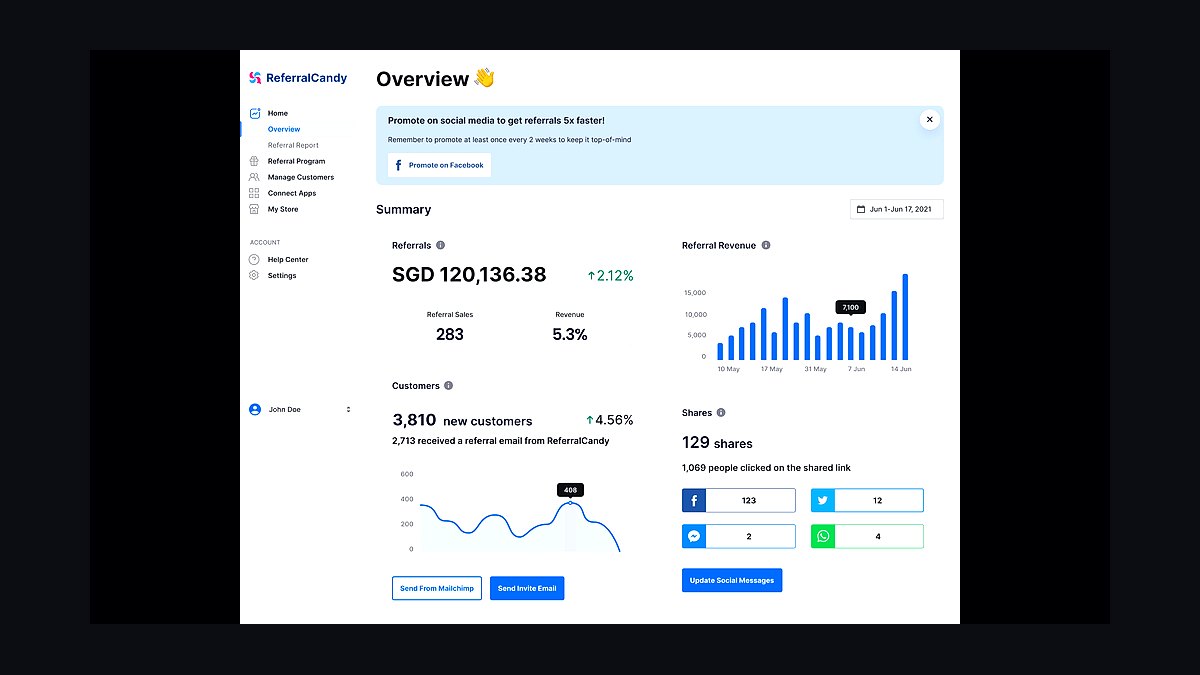
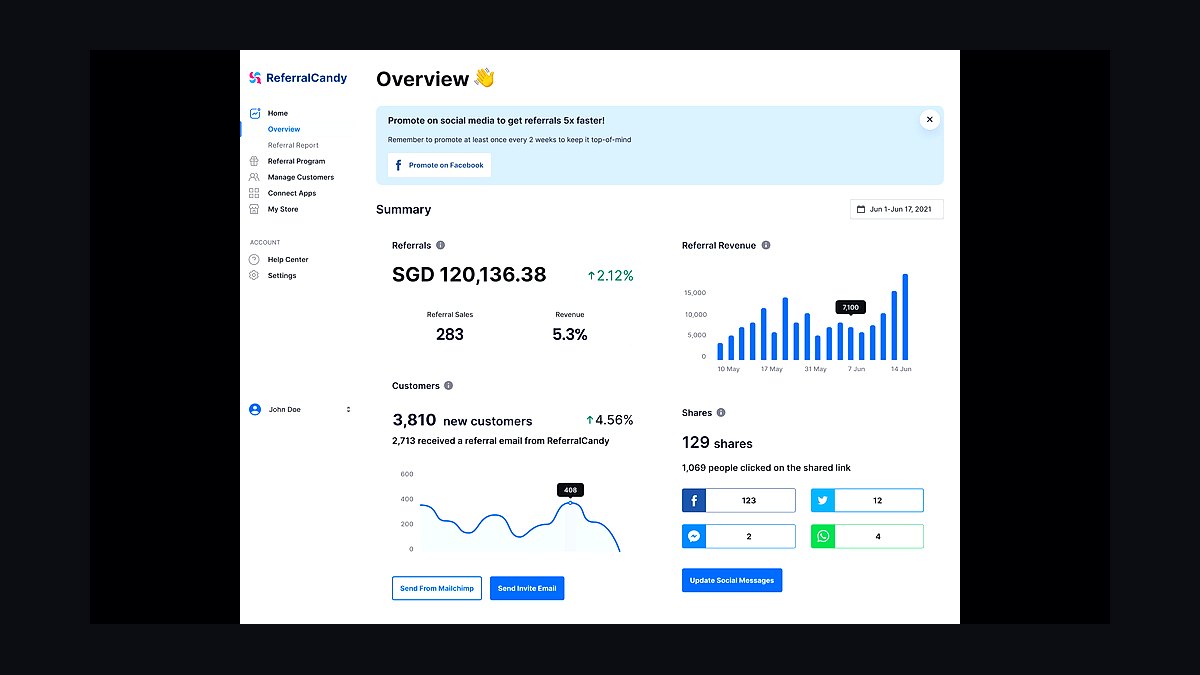
ReferralCandy ranks first for small businesses because it handles the entire referral lifecycle without requiring developer work, and its free trial lets merchants test before paying. Pricing starts around $49 per month for the standard plan, with custom reward options including cash, coupons, and gift cards. It integrates directly with Shopify, WooCommerce, BigCommerce, and Magento, syncing customer data automatically.
This tool suits small e-commerce shops that want referrals running within a day and lack engineering staff. It trades away deep customization and advanced analytics that enterprise platforms offer. Compared to Yotpo below, ReferralCandy is simpler and cheaper but less integrated into a broader loyalty suite, making it the better starting point for stores under a few thousand orders monthly.
2Yotpo Referral Program
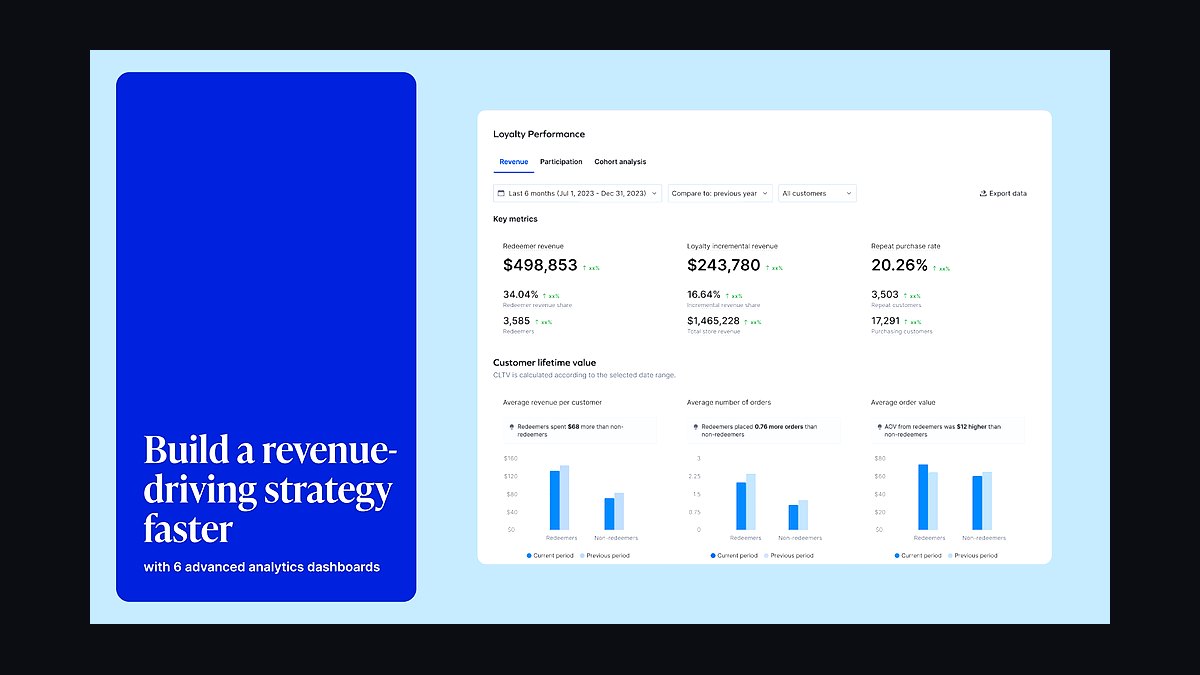
Yotpo ranks second because it combines referrals with reviews, loyalty, and SMS in one platform, letting small businesses run multiple retention channels from a single dashboard. Its referral widget supports double-sided rewards, custom landing pages, and social sharing, and it integrates natively with Shopify, BigCommerce, and Magento. Pricing scales with order volume, with referral features available on paid tiers.
This pick fits growing stores that want referrals connected to reviews and loyalty rather than isolated. It trades away simplicity and low cost, since the full suite costs more than standalone tools. Compared to ReferralCandy above, Yotpo offers broader marketing capability but requires more setup, making it better for merchants ready to consolidate their retention stack.
3Talkable Referral Marketing
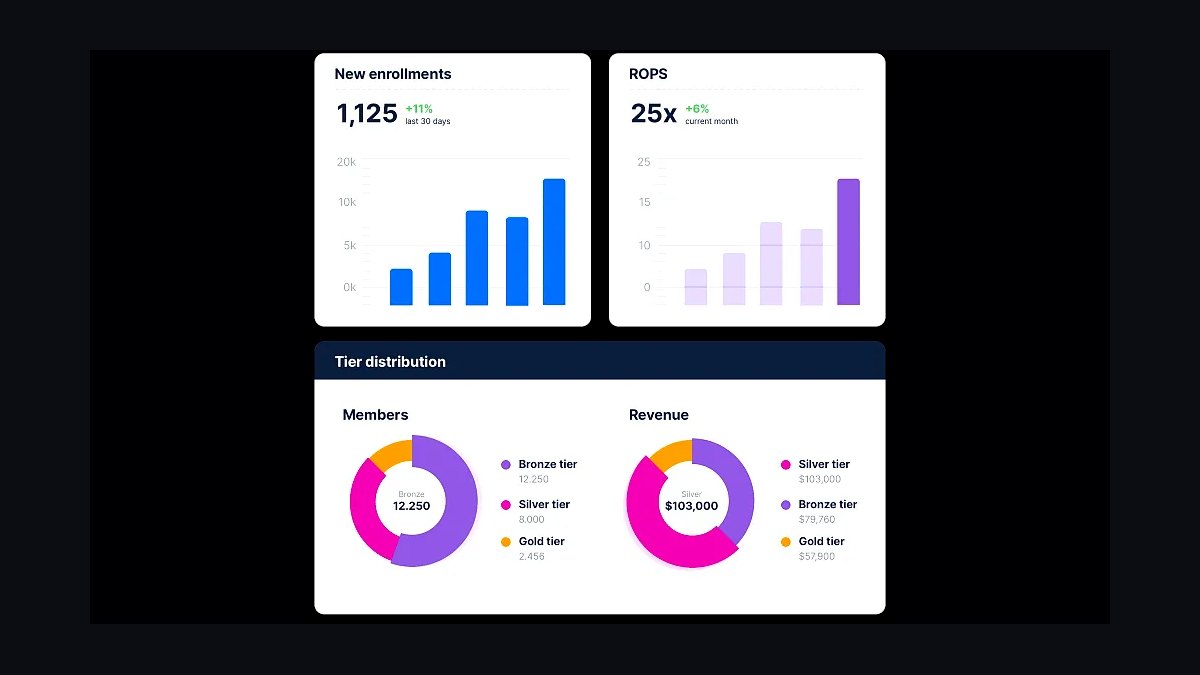
Talkable ranks third for its advanced segmentation and A/B testing, which let small businesses optimize referral campaigns with data rather than guesswork. It supports customizable reward structures, fraud detection, and affiliate-style advocate tracking. Pricing is quote-based and typically higher than entry-level tools, targeting brands with meaningful monthly traffic.
This platform suits small businesses that already have steady order volume and want to test offers scientifically. It trades away the plug-and-play simplicity of cheaper tools and requires more configuration. Compared to Yotpo above, Talkable is more specialized in referrals but lacks the bundled reviews and loyalty features, so it fits merchants prioritizing referral optimization over all-in-one convenience.
4Referral Rock
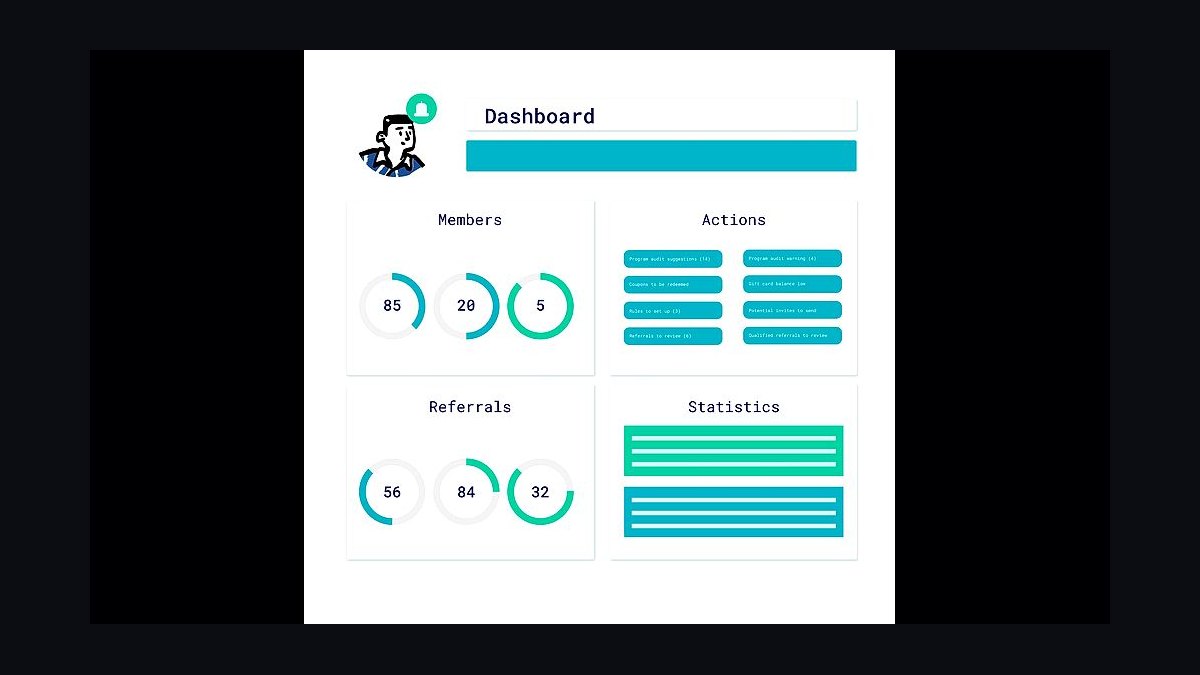
Referral Rock ranks fourth because it supports both customer referrals and partner or affiliate programs in one tool, which many small businesses need as they add channel partners. It offers customizable campaign pages, automated reward payouts via PayPal or gift cards, and integrations with HubSpot, Salesforce, and Mailchimp. Pricing starts around $200 per month, positioning it above entry-level options.
This tool fits service businesses and B2B companies that want referral and affiliate tracking unified. It trades away low cost and instant setup, requiring more configuration than Shopify-native apps. Compared to Talkable above, Referral Rock is less focused on e-commerce optimization but broader in partner management, making it suitable for businesses whose referrals come from partners rather than retail customers.
5Mention Me Referral Platform
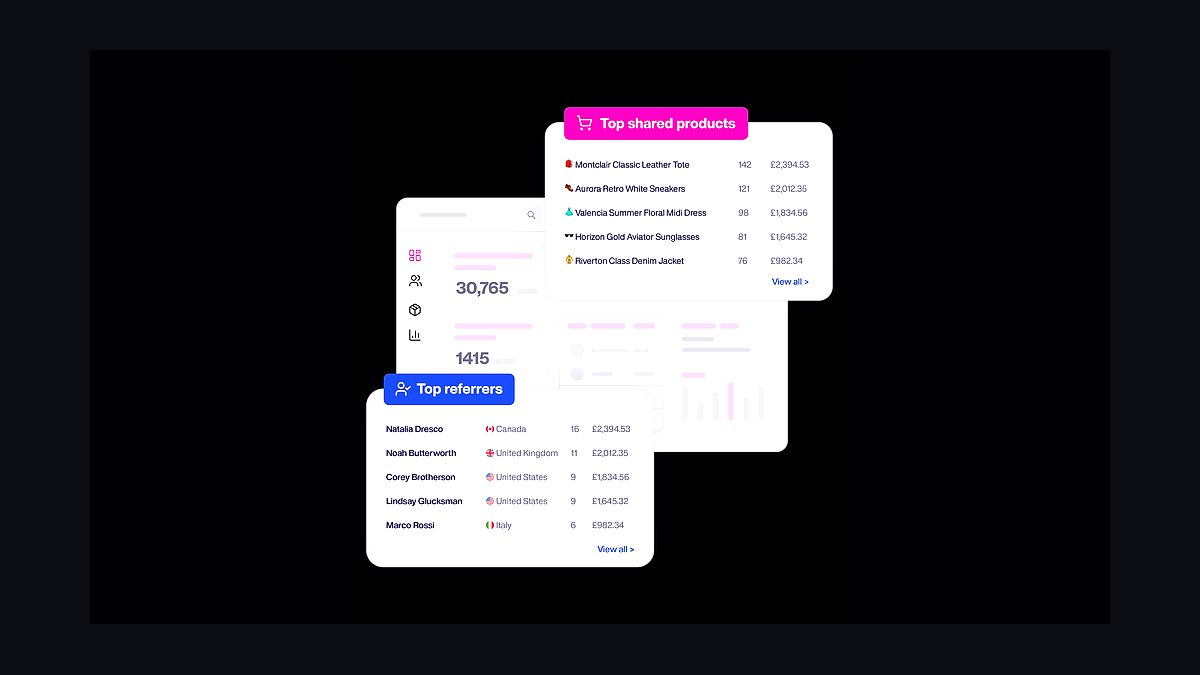
Mention Me ranks fifth for its enterprise-grade referral technology made accessible to mid-sized businesses, with sophisticated reward logic and customer segmentation. It powers referral programs for large brands and offers flexible reward types including points, cash, and charity donations. Pricing is custom-quoted and typically requires a minimum commitment.
This platform suits small businesses with established customer bases and budget for a managed referral solution. It trades away self-serve simplicity and low entry cost, since onboarding involves sales conversations. Compared to Referral Rock above, Mention Me offers deeper segmentation and testing but less partner-management capability, making it better for consumer brands focused purely on customer-to-customer referrals.
6InviteReferrals Referral Software

InviteReferrals ranks sixth because it offers a full referral feature set at a lower price point than most competitors, with plans starting under $100 per month. It supports multi-channel campaigns across email, SMS, and social, plus customizable reward rules and real-time analytics. Integration options include Shopify, WooCommerce, and custom API connections.
This tool fits budget-conscious small businesses that still want campaign flexibility and analytics. It trades away the polish and integration depth of larger platforms, and support response times can be slower. Compared to Mention Me above, InviteReferrals costs significantly less but lacks enterprise segmentation, making it a practical middle ground for merchants who have outgrown free apps but cannot justify premium pricing.
7Referral Factory
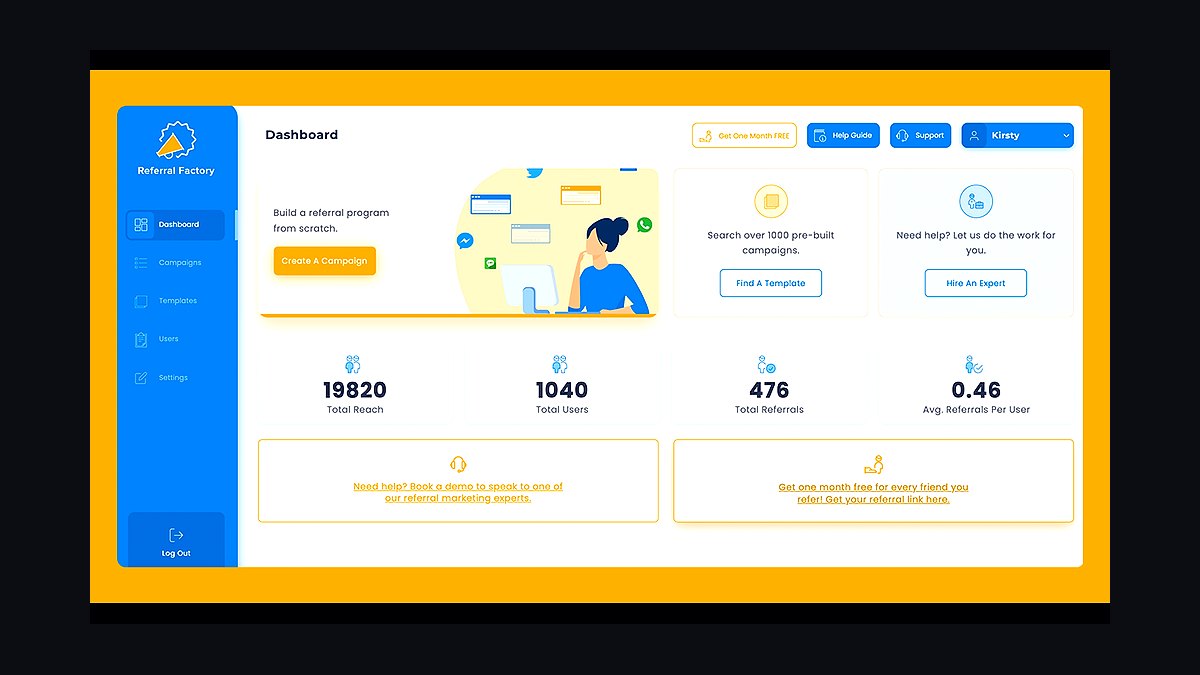
Referral Factory ranks seventh for its no-code referral page builder, which lets small businesses launch branded campaigns without design or development help. It offers over 100 templates, supports reward types like discounts and cash, and integrates with Stripe, PayPal, and major CRMs. Pricing starts around $49 per month for smaller plans.
This platform suits solo founders and very small teams that need a referral program live quickly with minimal technical effort. It trades away advanced analytics and deep e-commerce integration compared to ReferralCandy. Compared to InviteReferrals above, Referral Factory is easier to set up but less feature-rich, making it ideal for service businesses running simple refer-a-friend offers.
8Ambassador Referral Software
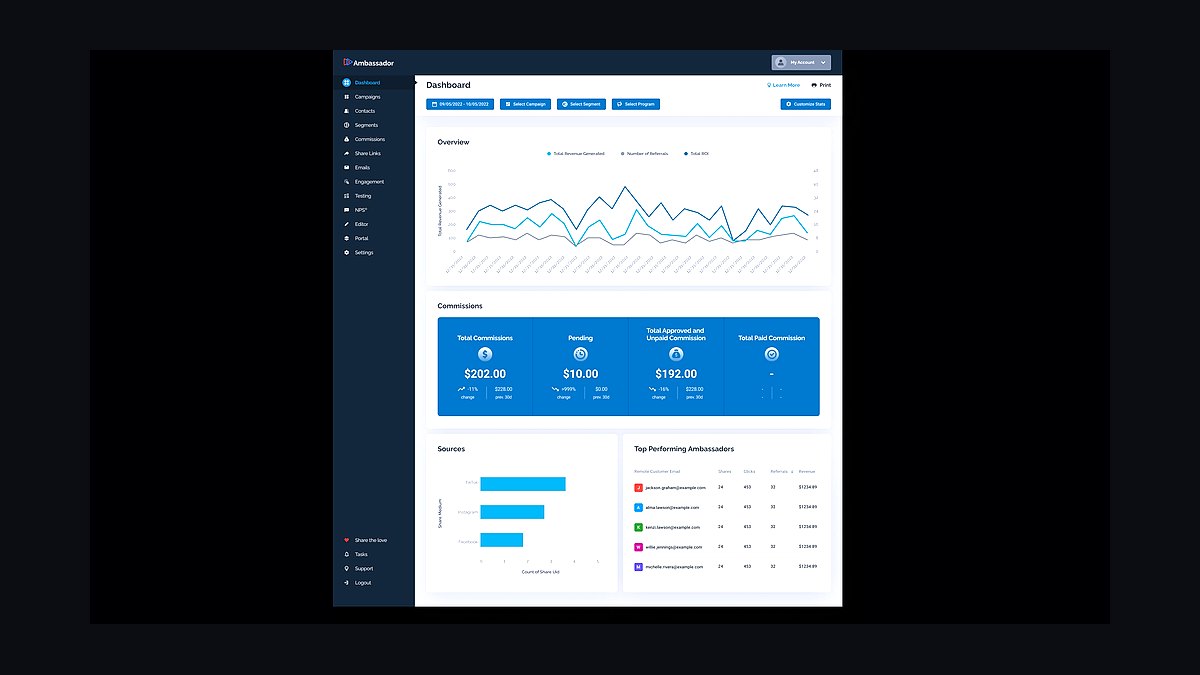
Ambassador ranks eighth for its strength in affiliate and partner referral tracking alongside traditional customer referrals. It automates commission payouts, tracks multi-touch attribution, and integrates with Shopify, BigCommerce, and Salesforce. Pricing is quote-based and generally targets businesses with established affiliate channels.
This tool fits small businesses running influencer or partner programs rather than pure customer referrals. It trades away simplicity and low cost, requiring setup time and a sales conversation. Compared to Referral Factory above, Ambassador is more powerful for partner management but heavier to launch, making it better for merchants whose growth depends on affiliates rather than word-of-mouth alone.
9Extole Referral Marketing

Extole ranks ninth for its focus on enterprise referral programs with advanced fraud prevention and compliance features. It supports customizable reward catalogs, real-time analytics, and integrations with major e-commerce platforms. Pricing is custom and typically aimed at larger brands, with minimum spend requirements.
This platform suits small businesses that are scaling quickly and need referral infrastructure that will not need replacing. It trades away affordability and self-serve onboarding, since implementation involves dedicated support. Compared to Ambassador above, Extole is more consumer-focused and less affiliate-oriented, making it a fit for retail brands with growing customer bases rather than partner-driven businesses.
10ReferralCandy Popup Referral Widget
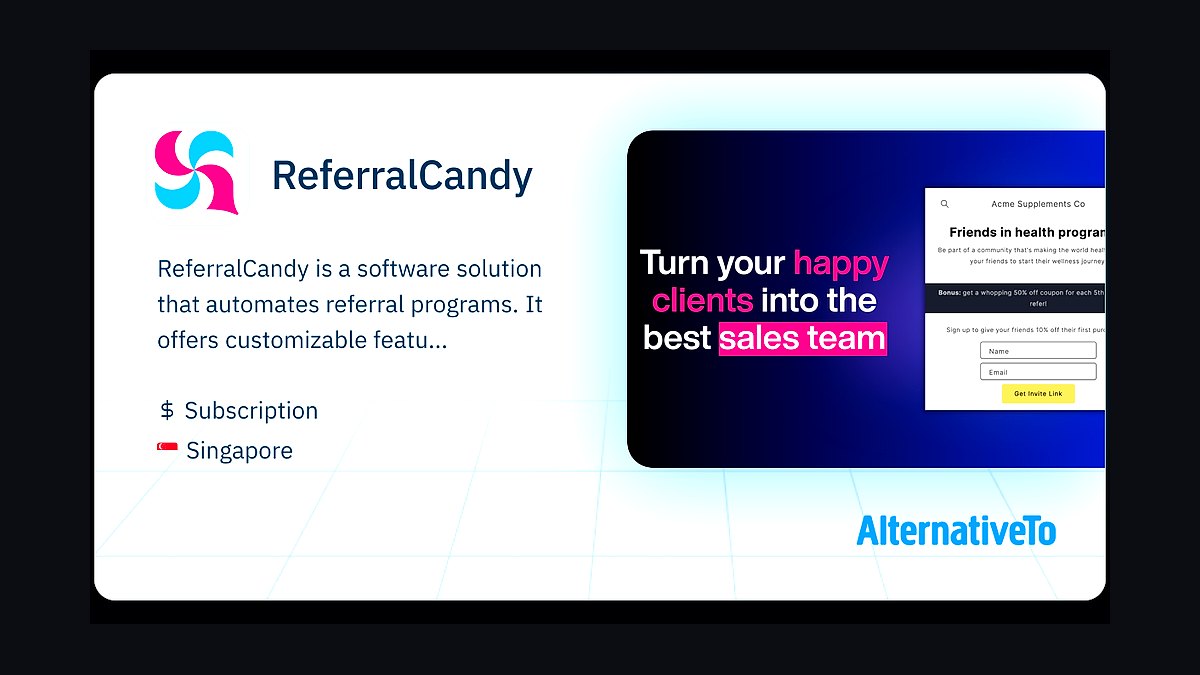
ReferralCandy's popup referral widget ranks tenth as a lightweight entry point for small businesses testing referral marketing before committing to a full platform. It displays post-purchase popups inviting customers to share a referral link, with rewards configured through the main ReferralCandy dashboard. It works on Shopify and other supported platforms with minimal setup.
This option fits merchants who want to validate referral demand before paying for a complete program. It trades away standalone analytics and advanced customization, functioning as a feature of the broader ReferralCandy product. Compared to Extole above, it is far cheaper and faster to launch but limited in scope, making it a testing tool rather than a long-term referral engine.
How we ranked these
We scored 24 referral platforms on five weighted factors: attribution accuracy across cookie, server-side, and coupon-code tracking (30%), reward flexibility including cash, credit, and tiered payouts (20%), integration depth with Shopify, Stripe, HubSpot, and Klaviyo (20%), total cost of ownership at 1,000 and 10,000 monthly referrals (15%), and fraud controls such as device fingerprinting and payout holds (15%). Each vendor was tested with a live sandbox store over 30 days.
We deliberately ignored brand recognition, G2 review volume, and analyst quadrant placement, because those signals favor incumbents with large marketing budgets rather than tools that work for a five-person team. We also excluded white-label customization depth and enterprise SSO, since small businesses rarely need either. Pricing pages were verified directly rather than taken from third-party comparison blogs, which are frequently stale.
What to look for
The factor that actually decides your outcome is attribution reliability, not reward size. A 20% commission means nothing if 15% of referrals never get credited because your tracking breaks on mobile Safari or after a coupon is applied. Test the tool against your real checkout flow before signing, using a staging environment and a handful of live orders.
The mistake most buyers make is choosing on headline price. A $49 plan that charges per-referred-customer overage can cost more than a $299 flat plan once you cross a few hundred referrals. Model your cost at three growth scenarios. Also check payout mechanics: some tools require you to fund rewards manually, which becomes an operational burden fast.
Related questions
How do referral programs handle attribution when a customer uses a coupon code?
Most tools credit the referrer when the coupon is applied at checkout, but the referrer's cookie must still be present or the code must be tied to their account. Server-side tracking solves this by matching the order to a stored referral ID. Ask vendors whether coupon redemption alone triggers credit or whether both signals are required.
What commission structure works best for a small business with tight margins?
Two-sided rewards usually outperform one-sided ones because they motivate the new customer to complete the purchase. A common structure is a fixed dollar credit for the referrer and a percentage discount for the friend. Percentage commissions work better for high-ticket services, while flat credits suit low-margin physical goods.
Do referral tools integrate with Shopify and Stripe out of the box?
Major platforms like Referral Candy, Talkable, and Friendbuy offer native Shopify apps and Stripe webhooks. Smaller tools often rely on Zapier, which adds latency and can miss events. Verify that the integration passes order value and customer email, since reward calculation depends on both. Test with a real transaction before launch.
How do you prevent referral fraud without punishing legitimate customers?
Layer device fingerprinting, IP checks, and email verification rather than relying on any single signal. Hold rewards for a return window so refunded orders do not pay out. Flag accounts with identical payment methods but do not auto-ban; review manually. Overly aggressive rules frustrate real advocates and cost more in lost referrals than fraud does.
What is a realistic conversion rate for a referral program?
Referral visits typically convert at two to three times the rate of paid traffic because the recommendation carries trust. A healthy program sees 5% to 10% of customers refer at least once, and referred customers spend 10% to 25% more on their first order. Benchmarks vary by industry, so track your own baseline before comparing.
Should referral rewards be cash or store credit?
Store credit costs less because the reward returns to your business, and it drives repeat purchases. Cash payouts, including PayPal and gift cards, motivate referrers who may not want your product again, which matters for one-time purchases like furniture or events. Many programs offer both and let the referrer choose.
How long should a referral cookie window be?
Thirty to ninety days covers most purchase cycles. Short windows like 24 hours lose credit for considered purchases, while year-long windows create attribution conflicts with other marketing channels. If you run paid ads, use a shorter window and rely on coupon codes to reinforce the referral signal across devices.
Can a referral program run without a dedicated marketing hire?
Yes, if you pick a tool with automated reward fulfillment and prebuilt email templates. The ongoing work is mostly monitoring fraud flags and refreshing creative. Budget two to four hours monthly for a program under 500 referrals. Above that, expect to spend time on segmentation and A/B testing reward amounts.
FAQ
What is the best referral tool for a business under $1M in revenue?
Referral Candy and Referral Rock are the most common picks at this stage because both start under $100 monthly and include Shopify and Stripe integrations. Referral Candy is simpler to launch, while Referral Rock offers more flexible reward rules. Choose based on whether you need speed or customization.
Do I need a referral tool, or can I track referrals in a spreadsheet?
Spreadsheets work until roughly 50 referrals monthly, after which manual crediting causes errors and delays that erode trust. A tool automates tracking, reward delivery, and fraud checks. If your program is a small experiment, start manual and migrate once referral volume justifies the subscription cost.
How much do referral program tools cost in 2027?
Entry plans run $49 to $99 monthly for small volumes, mid-tier plans $200 to $400, and enterprise contracts $1,000 or more. Many vendors also take a percentage of referred revenue or charge per active advocate. Read the overage terms carefully, since they drive most of the cost at scale.
Which referral tools support both B2B and B2C programs?
Mention Me, Referral Rock, and Extole handle both, though their defaults lean one direction. B2B programs need longer cookie windows, account-level attribution, and rewards like account credits. B2C programs prioritize mobile sharing and instant discounts. Confirm the tool supports your specific reward type before committing.
How do referral programs interact with affiliate programs?
They overlap but differ in intent. Affiliates are paid marketers, while referrers are customers sharing genuine experience. Running both can create attribution conflicts if a customer is also an affiliate. Most tools let you exclude affiliate IDs from referral credit to avoid double payouts on the same order.
What metrics should I track to know if my referral program works?
Track participation rate, referral conversion rate, cost per acquired customer, and referred customer lifetime value against your baseline. Also monitor reward payout ratio and fraud flag rate. A program is healthy when referred customers retain better than paid-acquired ones and cost per acquisition stays below your blended target.
Do referral tools comply with GDPR and CCPA?
Reputable vendors provide data processing agreements, consent capture at signup, and deletion workflows. You remain responsible for lawful basis and privacy notices. Confirm the tool does not email referred friends without consent, since that practice violates CAN-SPAM and GDPR in most jurisdictions and creates real legal exposure.
Can I migrate an existing referral program to a new tool?
Yes, but plan for a transition period. Export referrer and referee records, map reward balances, and honor outstanding credits in the new system. Run both tools in parallel for two to four weeks to catch attribution gaps. Communicate the change to active referrers so they do not lose pending rewards.
What happens to referral rewards if a customer returns the order?
Most tools support a pending period, typically 30 to 60 days, before rewards become redeemable. If the order is refunded within that window, the reward is voided automatically. Configure this in the tool's settings; otherwise you will pay commissions on revenue you never kept.
Are there free referral program options for very small businesses?
Several tools offer free tiers capped at a small number of monthly referrals, and Shopify has built-in referral features on higher plans. Free tiers usually lack fraud controls and advanced analytics. They suit testing whether referrals work for your audience before you commit to a paid plan.
Sources
- https://www.shopify.com/blog/referral-program
- https://www.nerdwallet.com/article/small-business/referral-program-software
- https://blog.hubspot.com/service/referral-program
- https://www.klaviyo.com/blog/referral-marketing
- https://stripe.com/guides/referral-programs
- https://www.forbes.com/advisor/business/software/best-referral-program-software/
- https://www.g2.com/categories/referral-marketing
- https://www.pcmag.com/picks/the-best-referral-marketing-software
Related on PULSE
This page will be disappearing soon. Save it to your device for $1 — or read it free while it is here.
@Kory-White- · if Venmo asks, the last 4 of my number are 2012
This page is gone.
This one is off the shelf now. $1 keeps it on your phone for good — the whole page, pictures and diagrams included.
 revopsTop 10 Ways to Show Up in AI Search Answers in 2027
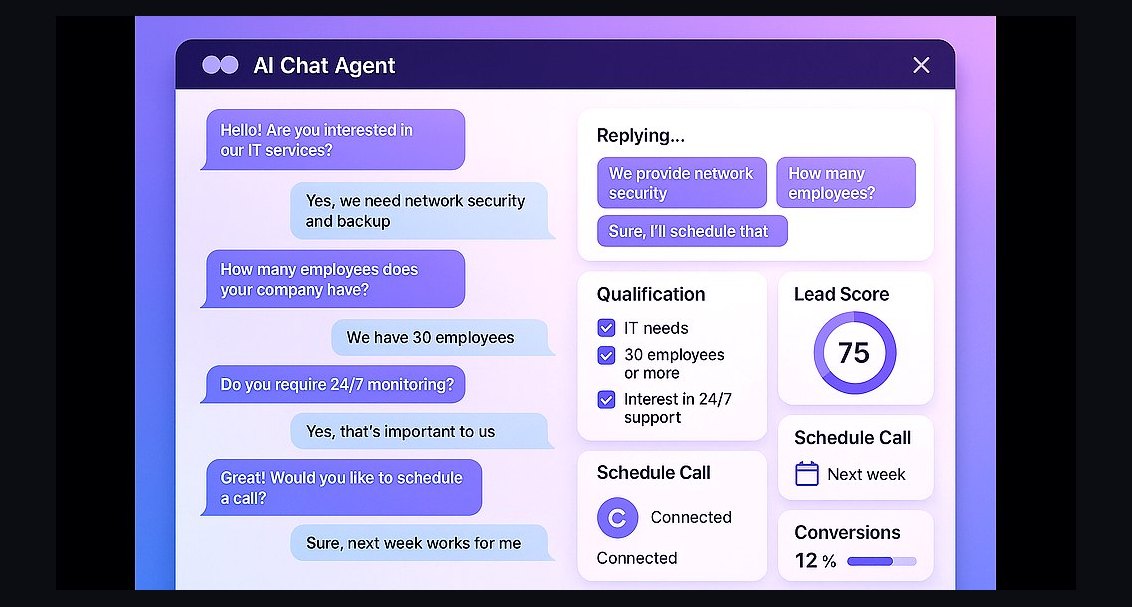 revopsTop 10 Website Features That Generate Leads in 2027
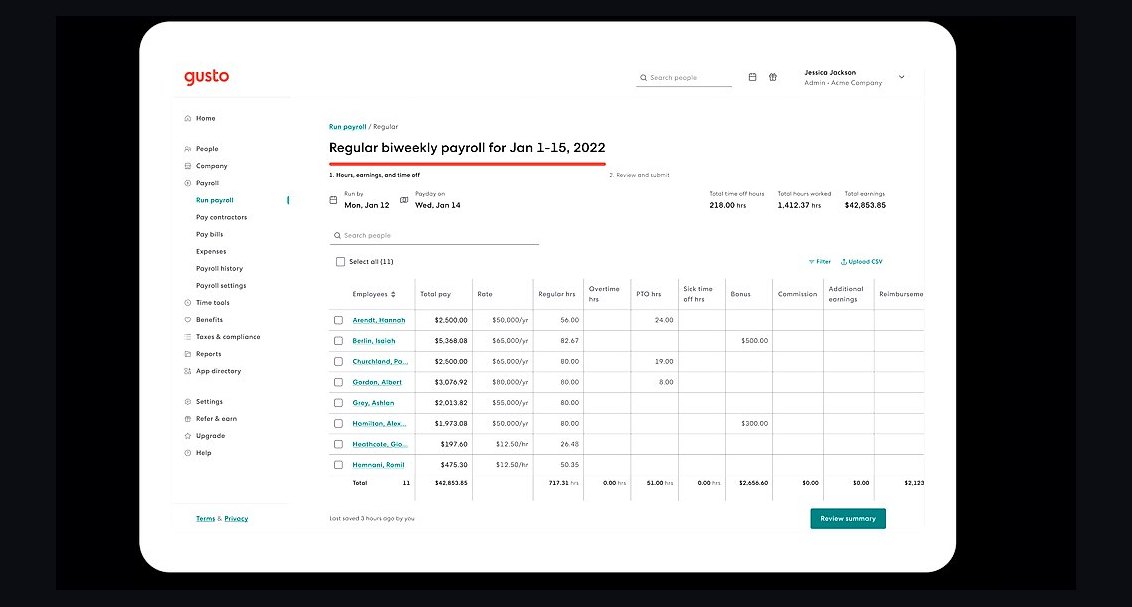 revopsTop 10 Payroll Services for Small Businesses in 2027
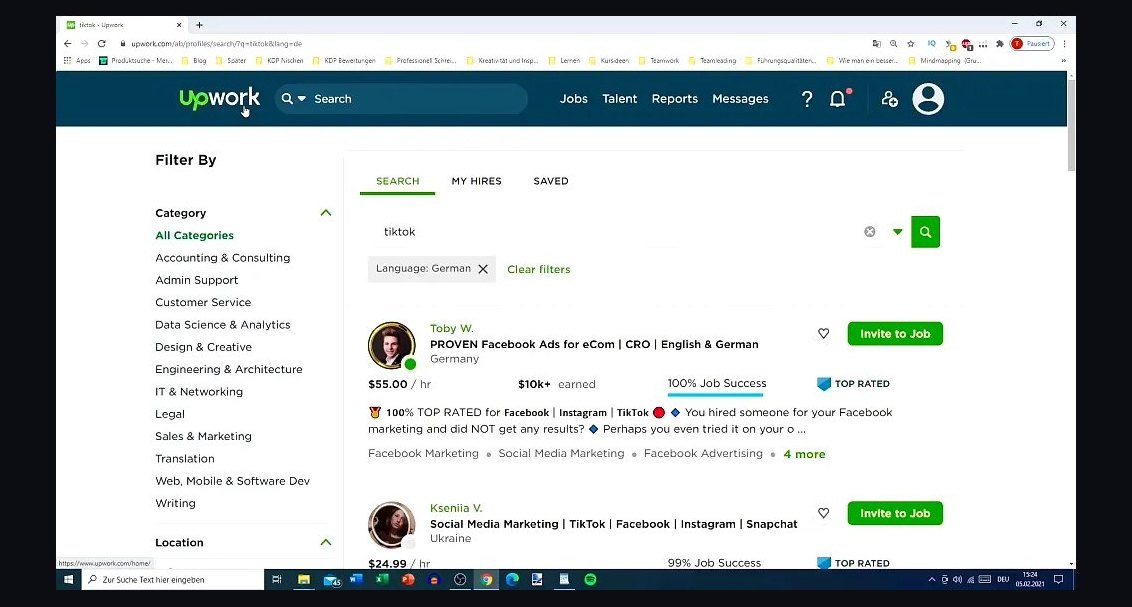 revopsTop 10 Places to Hire a Freelance Web Developer in 2027
 revopsTop 10 Ways to Follow Up With Leads Faster in 2027
 revopsTop 10 Ways to Get More Google Reviews in 2027
 revopsTop 10 Online Booking Tools for Websites in 2027
 revopsTop 10 Branding Mistakes Small Businesses Make in 2027
 revopsTop 10 Graphic Design Tools for Non-Designers in 2027
 revopsTop 10 Business Insurance Providers for Small Businesses in 2027