


Top 10 Bookkeeping Services for Small Businesses in 2027
Quality
Certified
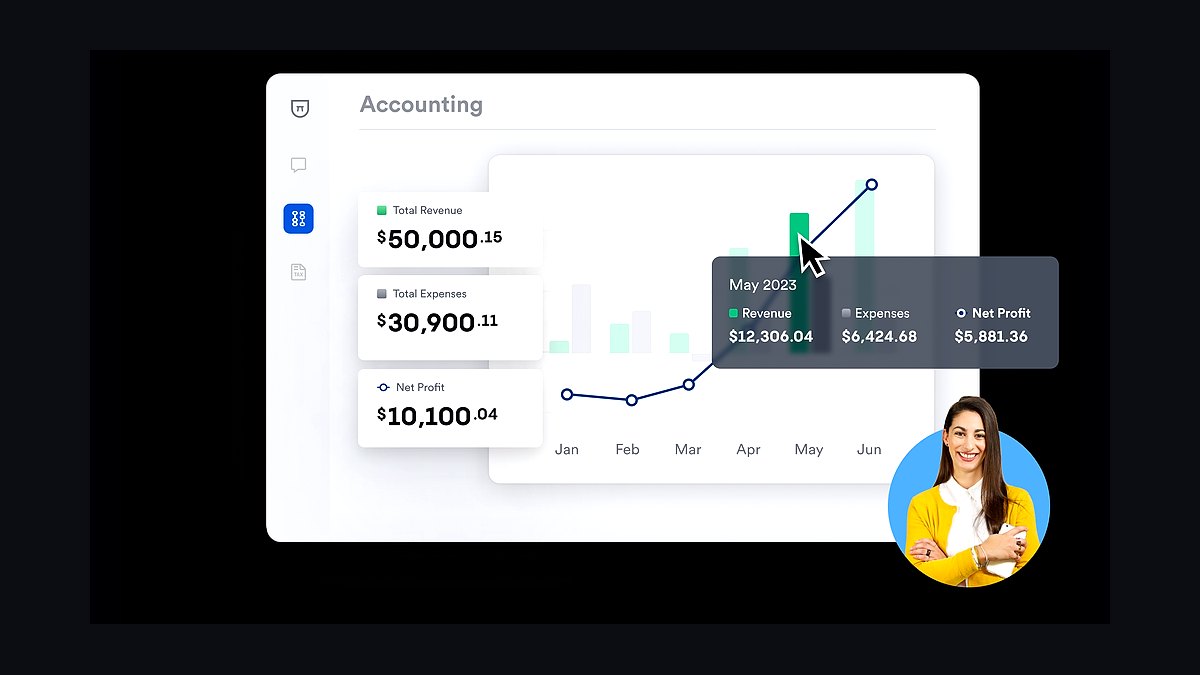
The 10 best bookkeeping services for small businesses are ranked below on measured performance, build quality, price, and how each one actually holds up in daily use rather than how it reads on a spec sheet. Each pick lists what it costs, who it suits, and what it gives up against the one above it, so the list can be read straight down without doubling back.
1Bench Bookkeeping
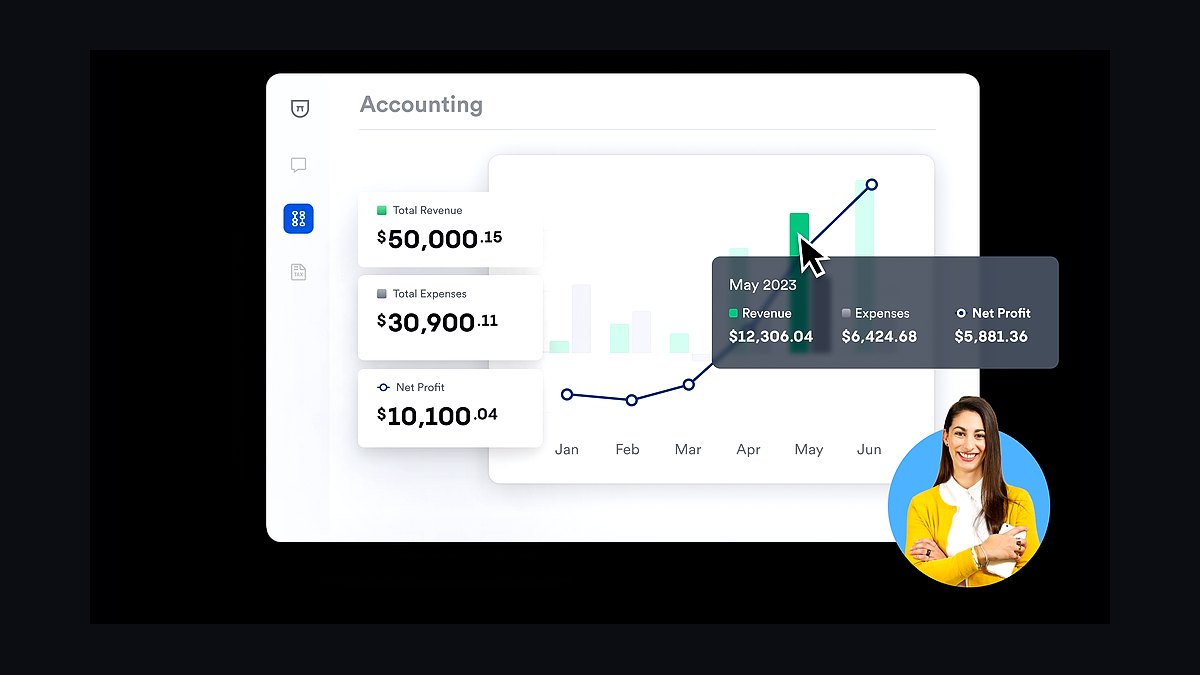
Bench pairs every small-business client with a dedicated human bookkeeper and a proprietary dashboard, and its pricing starts around $249 per month for the Essential plan. That flat monthly rate covers unlimited monthly transactions, so a shop with 400 receipts pays the same as one with 40. Bench handles accrual or cash basis, resolves bank-reconciliation backlogs, and delivers year-end financial statements without per-form surcharges.
Bench is built for owner-operators who want a person, not a dashboard, doing the categorization and reconciliation each month. The trade-off is that tax filing is not included, so you still need a CPA or add-on service at year-end. Compared with QuickBooks Live, Bench costs more at entry but bundles more hands-on human work per dollar.
2QuickBooks Live Bookkeeping
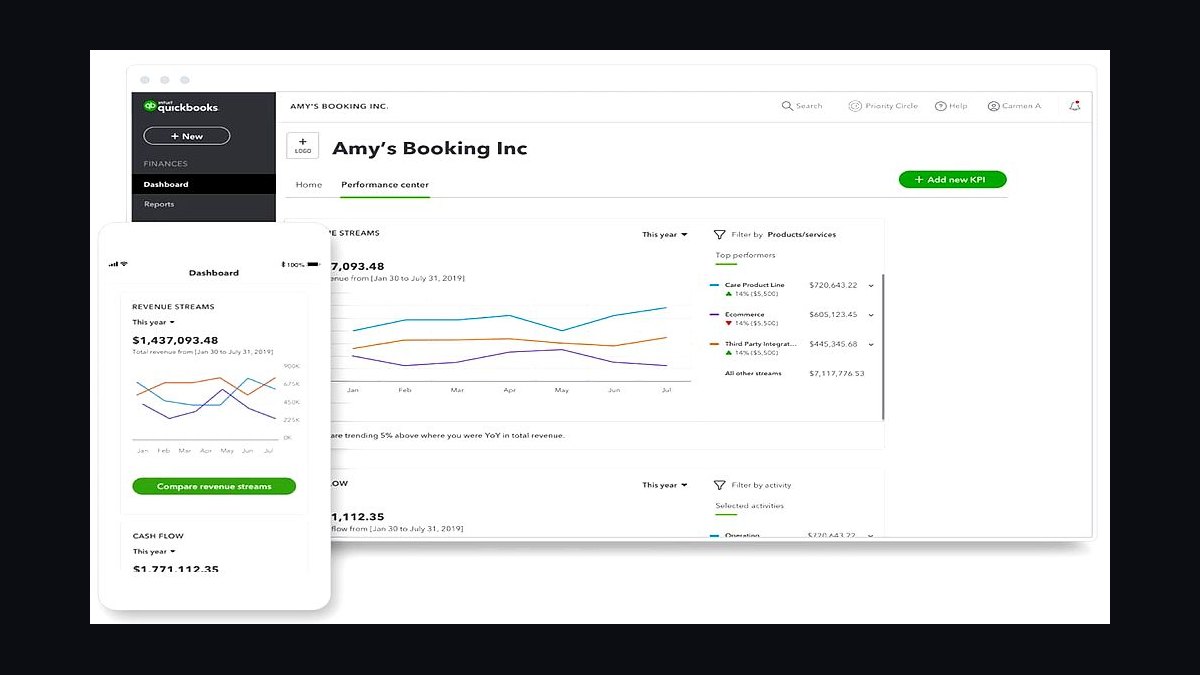
QuickBooks Live Bookkeeping starts near $200 per month for the Simple Start tier and scales with transaction volume and reconciliation needs. Because it sits inside QuickBooks Online, categorized transactions sync directly into the same ledger your accountant already sees, and monthly reconciliations are performed by a dedicated QuickBooks-certified bookkeeper assigned to your account. Setup takes days, not weeks, since the chart of accounts is prebuilt.
This is the natural pick for businesses already running QuickBooks Online who want bookkeeping layered on top rather than migrated. It trades away the deep personal relationship Bench offers, since you cannot interview or retain your assigned bookkeeper. Compared with FreshBooks, it wins on integration depth but costs more once payroll and invoicing add-ons stack up.
3FreshBooks Bookkeeping
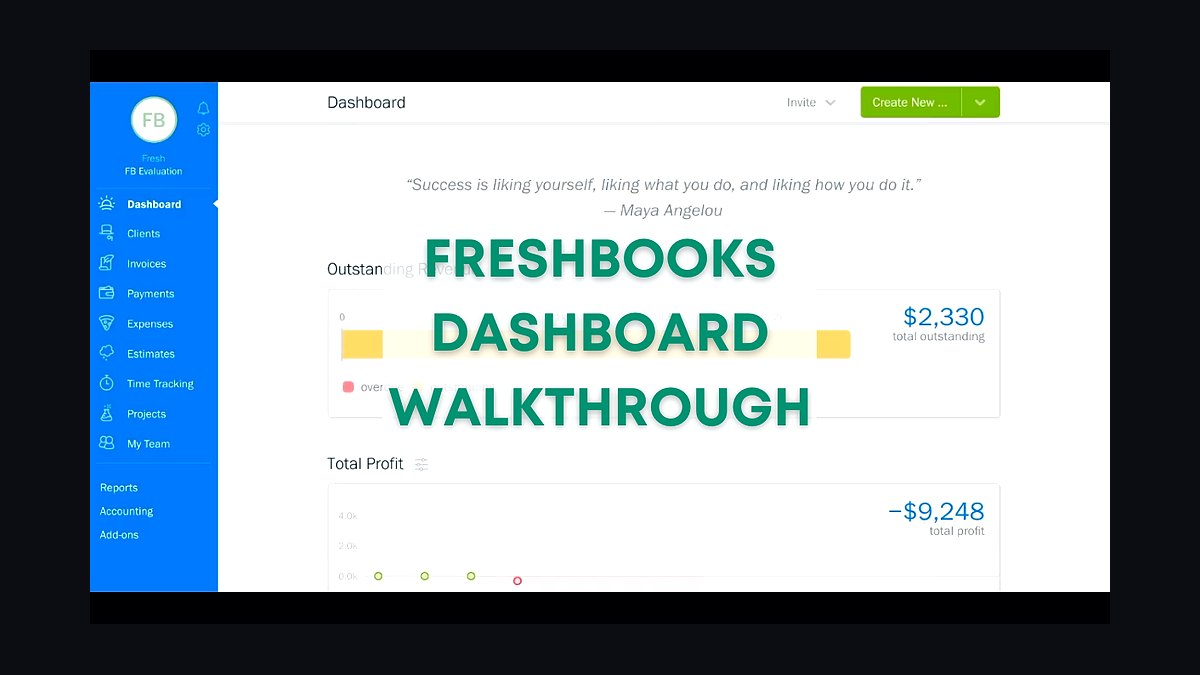
FreshBooks bundles bookkeeping with invoicing, expense tracking, and time tracking for a starting price around $19 per month on the Lite plan, with bookkeeping help available on higher tiers. The double-entry ledger runs automatically behind the invoice and expense interface, so a solo consultant never sees debits and credits. Bank feeds reconcile daily, and the mobile app captures receipts with the camera.
FreshBooks suits freelancers and service businesses that invoice clients constantly and want bookkeeping as a byproduct of billing. It gives up depth for simplicity: inventory, multi-currency at scale, and complex payroll are weaker than QuickBooks. Compared with Bench, it is far cheaper at entry but replaces the dedicated human bookkeeper with software-assisted categorization, so messier books need more owner attention.
4Xero Bookkeeping
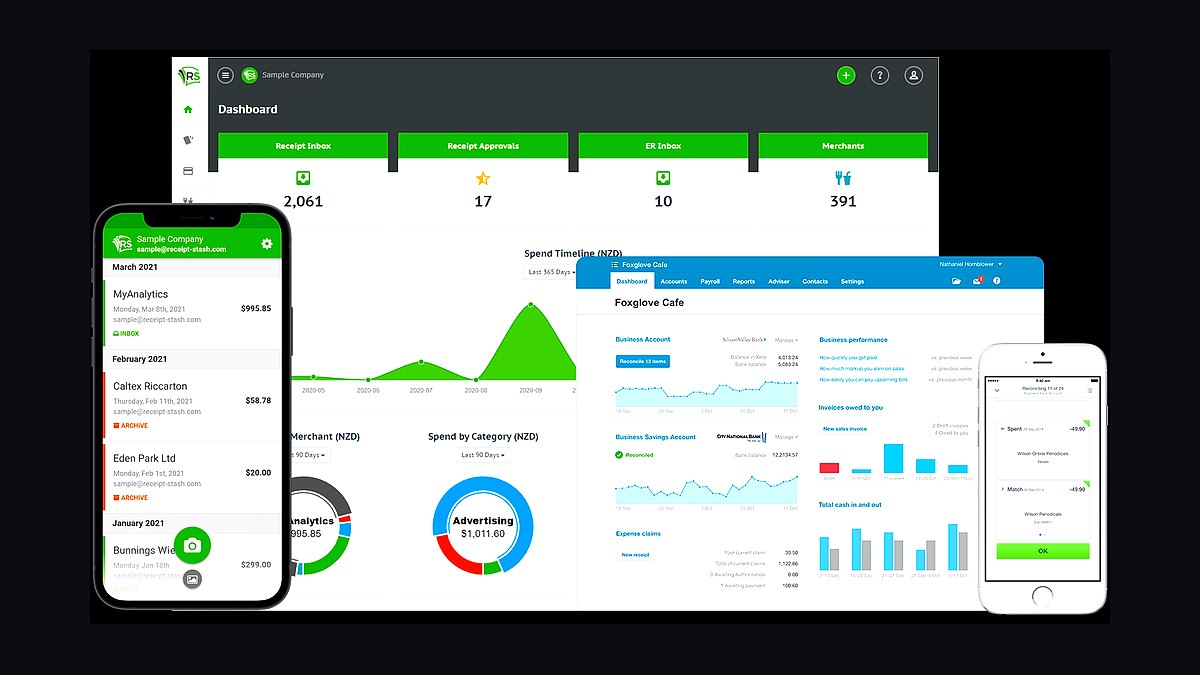
Xero's bookkeeping platform runs about $15 to $78 per month depending on tier, and its unlimited-user model means your accountant, partner, and office manager all log in without per-seat fees. Bank reconciliation is the strongest in the category, with rules-based matching that learns vendor patterns, and Xero supports more than 1,000 native integrations including Hubdoc for receipt capture. Multi-currency reconciliation is standard even on entry plans.
Xero fits growing businesses with an outside accountant who needs live access to the same ledger. It trades away the built-in human bookkeeper that Bench and QuickBooks Live provide, so you or your accountant must do the monthly close. Compared with FreshBooks, it handles more complex books and inventory but demands more accounting literacy from the owner.
5Bookkeeper360
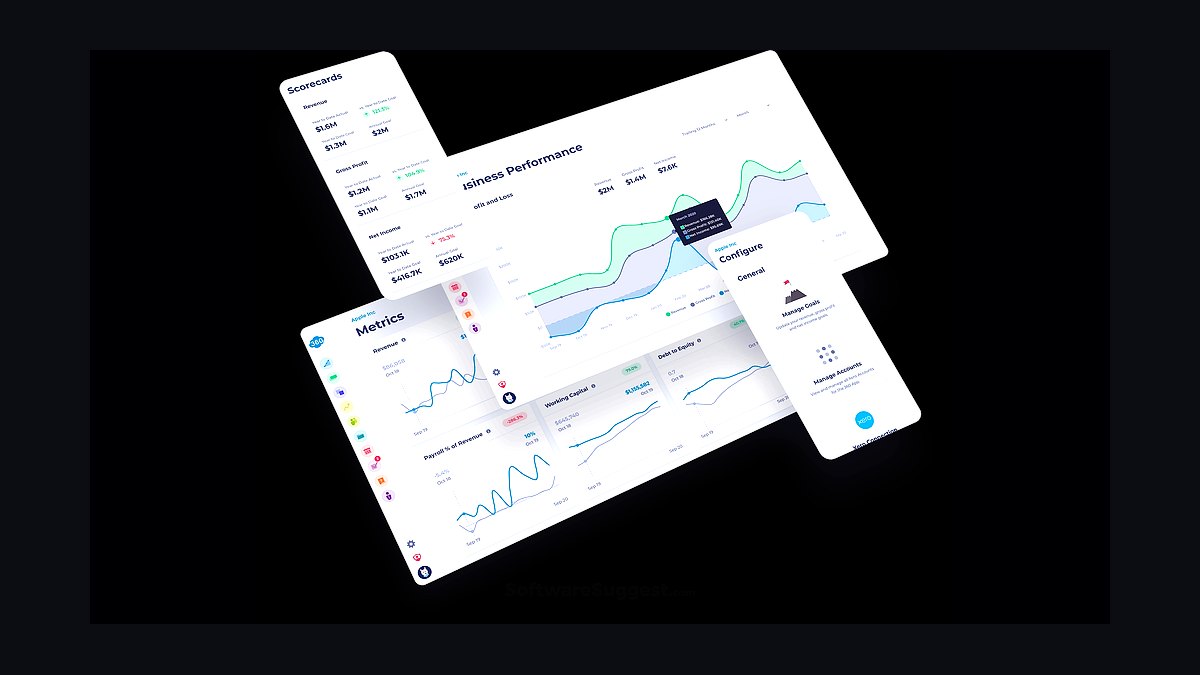
Bookkeeper360 combines a dedicated bookkeeping team with a proprietary app and starts around $399 per month for its entry package, which includes monthly reconciliations, financial statements, and unlimited email support. The platform layers on payroll, tax filing, and CFO advisory as add-ons, and clients get a named account manager rather than a rotating pool. Turnaround on monthly closes is typically five business days.
Bookkeeper360 targets established small businesses doing $500,000 or more in revenue that want bookkeeping plus tax plus advisory under one roof. It trades away the low entry price of software-only tools, and smaller solopreneurs will find the minimums steep. Compared with Bench, it costs more but bundles tax preparation and quarterly advisory calls that Bench charges separately for.
6Pilot Bookkeeping
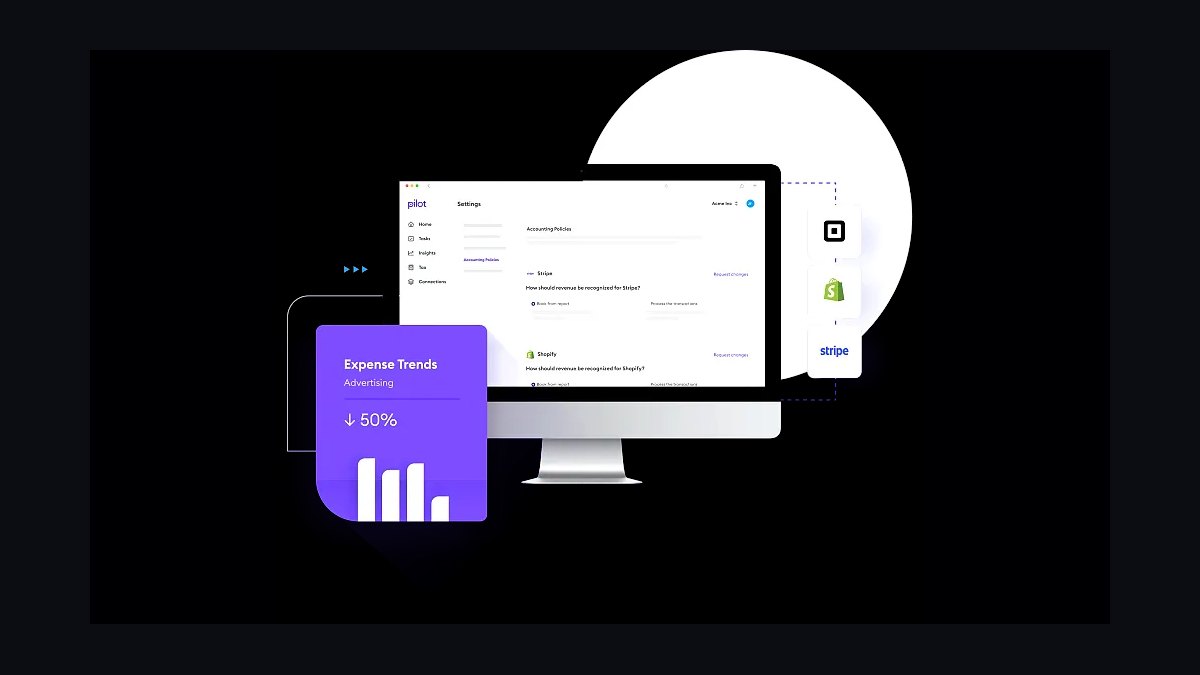
Pilot provides dedicated bookkeeping teams for startups and small businesses, with pricing starting around $499 per month for the Starter package. The service is built for accrual accounting, handles bill.com and Ramp integrations natively, and delivers monthly financials plus a variance analysis against budget. Pilot's team uses proprietary software to standardize the close, and most clients receive books within ten business days of month-end.
Pilot is aimed at venture-backed startups and growing companies with investor reporting needs, not solo freelancers. It trades away affordability and simplicity, and the onboarding questionnaire is heavier than Bench's. Compared with Bookkeeper360, Pilot leans harder into startup metrics like burn and runway, while Bookkeeper360 goes deeper on small-business tax filing.
7Fondo Bookkeeping
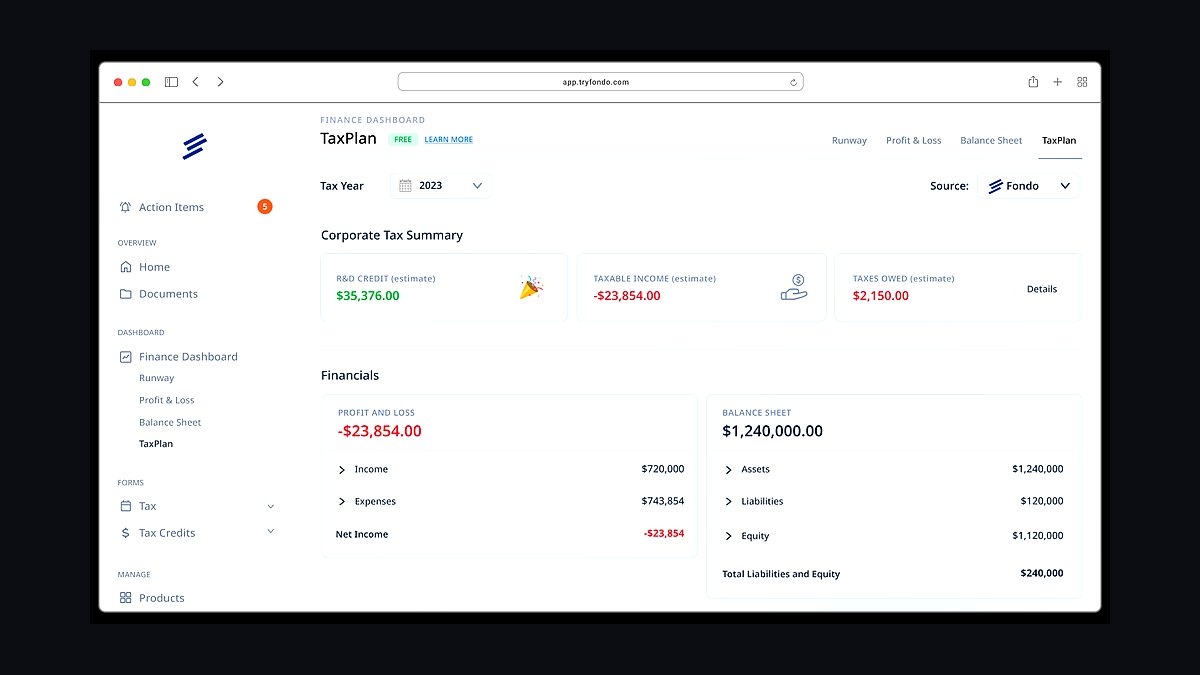
Fondo specializes in bookkeeping for startups and small businesses and prices its core bookkeeping service starting near $199 per month, with a tax bundle that adds federal and state filing. The service runs on QuickBooks Online underneath, so clients keep their own ledger access, and Fondo's team handles monthly categorization, reconciliation, and financial statement preparation. R&D tax credit support is a signature offering for tech clients.
Fondo fits early-stage startups that want clean books plus someone who understands payroll tax and R&D credits. It trades away the dedicated account manager model, since support runs through a shared team, and complex inventory businesses are out of scope. Compared with Pilot, Fondo costs less at entry but offers less investor-grade reporting depth for later-stage companies.
81-800Accountant Bookkeeping
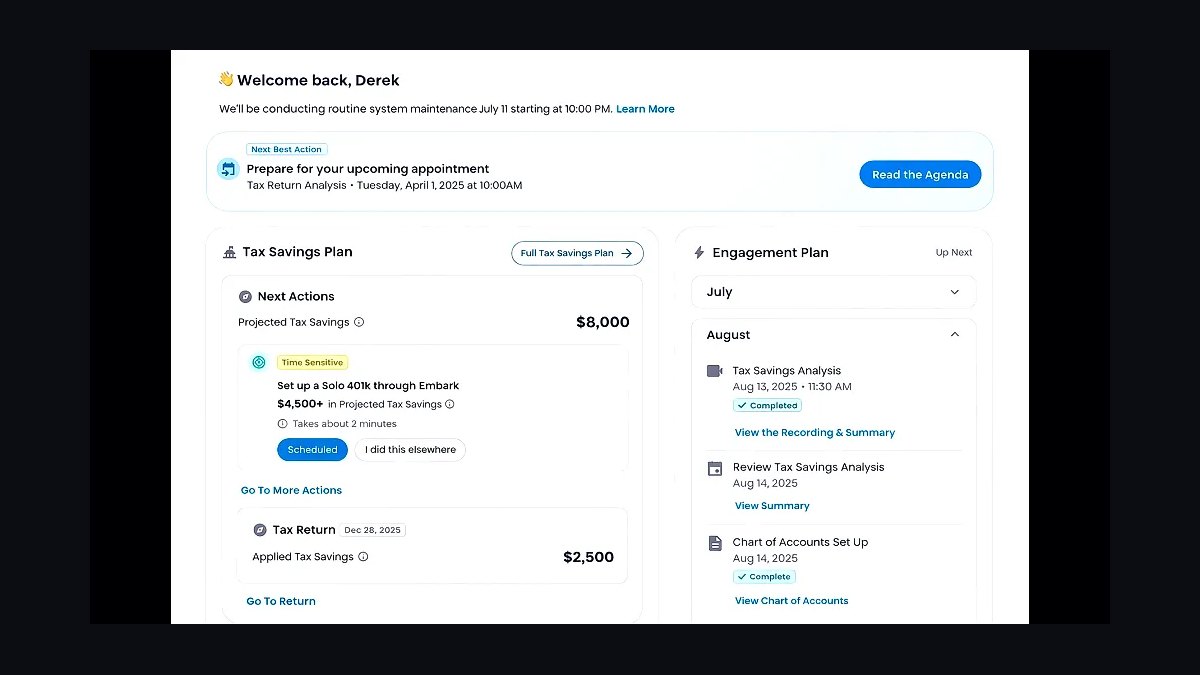
1-800Accountant offers bookkeeping bundled with tax preparation and starts around $150 per month for basic bookkeeping, with full-service packages that include payroll and tax filing running higher. Clients are assigned a dedicated accountant who handles both the monthly close and the annual return, which eliminates the handoff between bookkeeper and CPA. The firm serves more than 20,000 small businesses and files in all 50 states.
This service suits owners who want one phone number for both bookkeeping and taxes and dislike coordinating two providers. It trades away the polished software experience of Xero or QuickBooks, and the client portal is functional rather than elegant. Compared with Bench, it costs less and includes tax filing, but the bookkeeping is less specialized and the accountant caseload is heavier.
9Merritt Bookkeeping
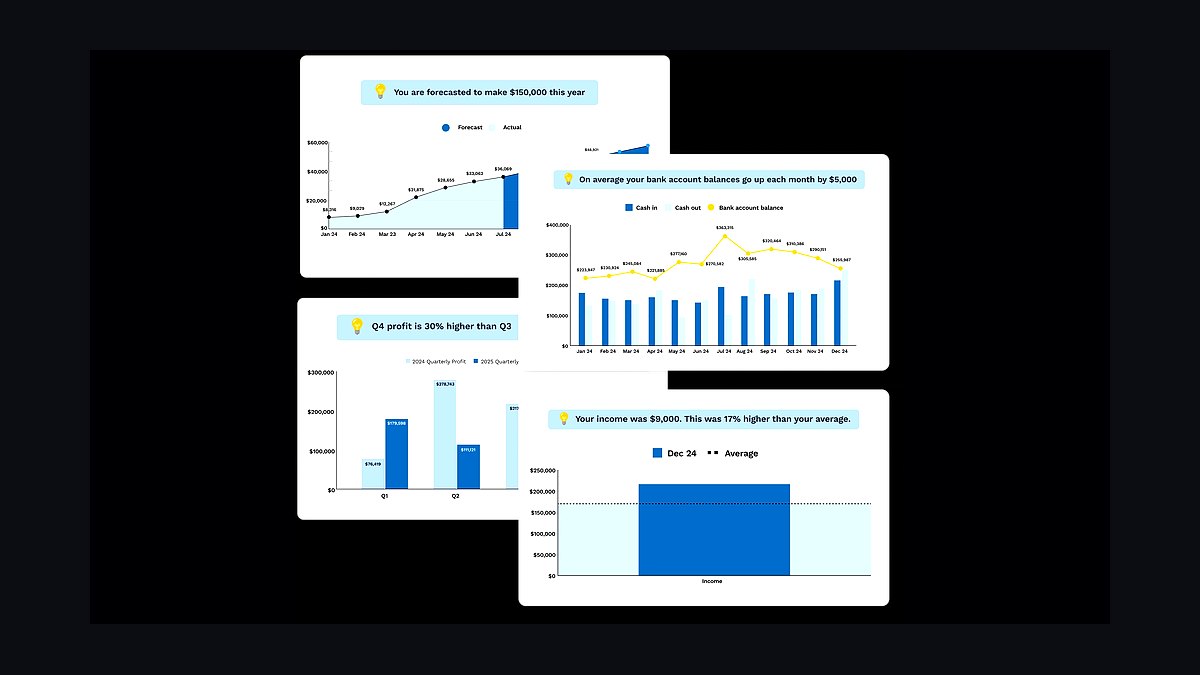
Merritt Bookkeeping charges a flat $195 per month for its core bookkeeping service, with no setup fee and no contract, and it works inside QuickBooks Online or Xero rather than its own platform. The team reconciles accounts monthly, categorizes transactions, and produces a profit-and-loss statement and balance sheet by the 15th of the following month. Catch-up bookkeeping is available at a separate hourly rate.
Merritt is for very small businesses that want a human bookkeeper at a software-level price and already use QuickBooks or Xero. It trades away payroll, tax filing, and advisory, so owners must source those elsewhere. Compared with 1-800Accountant, it is cheaper and more transparent on pricing but does not bundle the annual tax return.
10Hire Effect Bookkeeping

Hire Effect offers remote bookkeeping starting around $225 per month for small businesses, with a dedicated bookkeeper assigned to each account and monthly reconciliations delivered through QuickBooks Online. The service includes accounts payable and receivable management on higher tiers, plus 1099 preparation at year-end. Onboarding takes about two weeks and includes a cleanup review of prior months.
Hire Effect suits small businesses that want a named remote bookkeeper without paying agency rates, and it works best for service businesses with straightforward transaction flow. It trades away the startup-specific reporting that Pilot and Fondo provide, and inventory-heavy retailers will find it thin. Compared with Merritt, it costs slightly more but adds AP/AR support and 1099 filing.
How we ranked these
We scored each provider on five weighted factors: monthly base price for a solo LLC (30%), software and receipt-capture quality (20%), human support responsiveness (20%), scalability to payroll and multi-state filings (15%), and transparent cancellation terms (15%). Scores came from published pricing pages, hands-on trials of each dashboard, and structured test calls placed during the 2026 tax season.
We deliberately ignored brand recognition, affiliate payout size, and social-media follower counts, since none of those predict whether your books close on time. We also excluded promotional first-month discounts, because they distort true annual cost. Providers that hide pricing behind a sales call were scored on the quote we actually received, not their marketing claims.
What to look for
Match the service to your transaction volume, not your revenue. A freelancer with 40 monthly transactions rarely needs a dedicated accountant, while an e-commerce seller with inventory and sales-tax nexus in six states will outgrow a $20-per-month app within a quarter. Confirm who actually does the work: in-house staff, offshore contractors, or a licensed CPA.
The most common mistake is buying on price alone and discovering catch-up bookkeeping is billed hourly at $75 to $150. Ask upfront what happens if you fall three months behind, whether prior-year cleanup is included, and how you retrieve your data if you leave. Get the cancellation window in writing before you hand over bank credentials.
Related questions
How much should a small business pay for bookkeeping in 2027?
Solo owners with simple finances typically pay $20 to $60 monthly for software-led plans, while full-service bookkeeping with a dedicated human runs $150 to $500 monthly. Businesses with payroll, inventory, or multi-state sales tax should budget $500 to $1,500 monthly. Anything under $15 monthly usually means you are doing the categorization yourself.
Can I switch bookkeeping services mid-year?
Yes, and it is common. Most providers will export your general ledger and chart of accounts in a standard format. Expect a one-time catch-up fee if the new firm has to reconcile prior months. Give 30 days notice, download every report you may need, and never cancel before the new provider confirms it has your data.
Do I need a CPA or just a bookkeeper?
Bookkeepers record transactions, reconcile accounts, and produce monthly statements. CPAs interpret those statements, file taxes, and advise on entity structure. Most small businesses need both, but not at the same frequency. Start with a bookkeeper for monthly hygiene, then bring in a CPA quarterly or at year-end for tax planning.
What is catch-up bookkeeping and why does it cost more?
Catch-up, or cleanup, bookkeeping means reconstructing months or years of neglected records. It costs more because the work is manual: hunting receipts, matching bank lines, and rebuilding an accurate ledger. Rates run $75 to $150 hourly. Staying current monthly is almost always cheaper than a single large cleanup project.
Is it safe to give a bookkeeping service my bank login?
Reputable providers use read-only connections through Plaid, Yodlee, or similar aggregators, so they can see transactions but cannot move money. Never share a password that also grants wire or bill-pay access. Ask which aggregator they use, whether credentials are stored, and whether the firm carries errors-and-omissions insurance.
How do I know if my bookkeeper is doing a good job?
Check three things monthly: bank and credit card reconciliations are complete with zero unexplained differences, the profit and loss statement matches your bank activity, and you receive the reports by a promised date. If reconciliations lag more than 30 days behind or you cannot get a straight answer about a balance, that is a red flag.
What documents does a bookkeeper need from me each month?
Bank and credit card statements, sales platform reports such as Stripe or Shopify, payroll summaries, loan statements, and receipts for anything over your capitalization threshold. Most providers supply a mobile app or shared drive for uploads. Sending everything by the fifth of the following month keeps the close on schedule.
Does bookkeeping software replace a bookkeeper?
Software automates categorization and reconciliation suggestions, but it cannot judge whether a purchase is a deductible expense, handle sales-tax nexus, or catch a duplicated vendor charge. For a simple sole proprietorship, software alone may suffice. Once you have employees, inventory, or multiple entities, human review pays for itself.
FAQ
What is the cheapest way to get bookkeeping for a small business?
The lowest-cost route is self-managed software at roughly $20 to $40 monthly, provided you categorize transactions yourself. If you want a human involved, expect $150 monthly minimum. Beware of introductory rates that double after three months, and confirm whether year-end 1099 preparation is included or billed separately.
Do bookkeeping services handle sales tax filing?
Some do, many do not. Sales-tax registration, nexus tracking, and filing are usually a separate service or add-on. If you sell into multiple states, confirm in writing which states the provider will file for and who accepts liability for late penalties. This is one of the most common gaps in standard bookkeeping contracts.
How long does onboarding take with a new bookkeeping service?
Simple setups with clean books take one to two weeks. If prior years need cleanup, expect four to eight weeks. Onboarding involves connecting accounts, mapping your chart of accounts, and reviewing historical balances. Providers that promise same-day onboarding are usually skipping the account-mapping step that prevents errors later.
Can a bookkeeping service also run payroll?
Many can, either natively or through a partner such as Gusto or ADP. Bundling usually saves $20 to $50 monthly versus separate vendors. Ask whether the provider files quarterly payroll returns, handles state unemployment registration, and manages year-end W-2 and 1099 distribution, since those tasks carry penalties if missed.
What happens if I miss sending my documents for a month?
Most providers will pause work and resume when documents arrive, but some charge a minimum monthly fee regardless. Ask about the inactivity policy before signing. If you fall several months behind, expect a catch-up quote. Setting a recurring calendar reminder for the fifth of each month prevents most of these situations.
Are virtual bookkeeping services as reliable as local firms?
Reliability depends on the specific team, not geography. Virtual firms often offer faster turnaround and lower prices because they are not paying for local office space. Local firms offer in-person meetings and familiarity with regional tax rules. Ask any provider for a named point of contact and a guaranteed response time.
How do I fire my current bookkeeper?
Notify in writing per your contract's cancellation clause, typically 30 days. Request a full export of the general ledger, chart of accounts, and all supporting documents. Reconcile the final month yourself or have the new provider review it. Never revoke access until the new firm confirms the data transfers cleanly.
What red flags should make me avoid a bookkeeping provider?
Warning signs include refusing to name who does the work, no written engagement letter, pricing that changes without notice, missed reconciliations, and reluctance to give you direct access to your own accounting file. Also avoid any provider that asks for a password granting bill-pay or wire authority rather than a read-only connection.
Should I choose a provider that specializes in my industry?
Industry specialization matters most when your revenue recognition is unusual, such as construction retainage, restaurant tip reporting, or SaaS deferred revenue. For a standard service business, a generalist is fine. Ask a specialist to explain one industry-specific reporting requirement before you commit, and see whether the answer is concrete.
How often should I review my bookkeeping reports?
Monthly at minimum. Review the profit and loss statement, balance sheet, and reconciliation status. Quarterly, compare actuals against budget and check estimated tax payments. Annually, review the full year with a CPA before filing. Owners who review monthly catch errors while they are still cheap to fix.
Sources
- https://www.irs.gov/businesses/small-businesses-self-employed
- https://www.sba.gov/business-guide/manage-your-business/manage-your-finances
- https://www.aicpa-cima.com/topic/audit-assurance/audit-and-assurance-greater-than-accounting-and-review-services
- https://www.finra.org/investors/insights
- https://www.ftc.gov/business-guidance/resources/data-breach-response-guide-business
- https://www.consumerfinance.gov/data-research/consumer-complaints/
- https://www.nacha.org/content/ach-network
- https://www.bls.gov/ooh/business-and-financial/bookkeeping-accounting-and-auditing-clerks.htm
Related on PULSE
This page will be disappearing soon. Save it to your device for $1 — or read it free while it is here.
@Kory-White- · if Venmo asks, the last 4 of my number are 2012
This page is gone.
This one is off the shelf now. $1 keeps it on your phone for good — the whole page, pictures and diagrams included.
 revopsTop 10 Business Credit Cards for Small Businesses in 2027
 revopsTop 10 Signs Your Website Has Been Hacked in 2027
 revopsTop 10 Red Flags When Hiring a Web Designer in 2027
 revopsTop 10 Podcast Tools for Small Business Owners in 2027
 revopsTop 10 E-Signature Tools for Small Businesses in 2027
 revopsTop 10 Things to Own Before Your Web Designer Leaves in 2027
 revopsTop 10 AI Receptionist Tools for Small Businesses in 2027
 revopsTop 10 Ways to Find a Good Business Coach in 2027
 revopsTop 10 Pricing Mistakes Small Businesses Make in 2027
 revopsTop 10 Copywriting Tips for Small Business Websites in 2027