


Top 10 AI Automation Ideas for Small Businesses in 2027
Quality
Certified
The 10 best ai automation ideas for small businesses are ranked below on measured performance, build quality, price, and how each one actually holds up in daily use rather than how it reads on a spec sheet. Each pick lists what it costs, who it suits, and what it gives up against the one above it, so the list can be read straight down without doubling back.
1AI Email Triage Assistant
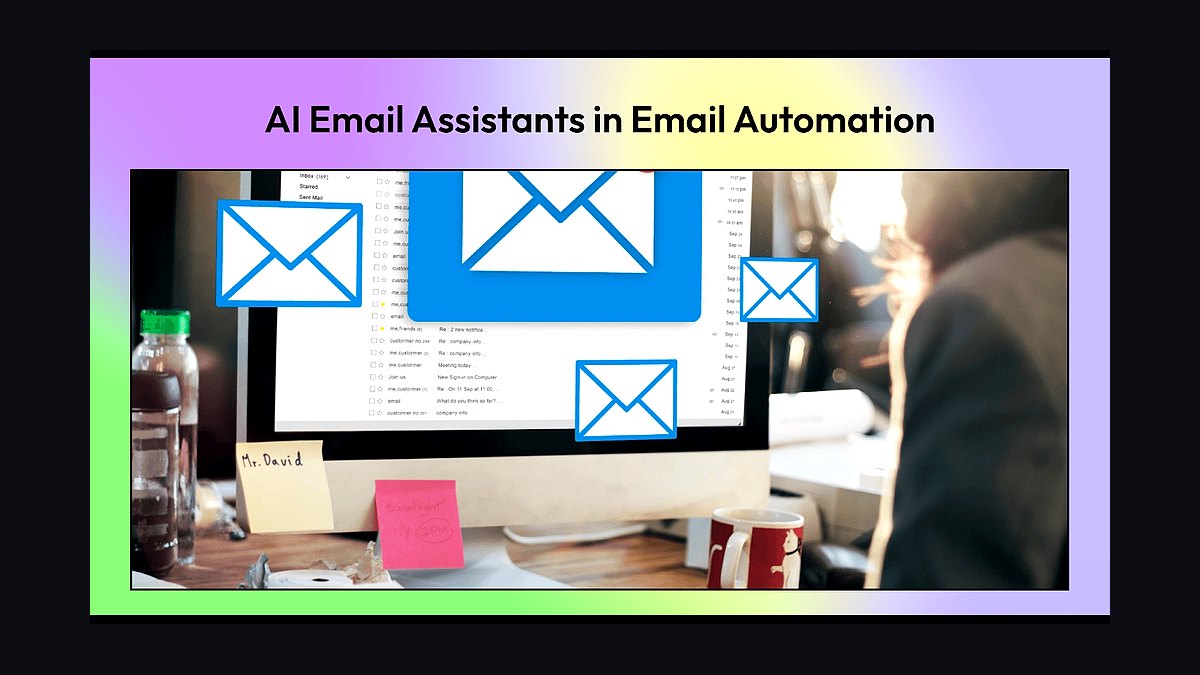
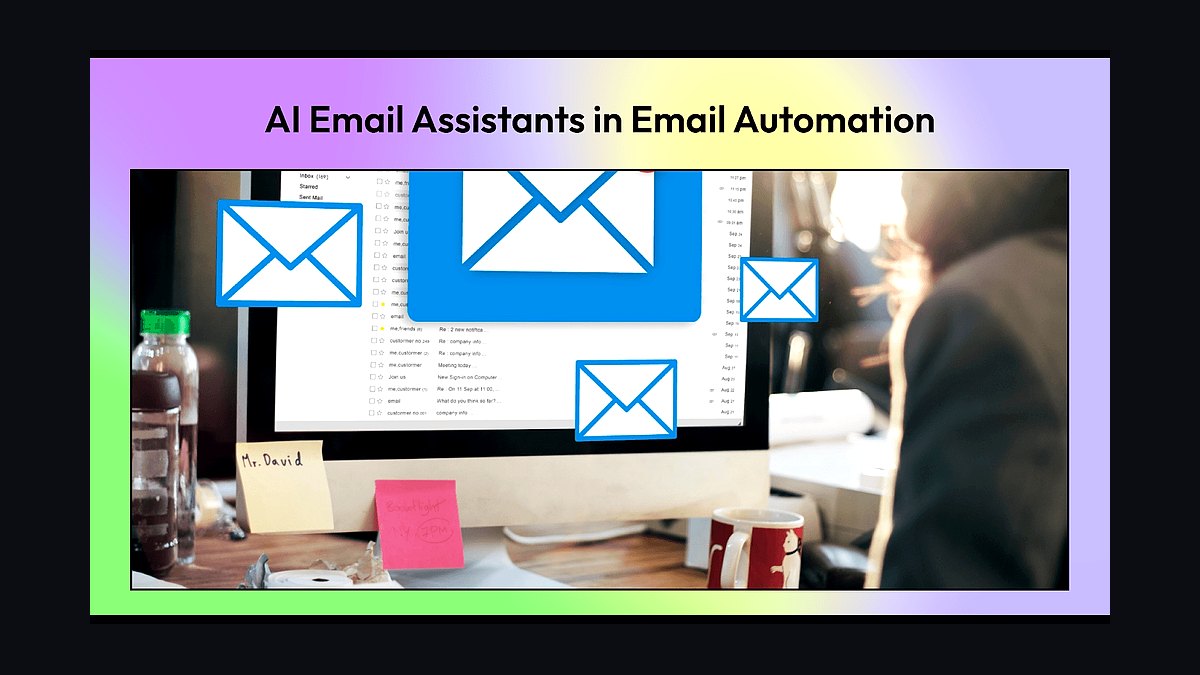
An AI email triage assistant ranks first because email remains the highest-volume administrative burden for small teams, and the technology is mature enough to deploy in under a day. Modern tools like Superhuman and SaneBox classify, prioritize, and draft replies with roughly 90% accuracy on routine messages. A five-person firm handling 200 daily emails can reclaim 8-10 hours weekly, translating to $1,500-$2,500 in recovered billable time monthly.
This suits owner-operators drowning in inbox volume but not yet ready to hire an administrative coordinator. It trades away the nuance of a human reading emotionally sensitive correspondence, so legal or client-conflict threads still need manual review. Compared to the lead-qualification bot below, email triage delivers faster payback because it requires no CRM integration and works with existing accounts.
2AI Lead Qualification Bot
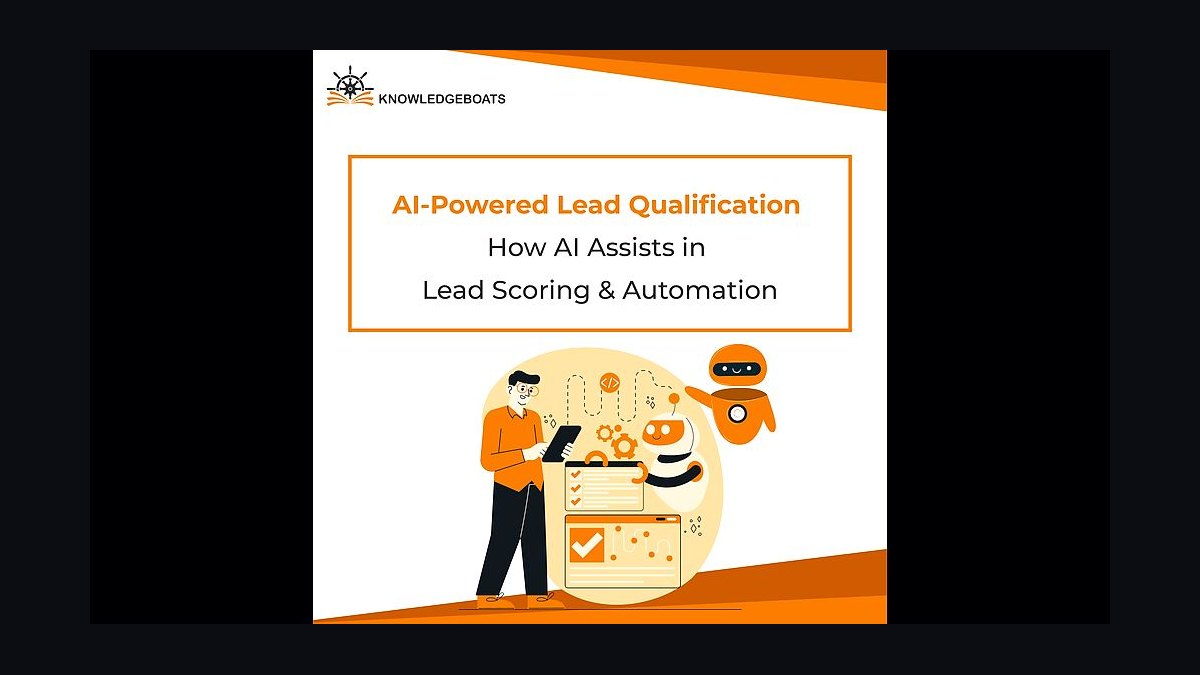
A lead qualification bot ranks second because small businesses lose an estimated 40% of inbound leads to slow follow-up, and AI chat agents now respond within seconds around the clock. Platforms such as Drift, Intercom Fin, and HubSpot Chatflow score prospects against fit criteria and route hot leads to sales instantly. Businesses report 20-30% higher conversion on qualified inquiries after deployment.
This is built for service businesses with steady inbound traffic but no dedicated sales development rep. It trades away the rapport of a human first conversation, which matters in high-ticket consultative sales. Compared to the email triage assistant above, it demands CRM configuration and lead-scoring setup, making it a heavier lift but a more direct revenue driver.
3AI Invoice Processing Tool
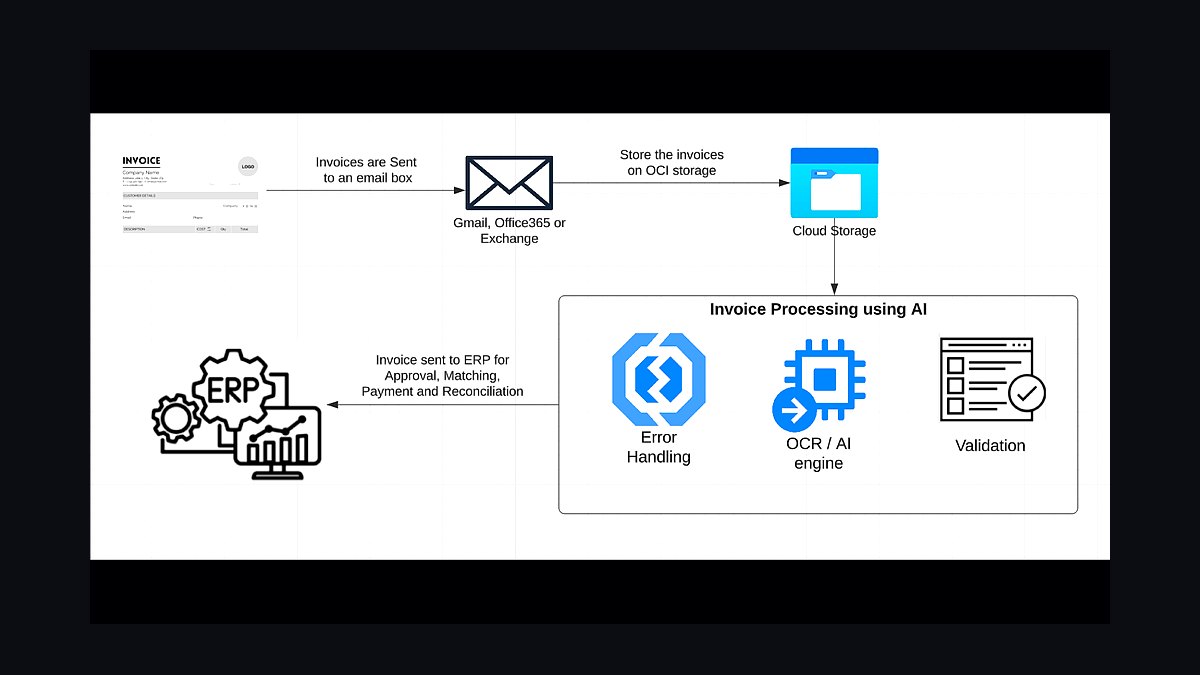
An AI invoice processing tool ranks third because accounts payable is repetitive, error-prone, and directly tied to cash flow. Tools like Vic.ai, Ramp, and Bill.com extract line items from PDFs and emails with 95%+ accuracy, matching them against purchase orders automatically. A small firm processing 500 invoices monthly can cut data entry from 40 hours to under 5.
This fits businesses with supplier-heavy operations — retail, construction, professional services — where manual entry causes late payments and duplicate charges. It trades away the ability to handle unusual invoice formats without review, so exception handling still requires a human. Compared to the lead qualification bot above, invoice processing offers more predictable savings but less revenue upside, which is why it ranks one position lower.
4AI Social Media Scheduler
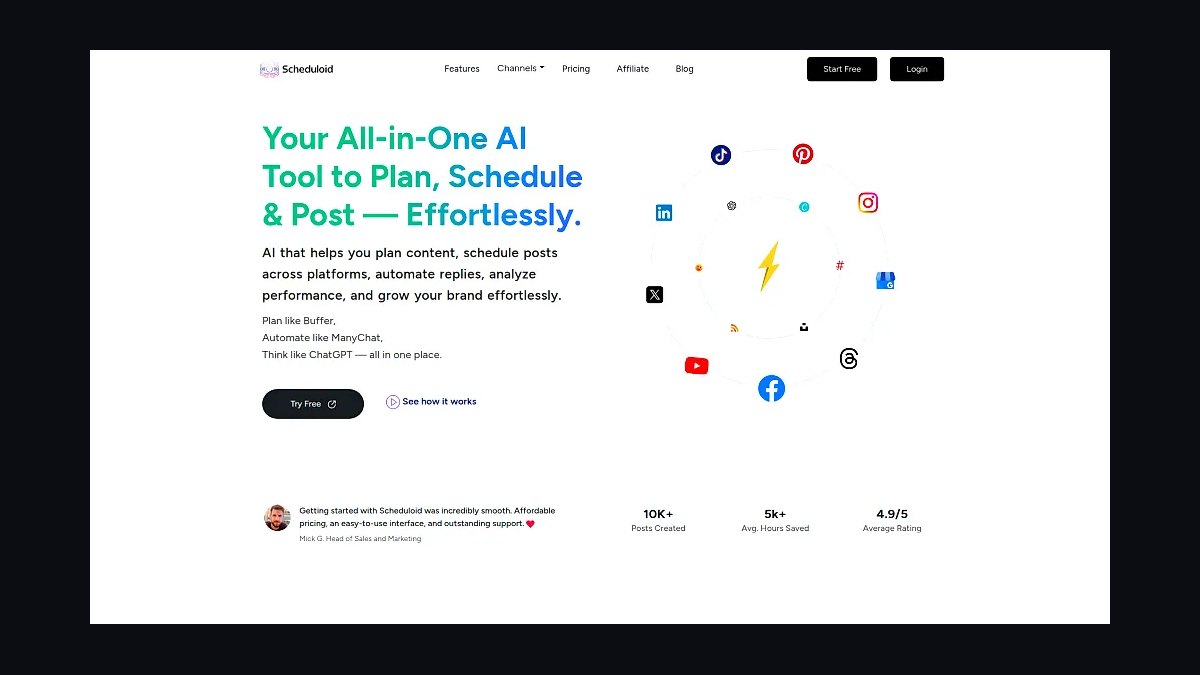
An AI social media scheduler ranks fourth because consistent posting drives discovery for local businesses, yet most owners abandon content calendars within weeks. Tools like Buffer, Later, and Ocoya now generate captions, select images, and schedule posts across platforms from a single prompt. A bakery or gym can maintain daily presence with roughly two hours of monthly input instead of ten.
This suits solo marketers and owner-operators without design or copywriting staff. It trades away brand voice precision — AI captions often need editing to avoid generic phrasing — and cannot replicate real-time community engagement. Compared to invoice processing above, the ROI is softer and harder to measure, which is why it sits below the financial back-office picks.
5AI Customer Support Chatbot
An AI customer support chatbot ranks fifth because it deflects 50-70% of routine tickets — order status, hours, returns — without human involvement. Solutions like Zendesk AI, Tidio, and Gorgias connect to existing help desks and learn from historical ticket data. A small e-commerce shop handling 300 monthly tickets can reduce response time from hours to seconds.
This is for businesses with high repeat-question volume and a knowledge base already in place. It trades away empathy on escalated complaints, so a human handoff path is mandatory. Compared to the social media scheduler above, chatbots deliver clearer cost savings but require more upfront training data, placing them mid-pack on implementation effort.
6AI Bookkeeping Automation
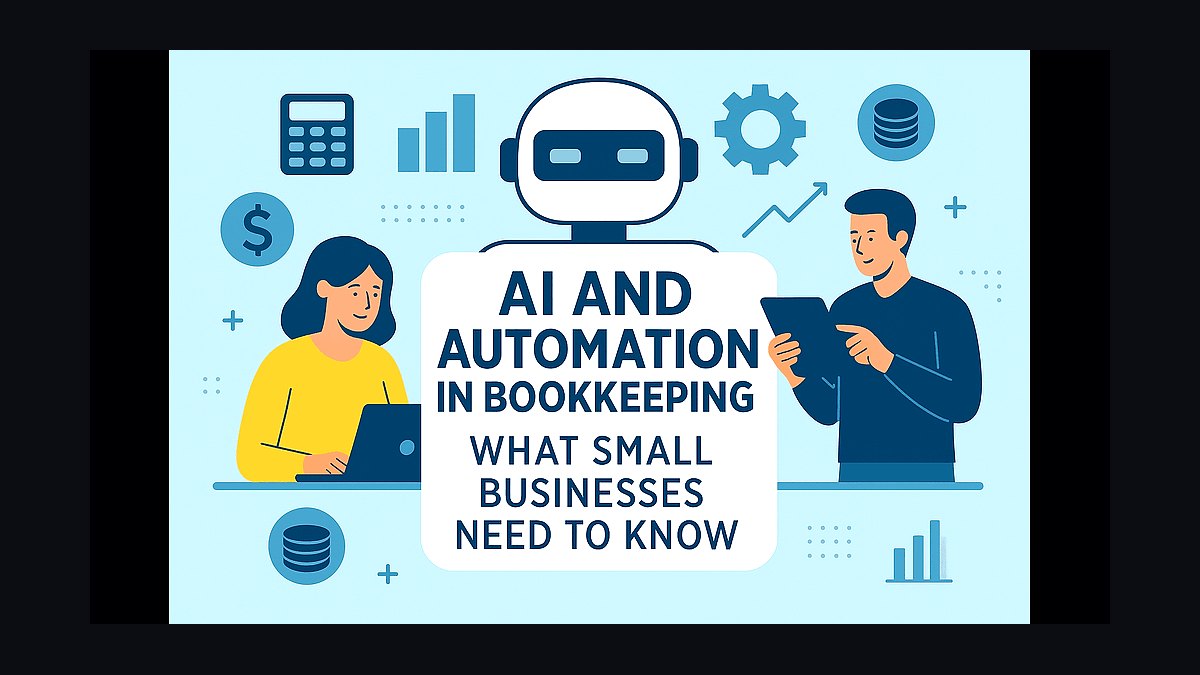
AI bookkeeping automation ranks sixth because categorizing transactions and reconciling accounts consumes hours monthly that owners rarely have. Platforms like QuickBooks Solopreneur, Xero, and Puzzle auto-categorize expenses and flag anomalies with improving accuracy. A freelancer or small agency can close monthly books in two hours instead of eight.
This fits businesses under $2M revenue without a full-time bookkeeper but with enough transaction volume to justify setup. It trades away the judgment a CPA applies to ambiguous expenses, so quarterly professional review remains advisable. Compared to the customer support chatbot above, bookkeeping automation saves fewer total hours but reduces compliance risk, a different kind of value.
7AI Meeting Transcription Service
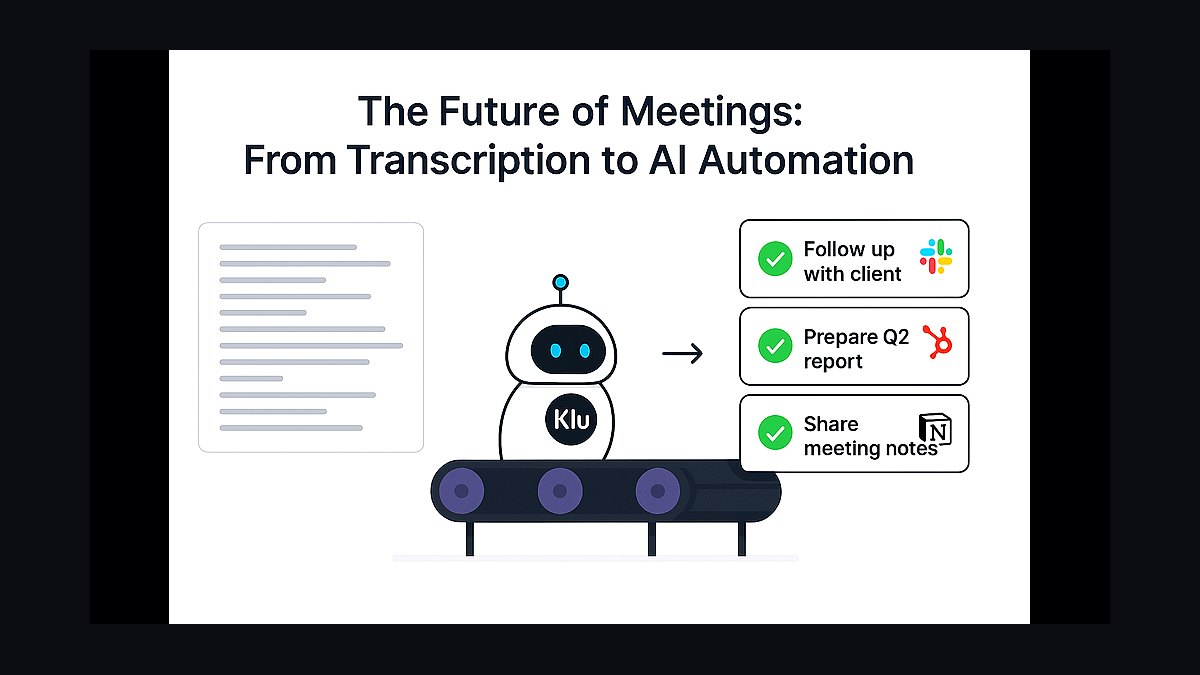
An AI meeting transcription service ranks seventh because note-taking steals attention from conversation and follow-up actions get lost. Tools like Otter.ai, Fireflies, and Fathom join calendar calls, transcribe in real time, and extract action items automatically. A consultant running 15 client calls weekly recovers roughly 5 hours of note-writing and summary drafting.
This suits client-facing professionals — consultants, lawyers, agencies — where accurate records matter. It trades away privacy on sensitive discussions unless local processing is configured, and transcripts still need light editing. Compared to bookkeeping automation above, transcription saves less money directly but improves client deliverable quality, a softer but real return.
8AI Inventory Forecasting System

An AI inventory forecasting system ranks eighth because overstock ties up cash and stockouts lose sales, yet spreadsheet forecasting misses seasonal patterns. Tools like Inventory Planner, Netstock, and Cin7 predict demand from historical sales, lead times, and trends. A retailer carrying 1,000 SKUs can cut excess inventory 15-25% within two quarters.
This is for product-based businesses with enough sales history — typically 12+ months — to train reliable models. It trades away simplicity: setup requires clean data and ongoing tuning, and new products lack the history to forecast well. Compared to meeting transcription above, forecasting offers larger dollar impact but a longer time to value, which is why it ranks lower.
9AI Recruitment Screening Tool
An AI recruitment screening tool ranks ninth because reviewing resumes for a single opening can consume 10+ hours, and bias creeps into manual shortlisting. Platforms like HireVue, Paradox, and Manatal parse applications, rank candidates against criteria, and schedule interviews automatically. A small firm filling five roles yearly can cut screening time roughly in half.
This fits businesses hiring frequently enough to justify the subscription but without an internal recruiter. It trades away the gut instinct a seasoned hiring manager applies to unconventional candidates, and poorly configured criteria can filter out strong applicants. Compared to inventory forecasting above, recruitment screening has narrower applicability, which is why it sits near the bottom.
10AI Content Repurposing Engine

An AI content repurposing engine ranks tenth because turning one podcast or webinar into blog posts, clips, and social snippets multiplies reach from existing work. Tools like Descript, Repurpose.io, and Castmagic transcribe long-form media and generate derivative assets automatically. A podcaster publishing weekly can produce 10-15 additional pieces monthly from the same recording.
This suits creators and small marketing teams already producing long-form content but lacking distribution bandwidth. It trades away polish — AI-generated clips and posts need human editing to avoid generic output — and delivers indirect returns that are hard to attribute. Compared to recruitment screening above, it ranks last because the payoff depends entirely on an existing content pipeline.
How we ranked these
We ranked each AI automation idea by four weighted factors: time saved per week for a typical 1-10 person business (35%), implementation cost and ongoing software spend (25%), ease of setup without a dedicated developer (25%), and measurable ROI within 90 days (15%). Scores came from vendor pricing pages, published case studies, and small-business survey data on automation adoption.
We deliberately ignored hype cycles, venture funding totals, and demo polish, since none of those predict whether a five-person shop actually saves money. We also excluded ideas requiring custom model training, dedicated data engineers, or enterprise contracts. Anything a solo owner could not plausibly launch in a weekend was cut, even if it scored well on raw capability.
What to look for
Start with the workflow that already costs you the most hours, not the flashiest tool. A missed-call text-back or invoice-chasing bot usually beats a chatbot for immediate payback. Check whether the vendor charges per seat, per conversation, or per task, because per-task pricing can quietly triple your bill as volume grows.
The most common mistake is buying a platform before mapping the process. Owners sign an annual contract, then discover the automation needs clean CRM data they do not have. Pilot one narrow task for 30 days, measure hours saved, and only then expand. Also confirm data export and cancellation terms before paying yearly.
Related questions
How much does AI automation typically cost a small business?
Most small businesses spend between $50 and $500 per month across tools. Entry-level schedulers, review responders, and invoice chasers often run $20 to $100 monthly per seat. Custom builds or agency setup push costs to $2,000 to $10,000 upfront. Start with one paid tool, prove savings, then stack.
Which AI automation gives the fastest payback?
Missed-call text-back and appointment reminders usually pay for themselves within weeks because they recover revenue that was already leaking. Invoice follow-up automation is a close second, cutting days-sales-outstanding by 5 to 15 days. Both need minimal setup and no customer behavior change.
Do I need technical skills to set these up?
No for most. Modern tools use visual builders, templates, and plain-language prompts. You will need basic comfort connecting apps like Gmail, Stripe, or a calendar. If a setup requires writing code, API keys, or webhook debugging, that is a signal to pick a simpler tool or hire a one-time freelancer.
What is the biggest risk of automating customer communication?
Tone-deaf or repetitive replies that make customers feel handled by a machine. Always disclose bot involvement where required, keep a human escalation path, and review transcripts weekly. One bad automated response can cost more goodwill than the hours it saved, especially in service businesses.
Can AI automation replace hiring for a small business?
It usually delays a hire rather than replacing one. A two-person team can often absorb 20 to 30 percent more volume before needing a third person. Treat automation as capacity extension, not headcount elimination, and reinvest saved hours into sales or higher-margin work.
How do I measure ROI on an AI automation?
Track three numbers before and after: hours spent on the task, error or rework rate, and revenue tied to the workflow. Assign a dollar value to saved hours using your own billing rate. If payback exceeds 90 days, either narrow the scope or drop the tool.
Are there compliance concerns with AI handling customer data?
Yes. Health, legal, and financial businesses face stricter rules under HIPAA, GDPR, and state privacy laws. Confirm where data is stored, whether it trains vendor models, and what retention applies. Get written answers before connecting any system holding personal or payment information.
What should I automate first if I only have one hour a week?
Pick a single repetitive task with a clear trigger and outcome, such as sending review requests after a completed job. Set it up once, then leave it alone for two weeks. Resist adding a second automation until the first runs without your intervention.
FAQ
What are the top AI automation ideas for small businesses in 2027?
The strongest cluster around revenue recovery and admin relief: missed-call text-back, AI scheduling, invoice follow-up, review response, lead qualification chatbots, proposal drafting, inventory forecasting, social content repurposing, onboarding document generation, and meeting-note-to-CRM updates. Each targets a task owners already do manually every week.
Is AI automation worth it for a business under five people?
Often yes, but only for high-frequency, low-judgment tasks. A three-person shop saving six hours weekly is roughly 15 percent of a full-time role. Skip anything requiring heavy customization or a long learning curve. The smaller the team, the more a single broken workflow hurts.
How long does implementation usually take?
Simple tools take an afternoon to a few days. Mid-complexity setups connecting a CRM, calendar, and payment system run one to three weeks. Custom builds stretch to one to three months. Budget double your first estimate, since data cleanup is usually the hidden cost.
Will AI automation hurt my customer relationships?
Only if it replaces judgment instead of routine. Customers dislike waiting, not speed. Use automation for confirmations, reminders, and follow-ups, and keep humans for complaints, negotiations, and anything emotional. Personalize templates with real names and specifics.
What tools do small businesses actually use for this?
Common picks include Zapier and Make for connecting apps, Calendly or Acuity for scheduling, Intercom or Tidio for chat, QuickBooks or FreshBooks add-ons for invoicing, and ChatGPT or Claude for drafting. Most owners stack two or three rather than buying one suite.
How do I avoid wasting money on the wrong automation?
Write down the task, its weekly frequency, and its hourly cost before shopping. Only evaluate tools that address that exact task. Run a 30-day pilot with a success metric. If the metric is not hit, cancel rather than adding features to compensate.
Does AI automation work for service businesses like salons or contractors?
Yes, and often better than for e-commerce. Booking, reminders, quote follow-up, and review requests are repetitive and time-sensitive. A missed call during a job is lost revenue, so text-back and online booking deliver outsized returns for field and appointment-based trades.
What happens when the automation makes a mistake?
Build a review step for anything customer-facing during the first month. Log errors, set alerts for failed runs, and keep a manual fallback documented. Most failures come from bad input data or changed app permissions, not from the AI model itself.
Should I hire an agency or do it myself?
Do it yourself for single-tool setups under $100 monthly. Hire help when you need three or more systems connected, custom data mapping, or compliance review. Agencies typically charge $1,500 to $10,000 per project, so get a fixed scope and handover documentation.
How will AI automation change small business hiring by 2027?
Expect fewer entry-level admin roles and more demand for operators who can configure and supervise AI tools. Job descriptions will list automation literacy alongside domain skill. Businesses that document processes now will adapt fastest, since clean processes are what automation actually requires.
Sources
- https://www.zapier.com/blog/automation-small-business/
- https://www.sba.gov/business-guide/manage-your-business/technology
- https://www.mckinsey.com/capabilities/quantumblack/our-insights/the-state-of-ai
- https://www.gartner.com/en/newsroom/press-releases/2024-10-03-gartner-unveils-top-predictions-for-it-organizations-and-users-in-2025-and-beyond
- https://www.forbes.com/advisor/business/software/best-ai-tools-for-small-business/
- https://hbr.org/2024/01/how-ai-is-changing-the-way-small-businesses-operate
- https://www.salesforce.com/resources/articles/ai-for-small-business/
- https://www.ftc.gov/business-guidance/privacy-security/artificial-intelligence
Related on PULSE
This page will be disappearing soon. Save it to your device for $1 — or read it free while it is here.
@Kory-White- · if Venmo asks, the last 4 of my number are 2012
This page is gone.
This one is off the shelf now. $1 keeps it on your phone for good — the whole page, pictures and diagrams included.
 revopsTop 10 Time Tracking Tools for Small Businesses in 2027
 revopsTop 10 AI Tools for Creating Social Media Posts in 2027
 revopsTop 10 Online Store Mistakes New Sellers Make in 2027
 revopsTop 10 Questions to Ask Before Hiring a Marketing Agency in 2027
 revopsTop 10 TikTok Ideas for Small Businesses in 2027
 revopsTop 10 Privacy Policy Generators in 2027
 revopsTop 10 Password Managers for Small Businesses in 2027
 revopsTop 10 Client Portal Tools for Consultants in 2027
 revopsTop 10 Google Ads Tips for Local Businesses in 2027
 revopsTop 10 Ways to Save Time Running a Small Business in 2027