
A Founder’s Closing Remarks on Demo Day
 Curated byKory White · Fractional CRO · Maryland
 PULSEKNOWLEDGE LIBRARY
A founder’s closing remarks on Demo Day should be a concise, heartfelt thank-you that reinforces the company’s mission and next steps, typically lasting 30–60 seconds. It is not a time for new data or pitches, but rather a chance to express gratitude to the audience, mentors, and team, while leaving a memorable, forward-looking impression. The best remarks are genuine, brief, and end with a clear call to action, such as inviting investors to connect afterward. This moment crystallizes your entire presentation into a single emotional touchpoint that investors will remember long after the numbers fade.
The closing remarks are your final opportunity to humanize your startup and create a lasting emotional connection with your audience. While your pitch deck demonstrated market opportunity and traction, your closing words demonstrate who you are as a leader. Investors invest in people, not just products, and your closing remarks are where your character, vision, and authenticity shine brightest. This is the moment that transforms a good pitch into a memorable one. For more on crafting a compelling narrative, see our guide on how to write a compelling founder story.
What Should a Founder Say in Their Closing Remarks on Demo Day?
The content of your closing remarks should follow a deliberate structure that moves from gratitude to reflection to forward momentum. Start by thanking the accelerator, mentors, and team specifically—name real people and acknowledge real contributions. This specificity builds credibility and shows you value the ecosystem that supported you. Then, briefly reflect on the journey: mention a concrete challenge you overcame or a key lesson learned. This vulnerability demonstrates self-awareness and resilience, qualities investors prize. Finally, pivot to your vision for the future and include a clear call to action, such as inviting investors to connect after the event. Avoid introducing new data, pitching again, or listing feature updates. Your closing remarks are about connection, not information.
For example, a strong closing might sound like: "Fourteen months ago, my co-founder and I were coding in a coffee shop with a broken laptop and a spreadsheet. Tonight, we're standing here with 50 paying customers and a product that solves [problem]. To the accelerator team who believed in us before we had revenue, to our mentor Sarah who told us our first prototype was 'unusable'—thank you. To my team, stand up. You shipped at midnight and believed when belief was our only asset. We're not done. We're barely started. If tonight moved you, find me after. I'm the one who can't stop smiling." This structure works because it follows the emotional arc that audiences naturally respond to: struggle, gratitude, growth, and invitation. Investors remember stories, not statistics, and this arc creates the memorable impression that drives follow-up conversations.
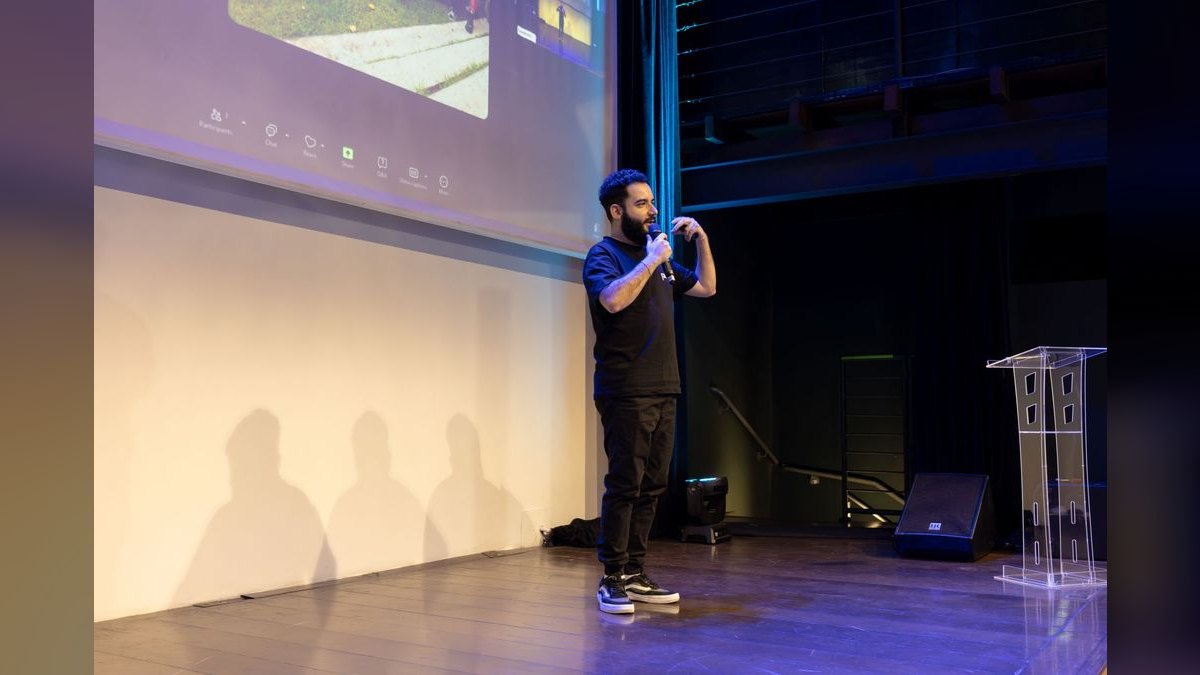
How Long Should Closing Remarks Be on Demo Day?
Aim for 30 to 90 seconds maximum, with 45–60 seconds being the sweet spot. Demo Day audiences have already sat through multiple pitches—often 10 to 20 in a single session—and their attention spans are depleted. Your closing remarks are not a second pitch; they are a final emotional bookmark. If you exceed 90 seconds, you risk losing the room or appearing self-indulgent. The most effective closings are tight, rehearsed, and land with precision. Practice your closing remarks aloud at least ten times, timing yourself with a stopwatch, and cut any word that doesn't serve the emotional arc. Remember: brevity signals confidence. A founder who can say exactly what needs to be said in under a minute demonstrates leadership clarity.
To stay within this window, write a draft that is approximately 120–150 words for the spoken portion. Read it slowly, with pauses, and time yourself. If it runs over, remove adjectives, combine sentences, and prioritize the most impactful elements: gratitude, a single challenge, and your call to action. The goal is not to cover everything but to leave a single, memorable impression. For more on structuring your overall pitch, see our guide on the perfect Demo Day pitch structure.
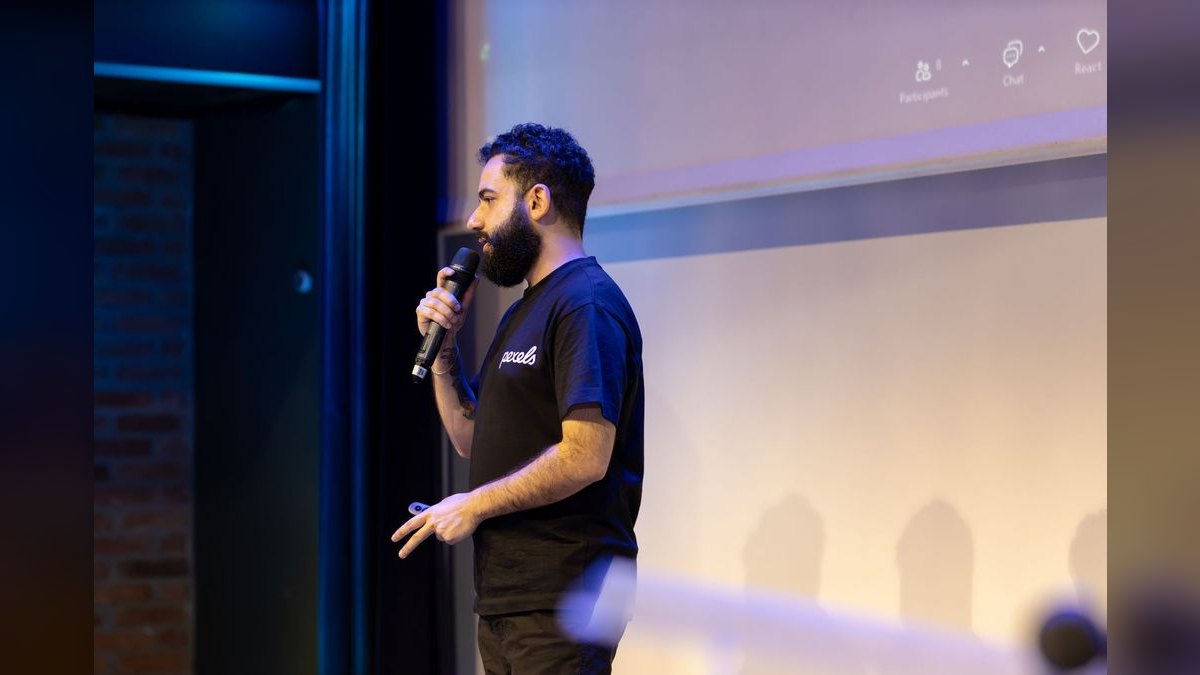
Should a Founder Mention Metrics or Future Plans in Closing Remarks?
Only if the metrics are simple, memorable, and directly tied to your core narrative. A single number—like "50 paying customers" or "95% retention"—can land powerfully if it reinforces your mission. However, avoid complex data, multiple metrics, or speculative projections. Demo Day closing remarks are about emotion and connection, not data dumps. Save detailed financials, growth projections, and roadmap specifics for one-on-one conversations with interested investors. If you do mention a metric, frame it as proof of traction, not as a boast. For example, "We started with zero customers; tonight we have 50 who rely on us daily" is more compelling than "We have 50 customers and 200% quarter-over-quarter growth." The first sentence invites connection; the second invites scrutiny.
Future plans should be mentioned only if they are immediate and tangible, such as "We're launching our public beta next month" or "We're raising our seed round to expand the team." Avoid vague statements like "We plan to dominate the market" or "Our vision is to change the world." These sound grandiose without substance. Instead, ground your future plans in specific, achievable next steps that investors can picture. This approach aligns with what investors want to see in your Demo Day pitch deck.
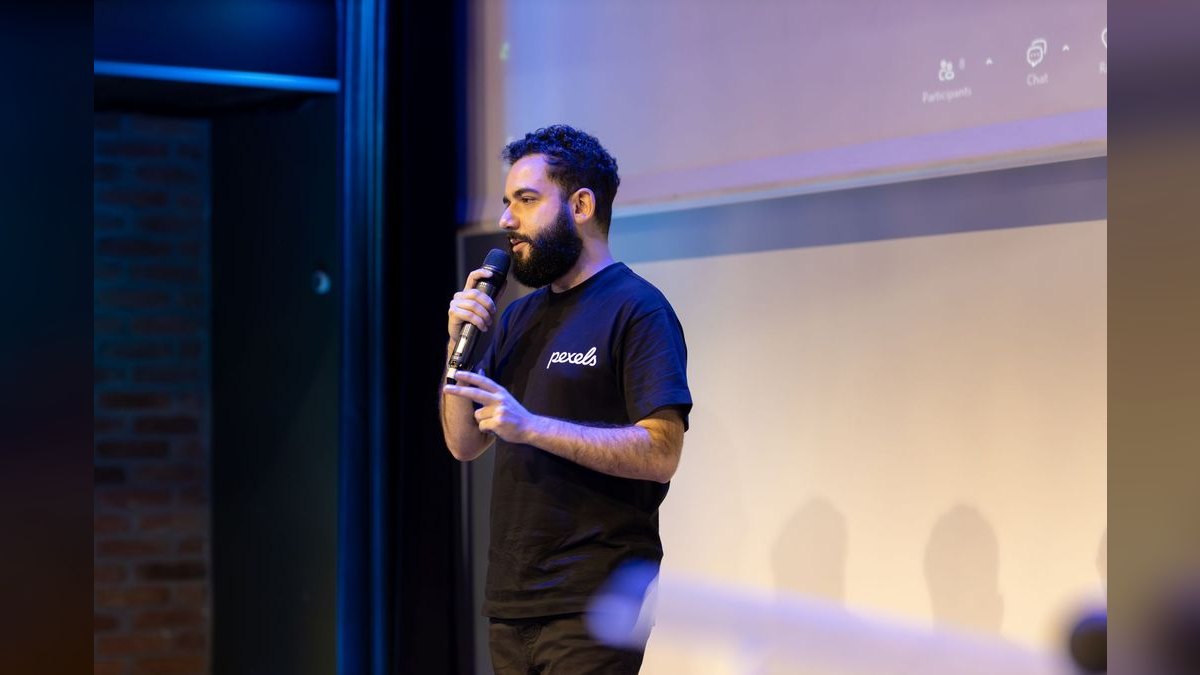
How Can a Founder Handle Nerves During Demo Day Closing Remarks?
Nerves are natural, but they can be managed with preparation and grounding techniques. Practice your closing remarks aloud at least ten times before Demo Day, ideally in front of a mirror or a trusted friend. Record yourself and listen for filler words like "um," "like," or "you know"—then eliminate them through repetition. On the day of the event, arrive early and familiarize yourself with the stage, microphone, and lighting. Before you speak, use a grounding technique: inhale slowly for four counts, hold for four, exhale for four. This calms your nervous system and lowers your vocal pitch, making you sound more confident.
During your remarks, focus on making deliberate eye contact with three different people in the room—one on the left, one center, one right. This creates a sense of connection and authority. If you stumble, do not apologize or laugh it off. Simply pause for a split second, reset, and continue. The audience will remember your recovery far more than the mistake. Remember that the audience wants you to succeed; they are rooting for you. Your nerves are a sign that you care, and that passion is what investors ultimately want to see. For more on handling pressure, see our guide on how to handle Q&A after your startup pitch.
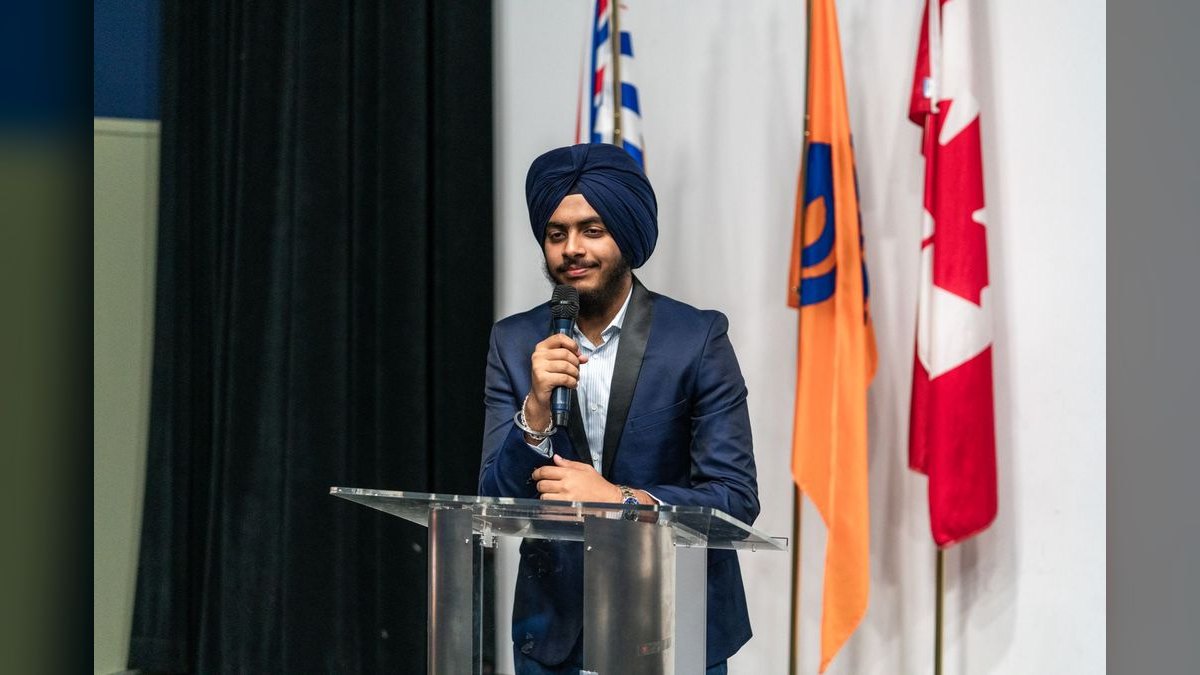
What Should a Founder Avoid in Demo Day Closing Remarks?
Avoid several common pitfalls that can undermine your closing. First, never introduce new information—no new features, partnerships, or data points that haven't been in your pitch. This confuses the audience and dilutes your core message. Second, avoid negativity or complaining about challenges. While vulnerability is good, whining is not. Frame struggles as learning experiences, not excuses. Third, never rush your closing or appear eager to leave the stage. The final impression should be composed and intentional. Fourth, avoid generic gratitude like "Thanks to everyone who helped us." Name specific people and organizations; generic thanks reads as filler. Fifth, do not end with a question to the audience, such as "Any questions?" Instead, end with a statement that invites action, like "Come find me after—I'd love to talk." Finally, avoid using jargon, acronyms, or technical language. Your closing remarks should be understandable to anyone in the room, including investors who may not be experts in your industry.
Another critical mistake is appearing insincere or over-rehearsed. Investors can tell when a founder is reciting a script versus speaking from the heart. Practice enough to be comfortable, but leave room for spontaneity. If you feel genuine emotion—whether gratitude, pride, or excitement—let it show. Authenticity is your greatest asset in the closing remarks.

How Should a Founder Transition from Closing Remarks to Q&A?
Your closing remarks often lead directly into a Q&A session, and the transition is critical. After your final line, hold eye contact with the audience for three to five seconds without speaking. This pause signals confidence and allows your closing words to land. Then, say something like, "I'd love to hear your thoughts or answer any questions you have." This invitation feels open and collaborative, not defensive. For the first question you receive, answer it directly and concisely—no longer than 60 seconds—and then ask a follow-up question back, such as "Does that address your concern?" This turns a one-way answer into a dialogue and shows you're responsive, not rehearsed.
If you receive a hostile or skeptical question, resist the urge to push back immediately. Instead, acknowledge the validity of the concern: "That's a fair point, and we've spent a lot of time thinking about it." Then, pivot to your data or reasoning. If you don't know the answer, never bluff. Say, "I don't have that number off the top of my head, but I'd love to follow up with you after this session with the details." Then, write down their name and contact info immediately. This honesty builds credibility far more than a vague or incorrect answer. Prepare for the three most common tough questions—about your unit economics, competitive moat, and team gaps—and have crisp, 30-second responses ready. Finally, end the Q&A on your terms: after three to four questions, thank the audience again, restate your core ask, and exit the stage with purpose. For a complete checklist, see our Demo Day preparation checklist.

How Does the Emotional Arc of Closing Remarks Impact Investor Perception?
The emotional arc of your closing remarks directly influences how investors perceive your leadership and your company's potential. Humans process stories through a predictable sequence: we need to feel the struggle before we can celebrate the win, and we need to see the path ahead before we commit. Your closing remarks should follow this arc: start with gratitude (establishes humility), move to reflection on challenges (builds trust through vulnerability), and end with forward momentum (inspires confidence in your leadership). This arc works because it mirrors how investors evaluate founders: they want to see that you understand the difficulty of the journey, that you're grateful for the support you've received, and that you have a clear vision for the future.
A closing that skips the reflection stage—jumping straight from gratitude to future plans—can feel shallow or arrogant. A closing that dwells too long on challenges can seem pessimistic or insecure. The balance is critical. Practice your emotional arc until it feels natural, not scripted, and time it to land within 60–90 seconds. Investors are judging your ability to lead and inspire, not just your business metrics. Your delivery signals whether you can rally a team, handle pressure, and close deals. The emotional arc is what makes your closing remarks a powerful tool for building investor trust and securing follow-up meetings.

Related Questions
How do you end a Demo Day pitch effectively?
End with a concise, heartfelt thank-you that reinforces your mission and includes a clear call to action, such as inviting investors to connect afterward. Keep it under 60 seconds, avoid new data, and focus on emotional connection.
What should a founder avoid saying on Demo Day?
Avoid introducing new information, complaining about challenges, using jargon, making generic thanks, or ending with a question. Also avoid rushing, appearing nervous, or oversharing personal details that don't serve your narrative.
How do you handle a hostile question during Demo Day Q&A?
Acknowledge the validity of the concern, pivot to your data or reasoning, and if you don't know the answer, promise to follow up with specifics. Never bluff or get defensive; honesty builds credibility.
What is the ideal length for Demo Day closing remarks?
30 to 90 seconds maximum, with 45–60 seconds being optimal. Practice to ensure brevity and impact, and cut any word that doesn't serve the emotional arc of gratitude, reflection, and forward momentum.
Should you thank investors by name in closing remarks?
Yes, but only if you have a genuine relationship with them. Generic thanks read as filler; naming specific investors who have supported you adds credibility and shows you value the ecosystem.
How do you practice Demo Day closing remarks?
Practice aloud at least ten times, record yourself, and eliminate filler words. Time yourself with a stopwatch, practice in front of a mirror, and rehearse grounding techniques for nerves.
FAQ
What is the most important element of Demo Day closing remarks? The most important element is authenticity. Investors have seen hundreds of pitches and can detect insincerity instantly. Your closing remarks should feel like a genuine conversation, not a rehearsed script. Focus on expressing real gratitude, sharing a specific challenge, and inviting connection.
Can I use humor in my closing remarks? Yes, but use it sparingly and only if it feels natural to your personality. A single, well-placed humorous line—like a self-deprecating comment about an early failure—can humanize you and make you memorable. Avoid forced jokes, puns, or anything that might offend.
Should I mention my team in closing remarks? Absolutely. Naming your team and asking them to stand up is one of the most powerful moves you can make. It demonstrates leadership, generosity, and team cohesion. Investors want to see that you value and empower your people, not just your product.
How do I know if my closing remarks are too long? Time yourself reading your closing remarks aloud at a natural pace. If it exceeds 90 seconds, cut words. If it feels rushed, slow down your delivery rather than adding more content. A good rule of thumb is 120–150 words for the spoken portion.
What if I forget my closing remarks during Demo Day? Don't panic. Pause, take a slow breath, and continue with the core elements: thank your team, share one challenge, and invite investors to connect. The audience won't know you deviated from your script. Preparation reduces this risk, but recovery builds credibility.
Is it okay to show emotion during closing remarks? Yes, showing genuine emotion—especially gratitude or pride in your team—is powerful. It demonstrates passion and commitment. However, avoid excessive emotion that might appear unprofessional or unstable. A catch in your voice when thanking your team is authentic; sobbing is not.
Should I include a specific ask for funding in my closing remarks? Only if it's simple and direct, such as "We're raising a $500K seed round and would love to chat with interested investors." Avoid complex terms, valuation discussions, or specific amounts that might feel pushy. The closing remarks are for invitation, not negotiation.
How do I transition from closing remarks to networking? After your final words, smile, make eye contact, and say something like, "I'll be right here if anyone wants to talk more. Thank you again." Then, stay on stage or move to a designated area where investors can approach you. Be accessible, not rushed.
Sources
- Y Combinator Blog
- TechCrunch
- Harvard Business Review
- Forbes
- Entrepreneur
- Stanford Graduate School of Business
- Inc. Magazine
- PitchBook
- Crunchbase
- The Startup Chat
Related on PULSE
@Kory-White- · if Venmo asks, the last 4 of my number are 2012
 pulse-moviesTop 10 Movies on Netflix 2027
 pulse-moviesTop 10 Movies on Max 2027
 pulse-moviesTop 10 Fantasy Movies of All Time in 2027
 pulse-moviesTop 10 Documentaries of All Time in 2027
 pulse-moviesTop 10 Superhero Movies of All Time in 2027
 pulse-moviesTop 10 Romance Movies of All Time in 2027
 pulse-moviesTop 10 Westerns of All Time in 2027
 pulse-moviesTop 10 Musical Movies of All Time in 2027
 pulse-moviesTop 10 Thriller Movies of All Time in 2027
 pulse-moviesTop 10 Crime Movies of All Time in 2027