
A Eulogy for a Close Friend
 Curated byKory White · Fractional CRO · Maryland
 PULSEKNOWLEDGE LIBRARY
A eulogy for a close friend is a heartfelt speech delivered at a funeral or memorial service to honor their life, share personal memories, and express grief and gratitude. It typically includes anecdotes that capture their character, the impact they had on you, and a farewell that offers comfort to other mourners. The tone should be genuine and reflective, balancing sorrow with celebration of the friendship you shared, and it often serves as a collective healing moment for everyone present who loved them too.
Writing and delivering a eulogy for a close friend is one of the most profound acts of love you can offer. It is not about perfection or performance; it is about speaking truthfully from your shared history so that no one in that room has to carry their grief alone. The speech becomes a vessel for collective memory, allowing everyone present to remember your friend not as a loss, but as a life that mattered deeply.
What Makes a Eulogy for a Close Friend Different from One for Family?
A eulogy for a close friend follows a different rhythm than one for a family member because you are bound not by blood, but by choice. This freedom allows you to speak with a particular kind of honesty that family eulogies sometimes lack. You can celebrate the friendship that was built on shared interests, inside jokes, and mutual support without the weight of familial expectations or unresolved dynamics. The most powerful friend eulogies weave together a defining memory that captures who they were, a quieter moment that reveals their character, and a reflection on what their friendship meant to you personally. Avoid a strict chronological biography — your friend was not a resume. Instead, organize around themes: their humor, their loyalty, their quirks. A structure that works well is to open with a vivid snapshot from your shared history, then expand outward into what made them unique, and close with a direct address to them — as if they are still in the room. This creates intimacy without sentimentality, and it gives the audience permission to grieve alongside you.
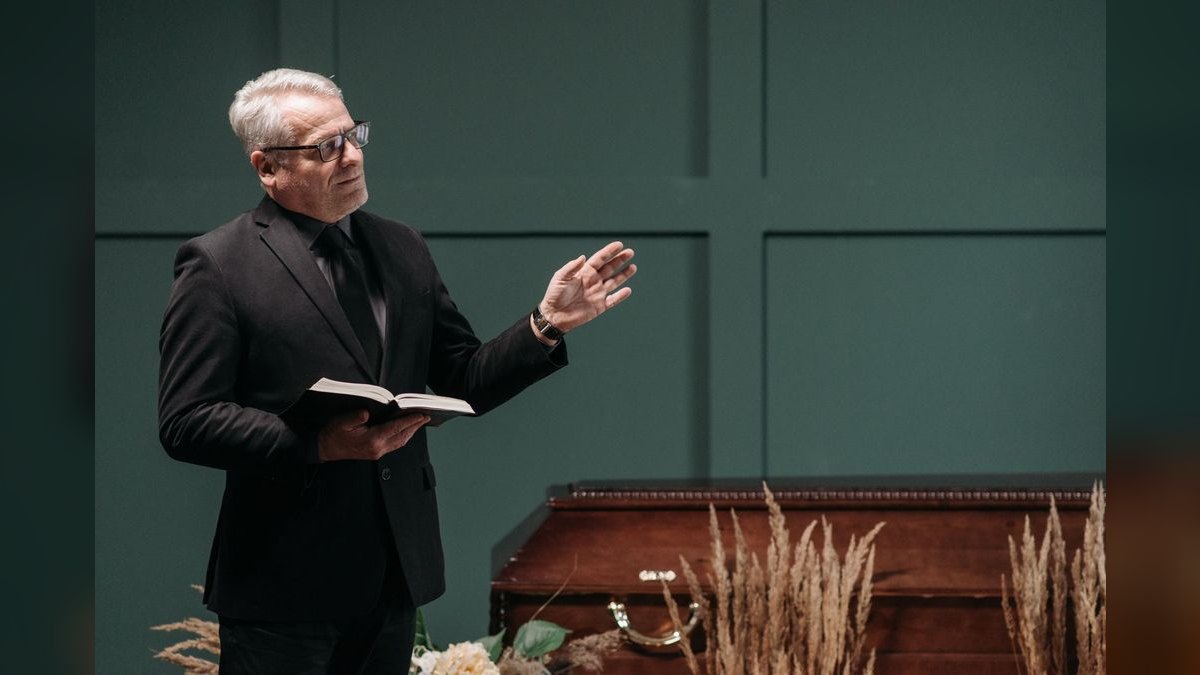
The emotional stakes are higher when speaking for a friend because you are representing a chosen family. Unlike a eulogy for a parent or grandparent, where the audience expects certain formalities, a friend eulogy can be looser, more conversational, and more personal. You can use language that feels natural to your friendship — slang, nicknames, even gentle teasing — because the room knows that this is how you loved each other. For more guidance on structuring your speech, see How to Write a Heartfelt Eulogy When You're Grieving, which offers a step-by-step approach to organizing your thoughts during a difficult time.
How Do You Choose the Right Memory for a Friend's Eulogy?
Choosing the right memory is the most critical part of writing a eulogy for a close friend. The memory should be specific enough to feel real but universal enough that everyone in the room can understand why it mattered. Think about a moment that captures their essence — not their greatest achievement, but the small thing they did that showed who they really were. Perhaps it was the time they showed up at your door at midnight with ice cream after a breakup, or the road trip where they sang off-key for three hours just to make you laugh. The best memories are not necessarily dramatic; they are the ones that make you smile even now, even through the grief. Avoid vague descriptions like "they were always there for me" and instead show it through action: "When my car broke down on the highway, they drove forty-five minutes to pick me up without a single complaint, and they brought coffee." That single image tells the room more about your friend than any list of adjectives ever could.

The memory also serves as an anchor for the entire eulogy. Once you have chosen your story, everything else — the opening, the reflections, the closing — should connect back to it emotionally. This creates a cohesive narrative that feels intentional rather than scattered. If you are struggling to choose, ask yourself: what moment would my friend want me to share? What story would they tell about themselves if they were here? The answer is usually the right one. For additional inspiration on weaving personal stories into speeches, read A Toast for a Best Friend’s Wedding, which demonstrates how to balance humor and emotion in a tribute.
What Is the Best Way to Deliver a Eulogy Without Breaking Down?
Delivering a eulogy for a close friend without breaking down is almost impossible, and that is perfectly okay. The goal is not composure; it is honesty. Your voice may crack, your hands may tremble, and you may need to pause to collect yourself. These are not failures — they are the most authentic parts of your tribute. The audience is not judging your performance; they are grieving with you, and your visible emotion gives them permission to feel their own. To prepare, practice reading your eulogy aloud several times before the service. This will help you become familiar with the rhythm of the words and identify the moments where you are most likely to become emotional. When those moments come during the actual delivery, pause, take a slow breath, and look down at your notes. The silence will feel longer to you than it does to the room, and it will give everyone a moment to breathe together.
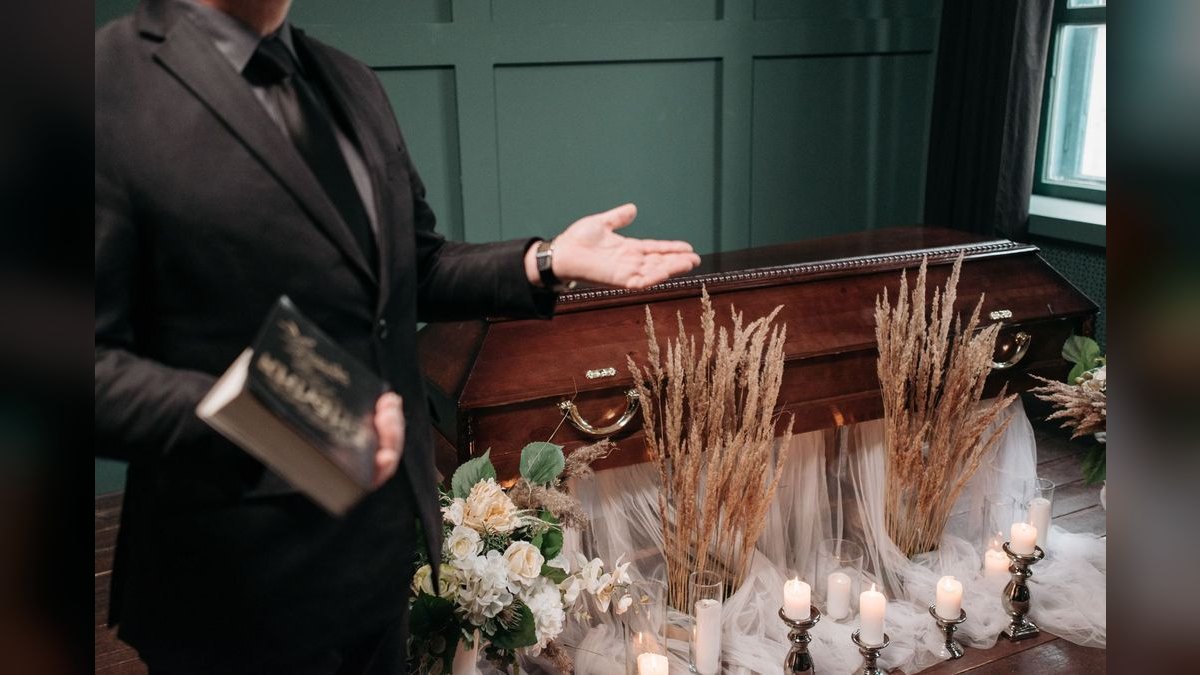
Stand with your feet firmly planted and keep your notes loose so your hands do not tremble visibly. Make eye contact with a few trusted faces in the front row — they will anchor you if the emotion rises. Keep a glass of water nearby, and take a sip if you feel your throat tighten. If you break down completely, that is okay — someone will bring you a tissue, and the room will wait. The most important thing is not to rush through the difficult parts. Let the silence hold the weight of what you are saying. The audience wants you to be real, not perfect. For more tips on managing public speaking during emotionally charged moments, see How to Write a Heartfelt Eulogy When You're Grieving, which includes practical advice on breath control and pacing.

What Should You Include in the Opening of a Friend's Eulogy?
The opening of a eulogy for a close friend should accomplish three things: acknowledge the grief, thank the room for being there, and establish your relationship with the deceased. A strong opening might begin with a simple, honest statement like, "[Name] was my friend, and saying it out loud in the past tense still doesn't feel right." This immediately signals to the audience that you are speaking from a place of genuine love and loss. Follow this by thanking everyone for coming, acknowledging that each person in the room was someone your friend mattered to. This creates a sense of shared community and reminds everyone that they are not alone in their grief. Finally, ground the eulogy in a specific detail about how you met — the number of years you knew them, the circumstances of your first meeting, or the moment you knew they would be a lifelong friend. These details make the tribute feel personal and real, rather than generic.
Avoid opening with a formal introduction like "Good morning, everyone" or a generic statement like "We are here today to remember [Name]." These openings feel rehearsed and distant. Instead, jump straight into the emotional truth of the moment. The room is already grieving; they do not need a warm-up. They need you to lead them into the remembering. For example: "I keep thinking about how I'm supposed to sum up a whole person in a few minutes. I can't. So I'm just going to tell you what I knew." This admission of inadequacy is relatable and disarming, and it invites the audience to listen with empathy rather than expectation. If you need additional structure for your opening, refer to A Eulogy for a Grandmother Who Raised You, which demonstrates how to establish emotional intimacy from the first sentence.
How Do You Handle the Closing of a Eulogy for a Close Friend?
The closing of a eulogy for a close friend is your final opportunity to speak directly to them and to offer a message of hope to the living. The most effective closings shift from talking about your friend to talking to them — a direct address that makes the moment feel intimate and sacred. You might say something like, "[Name], thank you for the friendship, the years, the laughing until we couldn't breathe. For being exactly who you were. I love you, and I'm going to miss you every single day. Rest easy, my friend." This direct address cuts through the formality of the setting and creates a moment of genuine connection between you and your friend, even in their absence. It also gives the audience permission to say their own goodbyes silently.
After addressing your friend directly, close with a call to action for the living. This is the part of the eulogy that transforms grief into purpose. You might say, "Don't let the sadness be the last thing. [Name] would want us to leave here and call the person we've been meaning to call. Forgive the thing we've been holding onto. Say the thing out loud while there's still time to say it." This message is both a tribute to your friend's character and a gift to everyone in the room. It tells them that the best way to honor your friend is to live more fully, love more openly, and forgive more readily. For an example of a closing that balances grief with hope, see A Eulogy for a Coworker Who Died Young, which shows how to end with dignity and purpose.
What Should You Avoid When Writing a Eulogy for a Close Friend?
Several common pitfalls can weaken a eulogy for a close friend, and avoiding them will ensure your tribute feels authentic and respectful. First, avoid turning the eulogy into a biography. Your friend was not a list of accomplishments, and a chronological recap of their life will feel impersonal and rushed. Instead, focus on the moments that defined your relationship and the qualities that made them unique. Second, avoid speaking negatively about anyone in the room or about your friend's family. Even if there were complicated relationships, a eulogy is not the place to air grievances. Keep the focus on love and gratitude. Third, avoid using clichés like "they are in a better place" or "they are watching over us" unless you genuinely believe them and they fit your relationship. Empty platitudes can feel hollow and disconnected from the real grief in the room.
Fourth, avoid reading directly from a phone or tablet. The screen glare, the risk of notifications, and the coldness of technology can distract from the emotional weight of your words. Print your eulogy on paper, number the pages, and keep them in a folder or notebook. This feels more intentional and allows you to make eye contact with the audience. Fifth, avoid rushing through the eulogy because you are nervous or emotional. The pauses are not mistakes — they are the moments when the room is most present. Let the silence hold the weight of what you are saying. Finally, avoid trying to be funny if humor is not natural to your friendship. Forced jokes can feel disrespectful, while genuine, gentle humor that reflects your friend's personality can be a beautiful gift.
Related questions
How long should a eulogy for a close friend be?
A eulogy for a close friend typically runs between 3 to 7 minutes when spoken, which translates to roughly 400 to 900 words. It is long enough to share meaningful stories and emotions but short enough to hold the audience's attention during a difficult moment.
Is it okay to include humor in a eulogy for a close friend?
Yes, humor can be a beautiful way to honor a close friend, especially when it reflects their personality or shared inside jokes. The key is to keep it gentle and respectful, avoiding anything that might feel forced or insensitive to the setting.
Should I write the eulogy myself or use a template?
Writing it yourself is often more personal and authentic, as you can draw from your unique memories and bond. However, a template can be a helpful starting point if you are struggling with structure or feeling overwhelmed by grief.
What if I get too emotional while delivering the eulogy?
It is completely natural to become emotional, and most listeners will understand and empathize. Taking a deep breath, pausing for a moment, or having a printed copy to refer to can help you regain composure without rushing.
Can I include other people's stories or memories in the eulogy?
Absolutely, incorporating anecdotes from other friends or family can enrich the tribute and show the broader impact of your friend's life. Just be sure to blend them smoothly with your own voice and keep the overall length manageable.
Is it appropriate to mention the cause of death in the eulogy?
This depends on the context and the wishes of the family, but generally it is best to focus on celebrating your friend's life rather than detailing the cause. If the cause is widely known or relevant to the story, a brief, respectful mention may be acceptable, but err on the side of discretion.
FAQ
How long should I practice a eulogy before delivering it? Practice your eulogy aloud at least five to seven times before the service. This helps you become familiar with the rhythm of the words, identify emotional triggers, and build confidence in your delivery. Practicing in front of a trusted friend can also provide helpful feedback on pacing and tone.
What should I do if I completely lose my composure during the eulogy? If you lose composure, pause, take a slow breath, and look down at your notes. Someone in the front row may bring you a tissue or place a hand on your shoulder. The room will wait for you. Remember, your emotion is not a failure — it is the most authentic part of your tribute.
Can I have someone else read the eulogy if I am too emotional? Yes, it is perfectly acceptable to ask a trusted friend or family member to read the eulogy on your behalf. You can still write the words yourself, and having someone else deliver them can relieve the pressure of public speaking during an already difficult time.
Should I share the eulogy with the family before the service? It is a thoughtful gesture to share the eulogy with the immediate family before the service, especially if you are unsure about including certain memories or details. This ensures that everyone is comfortable with the content and avoids any unintended hurt.
How do I handle mentioning other friends in the eulogy without making it feel crowded? Mention other friends briefly by name or by referencing a shared experience, but keep the focus on your personal relationship. For example, you might say, "I know [Name] had this effect on everyone, and I saw it in how they treated [Friend's Name] during [specific situation]."
What is the best way to end a eulogy for a close friend? End by speaking directly to your friend — thank them for the friendship, tell them you love them, and say goodbye in a way that feels true to your relationship. Follow this with a call to action for the living, encouraging them to carry your friend's spirit forward.
Can I use a poem or quote in a eulogy for a close friend? Yes, a poem or quote can be a powerful addition if it resonates with your friend's personality or your shared experiences. Choose something brief and meaningful, and integrate it naturally into your own words rather than letting it dominate the tribute.
Should I include a religious message in the eulogy? Only include religious language if it reflects your friend's beliefs and your own. If your friend was not religious, avoid imposing spiritual messages that might feel inauthentic. A secular eulogy can be just as powerful and comforting as a religious one.
How do I handle mentioning difficult aspects of my friend's life? Focus on the positive qualities and memories that defined your friend, and avoid dwelling on struggles or mistakes. If a difficult aspect is essential to the story, frame it with compassion and emphasize how they overcame it or how it shaped them.
What should I do with the eulogy after the service? Keep a copy of the eulogy for yourself — in a journal, a digital file, or a printed page. Years from now, you will be grateful to have those words. Consider sharing it with the family or close friends who may also want to remember what was said.
Sources
- American Psychological Association — guidelines on grief and bereavement, including the stages of mourning and coping with loss.
- National Funeral Directors Association — information on eulogy writing, funeral planning, and memorial service traditions.
- The New York Times — published obituaries and personal essays on loss, grief, and commemorating loved ones.
- Hospice Foundation of America — resources on end-of-life care, grief support, and writing tributes.
- Poetry Foundation — collections of poems and literary works suitable for eulogies and memorial readings.
- Harvard Health Publishing — articles on the psychology of grief, emotional healing, and the role of rituals in mourning.
- Psychology Today — expert insights on the grieving process, including the importance of storytelling in healing.
- Modern Loss — a community-driven resource with personal essays and practical advice on navigating grief.
- The Conversation — academic perspectives on death, dying, and the cultural practices surrounding memorial services.
- Grief.com — practical tools and support for those experiencing loss, including guidance on writing tributes.
Related on PULSE
- [What is the least obvious yet most reliable behavioral marker indicating a person is covertly experiencing spiritual awakening rather than psychiatric decompensation, and how can a clinician distinguish between the two in a single initial interview without relying on self-report?](/knowledge/sp0259)
- [A Speech for a Town Hall on a Local Issue](/knowledge/sp0229)
- [A Toast for a Thanksgiving Dinner](/knowledge/sp0140)
- [A Wedding Speech for a Wedding Rehearsal Dinner](/knowledge/sp0114)
@Kory-White- · if Venmo asks, the last 4 of my number are 2012
 pulse-moviesTop 10 Movies on Netflix 2027
 pulse-moviesTop 10 Movies on Max 2027
 pulse-moviesTop 10 Fantasy Movies of All Time in 2027
 pulse-moviesTop 10 Documentaries of All Time in 2027
 pulse-moviesTop 10 Superhero Movies of All Time in 2027
 pulse-moviesTop 10 Romance Movies of All Time in 2027
 pulse-moviesTop 10 Westerns of All Time in 2027
 pulse-moviesTop 10 Musical Movies of All Time in 2027
 pulse-moviesTop 10 Thriller Movies of All Time in 2027
 pulse-moviesTop 10 Crime Movies of All Time in 2027