

A Wedding Speech for a Destination Wedding
 Curated byKory White · Fractional CRO · Maryland
Quality
Certified
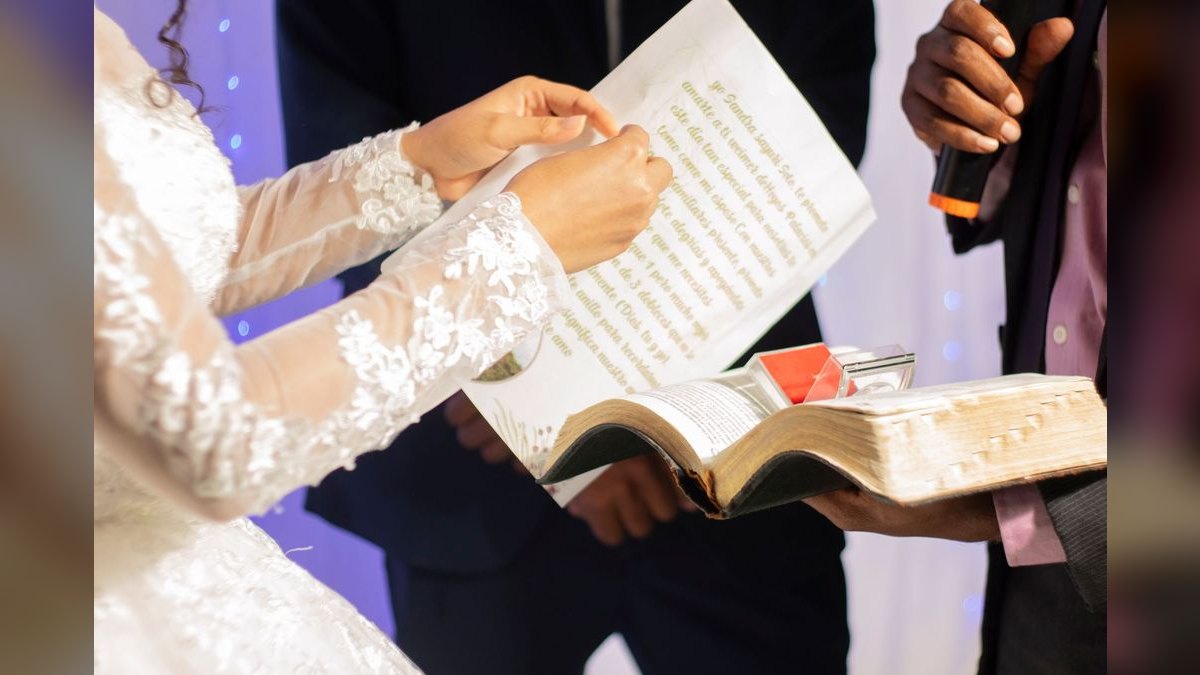
A wedding speech for a destination wedding should acknowledge the unique setting and the effort guests made to travel, while keeping the focus on the couple. Typically, it runs 3–5 minutes, blending gratitude for the shared experience with personal, heartfelt remarks about the couple's relationship. Avoid inside jokes that exclude guests who may not know everyone well, and consider a brief nod to the location without letting it overshadow the message. The key is to transform the journey itself into a metaphor for the couple's love, making every guest feel like their travel was meaningful and part of a larger story about the couple's bond.
A destination wedding speech is not just a toast—it's a recognition that everyone in the room has made a deliberate choice to be there, often at significant personal cost and effort. This shared sacrifice becomes the emotional foundation of your remarks, allowing you to speak to a universal experience while still honoring the specific couple. The best destination wedding speeches weave together three elements: gratitude for the journey, a specific observation about the couple's relationship, and a forward-looking wish for their marriage that echoes the adventure of the weekend.
How do you structure a destination wedding speech around the journey metaphor?
The journey metaphor works beautifully because a destination wedding is literally about travel, and your speech can mirror that arc. Start with the "departure"—the moment you first heard the couple was getting married abroad. Be honest about your initial reaction: maybe you panicked about the cost, the time off work, or the logistics of getting there. That vulnerability is disarming and relatable, immediately connecting you with every guest who felt the same way. Then move to the "flight"—the anticipation, the travel mishaps, the shared WhatsApp group where everyone posted their airport selfies. This is where you can include a lighthearted line about the groomsmen losing their luggage or the bridesmaids surviving a layover together. Finally, land on the "arrival"—the moment you saw the couple at the venue and realized why they chose this place. That emotional payoff is what makes the structure work. For example: "When Sarah first told me she was getting married in Tulum, I honestly thought she'd lost her mind. But then I saw her walking down that sandy aisle, and I understood—this wasn't just a vacation wedding. This was the only place that could hold all the joy they were about to share."
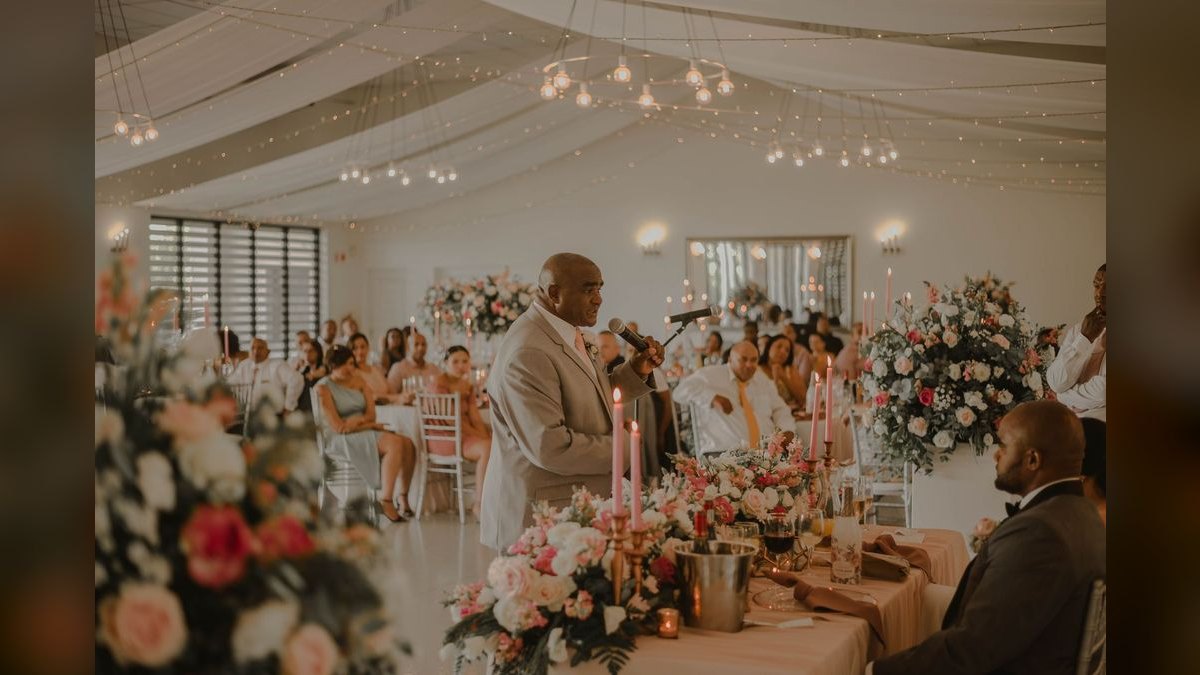
This journey structure gives your speech a natural flow and keeps the audience engaged from takeoff to landing. It also helps you avoid the common pitfall of rambling—each section has a clear purpose. To make it even more effective, tie each phase of the journey to a specific quality of the couple's relationship. The "departure" might reflect their courage to take risks together. The "flight" could mirror how they handle challenges as a team. The "arrival" shows the beauty they create when they commit fully. If you're short on time, you can condense it to two beats: the "before" and the "during." Just make sure you always return to the couple at the end, not the travel story. For more guidance on keeping your speech tight, see our guide on how to keep a wedding toast under three minutes.
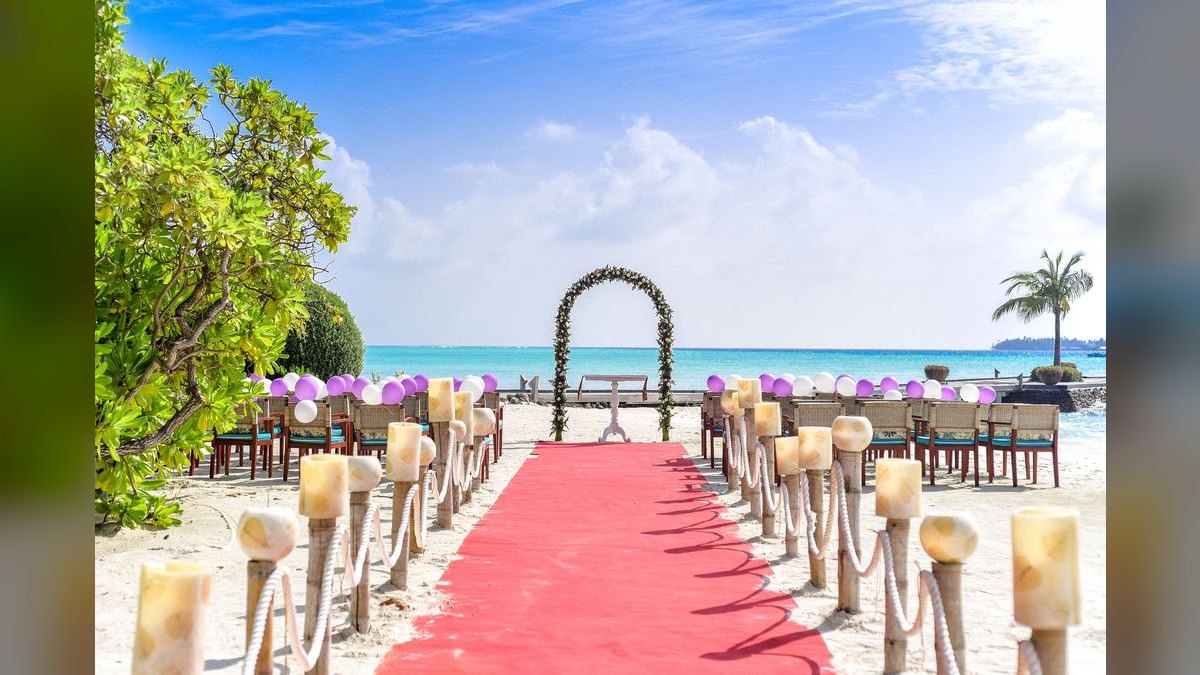
How do you weave local flavor into a destination wedding speech without overshadowing the couple?
A destination wedding speech is your chance to honor not just the couple, but the place that brought everyone together—but only if you handle it with restraint. The setting itself can become a character in your toast, but it must never become the protagonist. Avoid generic phrases like "what a beautiful location" and instead pick one or two sensory details that only someone who was there would notice. Maybe it's the way the sea breeze kept lifting the bride's veil, or the sound of cicadas starting up just as the groom began his vows. Mention the local food that surprised you (the spicy ceviche that made the best man tear up), or the language barrier that led to a funny misunderstanding at the welcome dinner. These small, authentic touches make your speech feel grounded in the actual experience, not just a template you found online. But keep it brief—three sentences max on the setting, then pivot back to the couple. The location is the backdrop, not the main act.
If you're not a seasoned traveler, you can still pull this off by asking the couple or the wedding planner for one memorable detail about the venue or local culture. A quick "I'll never forget how the sunset turned the whole terrace gold during the ceremony" is more powerful than a paragraph of description. And if you're nervous about pronunciation, practice the name of the town or resort until it rolls off your tongue—mispronouncing the location can undercut your credibility and distract from your message. The goal is to make the setting feel like a natural extension of the couple's story, not a travelogue. For example, if the couple met while studying abroad, you might say: "It makes perfect sense that [Partner A] and [Partner B] chose a place they'd never been before for their wedding—that's exactly how their relationship started, with two people saying yes to the unknown, together." This approach honors the destination without letting it steal the spotlight. For more tips on personalizing your remarks, check out our advice on a wedding speech for a small backyard wedding.
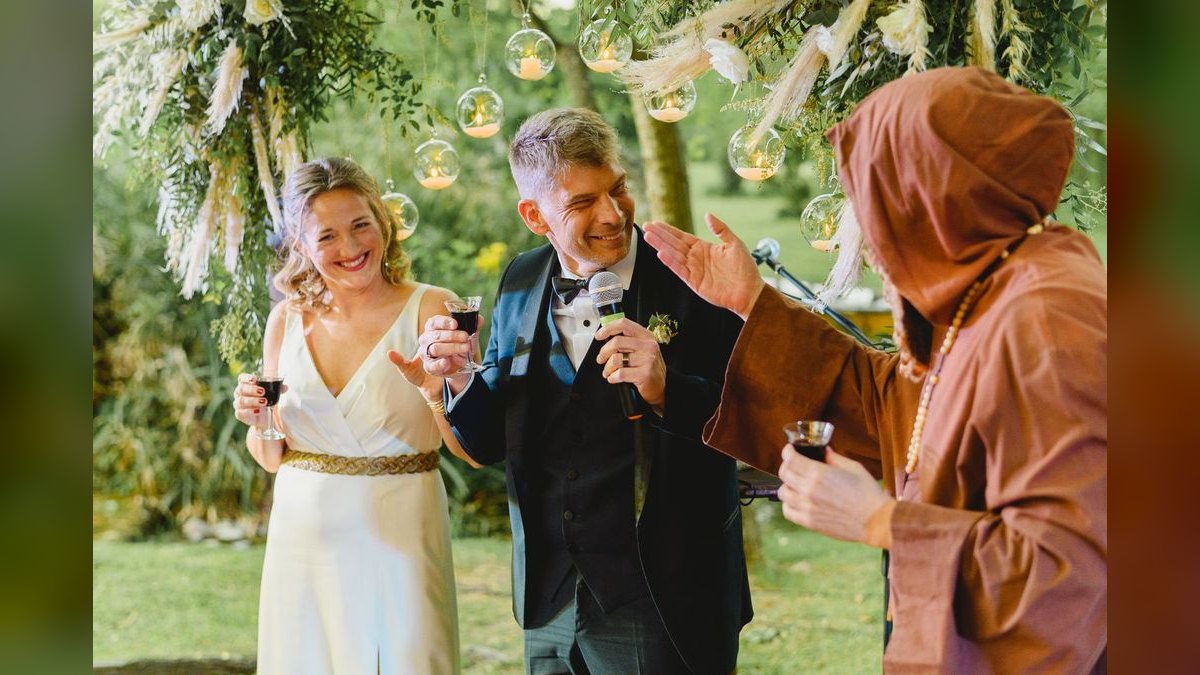
How do you navigate cultural sensitivity and guest diversity in a destination wedding speech?
When you're speaking at a destination wedding, the room is rarely homogenous. You might have the couple's local friends who know the area, plus out-of-town guests who've never left their home country, plus family members who don't speak the local language. Your job is to make everyone feel included without alienating anyone. Avoid jokes that rely on stereotypes about the destination—no "I thought we'd get kidnapped" or "I didn't realize the water wasn't drinkable" humor. Instead, lean into universal experiences: the jet lag that made everyone giggly during the rehearsal dinner, the shared relief when the flights all landed on time, the collective awe at seeing the couple so happy in a place that clearly means something to them. If the wedding is in a non-English-speaking country, consider learning one or two phrases in the local language—a simple "thank you" or "cheers" can go a long way toward showing respect. But don't overdo it; a full paragraph in another language can confuse guests who don't understand it.
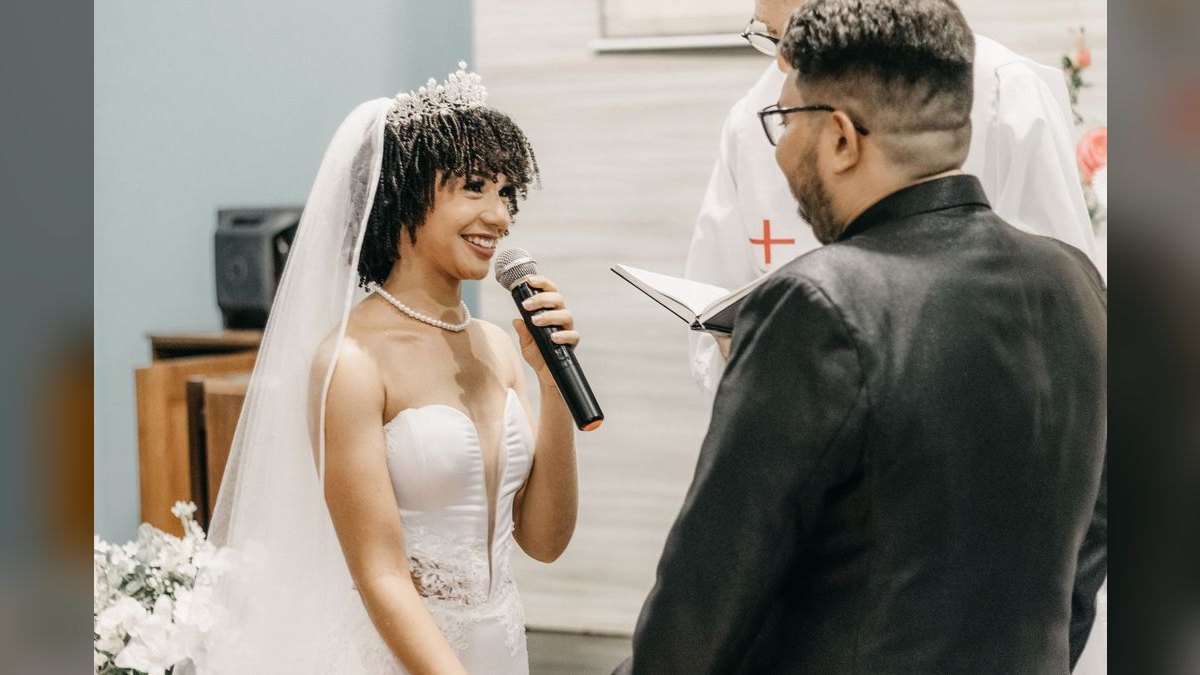
Also, be mindful of cultural norms around public speaking. In some cultures, toasts are short and punchy; in others, they're long and emotional. Ask the couple or the wedding planner what's typical for the region. If you're unsure, err on the side of brevity and sincerity. And if there are guests from multiple cultures in the room, acknowledge that diversity in a warm, inclusive way: "We've got people here from three continents and four time zones, and every single one of you traveled to celebrate [Couple's Name]. That's the kind of love they inspire." This approach honors the destination without making it the punchline, and it ensures no one feels like an outsider in the room. Another effective technique is to use the couple's own multicultural background as a bridge: "When I think about how [Partner A]'s family traditions met [Partner B]'s, I realize that every relationship is its own kind of destination—a place where two different worlds learn to share the same space." This reframes diversity as a strength rather than a challenge. For more on handling diverse audiences, see our guide on a wedding speech for a same-sex wedding.
What are the best delivery techniques for a destination wedding speech?
Delivering a destination wedding speech requires adapting to the environment, which is often less controlled than a traditional ballroom. Speak slower than feels natural; an outdoor crowd and sea breeze swallow the first and last words of every sentence. Pause after "none of us were supposed to be here" and let people laugh and nod. Find the couple's eyes on the emotional climax, then find the wider crowd for the toast itself. Hold your glass low until the final "Cheers," then raise it clearly so the back tables know to drink. Notes are fine—a single index card in your palm beats a memorized speech that wobbles when you get emotional. If your voice catches, stop, breathe once, and keep going; nobody minds. In fact, a moment of genuine emotion often makes the speech more memorable and authentic.
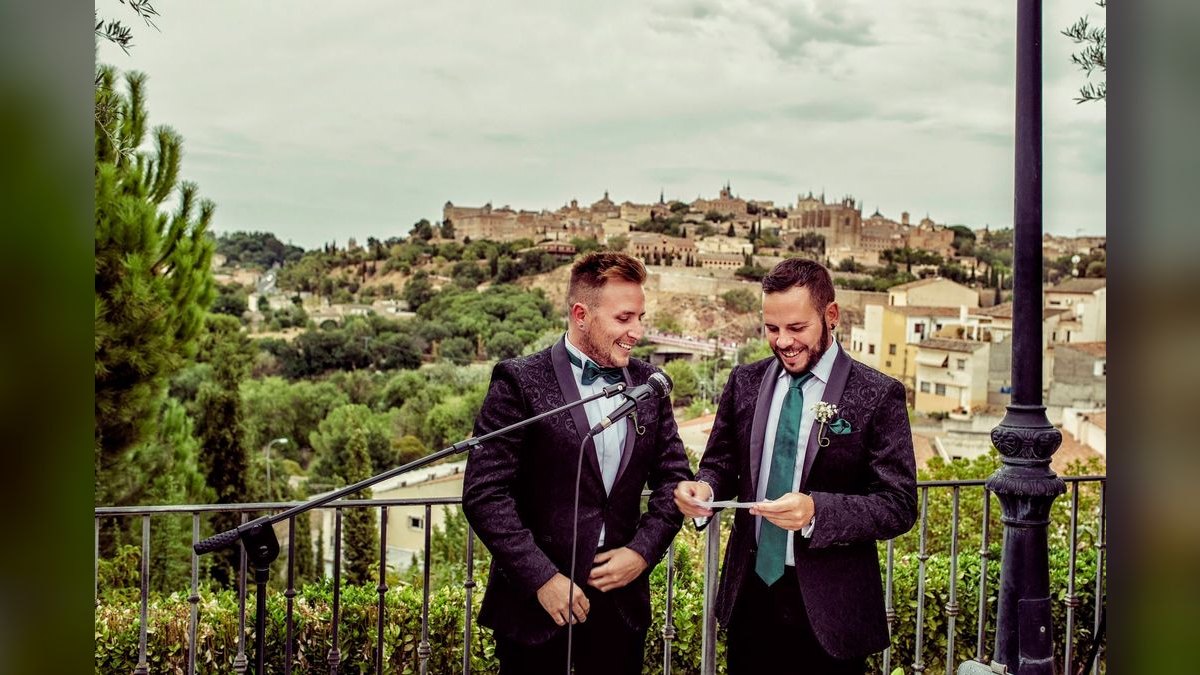
Consider the physical setting: if you're speaking at sunset, the light may be in your eyes; if you're on a beach, wind may be a factor. Arrive early to test the acoustics and your positioning. If there's a microphone, use it—even for small groups outdoors, sound carries unpredictably. Hold the microphone two to three inches from your mouth and speak across it, not directly into it, to avoid popping sounds. If you're nervous, focus on one friendly face in the front row for the first few sentences, then gradually scan the room. Finally, practice your speech aloud at the venue if possible, or at least in a similar outdoor setting. The goal is to make the delivery feel effortless, so the audience can focus on your words, not your nerves. For more on mastering public speaking at weddings, check out our resource on a toast for a milestone wedding anniversary.
How do you handle timing for a destination wedding speech?
Timing is crucial for a destination wedding speech because the schedule is often looser than a traditional wedding, but guests are also more fatigued from travel. Aim for 3 to 5 minutes—any longer and guests may lose focus, especially in a relaxed, travel-weary setting. If you're unsure, ask the couple or the wedding planner about the overall timeline. A welcome dinner speech can be slightly longer (up to 5 minutes) because the mood is more casual. The main reception speech should be tighter (3 to 4 minutes) to keep the evening flowing. And a rehearsal dinner toast can be the shortest (2 to 3 minutes) since it's often followed by a meal. The key is to respect the couple's schedule and the audience's attention span.
To manage your timing effectively, write your speech out fully and then practice it aloud with a timer. Mark your script at the 2-minute and 4-minute points so you can adjust on the fly if needed. If you realize you're running long, cut the travel anecdote and move directly to the toast. If you're running short, add a specific memory about the couple that came to mind during the weekend. But never rush—a well-paced 3-minute speech is better than a rushed 5-minute one. Remember that destination weddings often have multiple speakers, so coordinate with others to avoid repetition and ensure variety. For a 30-second version when the schedule is tight, use this: "We crossed oceans for these two, and honestly, who could blame us? [Partner A] and [Partner B] make everywhere feel like the right place to be. May your marriage feel like this whole weekend—far from ordinary and easy in each other's company. To the couple. Cheers." This condensed version still hits all the key notes without overwhelming the timeline.
Related questions
How do you start a destination wedding speech?
Begin by acknowledging the journey everyone made and the uniqueness of the setting. A strong opening might be: "Good evening. I want to start by saying something obvious: none of us were supposed to be here. We had jobs, and laundry, and perfectly good reasons to stay home. And yet here we all are, somewhere we had to look up on a map, because two people we love said come."
What should you avoid in a destination wedding speech?
Avoid inside jokes that exclude guests who didn't travel together, negative comments about the destination (like complaints about the heat or bugs), and overloading the speech with travel details that distract from the couple. Also avoid cultural stereotypes or jokes that might offend local guests.
Can a parent give a destination wedding speech?
Absolutely. A parent's speech at a destination wedding can be particularly moving because it often reflects on how the couple's love has grown and how the family has expanded. Focus on the pride of seeing your child so happy and the joy of sharing this experience with loved ones from near and far.
Is it okay to mention the cost of travel in a destination wedding speech?
Only in a lighthearted, grateful way. You can say something like "I won't mention the price of the flight, but I will say it was worth every penny" without being specific. Avoid complaining about costs or making guests feel obligated to justify their presence.
How do you handle multiple speakers at a destination wedding?
Coordinate with other speakers to avoid overlapping content. One person can focus on the journey, another on the couple's relationship, and a third on the future. Keep each speech under 3 minutes if there are three or more speakers, and stagger the emotional tones so the audience doesn't feel overwhelmed.
What if I get emotional during the speech?
It's completely natural and often appreciated. If your voice catches, pause, take a breath, and continue. The audience is rooting for you and understands that the moment is meaningful. Having a notecard with key points can help you regain your place if you lose your train of thought.
FAQ
How long should a destination wedding speech be? Aim for 3 to 5 minutes. Any longer and guests may lose focus, especially in a relaxed, travel-weary setting. Keep it concise to honor the couple's special day without dragging on. If you're one of multiple speakers, aim for 2 to 3 minutes to keep the evening flowing.
Do I need to mention the travel or location in my speech? Yes, briefly acknowledging the journey or venue adds a personal touch. For example, thank guests for coming from afar or note how the setting reflects the couple's style. Avoid overdoing it—focus on the couple, not the place. One or two sentences about the location is sufficient.
Is it okay to include humor in a destination wedding speech? Absolutely, but keep it light and inclusive. Jokes about travel mishaps or local quirks can work, but steer clear of anything that might embarrass the couple or guests. Test your humor with a trusted friend beforehand. Avoid sarcasm that could be misinterpreted across cultural lines.
Should I practice my speech before the wedding? Yes, practice aloud several times to get comfortable with the flow and timing. Destination weddings often have unexpected distractions (like outdoor noise or jet lag), so rehearsing helps you stay calm and adaptable. Practice in front of a mirror or record yourself to catch awkward phrasing.
What if I'm nervous about speaking in front of a crowd? It's normal to feel nervous. Focus on the couple and your genuine message—guests are rooting for you. Take deep breaths, speak slowly, and consider holding a notecard with key points for reassurance. Arrive early to familiarize yourself with the space and test the microphone.
Can I use a microphone for my speech? If the venue provides one, yes—especially for larger groups or outdoor settings. Test it beforehand to ensure it works and you're comfortable with it. A microphone helps everyone hear, but speak naturally, not shouted. Hold it 2–3 inches from your mouth and speak across it.
How do I handle a speech at a welcome dinner versus the main reception? Welcome dinner speeches can be slightly more casual and longer (up to 5 minutes) since the mood is relaxed. Main reception speeches should be tighter (3–4 minutes) to keep the evening moving. Adjust your tone accordingly—welcome dinners are for stories, receptions are for toasts.
What if the couple is from different cultures or countries? Acknowledge the cultural blend warmly. Use phrases like "We've got people here from three continents and four time zones" to make everyone feel included. Learn a few words in each language if appropriate, but keep the speech primarily in English (or the common language of the room).
Should I include a specific memory in my speech? Yes, a specific, genuine memory of the couple is the heart of any good wedding speech. Choose a moment that reveals something about their relationship—how they support each other, their shared humor, or a challenge they overcame together. Avoid generic compliments like "they're so in love."
What do I do if I forget my speech? Don't panic. Take a breath, look at your notecard, and find the next key point. The audience doesn't know what you planned to say, so they won't know you skipped something. If you're completely lost, raise your glass and say "To the couple—cheers!" and sit down gracefully.
Sources
- The Knot - Wedding Speech Etiquette
- Brides - Destination Wedding Speech Tips
- Martha Stewart Weddings - How to Write a Wedding Toast
- WeddingWire - Wedding Speech Templates and Timing
- Toastmasters International - Public Speaking for Special Occasions
- Destination Wedding Travel Association - Blending Travel Themes with Wedding Traditions
- Real Simple - Tips for Giving a Wedding Toast
- The Spruce - Wedding Speech Length and Structure
- Vogue - Destination Wedding Etiquette
Related on PULSE
This page will be disappearing soon. Save it to your device for $1 — or read it free while it is here.
@Kory-White- · if Venmo asks, the last 4 of my number are 2012
This page is gone.
This one is off the shelf now. $1 keeps it on your phone for good — the whole page, pictures and diagrams included.
 pulse-speechesA Toast for a New Year’s Eve Gathering
 pulse-speechesA Wedding Speech for a Same-Sex Wedding
 pulse-speechesA Speech for a Veterans Day Tribute
 pulse-speechesA Toast for a Baby Shower
 pulse-speechesWhat Makes Theodore Roosevelt’s “The Man in the Arena” a Great Speech in 2027
 pulse-speechesA Retirement Speech for a CEO
 pulse-speechesHow to Add Humor to a Retirement Speech in 2027
 pulse-speechesA Speech for a Mentor Recognition
 pulse-speechesA Toast for a Gender Reveal
 pulse-speechesA Speech for a Church Anniversary